
DiscoverSpeciesCorals and anemones
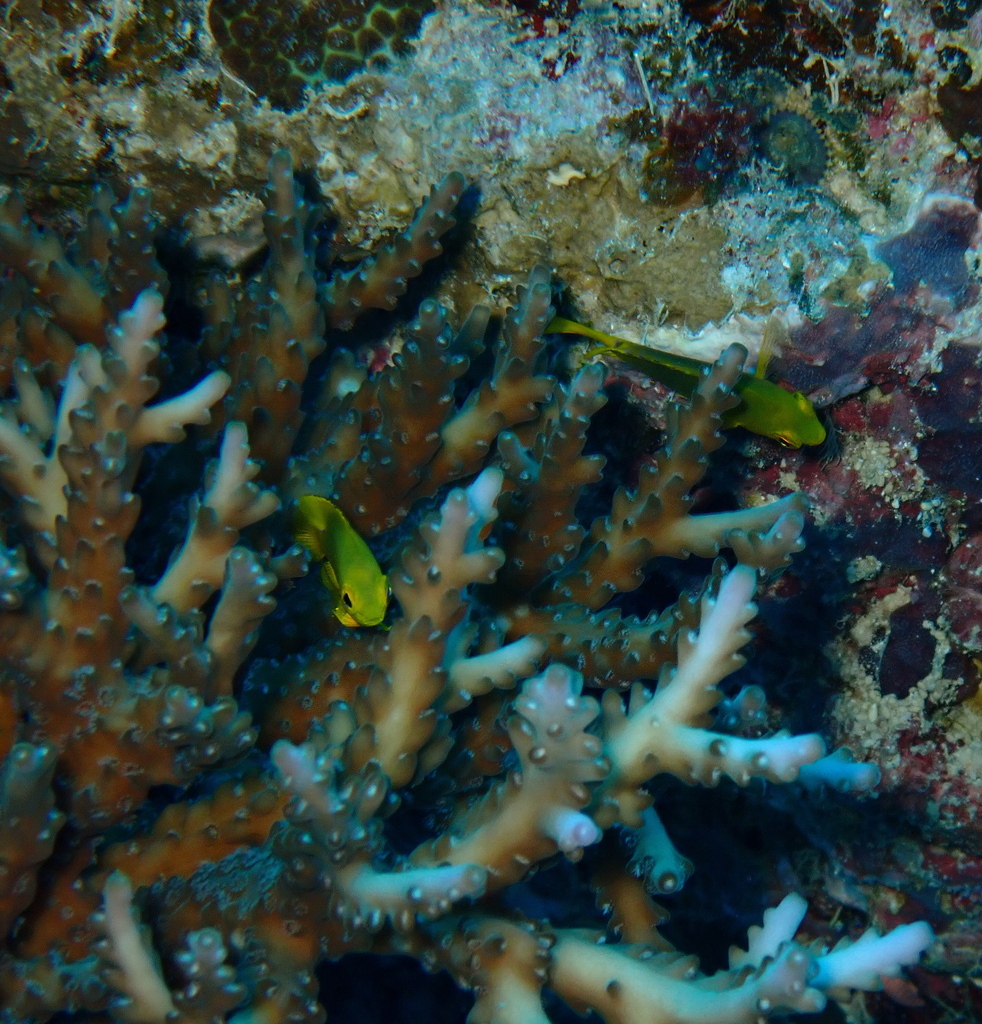
Staghorn coral
Acropora horrida
- Usual depth2–15 m
- Water temperature22–30 °C
- Best monthsMay and November
- How commonOccasional
About this species
Acropora horrida is a species of acroporid coral that was first described by James Dwight Dana in 1846. Found in tropical, shallow reefs in marine environments, it occurs near fringing reefs around turbid water, at depths of 5 to 20 m. It is listed as a vulnerable species on the IUCN Red List, and it is thought to have a decreasing population. It is not common and found over a large area, and is listed under CITES Appendix II.
Text from the Wikipedia article “Acropora horrida”, licensed CC BY-SA 4.0. Read the article
Where and when
Where it has been recorded
Worldwide
Loading the map
Best months
Worldwide (open data)
- January: 7 records
- February: 20 records
- March: 15 records
- April: 12 records
- May: 75 records
- June: 28 records
- July: 21 records
- August: 22 records
- September: 22 records
- October: 29 records
- November: 50 records
- December: 16 records
Depth and water temperature
Depth
Mostly recorded at 2–15 m · Deepest record: 35 m
Water temperature
Recorded in surface water of 22–30 °C
Names and classification
- English
- Staghorn coral
Names in 1 more languages
- Japanese
- セキセイミドリイシ, ヤセミドリイシ[セキセイミドリイシ]
Other scientific names: Acropora (Acropora) horrida, Acropora (Distichocyathus) angulata, Acropora (Distichocyathus) parilis, Acropora angulata, Acropora parilis, Acropora sekiseiensis, Acropora tylostoma, Heteropora tylostoma, Madrepora (Distichocyathus) angulata, Madrepora (Distichocyathus) inermis, Madrepora (Distichocyathus) parilis, Madrepora (Eumadrepora) tylostoma, Madrepora (Trachylopora) horrida, Madrepora angulata, Madrepora horrida, Madrepora inermis, Madrepora parilis, Madrepora tylostoma
Similar species
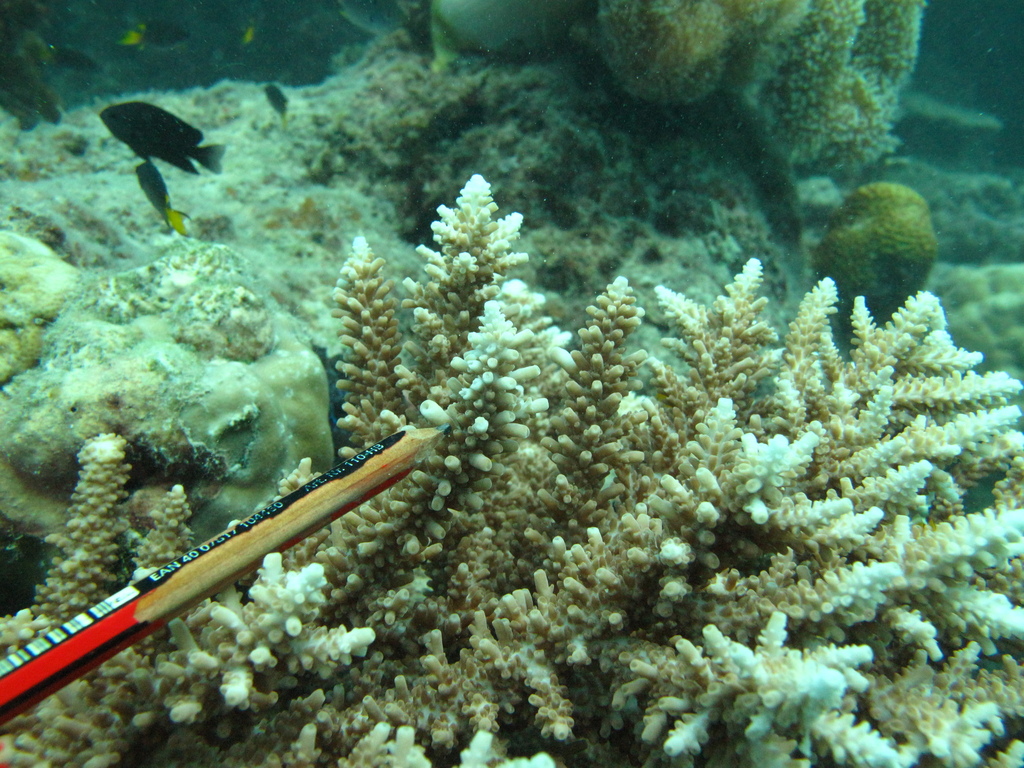
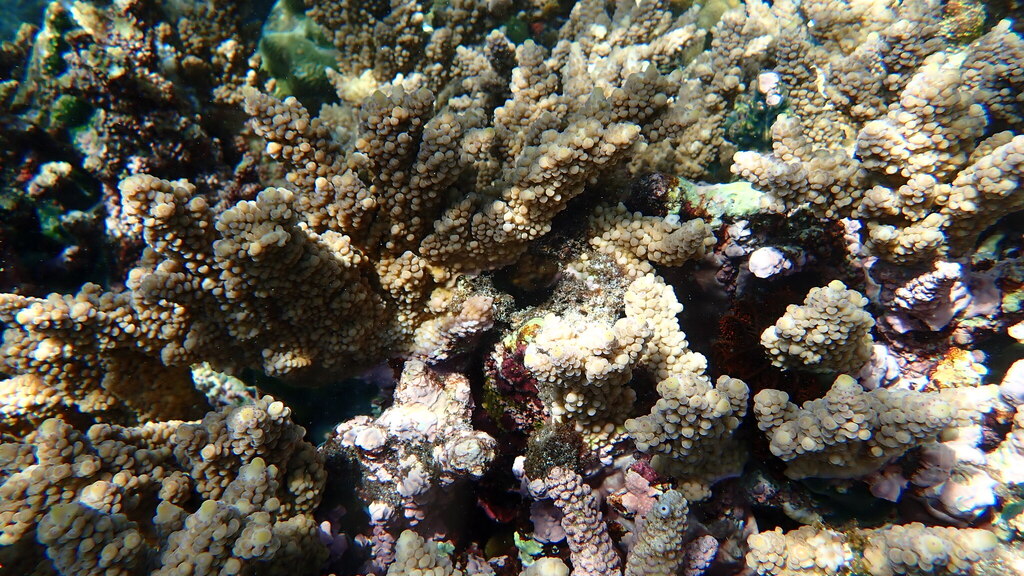 Staghorn Coral
Acropora austera
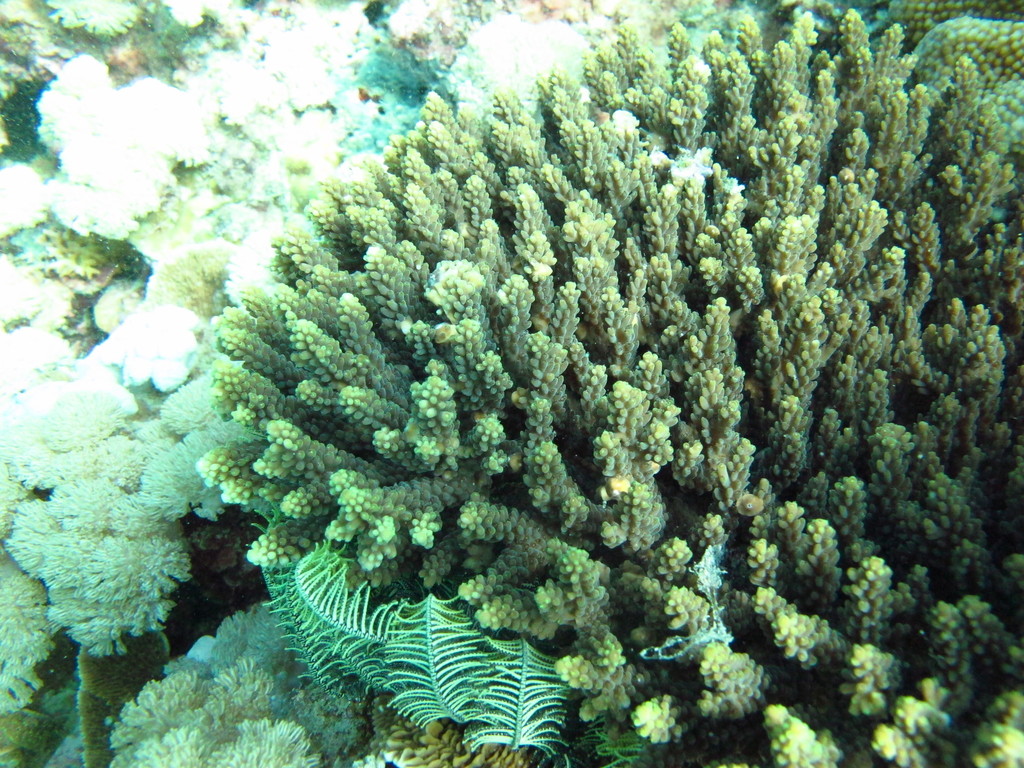
 Table coral
Acropora cytherea
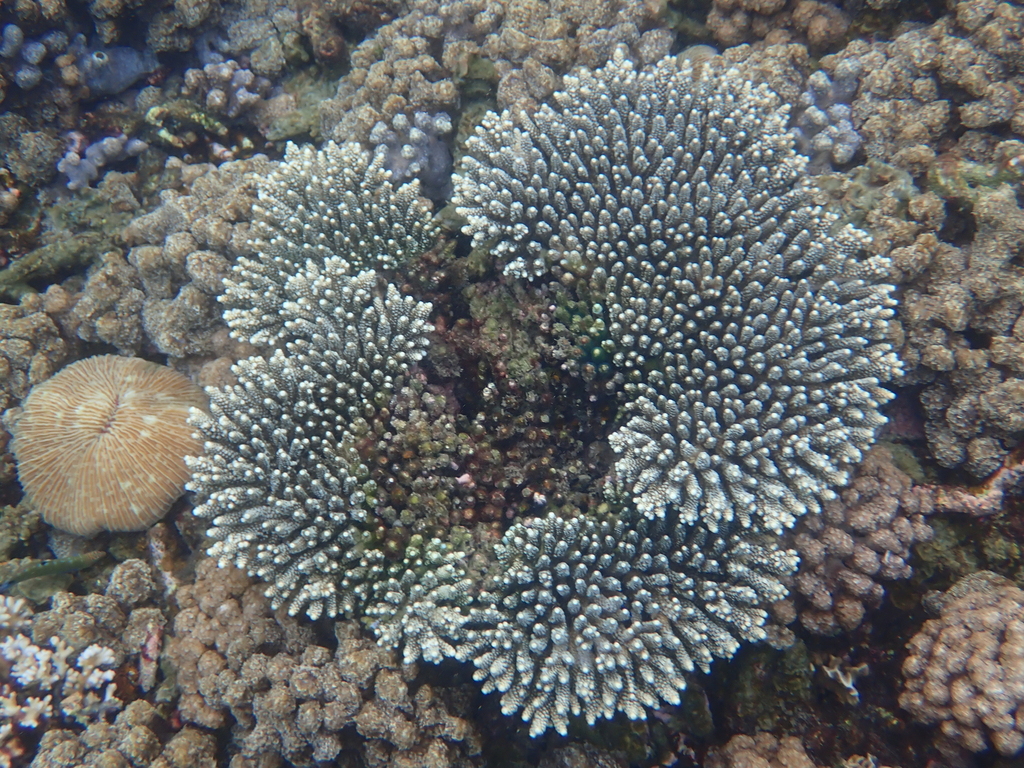
Sources and credits
Names and taxonomy: WoRMS (CC BY 4.0) and the GBIF Backbone (CC BY 4.0). Photos: iNaturalist observers, each under the licence shown (CC0, CC BY or CC BY-SA).
- Depth, temperature, months and maps: records from OBIS and GBIF under CC0 or CC BY.
- Descriptions: Wikipedia, licensed CC BY-SA, each linked to its article.
- Conservation status as published by GBIF (IUCN Red List).
- 745 open-data records from 1846 to 2012.
- Species data updated October 26, 2026.
Log what you see on your next dive
The free DiveHive diver app keeps your logbook with every sighting and shows what lives at the site you dive next.