
DiscoverSpeciesCorals and anemones
Elkhorn coral
Acropora palmata
- Usual depth1–8 m
- Water temperature26–29 °C
- Best monthsAugust
- How commonCommon
About this species
Elkhorn coral is an important reef-building coral in the Caribbean. The species has a complex structure with many branches which resemble that of elk antlers; hence, the common name. The branching structure creates habitat and shelter for many other reef species. Elkhorn coral is known to grow quickly with an average growth rate of 5 to 10 cm per year. They can reproduce both sexually and asexually, though asexual reproduction is much more common and occurs through a process called fragmentation.
Text from the Wikipedia article “Elkhorn coral”, licensed CC BY-SA 4.0. Read the article
Where and when
Where it has been recorded
Worldwide
Loading the map
Best months
Worldwide (open data)
- January: 3 records
- February: 8 records
- March: 991 records
- April: 23 records
- May: 677 records
- June: 1,352 records
- July: 430 records
- August: 3,074 records
- September: 570 records
- October: 681 records
- November: 382 records
- December: 417 records
Depth and water temperature
Depth
Mostly recorded at 1–8 m · Deepest record: 41 m
Water temperature
Recorded in surface water of 26–29 °C
Names and classification
- English
- Elkhorn coral, elkhorn coral
Names in 3 more languages
- German
- Elchgeweihkoralle, Elchhornkoralle
- Spanish
- Coral Cacho de Alce
- French
- Corne d'élan
Other scientific names: Acropora (Acropora) palmata, Acropora alces, Acropora flabellum, Heteropora flabellum, Heteropora palmata, Madrepora alces, Madrepora cornuta, Madrepora flabellum, Madrepora palmata, Madrepora perampla, Madrepora thomasiana
Similar species
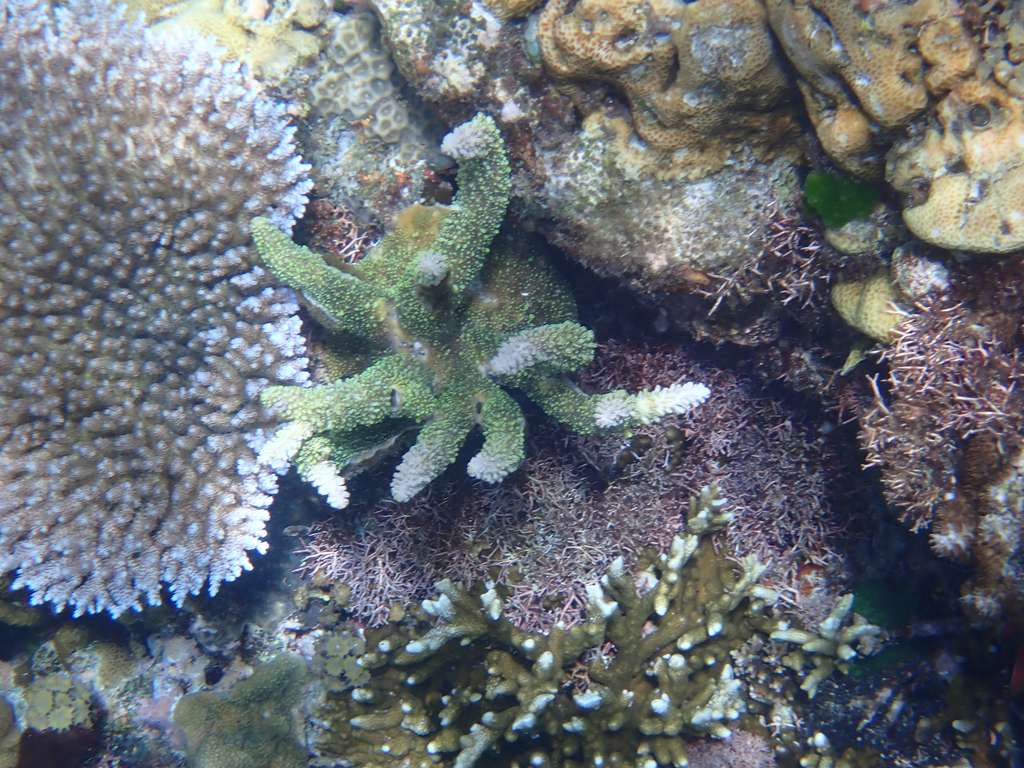
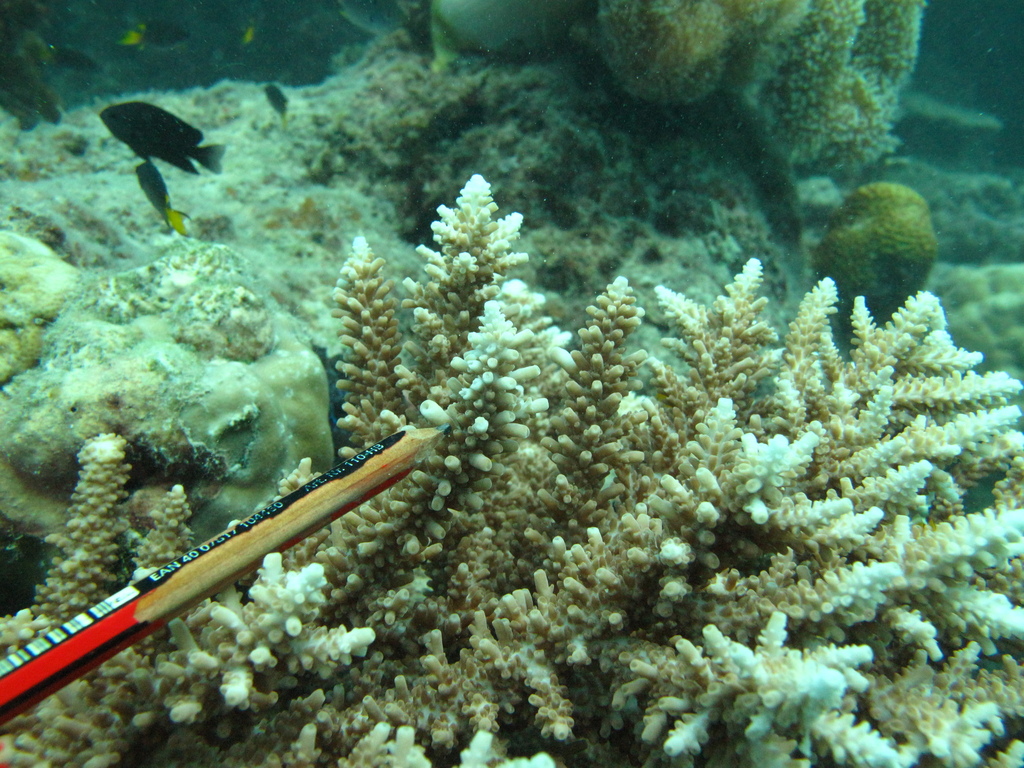
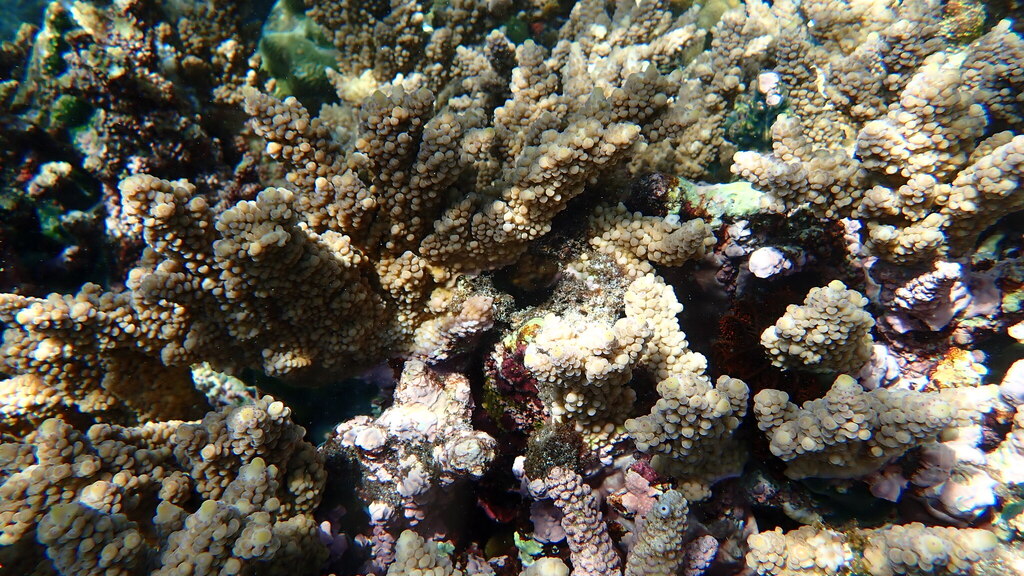 Staghorn Coral
Acropora austera
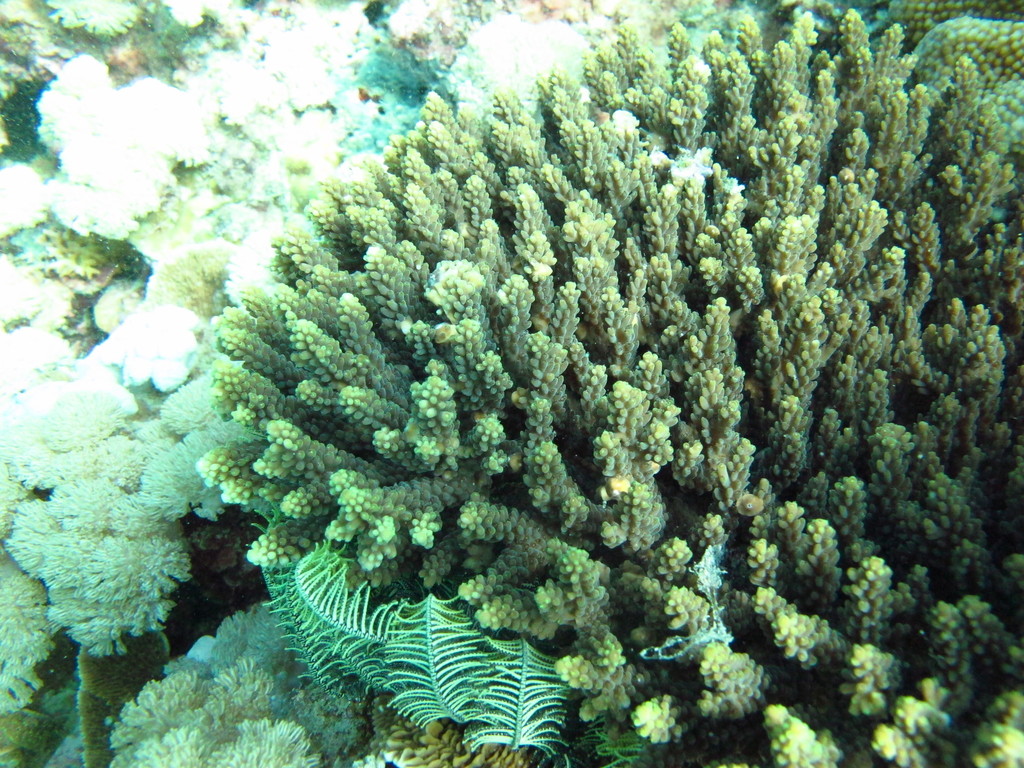
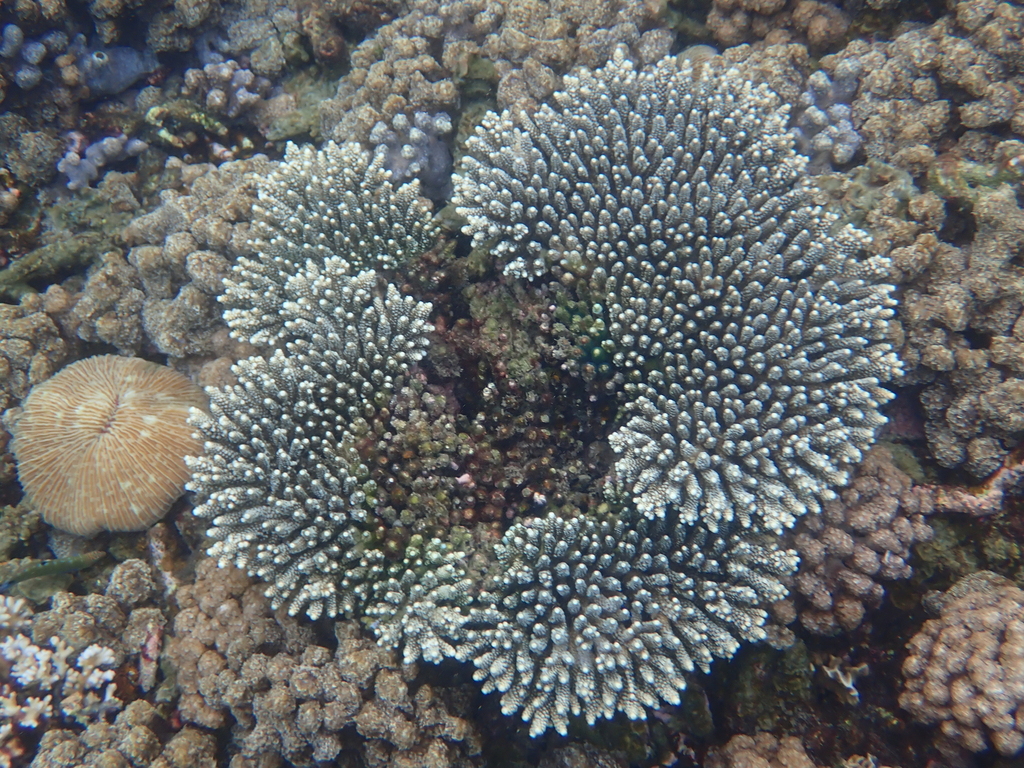
 Table coral
Acropora cytherea
Sources and credits
Names and taxonomy: WoRMS (CC BY 4.0) and the GBIF Backbone (CC BY 4.0). Photos: iNaturalist observers, each under the licence shown (CC0, CC BY or CC BY-SA).
- Depth, temperature, months and maps: records from OBIS and GBIF under CC0 or CC BY.
- Descriptions: Wikipedia, licensed CC BY-SA, each linked to its article.
- Conservation status as published by GBIF (IUCN Red List).
- 9,832 open-data records from 1862 to 2023.
Log what you see on your next dive
The free DiveHive diver app keeps your logbook with every sighting and shows what lives at the site you dive next.