
DiscoverSpeciesCorals and anemones
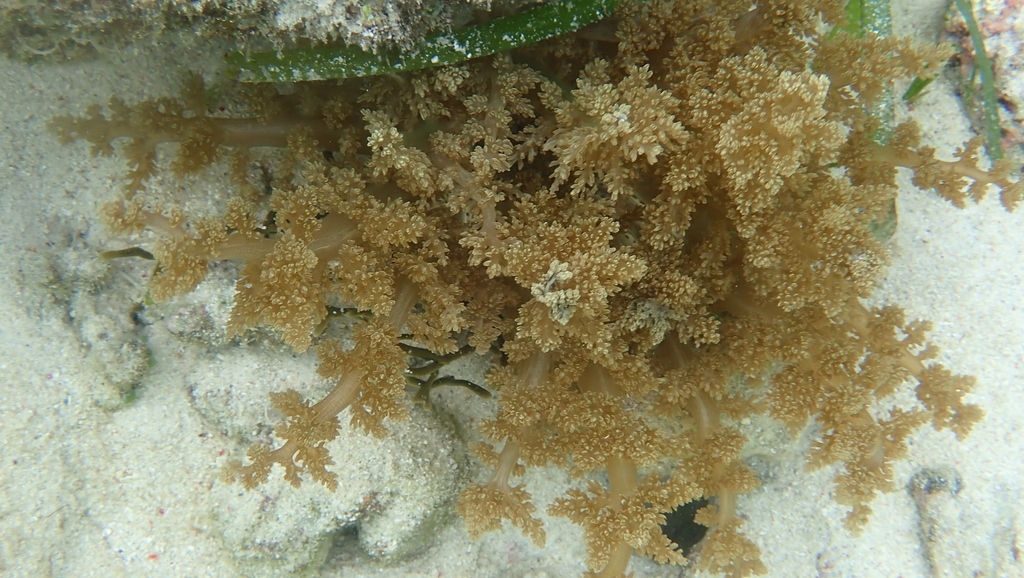
Tree anemone
Actinodendron arboreum
- Usual depth0–6 m
- Water temperature18–30 °C
- Best monthsFebruary, April, and December
- How commonRare
Photo credit: (c) Nicola Crockford, some rights reserved (CC BY) · CC BY · iNaturalist
About this species
Actinodendron arboreum, commonly known as tree anemone or hell's fire anemone, is a species of sea anemone in the family Actinodendronidae. It is native to the Indo-Pacific where it grows at depths of down to 28 metres (92 ft). Most sea anemone species are harmless to humans, but A. arboreum is highly venomous and its sting can cause severe skin ulcers.
Text from the Wikipedia article “Actinodendron arboreum”, licensed CC BY-SA 4.0. Read the article
Where and when
Where it has been recorded
Worldwide
Loading the map
Best months
Worldwide (open data)
- January: 24 records
- February: 33 records
- March: 22 records
- April: 36 records
- May: 31 records
- June: 19 records
- July: 16 records
- August: 22 records
- September: 14 records
- October: 29 records
- November: 28 records
- December: 39 records
Depth and water temperature
Depth
Mostly recorded at 0–6 m · Deepest record: 28 m
Water temperature
Recorded in surface water of 18–30 °C
Photos
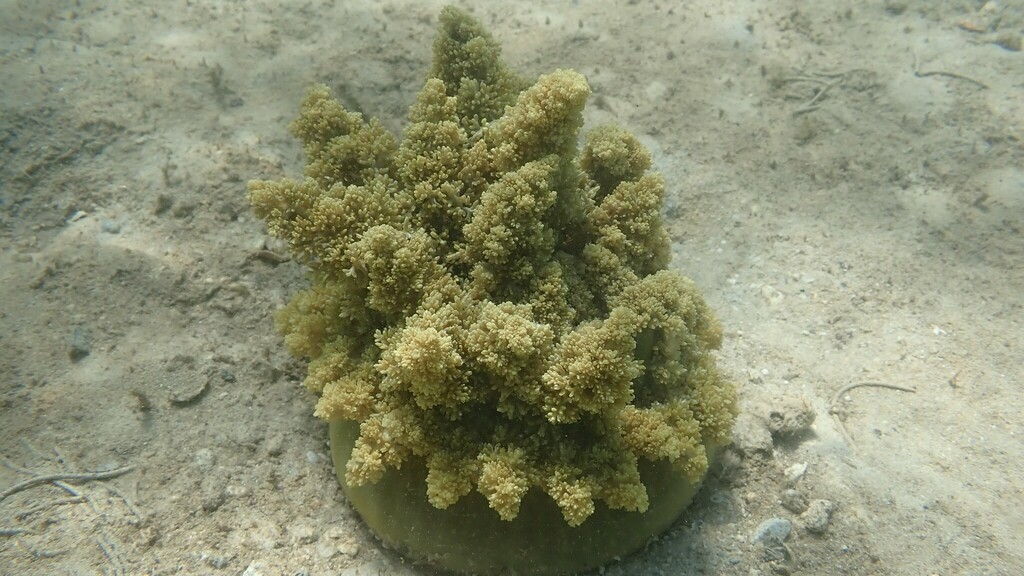
(c) Nicola Crockford, some rights reserved (CC BY) · CC BY · iNaturalist 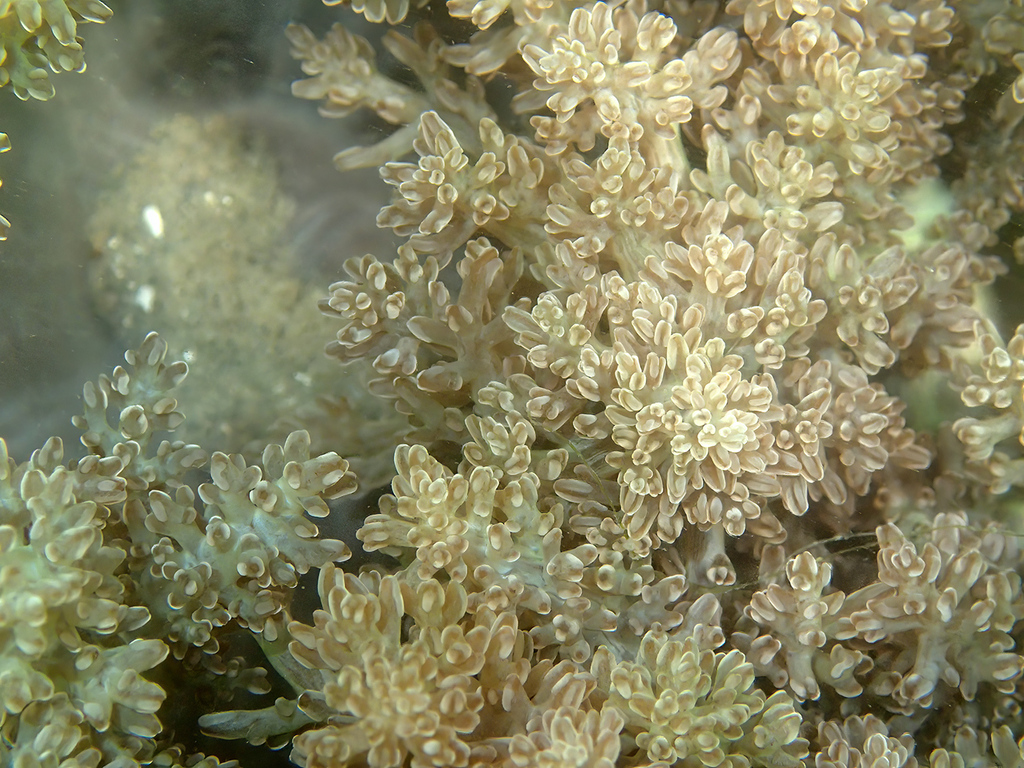
(c) Pål A. Olsvik, some rights reserved (CC BY) · CC BY · iNaturalist 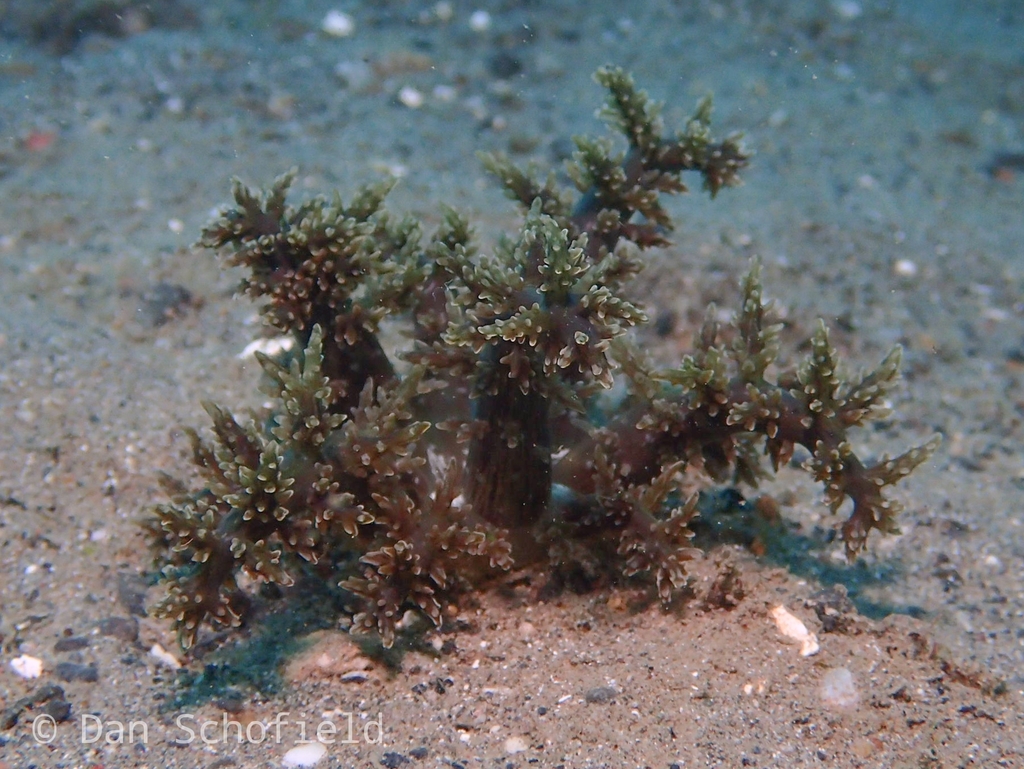
(c) Dan Schofield, some rights reserved (CC BY) · CC BY · iNaturalist 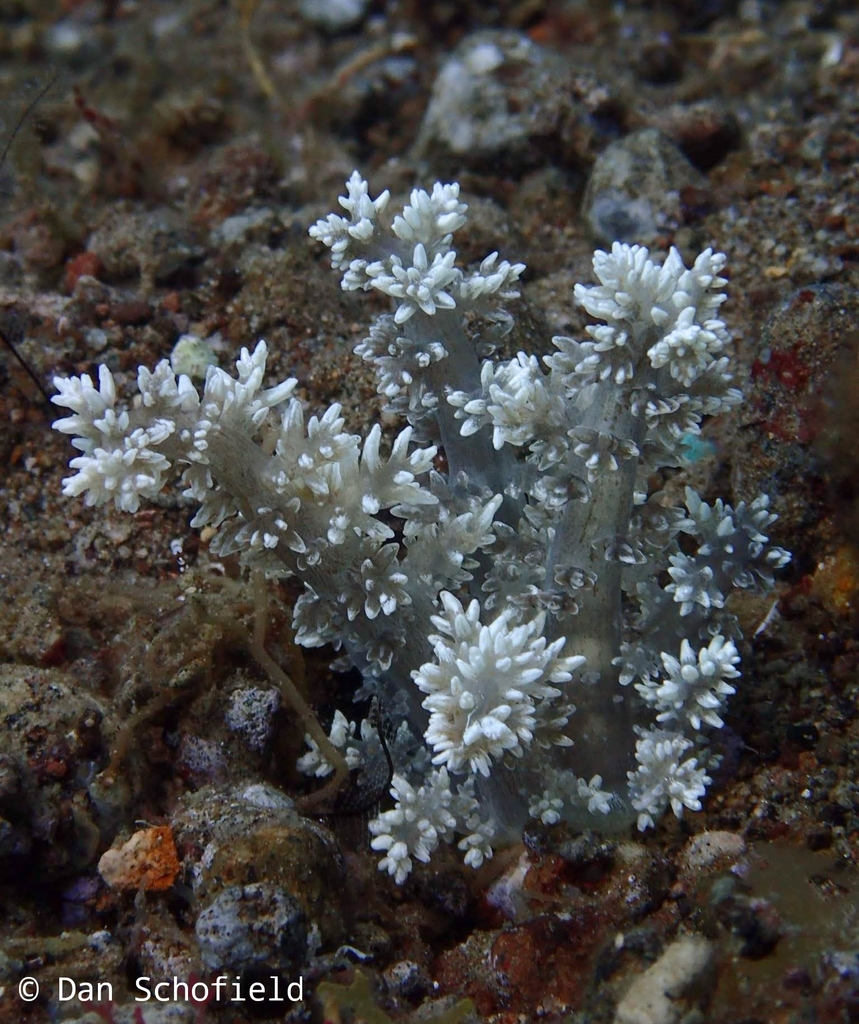
(c) Dan Schofield, some rights reserved (CC BY) · CC BY · iNaturalist 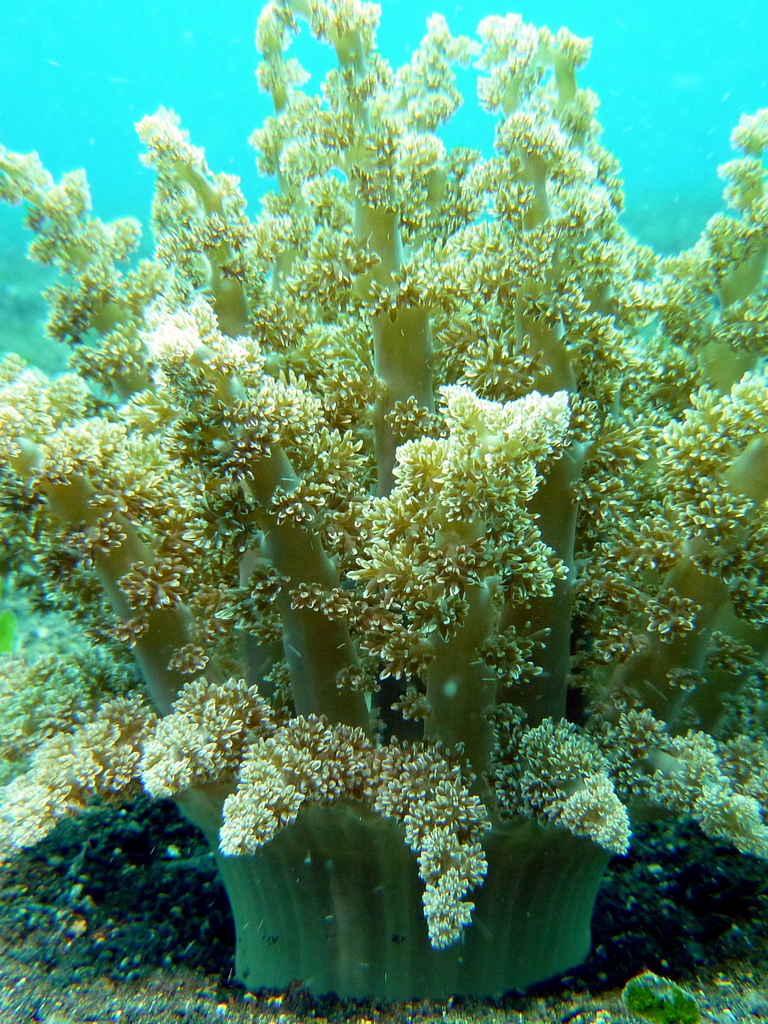
(c) Kai Squires, some rights reserved (CC BY) · CC BY · iNaturalist 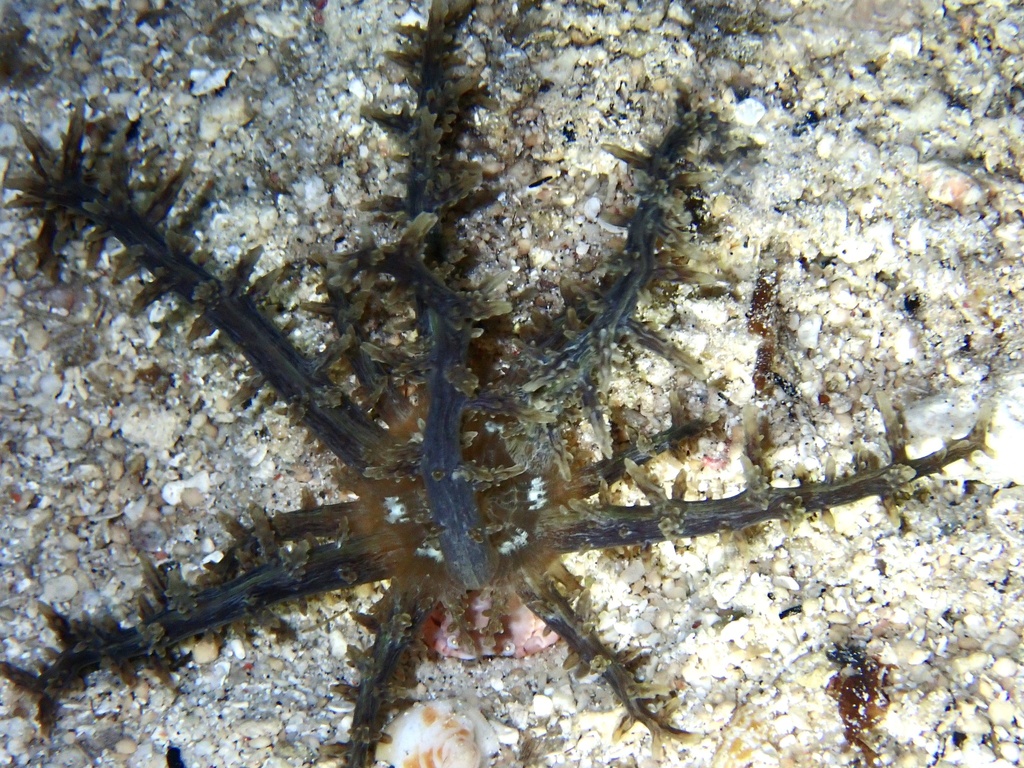
no rights reserved · CC0 1.0 · iNaturalist 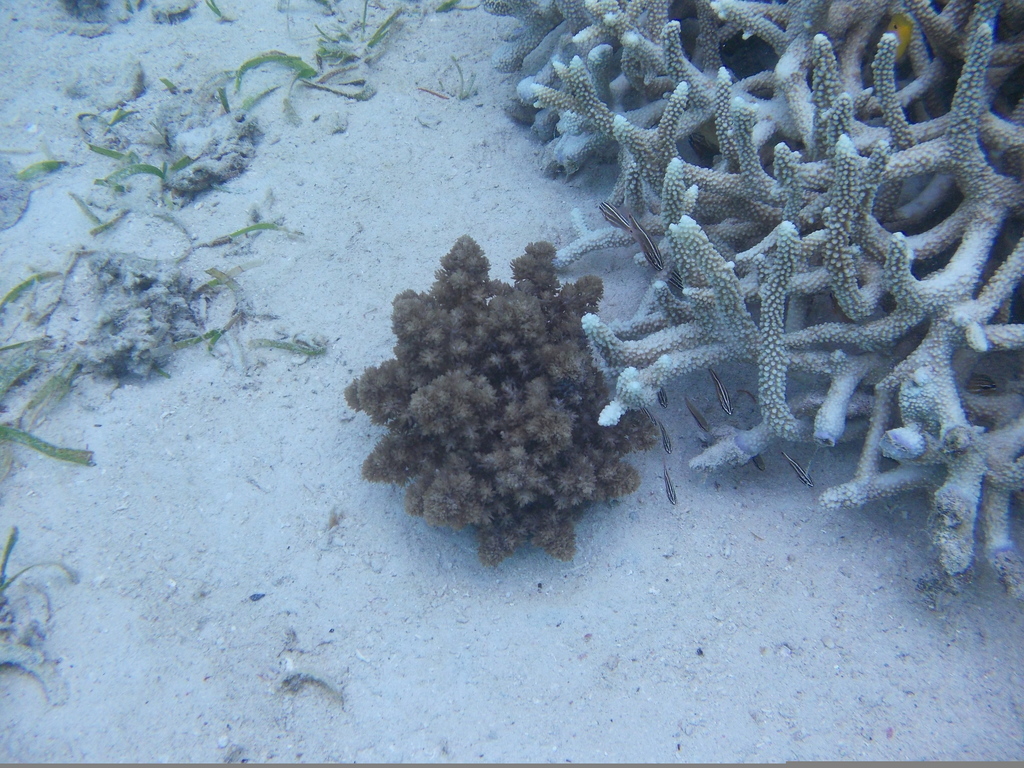
(c) Greg III Espera, some rights reserved (CC BY) · CC BY · iNaturalist
Names and classification
- English
- Tree anemone, tree anemone
Names in 2 more languages
- German
- Bäumchen-Anemone
- Japanese
- ハナブサイソギンチャク
Other scientific names: Acremodactyla ambonensis, Actinia arborea, Actinodendron ambonense, Actinodendron ambonensis, Actinodendron arborea, Actinodendrum arboreum
Sources and credits
Names and taxonomy: WoRMS (CC BY 4.0) and the GBIF Backbone (CC BY 4.0). Photos: iNaturalist observers, each under the licence shown (CC0, CC BY or CC BY-SA).
- Depth, temperature, months and maps: records from OBIS and GBIF under CC0 or CC BY.
- Descriptions: Wikipedia, licensed CC BY-SA, each linked to its article.
- Conservation status as published by GBIF (IUCN Red List).
- 262 open-data records from 1975 to 2014.
- Species data updated October 26, 2026.
Log what you see on your next dive
The free DiveHive diver app keeps your logbook with every sighting and shows what lives at the site you dive next.