
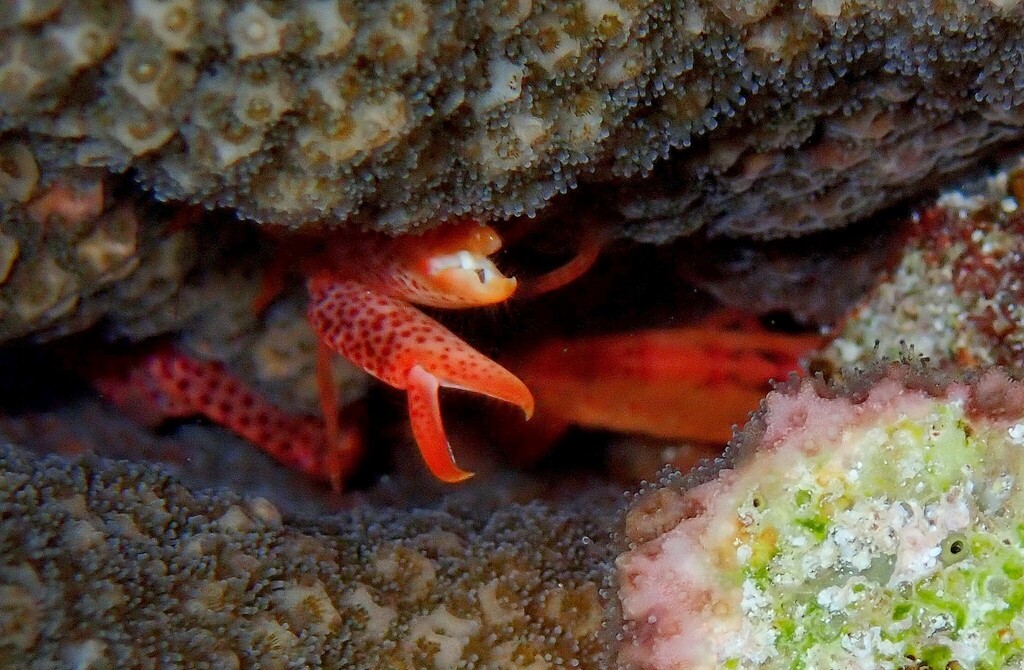
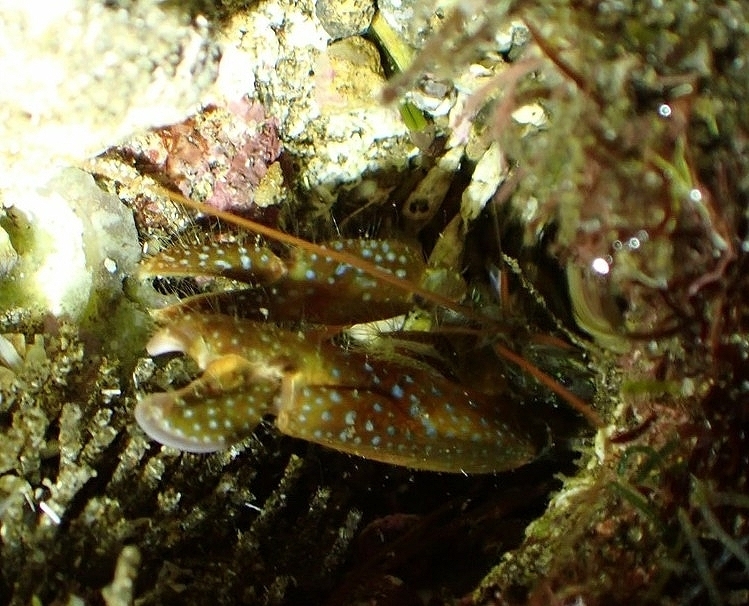
Coral snapping shrimp
Alpheus lottini
- Usual depth1–12 m
- Water temperature20–30 °C
- Best monthsJuly, September, and November
- How commonOccasional
Photo credit: (c) Jan Ebr & Ivana Ebrová, some rights reserved (CC BY) · CC BY · iNaturalist
Where and when
Where it has been recorded
Worldwide
Loading the map
Best months
Worldwide (open data)
- January: 21 records
- February: 20 records
- March: 28 records
- April: 20 records
- May: 21 records
- June: 20 records
- July: 29 records
- August: 20 records
- September: 33 records
- October: 27 records
- November: 29 records
- December: 26 records
Depth and water temperature
Depth
Mostly recorded at 1–12 m · Deepest record: 17 m
Water temperature
Recorded in surface water of 20–30 °C
Photos
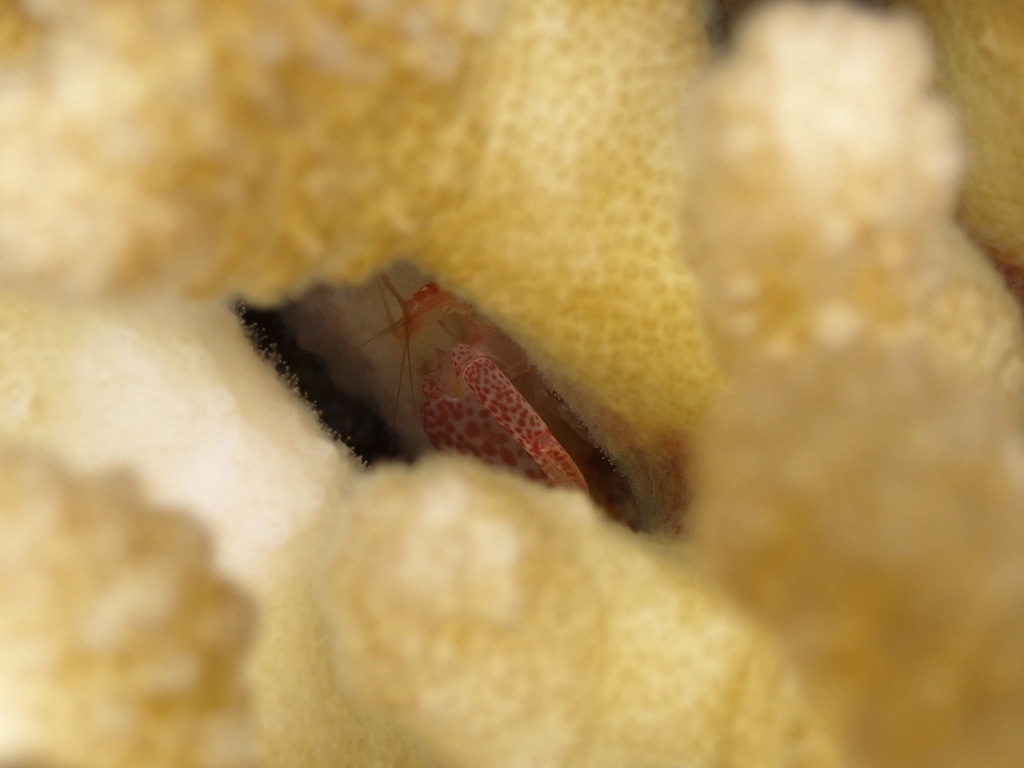
(c) Daniel Eisenhauer, some rights reserved (CC BY) · CC BY · iNaturalist 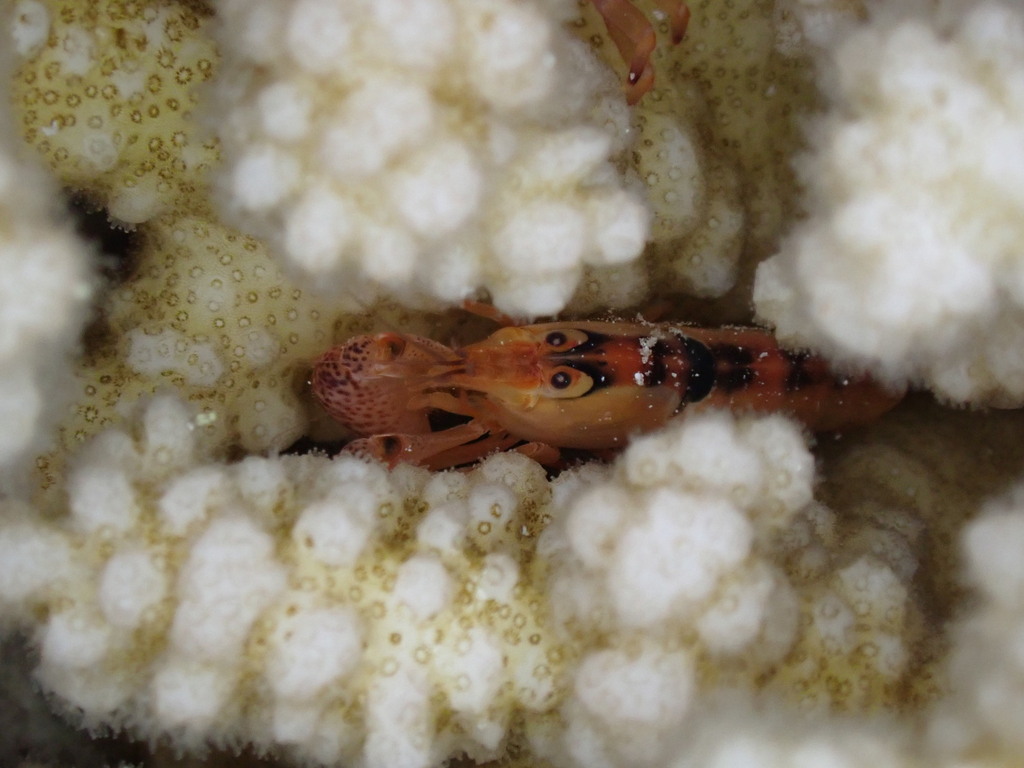
(c) Daniel Eisenhauer, some rights reserved (CC BY) · CC BY · iNaturalist 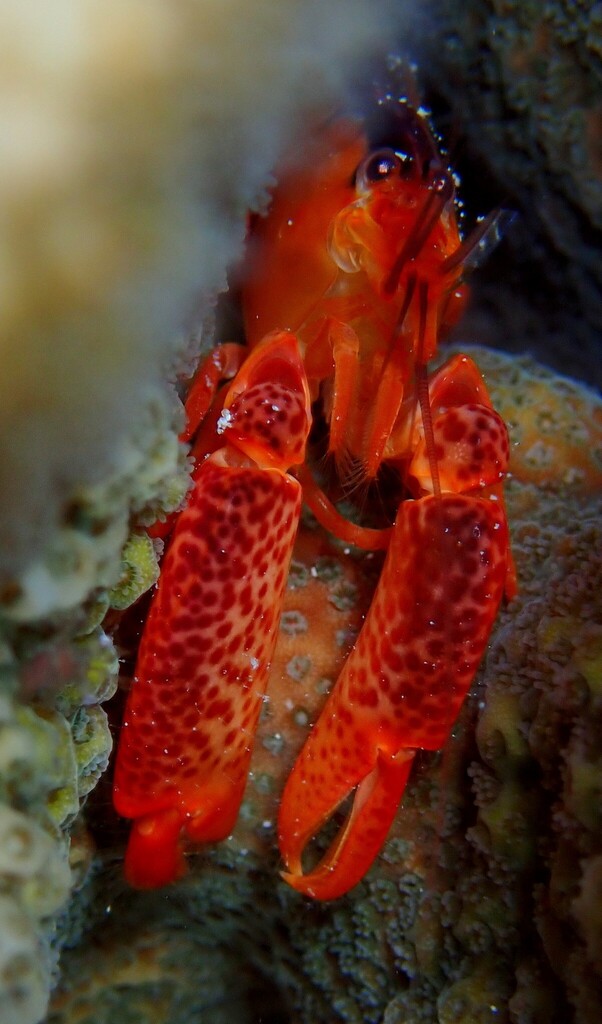
(c) Jan Ebr & Ivana Ebrová, some rights reserved (CC BY) · CC BY · iNaturalist 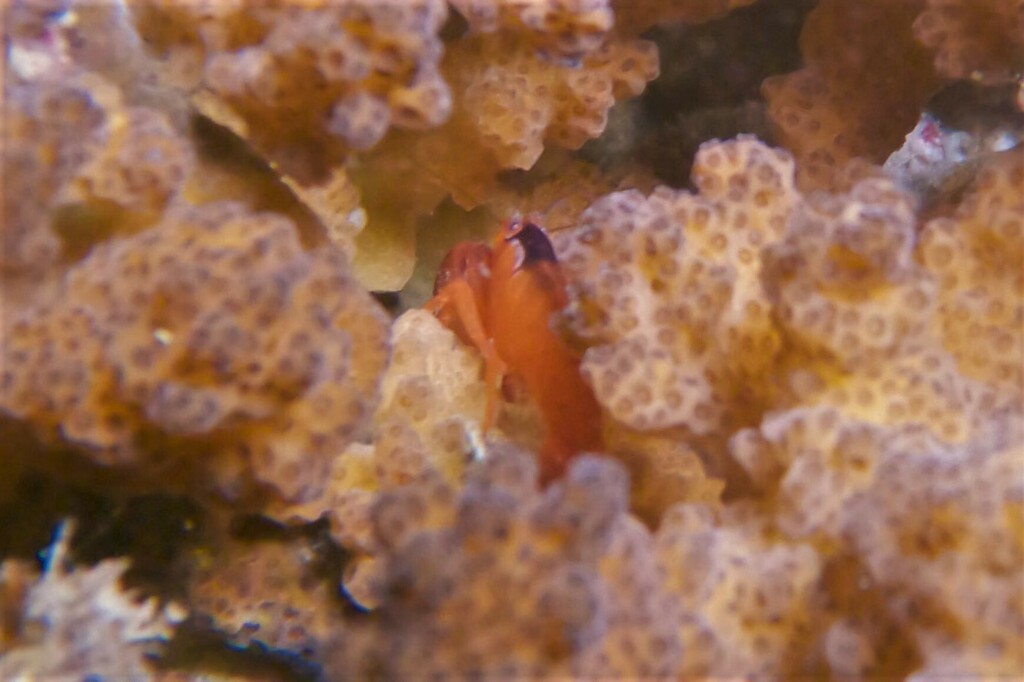
(c) Alberto Alcalá, some rights reserved (CC BY) · CC BY · iNaturalist 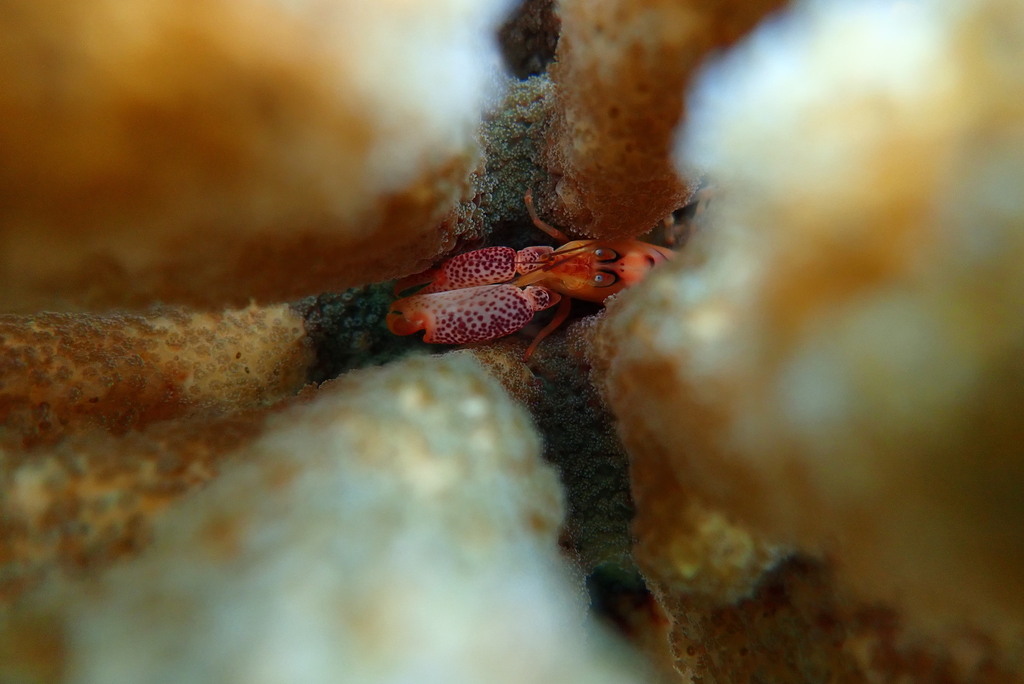
(c) Lisa_James, some rights reserved (CC BY) · CC BY · iNaturalist
Names and classification
- English
- Coral snapping shrimp, coral snapping shrimp, Coral Snapping Shrimp, Lottin's Snapping Shrimp
Names in 4 more languages
- Spanish
- Camaron chasqueador, Camarón Pistola de Coral, Camarón pistola del coral
- French
- Crevette pistolet de Lottin
- Japanese
- サンゴテッポウエビ
- Simplified Chinese
- 珊瑚鼓蝦
Other scientific names: Alpheus laevis, Alpheus rouxii, Alpheus sublucanus, Alpheus thetis, Alpheus ventrosus, Cancer sublucanus, Crangon latipes
Similar species
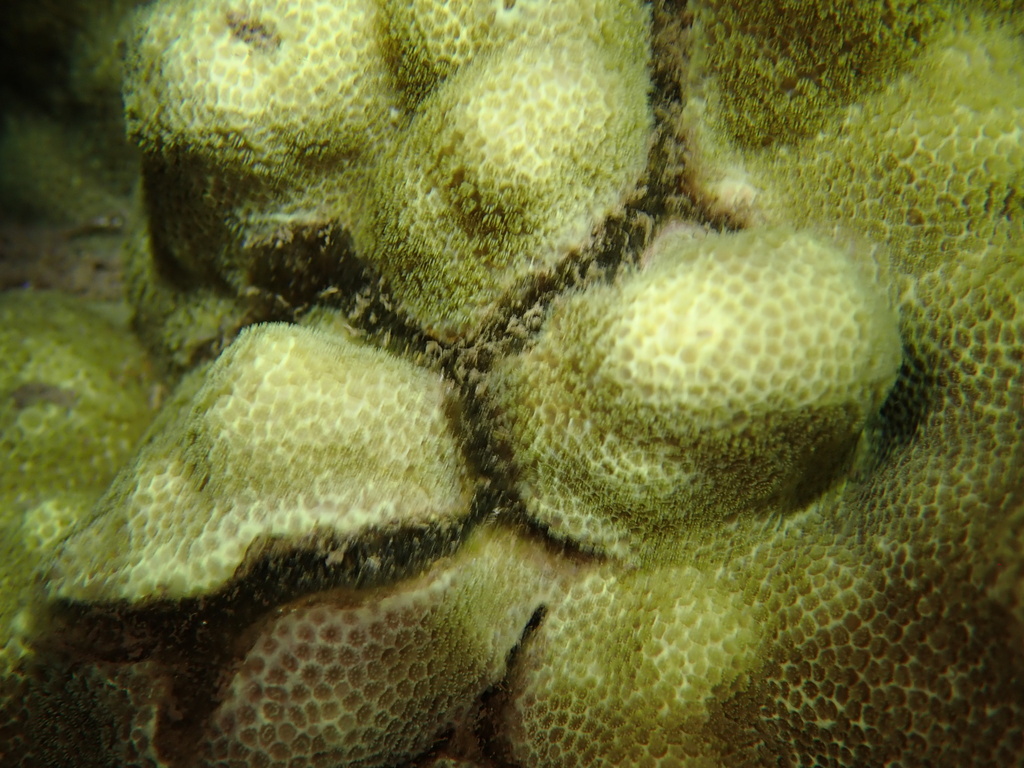 Petroglyph shrimp
Alpheus deuteropus
- Japanese snapping shrimp
Alpheus japonicus
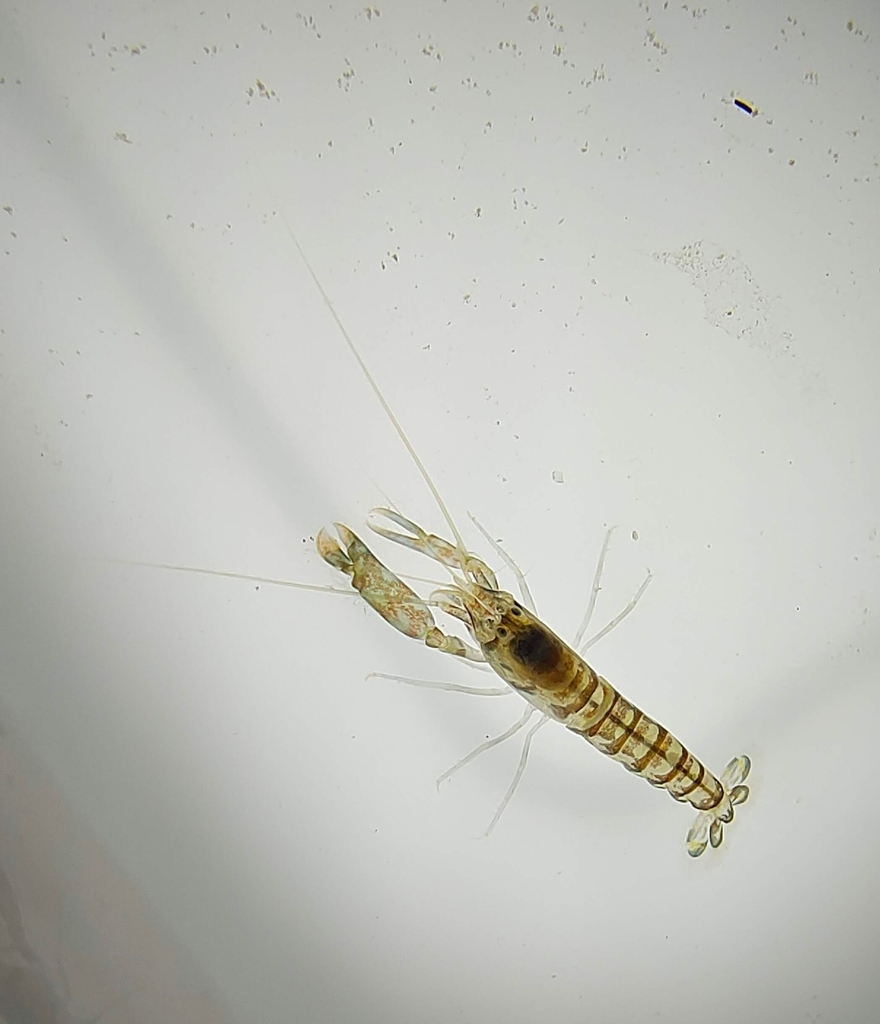 Brownbar snapping shrimp
Alpheus lobidens
Sources and credits
Names and taxonomy: WoRMS (CC BY 4.0) and the GBIF Backbone (CC BY 4.0). Photos: iNaturalist observers, each under the licence shown (CC0, CC BY or CC BY-SA).
- Depth, temperature, months and maps: records from OBIS and GBIF under CC0 or CC BY.
- Conservation status as published by GBIF (IUCN Red List).
- 1,092 open-data records from 1830 to 2023.
- Species data updated October 26, 2026.
Log what you see on your next dive
The free DiveHive diver app keeps your logbook with every sighting and shows what lives at the site you dive next.