
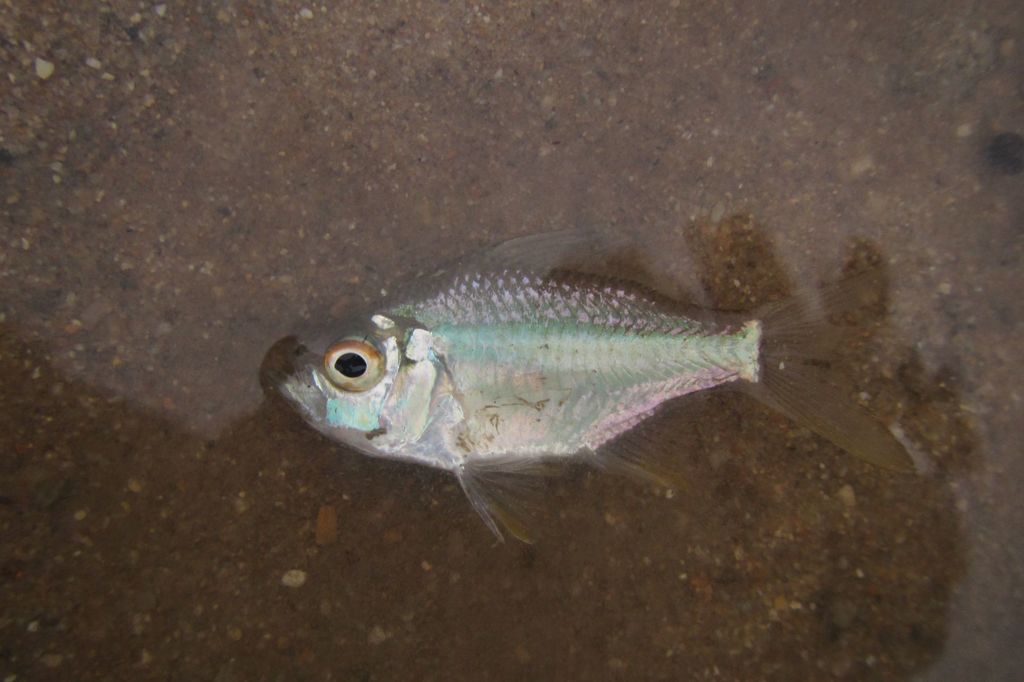
Glassfish
Ambassis nalua
- Usual depth0–8 m
- Water temperature25–30 °C
- Best monthsApril, May, and August
- How commonRare
Photo credit: (c) coenobita, alguns direitos reservados (CC BY), enviado por coenobita · CC BY · iNaturalist
About this species
Ambassis nalua, the scalloped glassfish or scalloped perchlet, is a species of ray-finned fish in the genus Ambassis. It is native to the Indo-Pacific region, form India to Australia and New Guinea, where it occurs in bays, estuaries and mangrove-lined creeks.
Text from the Wikipedia article “Ambassis nalua”, licensed CC BY-SA 4.0. Read the article
Where and when
Where it has been recorded
Worldwide
Loading the map
Best months
Worldwide (open data)
- January: 5 records
- February: 10 records
- March: 8 records
- April: 12 records
- May: 15 records
- June: 7 records
- July: 12 records
- August: 18 records
- September: 11 records
- October: 6 records
- November: 4 records
- December: 10 records
Depth and water temperature
Depth
Mostly recorded at 0–8 m · Deepest record: 19 m
Water temperature
Recorded in surface water of 25–30 °C
Photos

(c) coenobita, some rights reserved (CC BY) · CC BY · iNaturalist 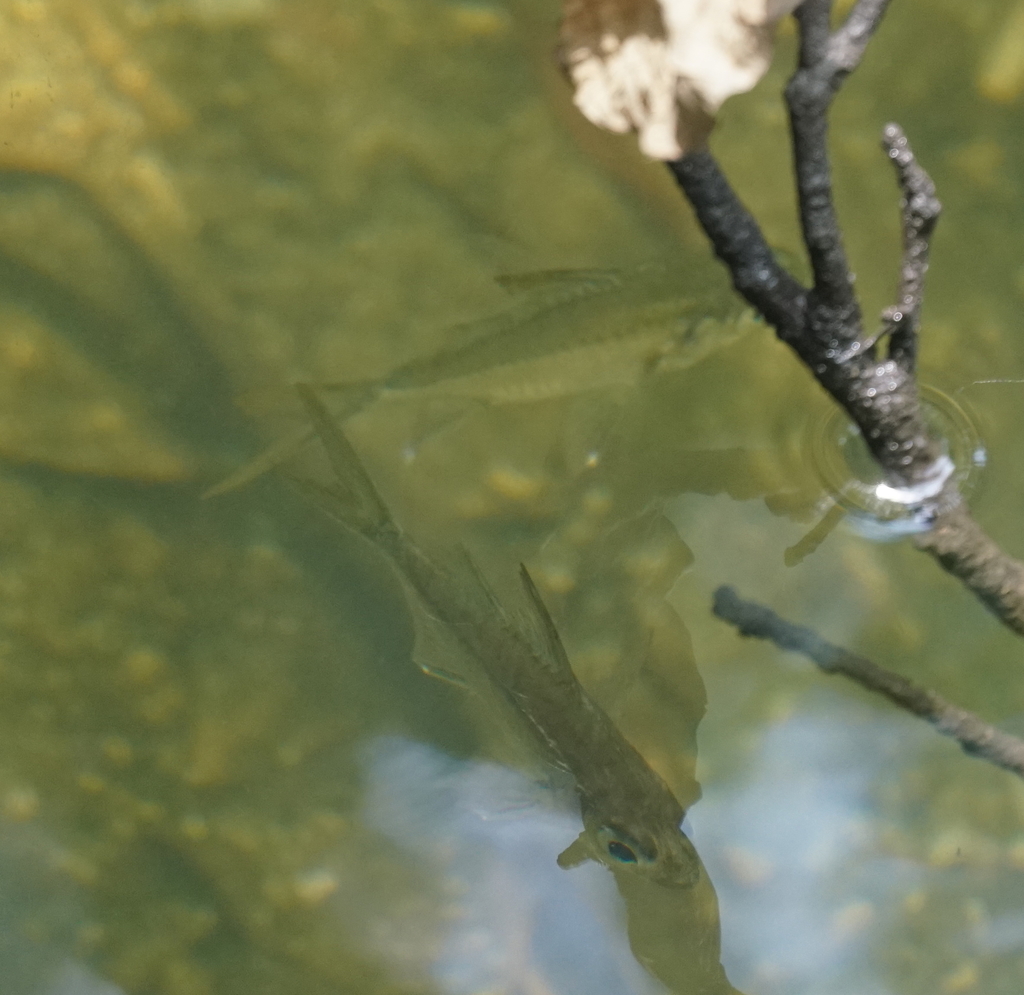
(c) Tim, some rights reserved (CC BY) · CC BY · iNaturalist
Names and classification
- English
- Glassfish, Nalua-chanda, Scalloped Glassfish, Scalloped Perchlet
Names in 1 more languages
- Thai
- Khaomao, ข้าวเม่า, ปลาแป้น
Other scientific names: Ambassis malua, Chanda nalua
Similar species
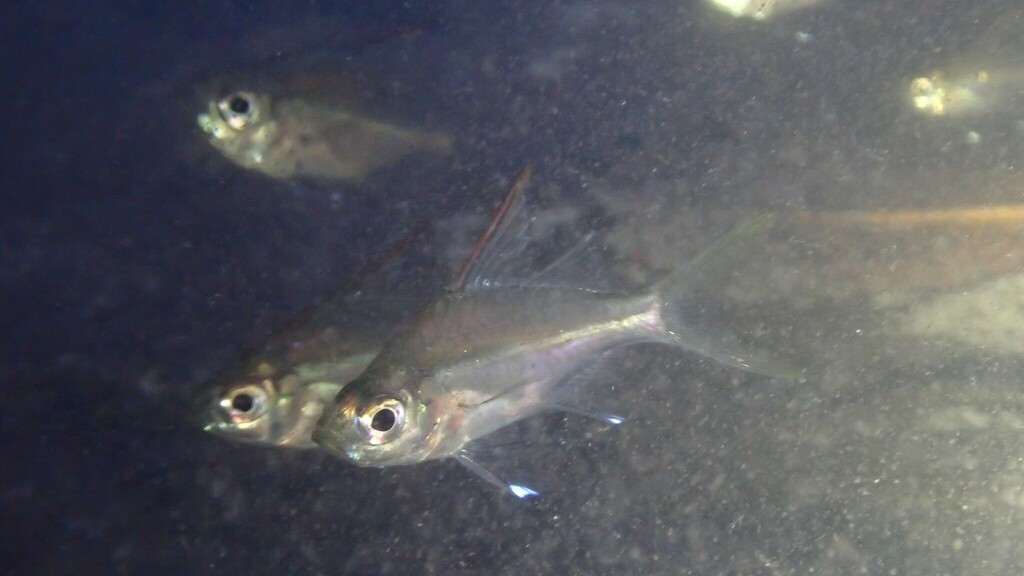 Glassfish
Ambassis interrupta
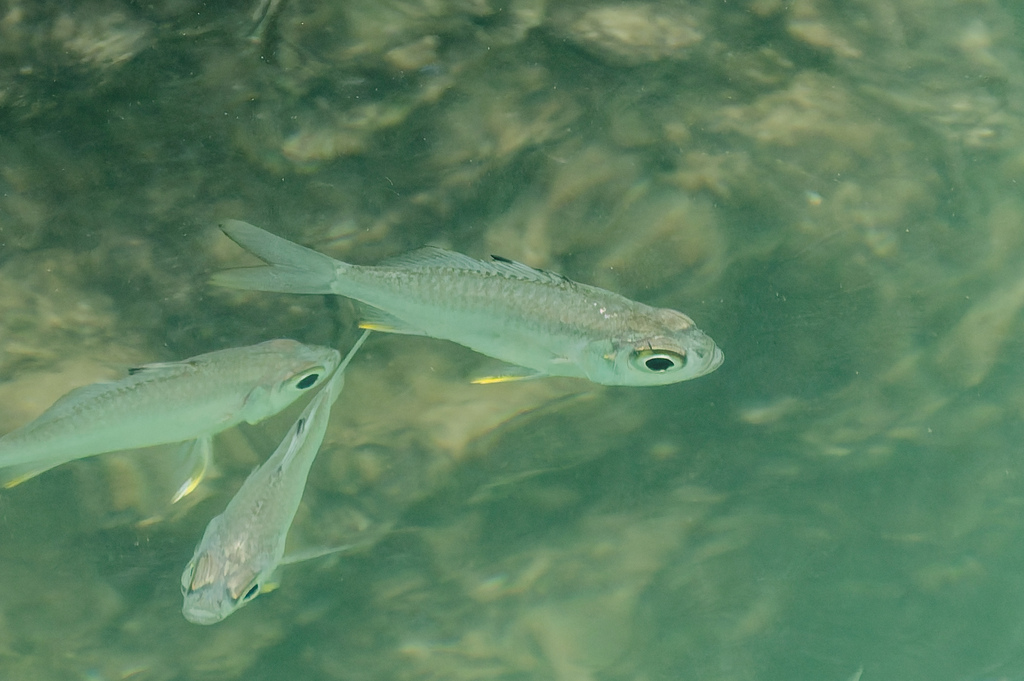 Singapore Glassy Perchlet
Ambassis kopsii
- Bald glassy
Ambassis ambassis
- Bald glassy
Ambassis gymnocephalus
- Flag-tailed Glassfish
Ambassis miops
- bandedtail glassy perchlet
Ambassis urotaenia
Sources and credits
Names and taxonomy: WoRMS (CC BY 4.0) and the GBIF Backbone (CC BY 4.0). Photos: iNaturalist observers, each under the licence shown (CC0, CC BY or CC BY-SA).
- Depth, temperature, months and maps: records from OBIS and GBIF under CC0 or CC BY.
- Descriptions: Wikipedia, licensed CC BY-SA, each linked to its article.
- Conservation status as published by GBIF (IUCN Red List).
- 211 open-data records from 1923 to 2012.
- Species data updated October 26, 2026.
Log what you see on your next dive
The free DiveHive diver app keeps your logbook with every sighting and shows what lives at the site you dive next.