
Chagos anemonefish
Amphiprion chagosensis
- Usual depth1–22 m
- Water temperature28–29 °C
- Best monthsFebruary and March
- How commonRare
About this species
Amphiprion chagosensis, the Chagos anemonefish, is a marine fish belonging to the family Pomacentridae, the clownfishes and damselfishes. It is named for the Chagos Archipelago in the Indian Ocean and it is endemic to the archipelago. The original specimens were collected at Diego Garcia Atoll, Chagos Archipelago.
Text from the Wikipedia article “Amphiprion chagosensis”, licensed CC BY-SA 4.0. Read the article
Where and when
Where it has been recorded
Worldwide
Loading the map
Best months
Worldwide (open data)
- January: 0 records
- February: 5 records
- March: 3 records
- April: 0 records
- May: 0 records
- June: 2 records
- July: 1 records
- August: 0 records
- September: 0 records
- October: 0 records
- November: 0 records
- December: 0 records
Depth and water temperature
Depth
Mostly recorded at 1–22 m · Deepest record: 21.5 m
Water temperature
Recorded in surface water of 28–29 °C
Names and classification
- English
- Chagos anemonefish
Names in 4 more languages
- German
- Chagos-Anemonenfisch
- Spanish
- Pez payaso de Chagos
- French
- Poisson-clown de Chagos
- Simplified Chinese
- 查戈斯雙鋸魚
Similar species
 Skunk clownfish
Amphiprion akallopisos
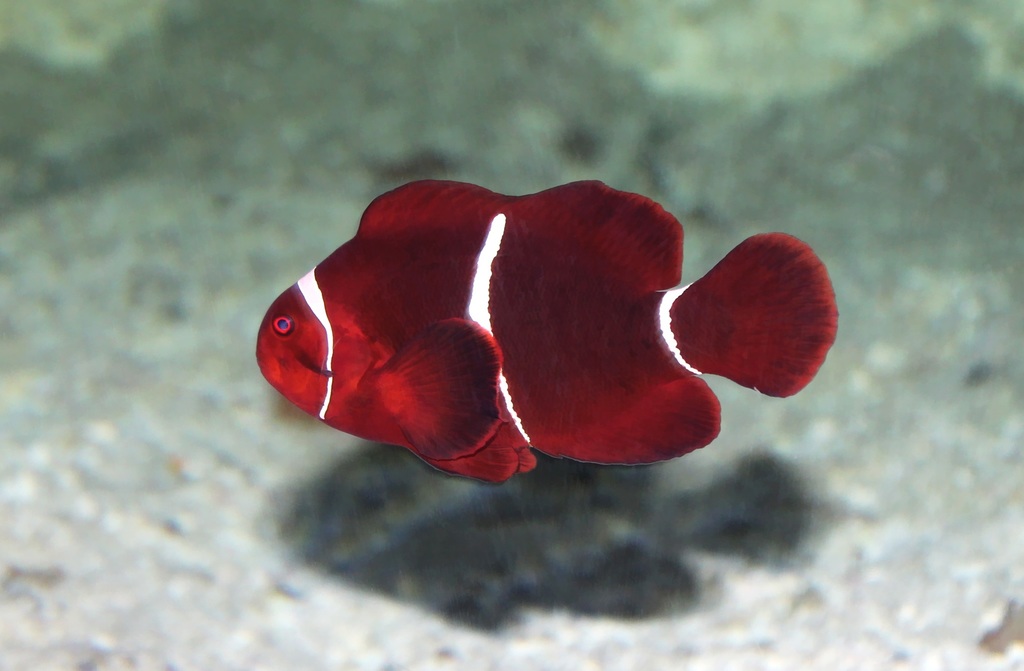 Maroon Clownfish
Amphiprion biaculeatus
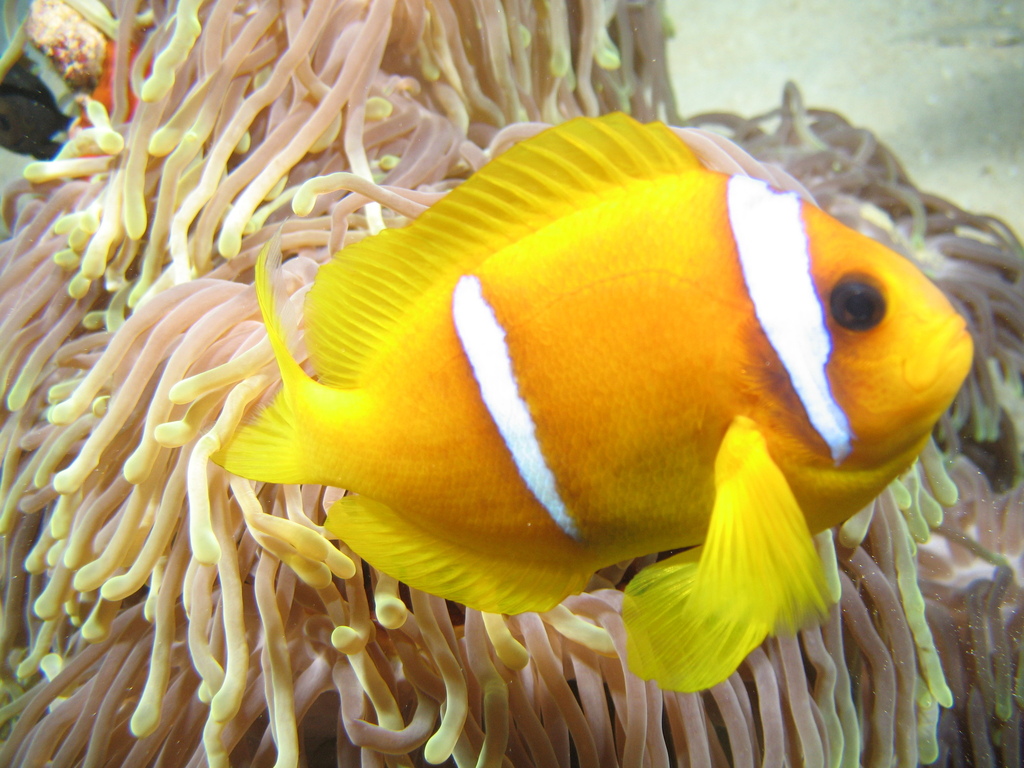 Twoband anemonefish
Amphiprion bicinctus
 Yellowtail clownfish
Amphiprion clarkii
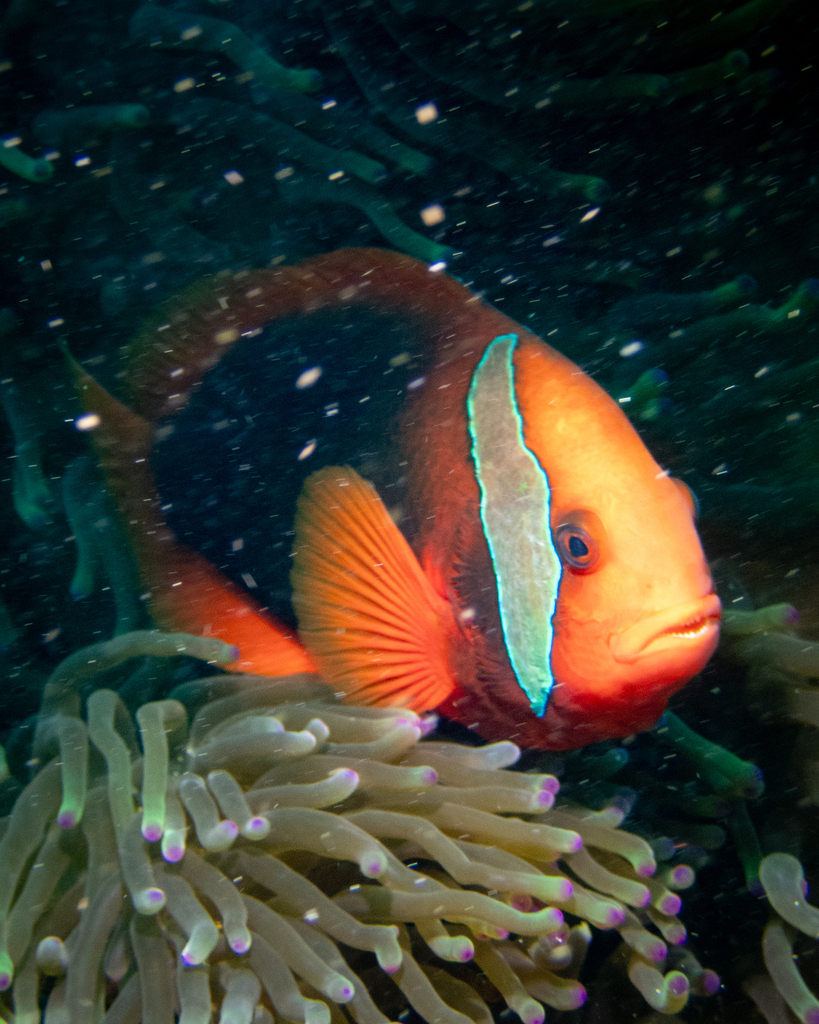 blackback anemonefish
Amphiprion frenatus
 black anemonefish
Amphiprion melanopus
Sources and credits
Names and taxonomy: WoRMS (CC BY 4.0) and the GBIF Backbone (CC BY 4.0). Photos: iNaturalist observers, each under the licence shown (CC0, CC BY or CC BY-SA).
- Depth, temperature, months and maps: records from OBIS and GBIF under CC0 or CC BY.
- Descriptions: Wikipedia, licensed CC BY-SA, each linked to its article.
- Conservation status as published by GBIF (IUCN Red List).
- 23 open-data records from 1967 to 2013.
Log what you see on your next dive
The free DiveHive diver app keeps your logbook with every sighting and shows what lives at the site you dive next.