
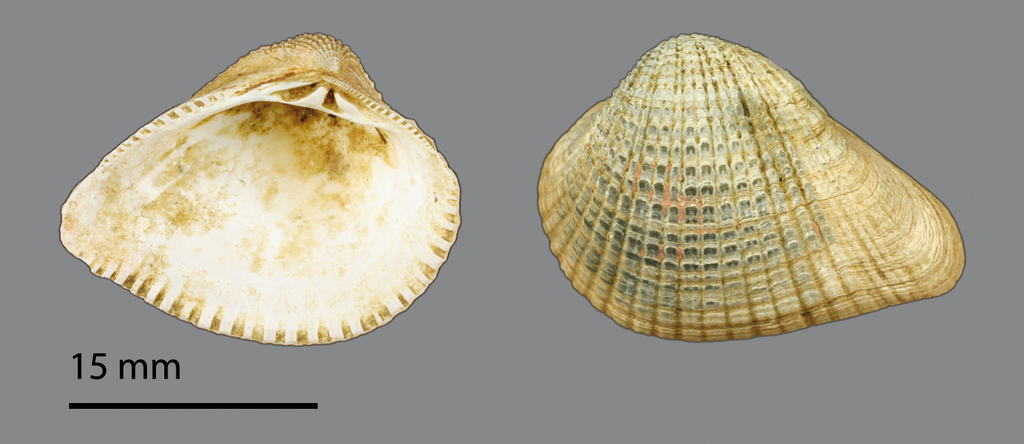
Scaled Venus
Anomalodiscus squamosus
- Water temperature19–29 °C
- Best monthsJune, August, and October
- How commonRare
Photo credit: (c) Lozouet Pierre, some rights reserved (CC BY) · CC BY · iNaturalist
Where and when
Where it has been recorded
Worldwide
Loading the map
Best months
Worldwide (open data)
- January: 24 records
- February: 22 records
- March: 12 records
- April: 25 records
- May: 31 records
- June: 52 records
- July: 23 records
- August: 35 records
- September: 17 records
- October: 36 records
- November: 16 records
- December: 25 records
Depth and water temperature
Water temperature
Recorded in surface water of 19–29 °C
Photos
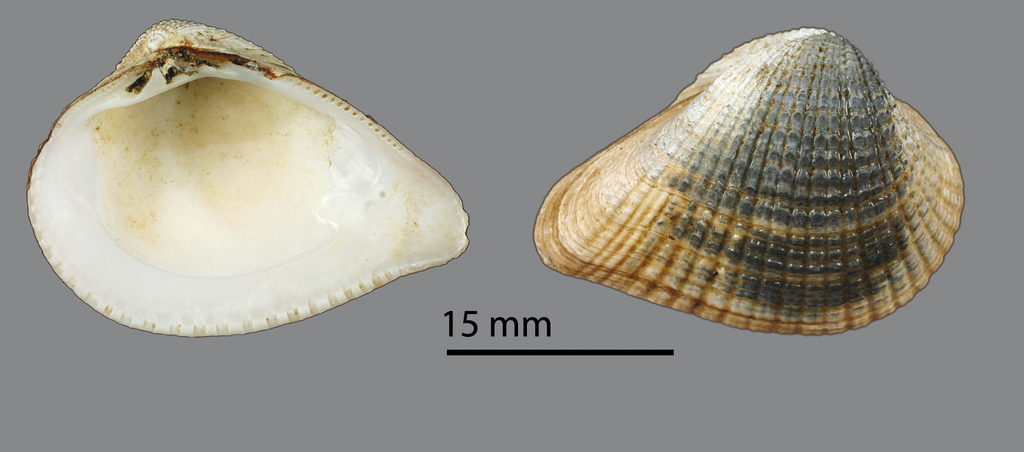
(c) Lozouet Pierre, some rights reserved (CC BY) · CC BY · iNaturalist 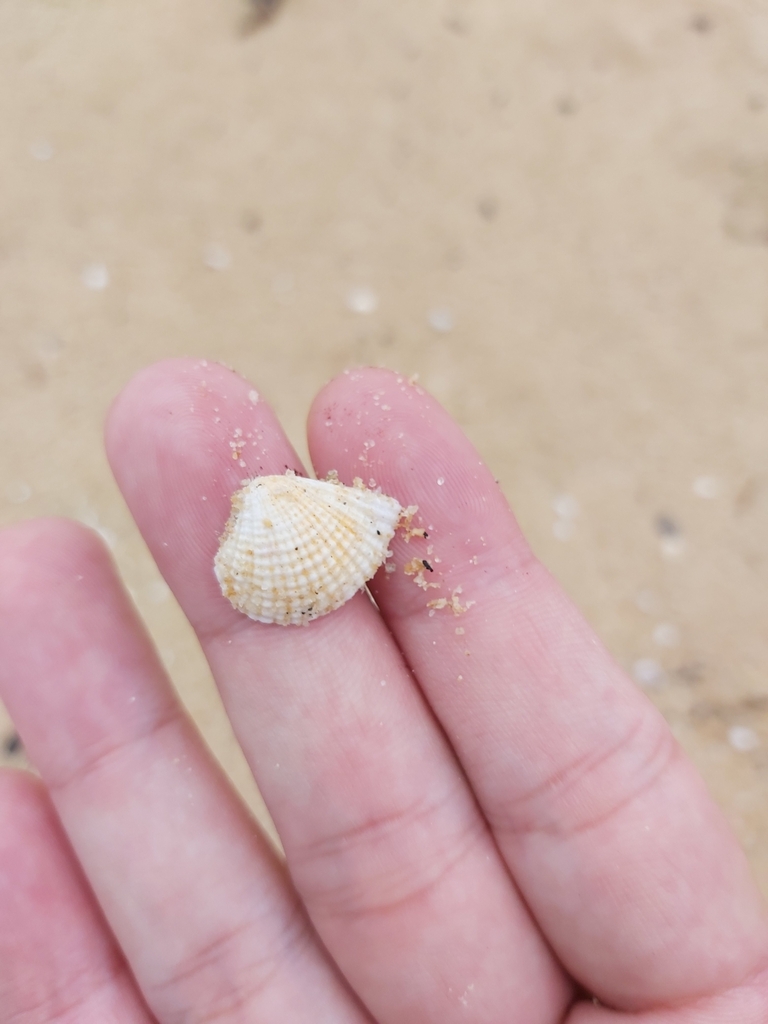
(c) Tim, some rights reserved (CC BY) · CC BY · iNaturalist 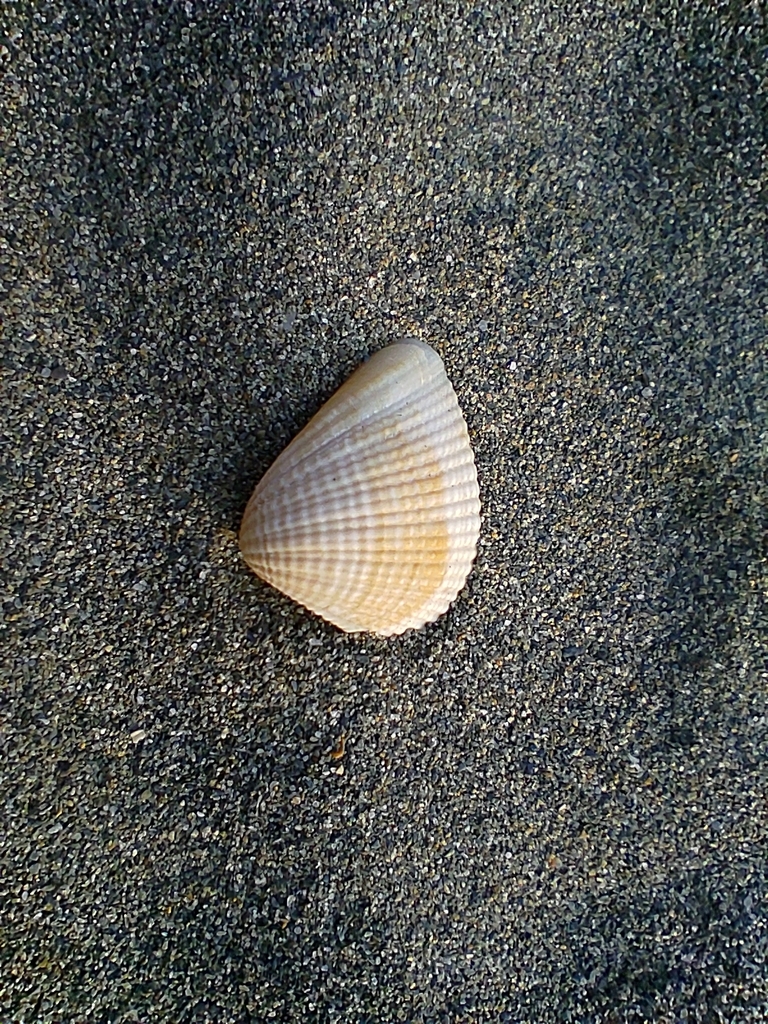
(c) Meng-Chi Hung, some rights reserved (CC BY) · CC BY · iNaturalist 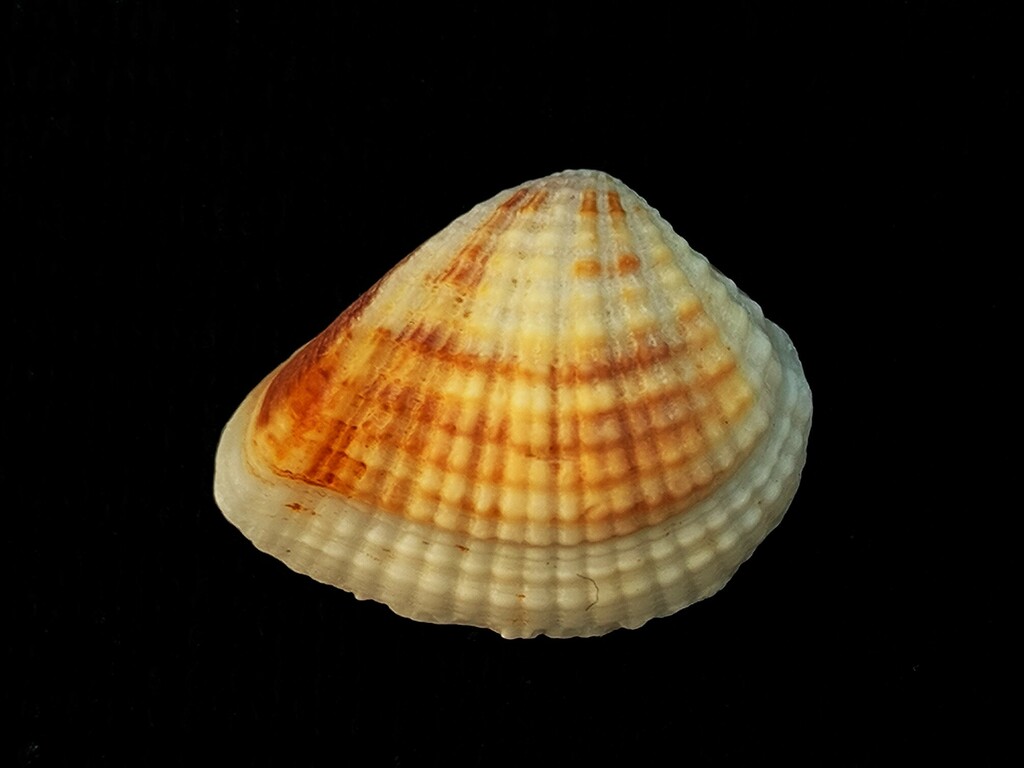
(c) JH, some rights reserved (CC BY) · CC BY · iNaturalist 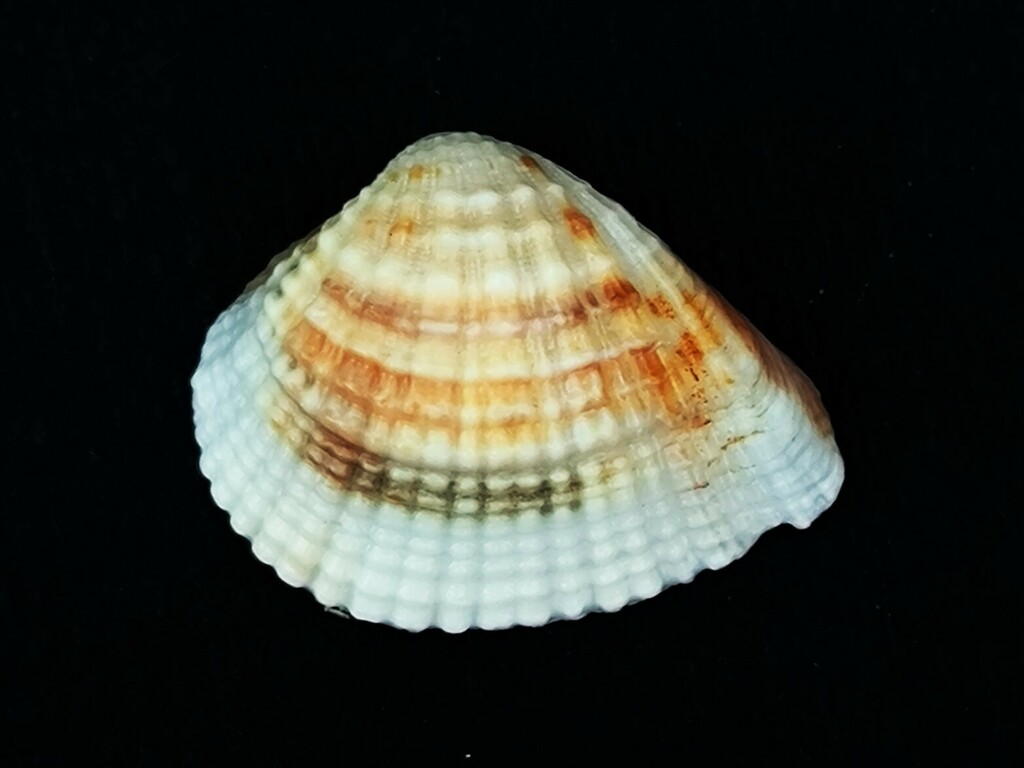
(c) JH, some rights reserved (CC BY) · CC BY · iNaturalist 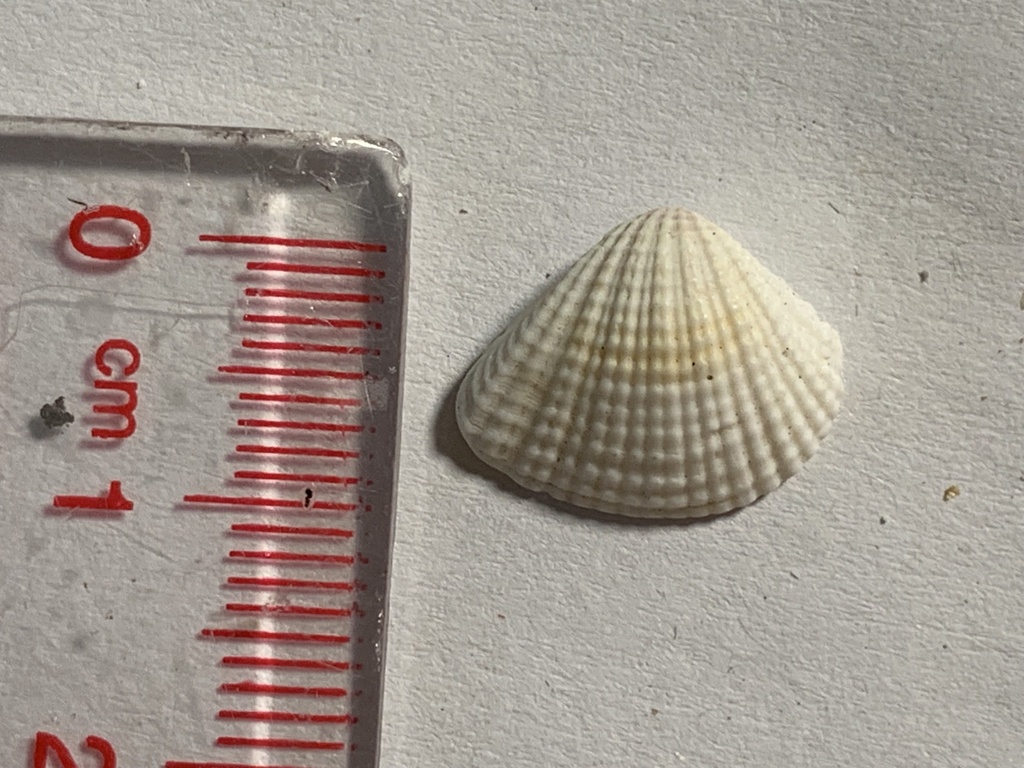
(c) TonyT, some rights reserved (CC BY) · CC BY · iNaturalist 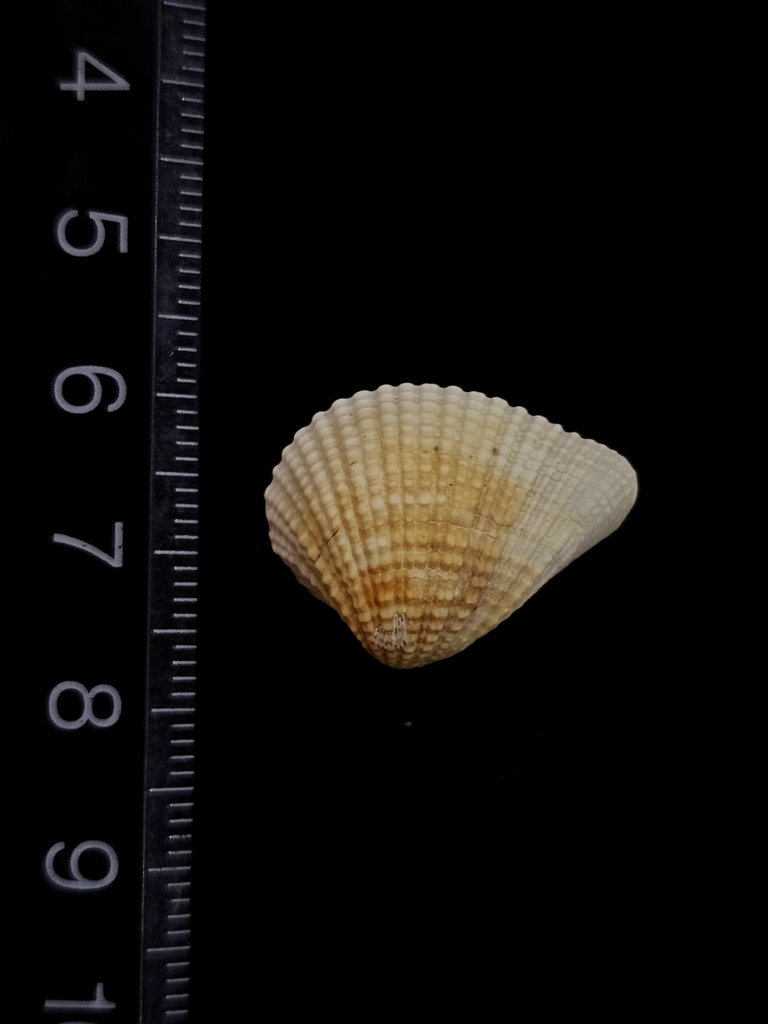
(c) pbsg, some rights reserved (CC BY) · CC BY · iNaturalist
Names and classification
- English
- Scaled Venus, Squamose False Cockle, Squamose Venus
Names in 3 more languages
- Japanese
- シオヤガイ
- Thai
- หอยปีกนก
- Simplified Chinese
- 歪簾蛤, 鱗杓拿蛤
Other scientific names: Anomalocardia squamosa, Cytherea squamosa, Venus roemeri, Venus squamosa
Similar species
- Comb Circe
Gafrarium pectinatum
- Camp pitar-venus
Lioconcha castrensis
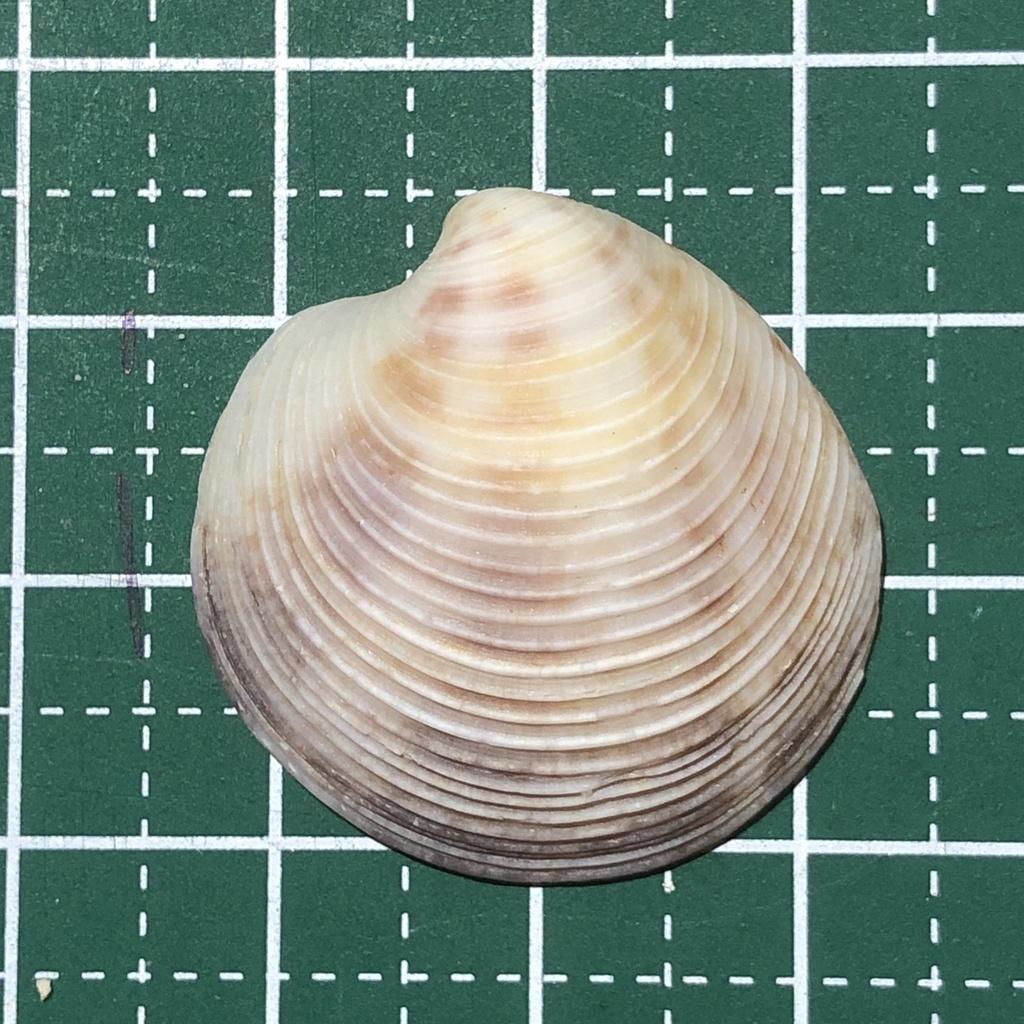
- Reticulated venus
Periglypta reticulata
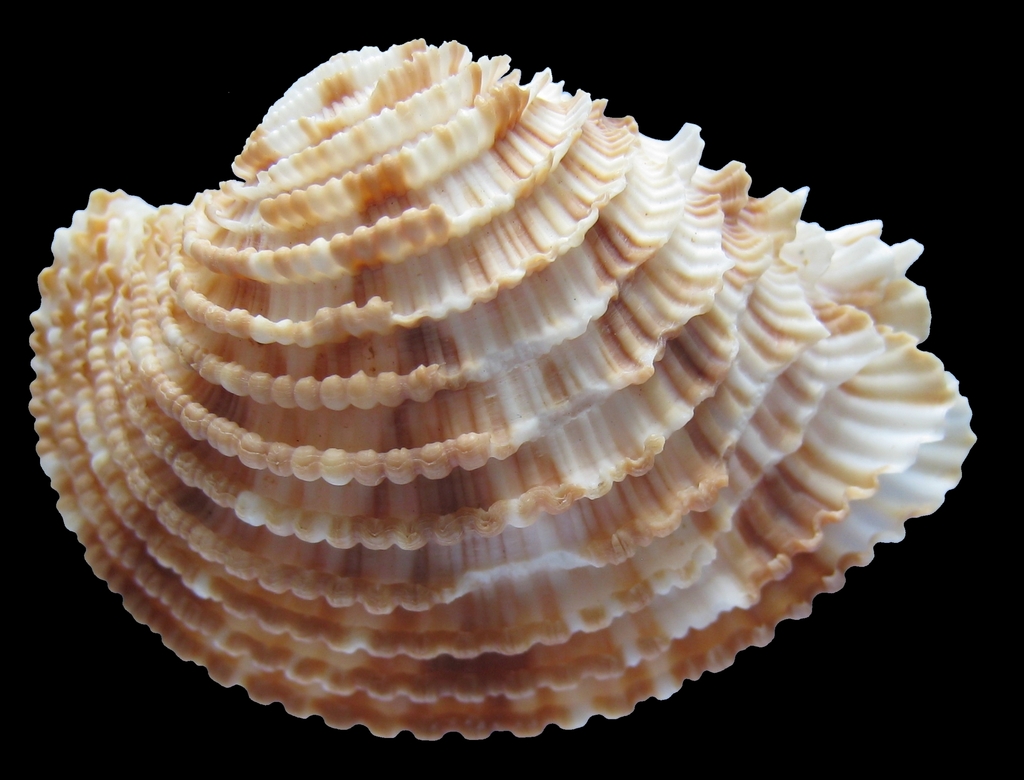 Lamellate venus clam
Antigona lamellaris
Sources and credits
Names and taxonomy: WoRMS (CC BY 4.0) and the GBIF Backbone (CC BY 4.0). Photos: iNaturalist observers, each under the licence shown (CC0, CC BY or CC BY-SA).
- Depth, temperature, months and maps: records from OBIS and GBIF under CC0 or CC BY.
- Conservation status as published by GBIF (IUCN Red List).
- 342 open-data records from 1758 to 2015.
- Species data updated October 26, 2026.
Log what you see on your next dive
The free DiveHive diver app keeps your logbook with every sighting and shows what lives at the site you dive next.