
Small-eyed goby
Austrolethops wardi
- Water temperature23–28 °C
- Best monthsAugust and November
- How commonRare
About this species
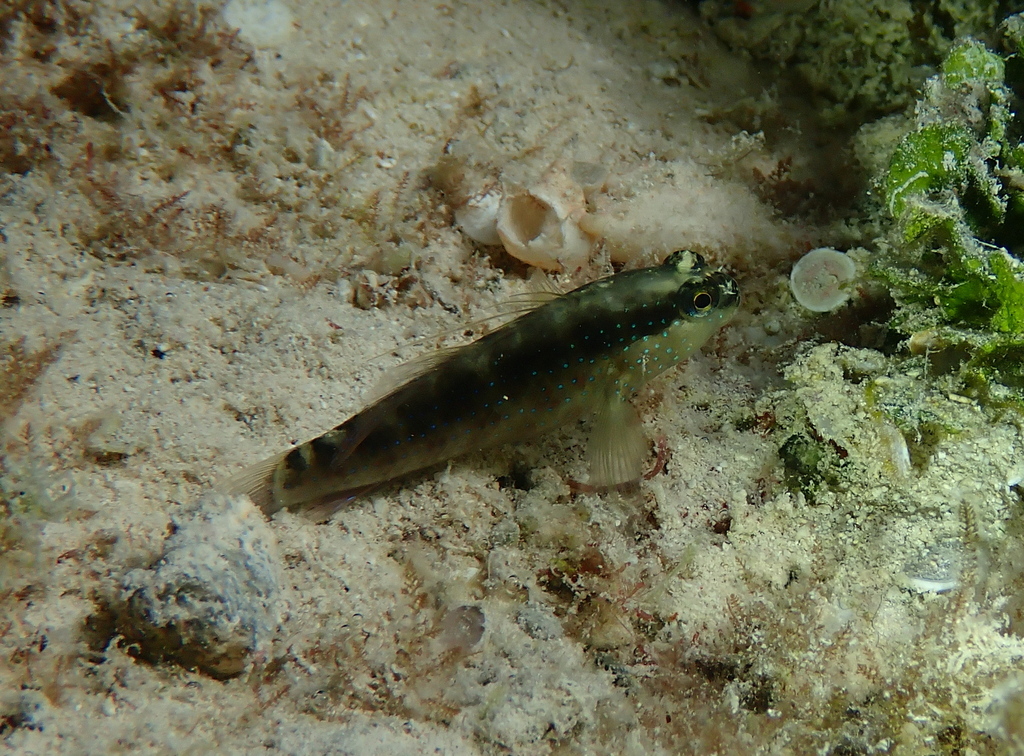
The small-eyed goby is a species of goby native to tropical reefs of the Indian Ocean through the western Pacific Ocean where it inhabits areas of coral rubble. As its common name suggests, this species has particularly small eyes. This species grows to a length of 6 centimetres (2.4 in) TL. This species is the only known member of its genus. The small-eyed goby is specialised to feed on seagrass and they share a burrows with mud lobsters of the genus Thalassina. The specific name honours Charles Melbourne Ward (1903–1966), the Australian actor, naturalist and collector of specimens who collected the type specimen.
Text from the Wikipedia article “Small-eyed goby”, licensed CC BY-SA 4.0. Read the article
Where and when
Where it has been recorded
Worldwide
Loading the map
Best months
Worldwide (open data)
- January: 0 records
- February: 0 records
- March: 0 records
- April: 0 records
- May: 0 records
- June: 1 records
- July: 0 records
- August: 3 records
- September: 0 records
- October: 0 records
- November: 3 records
- December: 0 records
Depth and water temperature
Water temperature
Recorded in surface water of 23–28 °C
Names and classification
- English
- Small-eyed goby, nudey, Nudey Goby, small-eyed goby
Names in 2 more languages
- Japanese
- Yominohaze, ヨミノハゼ
- Simplified Chinese
- 沃氏軟塘鱧, 華氏軟塘鱧
Similar species
- Common goby
Pomatoschistus microps
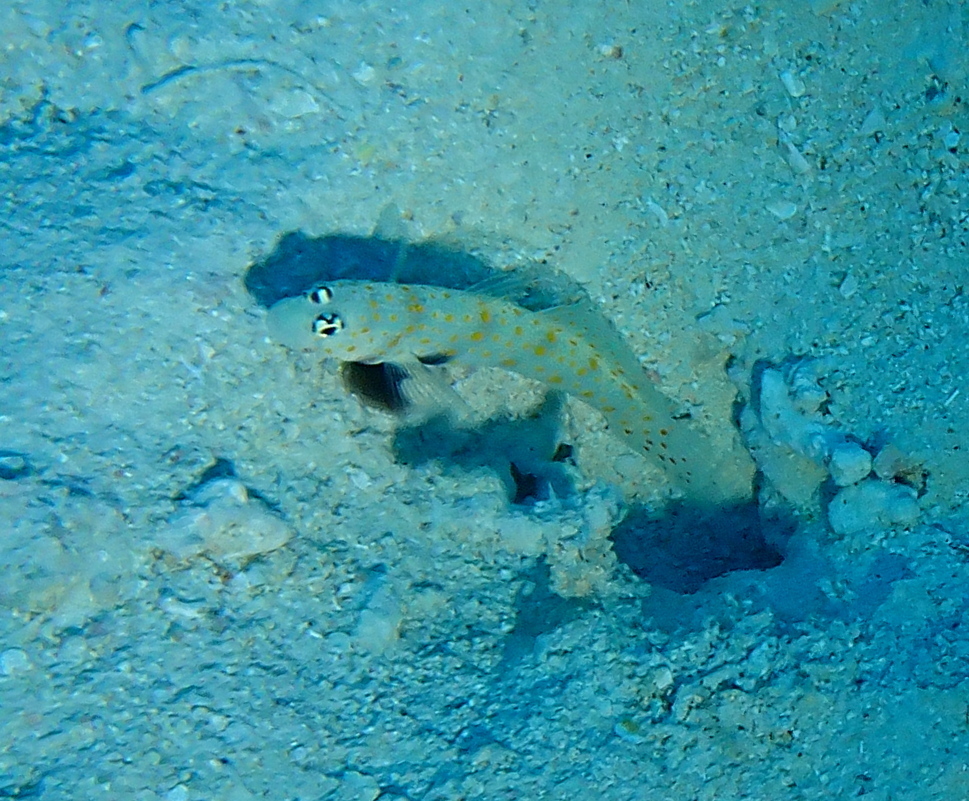 Black-chest Shrimp-goby
Amblyeleotris guttata
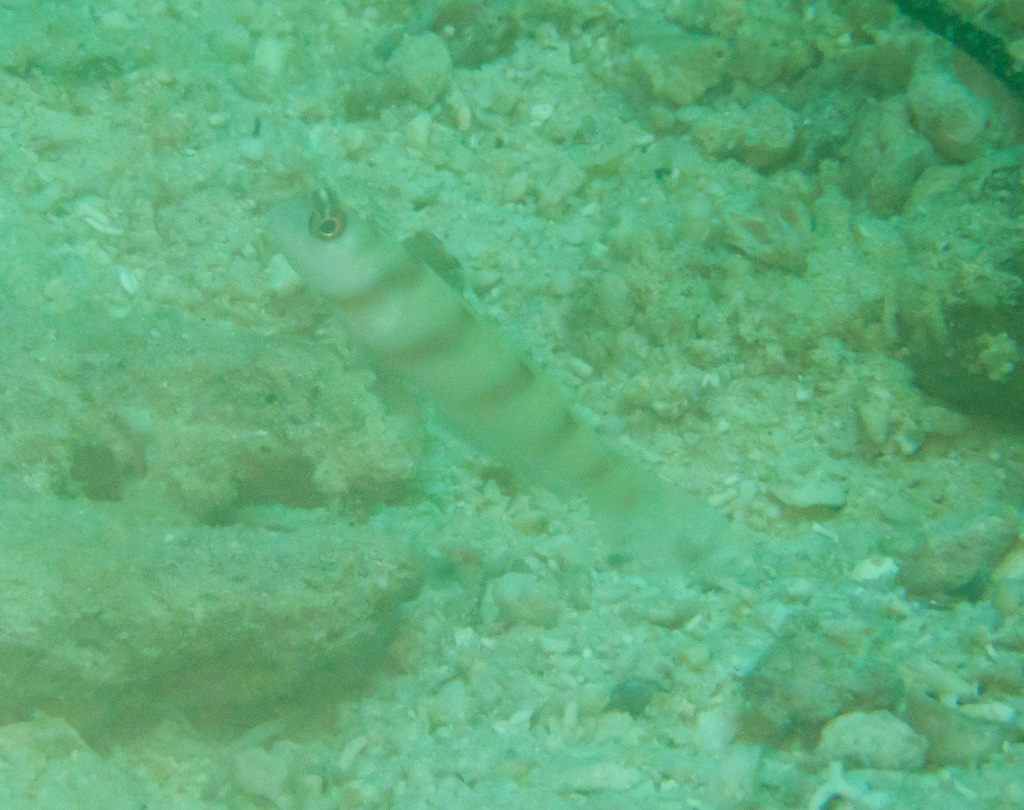 Steinitz' goby
Amblyeleotris steinitzi
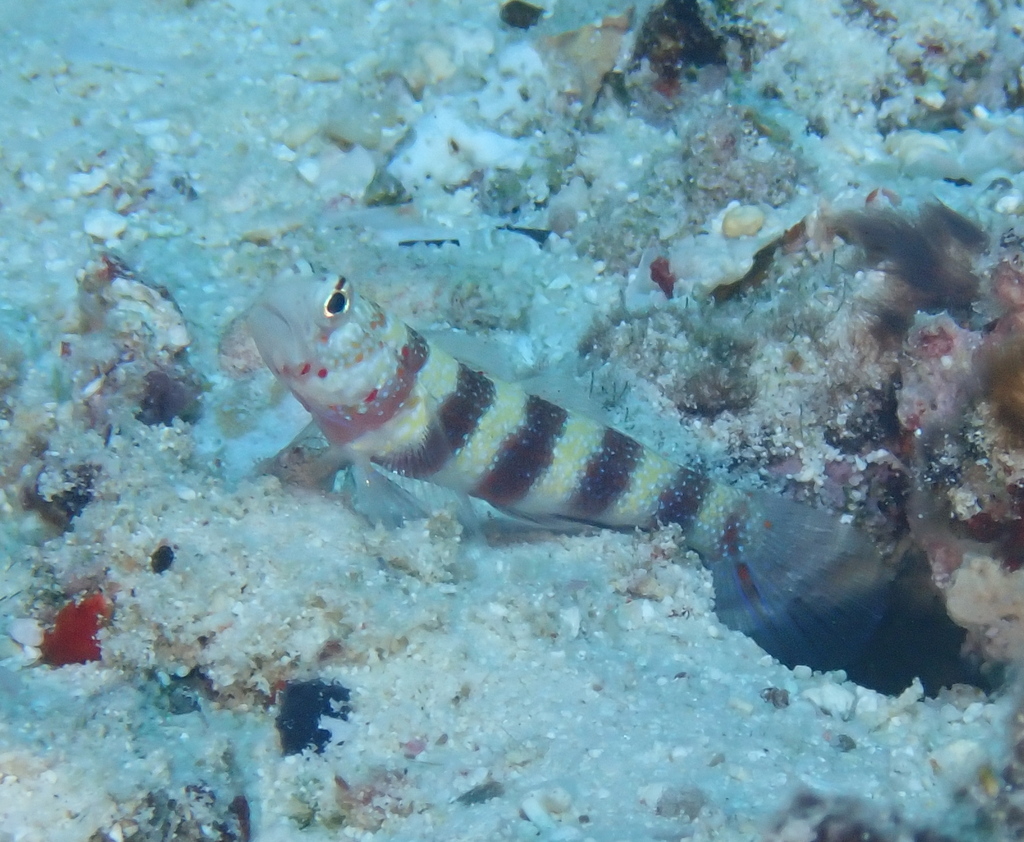 Barred Shrimpgoby
Amblyeleotris wheeleri
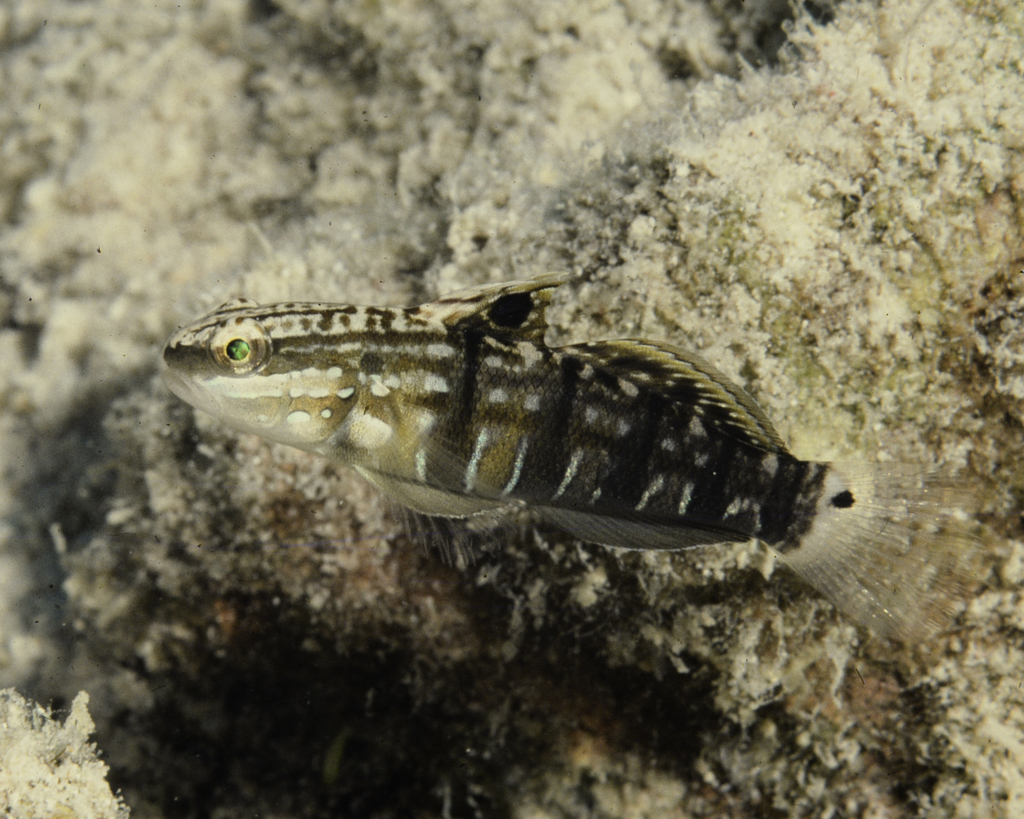 Banded Goby
Amblygobius phalaena
 Bluespotted Goby
Asterropteryx semipunctata
Sources and credits
Names and taxonomy: WoRMS (CC BY 4.0) and the GBIF Backbone (CC BY 4.0). Photos: iNaturalist observers, each under the licence shown (CC0, CC BY or CC BY-SA).
- Depth, temperature, months and maps: records from OBIS and GBIF under CC0 or CC BY.
- Descriptions: Wikipedia, licensed CC BY-SA, each linked to its article.
- Conservation status as published by GBIF (IUCN Red List).
- 17 open-data records from 1950 to 2012.
Log what you see on your next dive
The free DiveHive diver app keeps your logbook with every sighting and shows what lives at the site you dive next.