
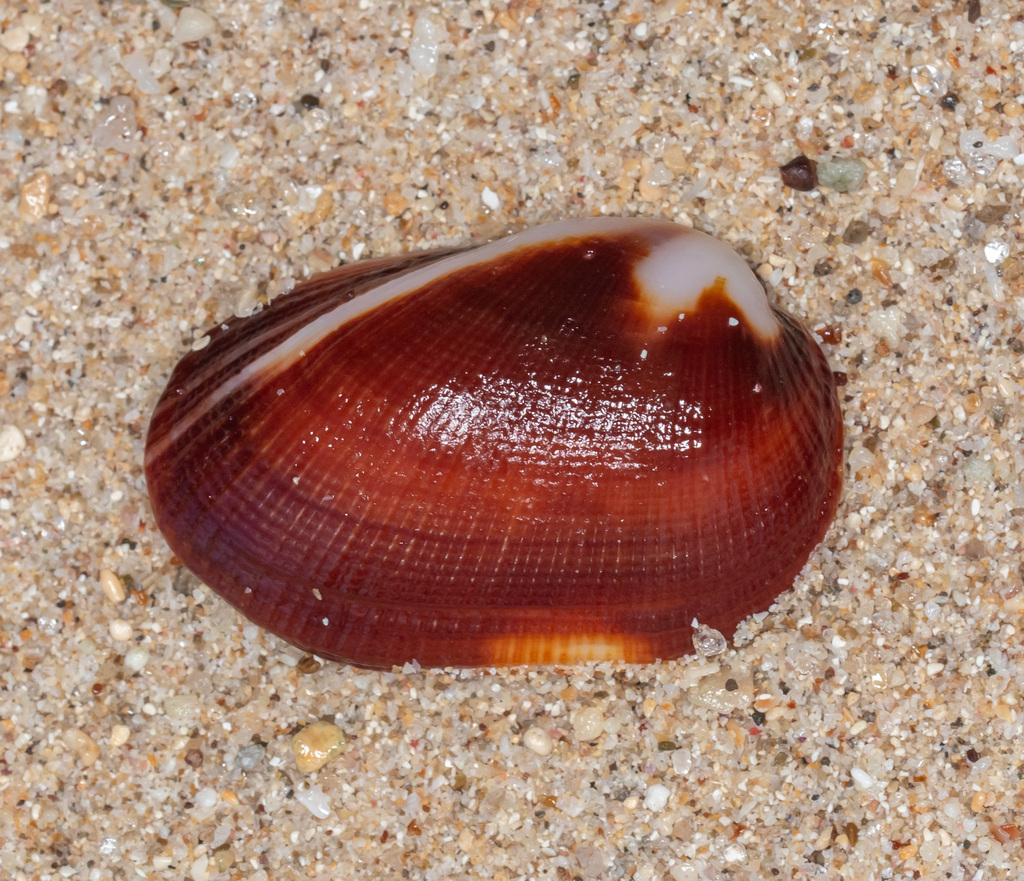
Burnt-almond ark
Barbatia amygdalumtostum
- Usual depth1–42 m
- Water temperature20–30 °C
- Best monthsJuly, August, and October
- How commonOccasional
Photo credit: (c) portioid, some rights reserved (CC BY-SA) · CC BY-SA · iNaturalist
About this species
Barbatia amygdalumtostum, the almond ark or burnt-almond ark, is a species of bearded ark clams in the family Arcidae. It was described by Peter Friedrich Röding in 1798. Barbatia amygdalumtostum is found in the littoral and sublittoral of Indian and western Pacific Oceans. It is also known from the Miocene of Japan.
Text from the Wikipedia article “Barbatia amygdalumtostum”, licensed CC BY-SA 4.0. Read the article
Where and when
Where it has been recorded
Worldwide
Loading the map
Best months
Worldwide (open data)
- January: 42 records
- February: 41 records
- March: 33 records
- April: 41 records
- May: 71 records
- June: 62 records
- July: 99 records
- August: 81 records
- September: 73 records
- October: 76 records
- November: 46 records
- December: 71 records
Depth and water temperature
Depth
Mostly recorded at 1–42 m · Deepest record: 55 m
Water temperature
Recorded in surface water of 20–30 °C
Photos
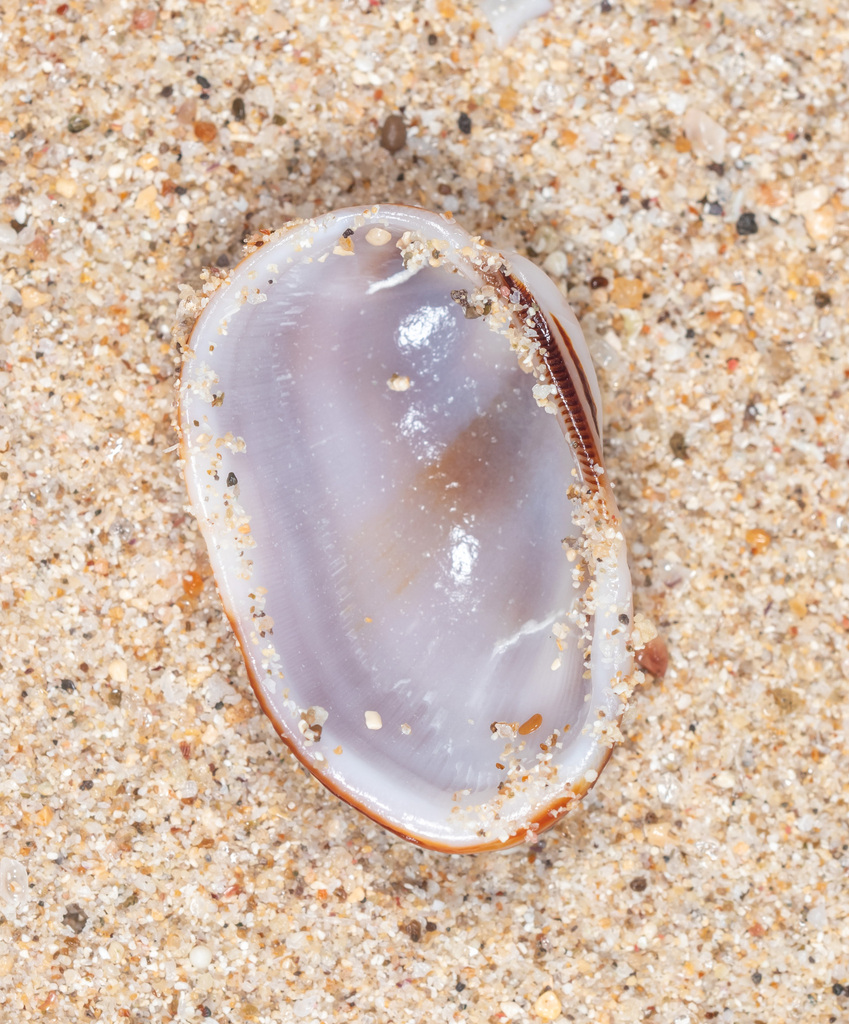
(c) portioid, some rights reserved (CC BY-SA) · CC BY-SA · iNaturalist 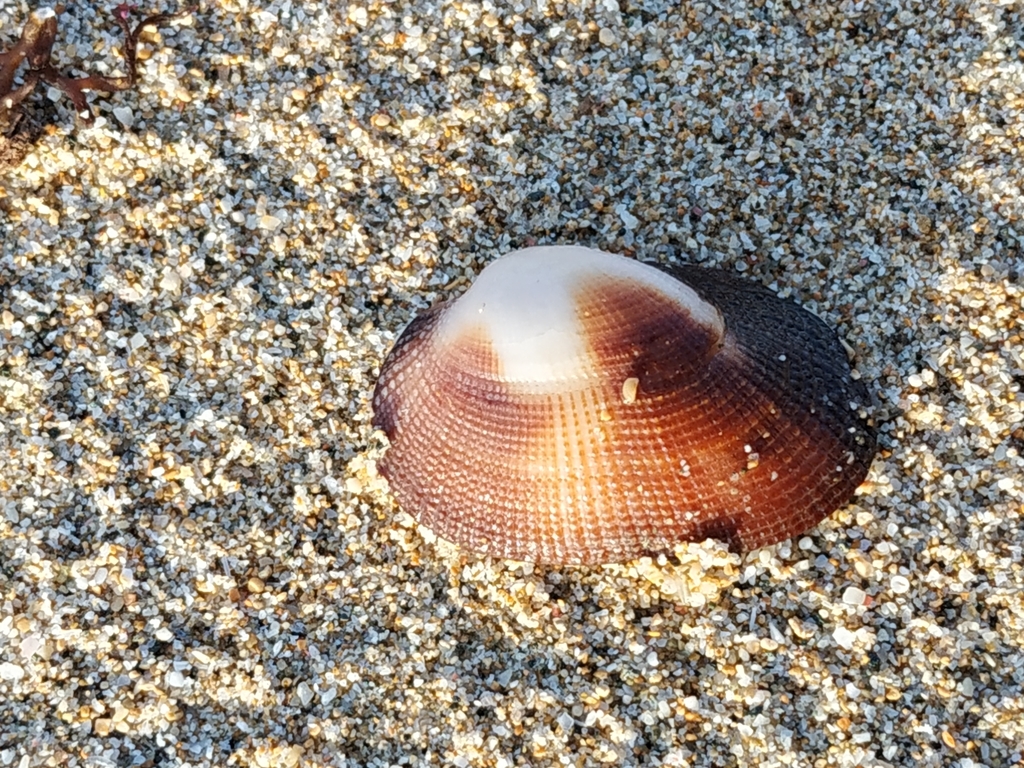
no rights reserved, uploaded by Manis Lin · CC0 1.0 · iNaturalist 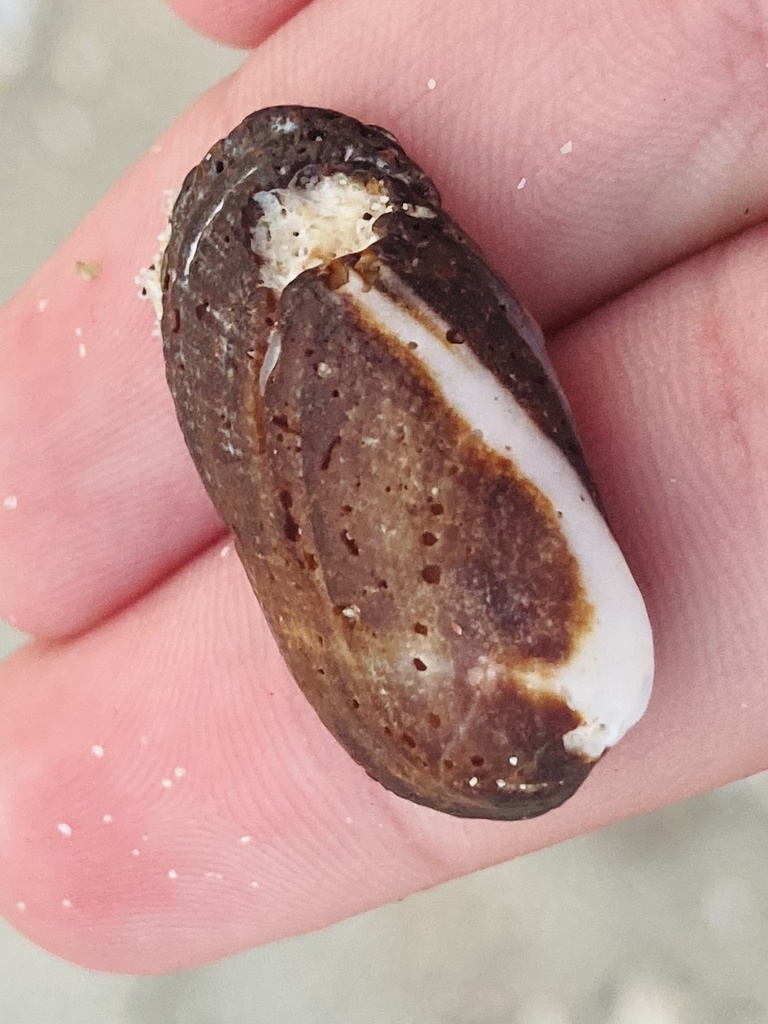
(c) River Ahlquist, some rights reserved (CC BY) · CC BY · iNaturalist 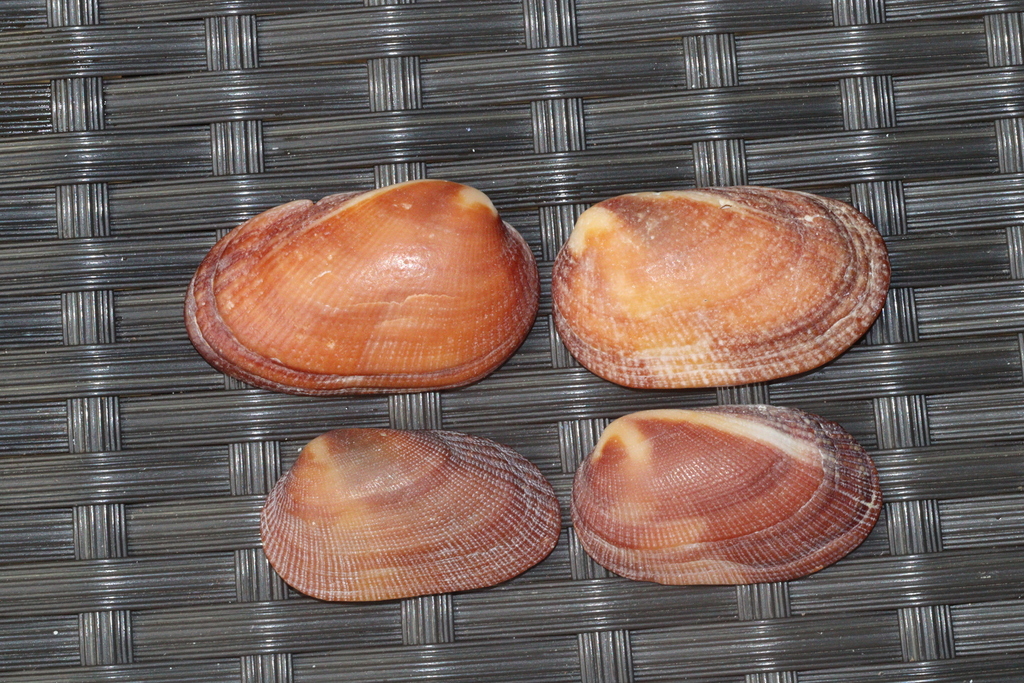
(c) Edmundas Greimas, some rights reserved (CC BY) · CC BY · iNaturalist 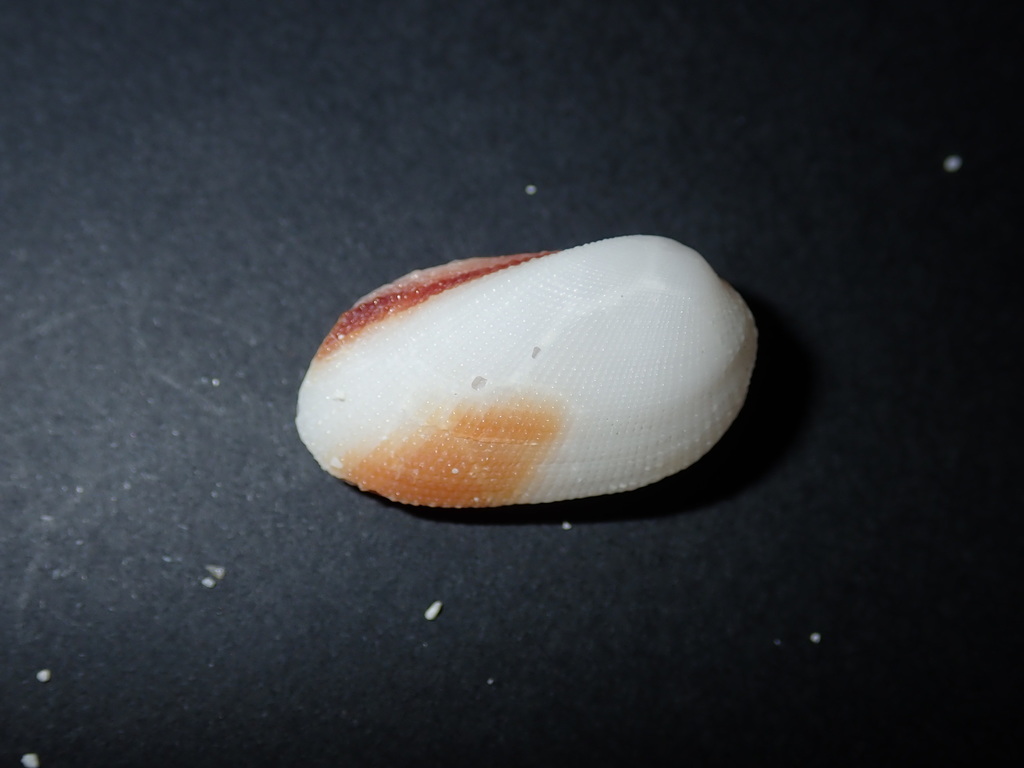
(c) Thomas Mesaglio, some rights reserved (CC BY) · CC BY · iNaturalist 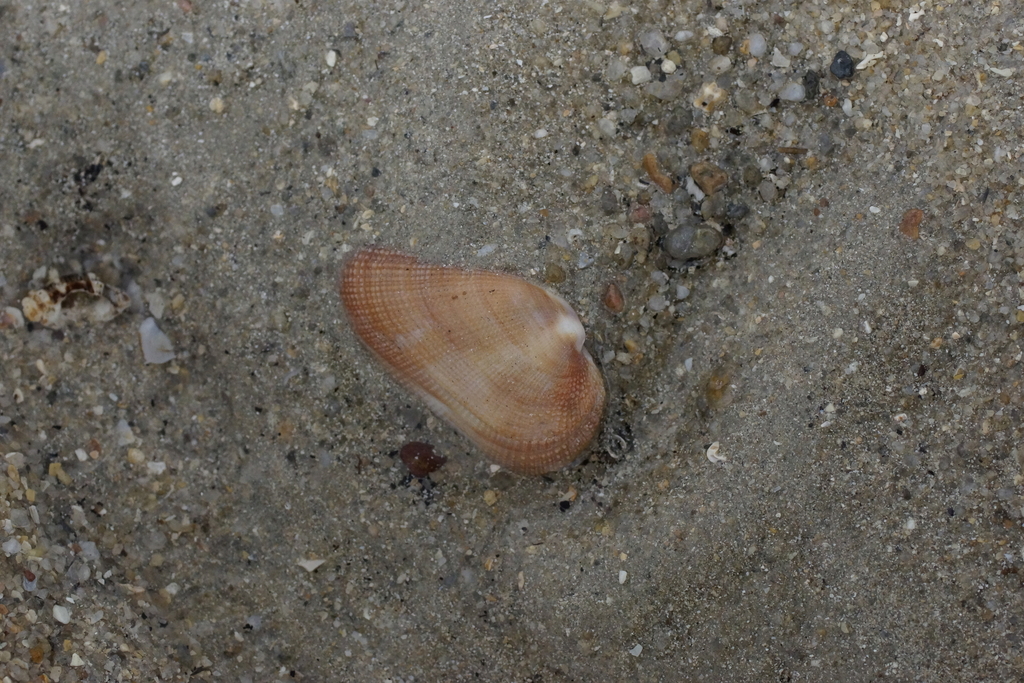
(c) Rod Lowther, some rights reserved (CC BY) · CC BY · iNaturalist 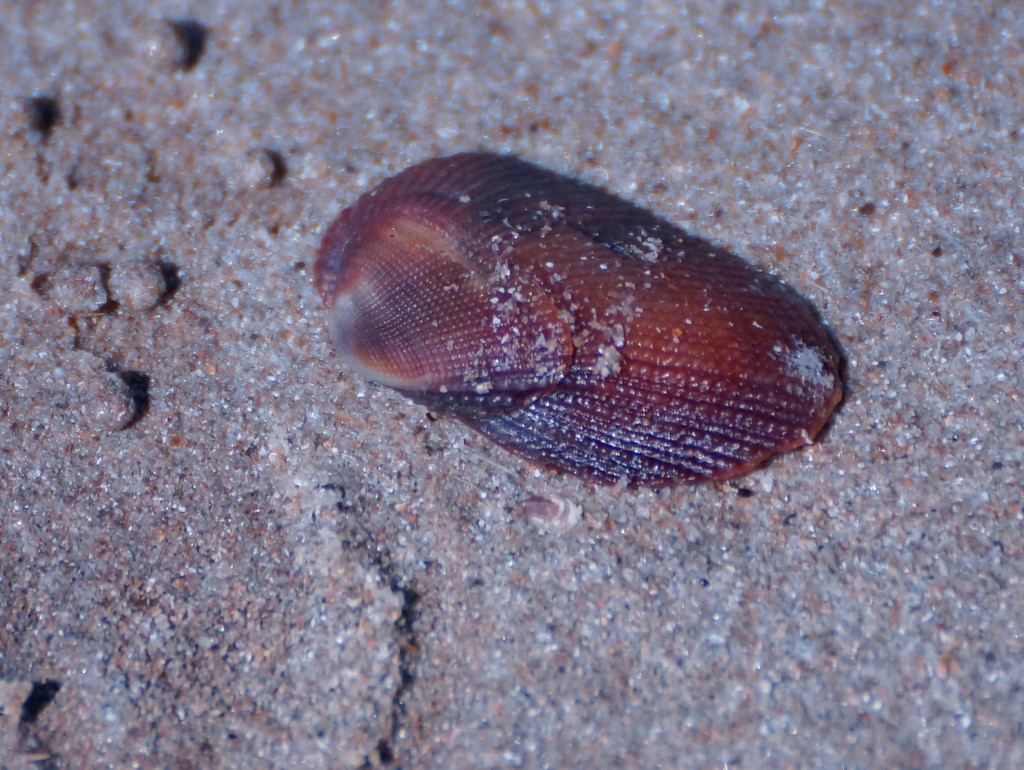
(c) Rod Lowther, some rights reserved (CC BY) · CC BY · iNaturalist
Names and classification
- English
- Burnt-almond ark, burnt-almond ark
Names in 2 more languages
- German
- Gebrannte Mandel
- Japanese
- ベニエガイ[クロミノエガイ]
Other scientific names: Amygdalum frixum, Arca amygdalum, Arca amygdalumtostum, Arca bicolorata, Arca cruciata, Arca fusca, Barbatia (Ustularca) amygdalumtostum, Barbatia fusca, Barbatia rodatzi, Ustularca cruciata, Ustularca renuta
Similar species
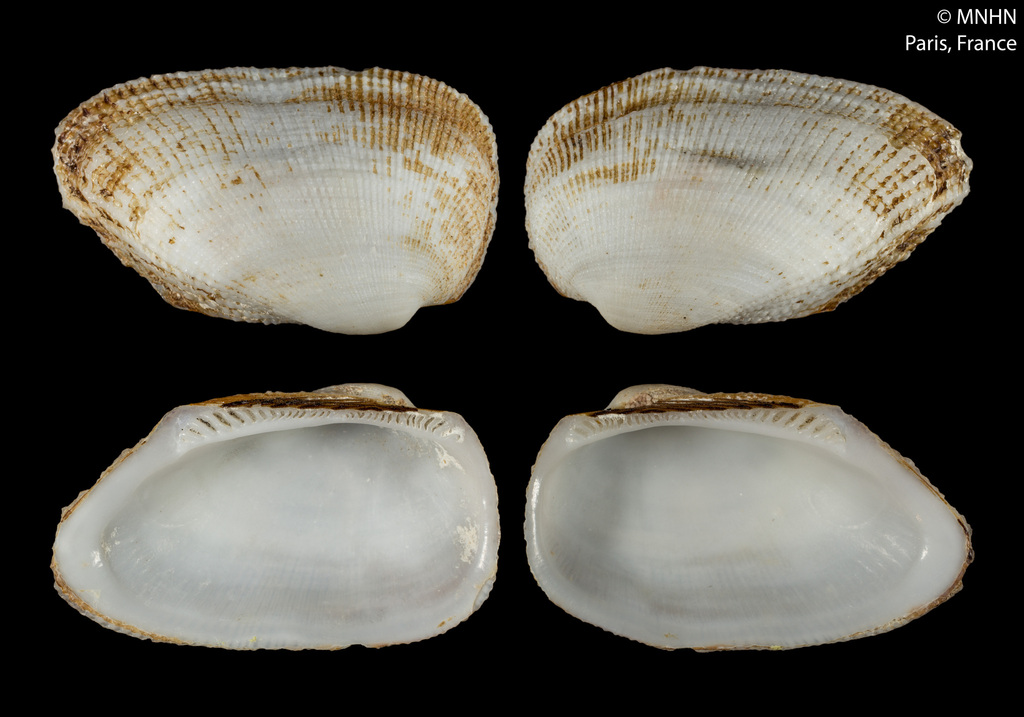
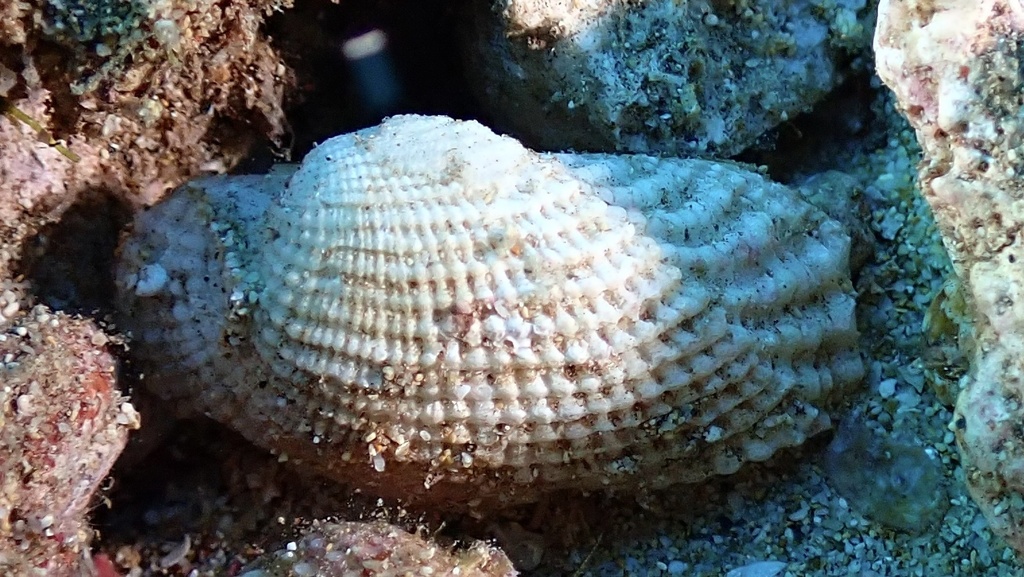 Divaricated Ark
Acar plicata
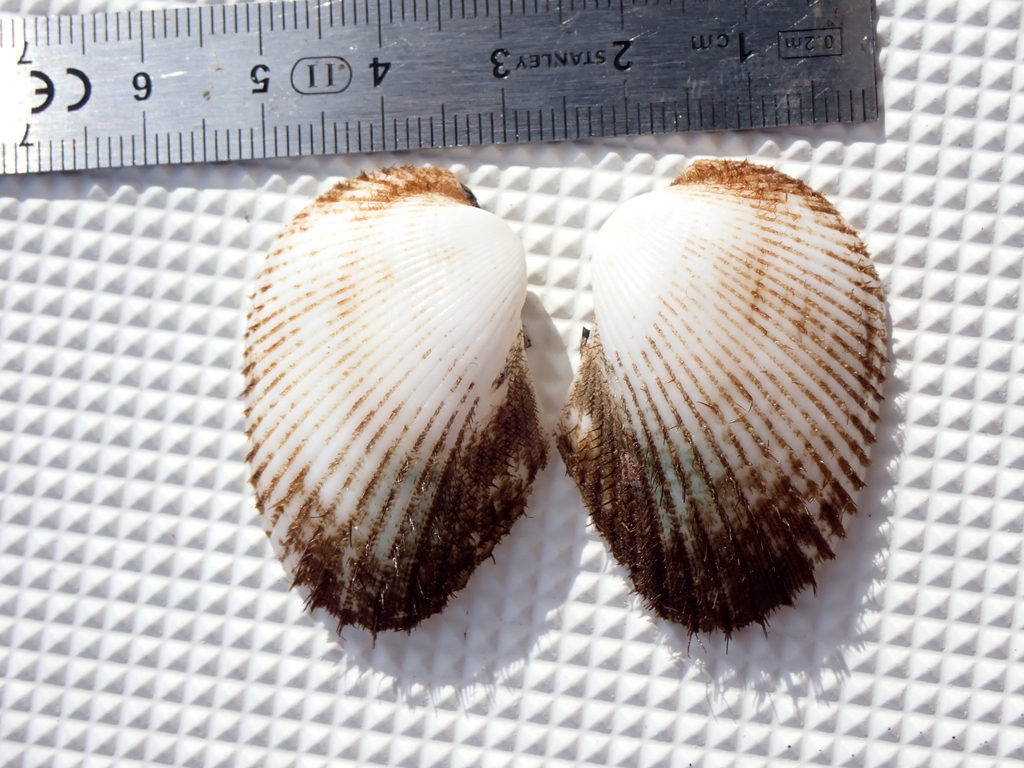 Antique ark
Anadara antiquata
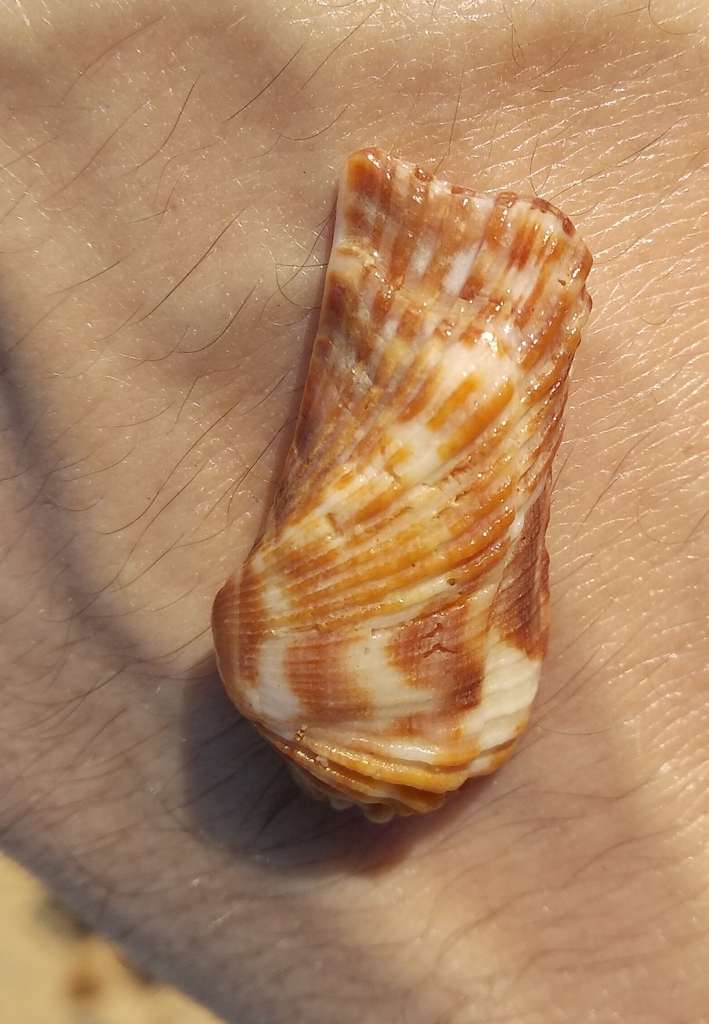 Indo-Pacific Ark
Arca navicularis
- Kagoshima Blood Cockle
Anadara kagoshimensis
- Sydney Cockle
Anadara trapezia
Sources and credits
Names and taxonomy: WoRMS (CC BY 4.0) and the GBIF Backbone (CC BY 4.0). Photos: iNaturalist observers, each under the licence shown (CC0, CC BY or CC BY-SA).
- Depth, temperature, months and maps: records from OBIS and GBIF under CC0 or CC BY.
- Descriptions: Wikipedia, licensed CC BY-SA, each linked to its article.
- Conservation status as published by GBIF (IUCN Red List).
- 1,044 open-data records from 1789 to 2020.
- Species data updated October 26, 2026.
Log what you see on your next dive
The free DiveHive diver app keeps your logbook with every sighting and shows what lives at the site you dive next.