
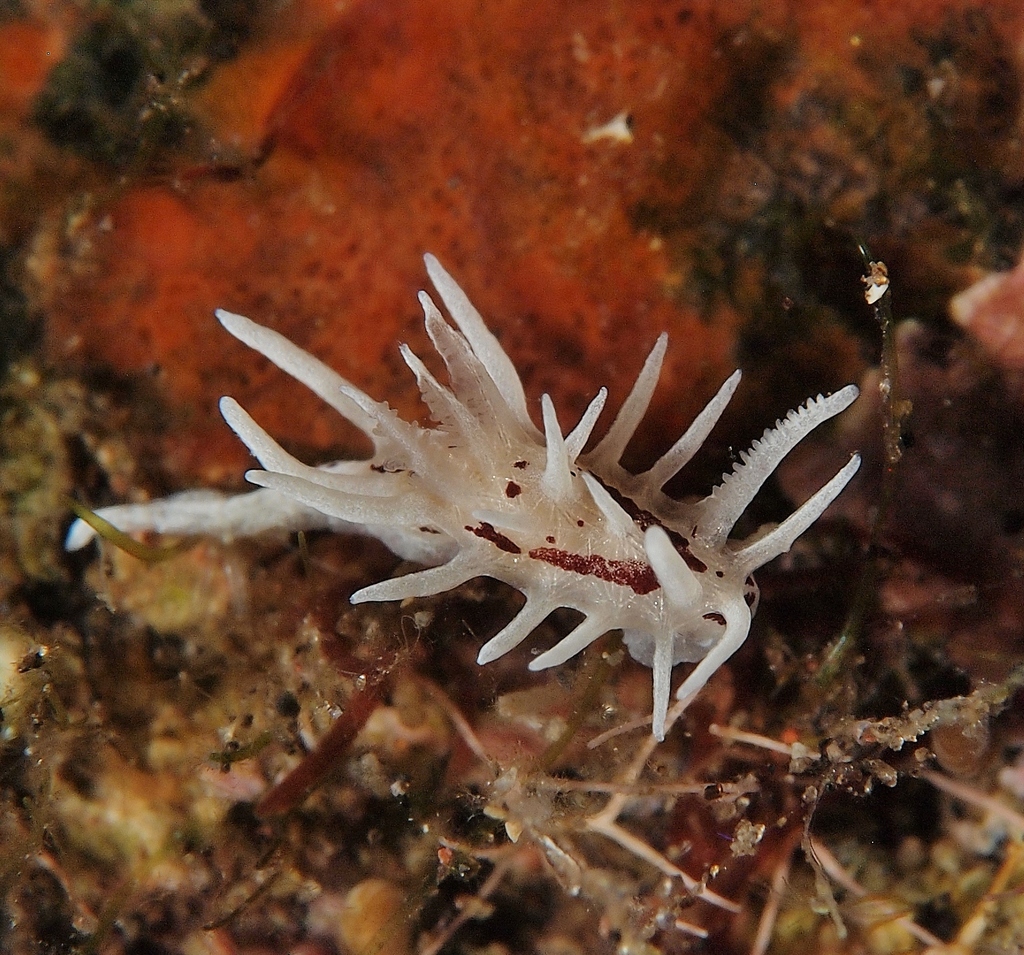
Bermudella brunneomaculata
- Usual depth10–20 m
- Water temperature26–29 °C
- Best monthsApril and May
- How commonRare
Photo credit: (c) Steve Childs, some rights reserved (CC BY) · CC BY · iNaturalist
About this species
Bermudella brunneomaculata is a species of sea slug, specifically a dorid nudibranch, a marine gastropod mollusc in the subfamily Goniodoridinae in the family Goniodorididae.
Text from the Wikipedia article “Bermudella brunneomaculata”, licensed CC BY-SA 4.0. Read the article
Where and when
Where it has been recorded
Worldwide
Loading the map
Best months
Worldwide (open data)
- January: 29 records
- February: 26 records
- March: 32 records
- April: 84 records
- May: 51 records
- June: 26 records
- July: 26 records
- August: 35 records
- September: 25 records
- October: 28 records
- November: 38 records
- December: 22 records
Depth and water temperature
Depth
Mostly recorded at 10–20 m · Deepest record: 23 m
Water temperature
Recorded in surface water of 26–29 °C
Photos
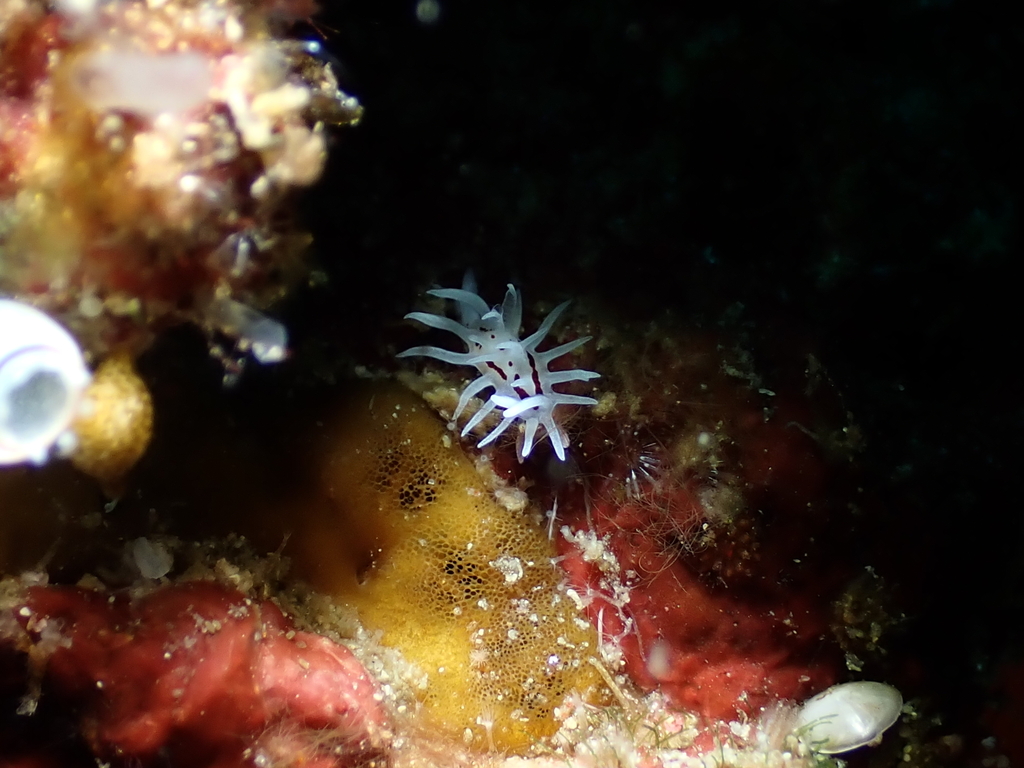
(c) Gregor Bailar, some rights reserved (CC BY) · CC BY · iNaturalist 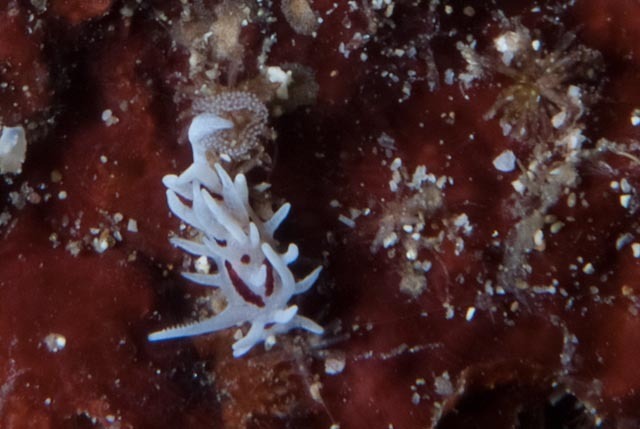
(c) Georgina Jones, some rights reserved (CC BY-SA) · CC BY-SA · iNaturalist 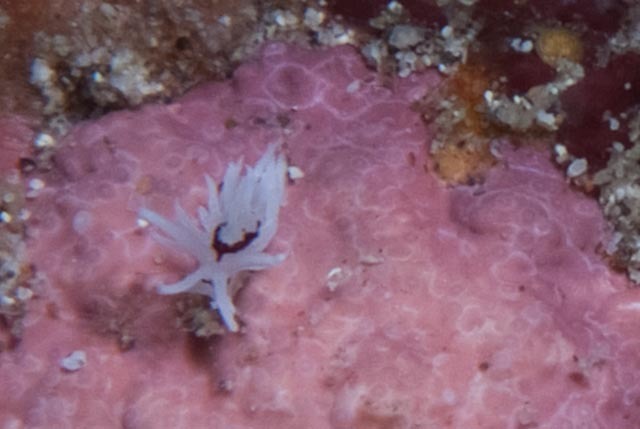
(c) Georgina Jones, some rights reserved (CC BY-SA) · CC BY-SA · iNaturalist 
(c) Bernard Picton, some rights reserved (CC BY) · CC BY · iNaturalist 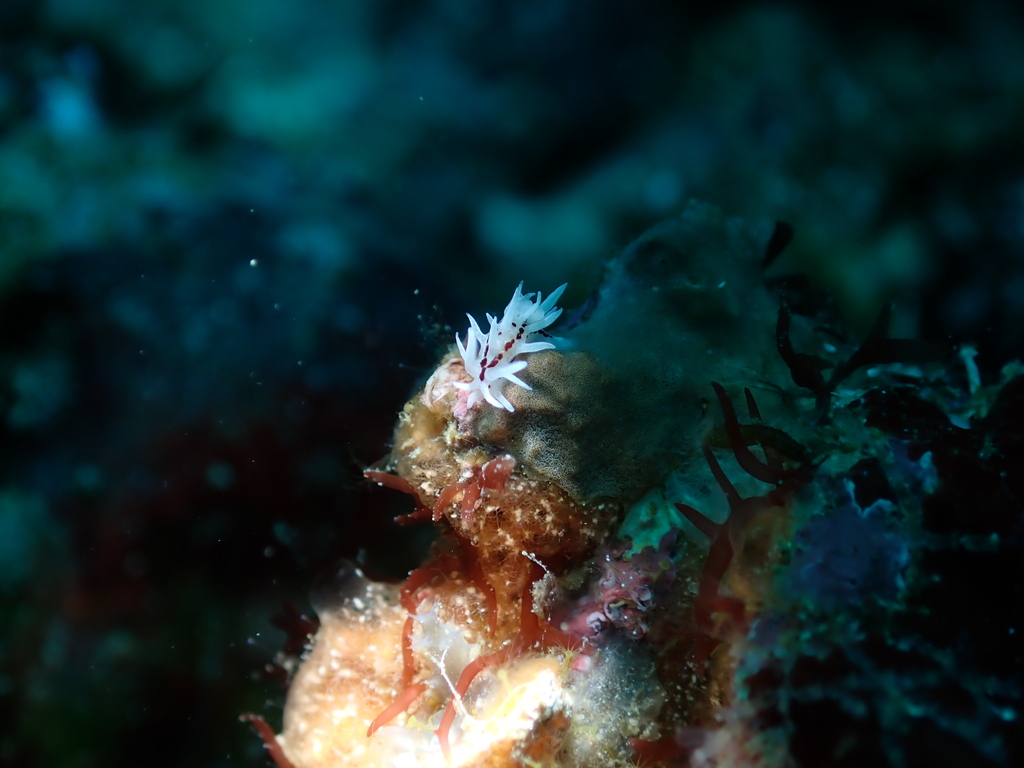
(c) Gregor Bailar, some rights reserved (CC BY) · CC BY · iNaturalist 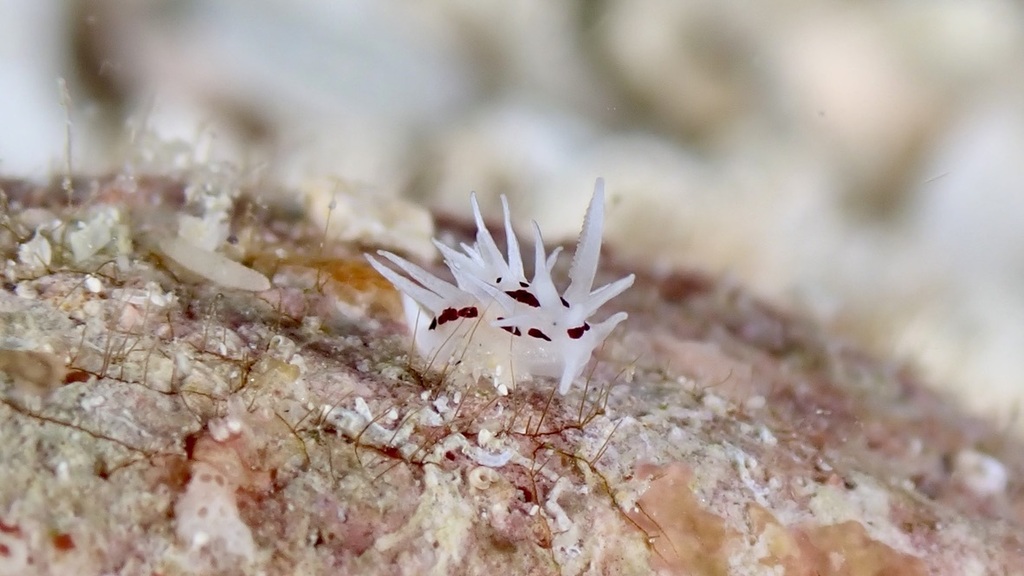
no rights reserved · CC0 1.0 · iNaturalist
Names and classification
Other scientific names: Okenia brunneomaculata
Similar species
Sources and credits
Names and taxonomy: WoRMS (CC BY 4.0) and the GBIF Backbone (CC BY 4.0). Photos: iNaturalist observers, each under the licence shown (CC0, CC BY or CC BY-SA).
- Depth, temperature, months and maps: records from OBIS and GBIF under CC0 or CC BY.
- Descriptions: Wikipedia, licensed CC BY-SA, each linked to its article.
- 77 open-data records from 1992 to 2026.
- Species data updated October 26, 2026.
Log what you see on your next dive
The free DiveHive diver app keeps your logbook with every sighting and shows what lives at the site you dive next.