

DiscoverSpeciesOther invertebrates
Holothurie léopard
Bohadschia argus
- Usual depth5–15 m
- Water temperature24–30 °C
- Best monthsJune, September, and October
- How commonOccasional
Photo credit: (c) http://www.colours.dk/, some rights reserved (CC BY-SA) · CC BY-SA · iNaturalist
About this species
Bohadschia argus, the leopard sea cucumber, leopardfish, or tigerfish, is a species of sea cucumber in the family Holothuriidae. It is native to the tropical Western Indo-Pacific region.
Text from the Wikipedia article “Bohadschia argus”, licensed CC BY-SA 4.0. Read the article
Where and when
Where it has been recorded
Worldwide
Loading the map
Best months
Worldwide (open data)
- January: 109 records
- February: 82 records
- March: 107 records
- April: 112 records
- May: 152 records
- June: 222 records
- July: 207 records
- August: 152 records
- September: 313 records
- October: 224 records
- November: 210 records
- December: 100 records
Depth and water temperature
Depth
Mostly recorded at 5–15 m · Deepest record: 30 m
Water temperature
Recorded in surface water of 24–30 °C
Photos
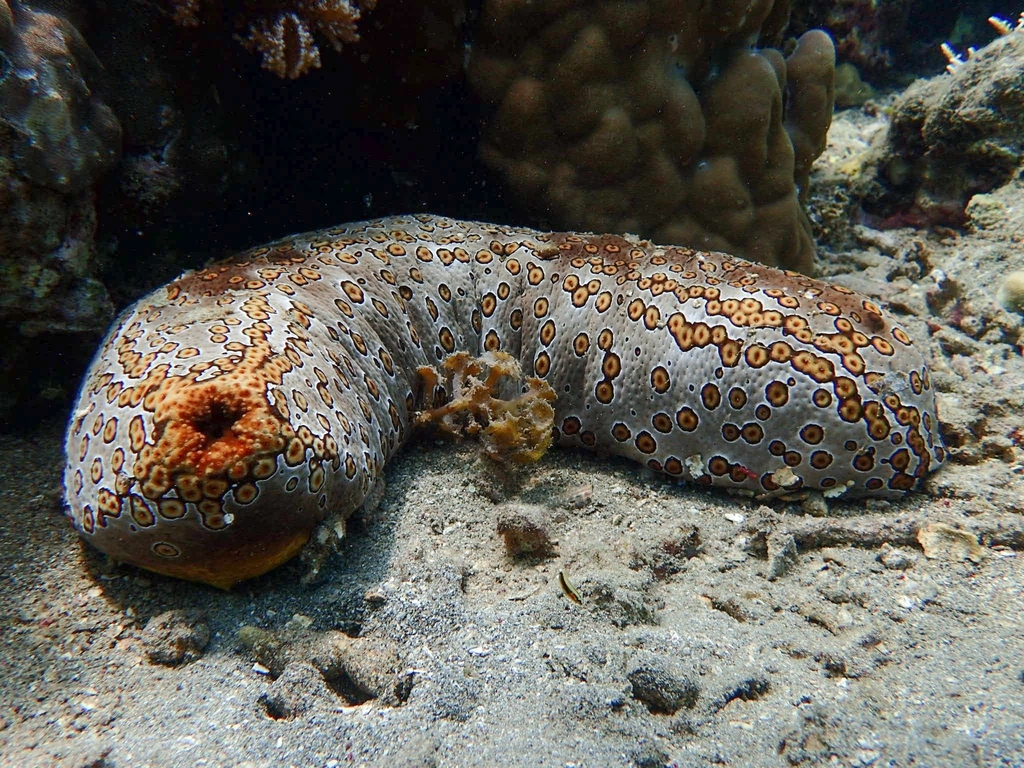
(c) Dan Schofield, some rights reserved (CC BY), uploaded by Dan Schofield · CC BY · iNaturalist 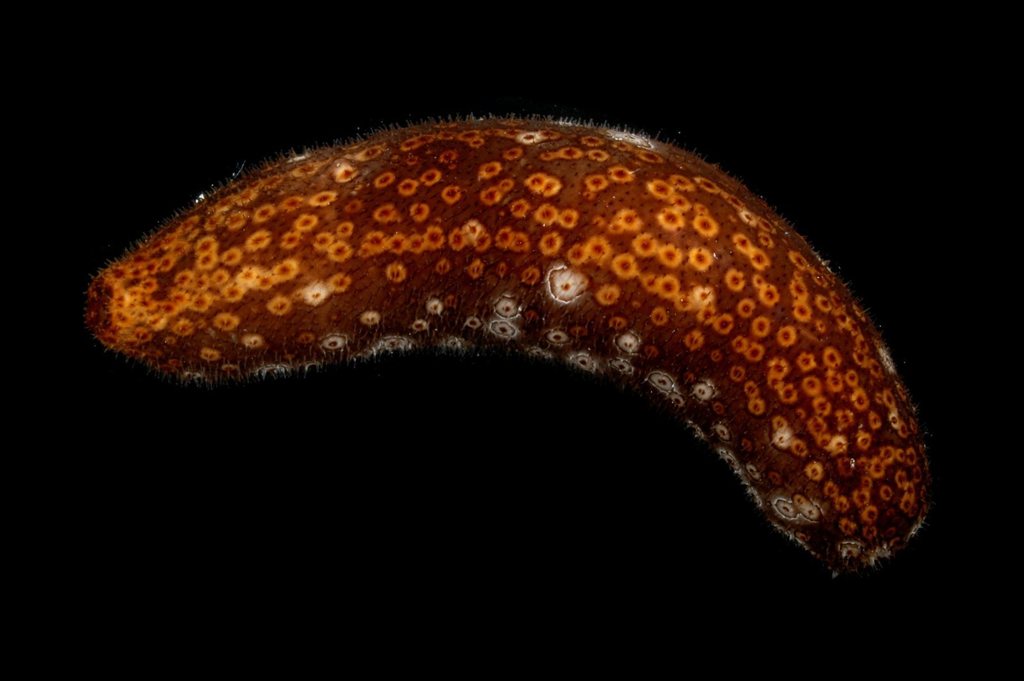
(c) François Michonneau, some rights reserved (CC BY) · CC BY · iNaturalist 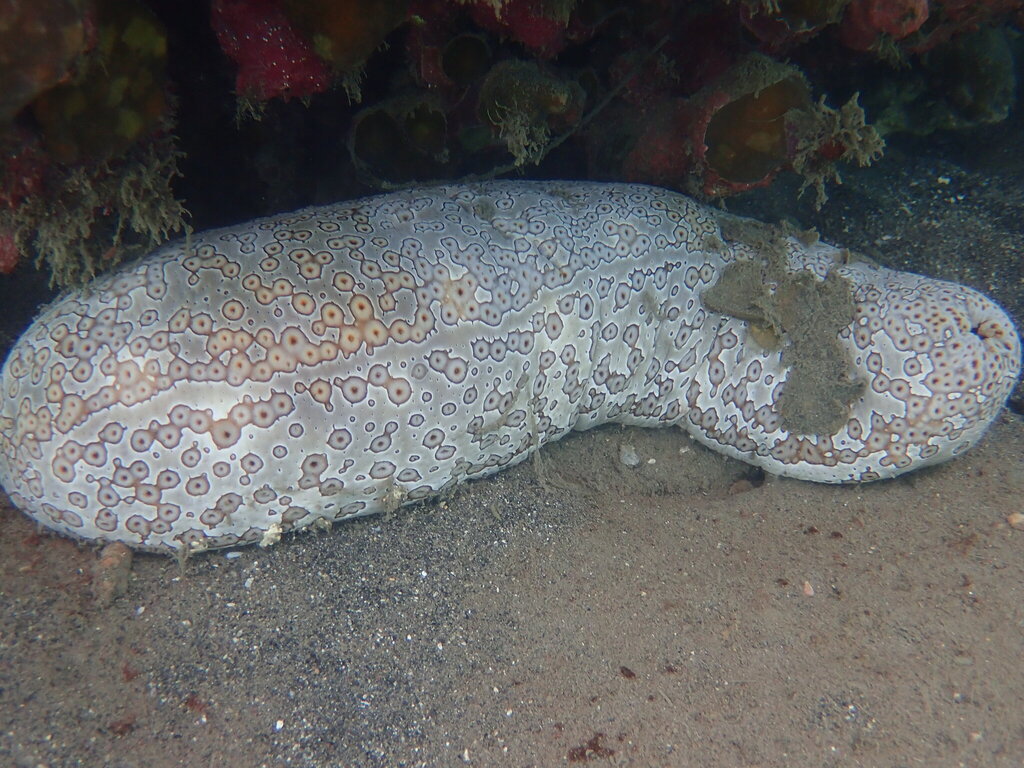
(c) Cricket Raspet, some rights reserved (CC BY) · CC BY · iNaturalist 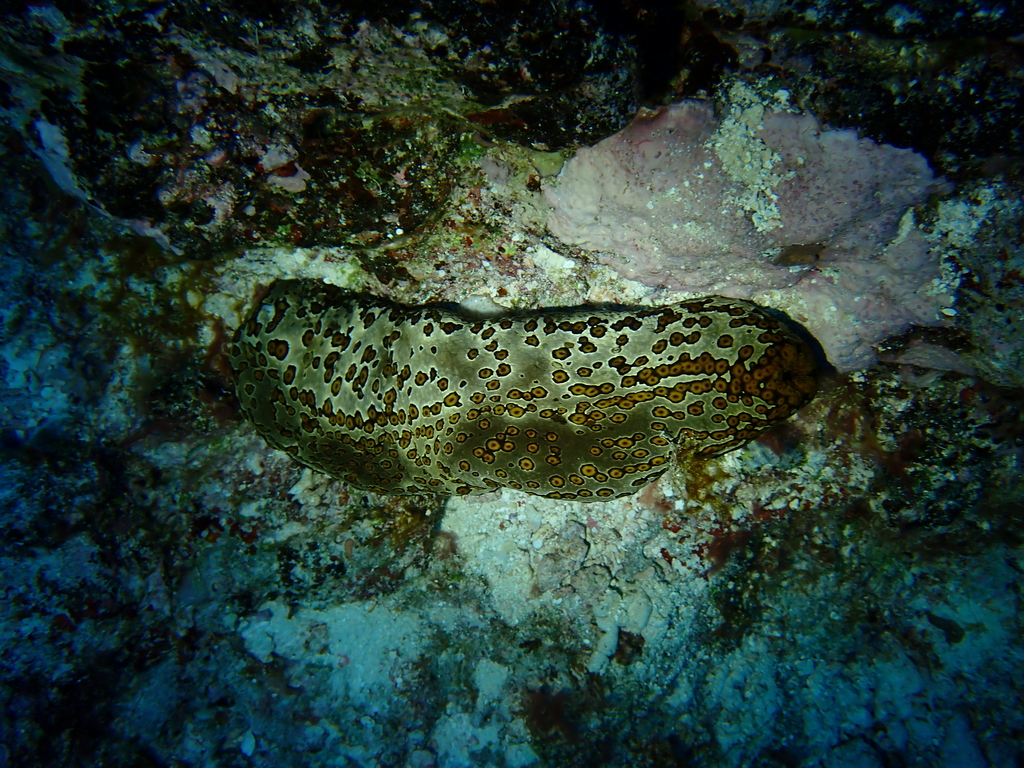
(c) Debra Baker, some rights reserved (CC BY) · CC BY · iNaturalist 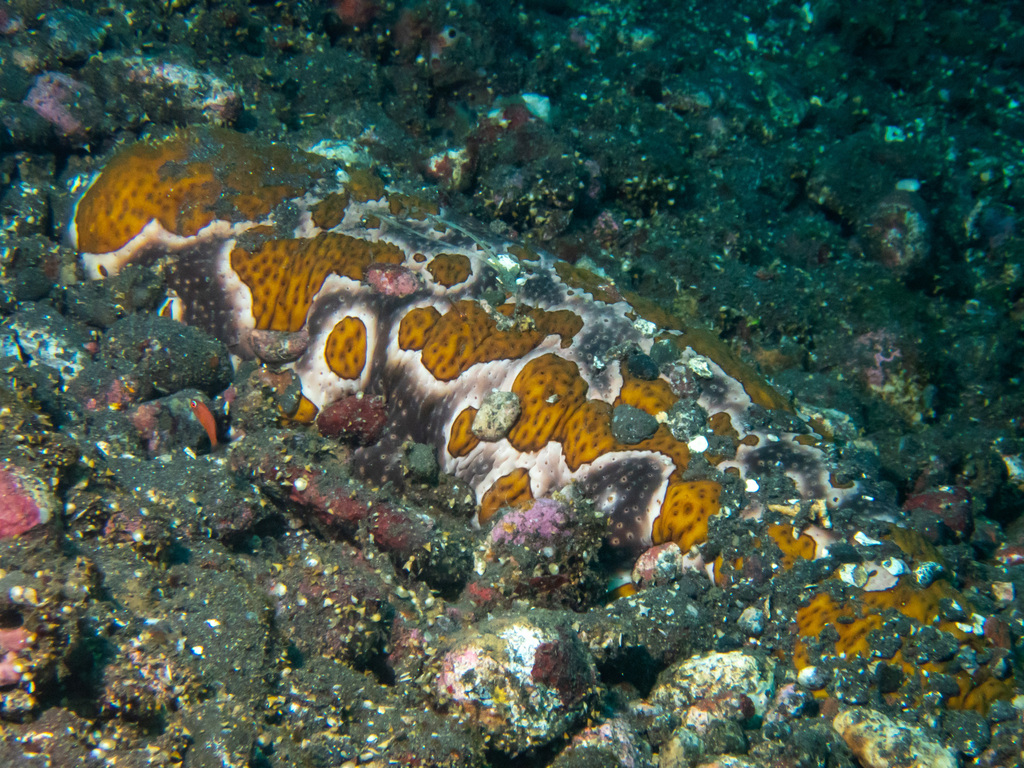
(c) portioid, some rights reserved (CC BY) · CC BY · iNaturalist 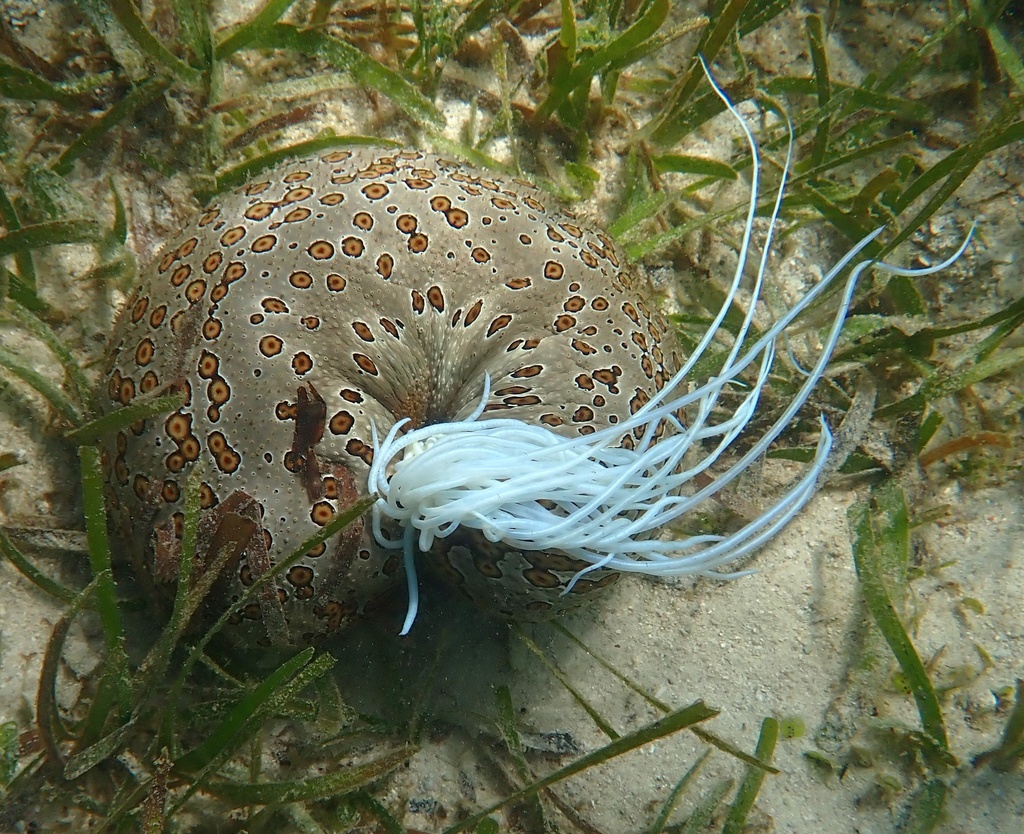
(c) Micha Baum, some rights reserved (CC BY-SA) · CC BY-SA · iNaturalist 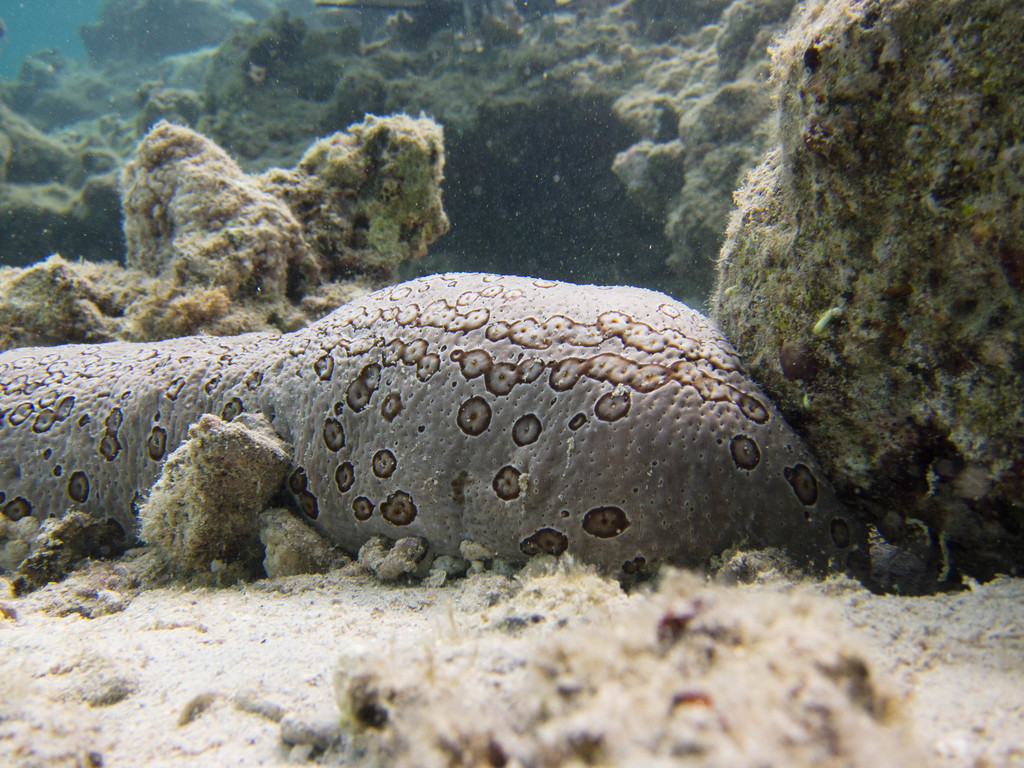
(c) Ryan McMinds, some rights reserved (CC BY) · CC BY · iNaturalist
Names and classification
- English
- Holothurie léopard, Leopardfish, Leopard Sea Cucumber, tiger fish, Tigerfish
Names in 4 more languages
- French
- Holothurie-léopard
- Indonesian
- Bitnik, Cempedak, Gamat bati, Patola, Ular mata
- Japanese
- ジャノメナマコ
- Simplified Chinese
- 蛇目白尼參
Other scientific names: Holothuria (Holothuria) argus
Similar species
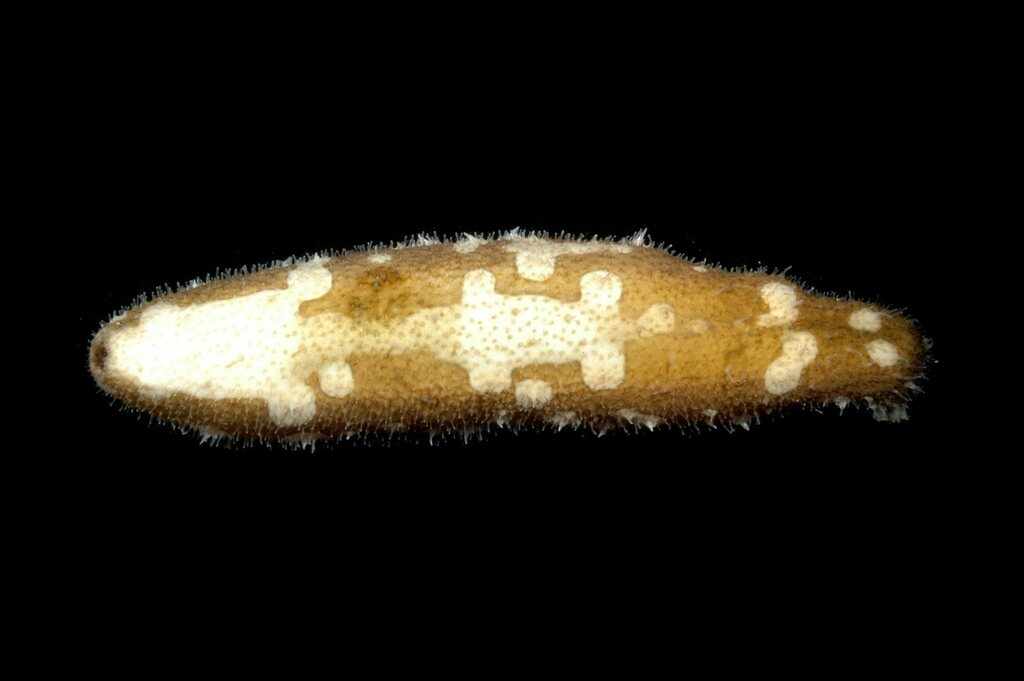 Brown Sandfish
Bohadschia marmorata
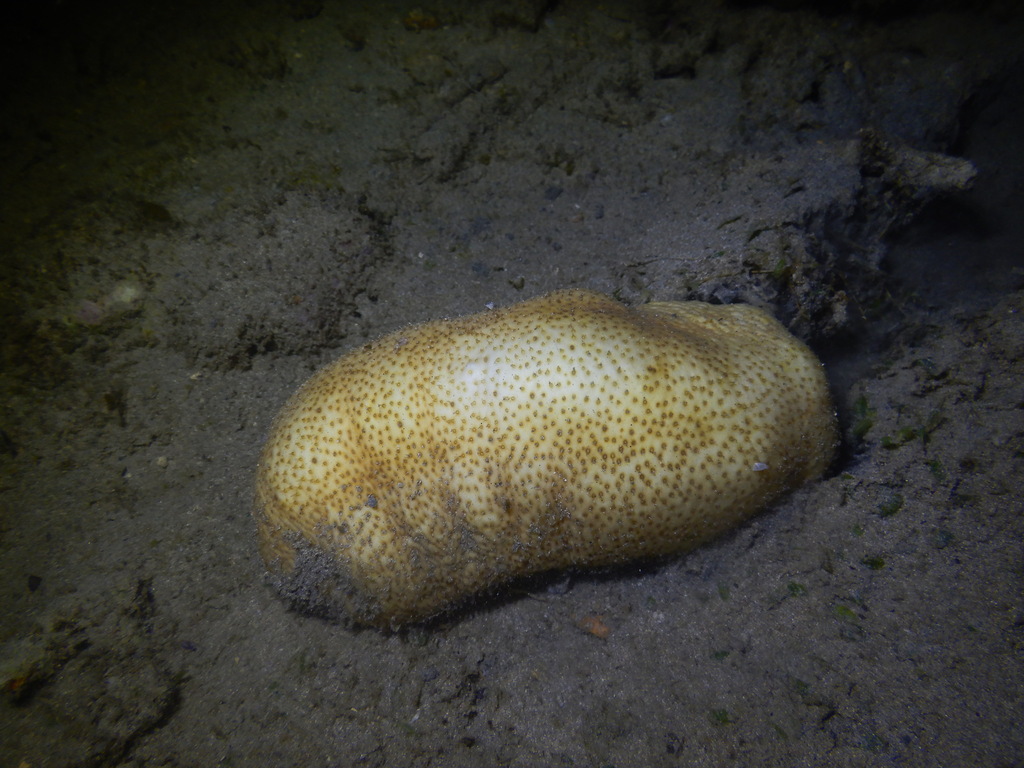 Brown Sandfish
Bohadschia vitiensis
- Black beauty
Holothuria atra
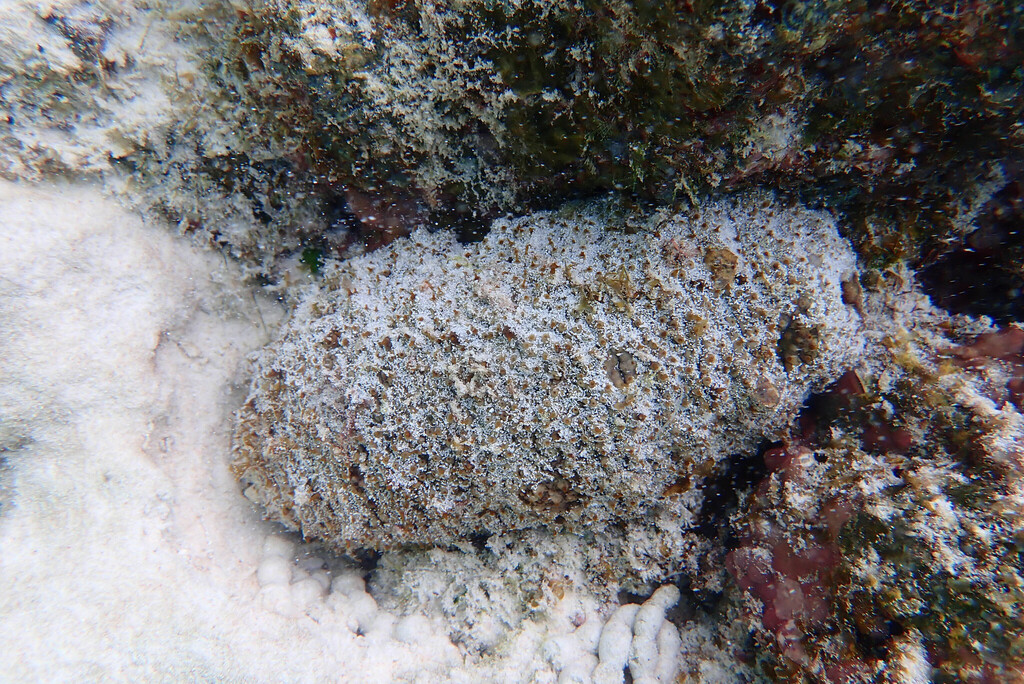 Brown Beauty
Actinopyga echinites
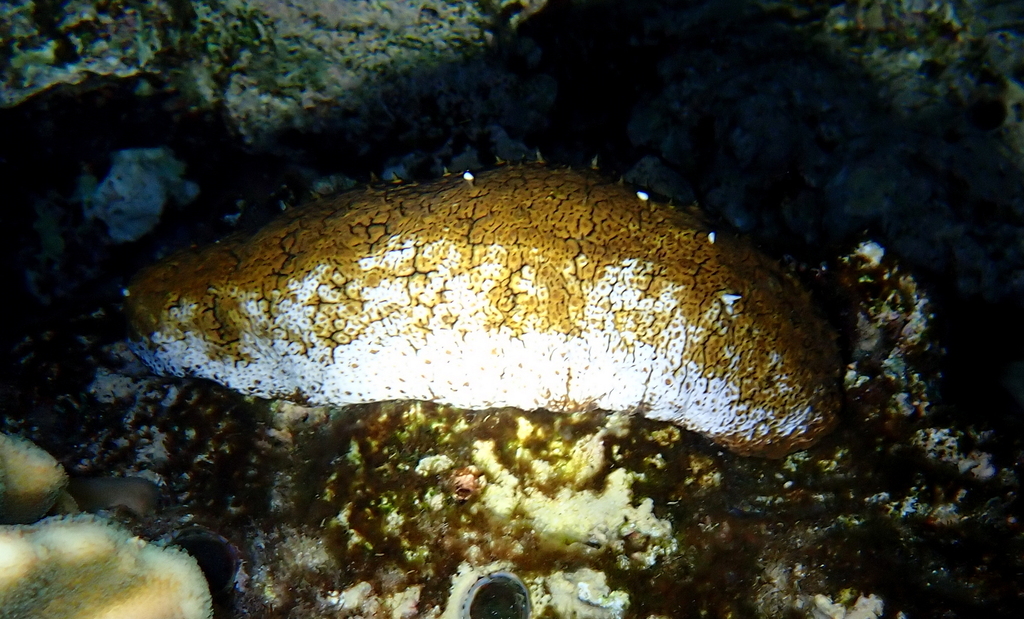 Surf Redfish
Actinopyga mauritiana
- Pinkfish
Holothuria edulis
Sources and credits
Names and taxonomy: WoRMS (CC BY 4.0) and the GBIF Backbone (CC BY 4.0). Photos: iNaturalist observers, each under the licence shown (CC0, CC BY or CC BY-SA).
- Depth, temperature, months and maps: records from OBIS and GBIF under CC0 or CC BY.
- Descriptions: Wikipedia, licensed CC BY-SA, each linked to its article.
- Conservation status as published by GBIF (IUCN Red List).
- 1,917 open-data records from 1833 to 2026.
- Species data updated October 26, 2026.
Log what you see on your next dive
The free DiveHive diver app keeps your logbook with every sighting and shows what lives at the site you dive next.