
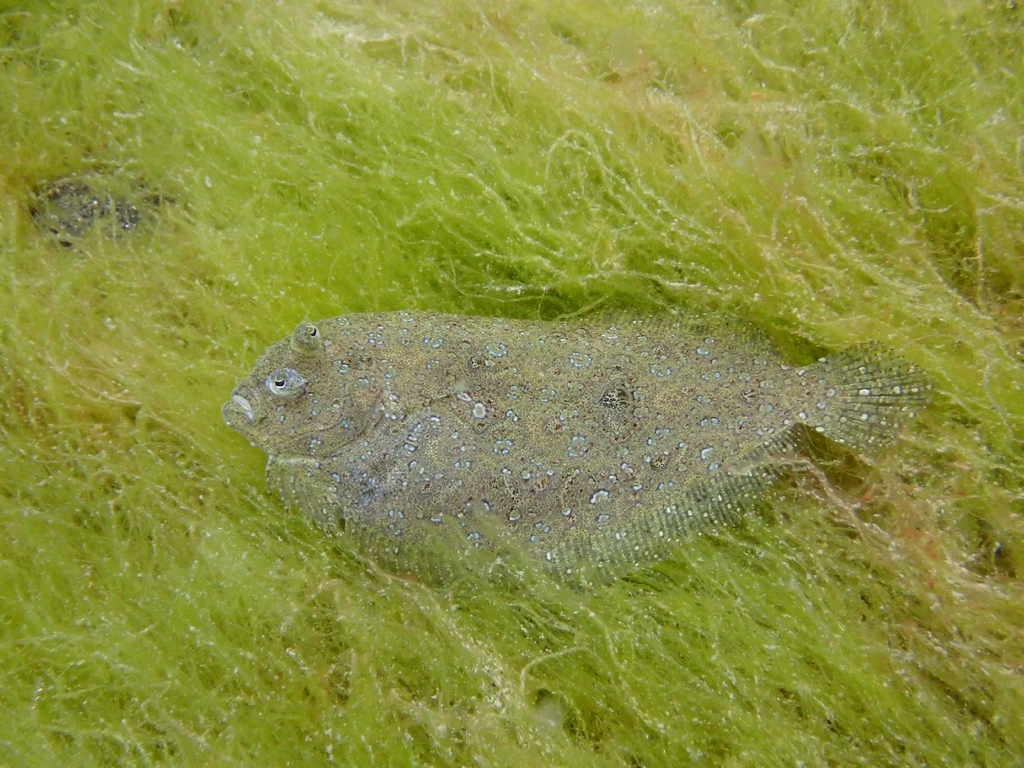
Leopard flounder
Bothus pantherinus
- Usual depth0–90 m
- Water temperature20–30 °C
- Best monthsApril, May, and October
- How commonOccasional
Photo credit: (c) Ben Costamagna, some rights reserved (CC BY) · CC BY · iNaturalist
About this species
The leopard flounder or panther flounder, is a flatfish found in the Pacific and Indian Oceans.
Text from the Wikipedia article “Leopard flounder”, licensed CC BY-SA 4.0. Read the article
Where and when
Where it has been recorded
Worldwide
Loading the map
Best months
Worldwide (open data)
- January: 106 records
- February: 69 records
- March: 85 records
- April: 138 records
- May: 164 records
- June: 87 records
- July: 131 records
- August: 89 records
- September: 135 records
- October: 141 records
- November: 117 records
- December: 94 records
Depth and water temperature
Depth
Mostly recorded at 0–90 m · Deepest record: 690 m
Water temperature
Recorded in surface water of 20–30 °C
Photos
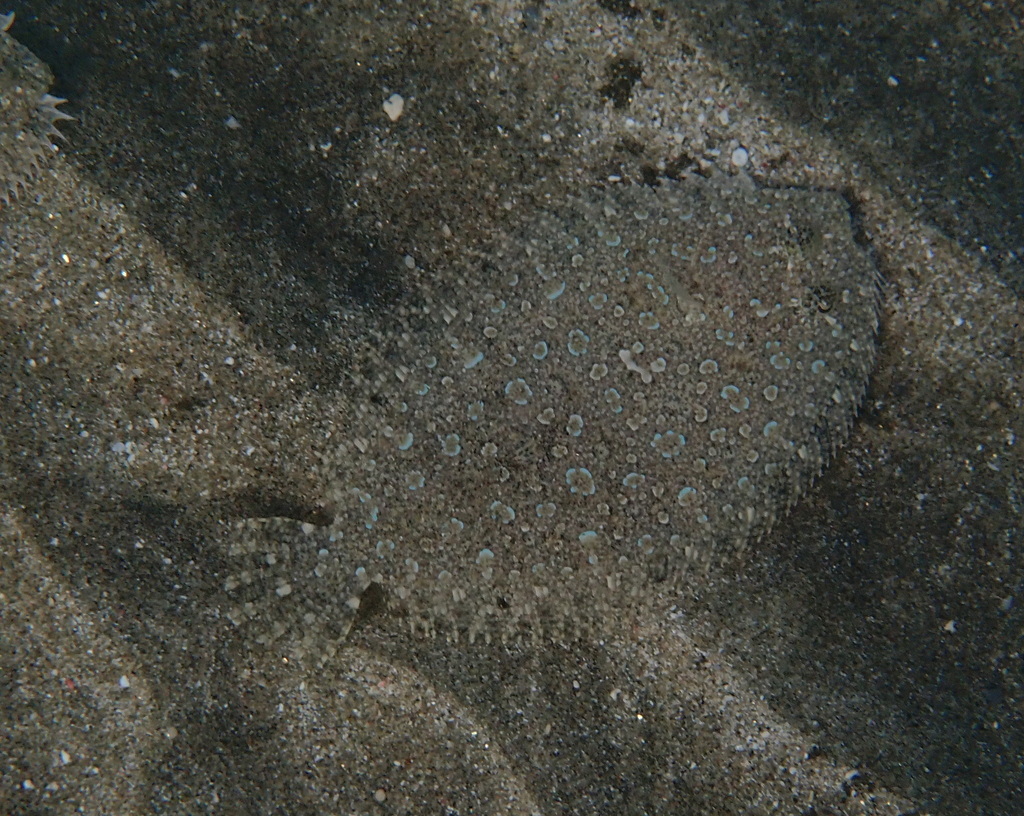
(c) Jan Ebr & Ivana Ebrová, some rights reserved (CC BY) · CC BY · iNaturalist 
no rights reserved · CC0 1.0 · iNaturalist 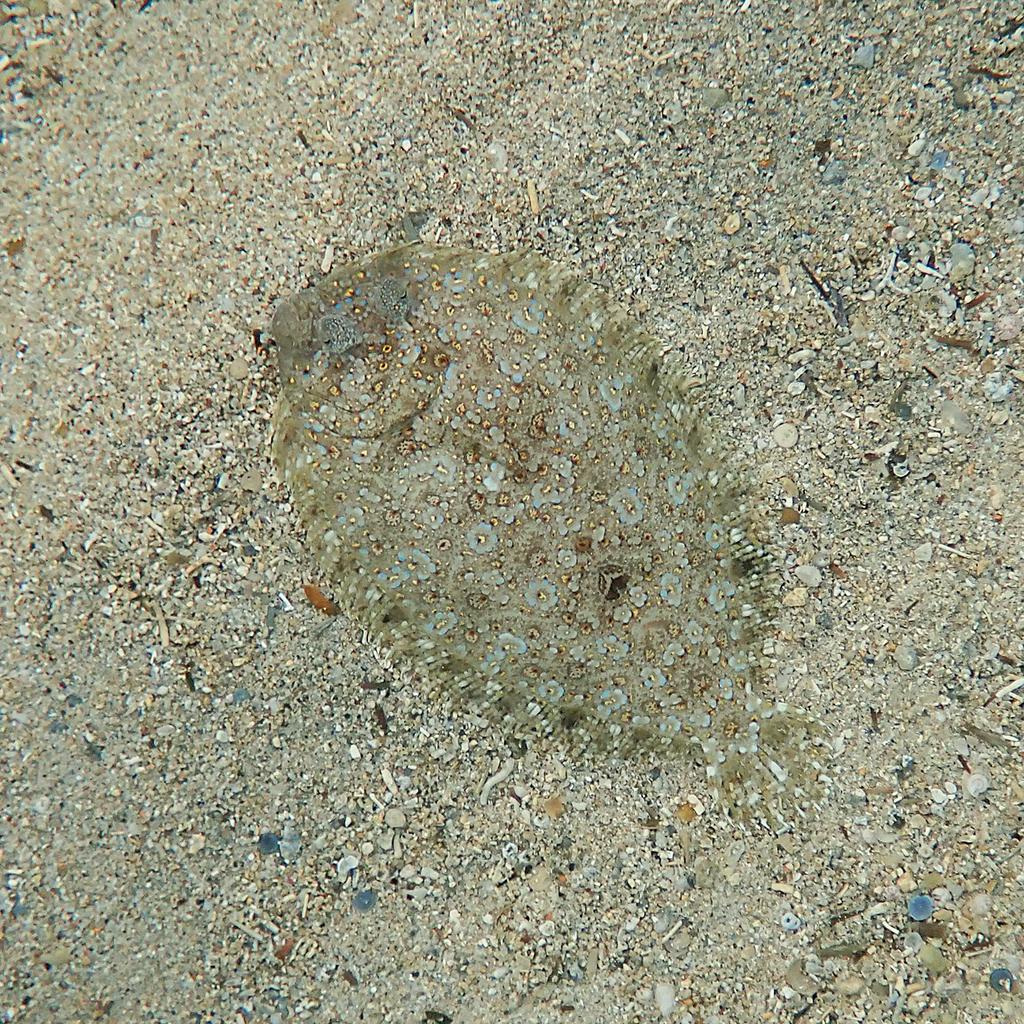
(c) Susan Prior, some rights reserved (CC BY) · CC BY · iNaturalist 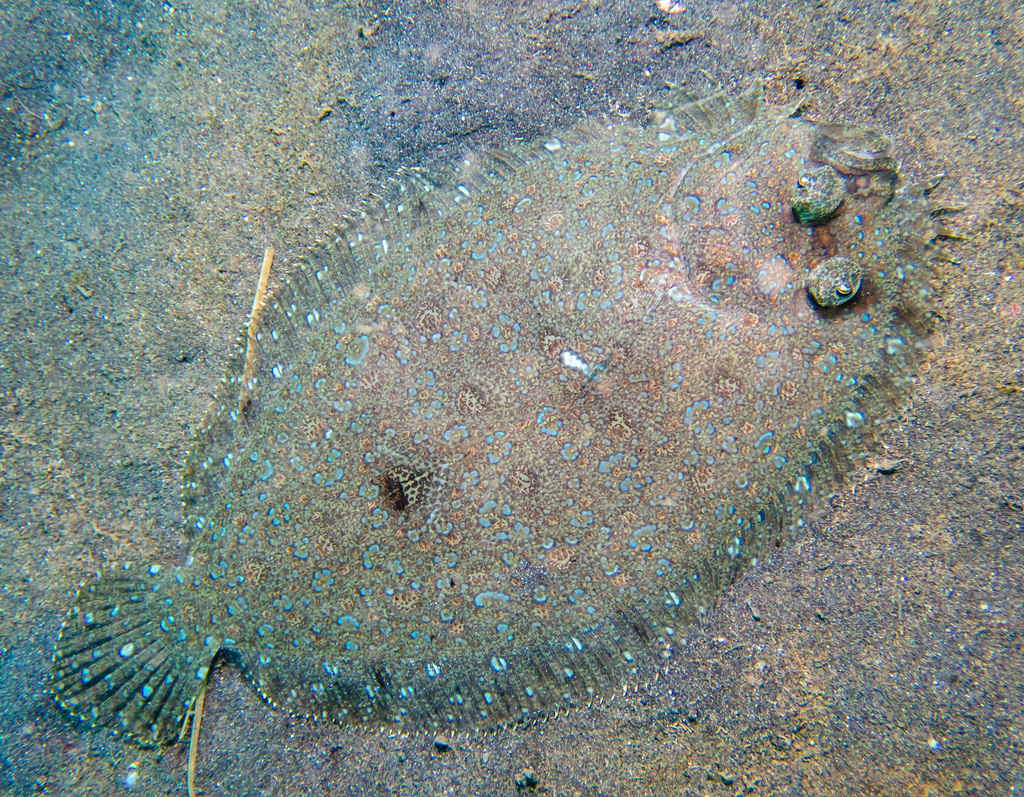
(c) portioid, some rights reserved (CC BY) · CC BY · iNaturalist 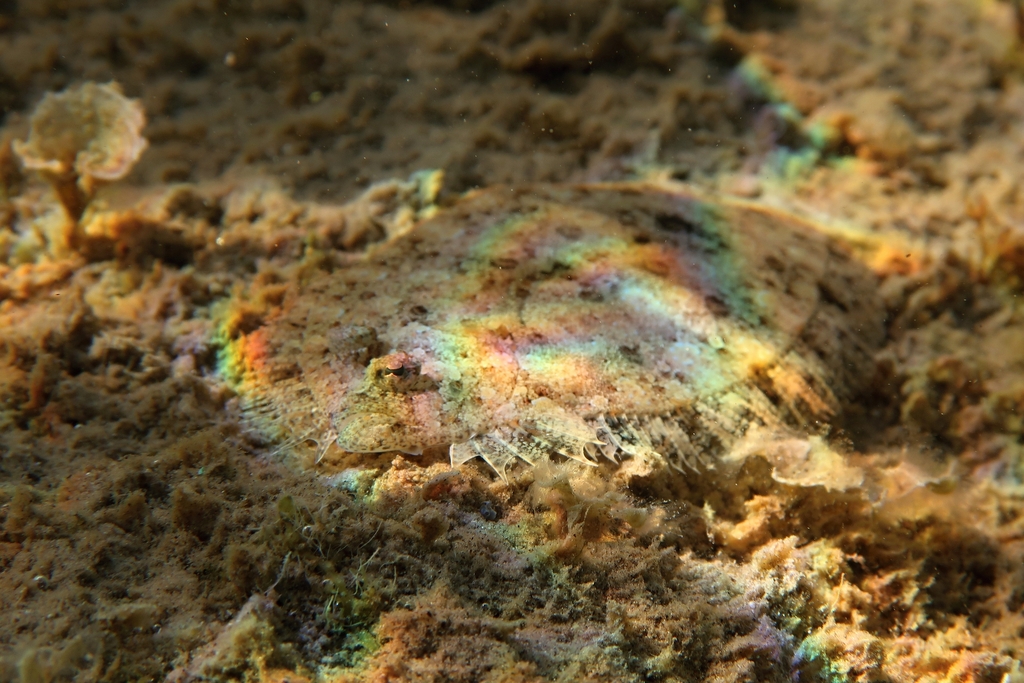
(c) Daniel Benák, some rights reserved (CC BY) · CC BY · iNaturalist 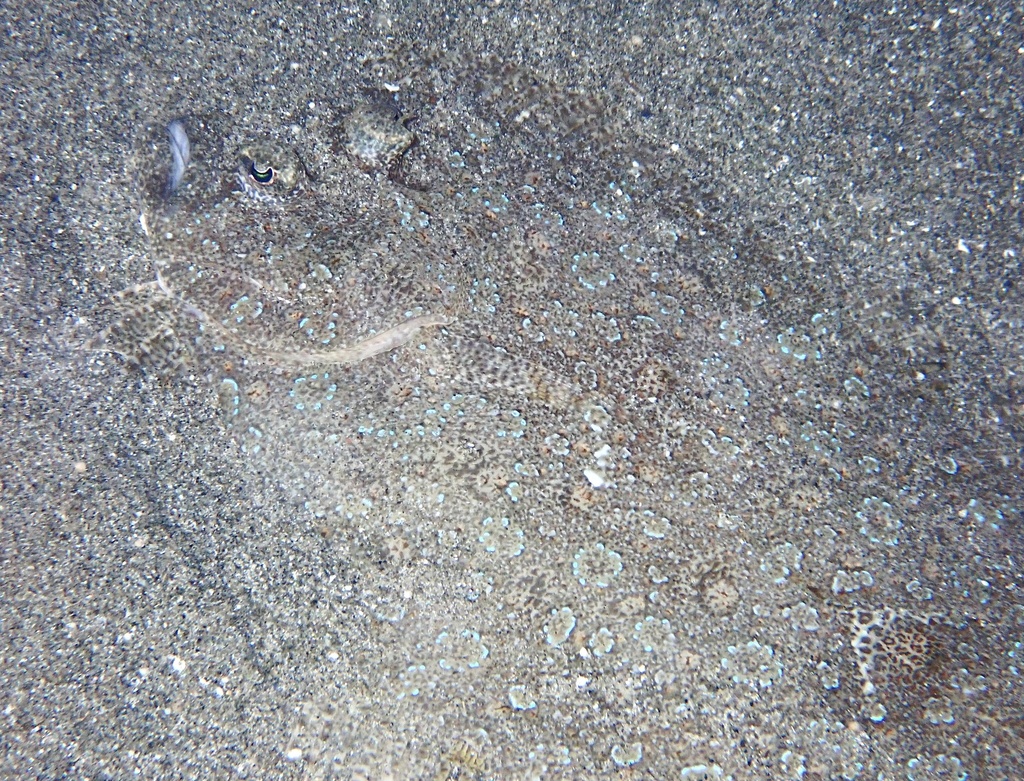
no rights reserved · CC0 1.0 · iNaturalist 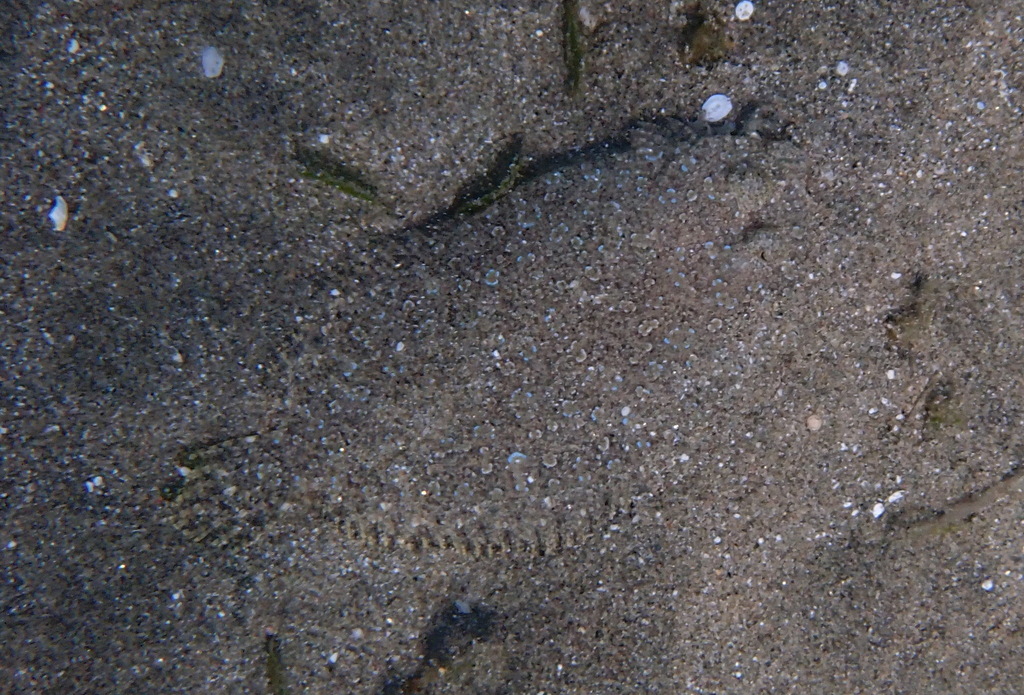
(c) Jan Ebr & Ivana Ebrová, some rights reserved (CC BY) · CC BY · iNaturalist
Names and classification
- English
- Leopard flounder, Panther flounder, leopard flounder, panther flounder, Panther Flounder, Leopard flounder
Names in 4 more languages
- Spanish
- Lenguado Leopardo
- French
- Rombou-léopard, Rombou Léopard, Turbot panthère
- Japanese
- Togedarumagarei, トゲダルマガレイ
- Simplified Chinese
- 半邊魚, 扁魚, 比目魚, 皇帝魚, 豹紋鮃, 豹纹鲆, 豹鮃
Other scientific names: Bothus pantherhines, Bothus pantherhinus, Passer marchionessarum, Platophrys pantherines, Platophrys pantherinus, Rhomboidichthys pantherinus, Rhombus pantherinus
Sources and credits
Names and taxonomy: WoRMS (CC BY 4.0) and the GBIF Backbone (CC BY 4.0). Photos: iNaturalist observers, each under the licence shown (CC0, CC BY or CC BY-SA).
- Depth, temperature, months and maps: records from OBIS and GBIF under CC0 or CC BY.
- Descriptions: Wikipedia, licensed CC BY-SA, each linked to its article.
- Conservation status as published by GBIF (IUCN Red List).
- 1,241 open-data records from 1830 to 2023.
- Species data updated October 26, 2026.
Log what you see on your next dive
The free DiveHive diver app keeps your logbook with every sighting and shows what lives at the site you dive next.