
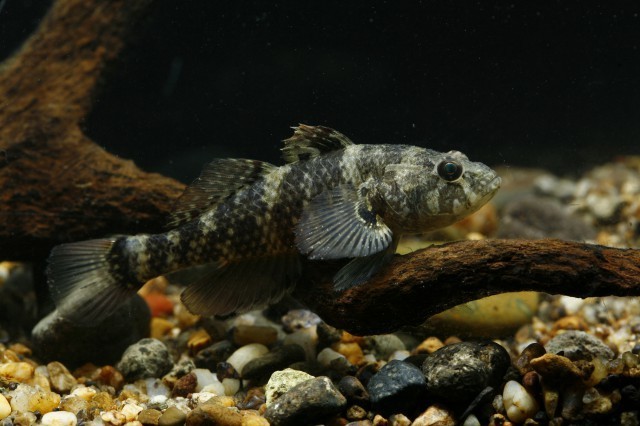
Mud sleeper
Butis koilomatodon
- Usual depth0–8 m
- Water temperature19–30 °C
- Best monthsMarch, July, and August
- How commonRare
Photo credit: (c) BEDO (Thailand), some rights reserved (CC BY-SA) · CC BY-SA · iNaturalist
About this species
Butis koilomatodon, commonly known as the mudsleeper, is a species of fish in the family Butidae native to fresh, brackish and salt water of the Indo-Pacific region, ranging from Madagascar and Mozambique to the Philippines, China and Australia. It has been introduced to the Atlantic region where considered invasive and known from Panama, Venezuela and Brazil as well as Nigeria. This predatory species mainly lives in rivers, estuaries and mangroves, and reaches up to 10.7 cm (4.2 in) in total length.
Text from the Wikipedia article “Butis koilomatodon”, licensed CC BY-SA 4.0. Read the article
Where and when
Where it has been recorded
Worldwide
Loading the map
Best months
Worldwide (open data)
- January: 11 records
- February: 3 records
- March: 18 records
- April: 12 records
- May: 12 records
- June: 10 records
- July: 17 records
- August: 17 records
- September: 10 records
- October: 16 records
- November: 9 records
- December: 14 records
Depth and water temperature
Depth
Mostly recorded at 0–8 m · Deepest record: 7.5 m
Water temperature
Recorded in surface water of 19–30 °C
Names and classification
- English
- Mud sleeper, Crested Gudgeon, Crested Sleeper, Marblecheek Sleeper, mud sleeper
Names in 4 more languages
- Spanish
- Durmiente
- Japanese
- タイワンノコギリハゼ
- Thai
- Bufanlueai, ปลาบู่เกล็ดแข็งหัวสั้น, ปลาบู่จากสั้น
- Simplified Chinese
- 花錐脊塘鱧, 鋸脊塘鱧
Other scientific names: Butis caperatus, Eleotris caperatus, Eleotris delagoensis, Eleotris koilomatodon, Hypseleotris raji, Prionobutis koilomatodon
Similar species
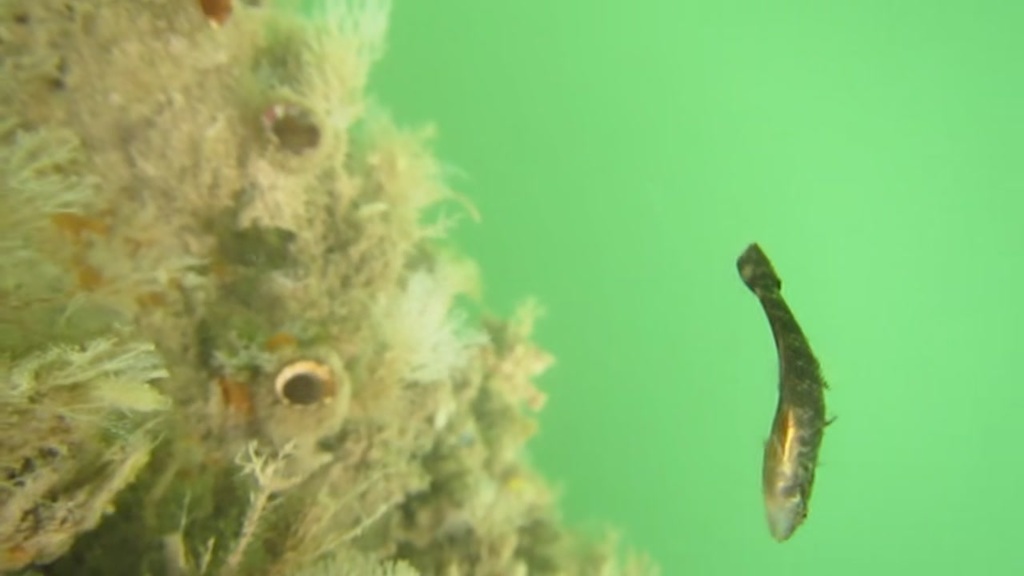 Duckbill sleeper
Butis butis
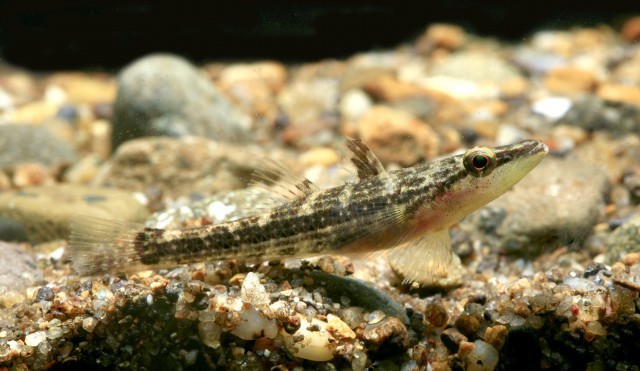 Ambon Gudgeon
Butis amboinensis
- Northern mud gudgeon
Ophiocara porocephala
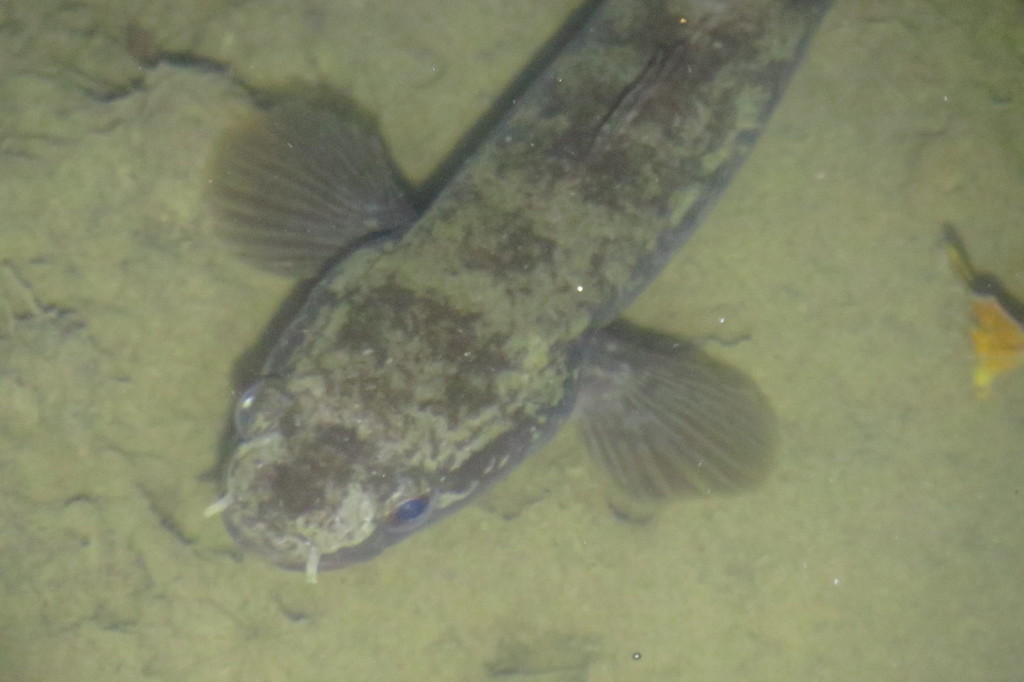 Chinese Gudgeon
Bostrychus sinensis
Sources and credits
Names and taxonomy: WoRMS (CC BY 4.0) and the GBIF Backbone (CC BY 4.0). Photos: iNaturalist observers, each under the licence shown (CC0, CC BY or CC BY-SA).
- Depth, temperature, months and maps: records from OBIS and GBIF under CC0 or CC BY.
- Descriptions: Wikipedia, licensed CC BY-SA, each linked to its article.
- Conservation status as published by GBIF (IUCN Red List).
- 264 open-data records from 1849 to 2021.
- Species data updated October 26, 2026.
Log what you see on your next dive
The free DiveHive diver app keeps your logbook with every sighting and shows what lives at the site you dive next.