
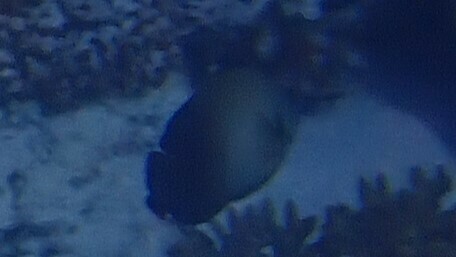
Angel abu polos
Centropyge vrolikii
- Usual depth2–15 m
- Water temperature22–30 °C
- Best monthsJune
- How commonOccasional
Photo credit: (c) Nicola Crockford, some rights reserved (CC BY) · CC BY · iNaturalist
About this species
Centropyge vrolikii, known commonly as the pearlscale angelfish or half black angelfish, is a species of marine ray-finned fish, a marine angelfish belonging to the family Pomacanthidae. It is found in the Indo-Pacific.
Text from the Wikipedia article “Centropyge vrolikii”, licensed CC BY-SA 4.0. Read the article
Where and when
Where it has been recorded
Worldwide
Loading the map
Best months
Worldwide (open data)
- January: 89 records
- February: 85 records
- March: 102 records
- April: 135 records
- May: 125 records
- June: 338 records
- July: 110 records
- August: 92 records
- September: 128 records
- October: 147 records
- November: 112 records
- December: 77 records
Depth and water temperature
Depth
Mostly recorded at 2–15 m · Deepest record: 37 m
Water temperature
Recorded in surface water of 22–30 °C
Photos
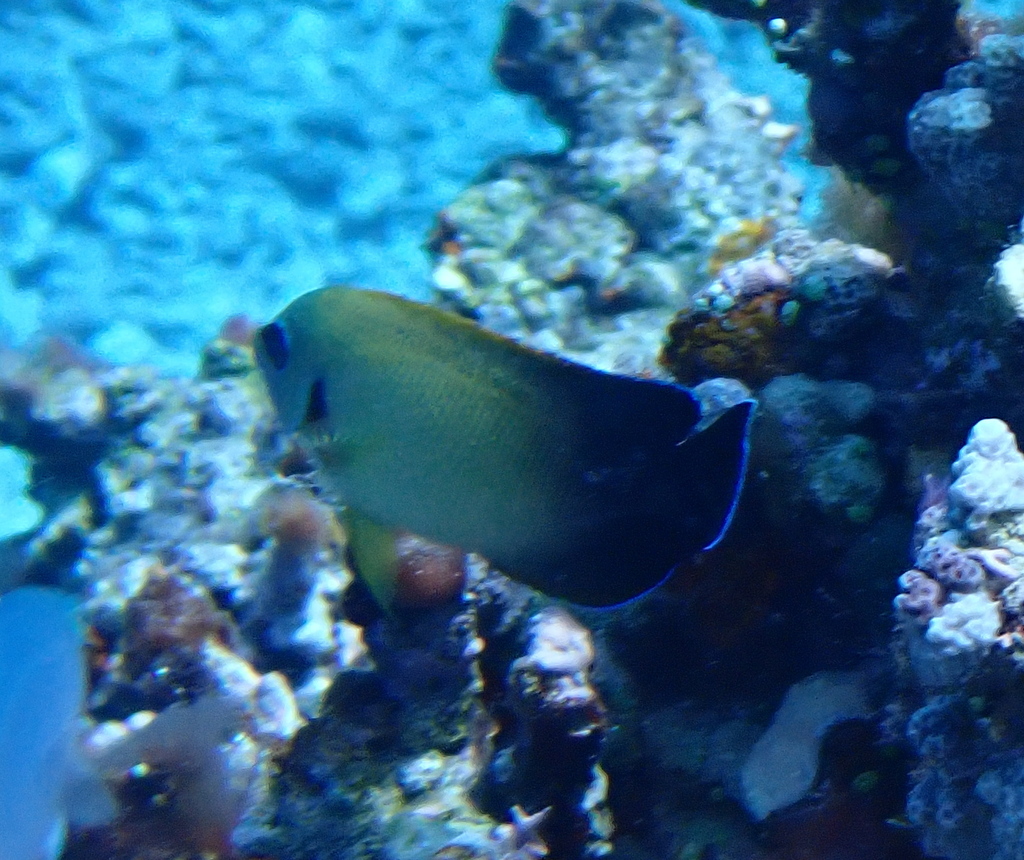
(c) Debra Baker, some rights reserved (CC BY) · CC BY · iNaturalist 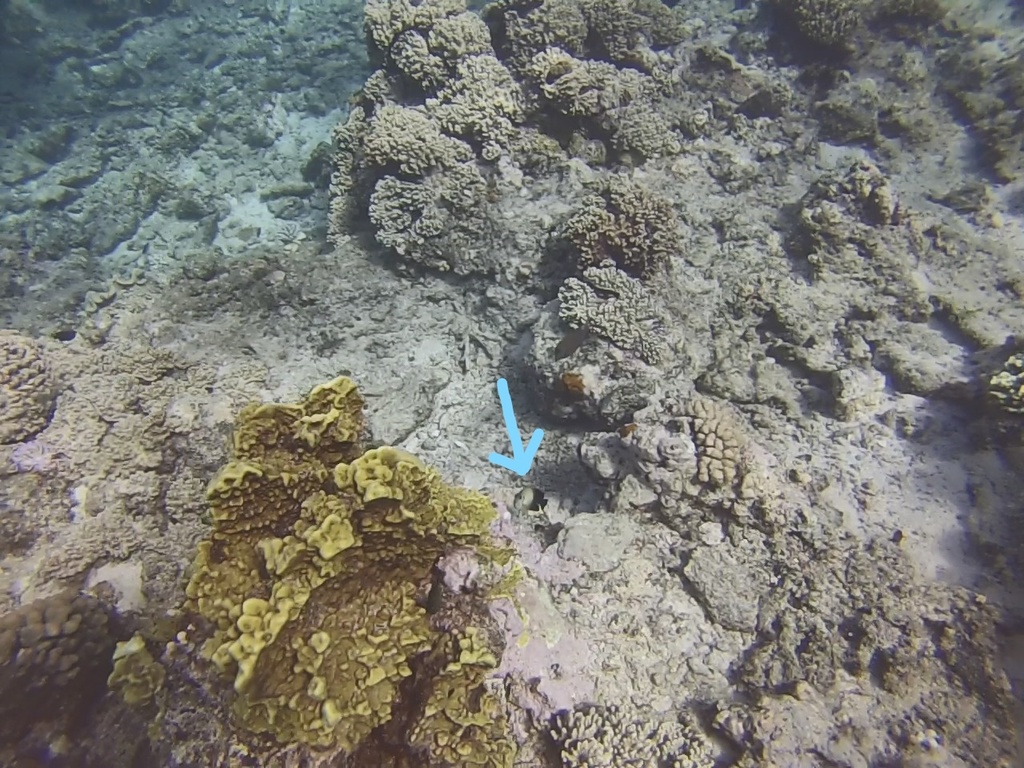
no rights reserved · CC0 1.0 · iNaturalist 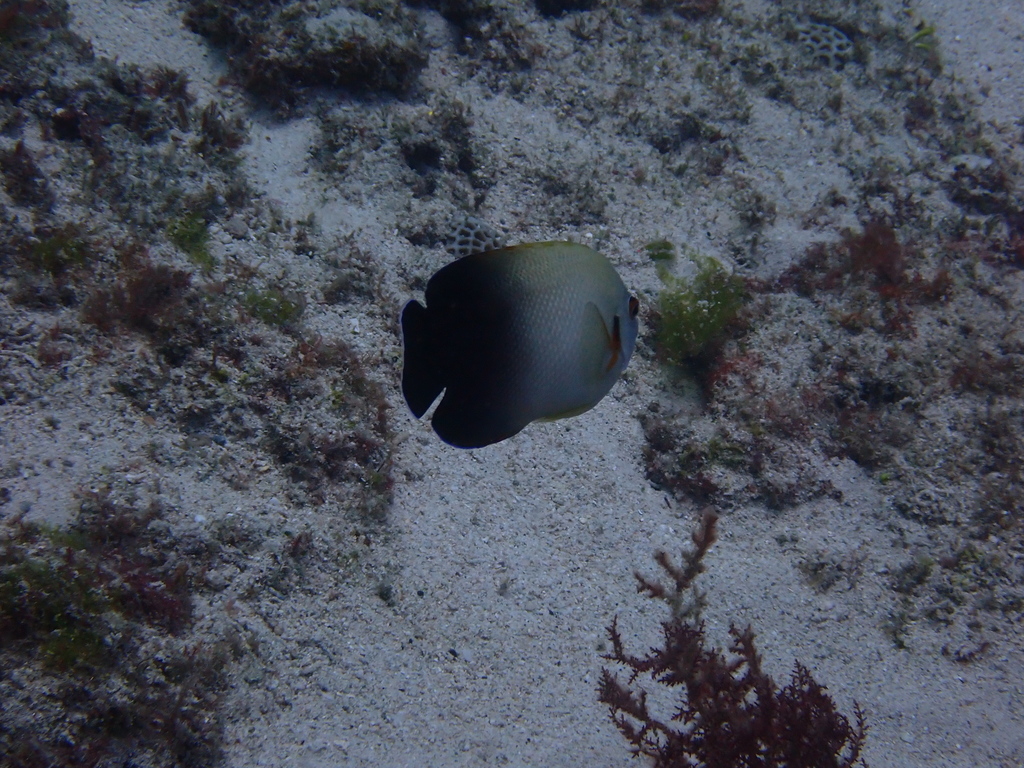
(c) 呂一起(Lyu yi-chi), some rights reserved (CC BY) · CC BY · iNaturalist 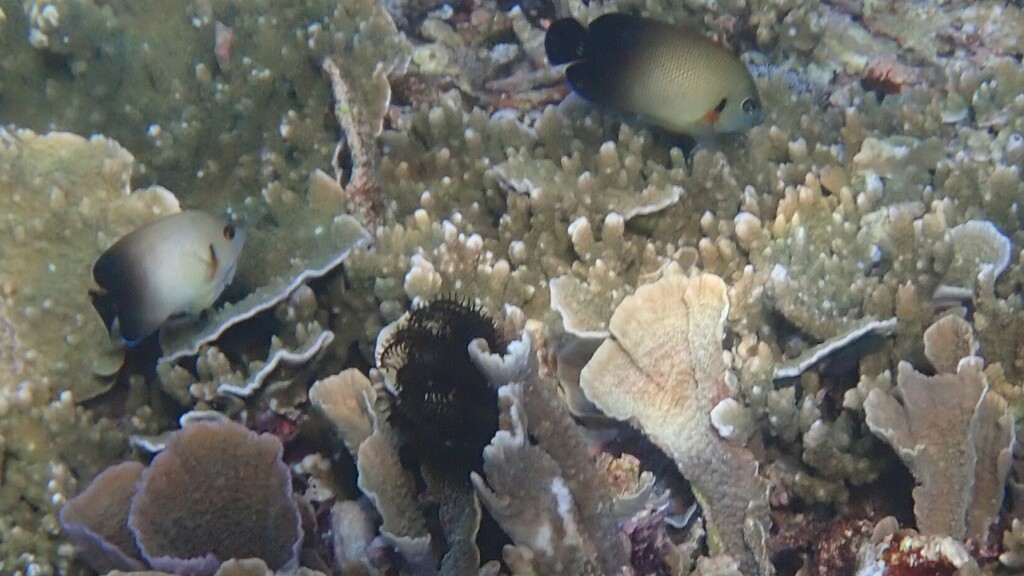
(c) Nicola Crockford, some rights reserved (CC BY) · CC BY · iNaturalist 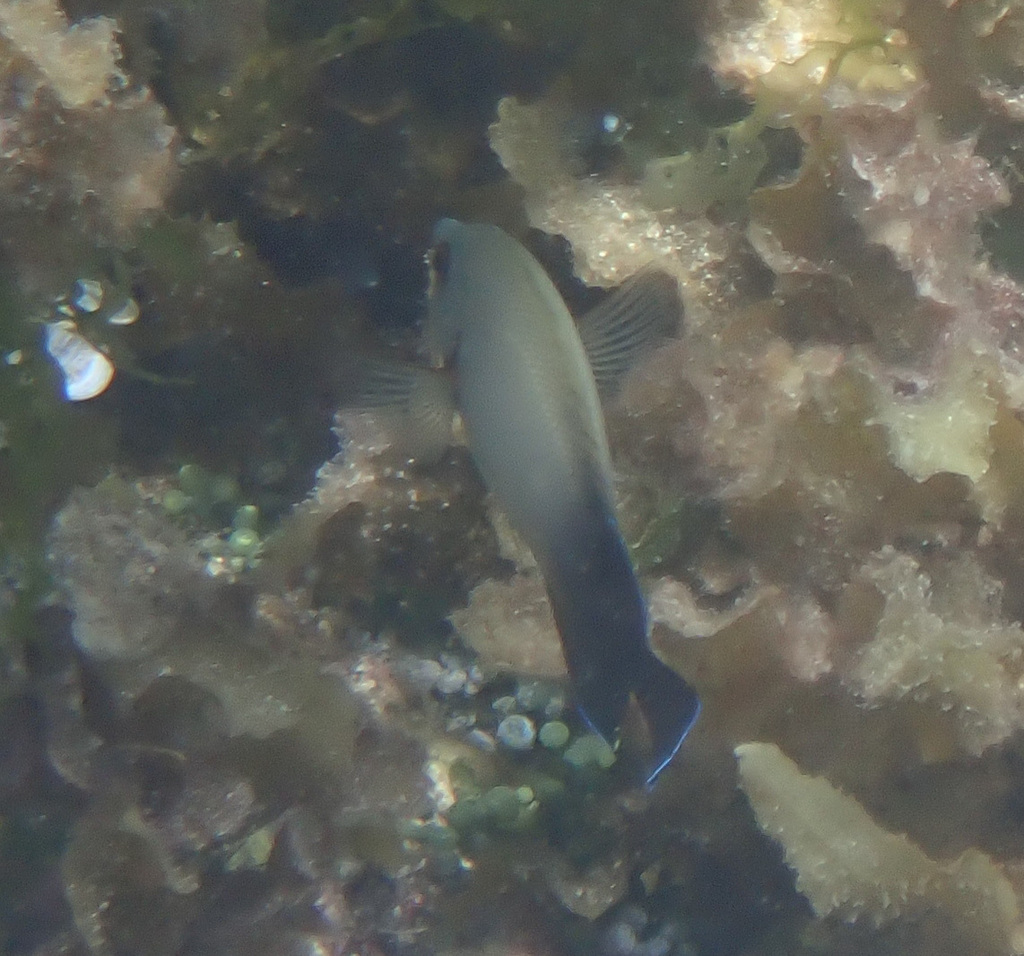
(c) portioid, some rights reserved (CC BY) · CC BY · iNaturalist 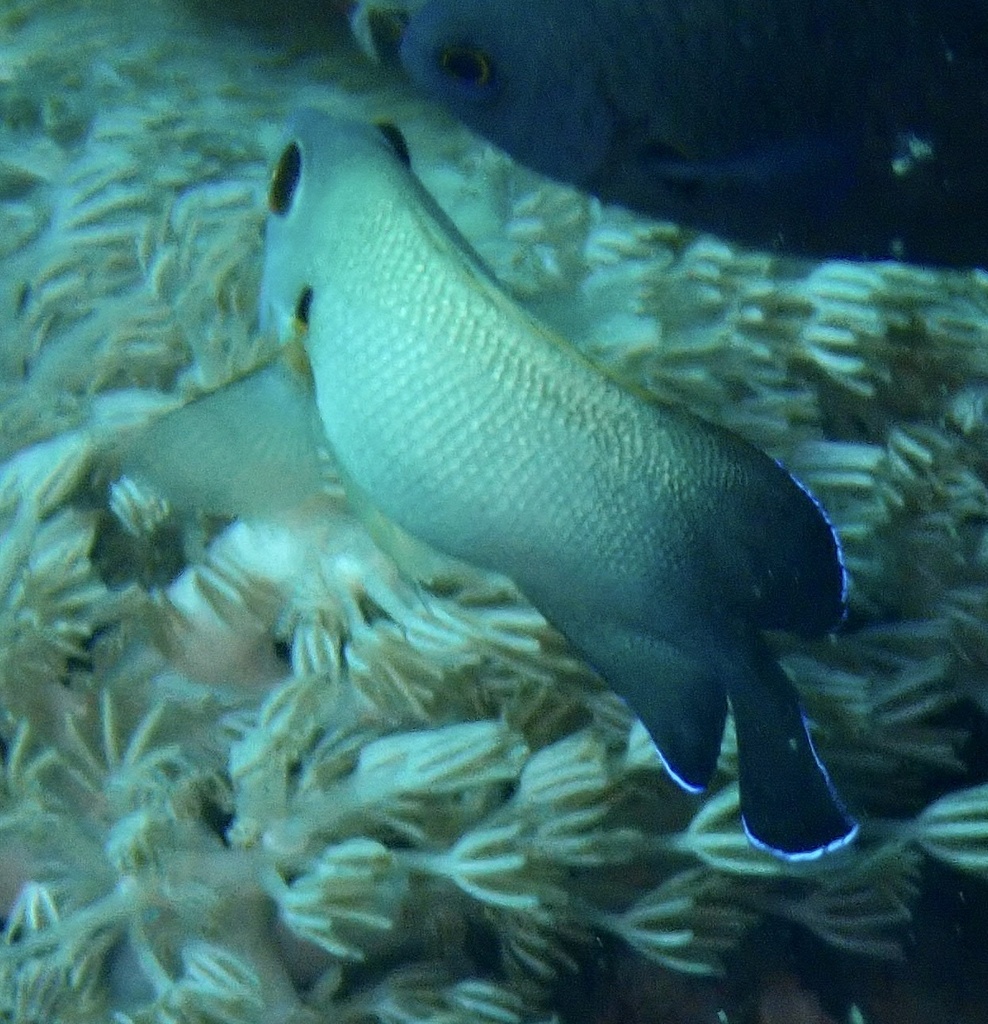
no rights reserved · CC0 1.0 · iNaturalist 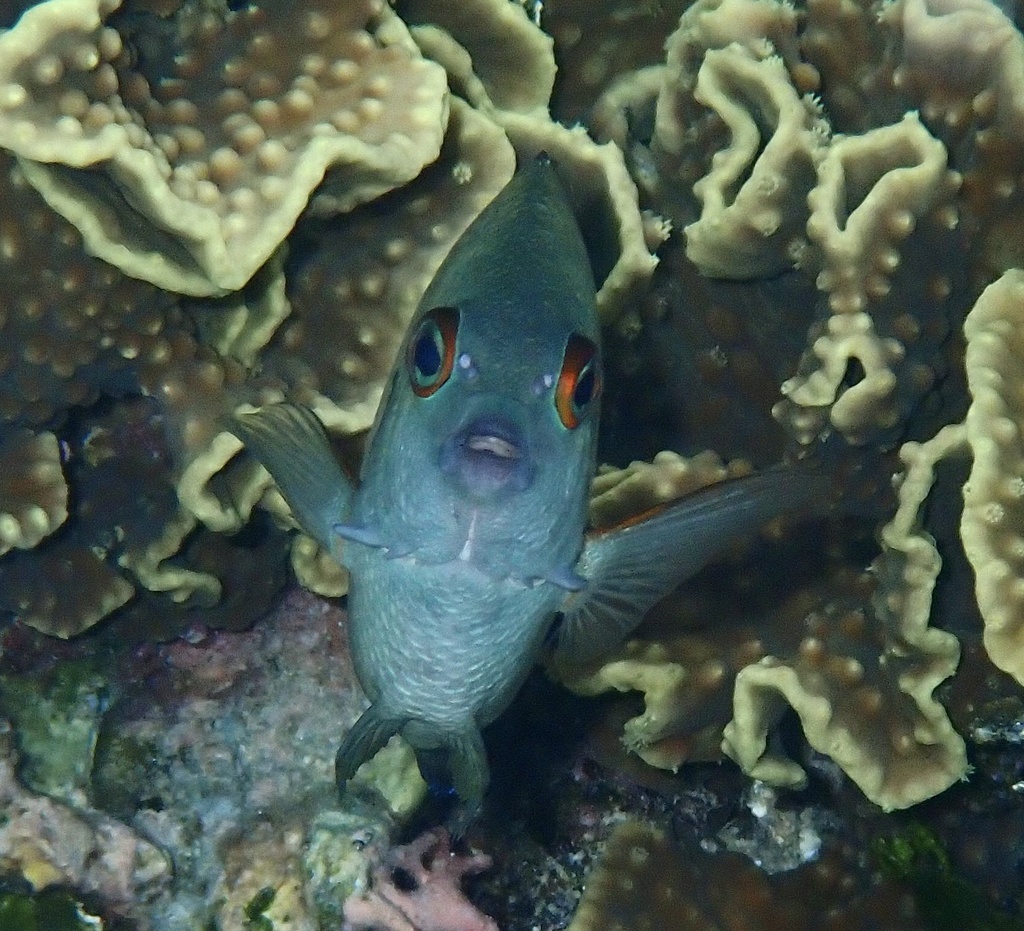
no rights reserved · CC0 1.0 · iNaturalist
Names and classification
- English
- Angel abu polos, Pearlscale Angelfish, Pearl-scaled angelfish, Pearl Scalled Angelfish, Pearly-scaled Angelfish
Names in 2 more languages
- Japanese
- Namerayakko, ナメラヤッコ
- Simplified Chinese
- 福氏刺尻魚, 福氏刺尻鱼, 黑尾新娘
Other scientific names: Centropyge vrolicki, Centropyge vroliki, Holacanthus vrolikii
Similar species
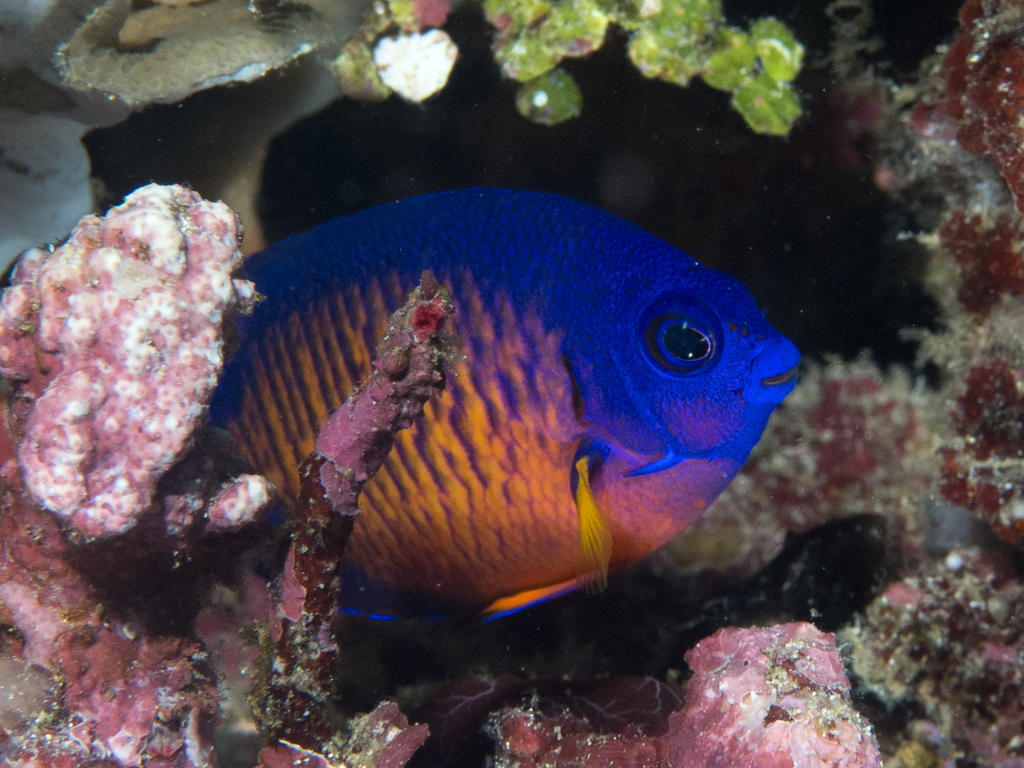 Coral Beauty
Centropyge bispinosa
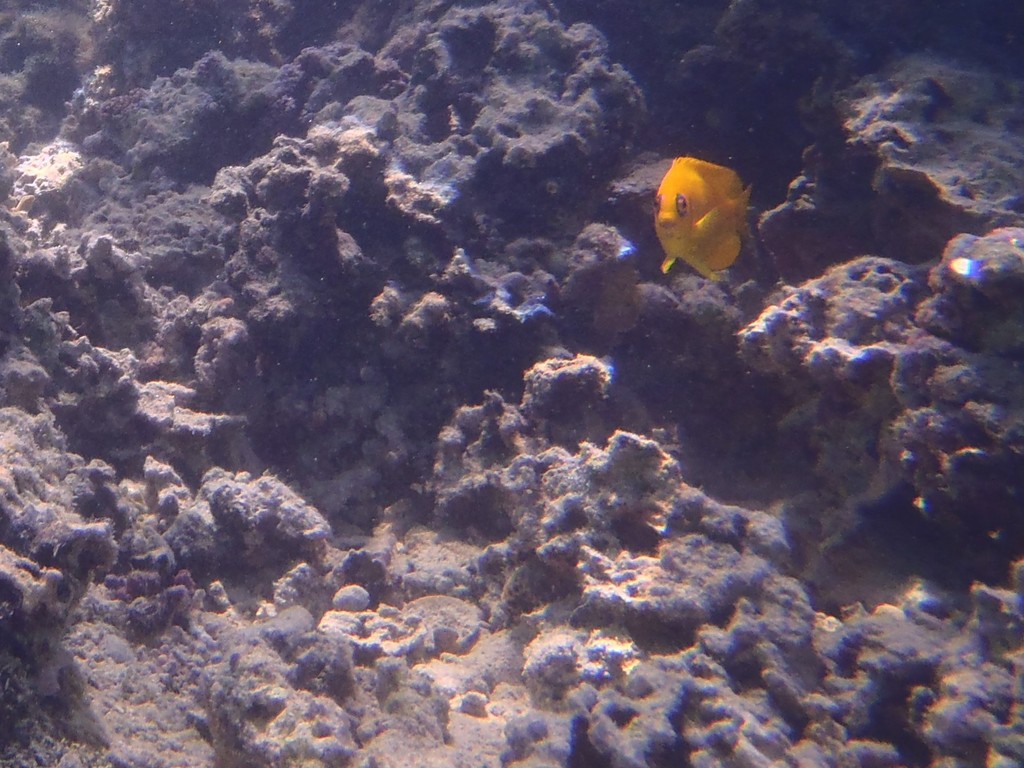 Lemon Peel
Centropyge flavissima
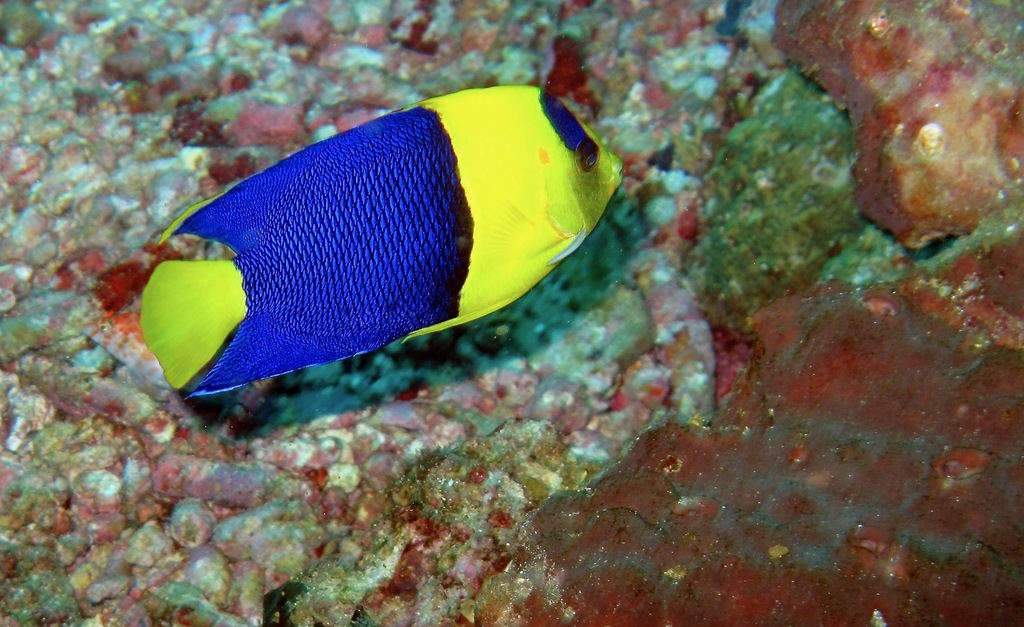 Bicolor angelfish
Centropyge bicolor
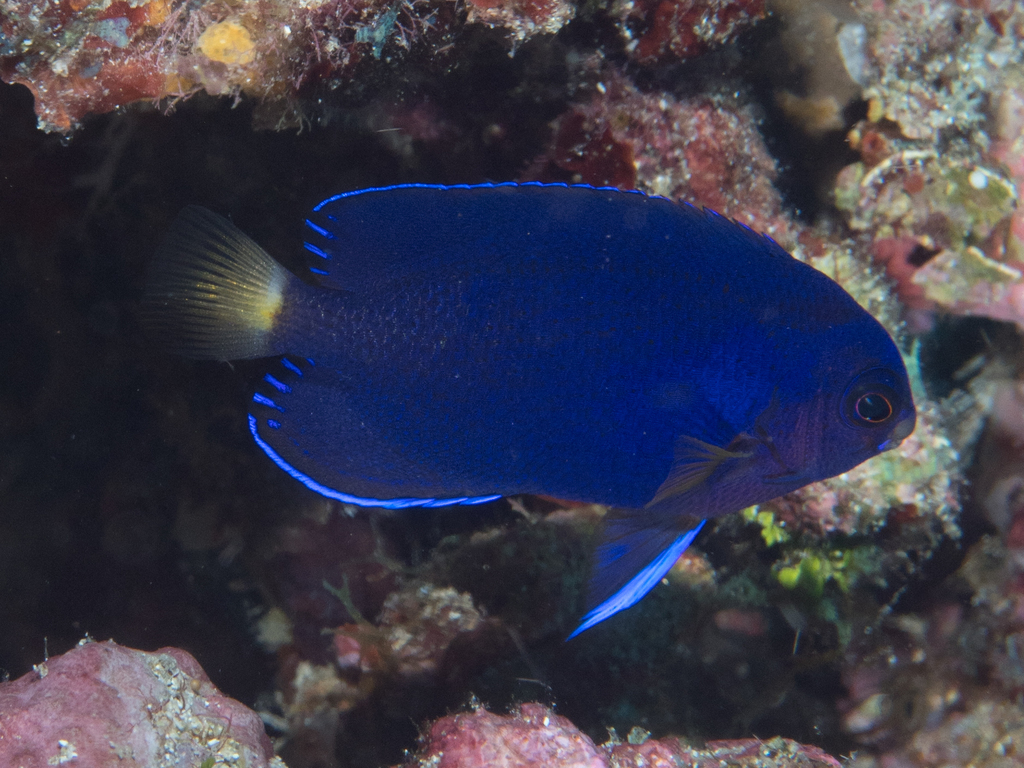 Damsel Angelfish
Centropyge fisheri
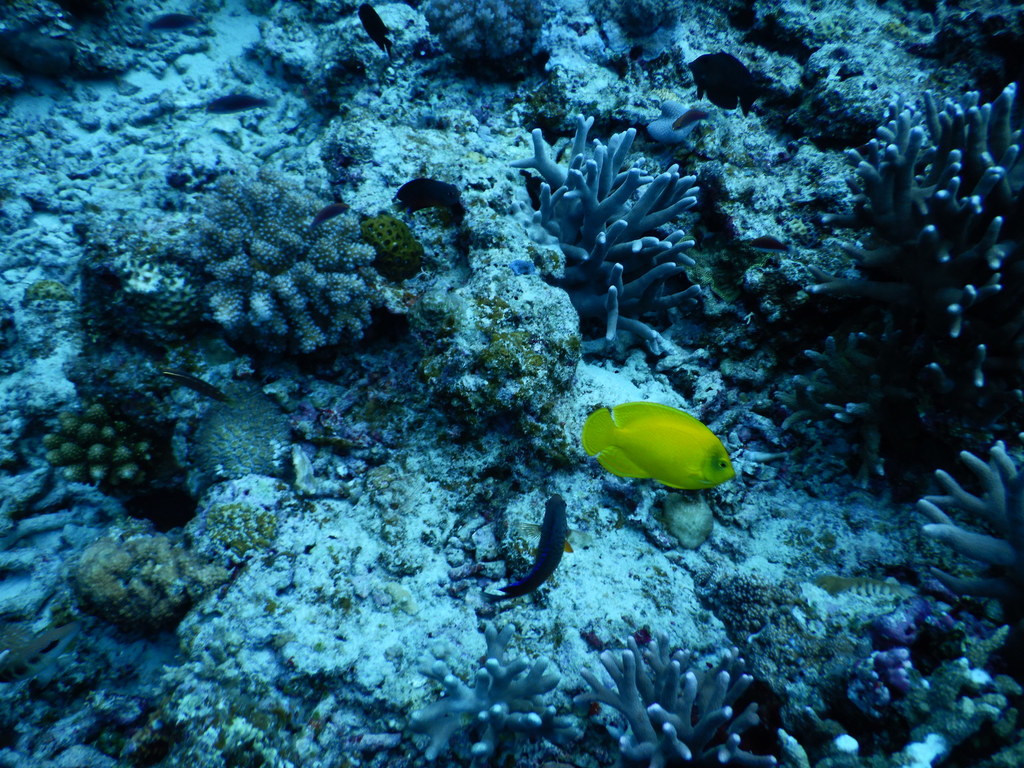 Golden Angelfish
Centropyge heraldi
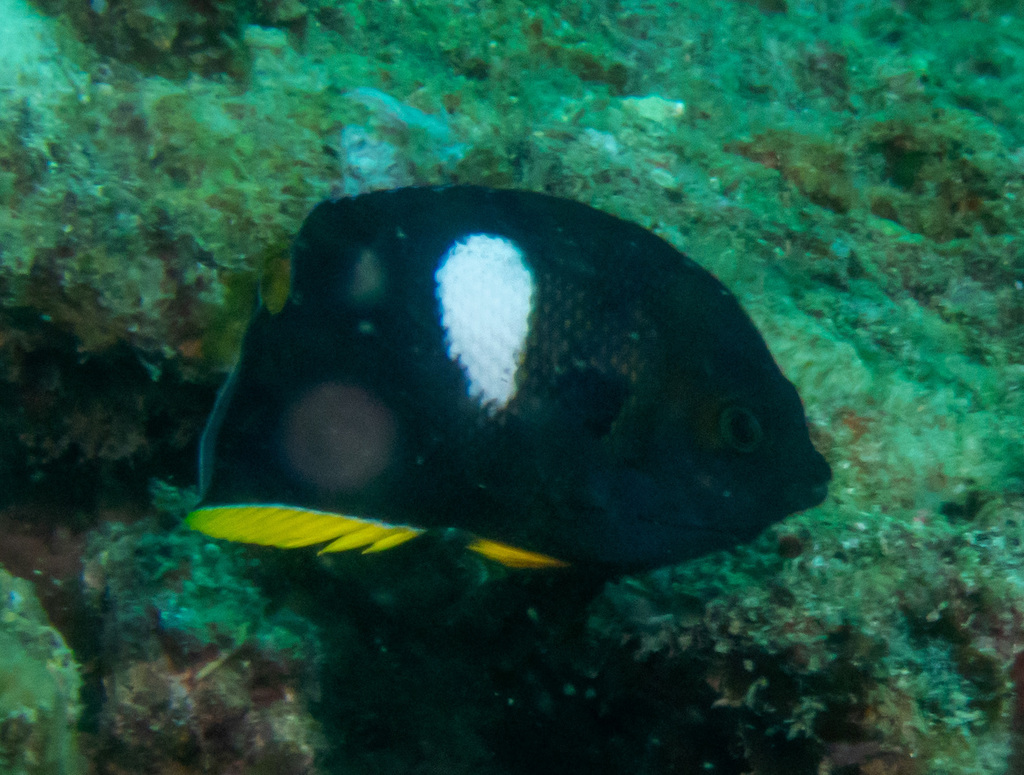 Black Angelfish
Centropyge tibicen
Sources and credits
Names and taxonomy: WoRMS (CC BY 4.0) and the GBIF Backbone (CC BY 4.0). Photos: iNaturalist observers, each under the licence shown (CC0, CC BY or CC BY-SA).
- Depth, temperature, months and maps: records from OBIS and GBIF under CC0 or CC BY.
- Descriptions: Wikipedia, licensed CC BY-SA, each linked to its article.
- Conservation status as published by GBIF (IUCN Red List).
- 2,021 open-data records from 1909 to 2023.
- Species data updated October 26, 2026.
Log what you see on your next dive
The free DiveHive diver app keeps your logbook with every sighting and shows what lives at the site you dive next.