
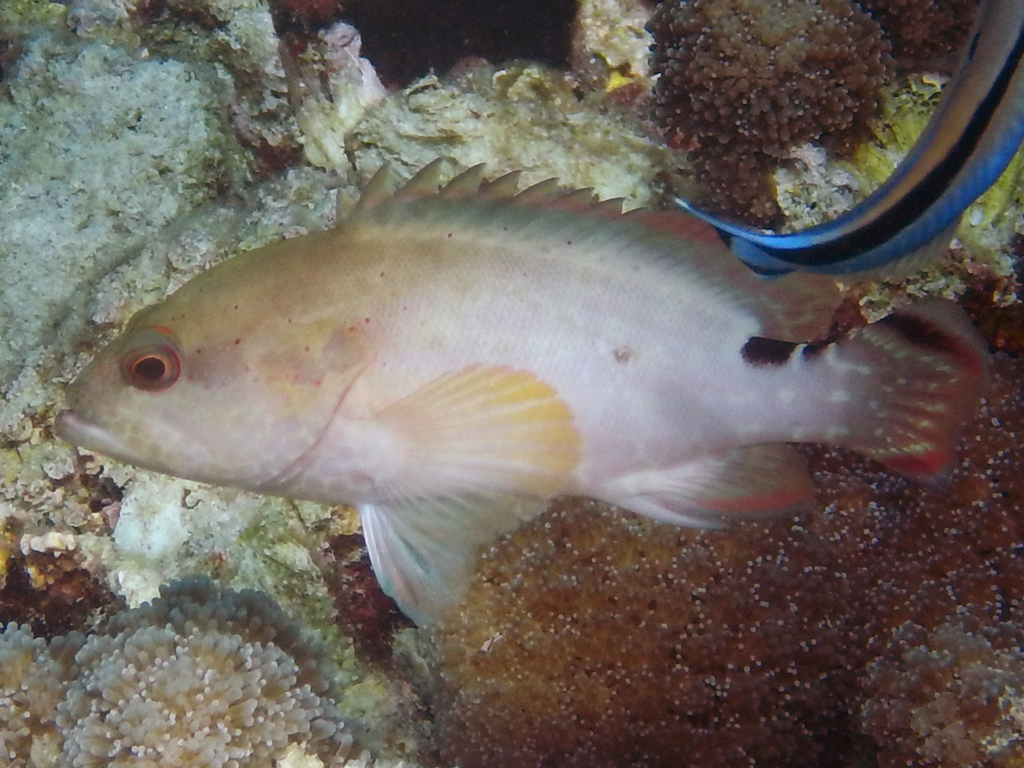
Leopard hind
Cephalopholis leopardus
- Usual depth4–24 m
- Water temperature25–30 °C
- Best monthsFebruary, March, and April
- How commonOccasional
Photo credit: (c) Ewout Knoester, some rights reserved (CC BY-SA), uploaded by Ewout Knoester · CC BY-SA · iNaturalist
About this species
Cephalopholis leopardus, also known as the Leopard grouper or Leopard hind, is a species of marine ray-finned fish, a grouper from the subfamily Epinephelinae which is in the family Serranidae which also includes the anthias and sea basses. It is found in the Indo-Pacific.
Text from the Wikipedia article “Cephalopholis leopardus”, licensed CC BY-SA 4.0. Read the article
Where and when
Where it has been recorded
Worldwide
Loading the map
Best months
Worldwide (open data)
- January: 46 records
- February: 185 records
- March: 151 records
- April: 151 records
- May: 101 records
- June: 142 records
- July: 72 records
- August: 74 records
- September: 93 records
- October: 77 records
- November: 94 records
- December: 27 records
Depth and water temperature
Depth
Mostly recorded at 4–24 m · Deepest record: 75.9 m
Water temperature
Recorded in surface water of 25–30 °C
Photos
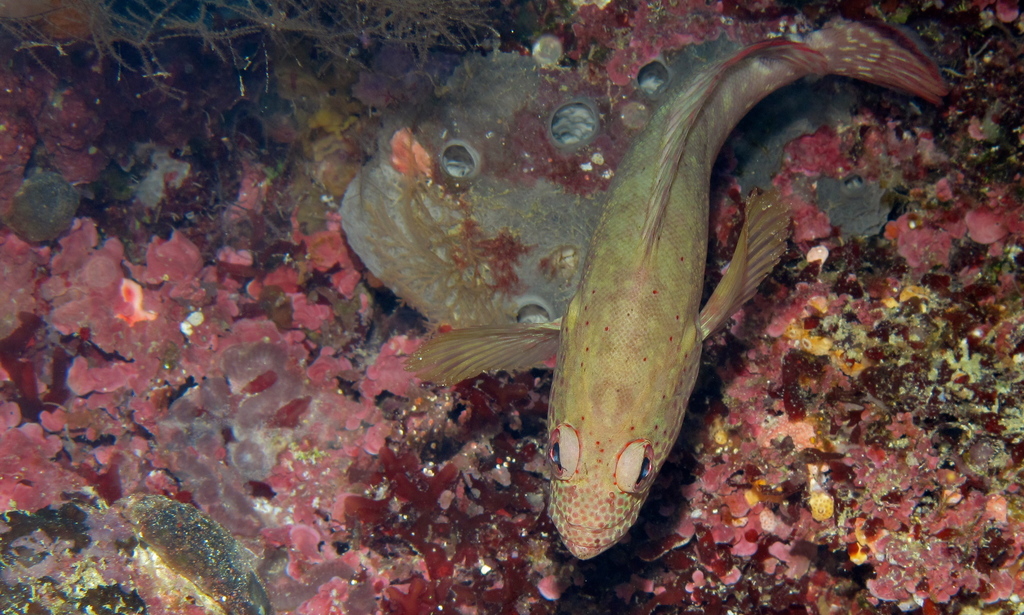
(c) Bernard DUPONT, some rights reserved (CC BY) · CC BY · iNaturalist 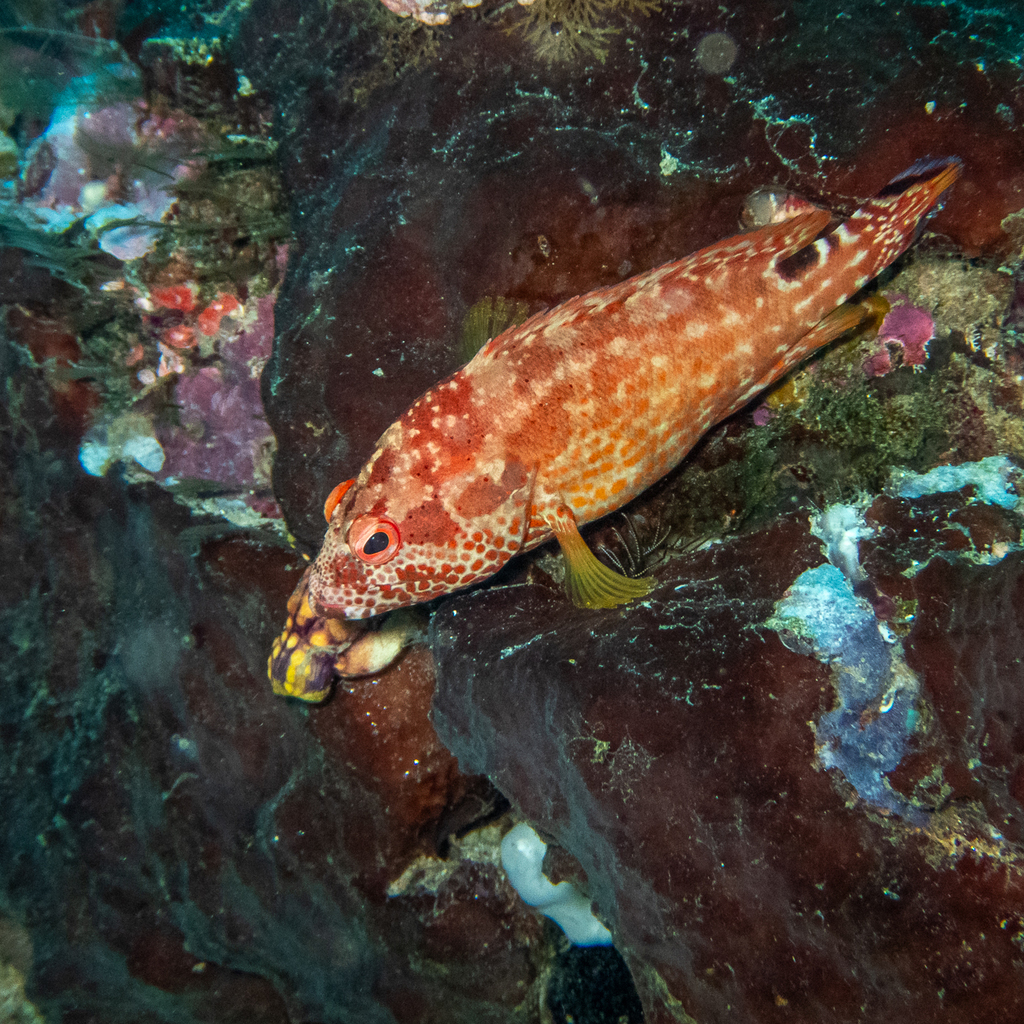
(c) Piotr Lukasik, some rights reserved (CC BY) · CC BY · iNaturalist 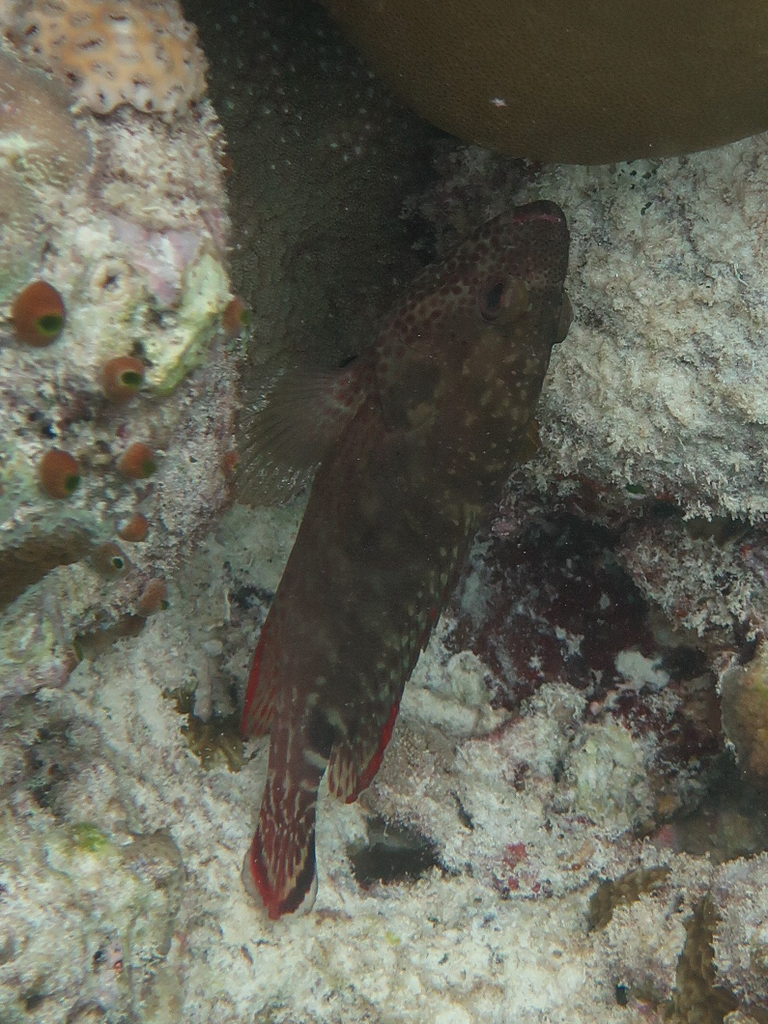
(c) Storm Martin, some rights reserved (CC BY) · CC BY · iNaturalist 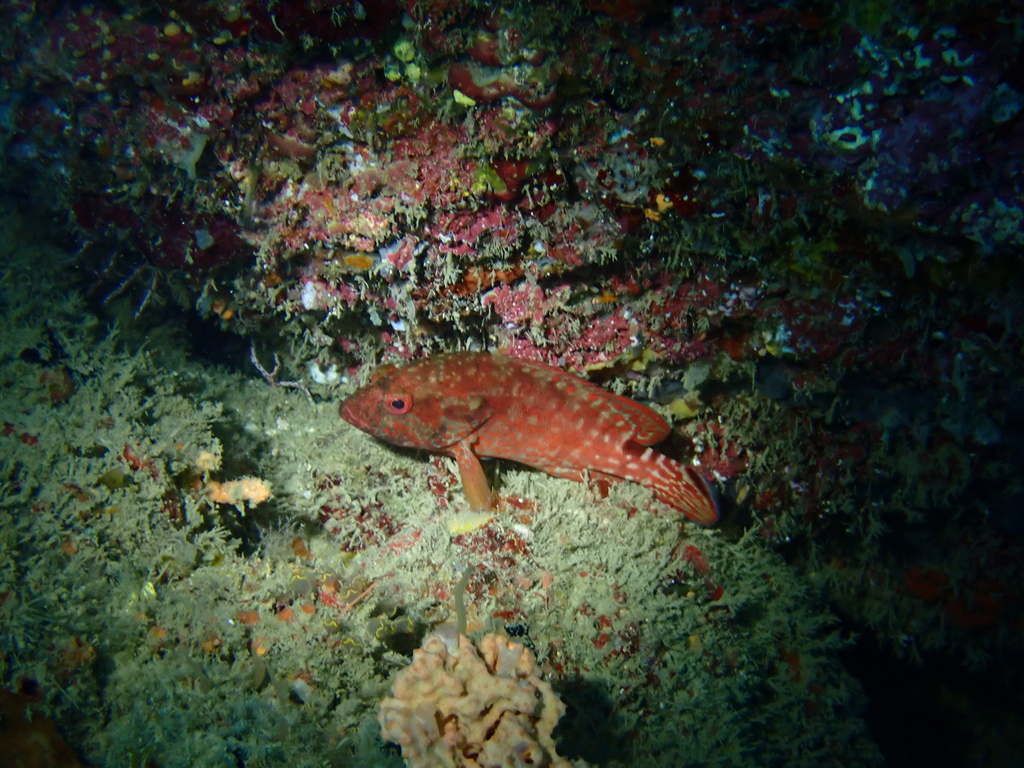
(c) Ewout Knoester, some rights reserved (CC BY-SA) · CC BY-SA · iNaturalist 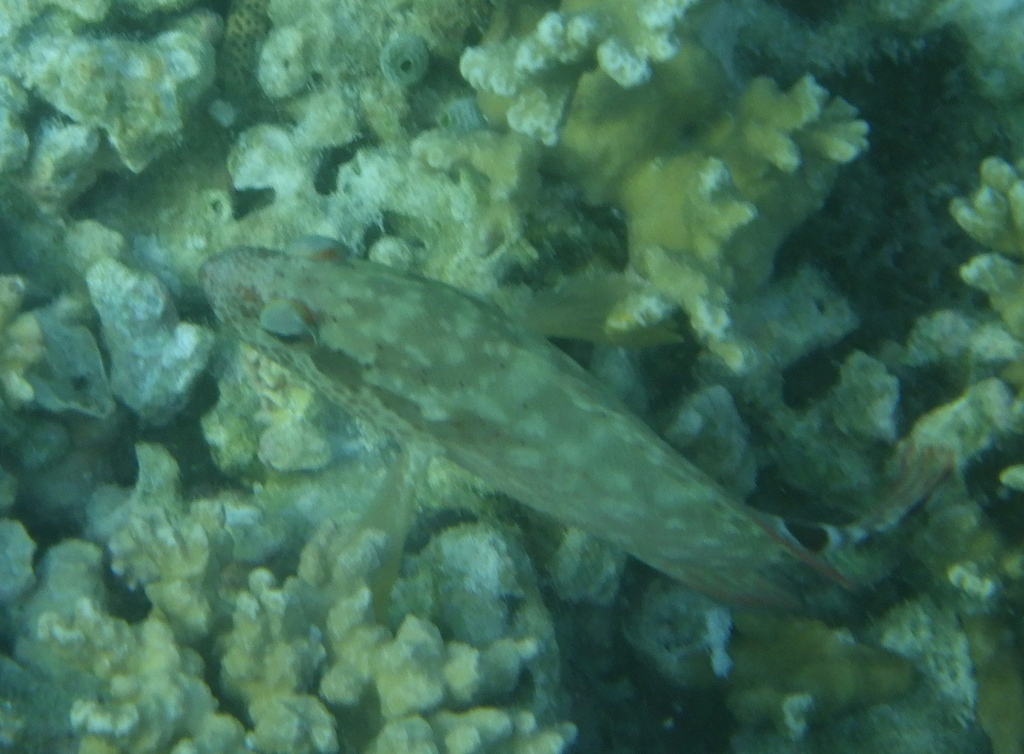
(c) Jan Ebr & Ivana Ebrová, some rights reserved (CC BY) · CC BY · iNaturalist 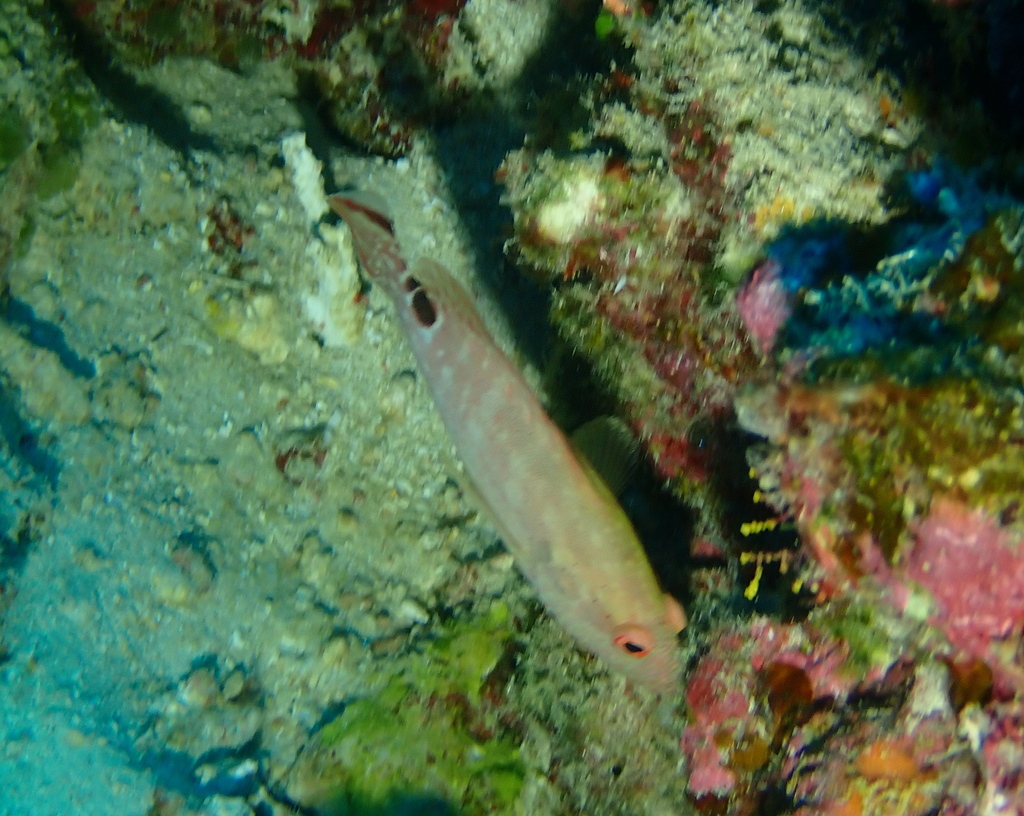
(c) Debra Baker, some rights reserved (CC BY) · CC BY · iNaturalist 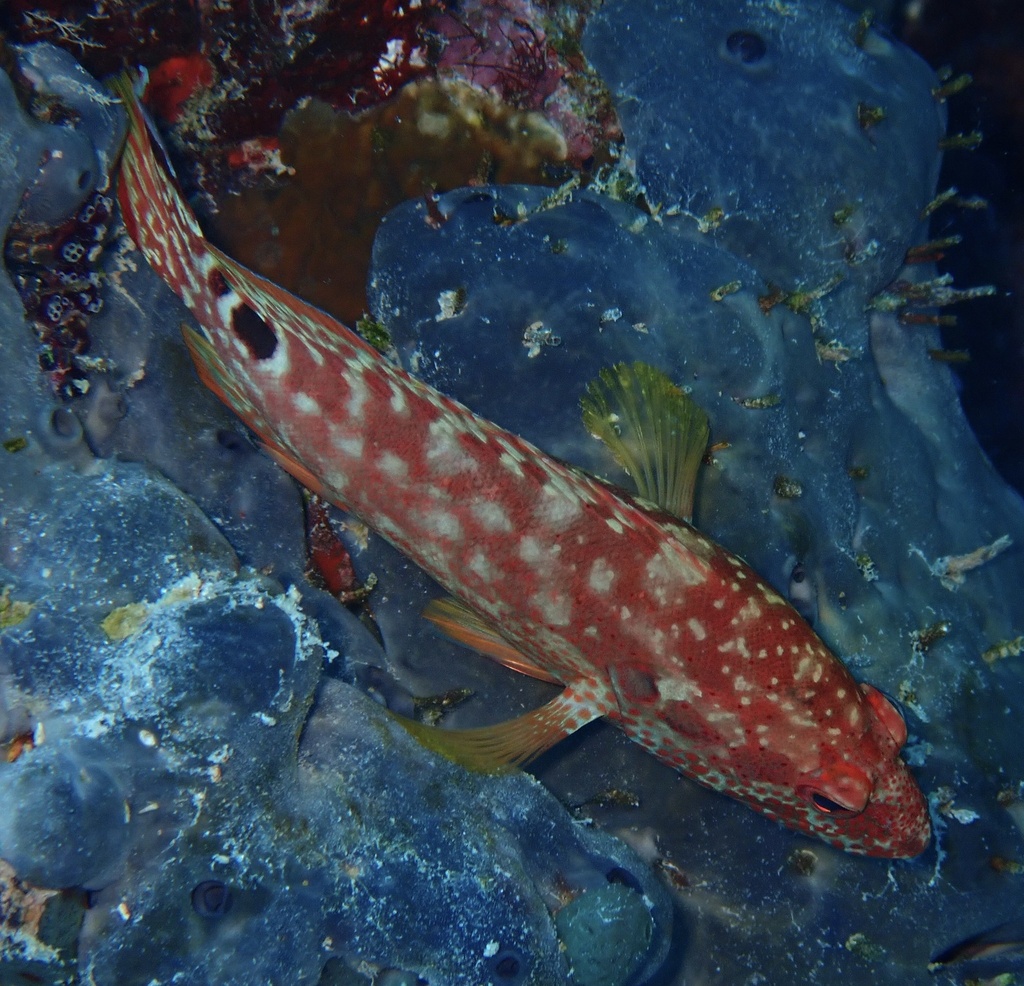
no rights reserved · CC0 1.0 · iNaturalist
Names and classification
- English
- Leopard hind, Leopard Grouper, Leopard hind, leopard hind, red-spotted rock cod
Names in 3 more languages
- French
- Cuisinier, Vielle léopard, Mérou fauve, Mérou léopard, Vieille léopard
- Indonesian
- Si’umbit Nulalo
- Japanese
- Minamiisohata, ミナミイソハタ
Other scientific names: Cephalopholis leoparda, Epinephelus leopardus, Epinephelus urodelops, Labrus leopardus, Serranus homfrayi, Serranus leopardus, Serranus spilurus
Similar species
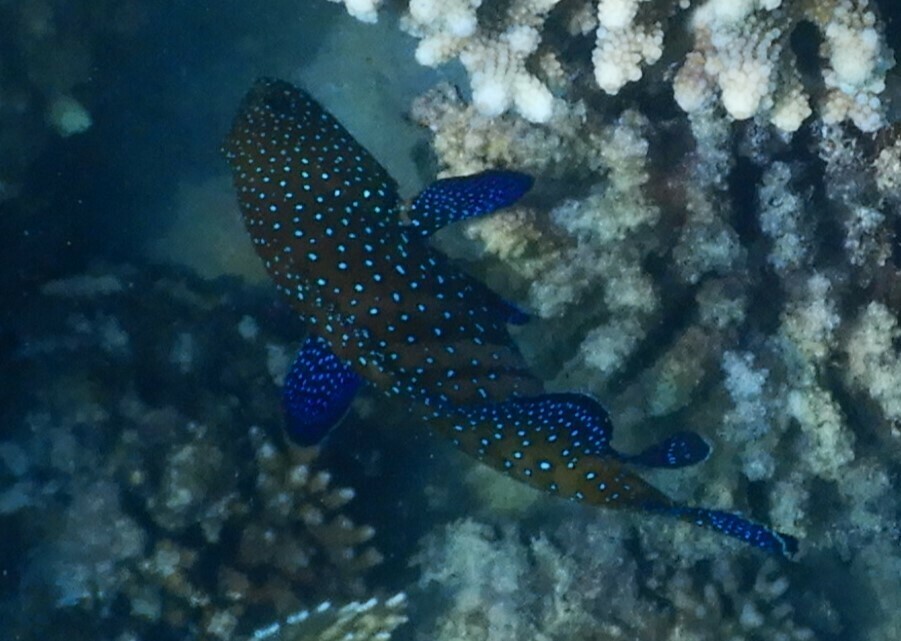 Peacock grouper
Cephalopholis argus
 Coral grouper
Cephalopholis miniata
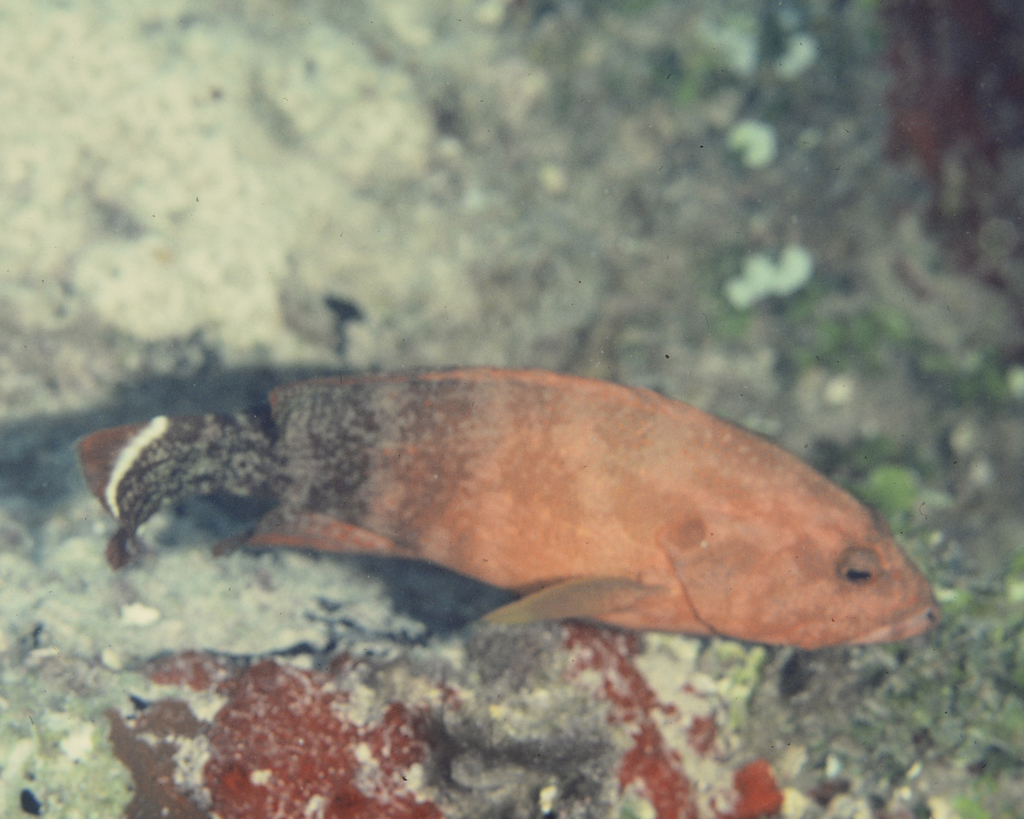 Darkfin hind
Cephalopholis urodeta
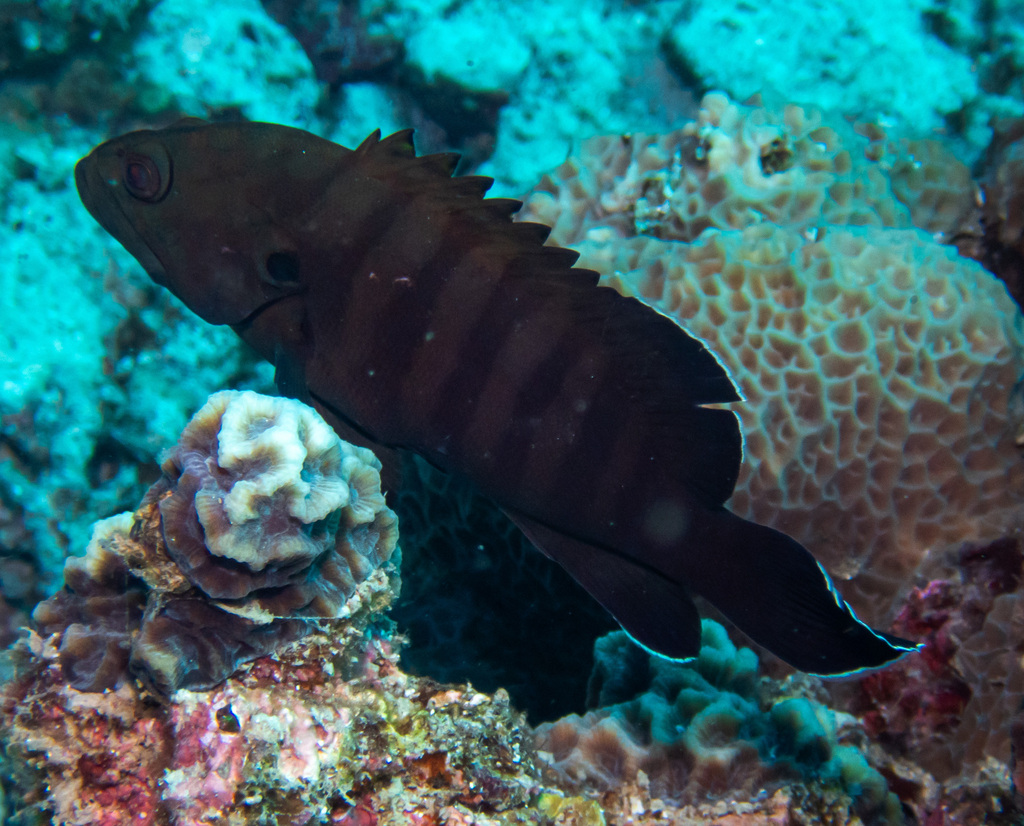 Chocolate hind
Cephalopholis boenak
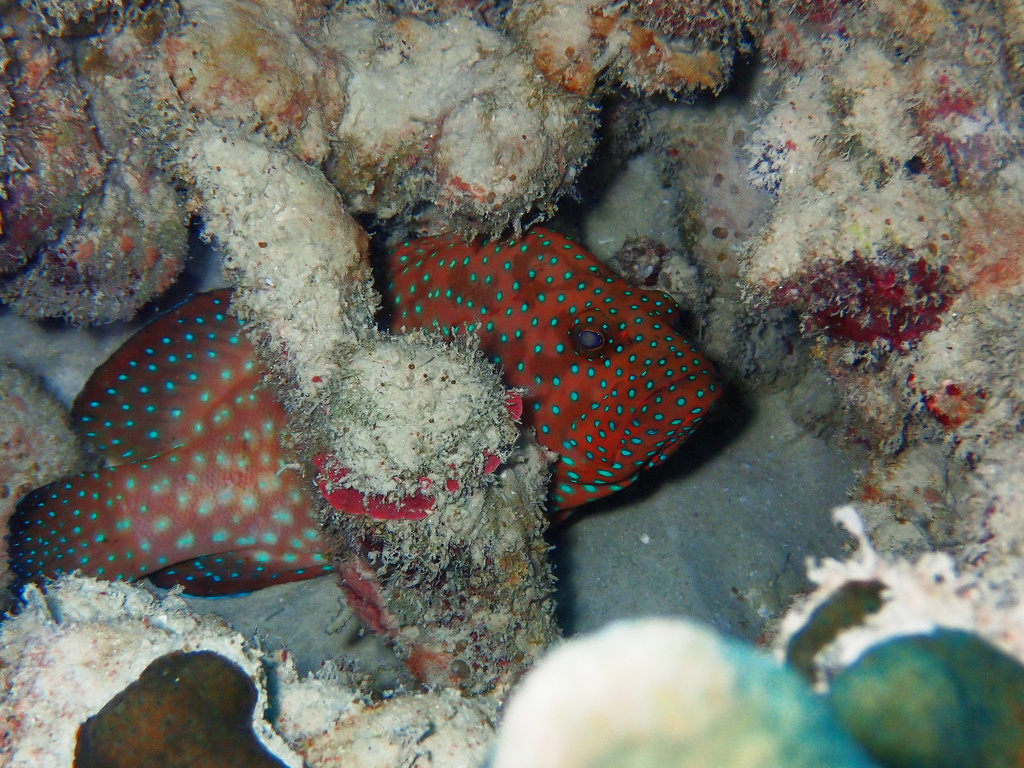 Bluespot Cod
Cephalopholis cyanostigma
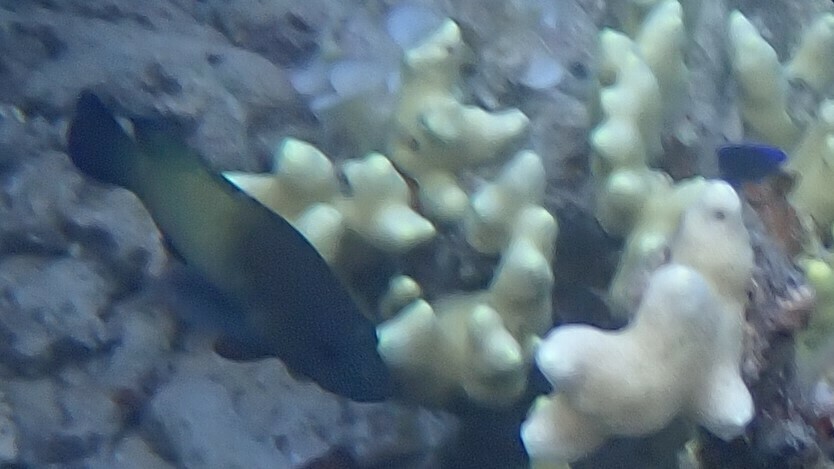 Blue-finned Rock Cod
Cephalopholis microprion
Sources and credits
Names and taxonomy: WoRMS (CC BY 4.0) and the GBIF Backbone (CC BY 4.0). Photos: iNaturalist observers, each under the licence shown (CC0, CC BY or CC BY-SA).
- Depth, temperature, months and maps: records from OBIS and GBIF under CC0 or CC BY.
- Descriptions: Wikipedia, licensed CC BY-SA, each linked to its article.
- Conservation status as published by GBIF (IUCN Red List).
- 1,319 open-data records from 1801 to 2023.
- Species data updated October 26, 2026.
Log what you see on your next dive
The free DiveHive diver app keeps your logbook with every sighting and shows what lives at the site you dive next.