
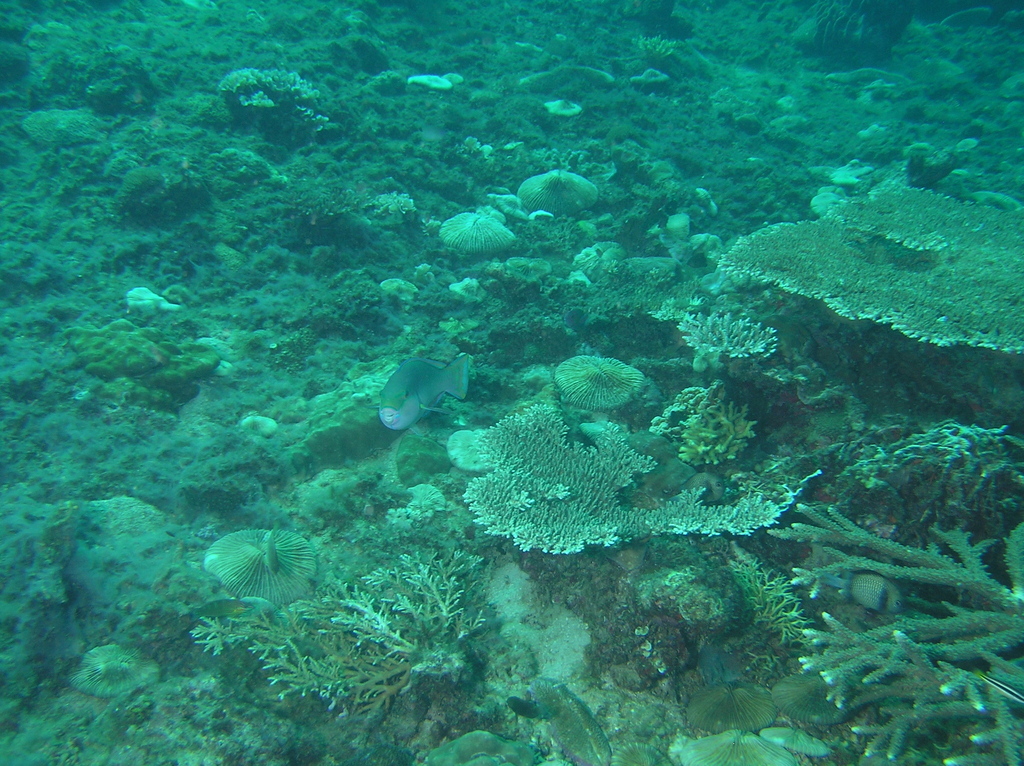
Black-tip Parrotfish
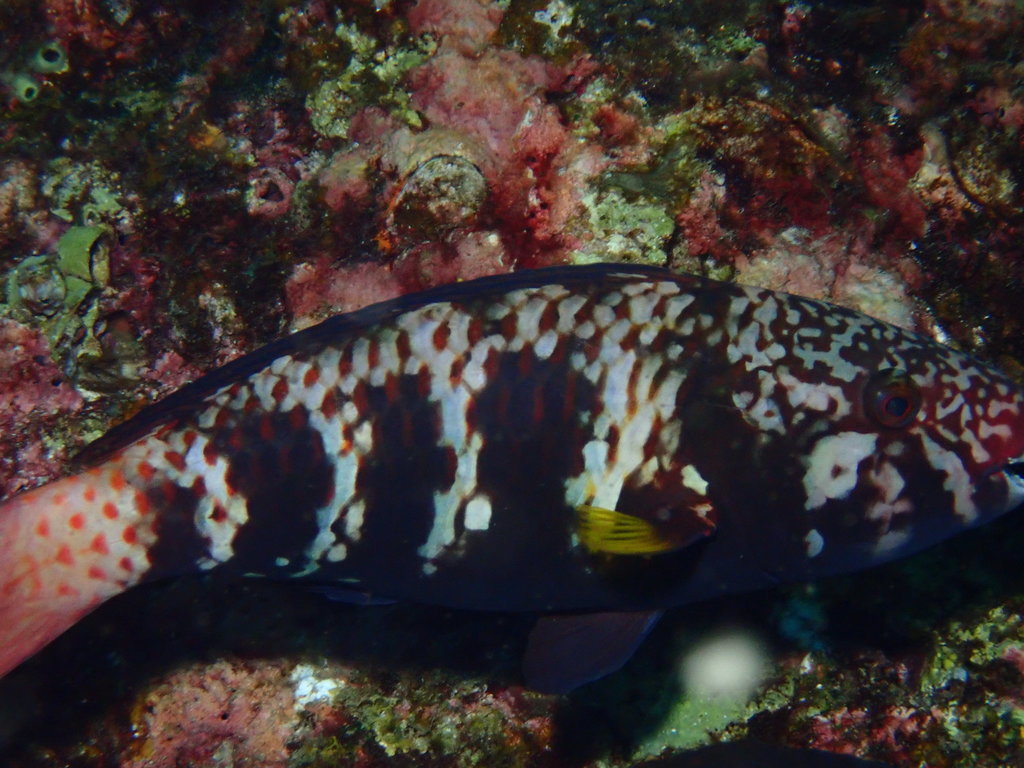
Chlorurus capistratoides
- Usual depth3–11 m
- Water temperature27–29 °C
- Best monthsMarch, April, and December
- How commonRare
Photo credit: (c) Ditch Townsend, some rights reserved (CC BY-SA) · CC BY-SA · iNaturalist
About this species
Chlorurus capistratoides, commonly known as the Indian parrotfish or the pink-margined parrotfish, is a marine ray-finned fish, a parrotfish from the family Scaridae. This species is native to the eastern Indian Ocean and western Pacific Ocean, where it lives in coral reefs. This species occurs in small schools, frequently mixed in with other fish species, these schools forage over corals in clear coastal and inner reefs where there is abundant algal and coral growth. It feeds on filamentous algae.
Text from the Wikipedia article “Chlorurus capistratoides”, licensed CC BY-SA 4.0. Read the article
Where and when
Where it has been recorded
Worldwide
Loading the map
Best months
Worldwide (open data)
- January: 11 records
- February: 10 records
- March: 22 records
- April: 17 records
- May: 14 records
- June: 12 records
- July: 8 records
- August: 5 records
- September: 6 records
- October: 13 records
- November: 9 records
- December: 15 records
Depth and water temperature
Depth
Mostly recorded at 3–11 m · Deepest record: 11 m
Water temperature
Recorded in surface water of 27–29 °C
Photos
(c) jeyre, some rights reserved (CC BY) · CC BY · iNaturalist 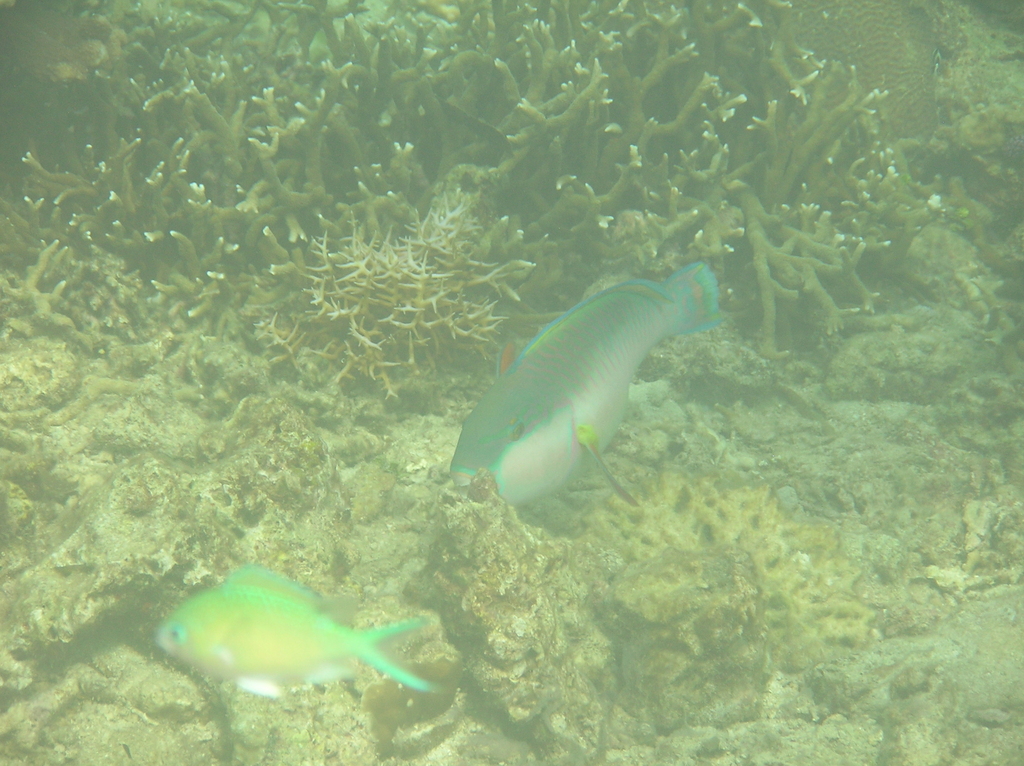
(c) Ditch Townsend, some rights reserved (CC BY-SA) · CC BY-SA · iNaturalist 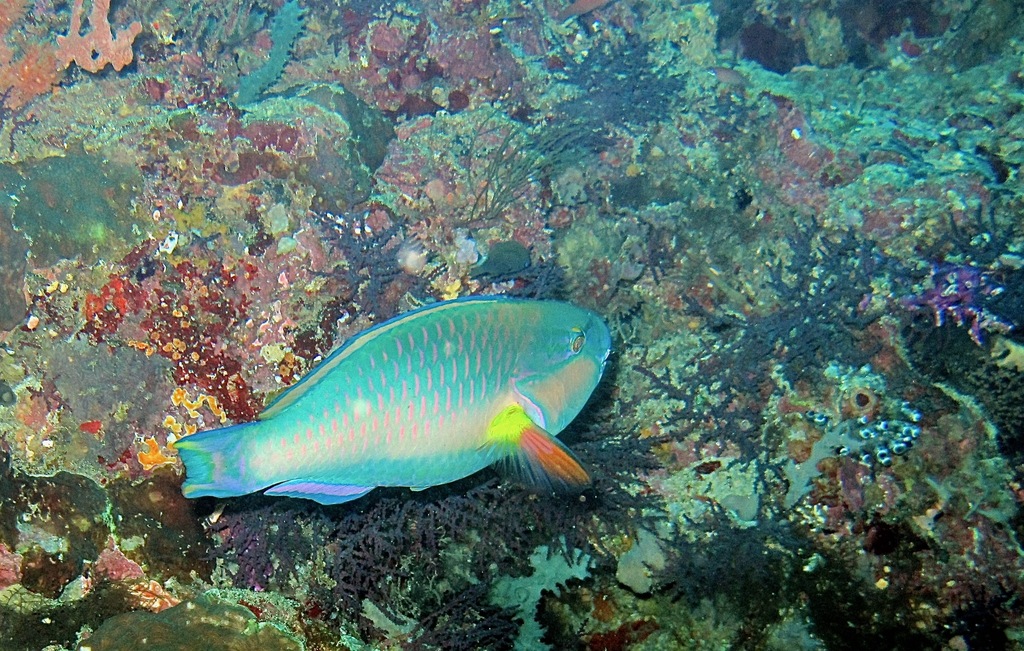
(c) Bernard DUPONT, some rights reserved (CC BY) · CC BY · iNaturalist 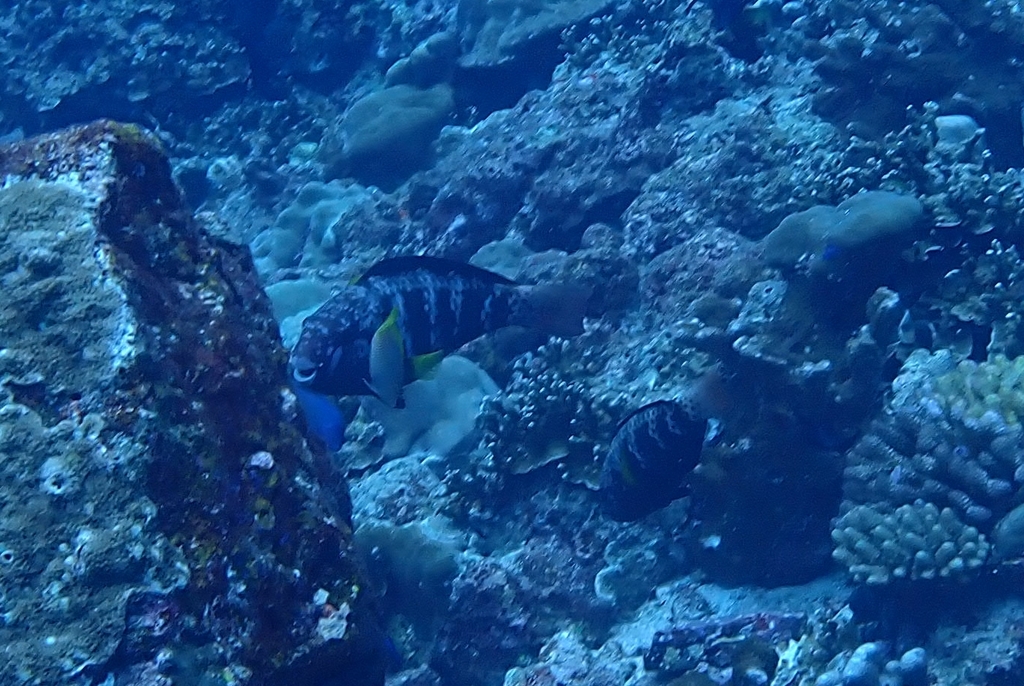
(c) luluchouette, some rights reserved (CC BY) · CC BY · iNaturalist 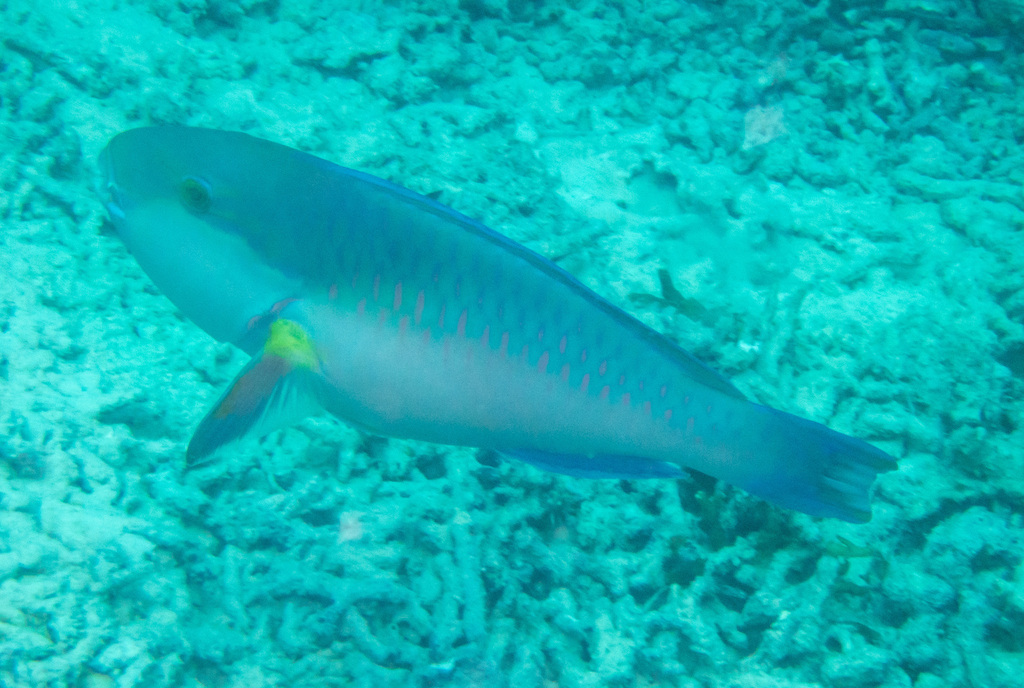
(c) portioid, some rights reserved (CC BY) · CC BY · iNaturalist 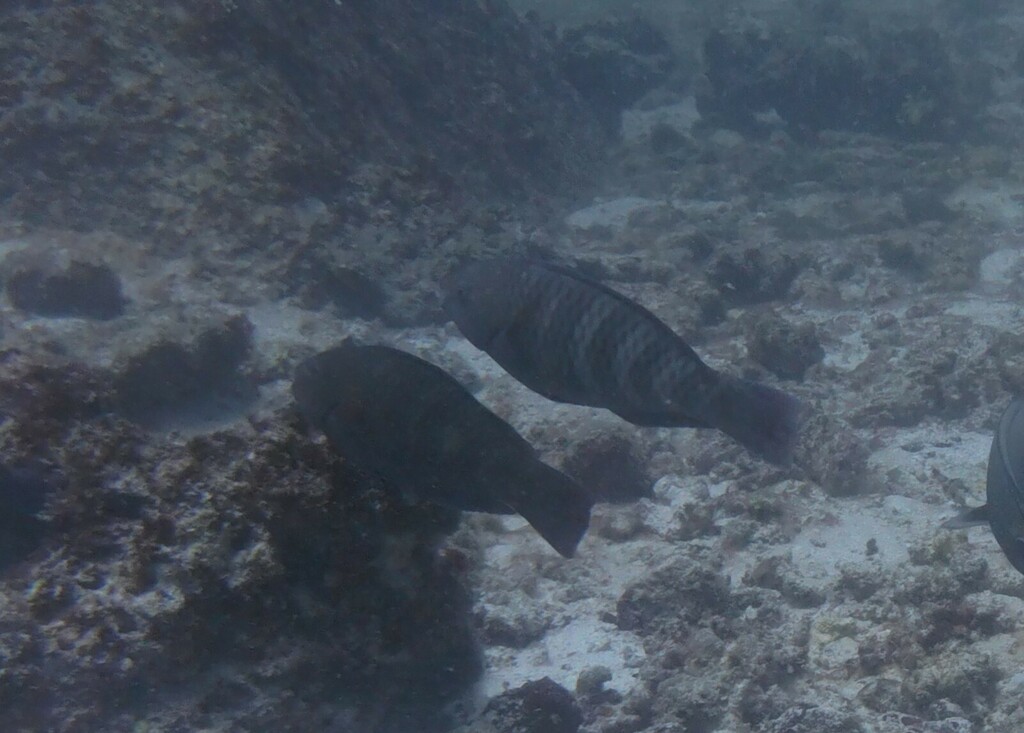
(c) Michael Bakker Paiva, some rights reserved (CC BY) · CC BY · iNaturalist 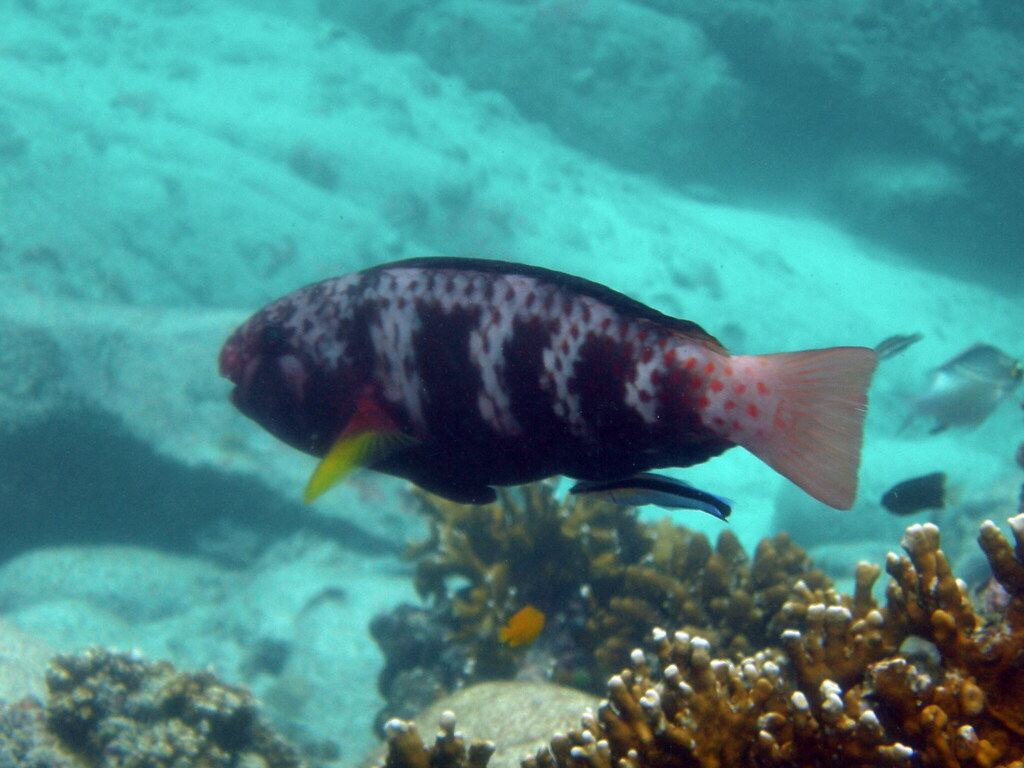
(c) Ian Dugdale, some rights reserved (CC BY) · CC BY · iNaturalist
Names and classification
- English
- Black-tip Parrotfish, Indian Parrotfish, Pink-margined Parrotfish
Names in 3 more languages
- German
- Indischer Papageifisch
- French
- Perroquet indien
- Thai
- ปลานกแก้วแก้มขีด
Other scientific names: Scarus capistratoides, Xanothon capistratoides
Similar species
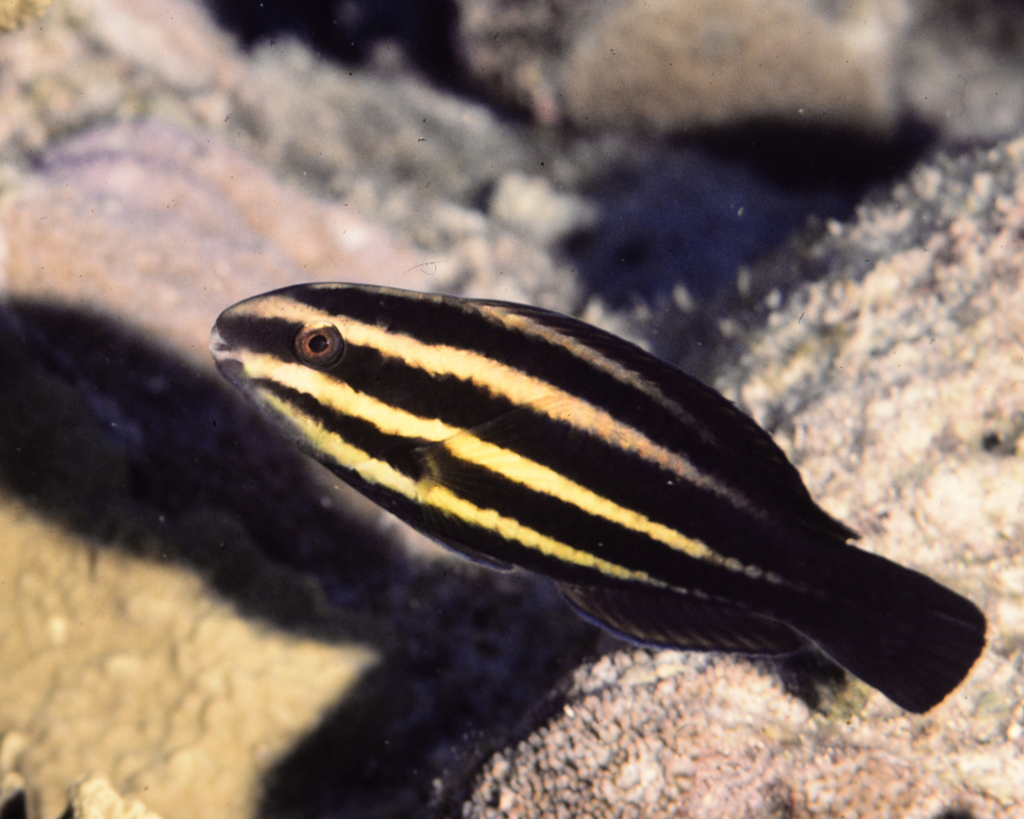 Blunt-head Parrotfish
Chlorurus microrhinos
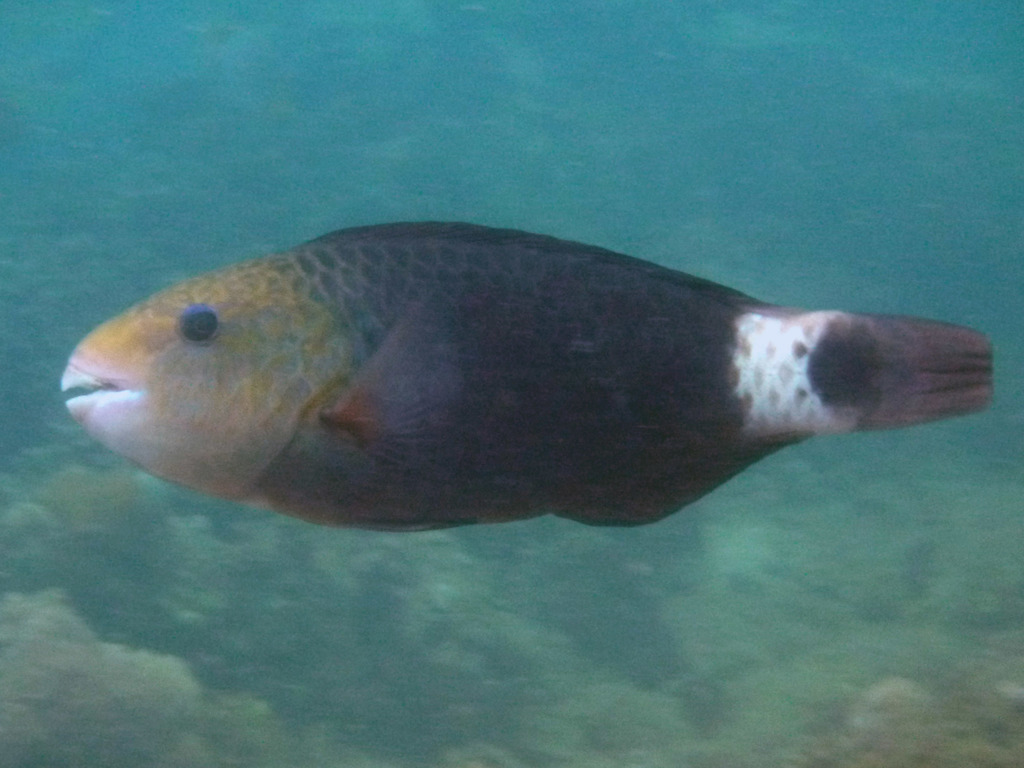 bullethead parrotfish
Chlorurus sordidus
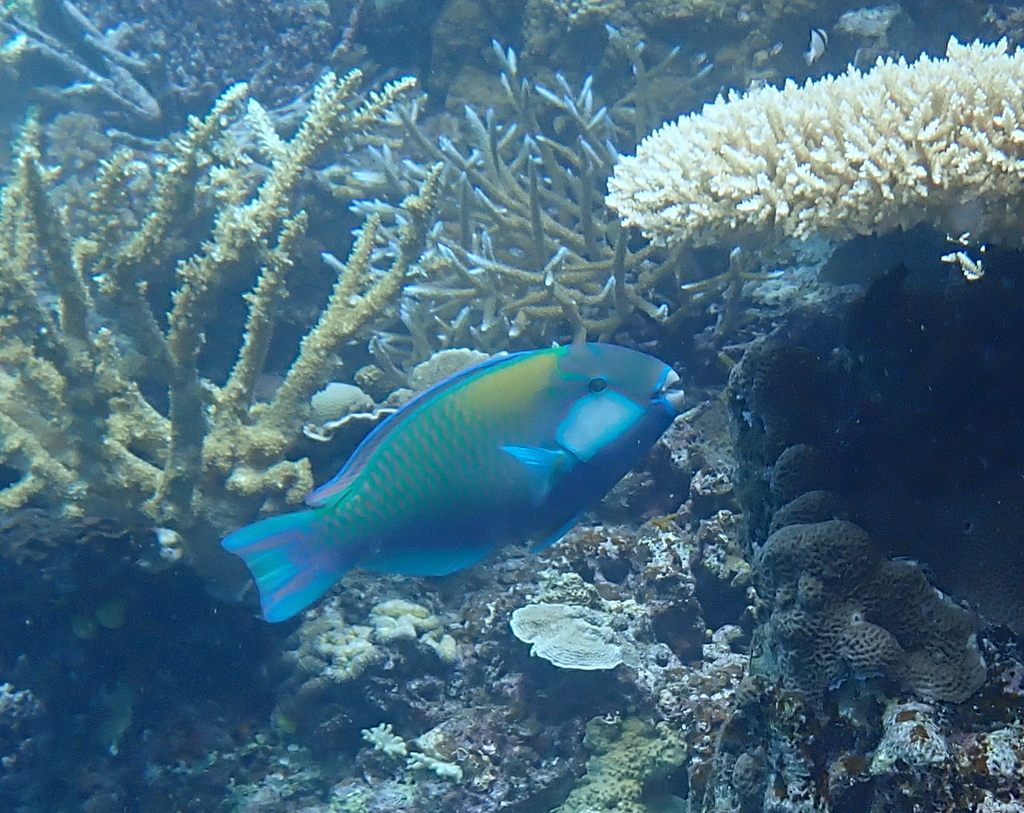 Bleeker's parrotfish
Chlorurus bleekeri
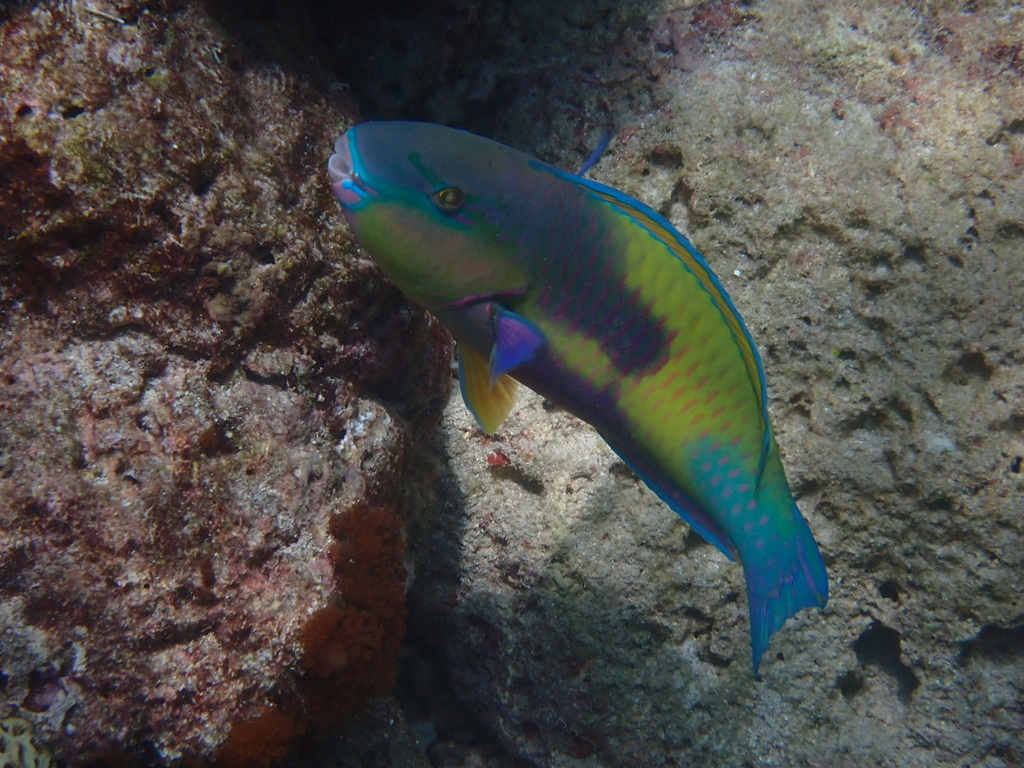 Japanese Parrotfish
Chlorurus japanensis
 Bower's Parrotfish
Chlorurus bowersi
 Greenhead Parrotfish
Chlorurus troschelii
Sources and credits
Names and taxonomy: WoRMS (CC BY 4.0) and the GBIF Backbone (CC BY 4.0). Photos: iNaturalist observers, each under the licence shown (CC0, CC BY or CC BY-SA).
- Depth, temperature, months and maps: records from OBIS and GBIF under CC0 or CC BY.
- Descriptions: Wikipedia, licensed CC BY-SA, each linked to its article.
- Conservation status as published by GBIF (IUCN Red List).
- 88 open-data records from 1847 to 2014.
- Species data updated October 26, 2026.
Log what you see on your next dive
The free DiveHive diver app keeps your logbook with every sighting and shows what lives at the site you dive next.