
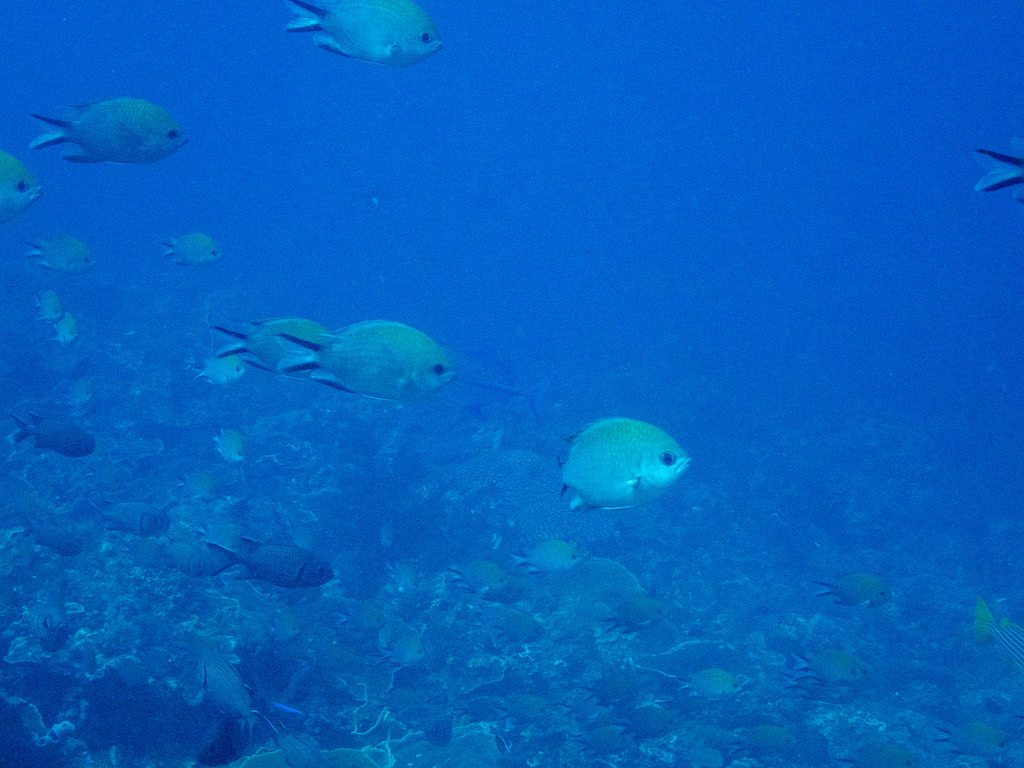
Philippines Chromis
Chromis scotochiloptera
- Usual depth1–18 m
- Water temperature28–29 °C
- Best monthsJanuary and December
- How commonRare
Photo credit: no rights reserved · CC0 1.0 · iNaturalist
Where and when
Where it has been recorded
Worldwide
Loading the map
Best months
Worldwide (open data)
- January: 27 records
- February: 21 records
- March: 14 records
- April: 13 records
- May: 17 records
- June: 14 records
- July: 15 records
- August: 17 records
- September: 19 records
- October: 13 records
- November: 10 records
- December: 36 records
Depth and water temperature
Depth
Mostly recorded at 1–18 m · Deepest record: 17.5 m
Water temperature
Recorded in surface water of 28–29 °C
Photos
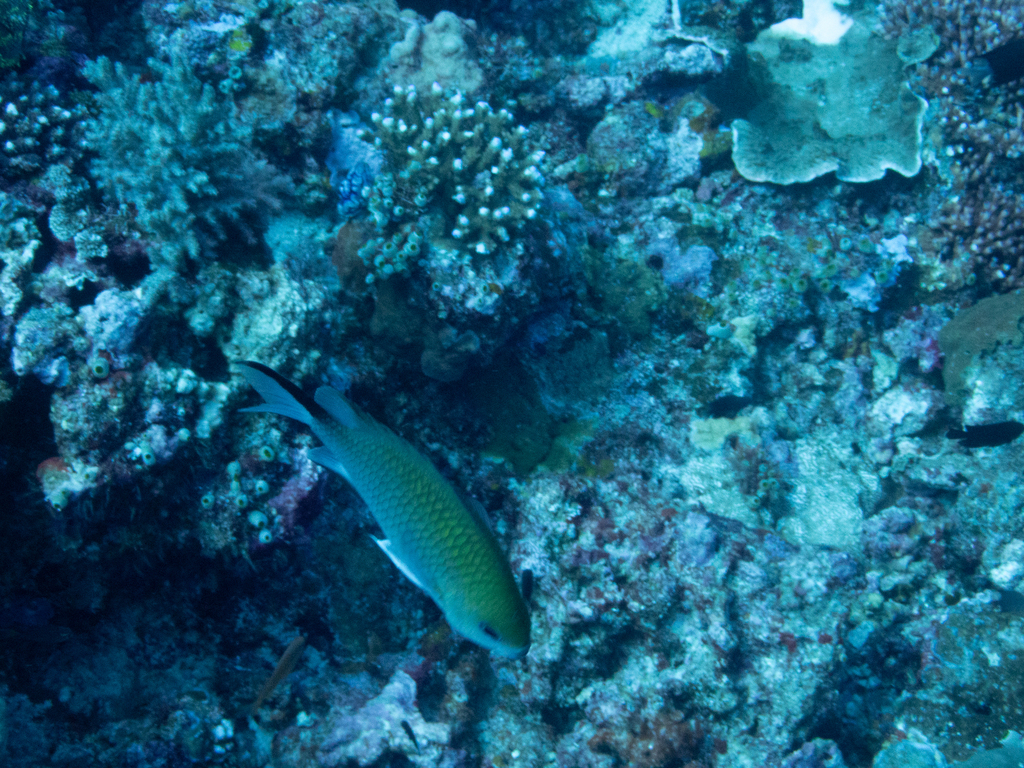
no rights reserved · CC0 1.0 · iNaturalist 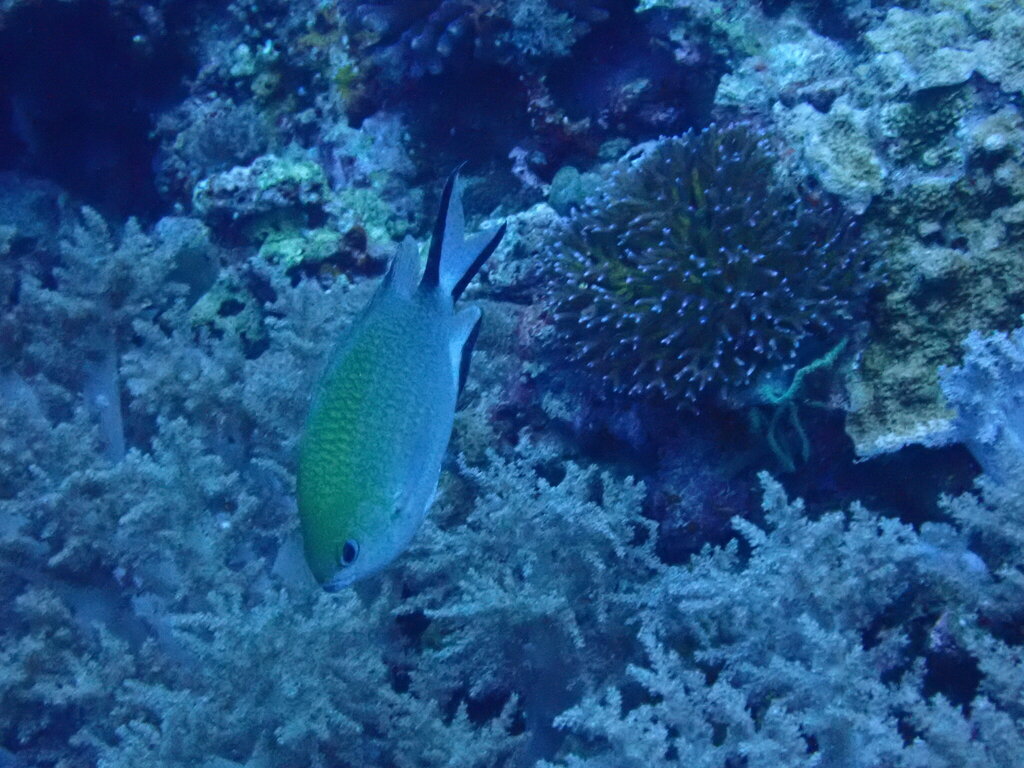
(c) 呂一起(Lyu yi-chi), some rights reserved (CC BY) · CC BY · iNaturalist 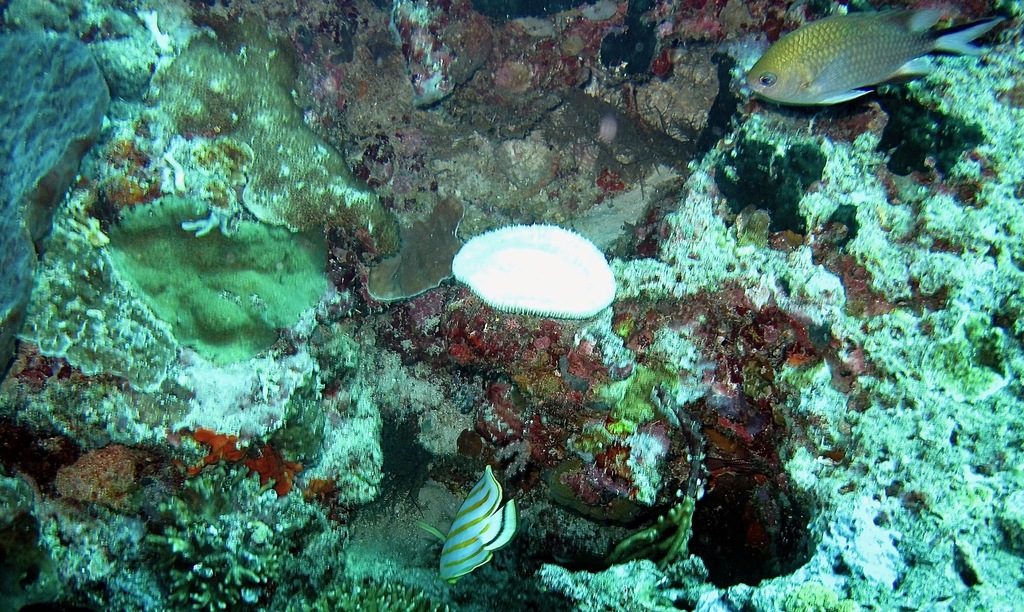
(c) Bernard DUPONT, some rights reserved (CC BY) · CC BY · iNaturalist 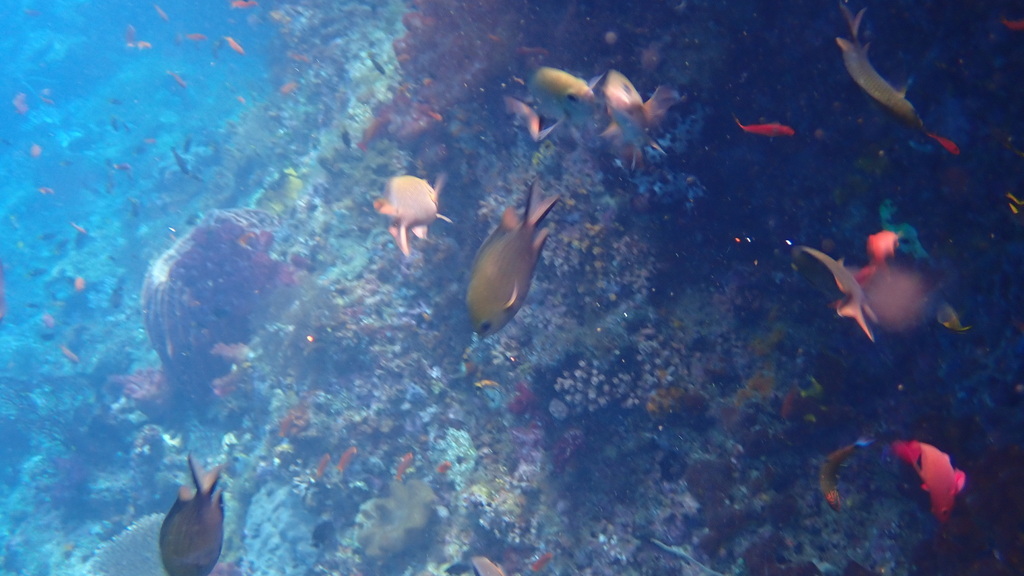
(c) Nicola Crockford, some rights reserved (CC BY) · CC BY · iNaturalist 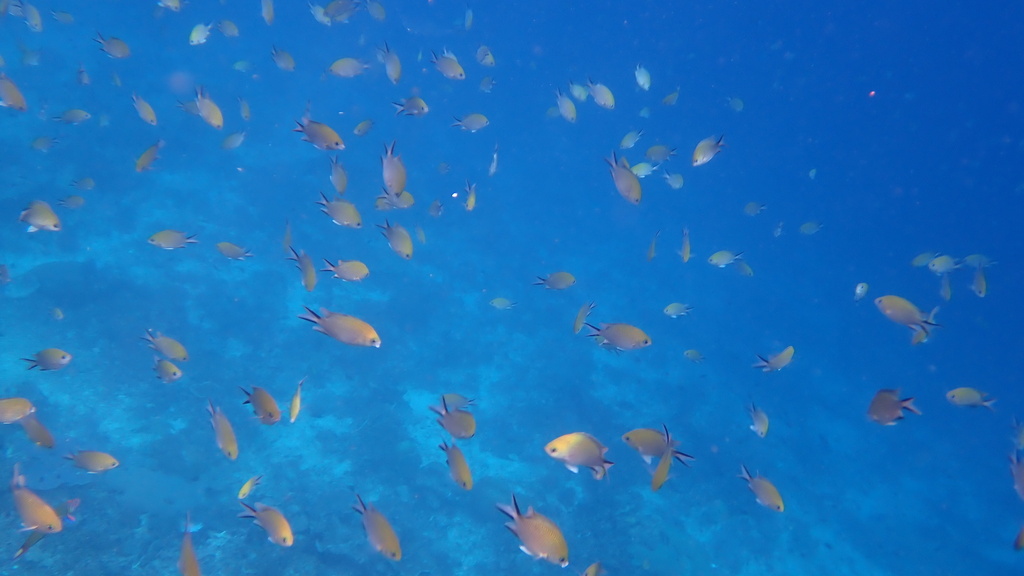
(c) Nicola Crockford, some rights reserved (CC BY) · CC BY · iNaturalist 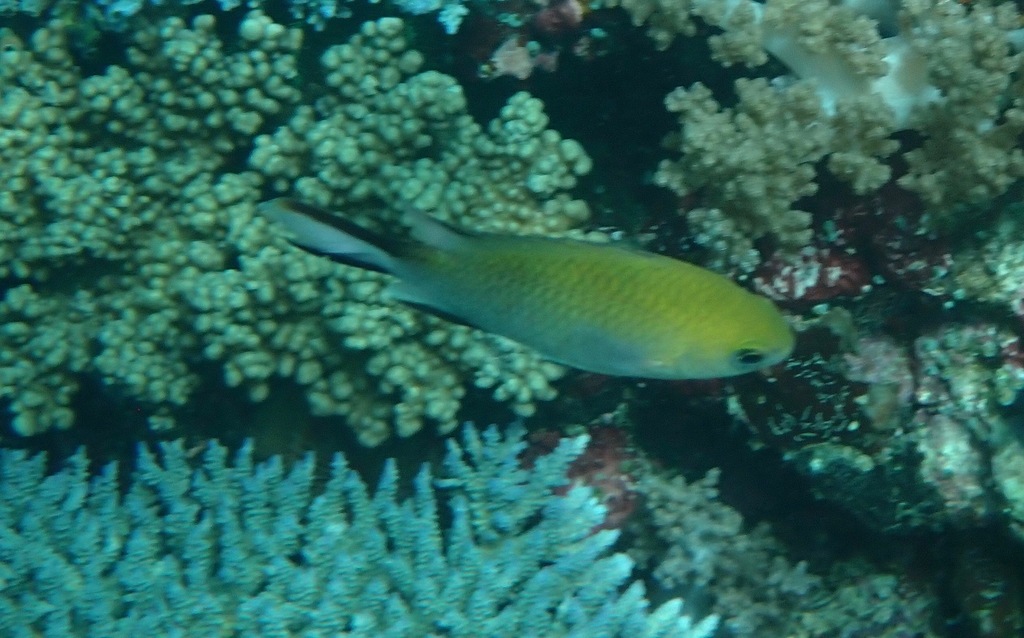
(c) libby hepburn, some rights reserved (CC BY) · CC BY · iNaturalist 
(c) Ditch Townsend, some rights reserved (CC BY-SA) · CC BY-SA · iNaturalist
Names and classification
- English
- Philippines Chromis, Scissors-tail Puller
Other scientific names: Chromis scotochilopterus
Similar species
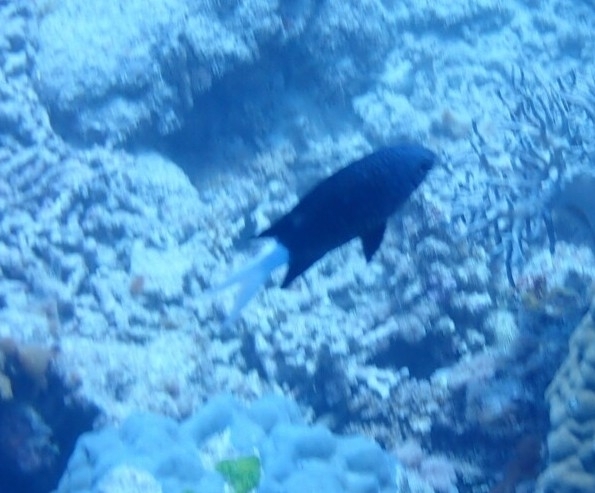 Black Chromis
Chromis xanthura
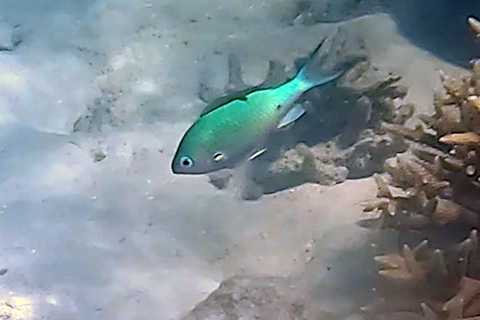 Black-axil chromis
Chromis atripectoralis
 Ternate chromis
Chromis ternatensis
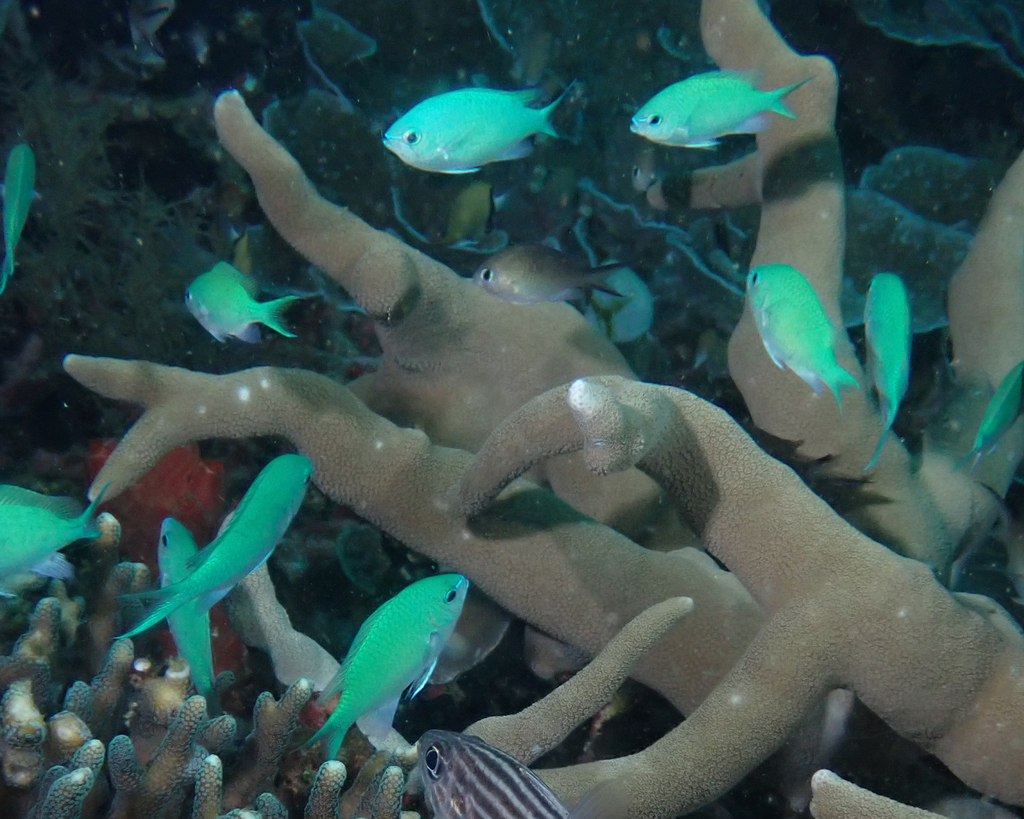 Blue-green damselfish
Chromis viridis
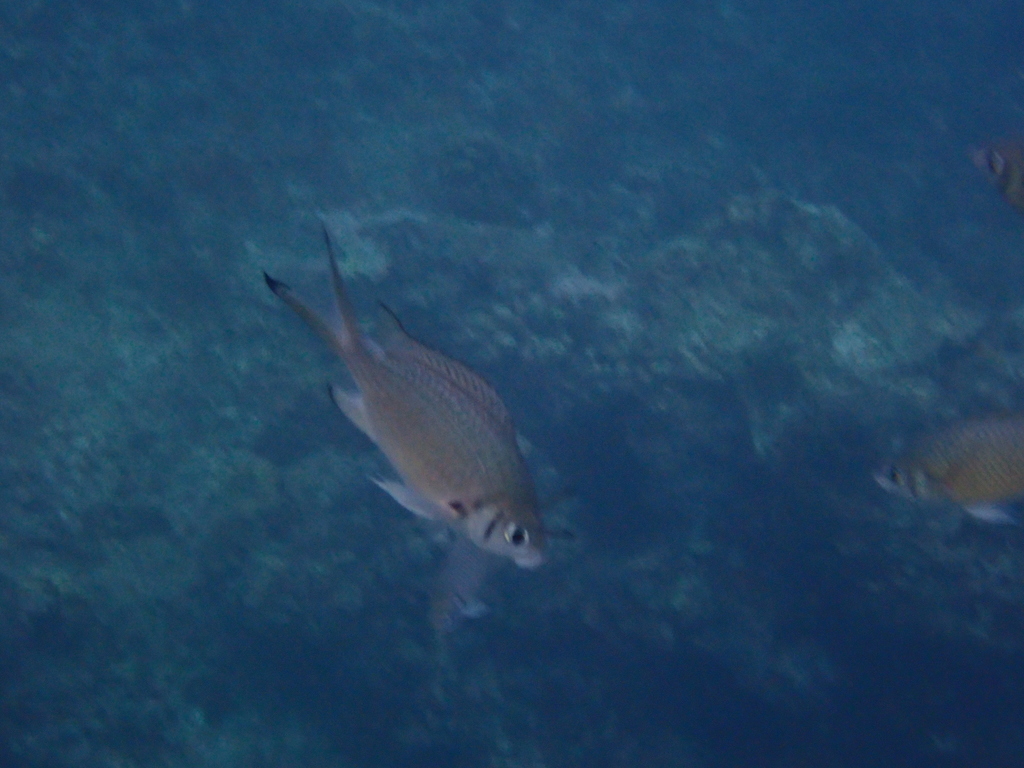 Weber's chromis
Chromis weberi
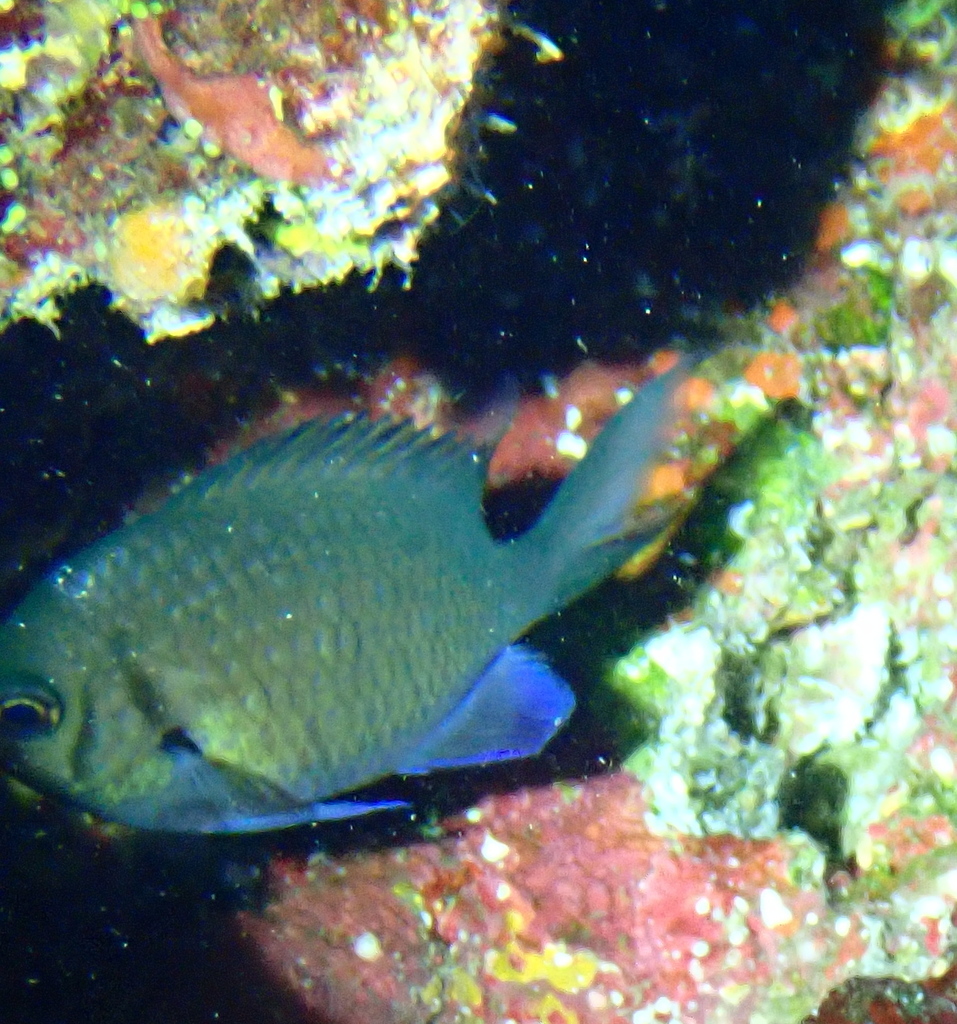 Alpha Chromis
Chromis alpha
Sources and credits
Names and taxonomy: WoRMS (CC BY 4.0) and the GBIF Backbone (CC BY 4.0). Photos: iNaturalist observers, each under the licence shown (CC0, CC BY or CC BY-SA).
- Depth, temperature, months and maps: records from OBIS and GBIF under CC0 or CC BY.
- Conservation status as published by GBIF (IUCN Red List).
- 53 open-data records from 1908 to 2000.
- Species data updated October 26, 2026.
Log what you see on your next dive
The free DiveHive diver app keeps your logbook with every sighting and shows what lives at the site you dive next.