

Leptocephalus Prawn-goby
Cryptocentrus leptocephalus
- Usual depth0–8 m
- Water temperature25–30 °C
- Best monthsJanuary, April, and December
- How commonRare
Photo credit: (c) coenobita, some rights reserved (CC BY) · CC BY · iNaturalist
About this species
The pink-speckled shrimpgoby is a species of goby native to the western Pacific Ocean where it occurs on silty substrates in coastal reefs, lagoons, mangrove swamps and tide pools. It grows to a length of 12 centimetres (4.7 in) SL.
Text from the Wikipedia article “Pink-speckled shrimpgoby”, licensed CC BY-SA 4.0. Read the article
Where and when
Where it has been recorded
Worldwide
Loading the map
Best months
Worldwide (open data)
- January: 26 records
- February: 16 records
- March: 24 records
- April: 31 records
- May: 13 records
- June: 8 records
- July: 12 records
- August: 10 records
- September: 19 records
- October: 12 records
- November: 19 records
- December: 28 records
Depth and water temperature
Depth
Mostly recorded at 0–8 m · Deepest record: 12 m
Water temperature
Recorded in surface water of 25–30 °C
Photos
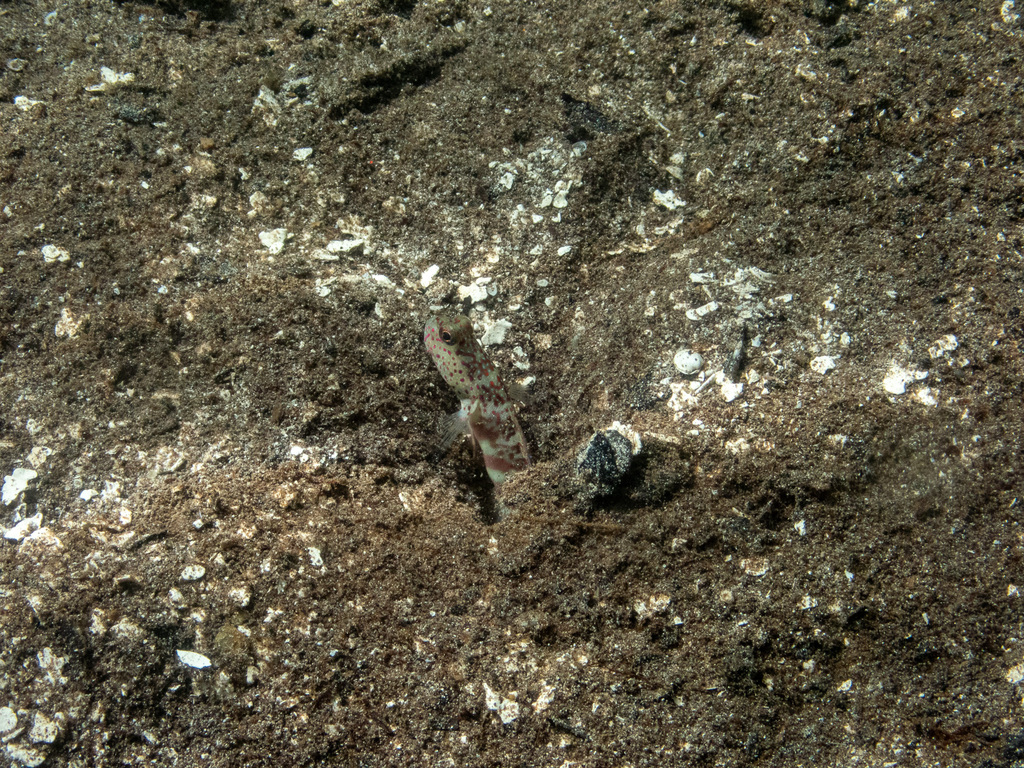
no rights reserved · CC0 1.0 · iNaturalist 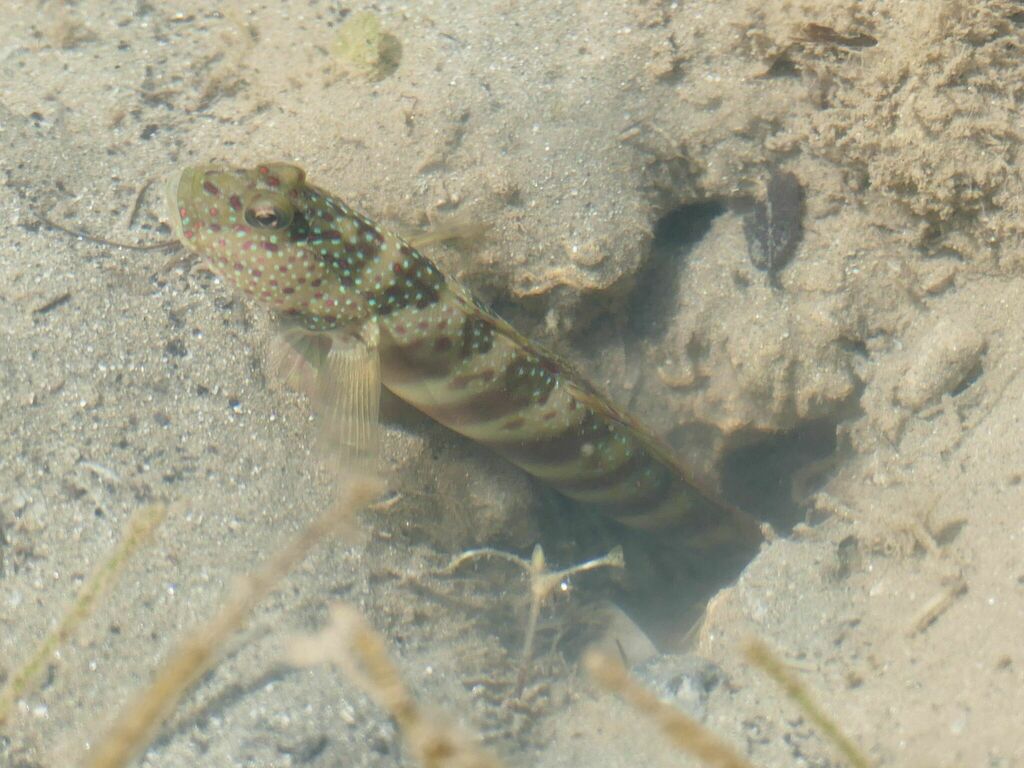
(c) coenobita, some rights reserved (CC BY) · CC BY · iNaturalist 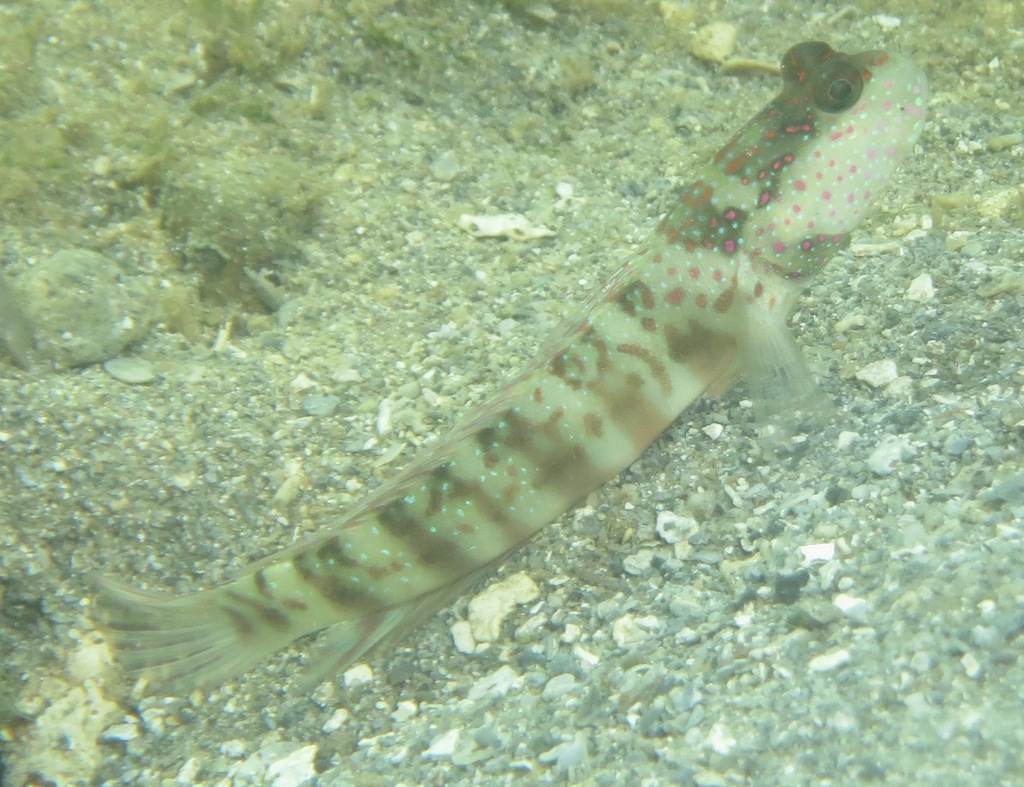
(c) jeyre, some rights reserved (CC BY) · CC BY · iNaturalist 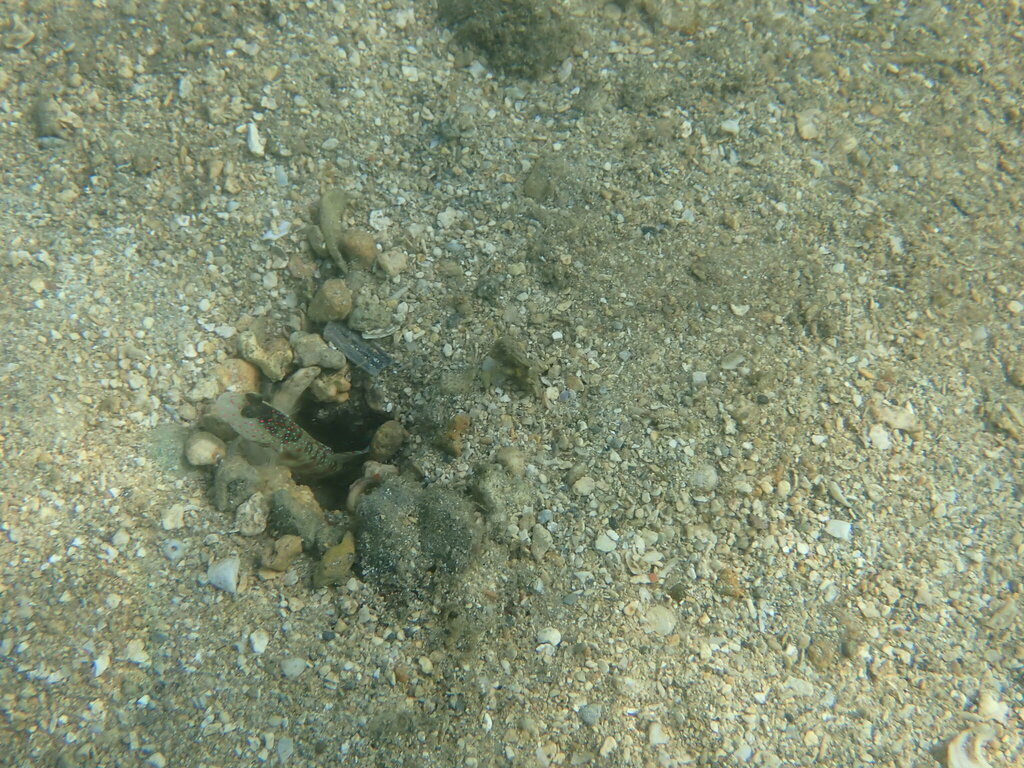
(c) naturewatchwidow, some rights reserved (CC BY) · CC BY · iNaturalist 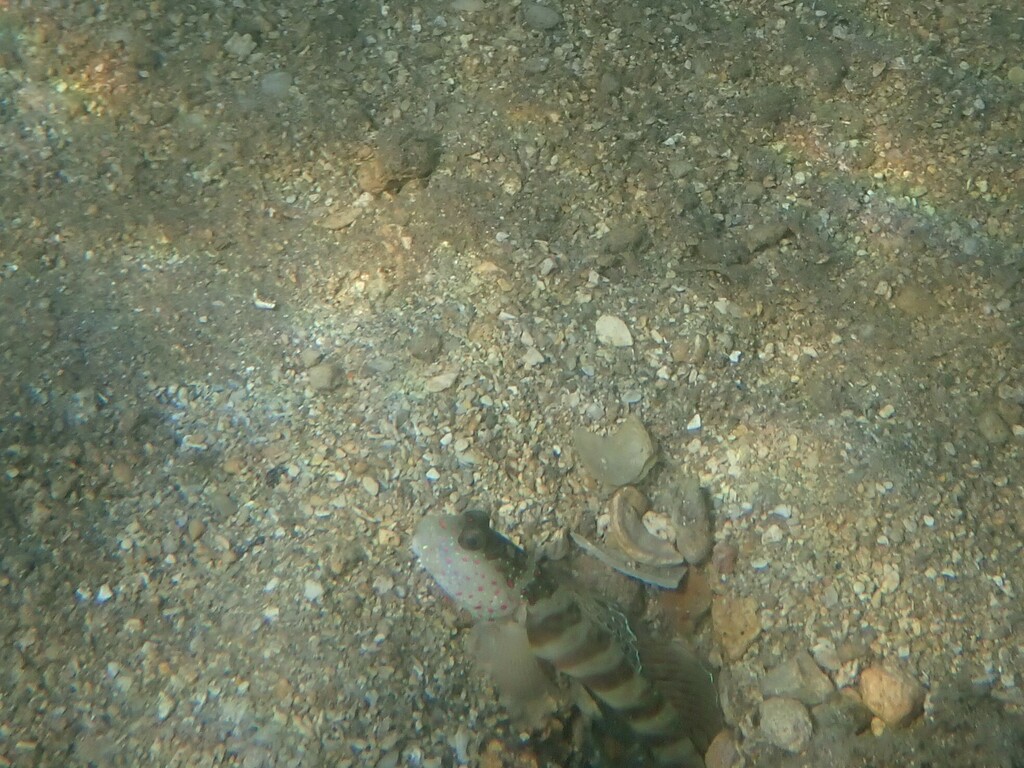
(c) Leon Perrie, some rights reserved (CC BY) · CC BY · iNaturalist 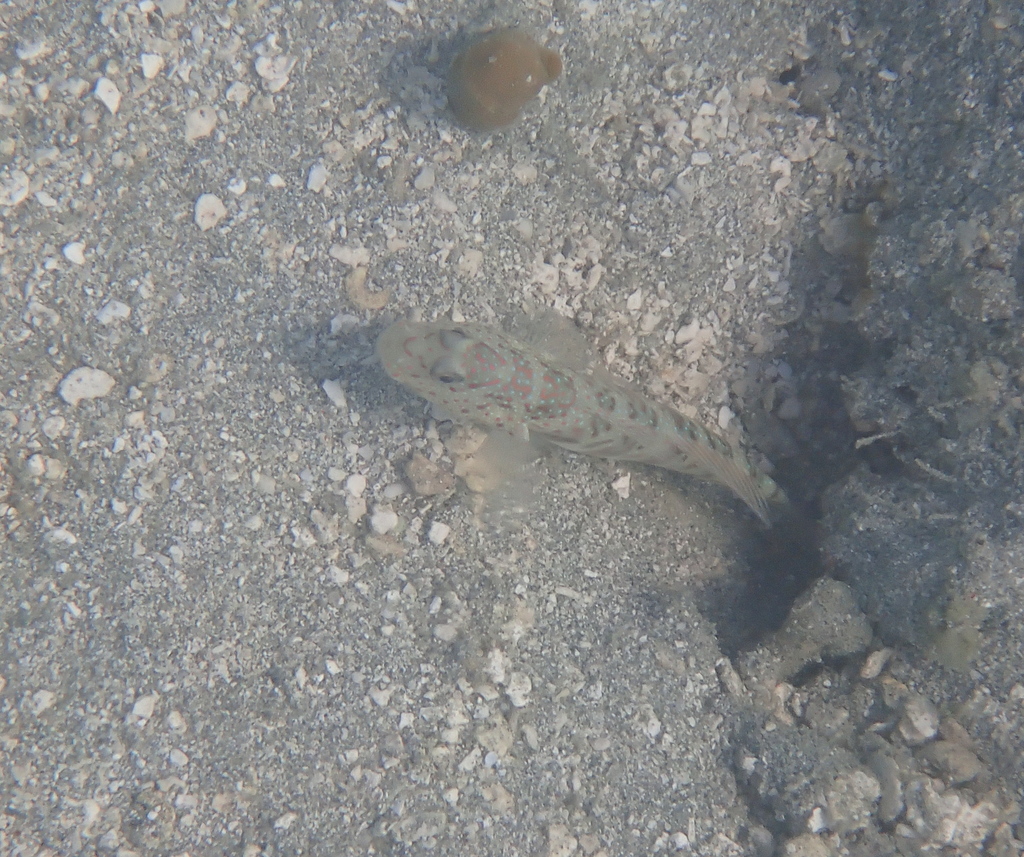
(c) Debra Baker, some rights reserved (CC BY) · CC BY · iNaturalist 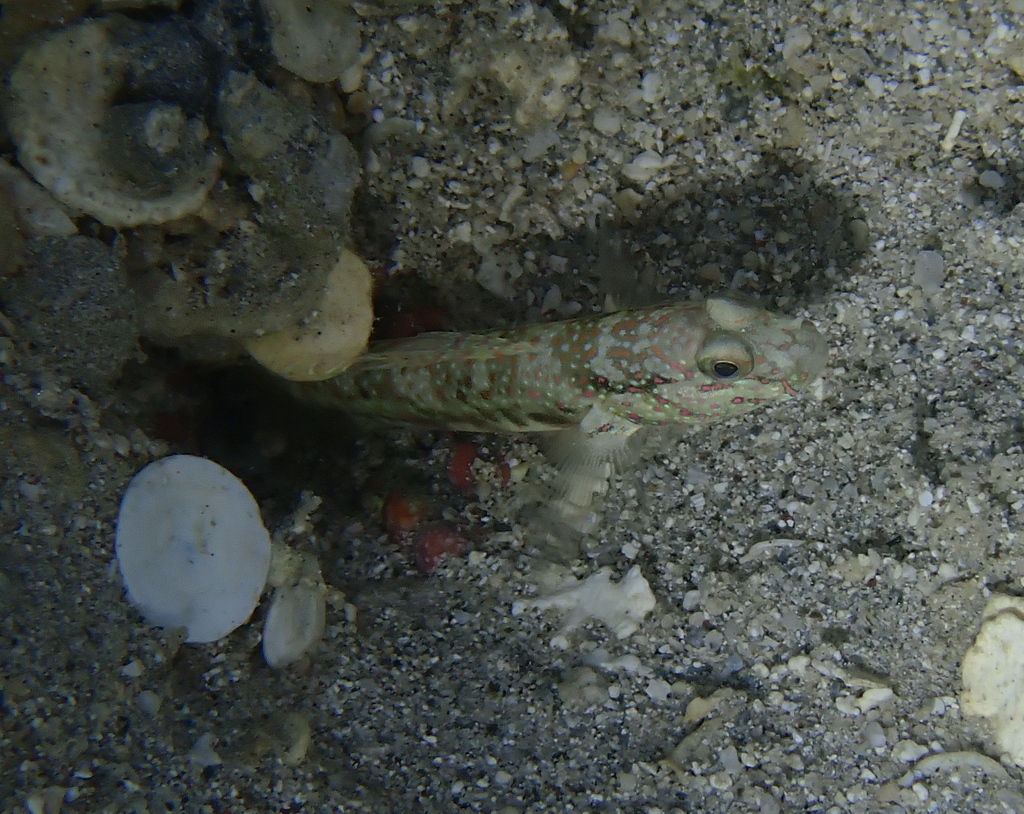
(c) Debra Baker, some rights reserved (CC BY) · CC BY · iNaturalist
Names and classification
- English
- Leptocephalus Prawn-goby, Pink-speckled Shrimpgoby, Pinkspot Shrimpgoby, Pink-spotted Shrimpgoby, Pink-spotted Watchman Goby, Singapore Prawngoby, Singapore Shrimp-goby
Names in 2 more languages
- Japanese
- オイランハゼ
- Simplified Chinese
- 小头丝鰕虎鱼, 小頭絲鰕虎魚
Other scientific names: Cryptocentrus obliquus, Cryptocentrus singapurensis, Smilogobius obliquus, Smilogobius singapurensis
Similar species
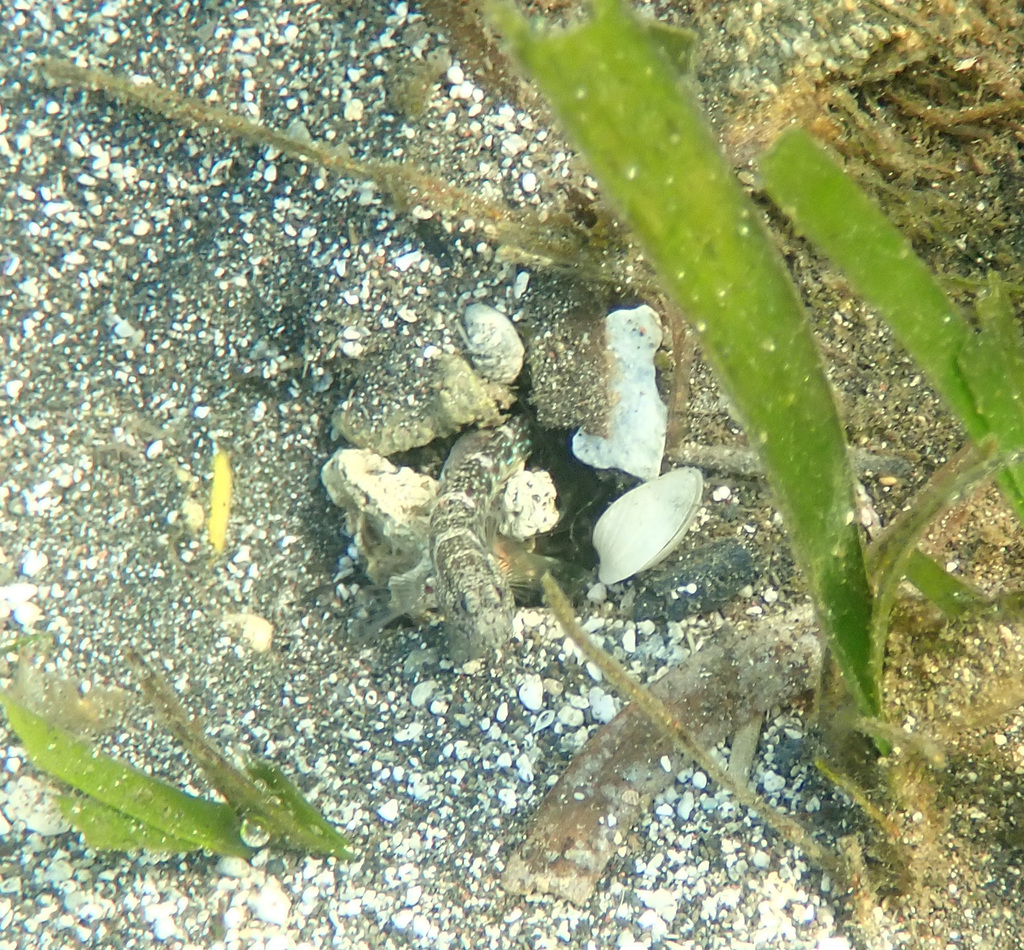 Blue-speckled Prawn-goby
Cryptocentrus caeruleomaculatus
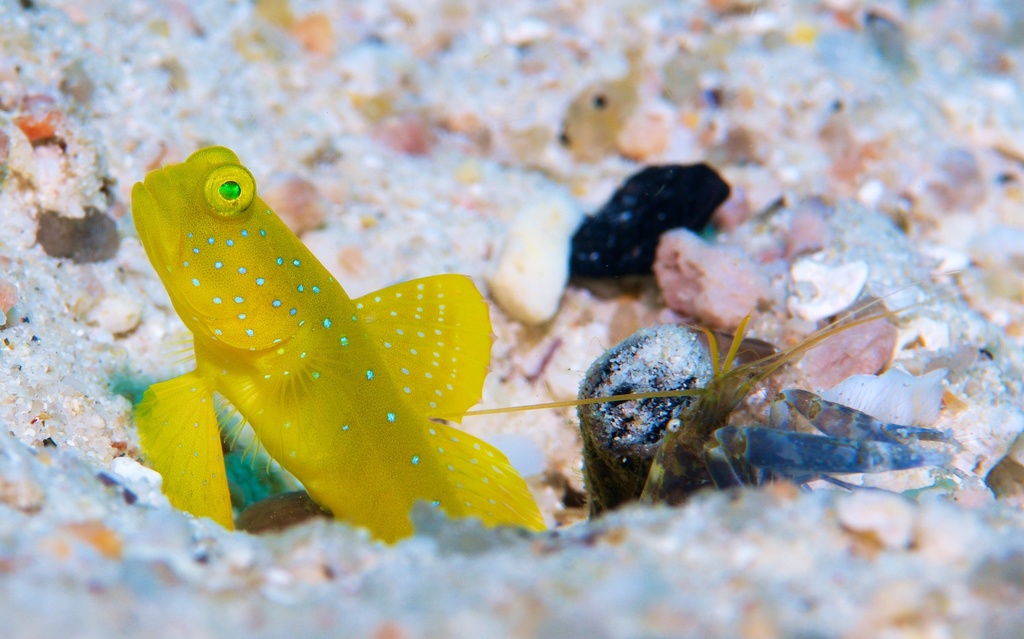 Banded Prawn Goby
Cryptocentrus cinctus
 Black-nape Shrimp-goby
Cryptocentrus inexplicatus
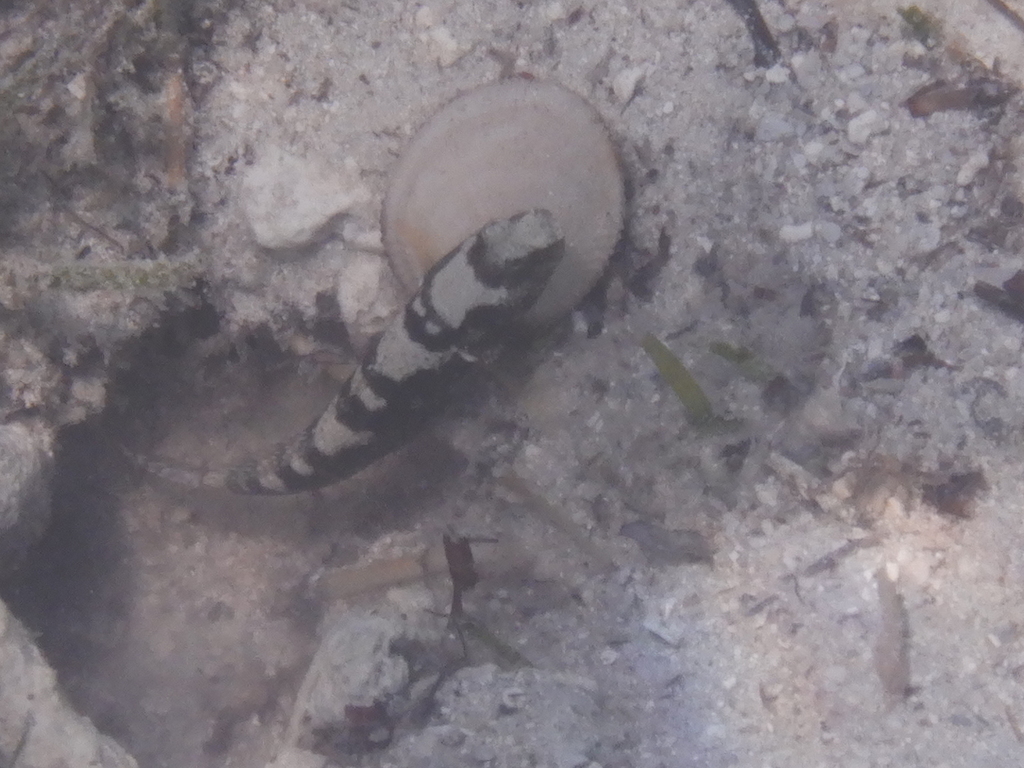 Maude's Shrimpgoby
Cryptocentrus maudae
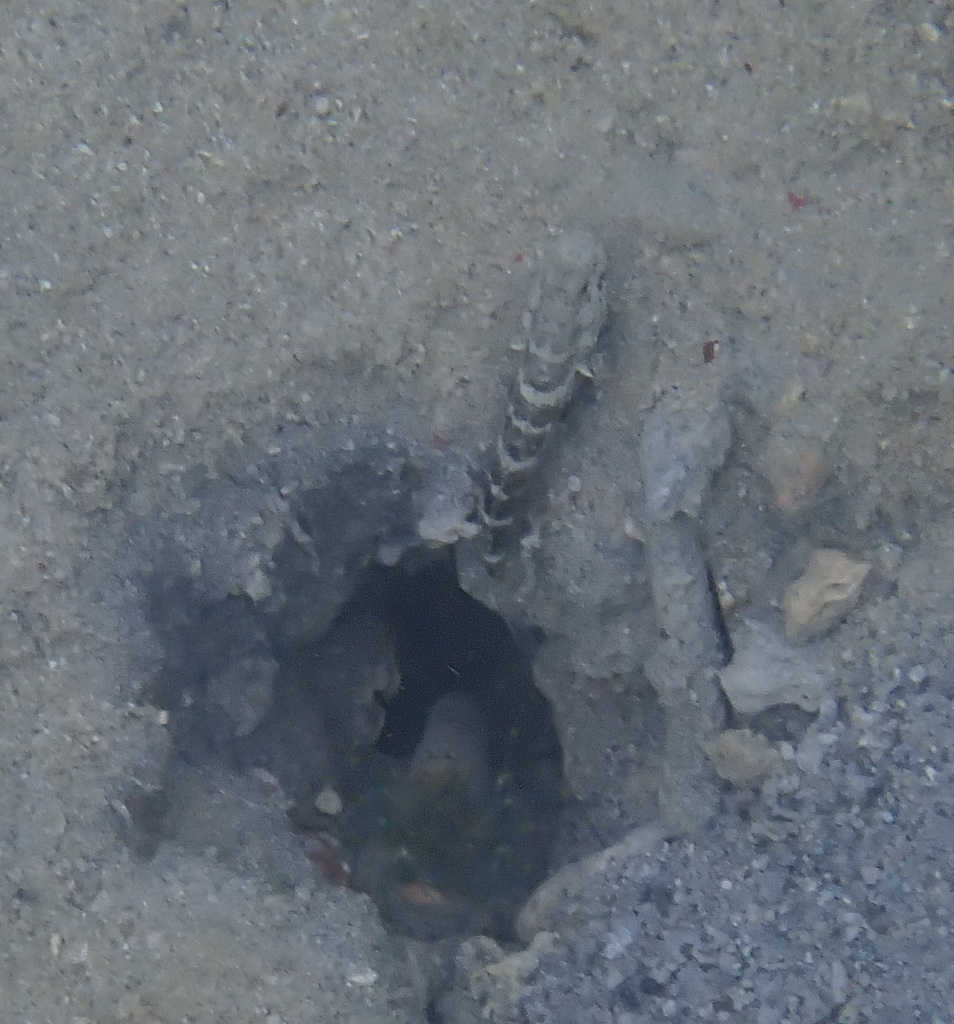 Side-spot Shrimp-goby
Cryptocentrus strigilliceps
- Bluespotted Watchman Goby
Cryptocentrus pavoninoides
Sources and credits
Names and taxonomy: WoRMS (CC BY 4.0) and the GBIF Backbone (CC BY 4.0). Photos: iNaturalist observers, each under the licence shown (CC0, CC BY or CC BY-SA).
- Depth, temperature, months and maps: records from OBIS and GBIF under CC0 or CC BY.
- Descriptions: Wikipedia, licensed CC BY-SA, each linked to its article.
- Conservation status as published by GBIF (IUCN Red List).
- 130 open-data records from 1931 to 2008.
- Species data updated October 26, 2026.
Log what you see on your next dive
The free DiveHive diver app keeps your logbook with every sighting and shows what lives at the site you dive next.