
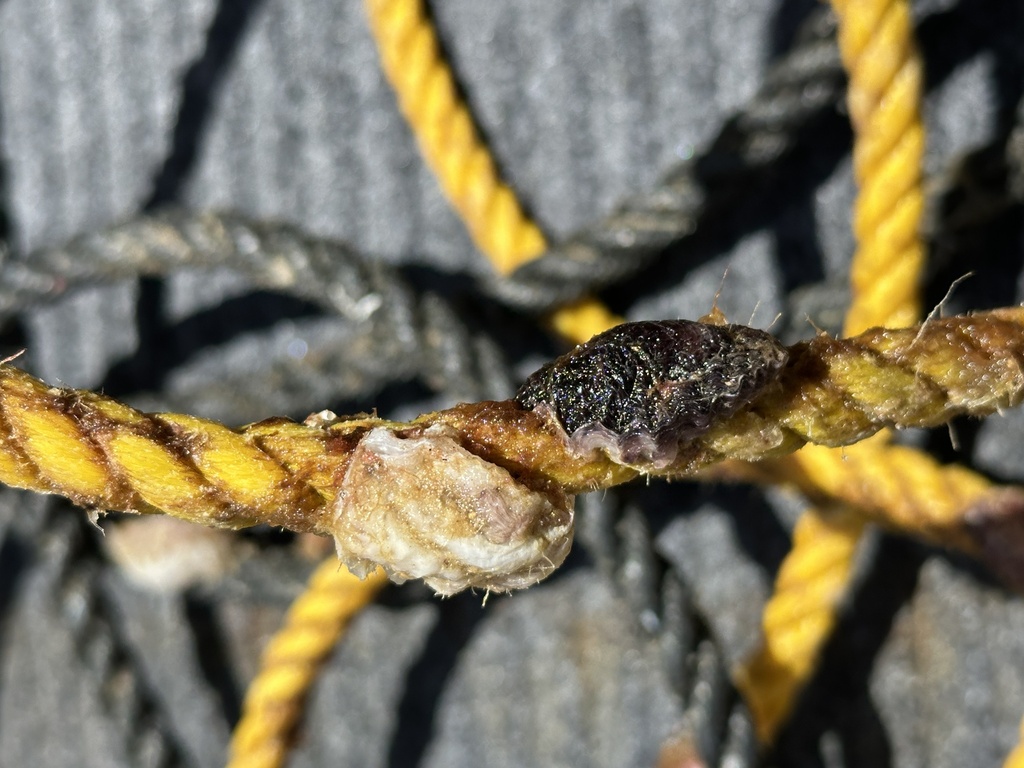
Leaf oyster
Dendostrea folium
- Usual depth0–33 m
- Water temperature13–30 °C
- Best monthsMarch, June, and December
- How commonOccasional
Photo credit: (c) Debra Baker, some rights reserved (CC BY), uploaded by Debra Baker · CC BY · iNaturalist
Where and when
Where it has been recorded
Worldwide
Loading the map
Best months
Worldwide (open data)
- January: 11 records
- February: 14 records
- March: 17 records
- April: 8 records
- May: 12 records
- June: 17 records
- July: 12 records
- August: 14 records
- September: 12 records
- October: 12 records
- November: 14 records
- December: 16 records
Depth and water temperature
Depth
Mostly recorded at 0–33 m · Deepest record: 33 m
Water temperature
Recorded in surface water of 13–30 °C
Photos
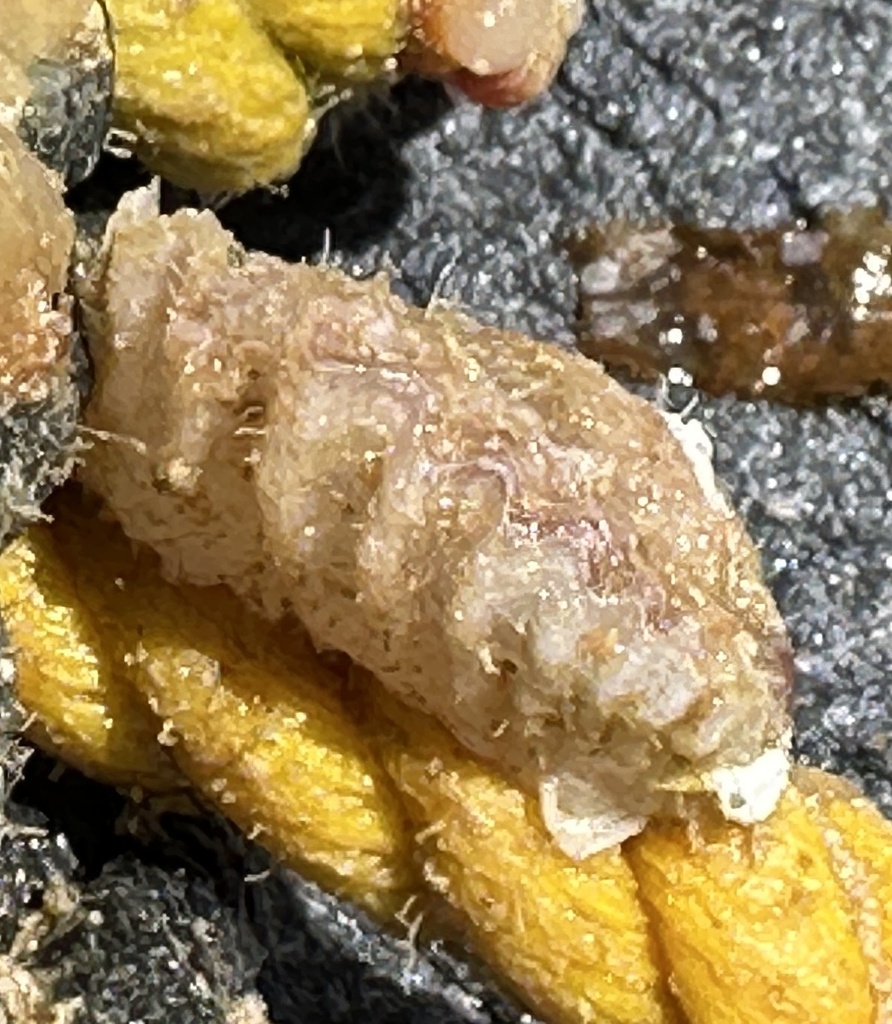
(c) Debra Baker, some rights reserved (CC BY) · CC BY · iNaturalist 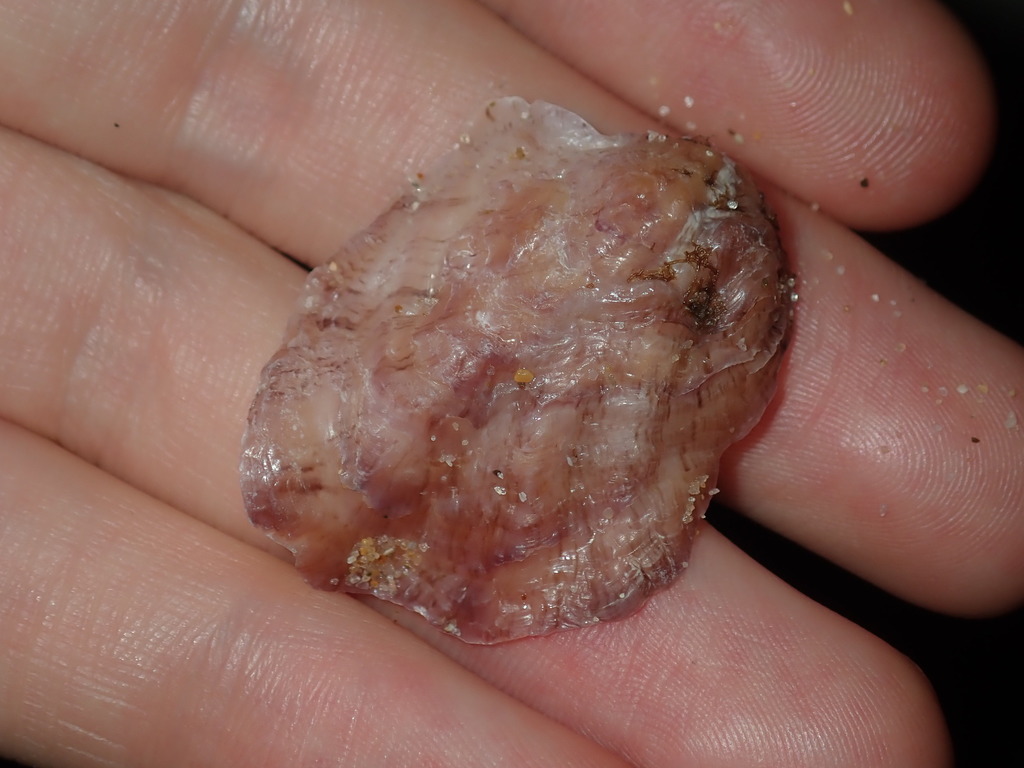
(c) Thomas Mesaglio, some rights reserved (CC BY) · CC BY · iNaturalist
Names and classification
- English
- Leaf oyster, Foliate Oyster, leaf oyster
Names in 7 more languages
- German
- Blattauster
- Spanish
- ostión hoja
- French
- huître feuille
- Japanese
- ワニガキ
- Korean
- 악어굴
- Thai
- หอยนางรมป่าเลน
- Simplified Chinese
- 齒緣牡蠣
Other scientific names: Alectryonella haliotidaea, Dendrostrea folium, Lopha folium, Lopha theca, Ostraea affinis, Ostraea dubia, Ostrea bresia, Ostrea cognata, Ostrea erucella, Ostrea folium, Ostrea fucorum, Ostrea haliotidaea, Ostrea labrella, Ostrea serra, Ostrea sinuata
Similar species
- hooded oyster
Saccostrea cuccullata
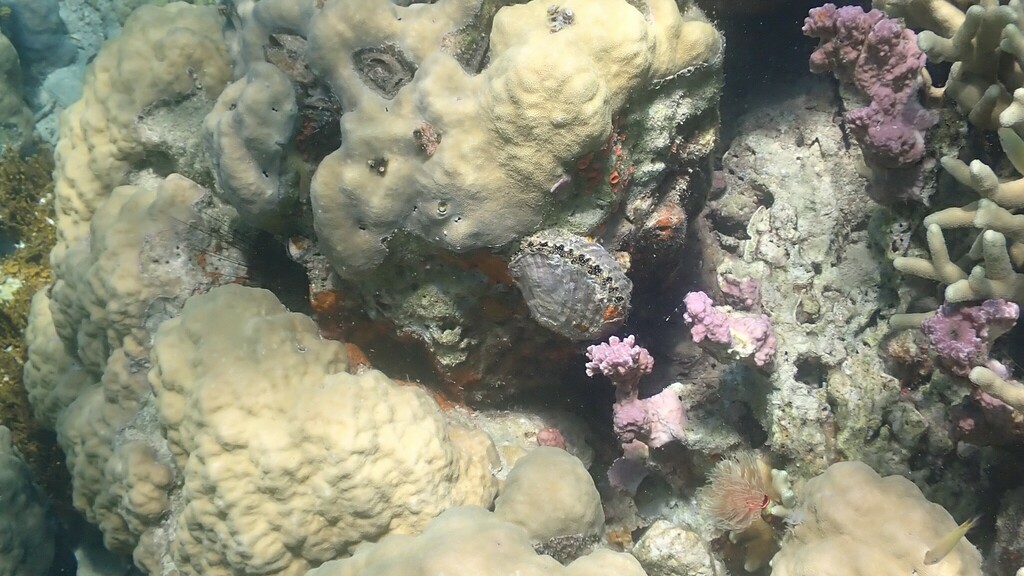 Fingerprint oyster
Alectryonella plicatula
- Cockscomb oyster
Lopha cristagalli
Sources and credits
Names and taxonomy: WoRMS (CC BY 4.0) and the GBIF Backbone (CC BY 4.0). Photos: iNaturalist observers, each under the licence shown (CC0, CC BY or CC BY-SA).
- Depth, temperature, months and maps: records from OBIS and GBIF under CC0 or CC BY.
- Conservation status as published by GBIF (IUCN Red List).
- 511 open-data records from 1758 to 2014.
- Species data updated October 26, 2026.
Log what you see on your next dive
The free DiveHive diver app keeps your logbook with every sighting and shows what lives at the site you dive next.