
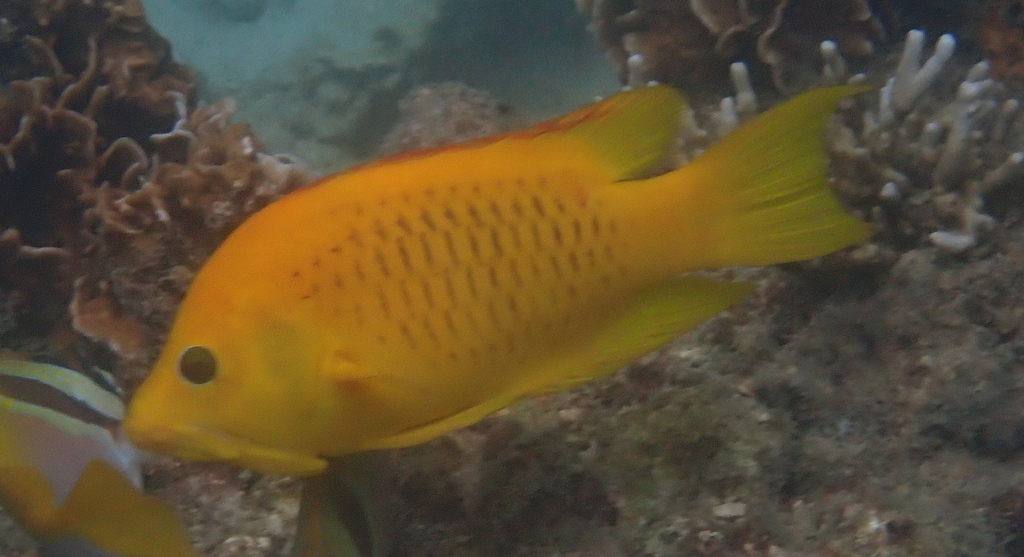
Sling-jaw wrasse
Epibulus insidiator
- Usual depth4–22 m
- Water temperature24–30 °C
- Best monthsMarch, April, and September
- How commonCommon
Photo credit: (c) Jan Ebr & Ivana Ebrová, some rights reserved (CC BY) · CC BY · iNaturalist
About this species
The slingjaw wrasse is a species of wrasse from the family Labridae which is native to the tropical waters of the Indo-Pacific where it occurs around coral reefs. Along with its sister species in the genus Epibulus, this species is notable for its highly protrusible jaws, an adaptation for feeding in complex aquatic environments. This species is of minor importance to local commercial fisheries and can be found in the aquarium trade.
Text from the Wikipedia article “Sling-jaw wrasse”, licensed CC BY-SA 4.0. Read the article
Where and when
Where it has been recorded
Worldwide
Loading the map
Best months
Worldwide (open data)
- January: 521 records
- February: 415 records
- March: 726 records
- April: 843 records
- May: 593 records
- June: 390 records
- July: 572 records
- August: 590 records
- September: 853 records
- October: 674 records
- November: 351 records
- December: 224 records
Depth and water temperature
Depth
Mostly recorded at 4–22 m · Deepest record: 1,800 m
Water temperature
Recorded in surface water of 24–30 °C
Photos
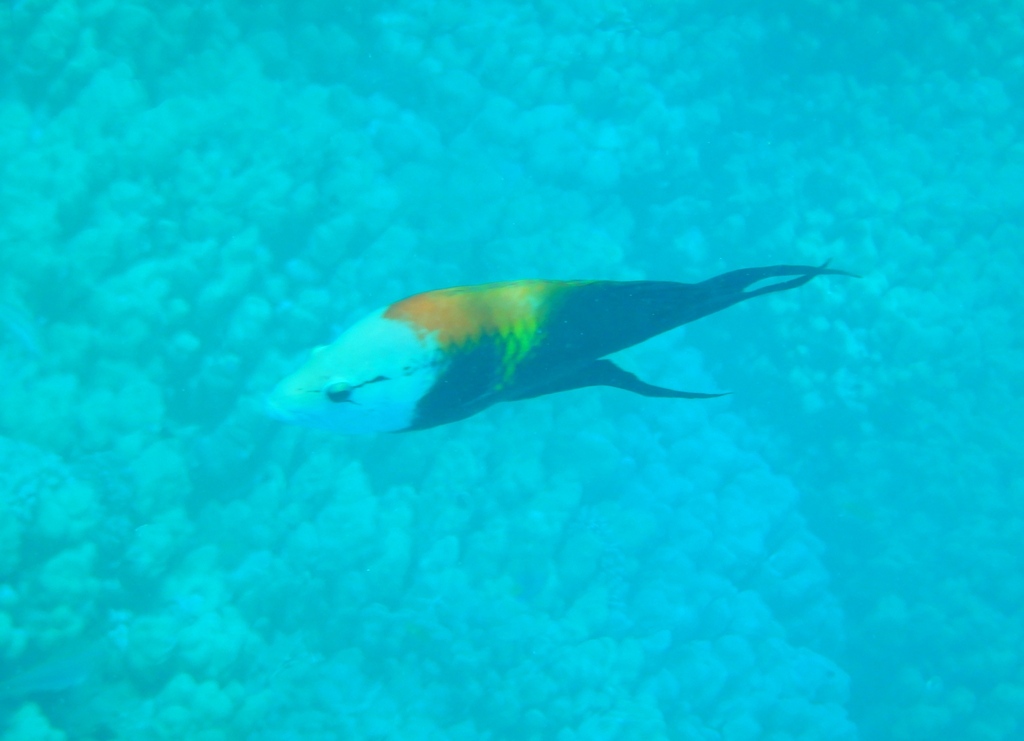
(c) Gergely Nigg, some rights reserved (CC BY) · CC BY · iNaturalist 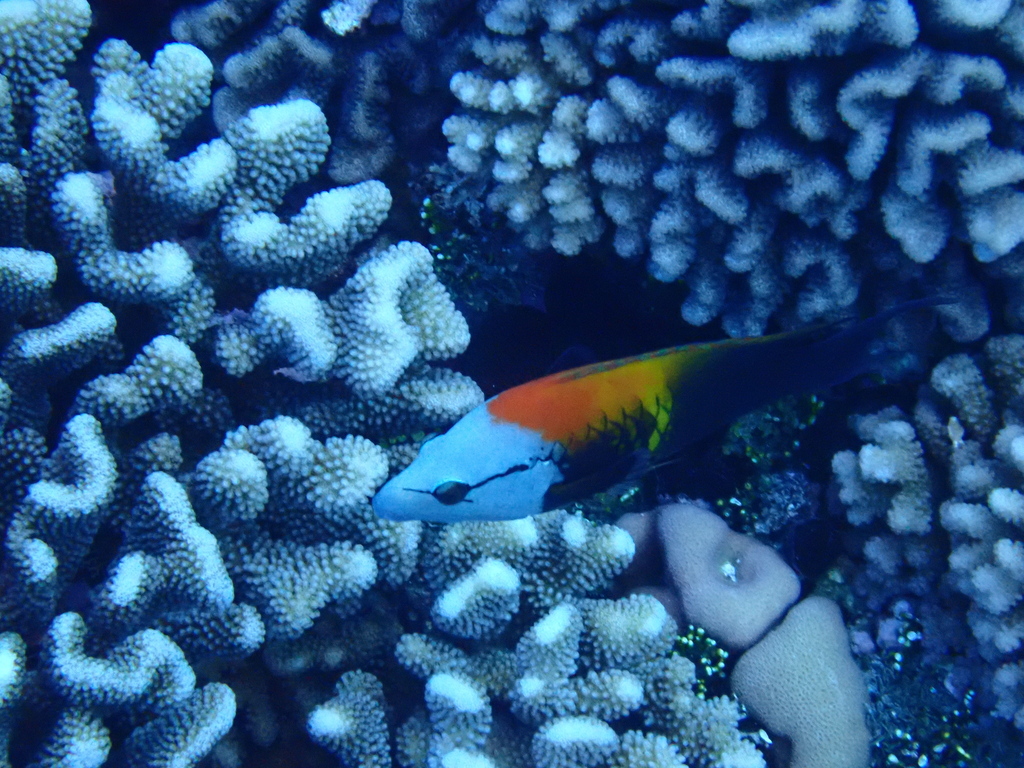
(c) Debra Baker, some rights reserved (CC BY) · CC BY · iNaturalist 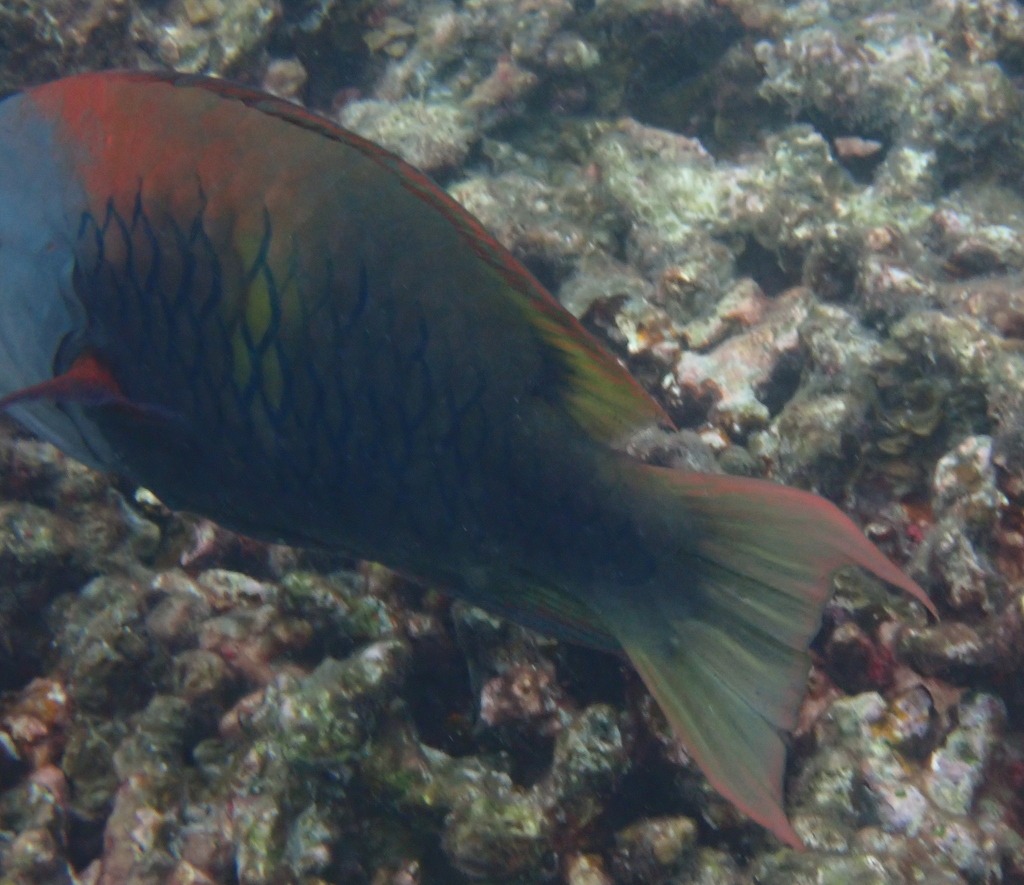
(c) Jan Ebr & Ivana Ebrová, some rights reserved (CC BY) · CC BY · iNaturalist 
(c) Ditch Townsend, some rights reserved (CC BY-SA) · CC BY-SA · iNaturalist 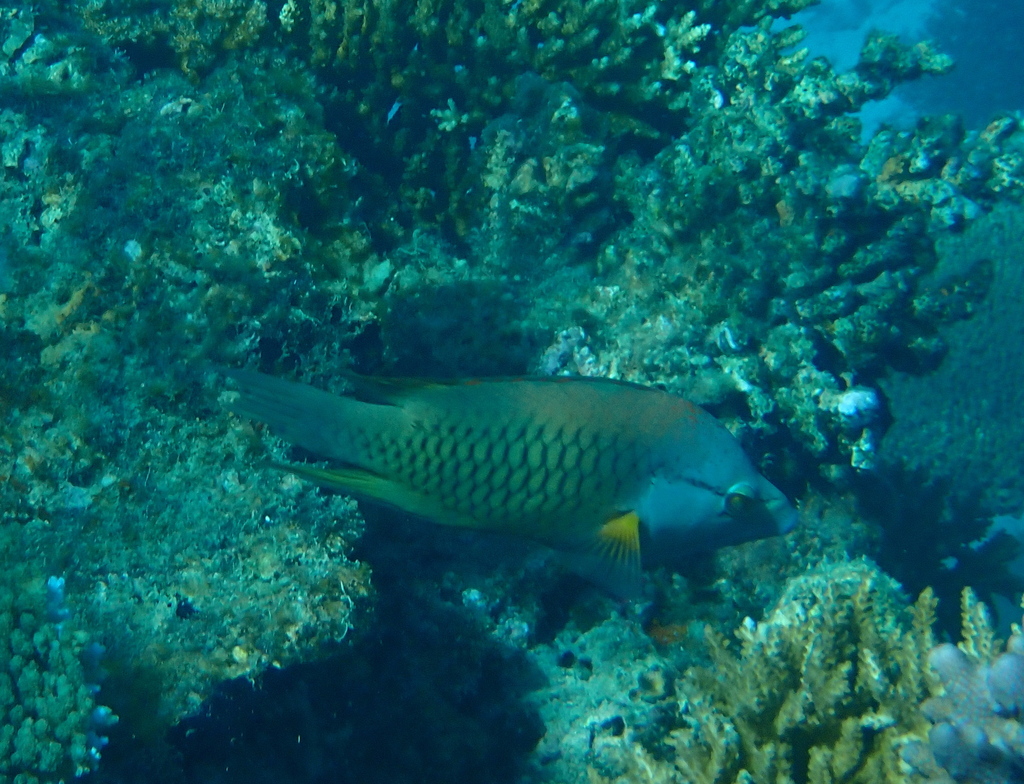
(c) Debra Baker, some rights reserved (CC BY) · CC BY · iNaturalist 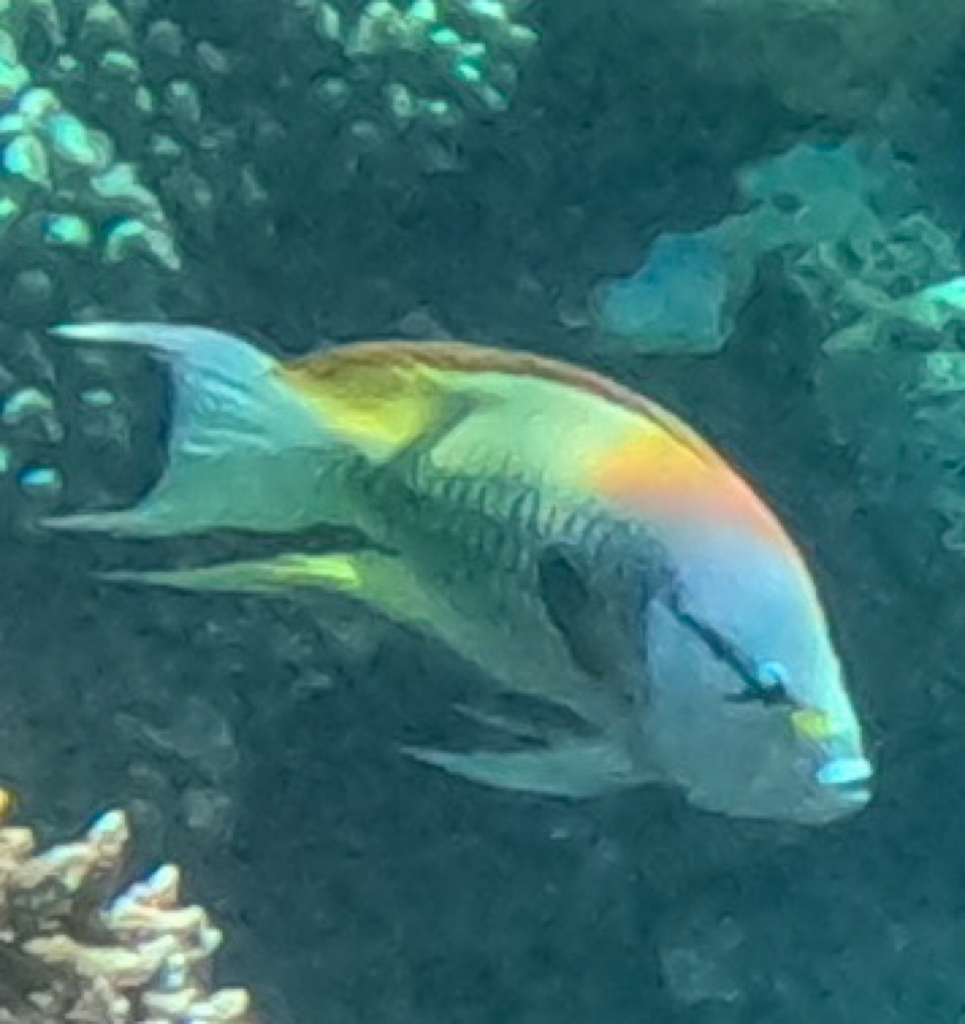
(c) Jonathan Maitrot, some rights reserved (CC BY) · CC BY · iNaturalist
Names and classification
- English
- Sling-jaw wrasse, Jawslinger, longjawed wrasse, Sling-jaw, Slingjaw, sling-jaw wrasse, Slingjaw Wrasse, Sling-jaw wrasse, Slingjaw wrasse, Telescopefish
Names in 7 more languages
- German
- Stülpmaul-Lippfisch
- Spanish
- Napoleón Bocón, Vieja Guramí
- Filipino
- Bankilan, Bunak, Bungat, Isdang bato, Mameng
- French
- Canard, Épibule gourami, Épibule Trompeur, Labre insidieux, Labre Traître
- Japanese
- Gichibera, ギチベラ
- Thai
- ปลานกขุนทองปากยื่น
- Simplified Chinese
- 伸口魚, 伸口鱼, 闊嘴郎
Other scientific names: Epibulis insidiator, Epibulus striatus, Sparus insidiator
Similar species
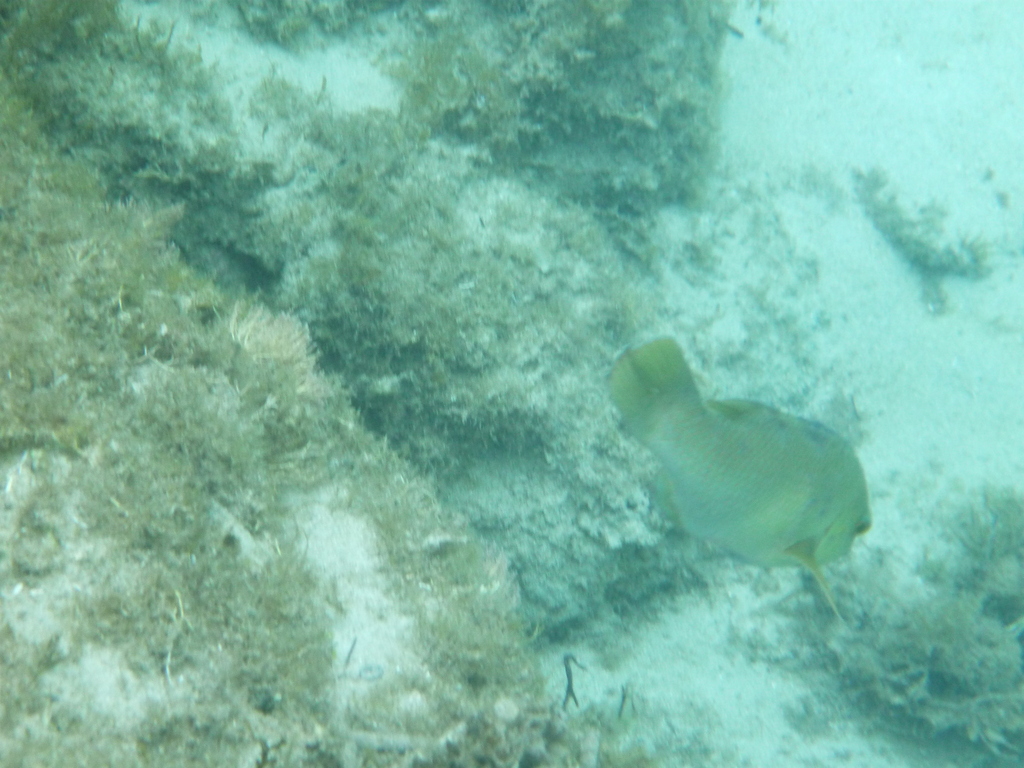
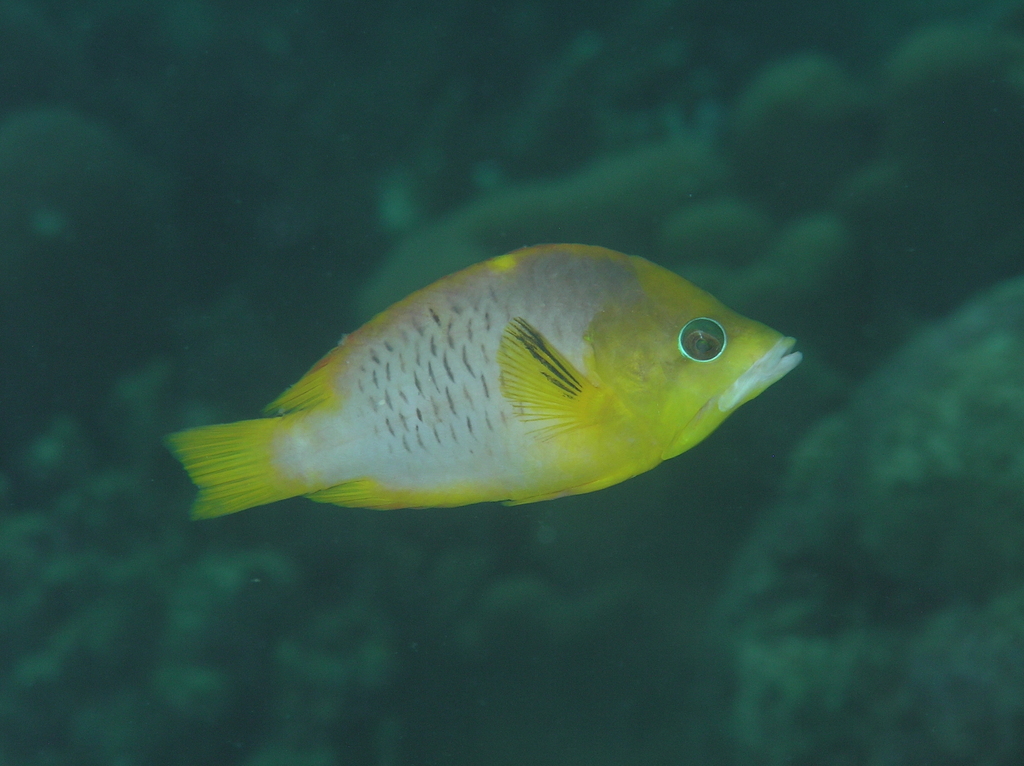 Dwarf Slingjaw Wrasse
Epibulus brevis
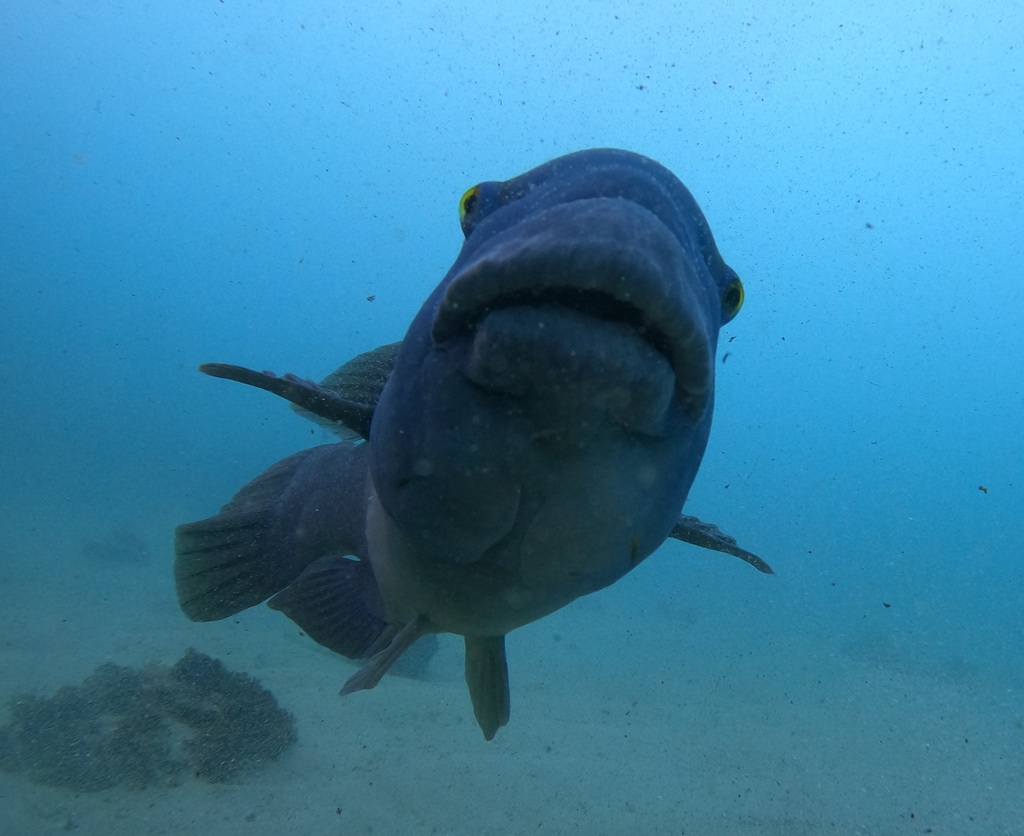
 Blue Groper
Achoerodus gouldii
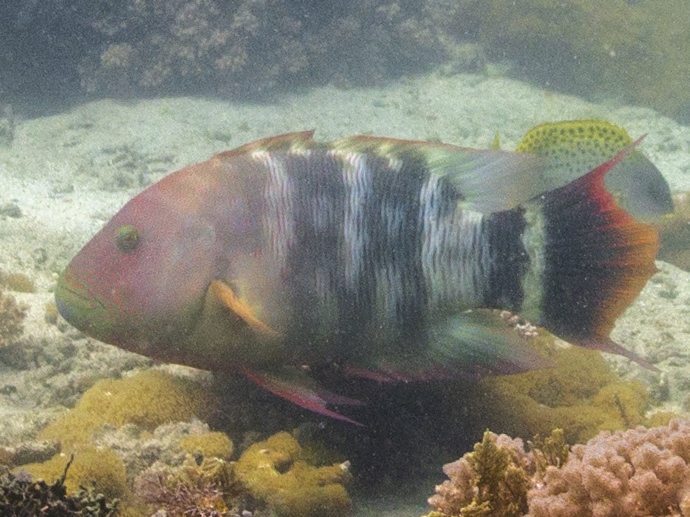
 Blue Groper
Achoerodus viridis
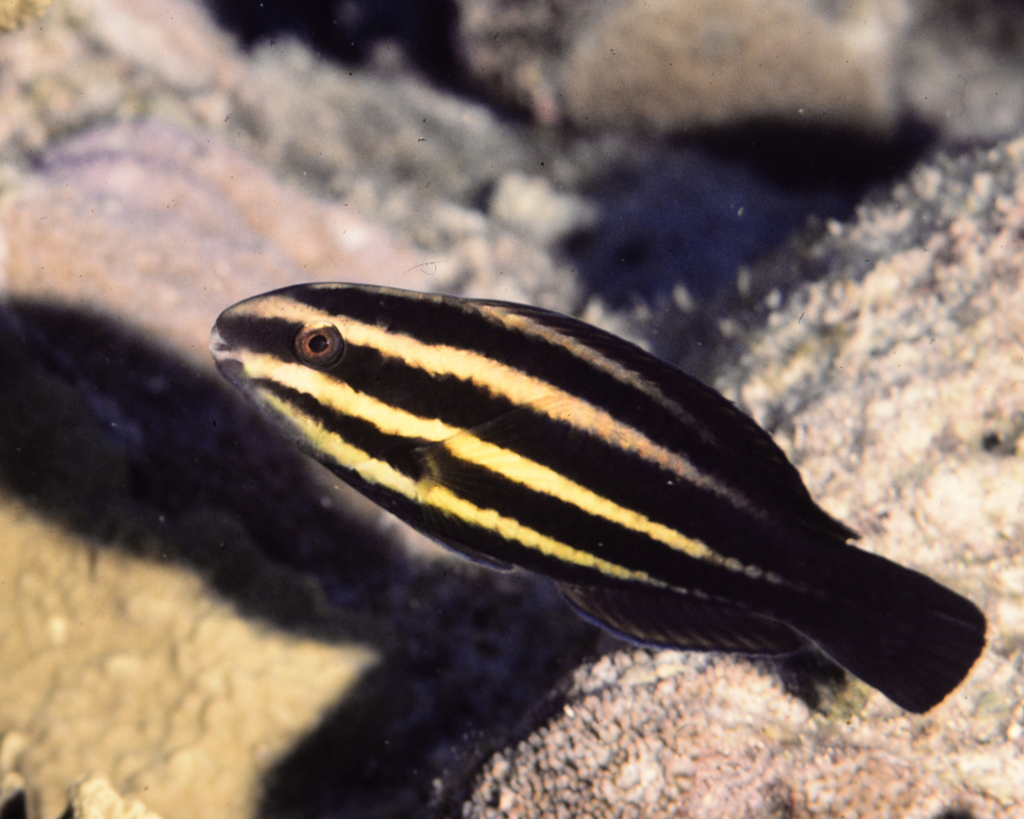
 Tripletail wrasse
Cheilinus trilobatus
 Blunt-head Parrotfish
Chlorurus microrhinos
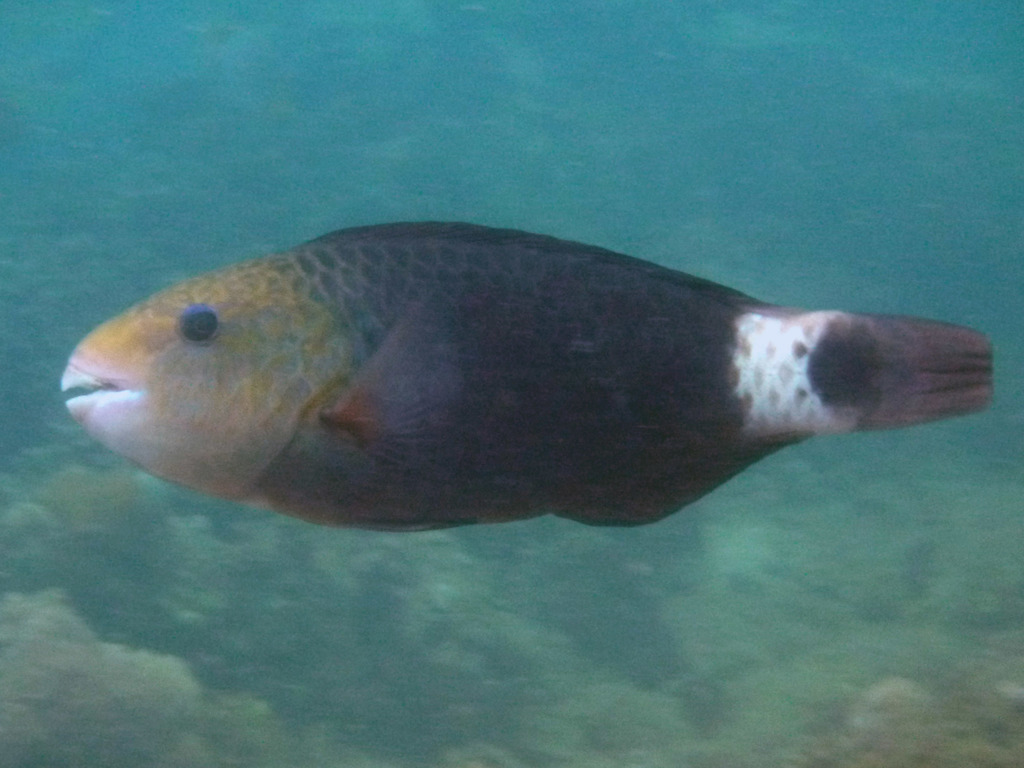 bullethead parrotfish
Chlorurus sordidus
Sources and credits
Names and taxonomy: WoRMS (CC BY 4.0) and the GBIF Backbone (CC BY 4.0). Photos: iNaturalist observers, each under the licence shown (CC0, CC BY or CC BY-SA).
- Depth, temperature, months and maps: records from OBIS and GBIF under CC0 or CC BY.
- Descriptions: Wikipedia, licensed CC BY-SA, each linked to its article.
- Conservation status as published by GBIF (IUCN Red List).
- 6,521 open-data records from 1902 to 2023.
- Species data updated October 26, 2026.
Log what you see on your next dive
The free DiveHive diver app keeps your logbook with every sighting and shows what lives at the site you dive next.