
Summan grouper
Epinephelus summana
- Usual depth1–31 m
- Water temperature25–30 °C
- Best monthsFebruary, April, and August
- How commonRare
About this species
Epinephelus summana, the summan grouper, is a species of marine ray-finned fish, a grouper from the subfamily Epinephelinae which is part of the family Serranidae, which also includes the anthias and sea basses. It comes from the Eastern Indian Ocean that occasionally makes its way into the aquarium trade.
Text from the Wikipedia article “Epinephelus summana”, licensed CC BY-SA 4.0. Read the article
Where and when
Where it has been recorded
Worldwide
Loading the map
Best months
Worldwide (open data)
- January: 1 records
- February: 3 records
- March: 2 records
- April: 5 records
- May: 2 records
- June: 3 records
- July: 1 records
- August: 5 records
- September: 1 records
- October: 1 records
- November: 1 records
- December: 0 records
Depth and water temperature
Depth
Mostly recorded at 1–31 m · Deepest record: 37 m
Water temperature
Recorded in surface water of 25–30 °C
Names and classification
- English
- Summan grouper, Edgeblack Grouper, Suman Grouper, summan grouper
Names in 4 more languages
- Spanish
- Mero Suman
- Filipino
- Kulapo
- French
- Merou Summan, Mérou summan, Vieille Plate
- Simplified Chinese
- 白星石斑
Other scientific names: Epinephalus summana, Epinephelus sunmana, Perca summana, Sebastes meleagris, Serranus leucostigma
Similar species
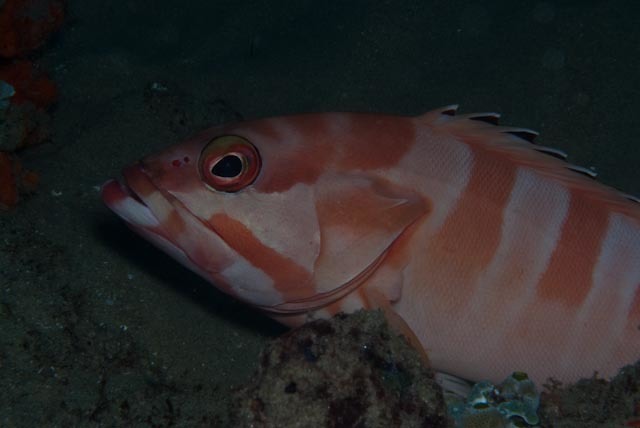 Blacktip grouper
Epinephelus fasciatus
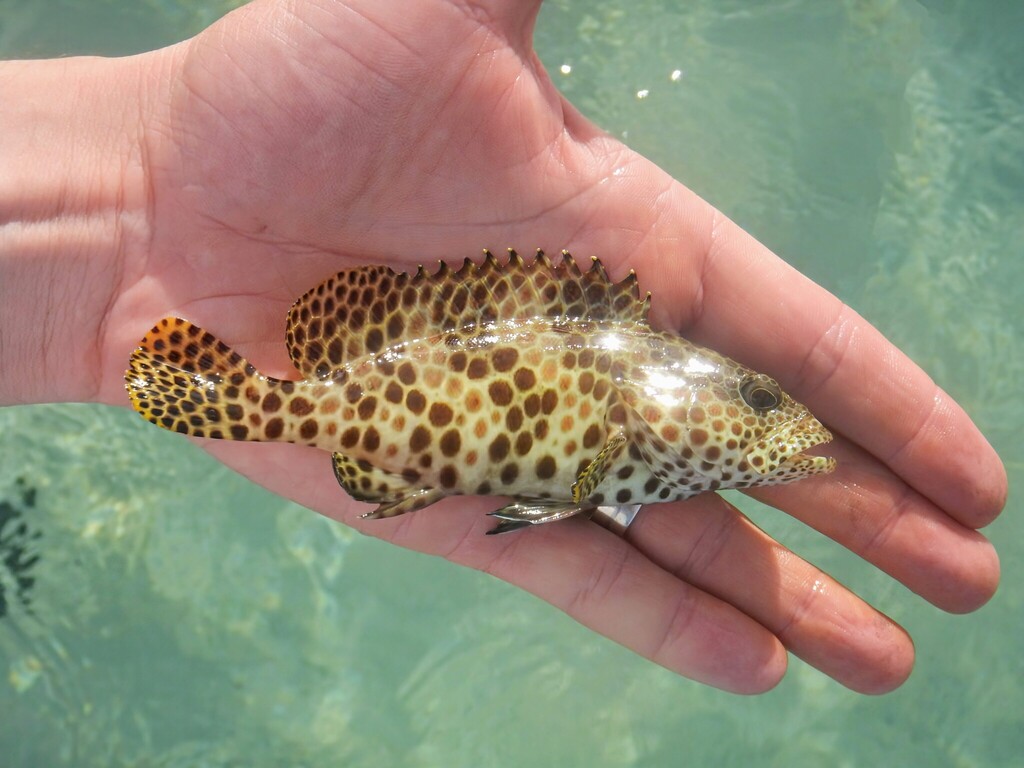 Honeycomb grouper
Epinephelus merra
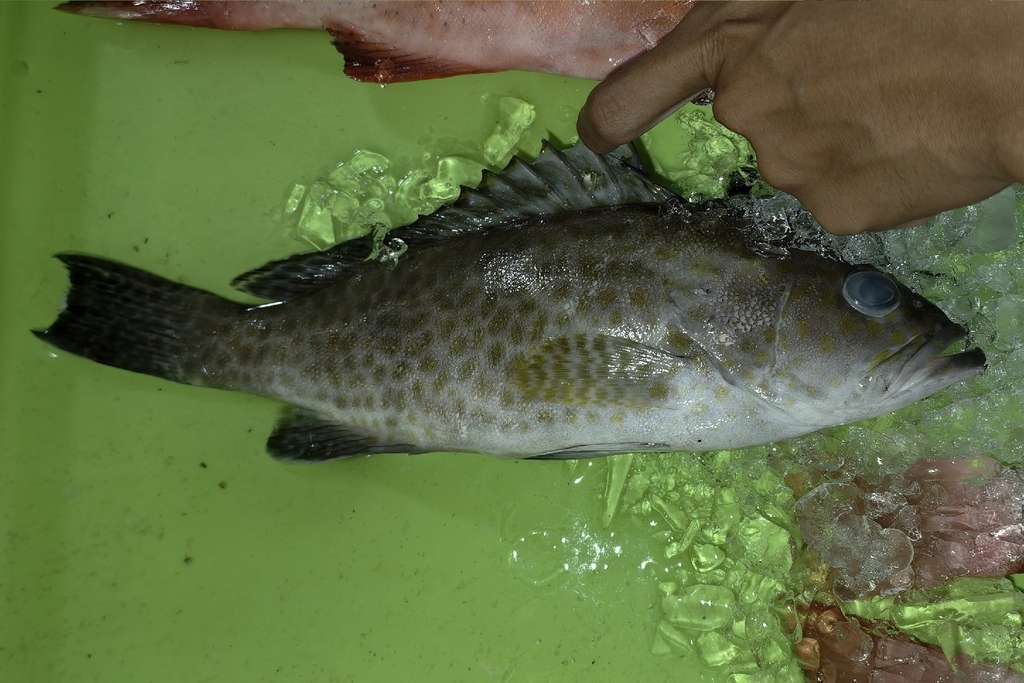 Areolate grouper
Epinephelus areolatus
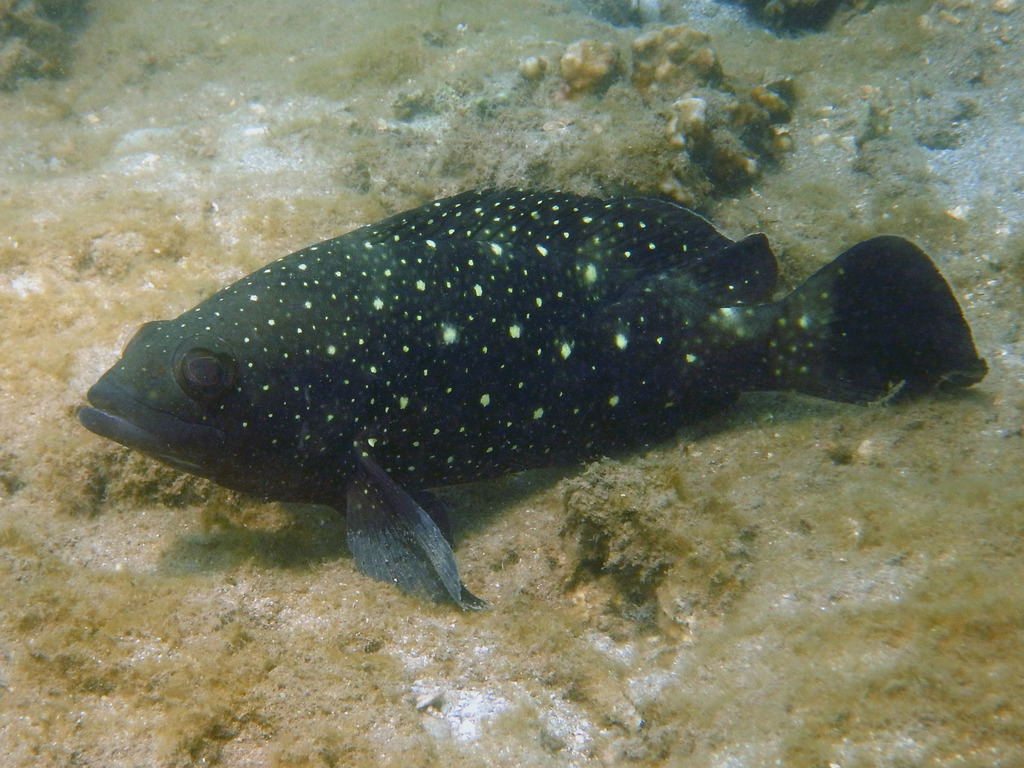 Garrupa
Epinephelus coeruleopunctatus
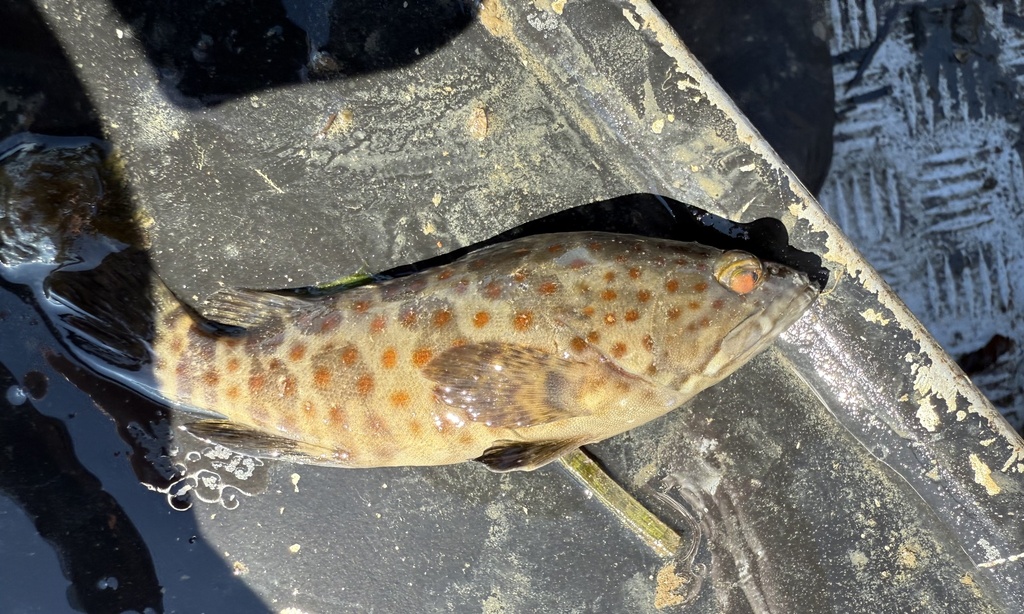 Orange-spotted grouper
Epinephelus coioides
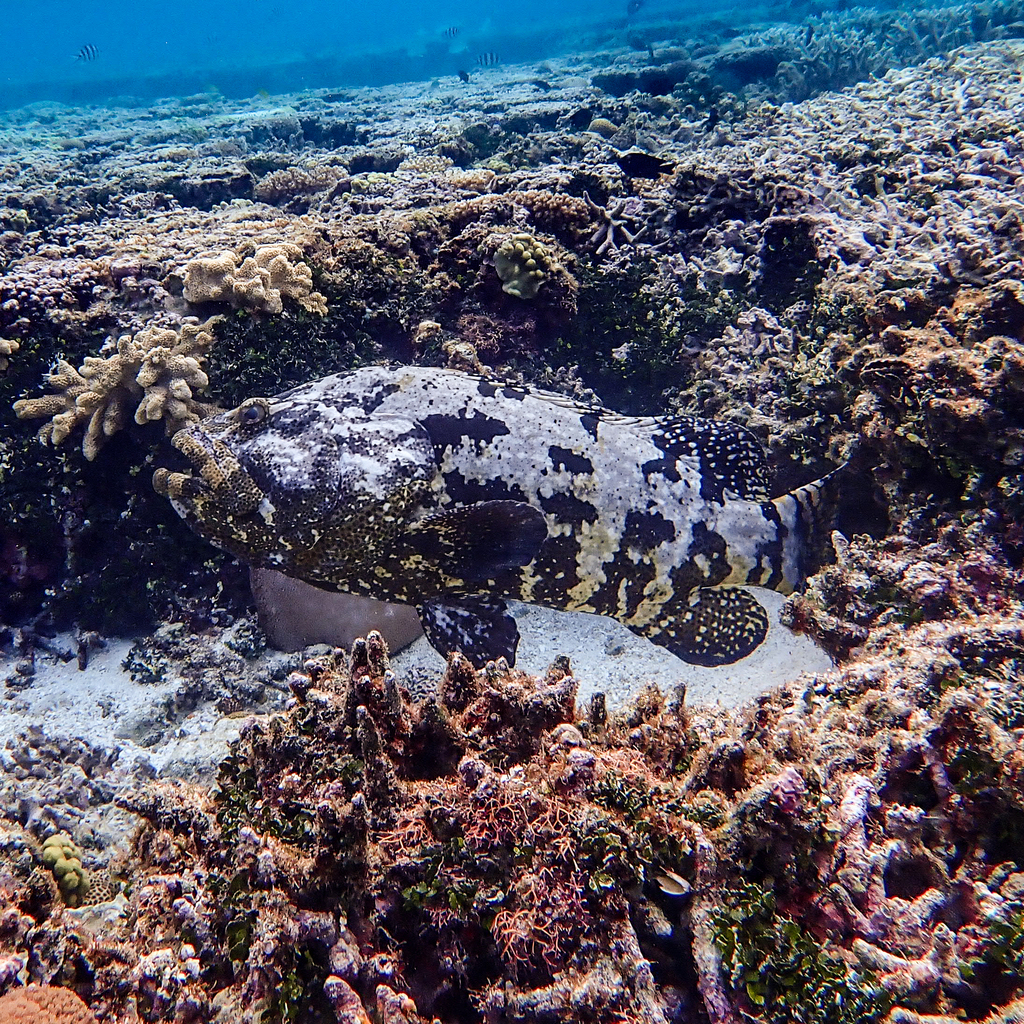 Brown-marbled grouper
Epinephelus fuscoguttatus
Sources and credits
Names and taxonomy: WoRMS (CC BY 4.0) and the GBIF Backbone (CC BY 4.0). Photos: iNaturalist observers, each under the licence shown (CC0, CC BY or CC BY-SA).
- Depth, temperature, months and maps: records from OBIS and GBIF under CC0 or CC BY.
- Descriptions: Wikipedia, licensed CC BY-SA, each linked to its article.
- Conservation status as published by GBIF (IUCN Red List).
- 93 open-data records from 1775 to 2013.
Log what you see on your next dive
The free DiveHive diver app keeps your logbook with every sighting and shows what lives at the site you dive next.