
Leopard blenny
Exallias brevis
- Usual depth3–16 m
- Water temperature24–30 °C
- Best monthsMarch, August, and September
- How commonOccasional
About this species
Exallias brevis, the leopard blenny, is a species of combtooth blenny found in coral reefs in the Pacific and Indian oceans. This species can be found in the aquarium trade and is the only known member of its genus.
Text from the Wikipedia article “Exallias”, licensed CC BY-SA 4.0. Read the article
Where and when
Where it has been recorded
Worldwide
Loading the map
Best months
Worldwide (open data)
- January: 8 records
- February: 81 records
- March: 113 records
- April: 66 records
- May: 48 records
- June: 47 records
- July: 66 records
- August: 111 records
- September: 123 records
- October: 82 records
- November: 17 records
- December: 3 records
Depth and water temperature
Depth
Mostly recorded at 3–16 m · Deepest record: 100 m
Water temperature
Recorded in surface water of 24–30 °C
Names and classification
- English
- Leopard blenny, Shortbodied blenny, leopard blenny, leopard rockskipper, Leopard Rock Skipper, pao'o kauila, Pink-spotted Blenny, shortbodied blenny, Spotted Coral Blenny
Names in 5 more languages
- German
- Leoparden-Schleimfisch
- Spanish
- Blenio Pantera
- French
- Blennie léopard, Blennie-léopard
- Japanese
- Sedakagimpo, セダカギンポ
- Simplified Chinese
- 短多鬚鳚
Other scientific names: Cirripectes leopardus, Exalia brevis, Exalias brevis, Salarias brevis, Salarias leopardus
Similar species
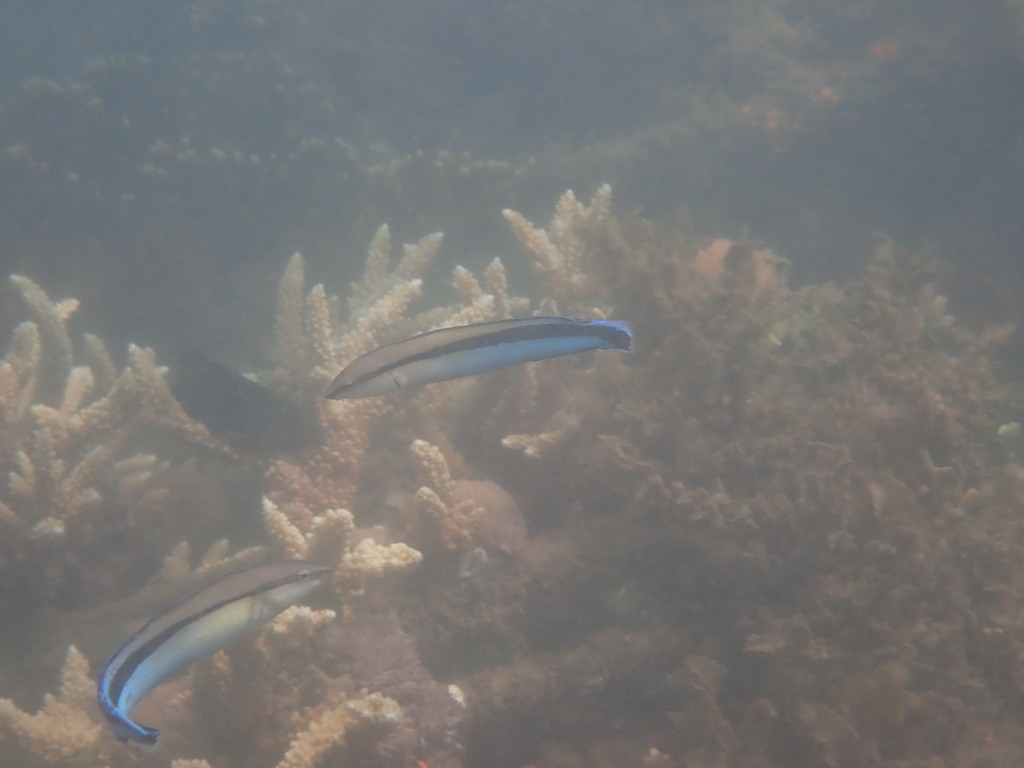 Mimic blenny
Aspidontus taeniatus
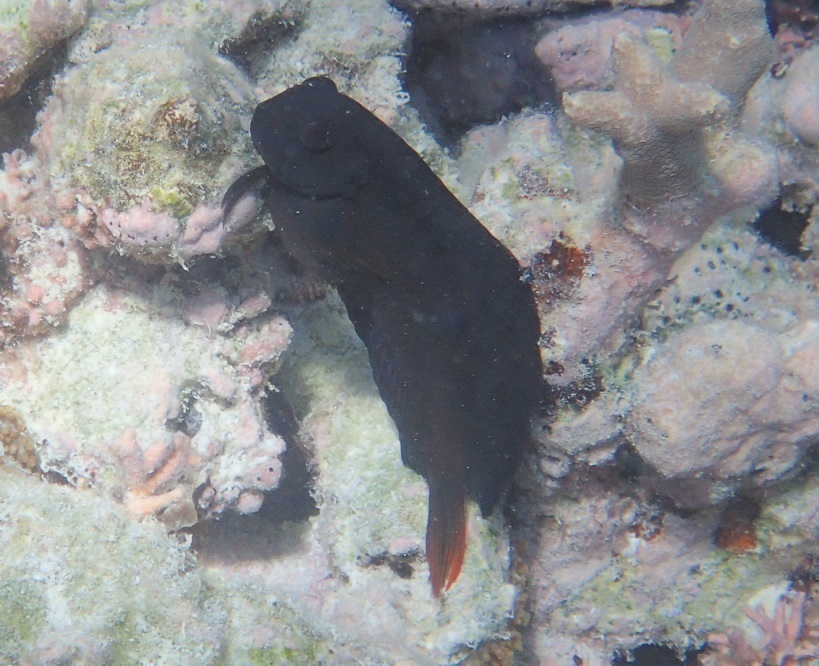 Black Blenny
Atrosalarias holomelas
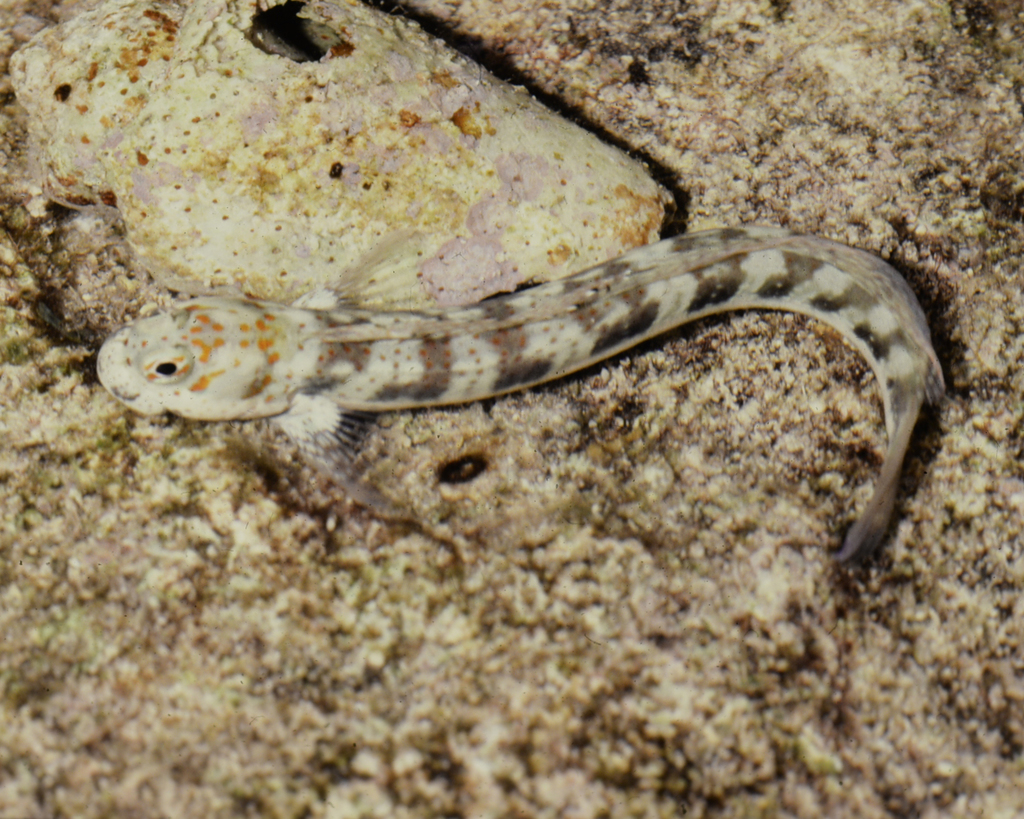 Bluespotted Blenny
Blenniella chrysospilos
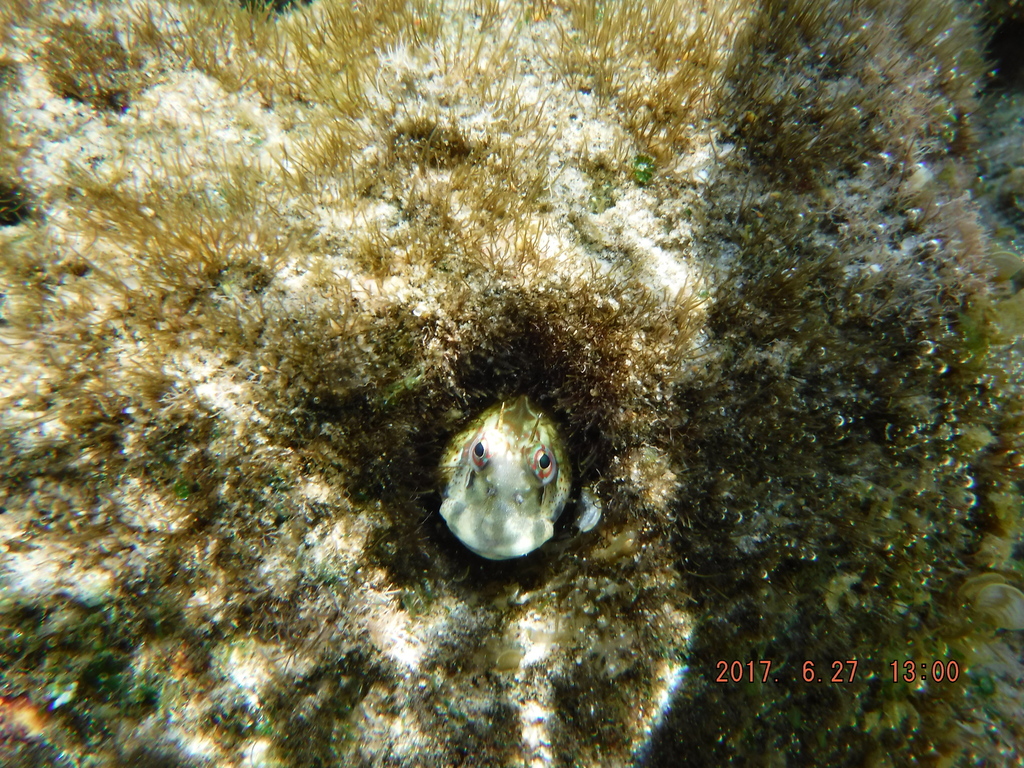 Blue-dashed rockskipper
Blenniella periophthalmus
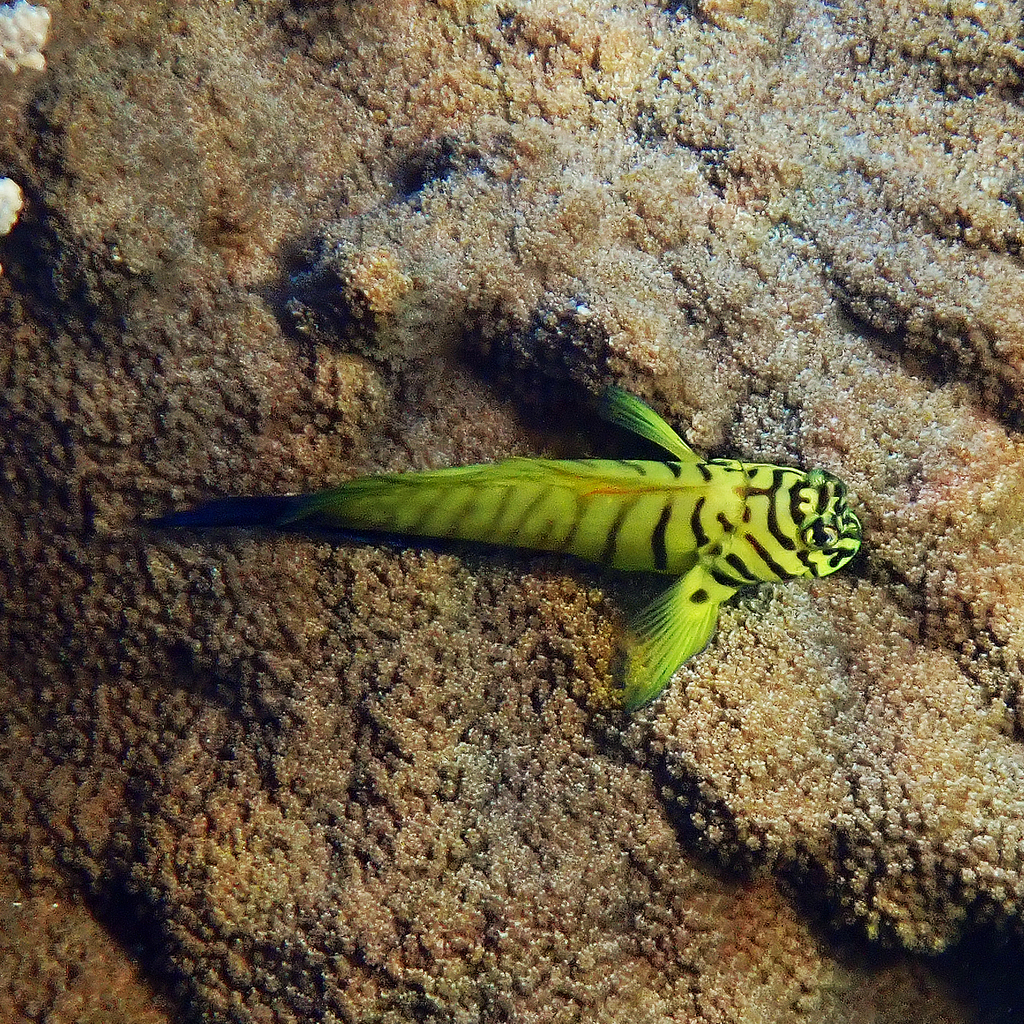 Chestnut blenny
Cirripectes castaneus
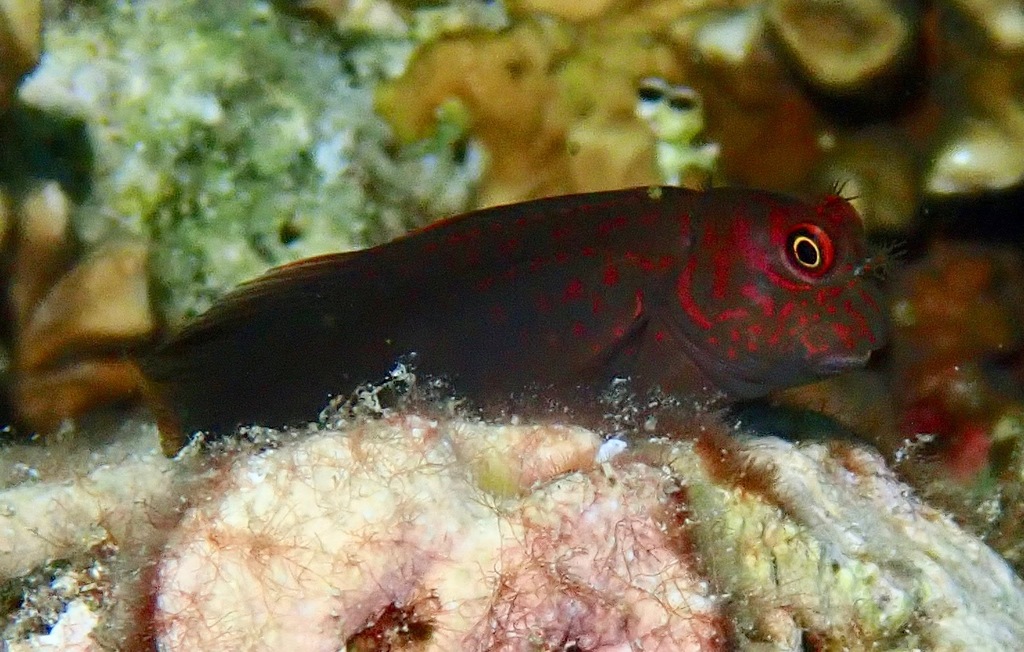 Filamentous blenny
Cirripectes filamentosus
Sources and credits
Names and taxonomy: WoRMS (CC BY 4.0) and the GBIF Backbone (CC BY 4.0). Photos: iNaturalist observers, each under the licence shown (CC0, CC BY or CC BY-SA).
- Depth, temperature, months and maps: records from OBIS and GBIF under CC0 or CC BY.
- Descriptions: Wikipedia, licensed CC BY-SA, each linked to its article.
- Conservation status as published by GBIF (IUCN Red List).
- 1,270 open-data records from 1868 to 2023.
Log what you see on your next dive
The free DiveHive diver app keeps your logbook with every sighting and shows what lives at the site you dive next.