
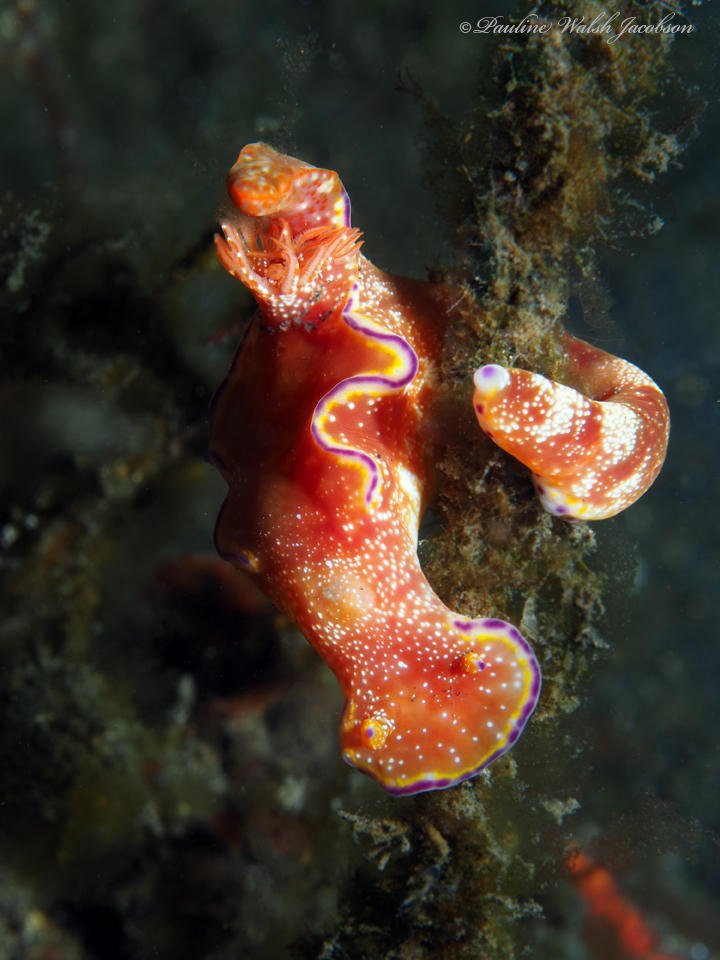
Girdled Glossodoris
Glossodoris cincta
- Usual depth3–26 m
- Water temperature19–30 °C
- Best monthsApril, June, and September
- How commonRare
About this species
Glossodoris cincta is a species of sea slug, a dorid nudibranch, a shell-less marine gastropod mollusk in the family Chromodorididae. This name has been extensively used for a group of similarly coloured species, some of which are unnamed.
Text from the Wikipedia article “Glossodoris cincta”, licensed CC BY-SA 4.0. Read the article
Where and when
Where it has been recorded
Worldwide
Loading the map
Best months
Worldwide (open data)
- January: 21 records
- February: 23 records
- March: 35 records
- April: 46 records
- May: 37 records
- June: 43 records
- July: 27 records
- August: 34 records
- September: 41 records
- October: 38 records
- November: 36 records
- December: 35 records
Depth and water temperature
Depth
Mostly recorded at 3–26 m · Deepest record: 82 m
Water temperature
Recorded in surface water of 19–30 °C
Names and classification
- English
- Girdled Glossodoris, Powdered Nudibranch
Names in 4 more languages
- French
- Glossodoris à liseré
- Japanese
- チャイロウミウシ, モンジャウミウシ
- Thai
- ทากเปลือยลิ้นแดง
- Simplified Chinese
- 腰帶多彩海牛, 腰帶多彩海蛞蝓
Other scientific names: Casella cincta, Casella foxi
Similar species
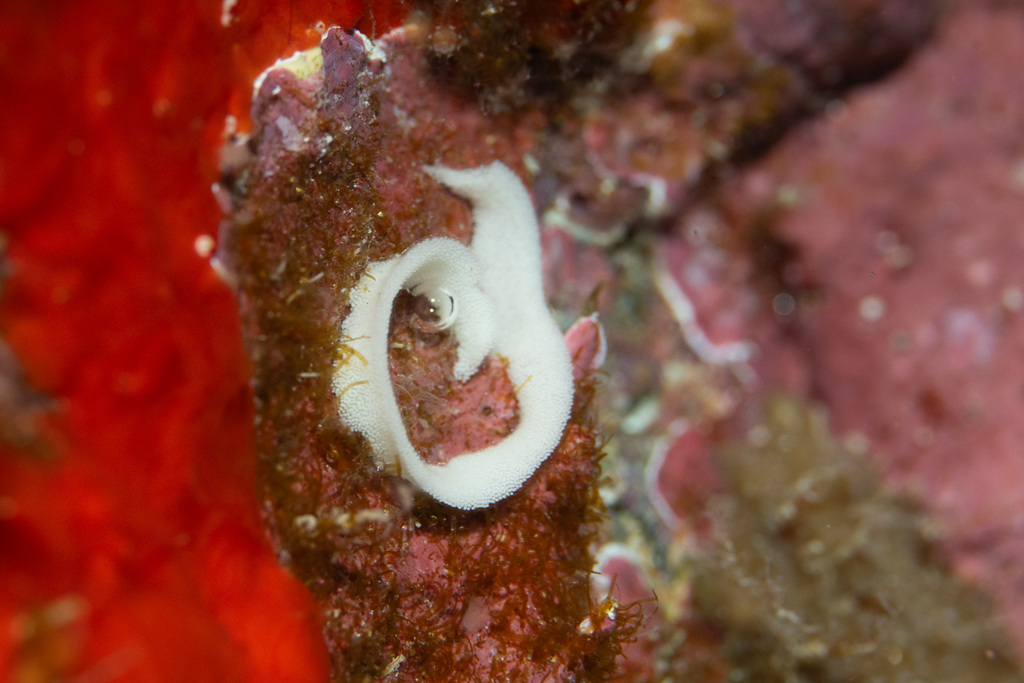 Caramel Nudibranch
Glossodoris rufomarginata
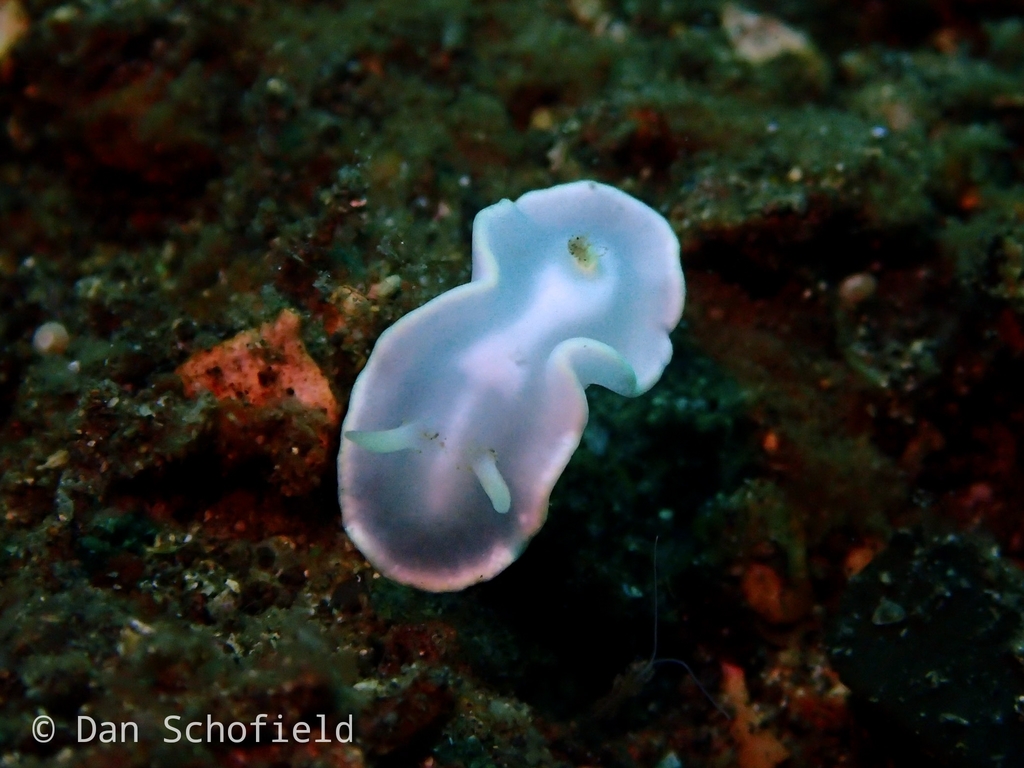 White Mantle Glossodoris
Glossodoris buko
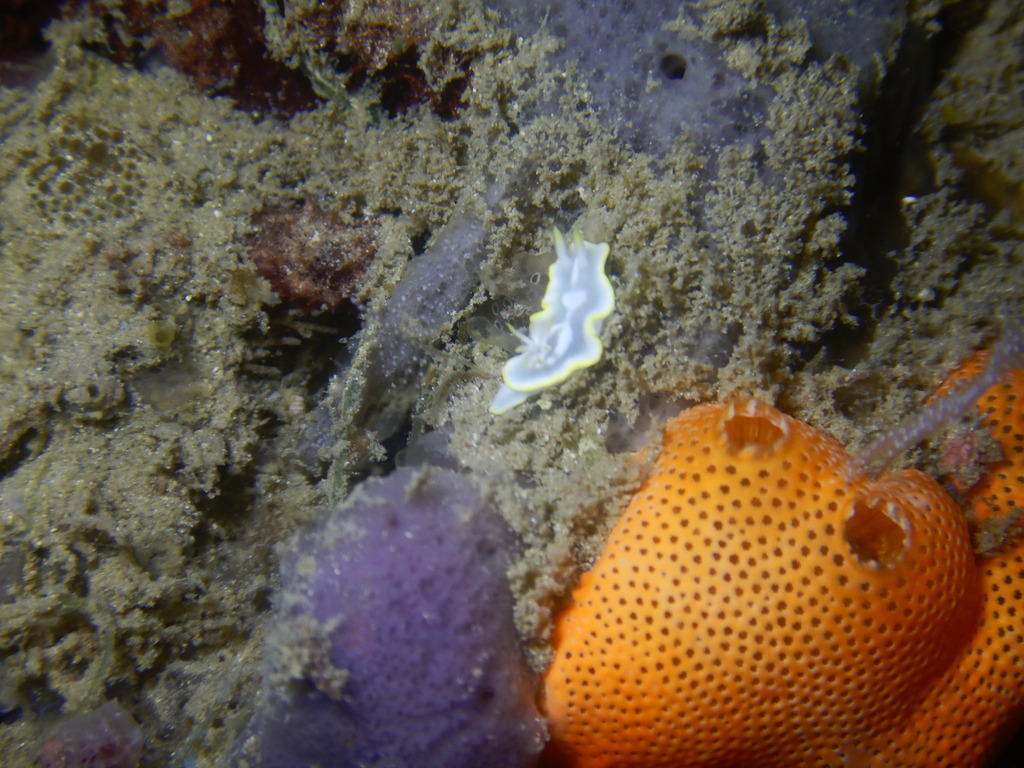 White-patched Rainbow Dorid
Glossodoris pallida
- Pastel Rainbow Dorid
Glossodoris hikuerensis
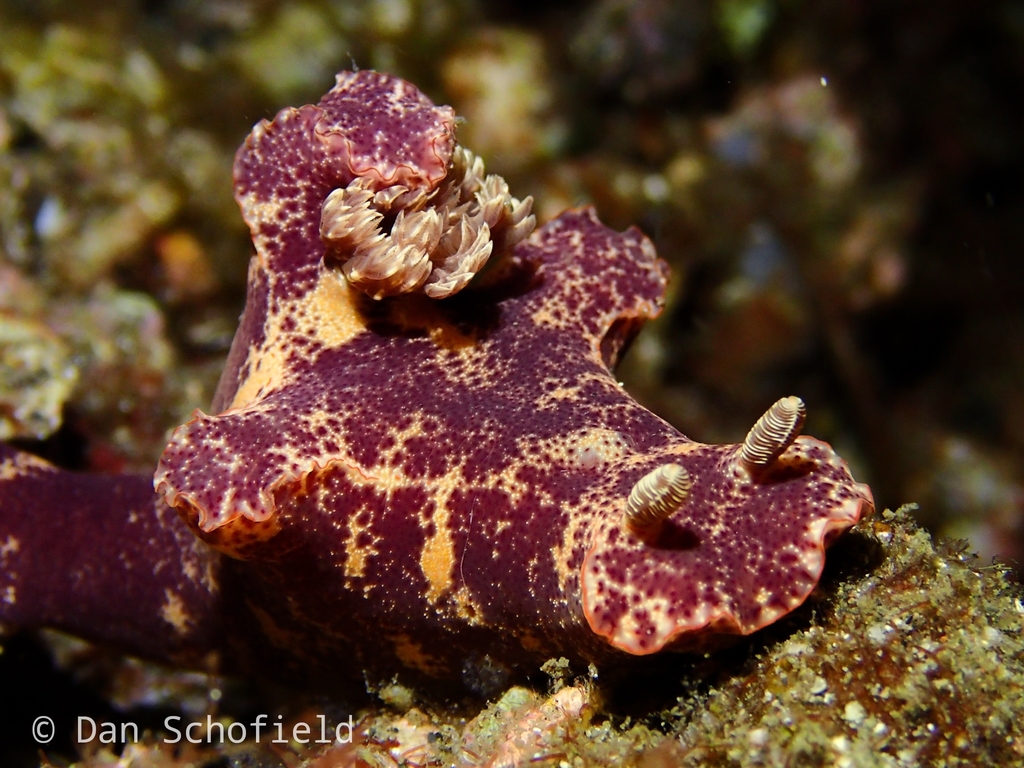 Slender ceratosoma nudibranch
Ceratosoma gracillimum
 Elongate Pantechnicon Dorid
Ceratosoma tenue
Sources and credits
Names and taxonomy: WoRMS (CC BY 4.0) and the GBIF Backbone (CC BY 4.0). Photos: iNaturalist observers, each under the licence shown (CC0, CC BY or CC BY-SA).
- Depth, temperature, months and maps: records from OBIS and GBIF under CC0 or CC BY.
- Descriptions: Wikipedia, licensed CC BY-SA, each linked to its article.
- Conservation status as published by GBIF (IUCN Red List).
- 483 open-data records from 1888 to 2025.
- Species data updated October 26, 2026.
Log what you see on your next dive
The free DiveHive diver app keeps your logbook with every sighting and shows what lives at the site you dive next.