
Bird wrasse
Gomphosus varius
- Usual depth4–20 m
- Water temperature23–30 °C
- Best monthsFebruary, March, and April
- How commonCommon
About this species
The bird wrasse, Gomphosus varius, is a species of the wrasse family.
Text from the Wikipedia article “Gomphosus varius”, licensed CC BY-SA 4.0. Read the article
Where and when
Where it has been recorded
Worldwide
Loading the map
Best months
Worldwide (open data)
- January: 551 records
- February: 1,893 records
- March: 2,528 records
- April: 2,534 records
- May: 964 records
- June: 953 records
- July: 1,282 records
- August: 1,399 records
- September: 1,419 records
- October: 1,077 records
- November: 184 records
- December: 27 records
Depth and water temperature
Depth
Mostly recorded at 4–20 m · Deepest record: 46 m
Water temperature
Recorded in surface water of 23–30 °C
Names and classification
- English
- Bird wrasse, birdfish, Bird-nose Wrasse, Birdnose Wrasse, bird wrasse, Brown Bird Wrasse, Clubnosed Wrasse, Olive Club-nosed Wrasse, Pacific Bird Wrasse, Purple club-nosed wrasse, Purple Wrasse
Names in 6 more languages
- German
- Grüner Vogel-Lippfisch
- Spanish
- Lábrido nariz de pájaro, Vieja trompetera
- Filipino
- Bankilan, Bunak, Bungat, Isdang bato, Mameng, Maming
- French
- Labre-oiseau, Labre-oiseau du Pacifique, Perroquet, Poisson Oiseau
- Japanese
- Kugibera, クギベラ
- Simplified Chinese
- 三色尖嘴魚, 出角鳥, 尖嘴龍, 杂色尖嘴鱼, 染色尖嘴魚, 突吻鸚鯛, 雜色尖嘴魚, 鳥仔魚, 鳥鸚鯛
Other scientific names: Gomphorus varius, Gomphosus tricolor
Similar species
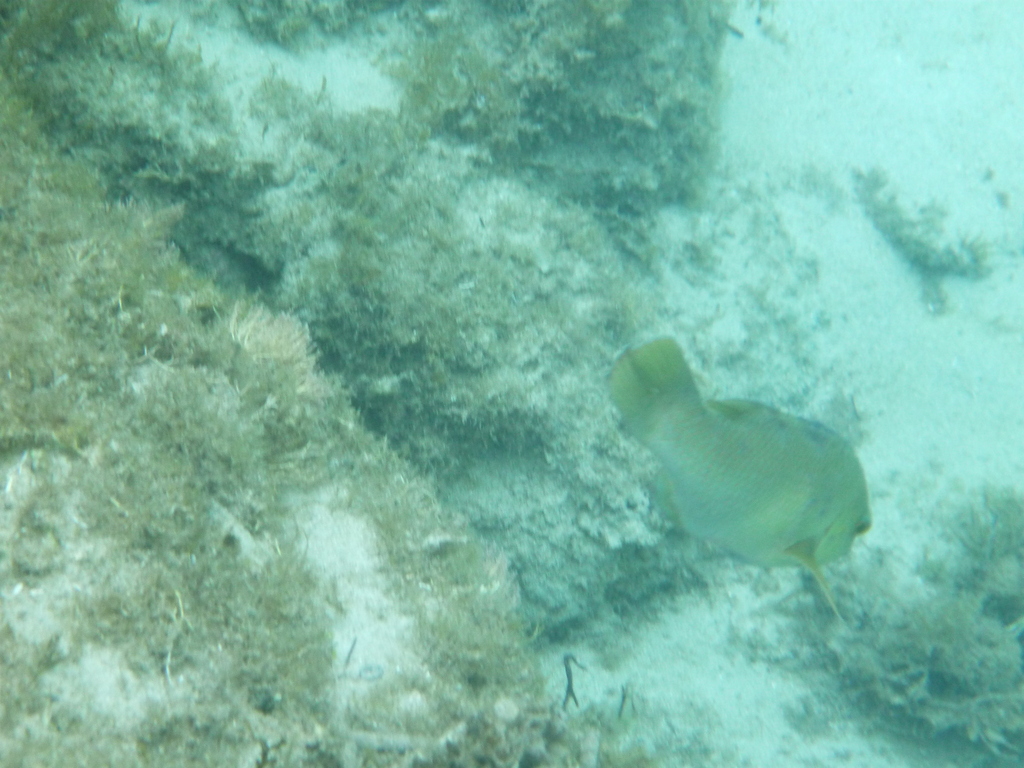 Blue Groper
Achoerodus gouldii
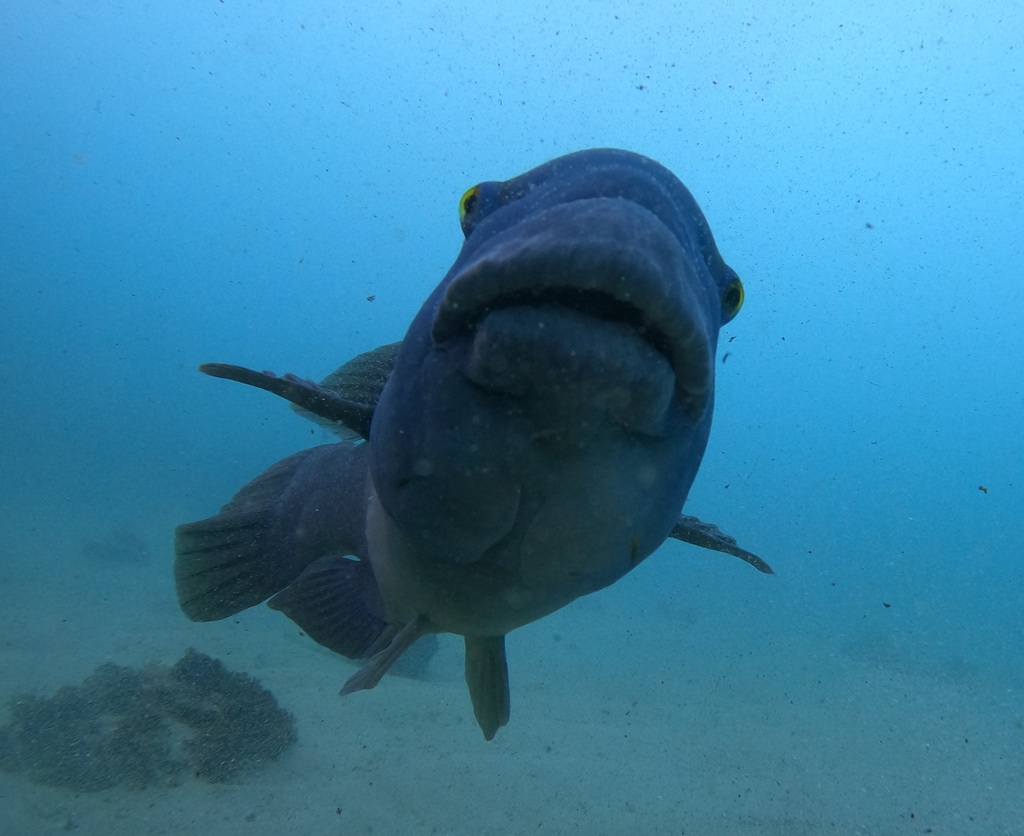 Blue Groper
Achoerodus viridis
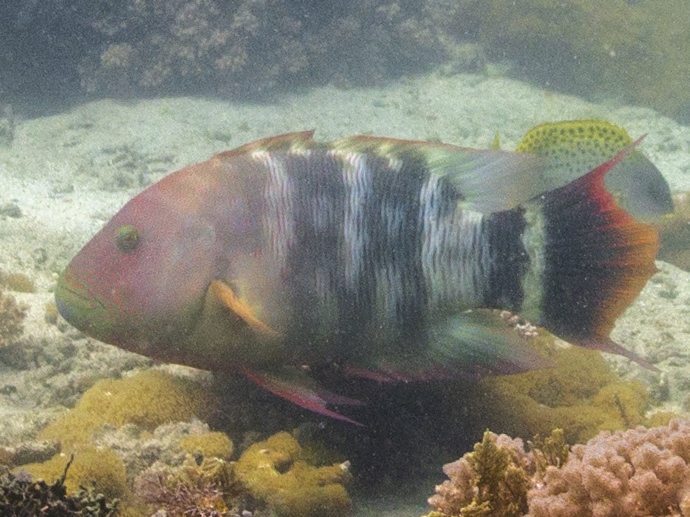 Tripletail wrasse
Cheilinus trilobatus
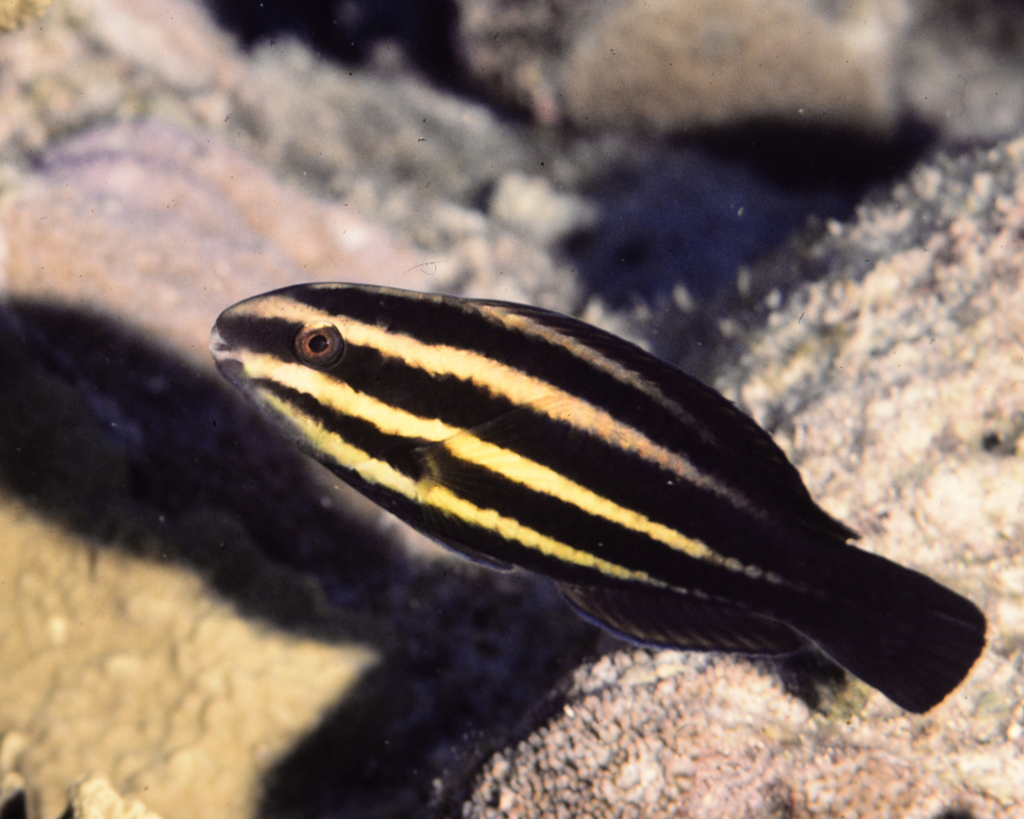 Blunt-head Parrotfish
Chlorurus microrhinos
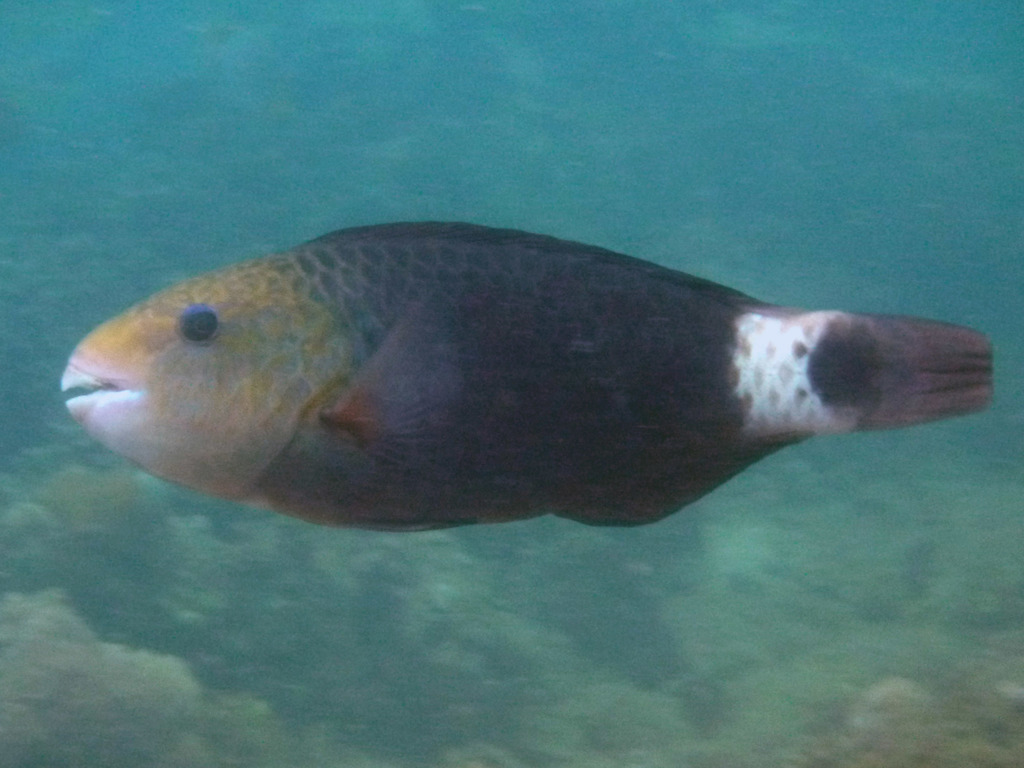 bullethead parrotfish
Chlorurus sordidus
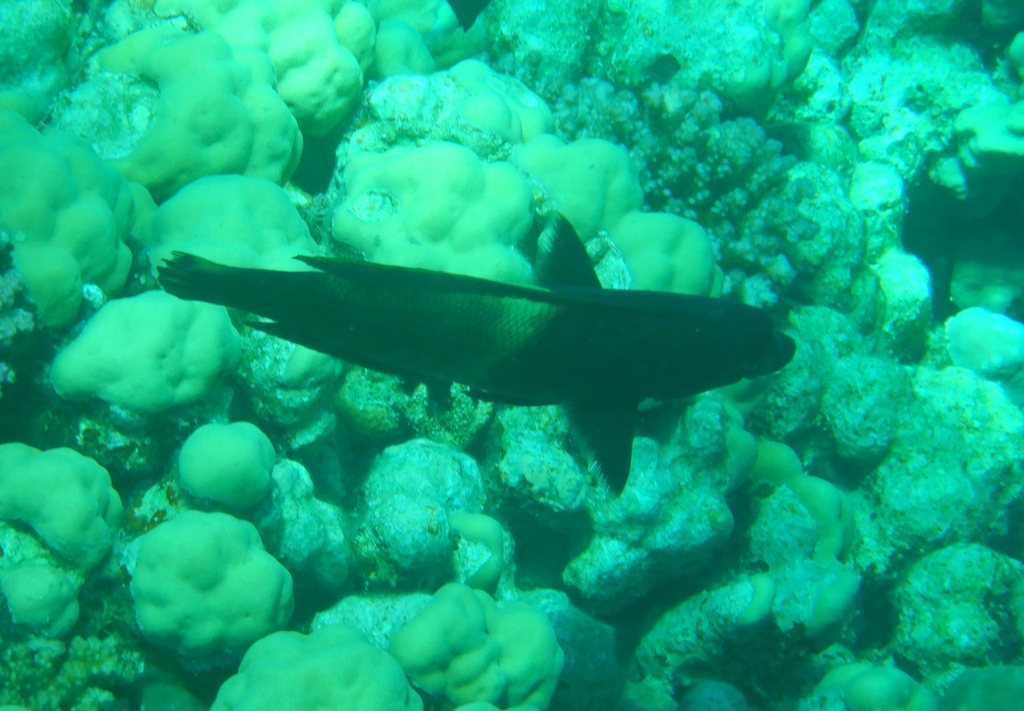 Clown wrasse
Coris aygula
Sources and credits
Names and taxonomy: WoRMS (CC BY 4.0) and the GBIF Backbone (CC BY 4.0). Photos: iNaturalist observers, each under the licence shown (CC0, CC BY or CC BY-SA).
- Depth, temperature, months and maps: records from OBIS and GBIF under CC0 or CC BY.
- Descriptions: Wikipedia, licensed CC BY-SA, each linked to its article.
- Conservation status as published by GBIF (IUCN Red List).
- 18,754 open-data records from 1902 to 2023.
Log what you see on your next dive
The free DiveHive diver app keeps your logbook with every sighting and shows what lives at the site you dive next.