
Peppercorn Velvet Dorid
Jorunna parva
- Usual depth4–21 m
- Water temperature13–29 °C
- Best monthsFebruary, March, and April
- How commonRare
About this species
Jorunna parva, commonly known as the sea bunny, is a species of nudibranch, a shell-less marine gastropod mollusc in the family Discodorididae. The species was first described by Kikutaro Baba. Due to its resemblance to a rabbit, there was an increase in the popularity of the species on Twitter throughout Japan in 2015.
Text from the Wikipedia article “Jorunna parva”, licensed CC BY-SA 4.0. Read the article
Where and when
Where it has been recorded
Worldwide
Loading the map
Best months
Worldwide (open data)
- January: 17 records
- February: 27 records
- March: 36 records
- April: 35 records
- May: 21 records
- June: 18 records
- July: 9 records
- August: 14 records
- September: 12 records
- October: 10 records
- November: 22 records
- December: 9 records
Depth and water temperature
Depth
Mostly recorded at 4–21 m · Deepest record: 61 m
Water temperature
Recorded in surface water of 13–29 °C
Names and classification
- English
- Peppercorn Velvet Dorid, Sea Bunny, Sea Bunny Slug, Tiger Dorid
Names in 4 more languages
- French
- Jorunna naine
- Japanese
- ゴマフビロードウミウシ, ゴマフビロウドウミウシ
- Korean
- 꼬마비로드갯민숭달팽이
- Simplified Chinese
- 碎毛盤海牛, 碎毛盤海蛞蝓
Other scientific names: Thordisa parva
Similar species
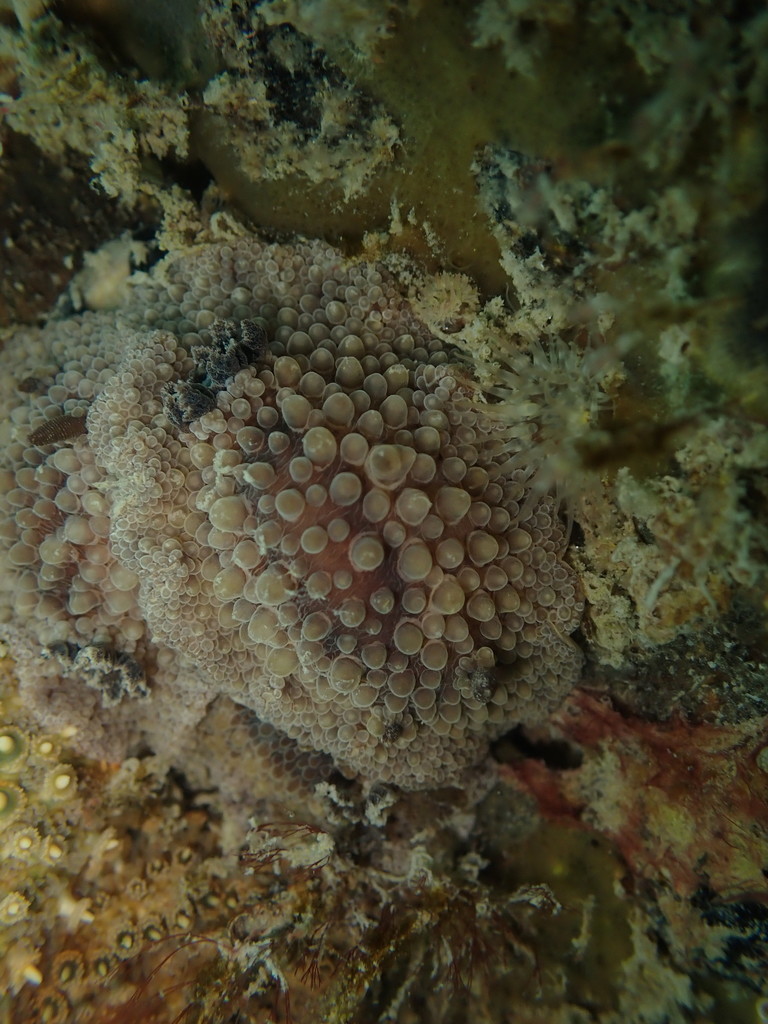
 Ringed Velvet Dorid
Jorunna funebris
- Turret Velvet Dorid
Jorunna rubescens
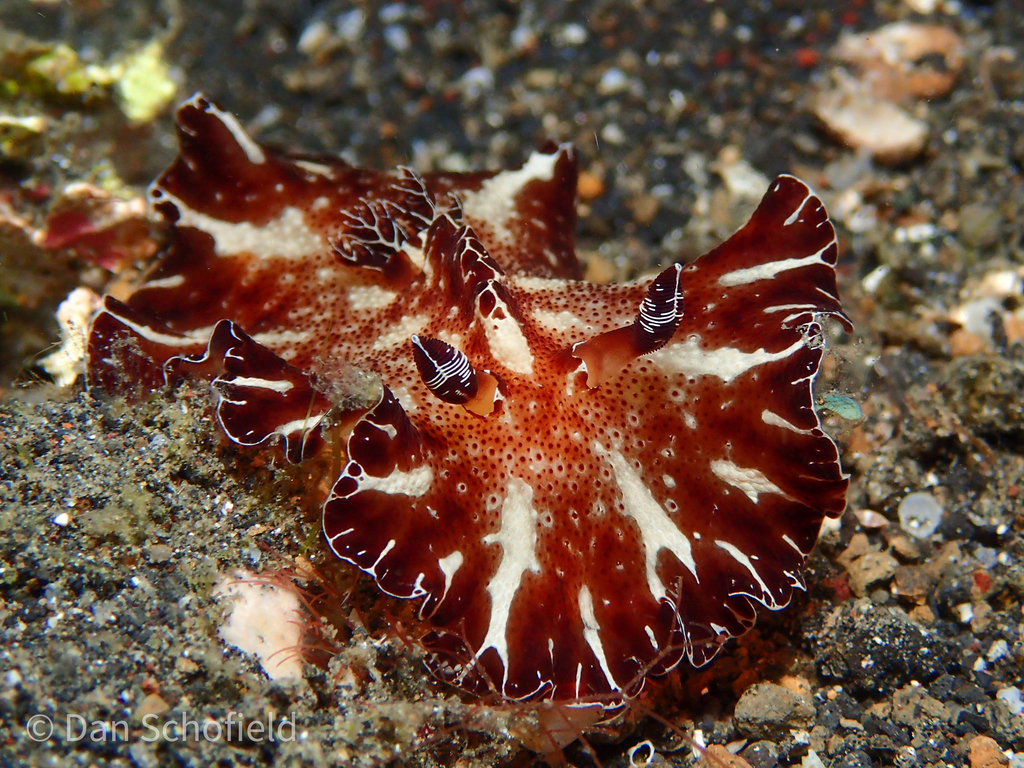 Bohol Discodoris
Discodoris boholiensis
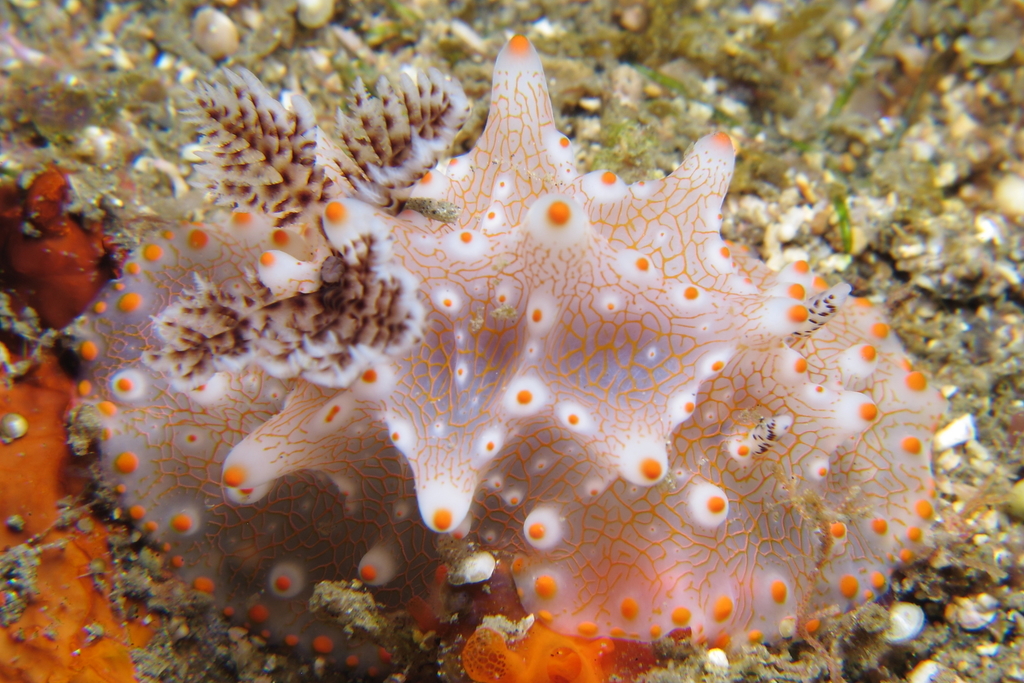 Batangas Halgerda
Halgerda batangas
Sources and credits
Names and taxonomy: WoRMS (CC BY 4.0) and the GBIF Backbone (CC BY 4.0). Photos: iNaturalist observers, each under the licence shown (CC0, CC BY or CC BY-SA).
- Depth, temperature, months and maps: records from OBIS and GBIF under CC0 or CC BY.
- Descriptions: Wikipedia, licensed CC BY-SA, each linked to its article.
- Conservation status as published by GBIF (IUCN Red List).
- 230 open-data records from 1986 to 2026.
Log what you see on your next dive
The free DiveHive diver app keeps your logbook with every sighting and shows what lives at the site you dive next.