
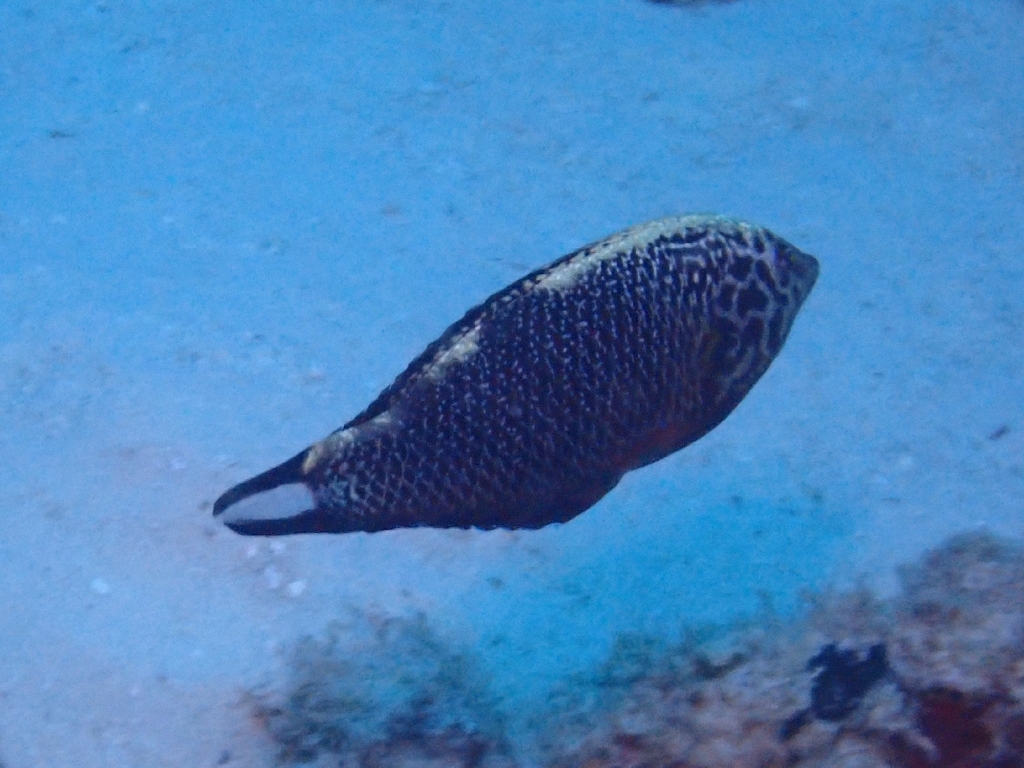
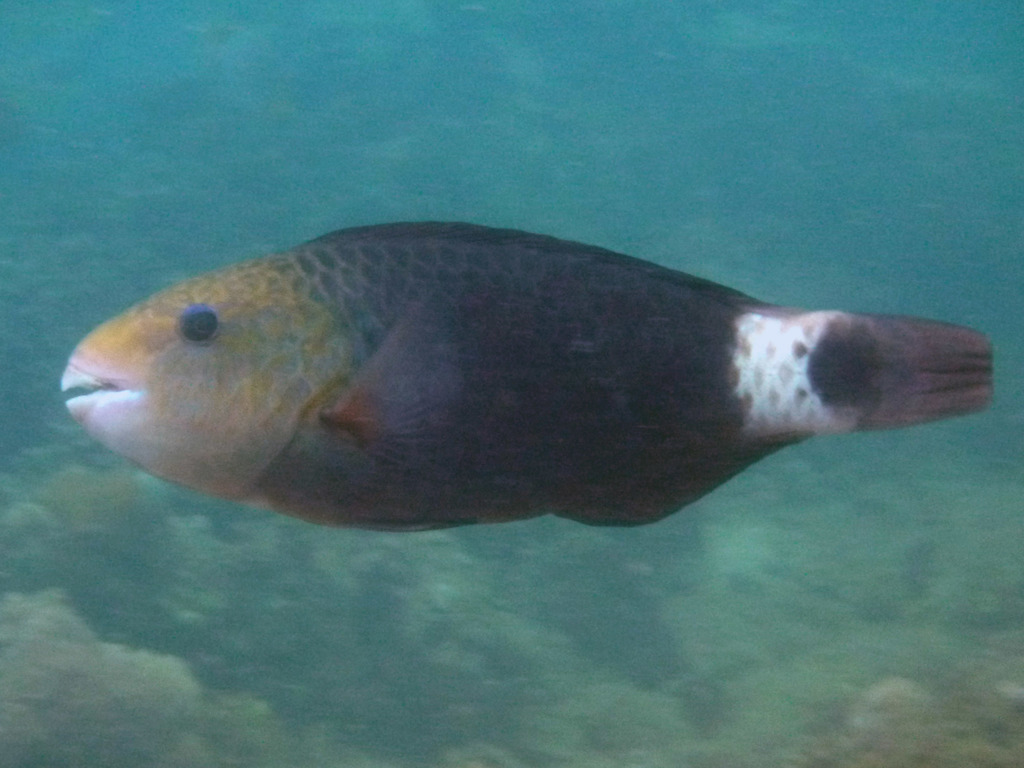
Black Leopard-wrasse
Macropharyngodon negrosensis
- Usual depth4–24 m
- Water temperature20–29 °C
- Best monthsMarch, April, and May
- How commonRare
Photo credit: (c) Ben Costamagna, some rights reserved (CC BY) · CC BY · iNaturalist
About this species
Macropharyngodon negrosensis, the yellow-spotted wrasse, black Leopard-wrasse or black Wrasse, is a species of marine ray-finned fish from the family Labridae, the wrasses.
Text from the Wikipedia article “Macropharyngodon negrosensis”, licensed CC BY-SA 4.0. Read the article
Where and when
Where it has been recorded
Worldwide
Loading the map
Best months
Worldwide (open data)
- January: 33 records
- February: 26 records
- March: 49 records
- April: 57 records
- May: 68 records
- June: 38 records
- July: 29 records
- August: 31 records
- September: 39 records
- October: 35 records
- November: 37 records
- December: 29 records
Depth and water temperature
Depth
Mostly recorded at 4–24 m · Deepest record: 26 m
Water temperature
Recorded in surface water of 20–29 °C
Photos
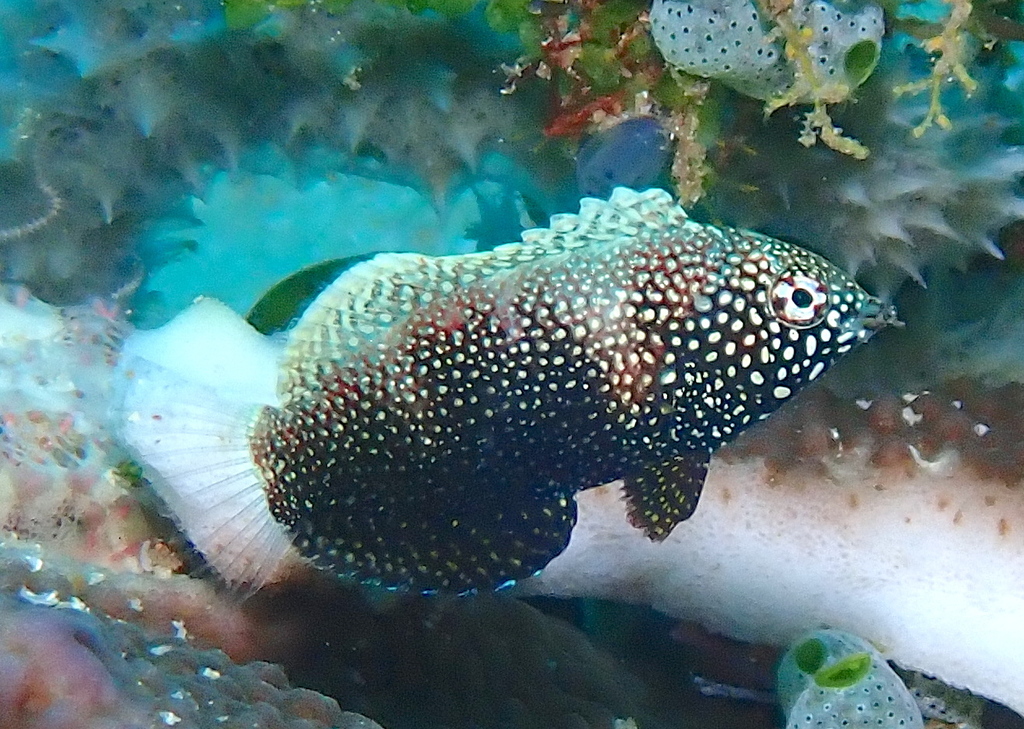
(c) desertnaturalist, some rights reserved (CC BY) · CC BY · iNaturalist 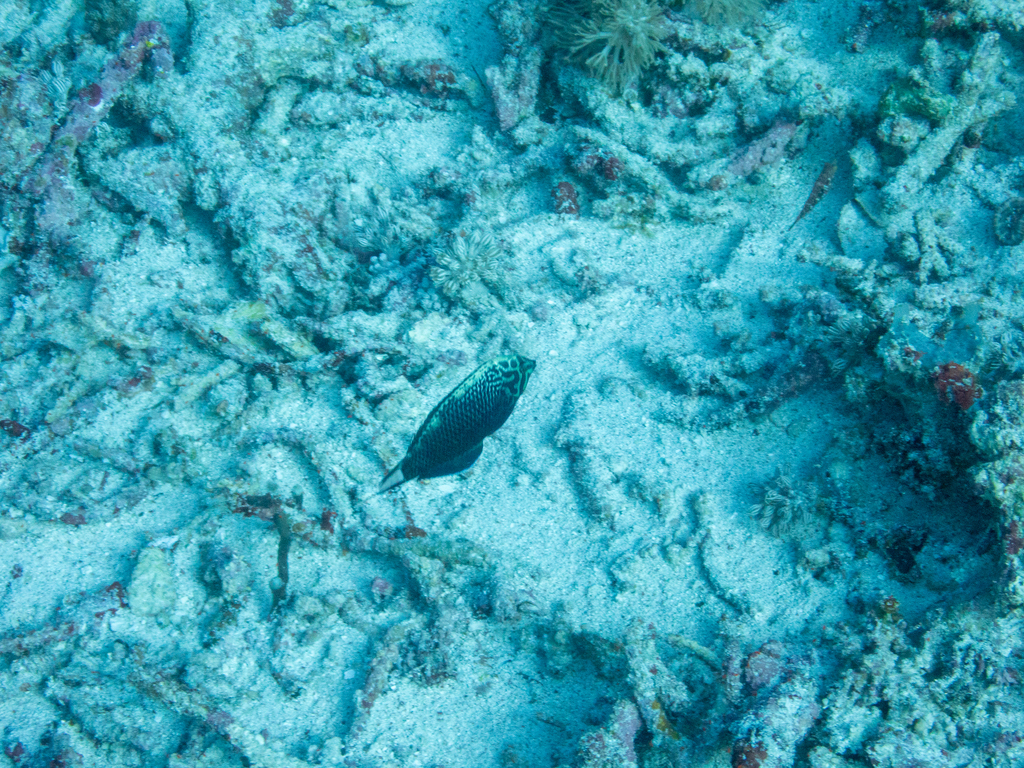
no rights reserved · CC0 1.0 · iNaturalist 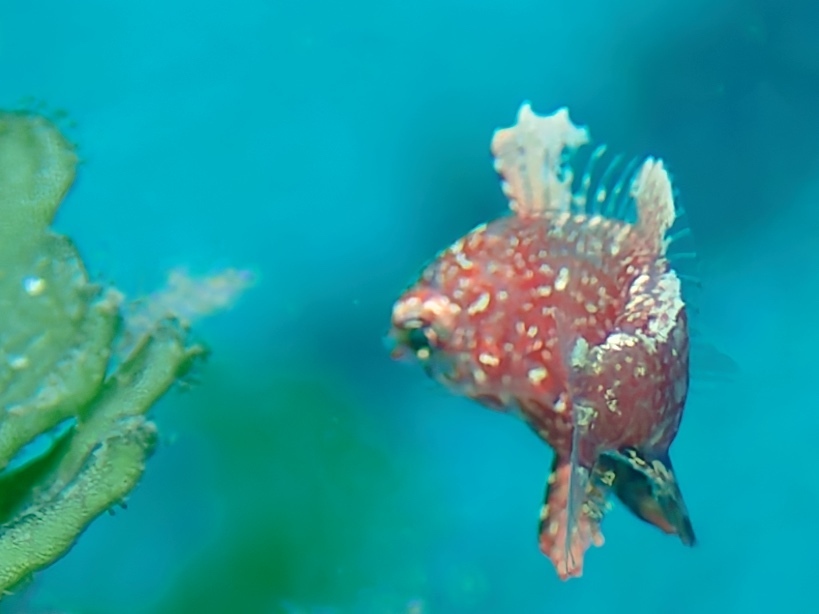
(c) Jay Paroline, some rights reserved (CC BY) · CC BY · iNaturalist 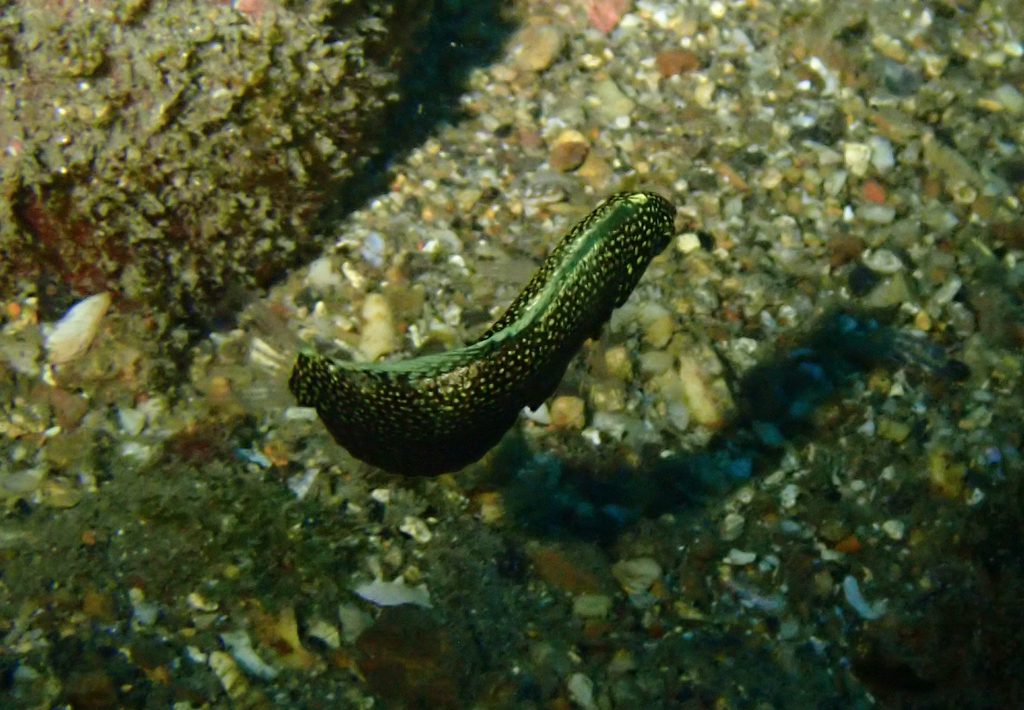
(c) 呂一起(Lyu yi-chi), some rights reserved (CC BY) · CC BY · iNaturalist 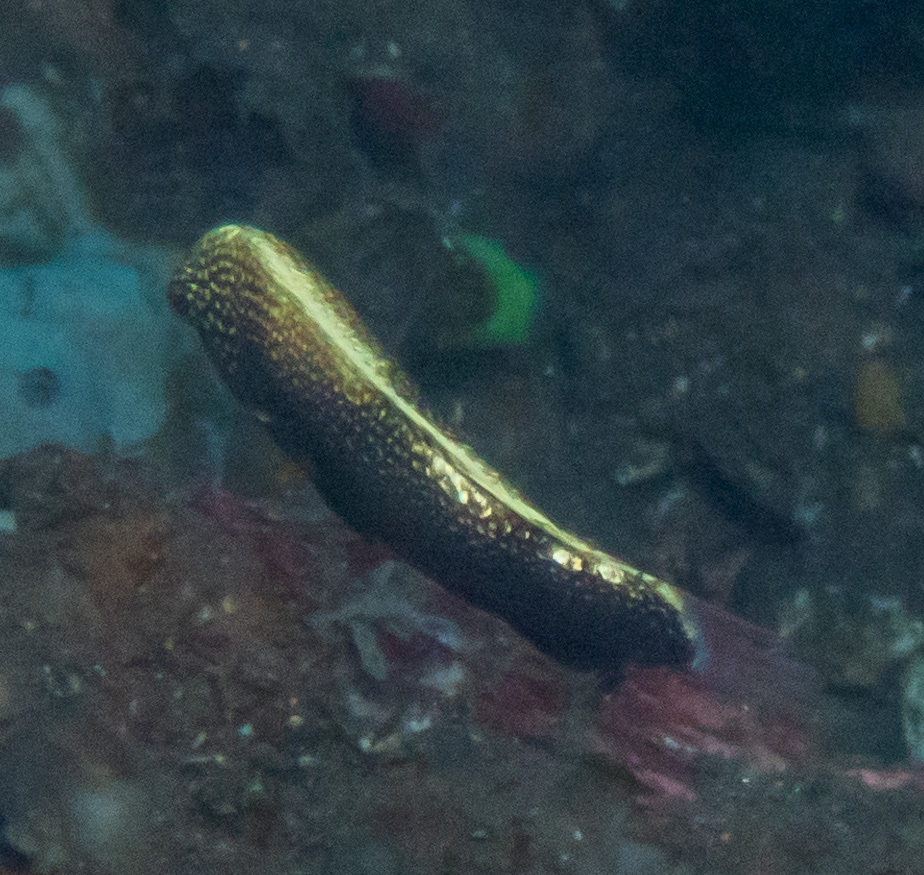
(c) portioid, some rights reserved (CC BY) · CC BY · iNaturalist 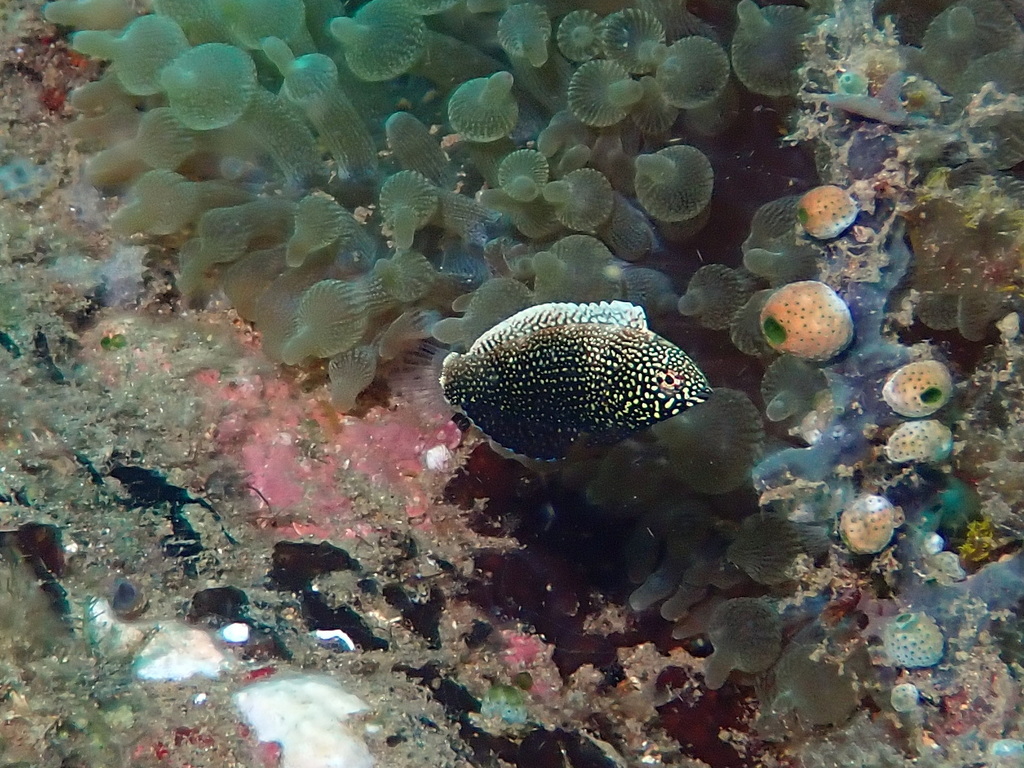
(c) Gregor Bailar, some rights reserved (CC BY) · CC BY · iNaturalist 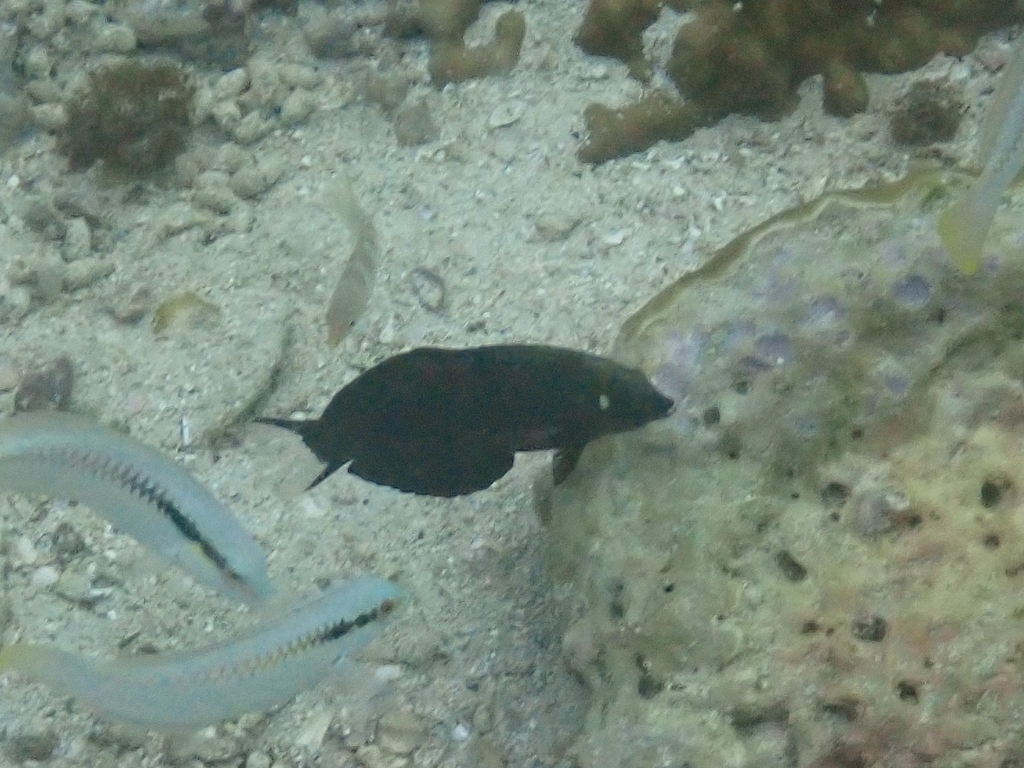
(c) Ben Costamagna, some rights reserved (CC BY) · CC BY · iNaturalist
Names and classification
- English
- Black Leopard-wrasse, Black Leopard Wrasse, Black Wrasse, Negros Wrasse, Yellowspotted Wrasse
Names in 4 more languages
- German
- Schwarzer Leoparden-Junker
- Japanese
- Sejiro-nodogurobera, Sejironodogurobera, セジロノドグロベラ
- Korean
- 은하수놀래기
- Simplified Chinese
- 娘仔魚, 石斑龍, 胸斑大咽齒魚, 黑大咽鸚鯛, 黑曲齒鸚鯛, 黑鸚鯛
Similar species
- Blackspotted Wrasse
Macropharyngodon meleagris
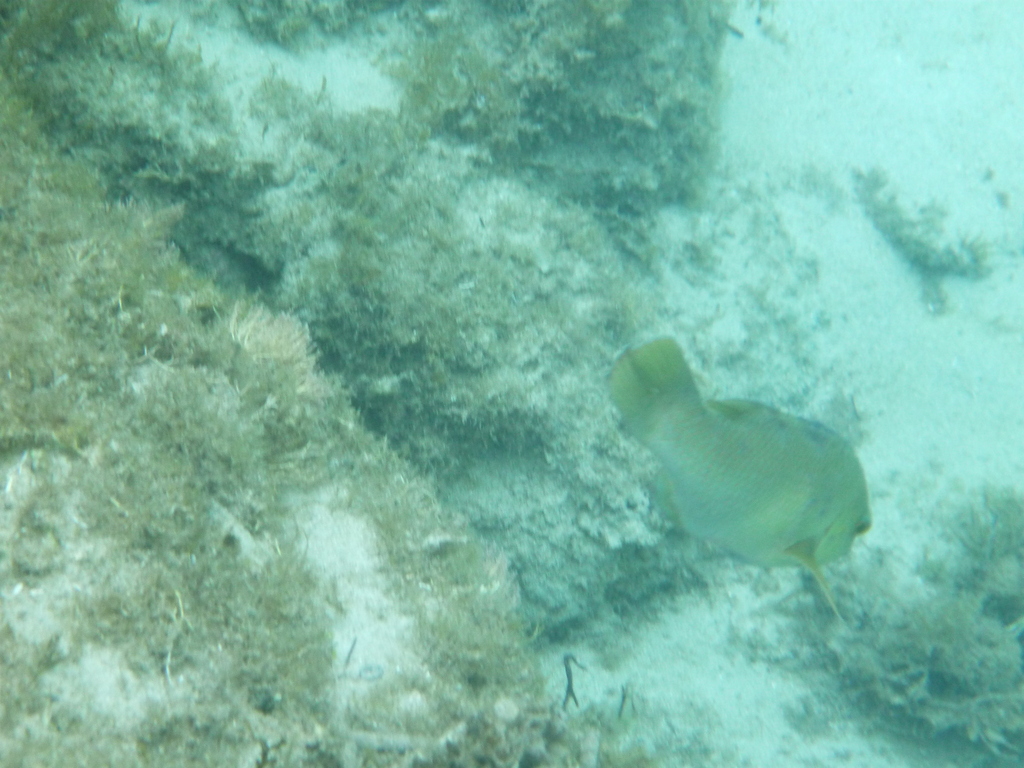 Blue Groper
Achoerodus gouldii
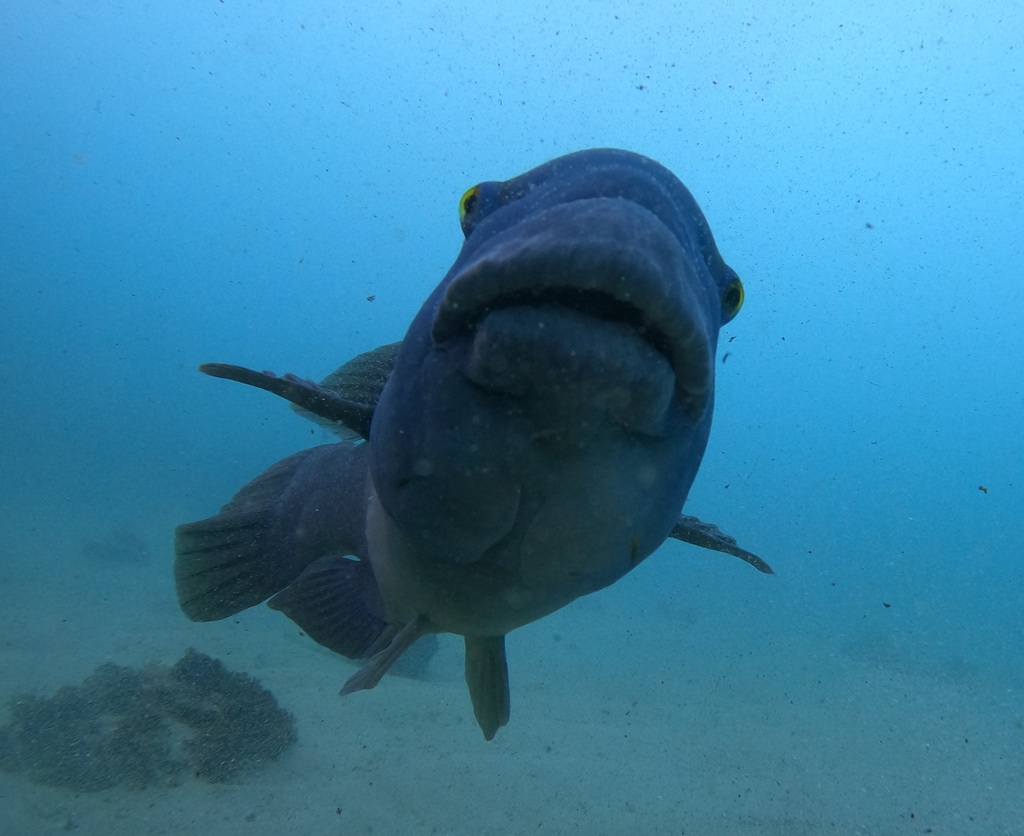 Blue Groper
Achoerodus viridis
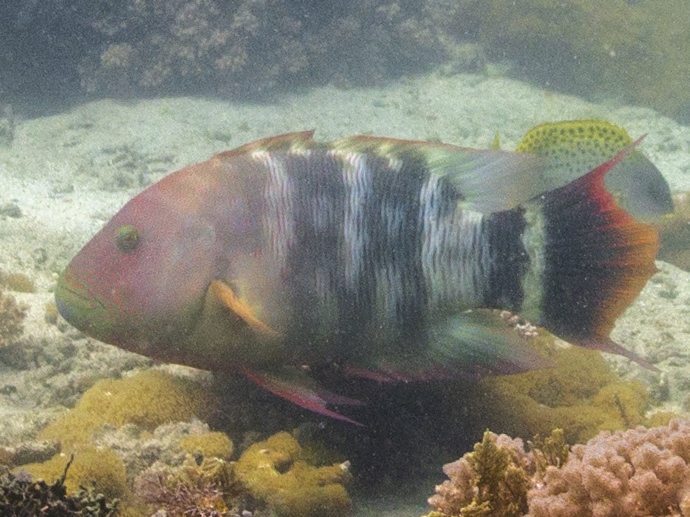 Tripletail wrasse
Cheilinus trilobatus
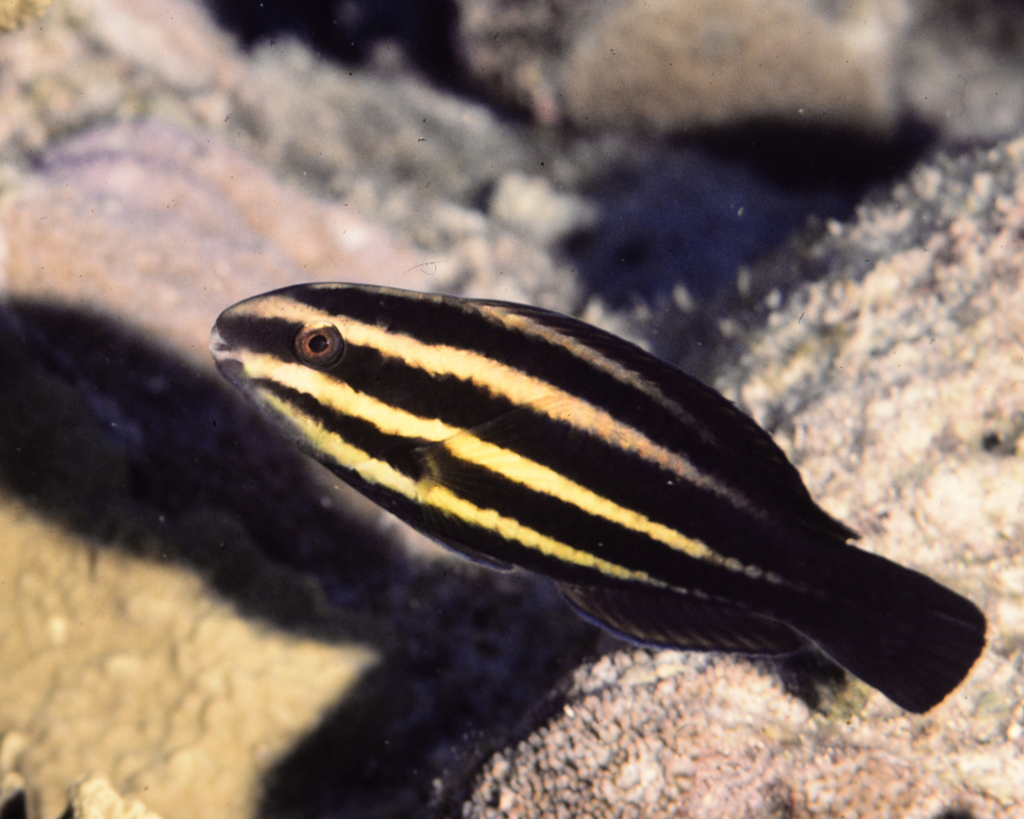 Blunt-head Parrotfish
Chlorurus microrhinos
 bullethead parrotfish
Chlorurus sordidus
Sources and credits
Names and taxonomy: WoRMS (CC BY 4.0) and the GBIF Backbone (CC BY 4.0). Photos: iNaturalist observers, each under the licence shown (CC0, CC BY or CC BY-SA).
- Depth, temperature, months and maps: records from OBIS and GBIF under CC0 or CC BY.
- Descriptions: Wikipedia, licensed CC BY-SA, each linked to its article.
- Conservation status as published by GBIF (IUCN Red List).
- 295 open-data records from 1931 to 2018.
- Species data updated October 26, 2026.
Log what you see on your next dive
The free DiveHive diver app keeps your logbook with every sighting and shows what lives at the site you dive next.