
DiscoverSpeciesSharks and rays
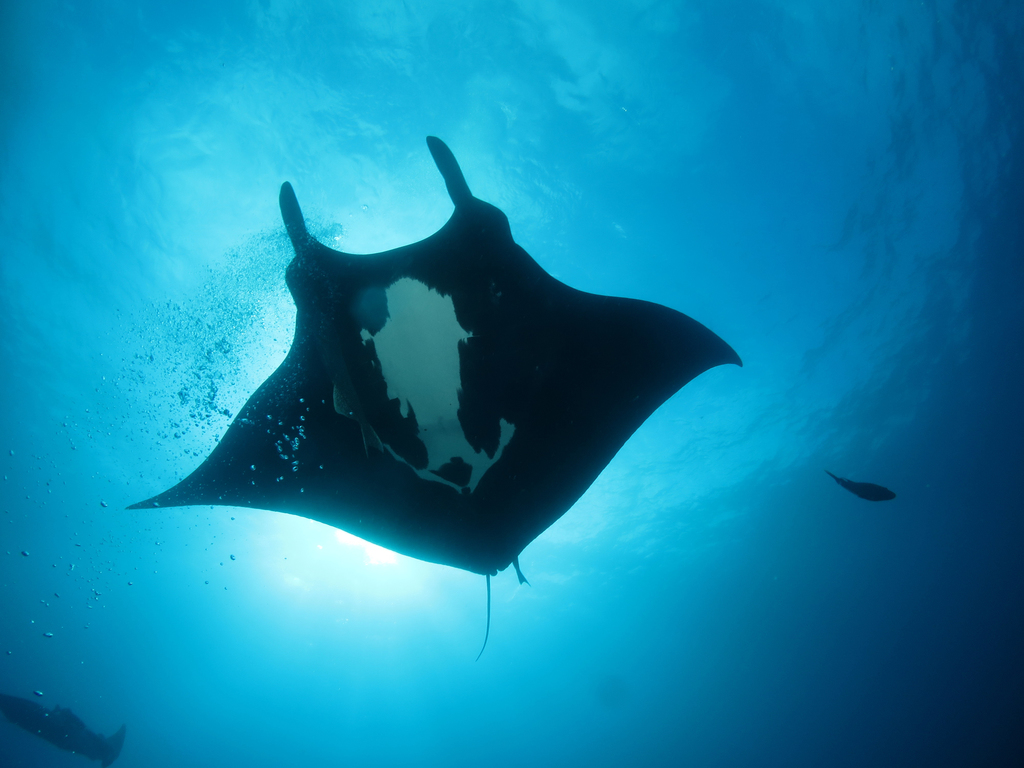
Atlantic manta
Mobula birostris
- Usual depth8–25 m
- Water temperature15–30 °C
- Best monthsSeptember and October
- How commonOccasional
Photo credit: (c) Stevelaycock21, some rights reserved (CC BY-SA) · CC BY-SA · iNaturalist
About this species
The giant oceanic manta ray, giant manta ray, oceanic manta ray, or pelagic manta ray is a species of ray in the family Mobulidae and the largest type of ray in the world. It is circumglobal and is typically found in tropical and subtropical waters but can also be found in temperate waters. Until 2017, the species was classified in the genus Manta, along with the smaller reef manta ray. DNA testing revealed that both mantas are closer related to some Mobula species than these are to other Mobula, being claded together. As a result, the two Manta species were absorbed into Mobula to reflect the new classification.
Text from the Wikipedia article “Giant oceanic manta ray”, licensed CC BY-SA 4.0. Read the article
Where and when
Where it has been recorded
Worldwide
Loading the map
Best months
Worldwide (open data)
- January: 140 records
- February: 177 records
- March: 296 records
- April: 187 records
- May: 92 records
- June: 65 records
- July: 92 records
- August: 260 records
- September: 487 records
- October: 699 records
- November: 343 records
- December: 161 records
Depth and water temperature
Depth
Mostly recorded at 8–25 m · Deepest record: 1,225.5 m
Water temperature
Recorded in surface water of 15–30 °C
Photos
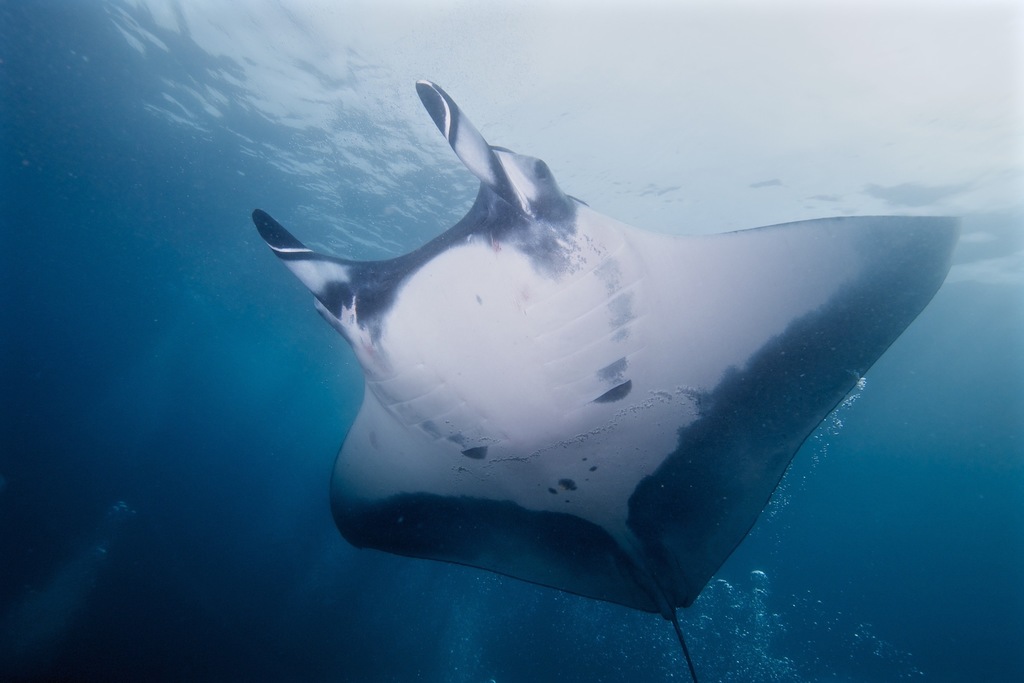
(c) Elias Levy, some rights reserved (CC BY) · CC BY · iNaturalist 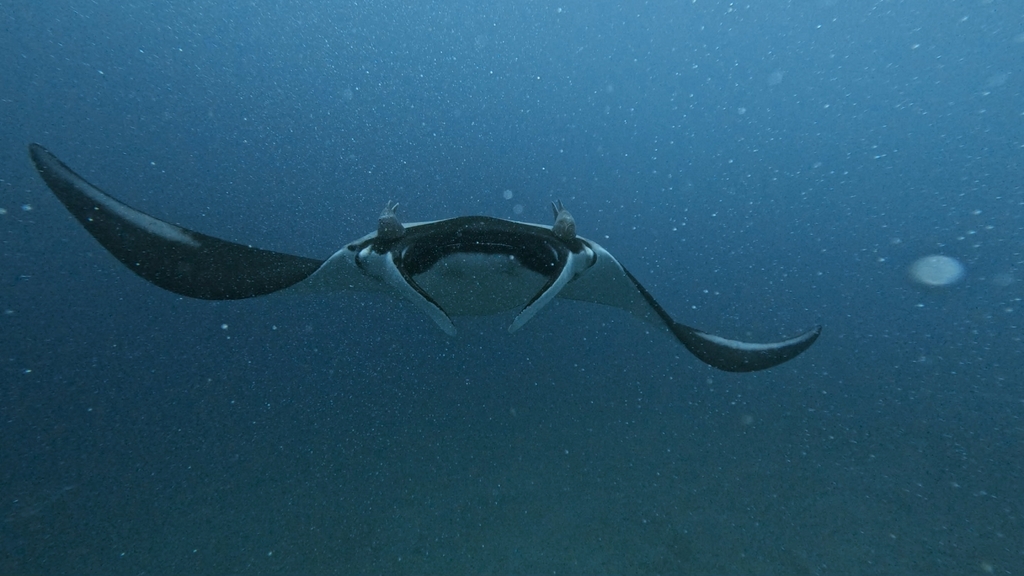
(c) Victor E. Chocho, some rights reserved (CC BY) · CC BY · iNaturalist 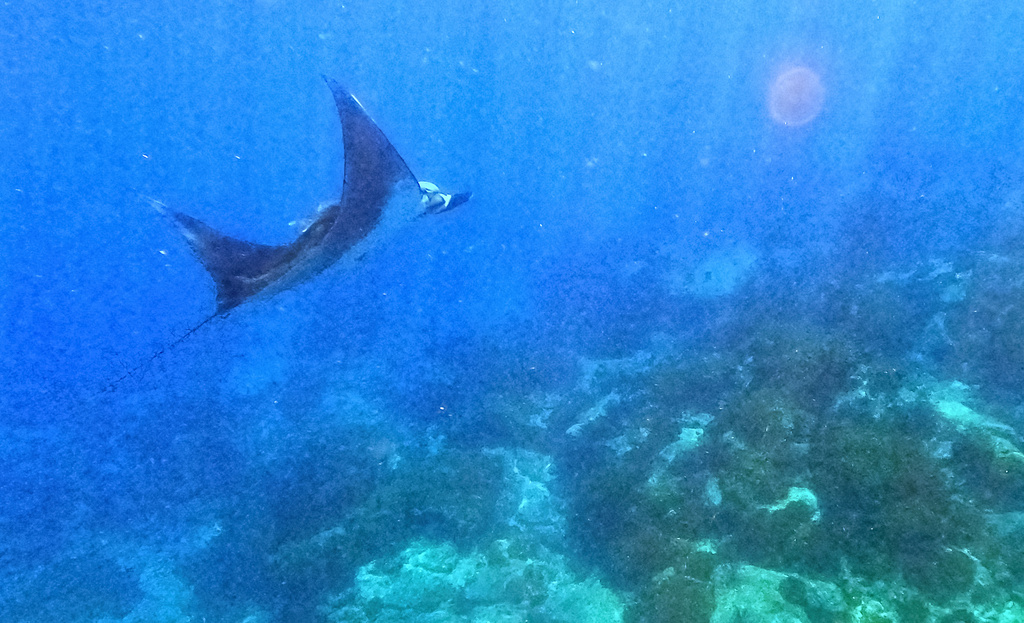
(c) Bill Levine, some rights reserved (CC BY) · CC BY · iNaturalist 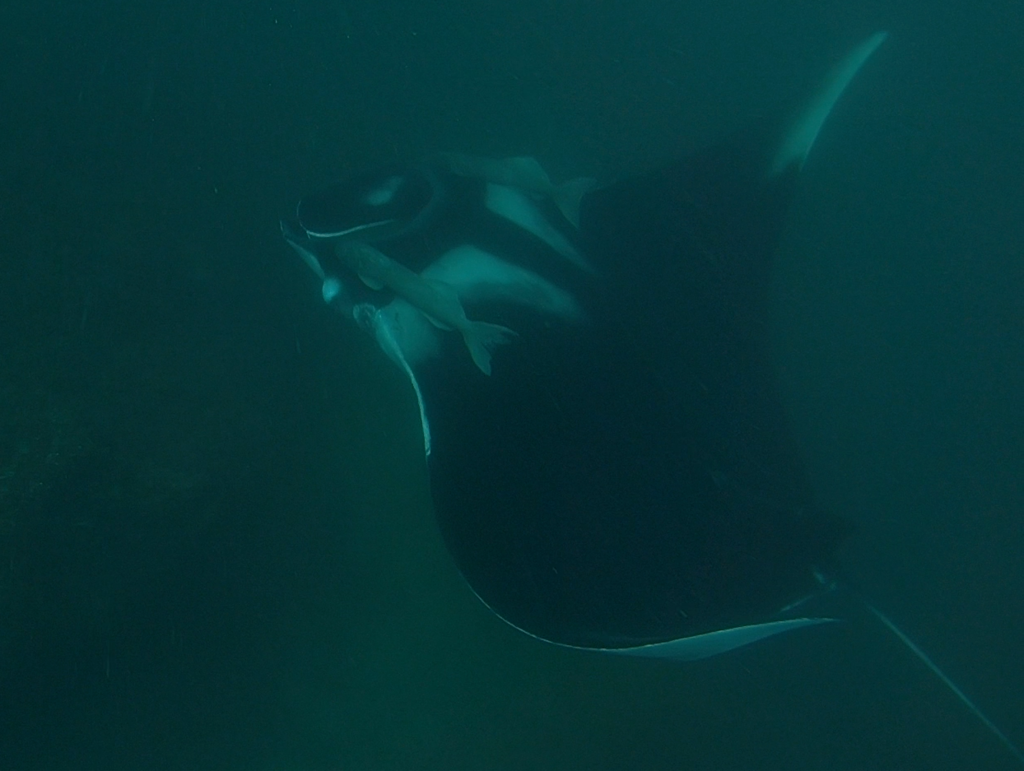
(c) Geoff Shuetrim, some rights reserved (CC BY) · CC BY · iNaturalist 
(c) Ingvild Riska, some rights reserved (CC BY) · CC BY · iNaturalist 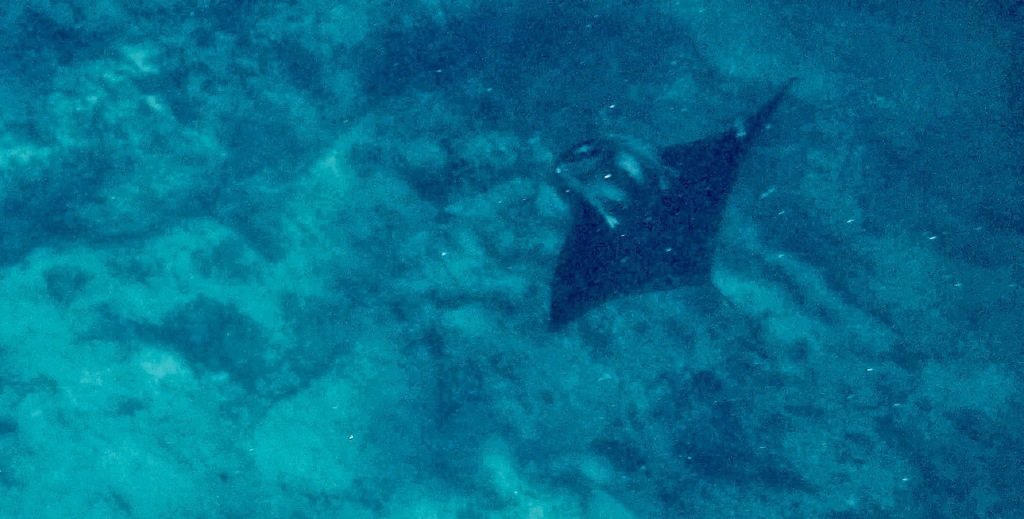
(c) Bill Levine, some rights reserved (CC BY) · CC BY · iNaturalist 
(c) Nathaniel Isabella, some rights reserved (CC BY) · CC BY · iNaturalist
Names and classification
- English
- Atlantic manta, Australian Devilray, Chevron Manta, Chevron Manta Ray, Devilfish, Devil Ray, giant manta, Giant Manta Ray, Giant Manta Ray, Pacific manta ray, Devilfish, Chevron manta, Pelagic manta, Oceanic manta, Giant Oceanic Manta Ray, Giant Ocean Manta Ray, Manta Ray, Munguna, Oceanic Manta, Oceanic manta ray, Pacific Manta Ray, Pelagic Manta, Pelagic Manta Ray, Prince Alfred's Ray
Names in 6 more languages
- German
- Mantarochen, Riesenmanta
- Spanish
- Manta Cornuda, Manta Diablo, manta gigante, Manta Raya, mantarraya, Mantarraya Gigante, Manta Voladora, Raia-jamanta
- French
- Diable de mer, mante atlantique, mante géante, Raie manta, Raie manta géante, Raie manta, Mante du Pacifique, Mante atlantique, Mante géante, Raie manta océanique
- Japanese
- Oniitomakiei, オニイトマキエイ
- Thai
- ปลากระเบนราหูยักษ์
- Simplified Chinese
- 雙吻前口蝠鱝, 飛魴仔, 鬼蝠魟, 鷹魴
Other scientific names: Brachioptilon hamiltoni, Cephaloptera stelligera, Cephalopterus manta, Cephalopterus vampyrus, Ceratoptera ehrenbergi, Ceratoptera ehrenbergii, Ceratoptera johnii, Manta americana, Manta birostris, Manta brevirostris, Manta ehrenbergii, Manta hamiltoni, Manta raya, Raja birostris, Raja manatia
Similar species
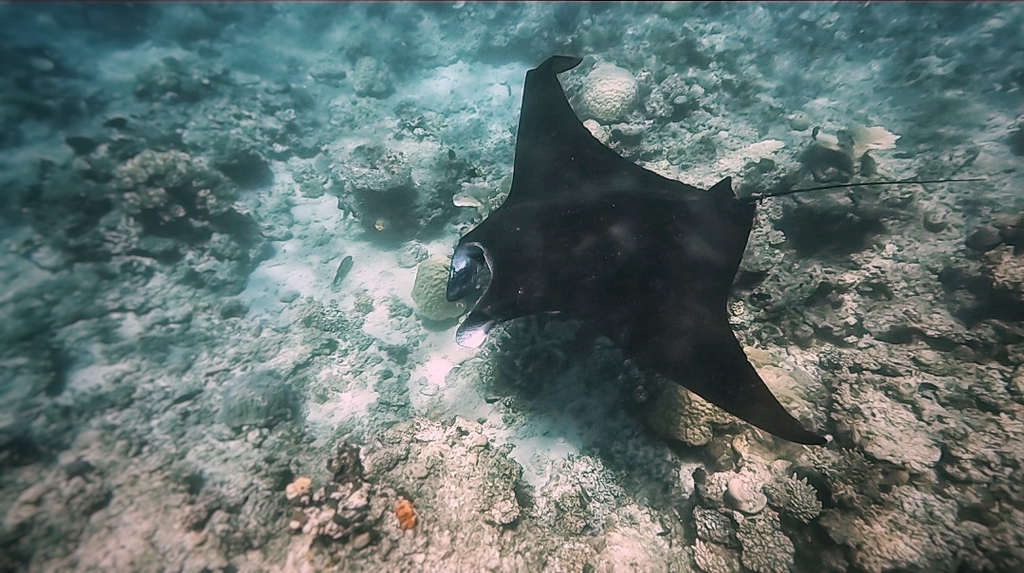 Reef manta ray
Mobula alfredi
Sources and credits
Names and taxonomy: WoRMS (CC BY 4.0) and the GBIF Backbone (CC BY 4.0). Photos: iNaturalist observers, each under the licence shown (CC0, CC BY or CC BY-SA).
- Depth, temperature, months and maps: records from OBIS and GBIF under CC0 or CC BY.
- Descriptions: Wikipedia, licensed CC BY-SA, each linked to its article.
- Conservation status as published by GBIF (IUCN Red List).
- 2,733 open-data records from 1792 to 2024.
- Species data updated October 26, 2026.
Log what you see on your next dive
The free DiveHive diver app keeps your logbook with every sighting and shows what lives at the site you dive next.