
Seagrass wrasse
Novaculoides macrolepidotus
- Usual depth1–10 m
- Water temperature22–29 °C
- Best monthsApril
- How commonRare
About this species
The seagrass wrasse is a species of wrasse native to the Indian and the western Pacific Oceans. It grows to 16 cm (6.3 in) in total length, and can be found in the aquarium trade.
Text from the Wikipedia article “Seagrass wrasse”, licensed CC BY-SA 4.0. Read the article
Where and when
Where it has been recorded
Worldwide
Loading the map
Best months
Worldwide (open data)
- January: 2 records
- February: 2 records
- March: 1 records
- April: 22 records
- May: 5 records
- June: 5 records
- July: 8 records
- August: 11 records
- September: 7 records
- October: 11 records
- November: 10 records
- December: 3 records
Depth and water temperature
Depth
Mostly recorded at 1–10 m · Deepest record: 11.5 m
Water temperature
Recorded in surface water of 22–29 °C
Names and classification
- English
- Seagrass wrasse, Seagrass Razorfish, seagrass wrasse
Names in 4 more languages
- Filipino
- Bankilan, Bungat, Isdang bato, Mameng
- French
- Labre des herbiers
- Japanese
- Ohiretensumodoki, オオヒレテンスモドキ
- Simplified Chinese
- 大鱗似美鰭魚, 大鱗鸚鯛, 娘仔魚, 角龍
Other scientific names: Julis taenianotus, Julis trimaculata, Labrus arago, Labrus macrolepidotus, Novacula julioides, Novaculichthys macrolepidotus
Similar species
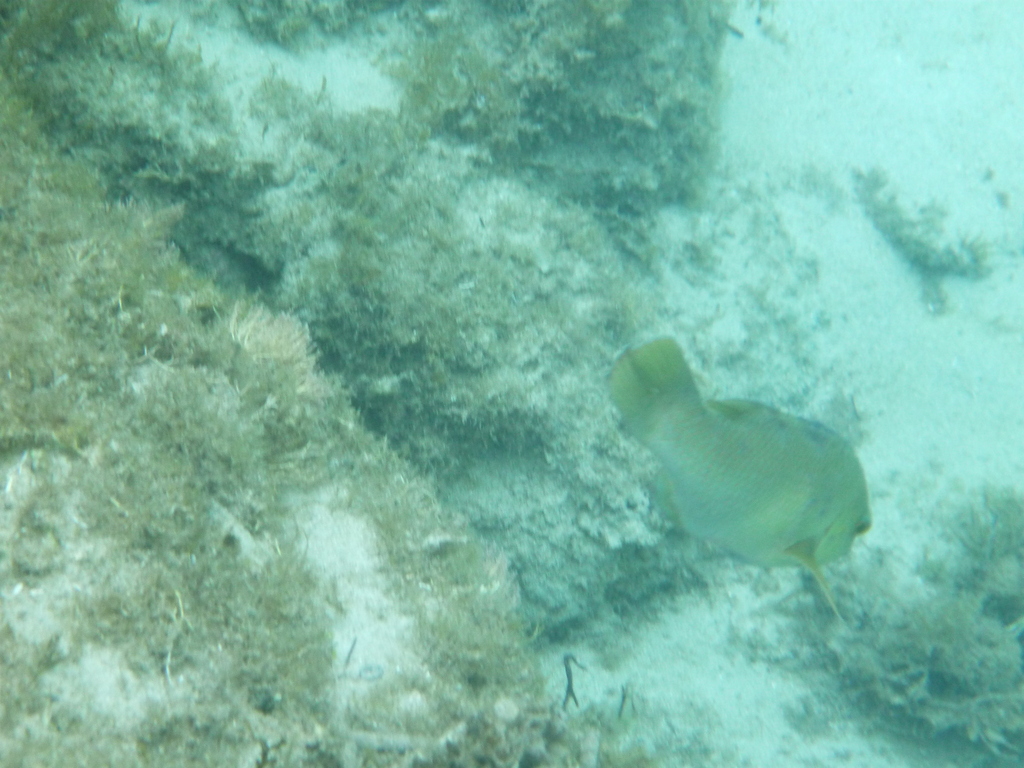 Blue Groper
Achoerodus gouldii
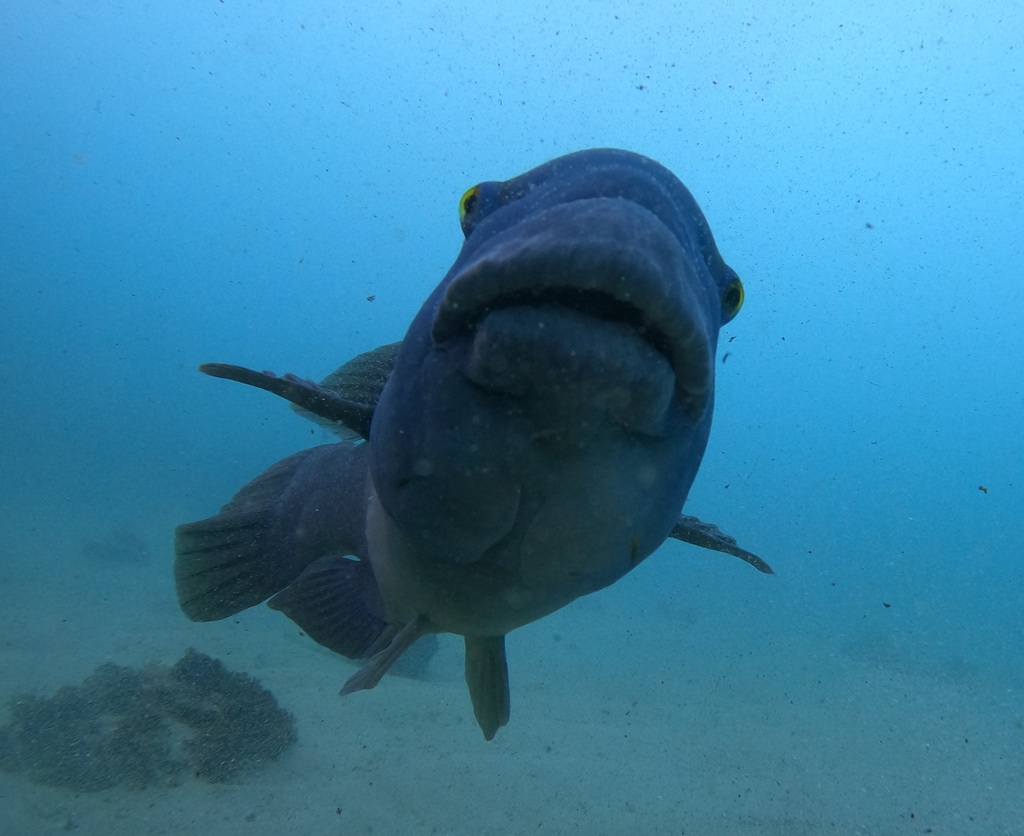 Blue Groper
Achoerodus viridis
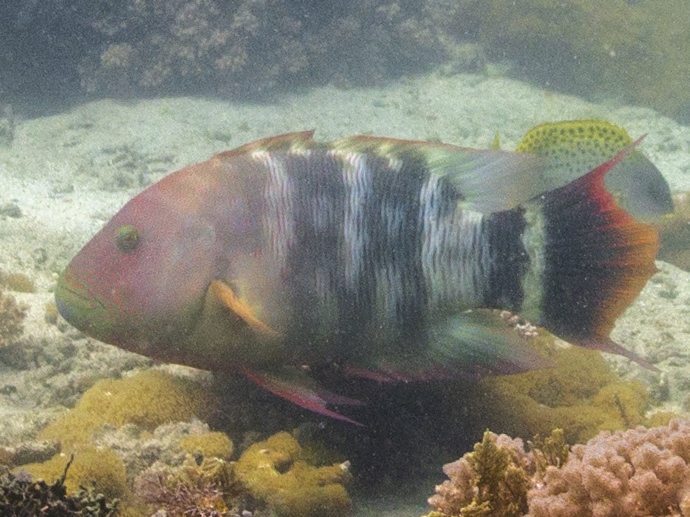 Tripletail wrasse
Cheilinus trilobatus
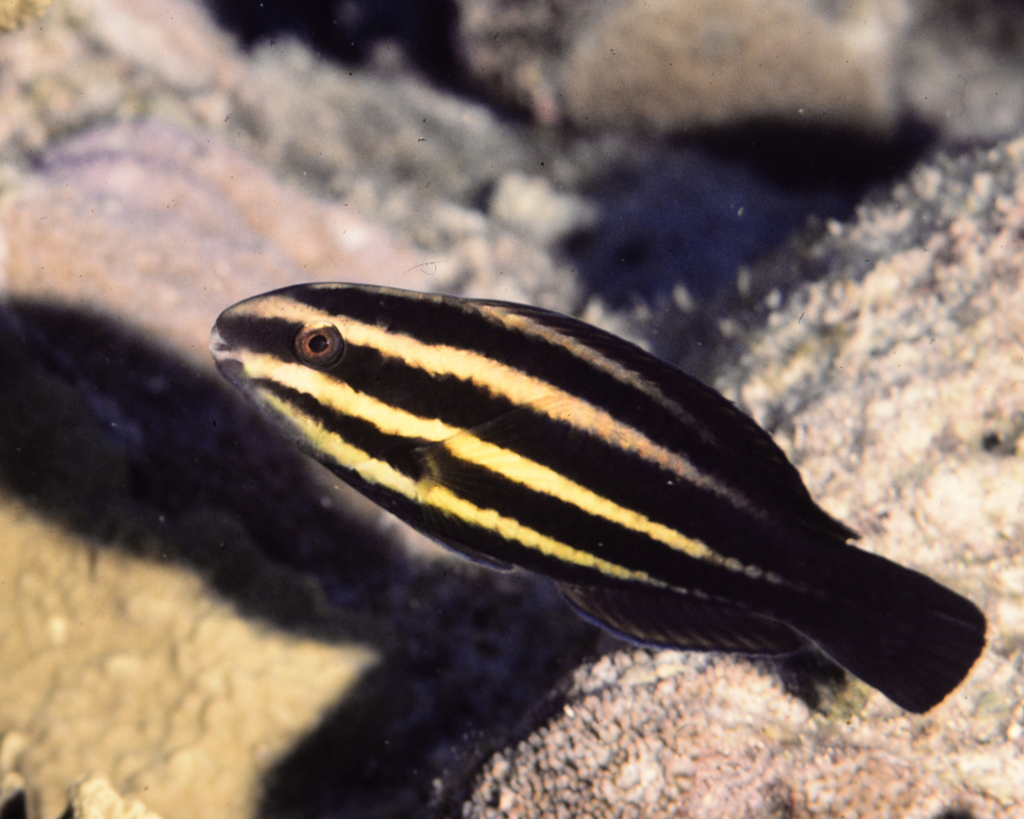 Blunt-head Parrotfish
Chlorurus microrhinos
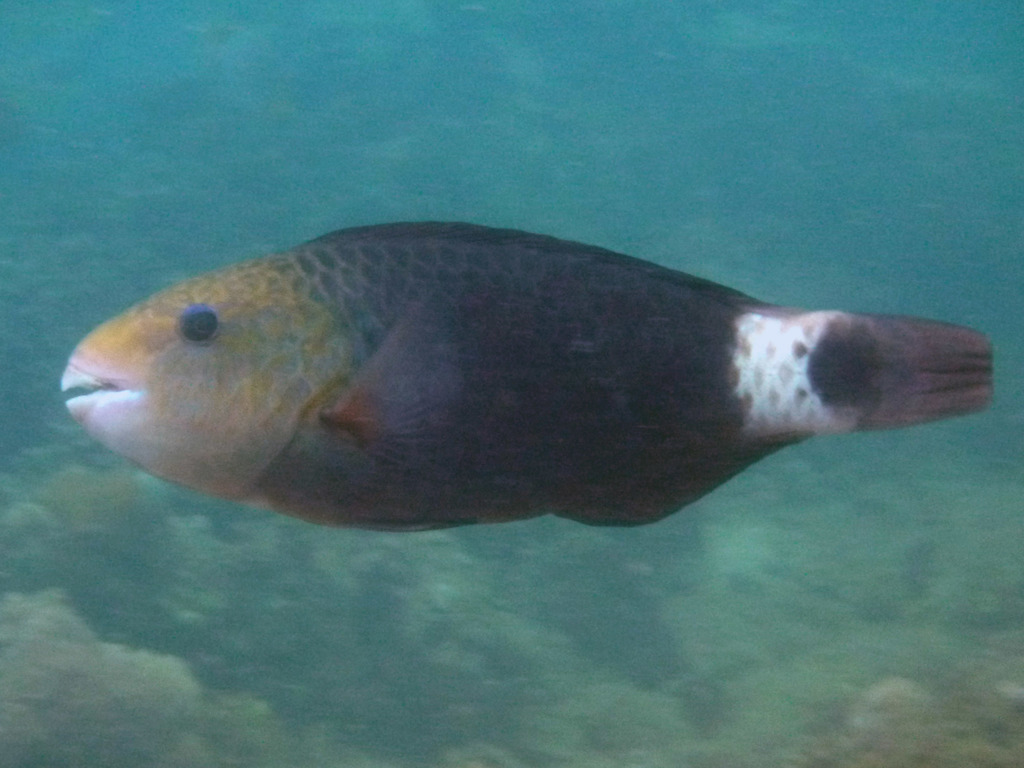 bullethead parrotfish
Chlorurus sordidus
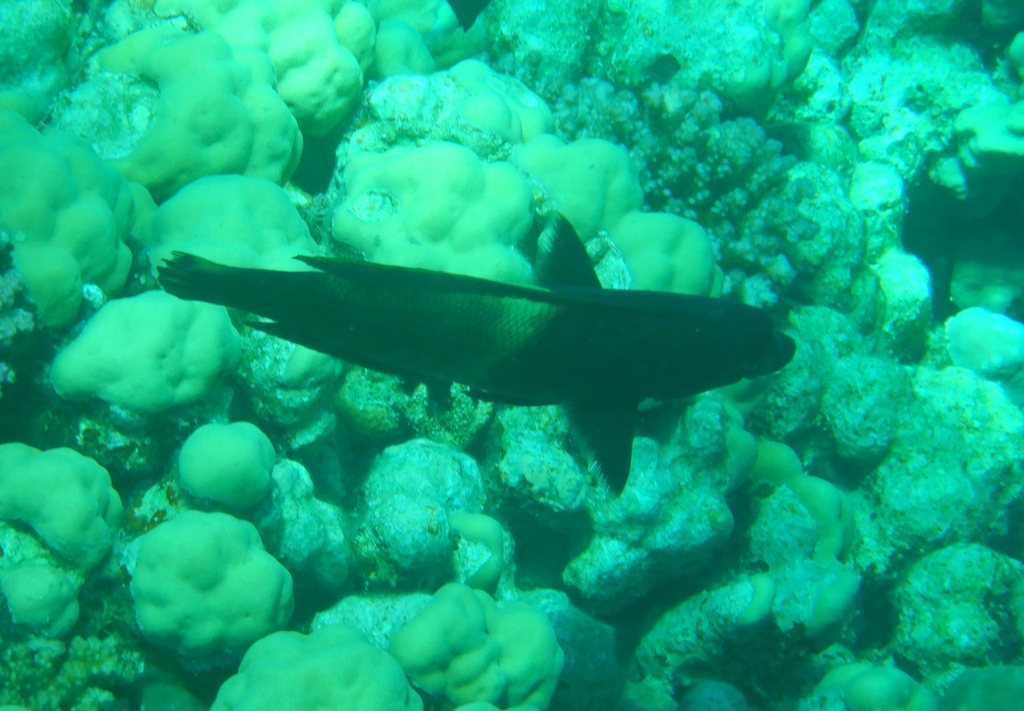 Clown wrasse
Coris aygula
Sources and credits
Names and taxonomy: WoRMS (CC BY 4.0) and the GBIF Backbone (CC BY 4.0). Photos: iNaturalist observers, each under the licence shown (CC0, CC BY or CC BY-SA).
- Depth, temperature, months and maps: records from OBIS and GBIF under CC0 or CC BY.
- Descriptions: Wikipedia, licensed CC BY-SA, each linked to its article.
- Conservation status as published by GBIF (IUCN Red List).
- 262 open-data records from 1906 to 2023.
Log what you see on your next dive
The free DiveHive diver app keeps your logbook with every sighting and shows what lives at the site you dive next.