
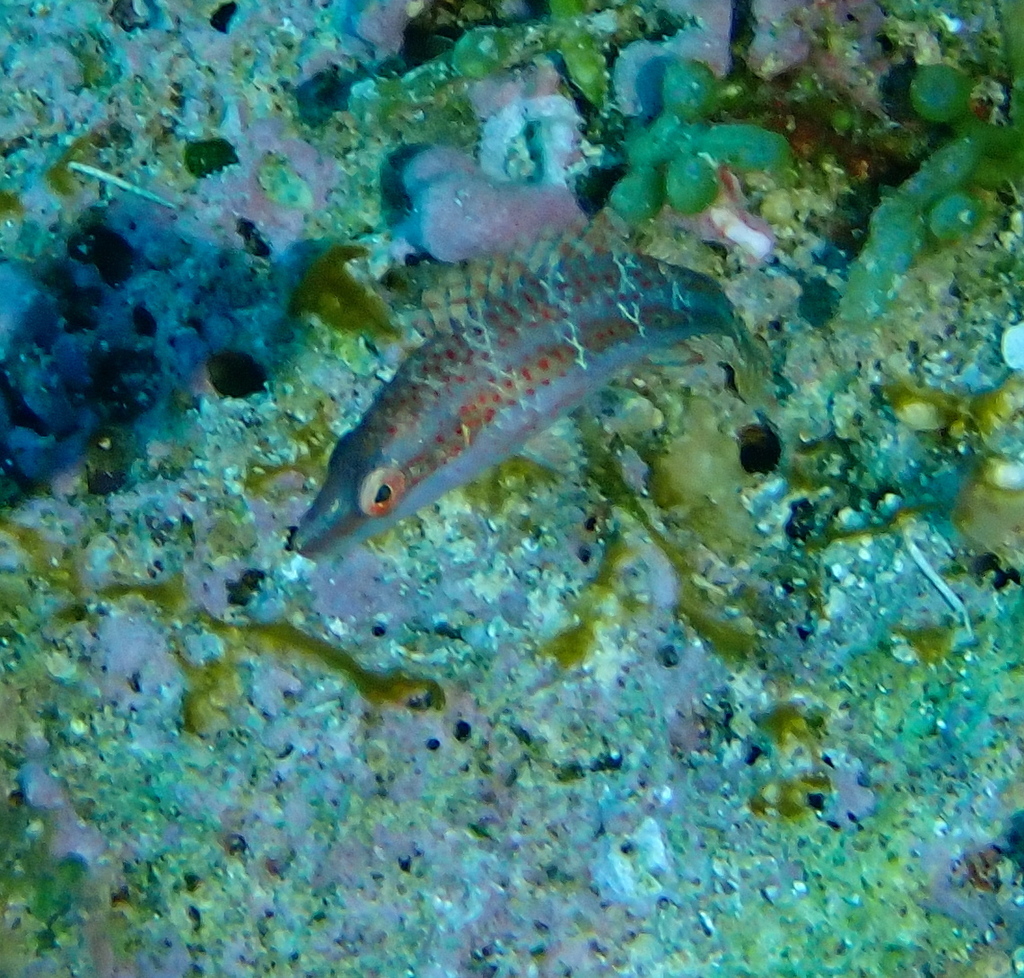
Oriental maori wrasse
Oxycheilinus orientalis
- Usual depth4–81 m
- Water temperature20–30 °C
- Best monthsMay and October
- How commonOccasional
Photo credit: (c) Debra Baker, some rights reserved (CC BY) · CC BY · iNaturalist
Where and when
Where it has been recorded
Worldwide
Loading the map
Best months
Worldwide (open data)
- January: 8 records
- February: 12 records
- March: 34 records
- April: 17 records
- May: 37 records
- June: 7 records
- July: 12 records
- August: 31 records
- September: 11 records
- October: 58 records
- November: 22 records
- December: 9 records
Depth and water temperature
Depth
Mostly recorded at 4–81 m · Deepest record: 106.7 m
Water temperature
Recorded in surface water of 20–30 °C
Photos
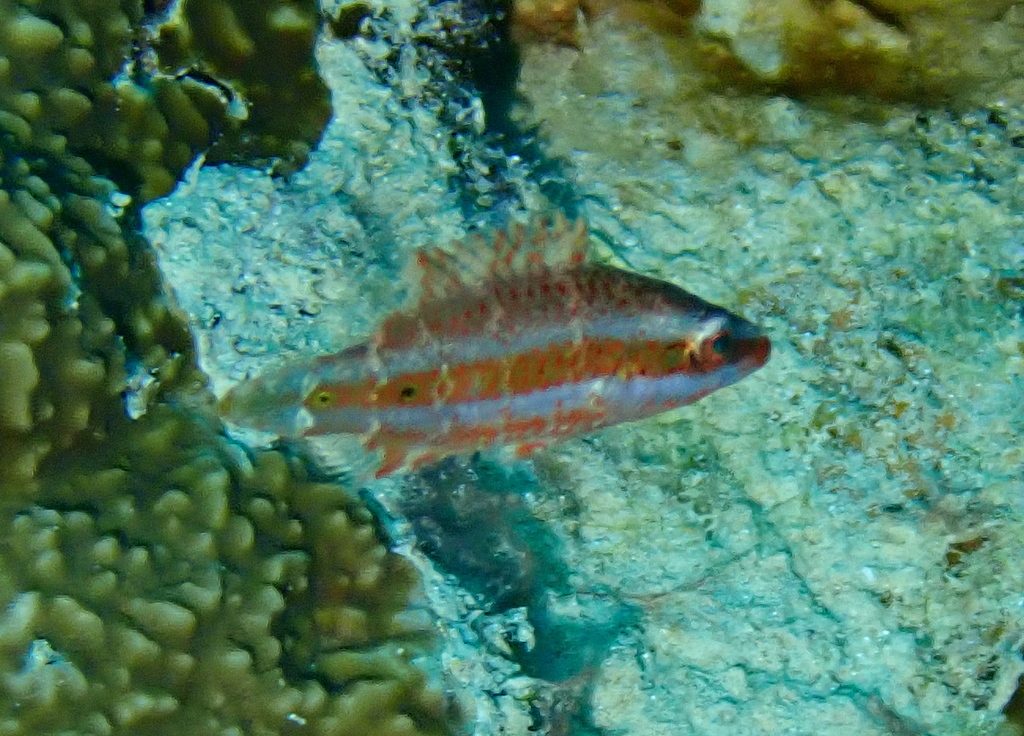
(c) Debra Baker, some rights reserved (CC BY) · CC BY · iNaturalist 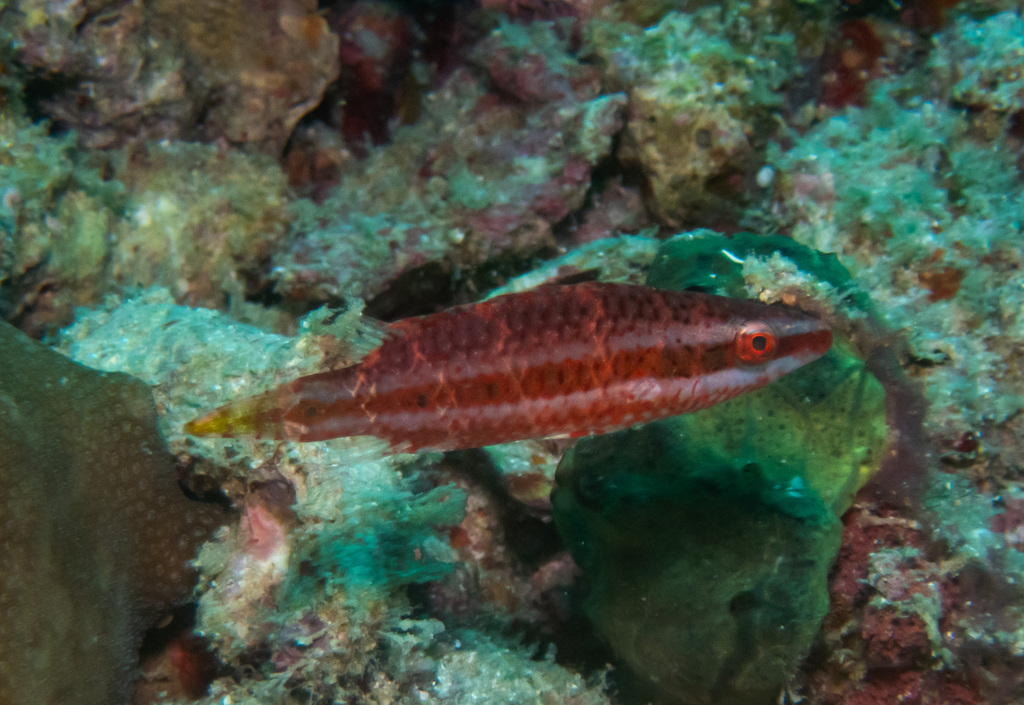
(c) portioid, some rights reserved (CC BY) · CC BY · iNaturalist 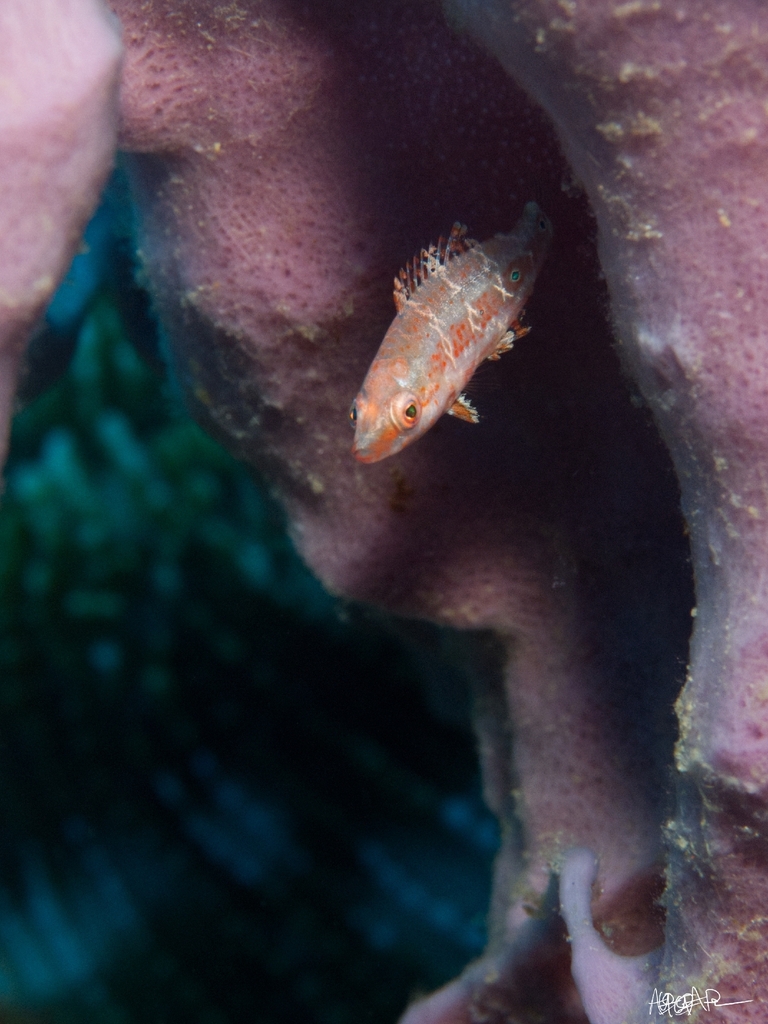
(c) Alicia Christman, some rights reserved (CC BY) · CC BY · iNaturalist
Names and classification
- English
- Oriental maori wrasse, Oriental Wrasse, Slender maori wrasse
Names in 3 more languages
- Filipino
- Mameng
- Japanese
- Katagurohohosujimochinouo, カタグロホホスジモチノウオ
- Simplified Chinese
- 东方尖唇鱼, 東方尖唇魚, 東方鸚鯛, 東方龍, 汕散仔, 闊嘴郎
Other scientific names: Cheilinus orientalis, Cheilinus rhodochrous, Oxycheilinus rhodochrous
Similar species
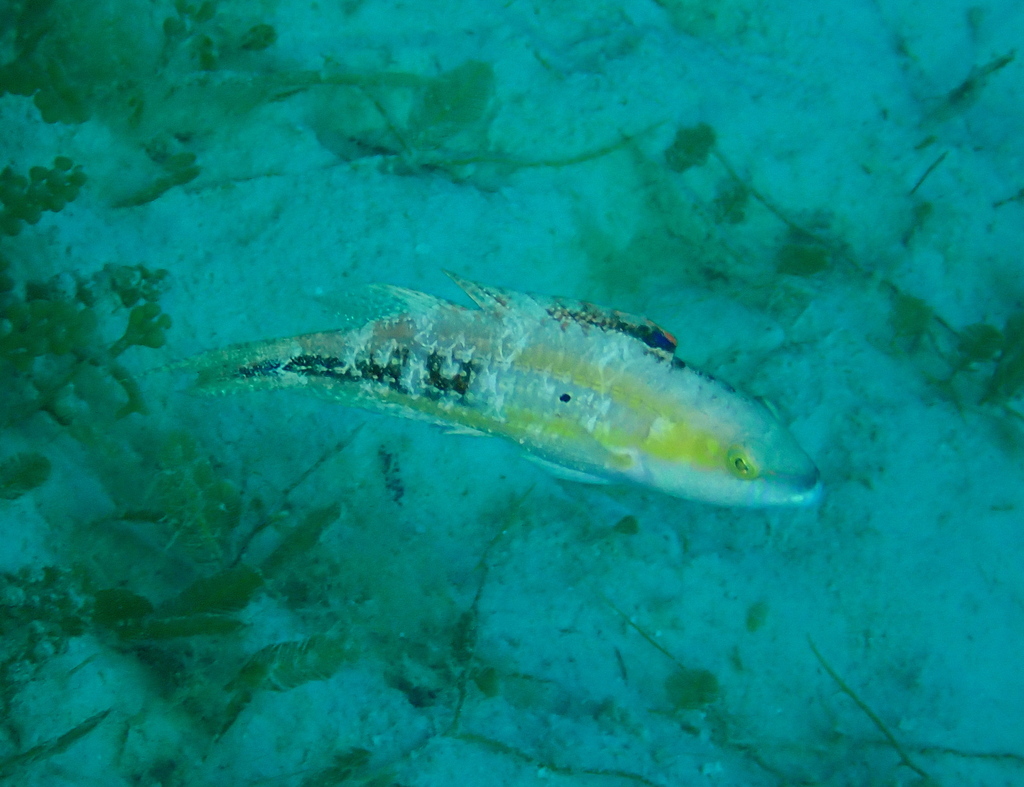 Twospot wrasse
Oxycheilinus bimaculatus
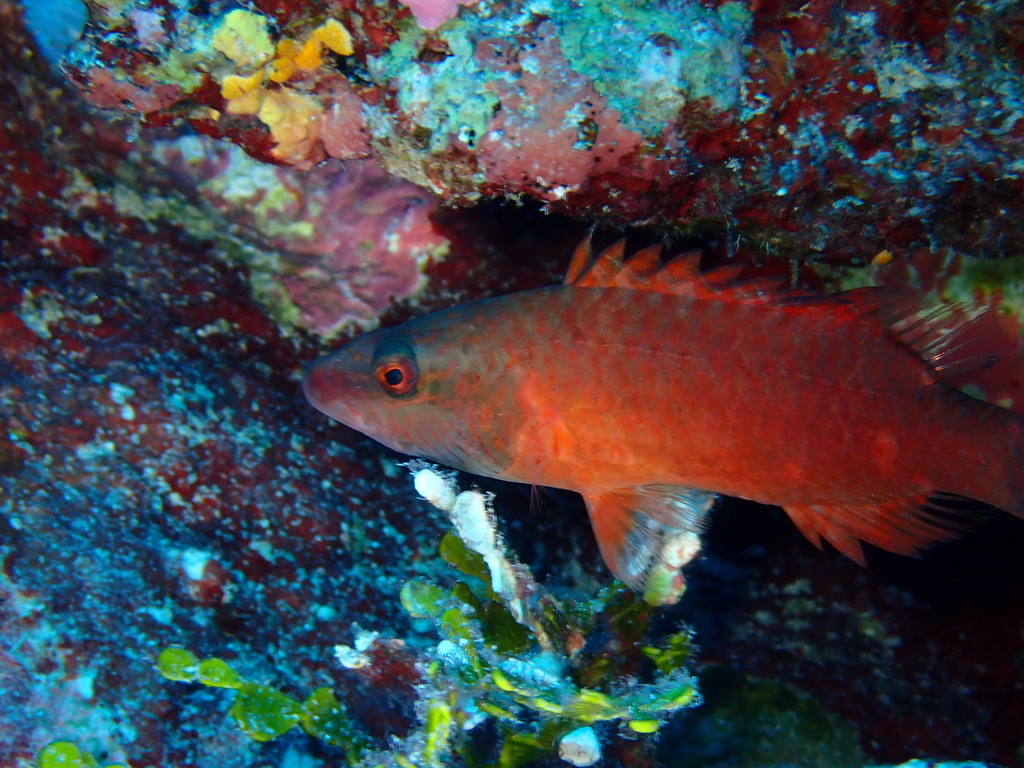 bandcheek wrasse
Oxycheilinus digramma
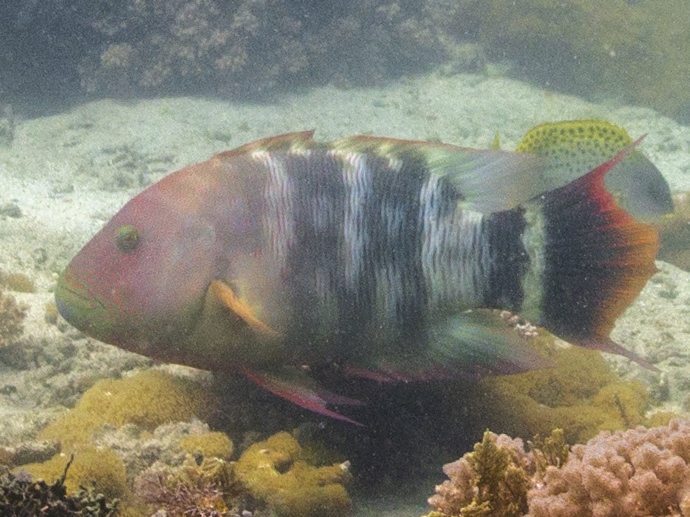 Tripletail wrasse
Cheilinus trilobatus
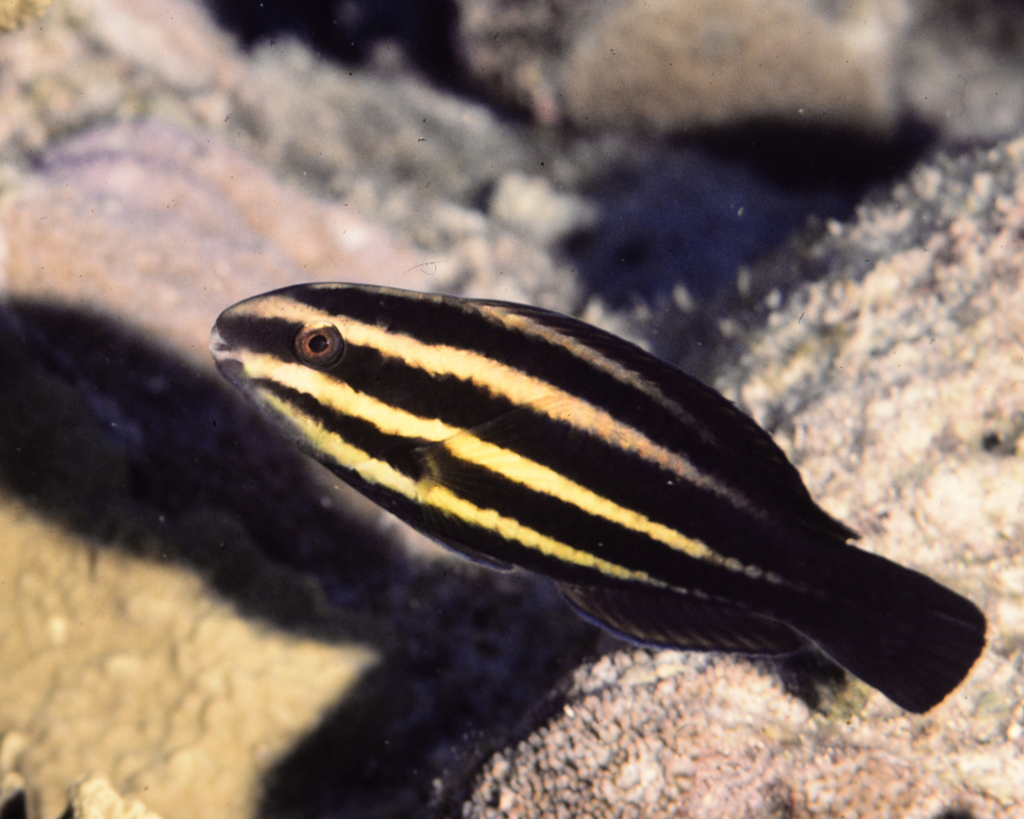 Blunt-head Parrotfish
Chlorurus microrhinos
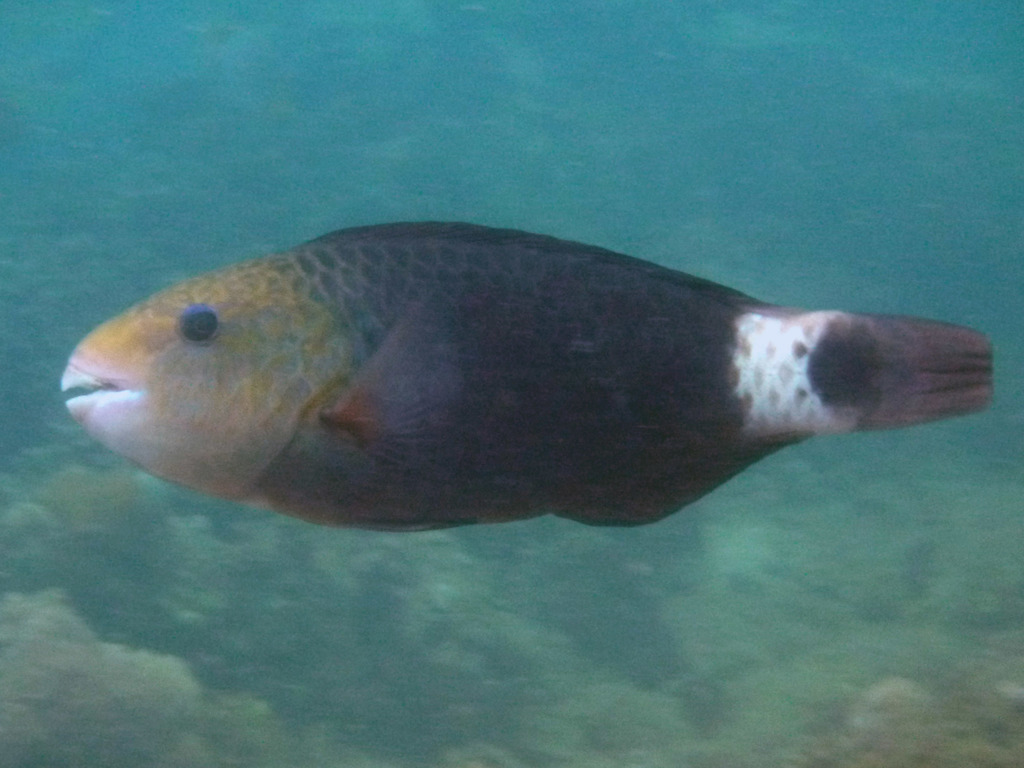 bullethead parrotfish
Chlorurus sordidus
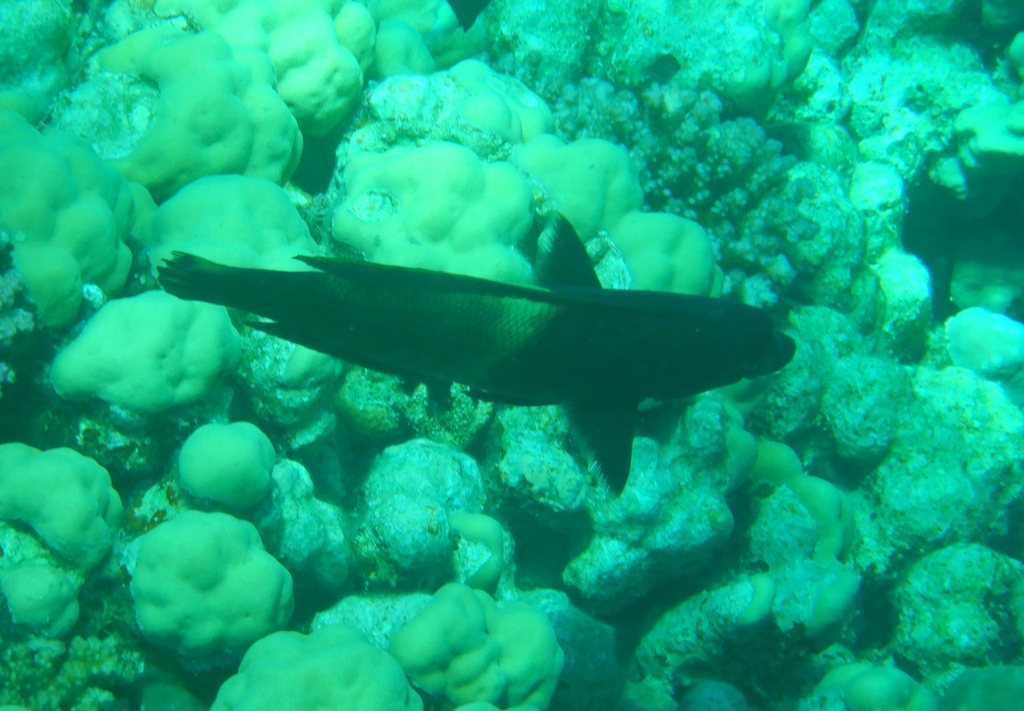 Clown wrasse
Coris aygula
Sources and credits
Names and taxonomy: WoRMS (CC BY 4.0) and the GBIF Backbone (CC BY 4.0). Photos: iNaturalist observers, each under the licence shown (CC0, CC BY or CC BY-SA).
- Depth, temperature, months and maps: records from OBIS and GBIF under CC0 or CC BY.
- Conservation status as published by GBIF (IUCN Red List).
- 606 open-data records from 1945 to 2022.
- Species data updated October 26, 2026.
Log what you see on your next dive
The free DiveHive diver app keeps your logbook with every sighting and shows what lives at the site you dive next.