
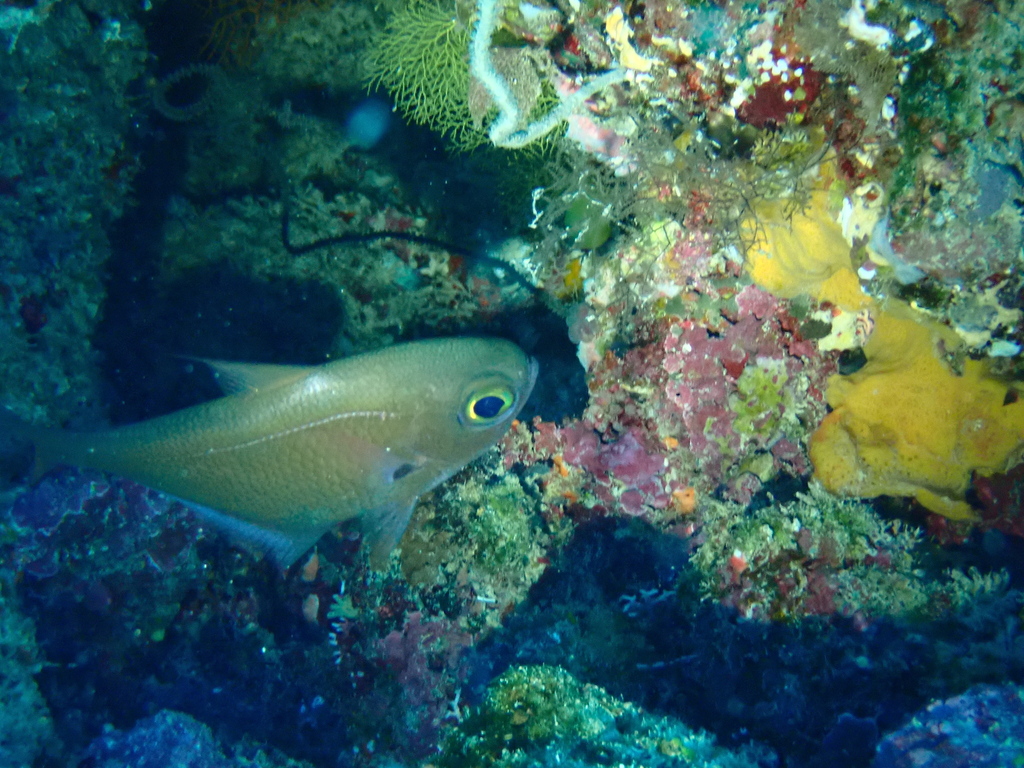
Silver sweeper
Pempheris oualensis
- Usual depth4–21 m
- Water temperature22–30 °C
- Best monthsApril and May
- How commonOccasional
Photo credit: (c) Debra Baker, some rights reserved (CC BY) · CC BY · iNaturalist
Where and when
Where it has been recorded
Worldwide
Loading the map
Best months
Worldwide (open data)
- January: 28 records
- February: 213 records
- March: 222 records
- April: 436 records
- May: 266 records
- June: 188 records
- July: 126 records
- August: 73 records
- September: 89 records
- October: 56 records
- November: 41 records
- December: 14 records
Depth and water temperature
Depth
Mostly recorded at 4–21 m · Deepest record: 93.9 m
Water temperature
Recorded in surface water of 22–30 °C
Photos
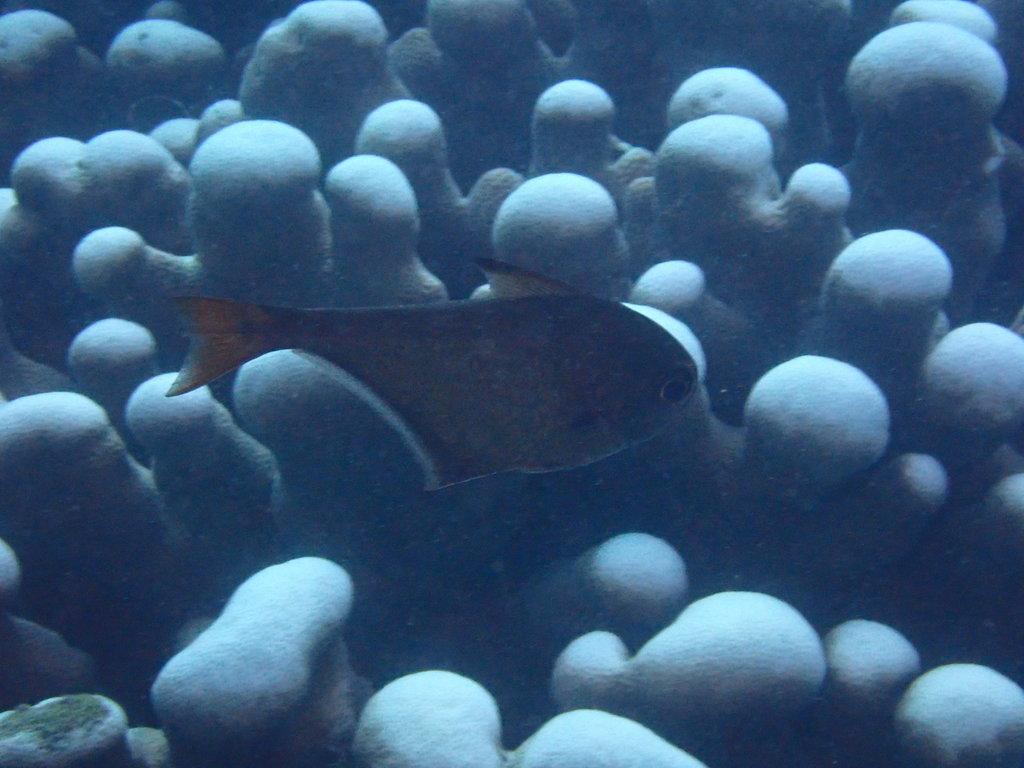
(c) 呂一起(Lyu yi-chi), some rights reserved (CC BY) · CC BY · iNaturalist 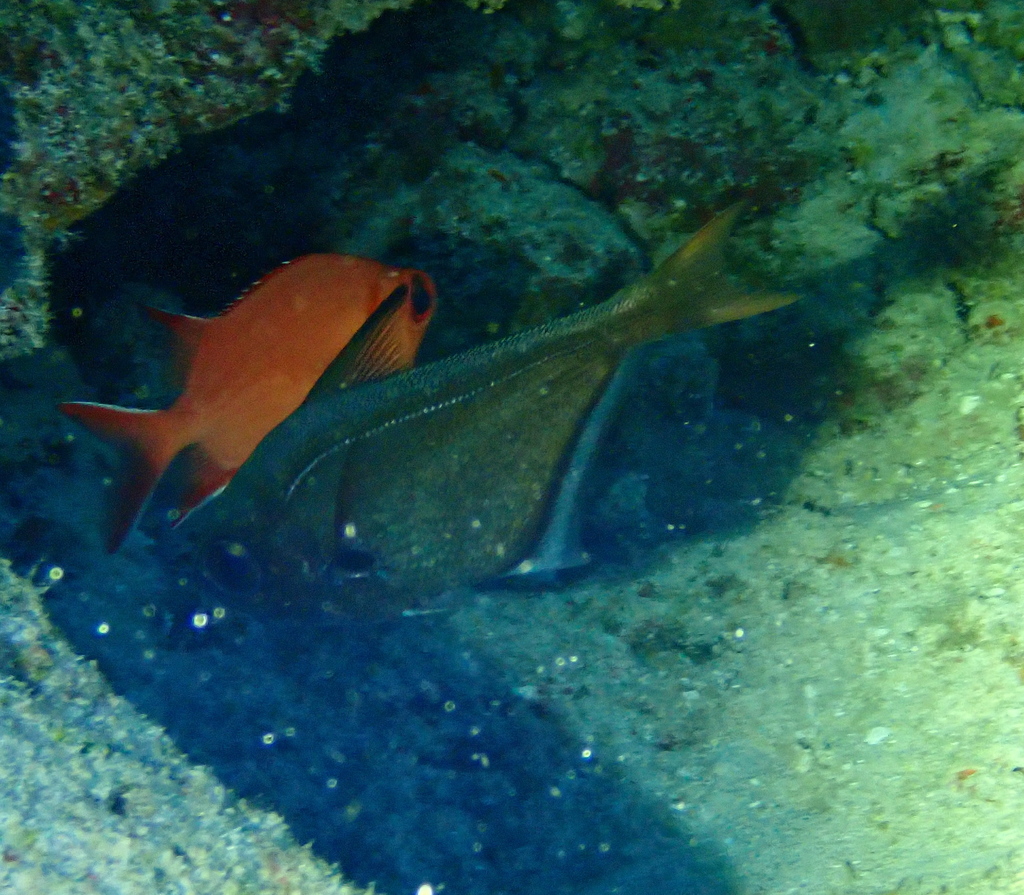
(c) Debra Baker, some rights reserved (CC BY) · CC BY · iNaturalist 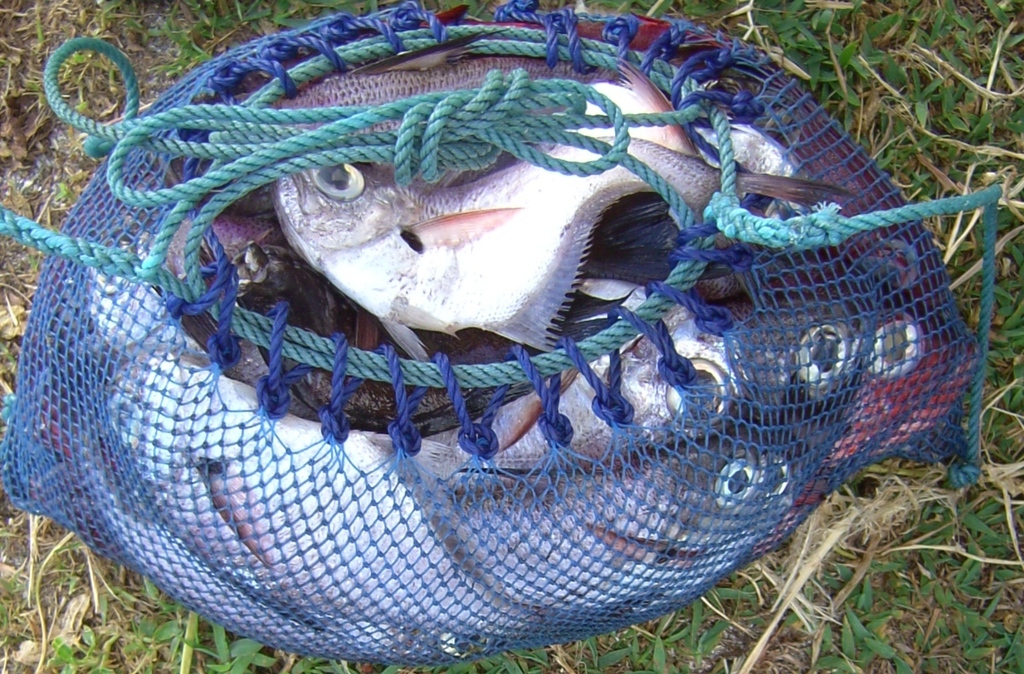
(c) 胡正恆(Jackson Hu), some rights reserved (CC BY) · CC BY · iNaturalist 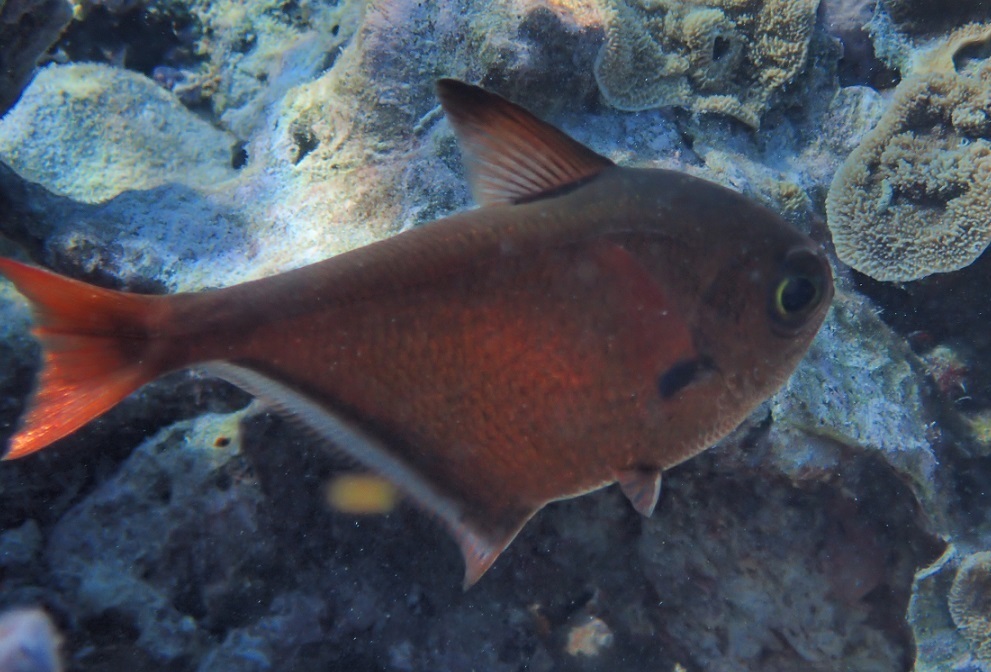
(c) amfstocker, some rights reserved (CC BY) · CC BY · iNaturalist 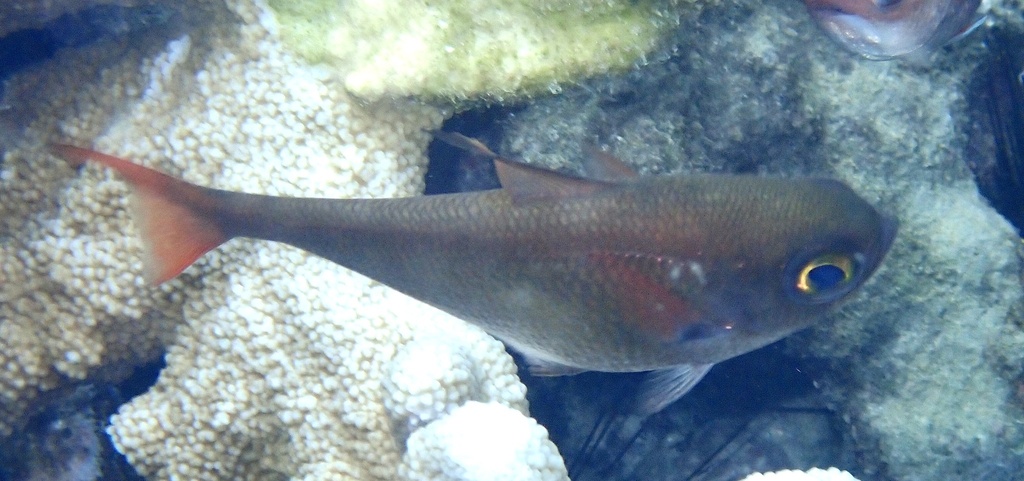
no rights reserved · CC0 1.0 · iNaturalist
Names and classification
- English
- Silver sweeper, Blackspot Sweeper, blacktip sweeper, Bronze Sweeper, Cave Sweeper, Copper Sweeper, Copper Sweeper, Silver sweeper, Keeled Sweeper, Oualan Bullseye, silver sweeper
Names in 3 more languages
- French
- Poisson-hachette argenté, Poisson-harpe
- Japanese
- Yumehatampo, ユメハタンポ
- Simplified Chinese
- 三角仔, 刀片, 水果刀, 烏伊蘭擬金眼鯛, 皮刀, 解餌刀, 黑稍单鳍鱼, 黑稍單鰭魚
Other scientific names: Pempheris oulensis, Pempheris ovalensis, Pemphperis oualensis
Sources and credits
Names and taxonomy: WoRMS (CC BY 4.0) and the GBIF Backbone (CC BY 4.0). Photos: iNaturalist observers, each under the licence shown (CC0, CC BY or CC BY-SA).
- Depth, temperature, months and maps: records from OBIS and GBIF under CC0 or CC BY.
- Conservation status as published by GBIF (IUCN Red List).
- 2,060 open-data records from 1831 to 2023.
- Species data updated October 26, 2026.
Log what you see on your next dive
The free DiveHive diver app keeps your logbook with every sighting and shows what lives at the site you dive next.