
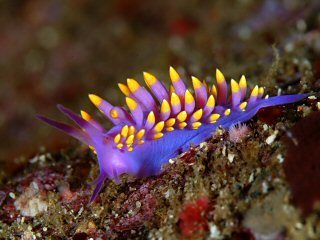
drab aeolid
Phestilla sibogae
- Usual depth6–21 m
- Water temperature19–30 °C
- Best monthsMarch, May, and September
- How commonOccasional
Photo credit: (c) Izuzuki Diver, some rights reserved (CC BY-SA) · CC BY-SA · iNaturalist
About this species
Phestilla sibogae is a species of sea slug, an aeolid nudibranch, a marine gastropod mollusk in the family Trinchesiidae. The species feeds on the hard coral genus Porites.
Text from the Wikipedia article “Phestilla sibogae”, licensed CC BY-SA 4.0. Read the article
Where and when
Where it has been recorded
Worldwide
Loading the map
Best months
Worldwide (open data)
- January: 90 records
- February: 92 records
- March: 158 records
- April: 118 records
- May: 140 records
- June: 135 records
- July: 123 records
- August: 119 records
- September: 151 records
- October: 127 records
- November: 120 records
- December: 124 records
Depth and water temperature
Depth
Mostly recorded at 6–21 m · Deepest record: 34.5 m
Water temperature
Recorded in surface water of 19–30 °C
Photos
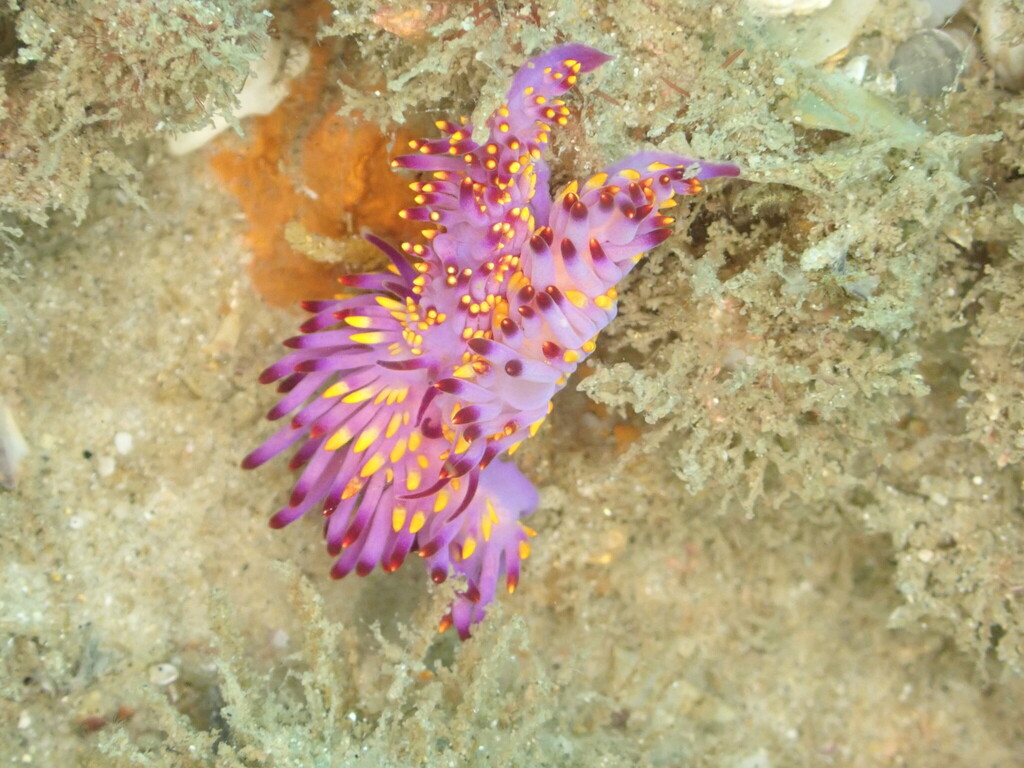
(c) Daniel Eisenhauer, some rights reserved (CC BY) · CC BY · iNaturalist 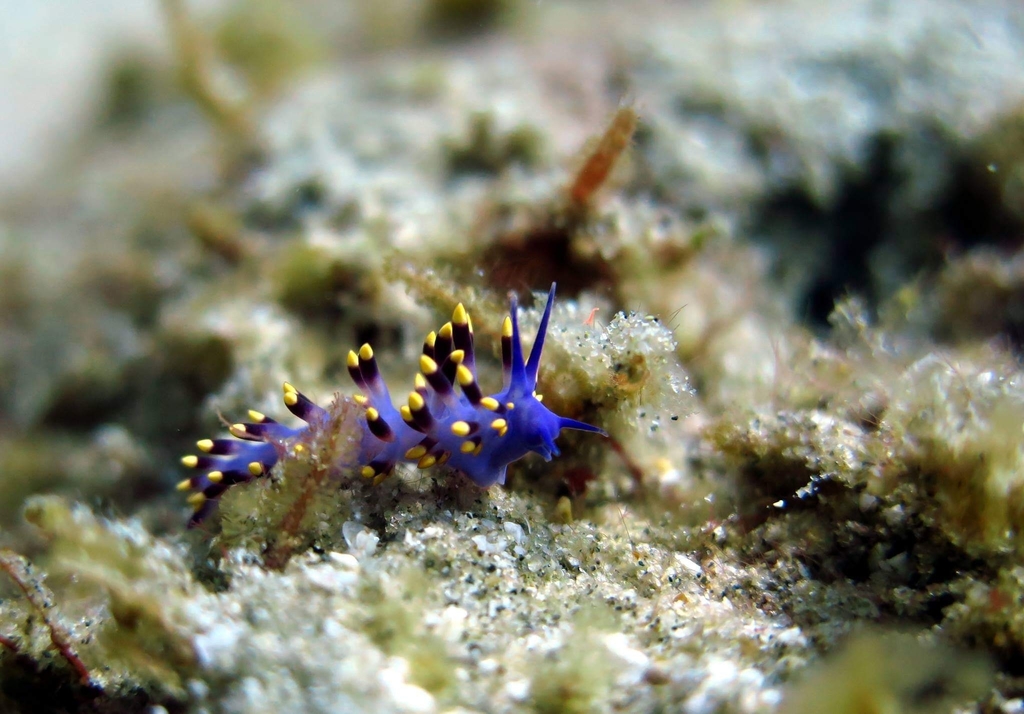
(c) Rodrigo Canalli, some rights reserved (CC BY) · CC BY · iNaturalist 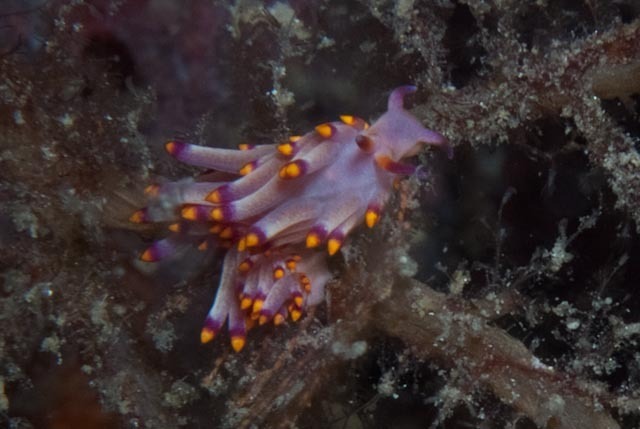
(c) Georgina Jones, some rights reserved (CC BY-SA) · CC BY-SA · iNaturalist 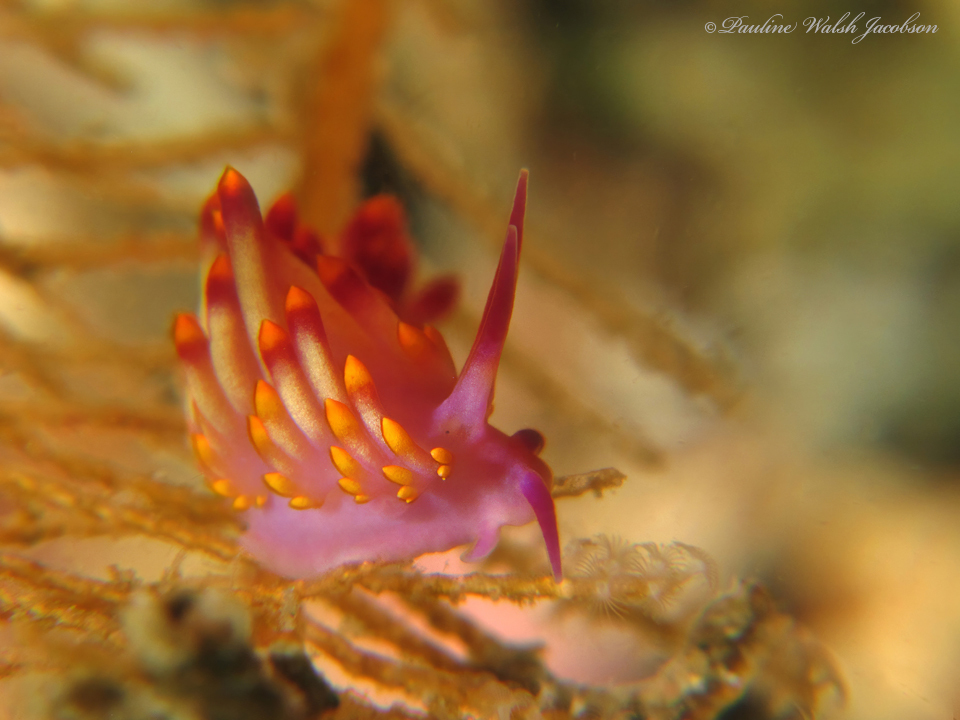
(c) Pauline Walsh Jacobson, some rights reserved (CC BY) · CC BY · iNaturalist 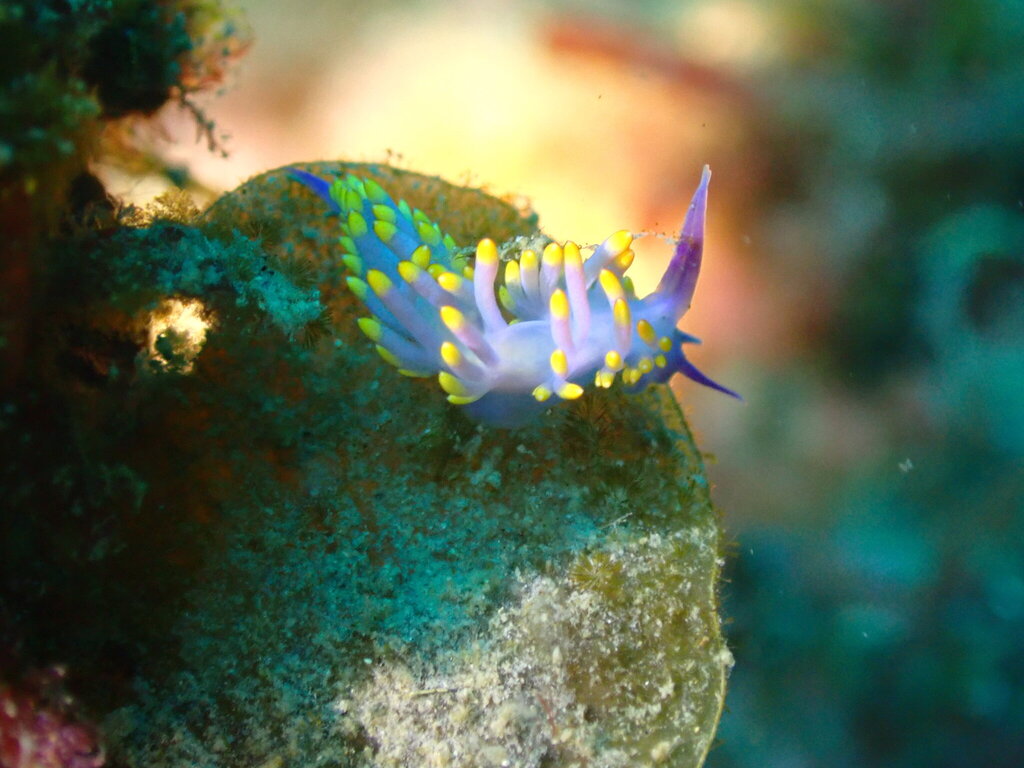
(c) 呂一起(Lyu yi-chi), some rights reserved (CC BY) · CC BY · iNaturalist 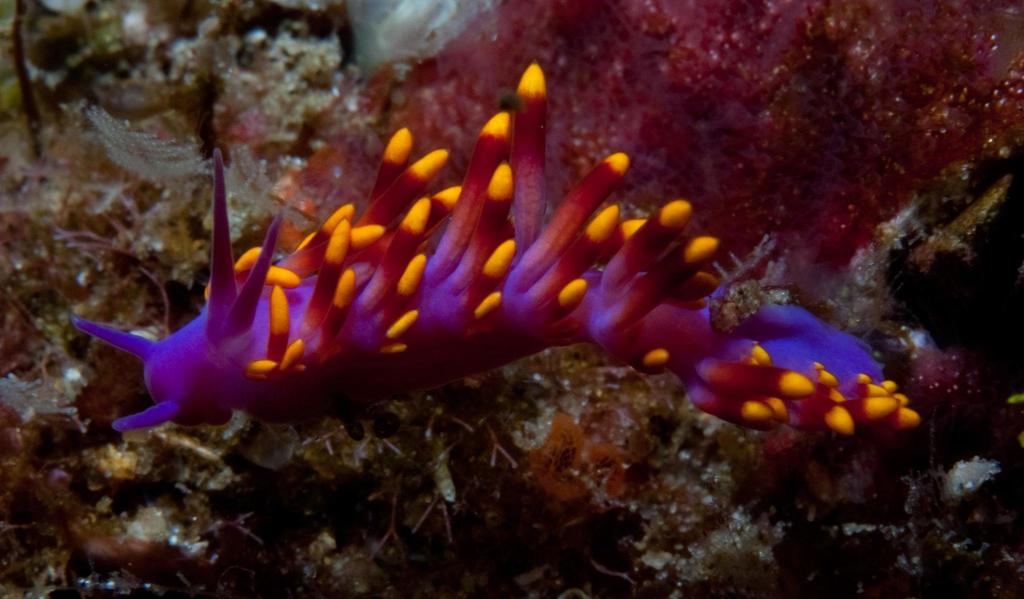
(c) Georgina Jones, some rights reserved (CC BY-SA) · CC BY-SA · iNaturalist 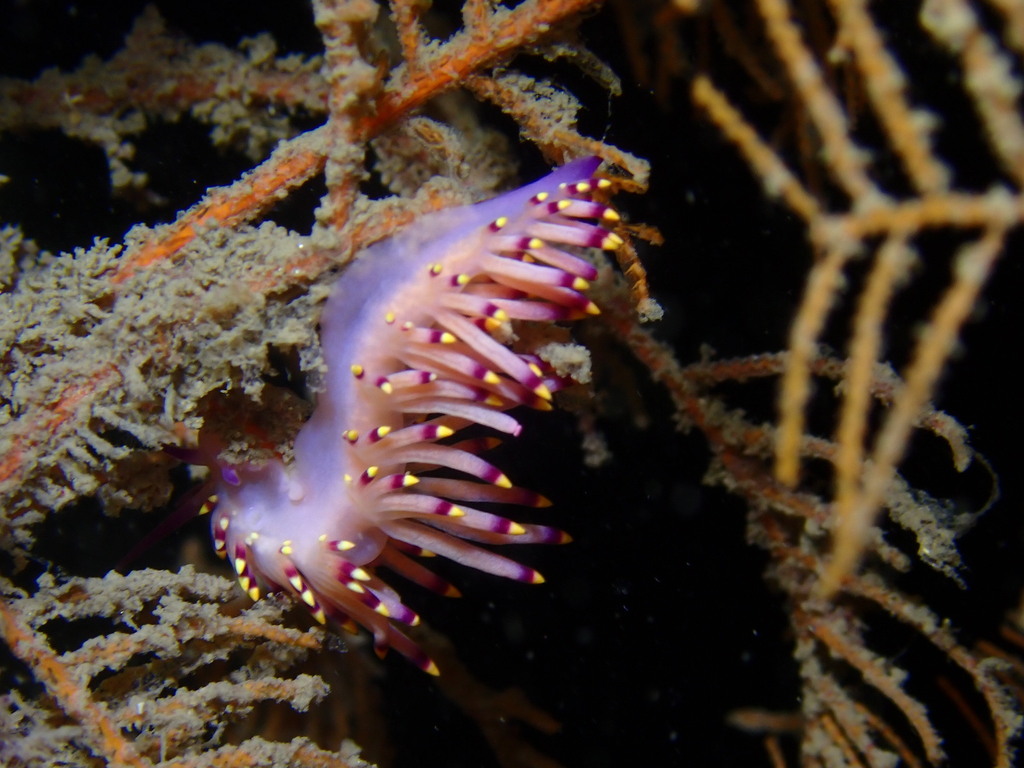
(c) Ewout Knoester, some rights reserved (CC BY-SA) · CC BY-SA · iNaturalist
Names and classification
- English
- drab aeolid, Porites-eating Nudibranch, Tropical Gasflame
Names in 3 more languages
- French
- Cuthona du Siboga
- Japanese
- ミチヨミノウミウシ
- Simplified Chinese
- 西寶羽螅背鰓海牛
Other scientific names: Aeolidia edmondsoni, Aeolidiella edmondsoni, Cuthona sibogae, Hervia sibogae, Tenellia sibogae, Trinchesia sibogae
Similar species
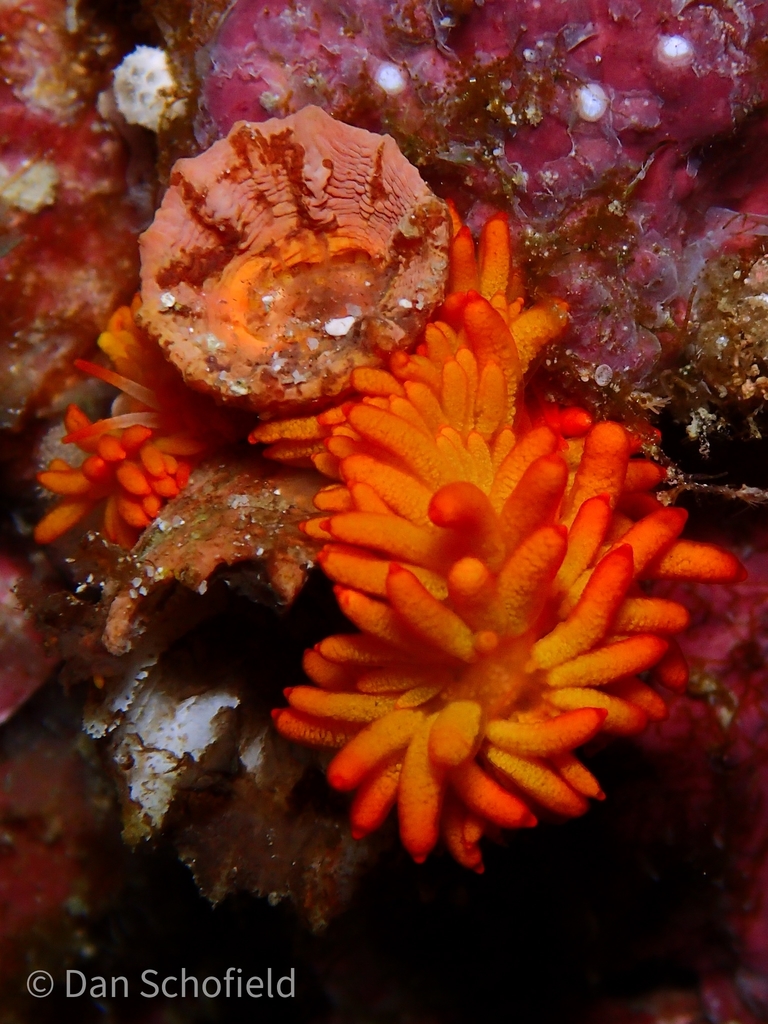 Blackgill Tenellia
Phestilla melanobrachia
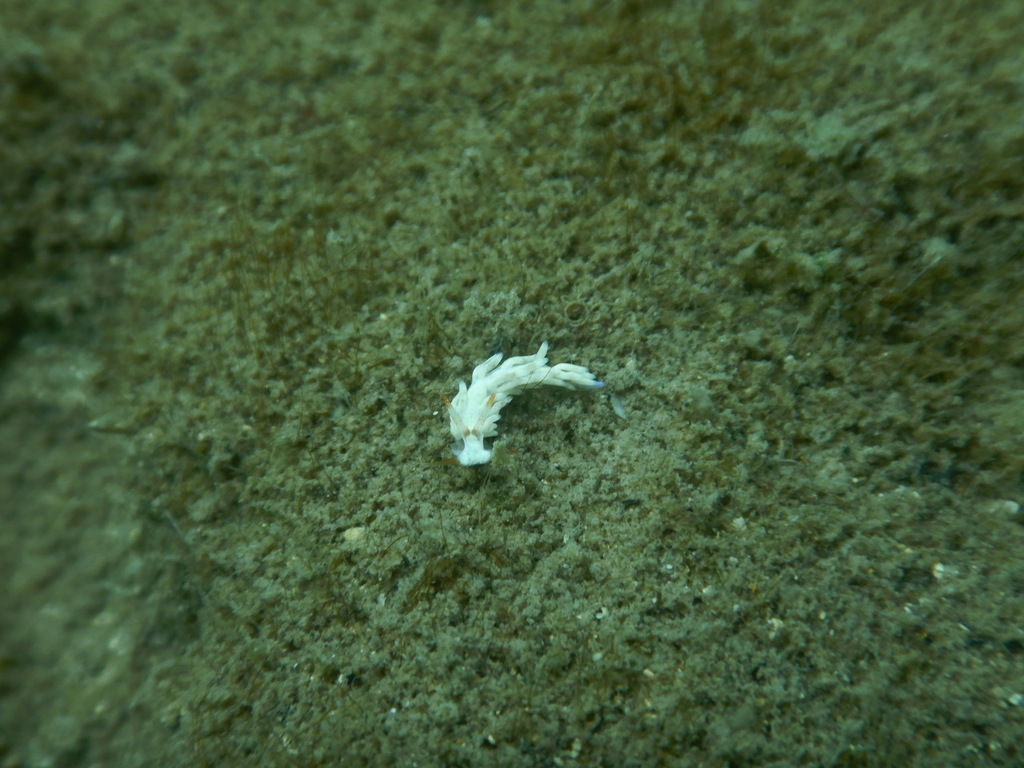
- Orange-blaze Roundhead
Tenellia ornata
Sources and credits
Names and taxonomy: WoRMS (CC BY 4.0) and the GBIF Backbone (CC BY 4.0). Photos: iNaturalist observers, each under the licence shown (CC0, CC BY or CC BY-SA).
- Depth, temperature, months and maps: records from OBIS and GBIF under CC0 or CC BY.
- Descriptions: Wikipedia, licensed CC BY-SA, each linked to its article.
- Conservation status as published by GBIF (IUCN Red List).
- 303 open-data records from 1982 to 2026.
- Species data updated October 26, 2026.
Log what you see on your next dive
The free DiveHive diver app keeps your logbook with every sighting and shows what lives at the site you dive next.