
Piano fangblenny
Plagiotremus tapeinosoma
- Usual depth4–20 m
- Water temperature17–30 °C
- Best monthsFebruary, April, and May
- How commonOccasional
About this species
The mimic blenny or piano fangblenny, Plagiotremus tapeinosoma, is a blenny of the genus Plagiotremus, with a widespread Indo-Pacific distribution including New Zealand from depths of 8 to 30 metres. This species reaches a length of 14 centimetres (5.5 in) TL.
Text from the Wikipedia article “Mimic blenny”, licensed CC BY-SA 4.0. Read the article
Where and when
Where it has been recorded
Worldwide
Loading the map
Best months
Worldwide (open data)
- January: 65 records
- February: 257 records
- March: 173 records
- April: 217 records
- May: 202 records
- June: 176 records
- July: 80 records
- August: 59 records
- September: 87 records
- October: 70 records
- November: 25 records
- December: 35 records
Depth and water temperature
Depth
Mostly recorded at 4–20 m · Deepest record: 646.5 m
Water temperature
Recorded in surface water of 17–30 °C
Names and classification
- English
- Piano fangblenny, Scale-eating blenny, calico blenny, Hit and Run Blenny, Mimic Blenny, Piano Blenny, piano fangblenny, scale-eating blenny, Scale-eating Fangblenny
Names in 2 more languages
- French
- Blennie piano
- Japanese
- Tenkurosujigimpo, テンクロスジギンポ
Other scientific names: Aspidontus tapeinosoma, Petroscirtes tapeinosoma, Petroskirtes tapeinosoma, Plagiotremus tapeinosomus, Runula tapeinosoma
Similar species
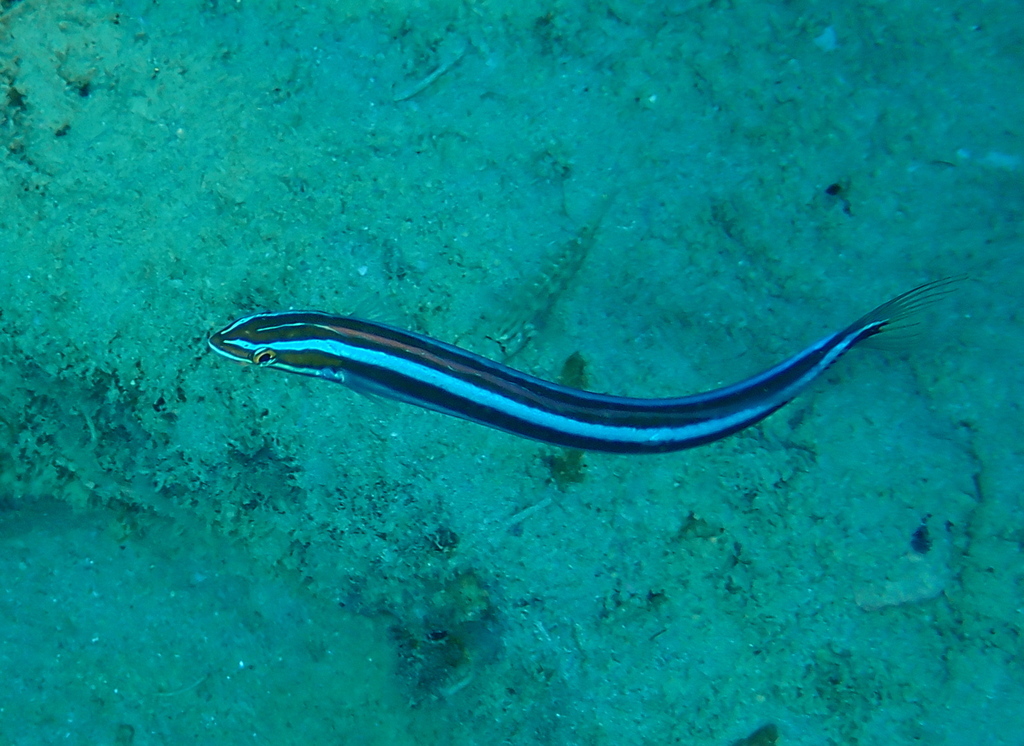 Bluestriped blenny
Plagiotremus rhinorhynchos
- Bicolor Fangblenny
Plagiotremus laudandus
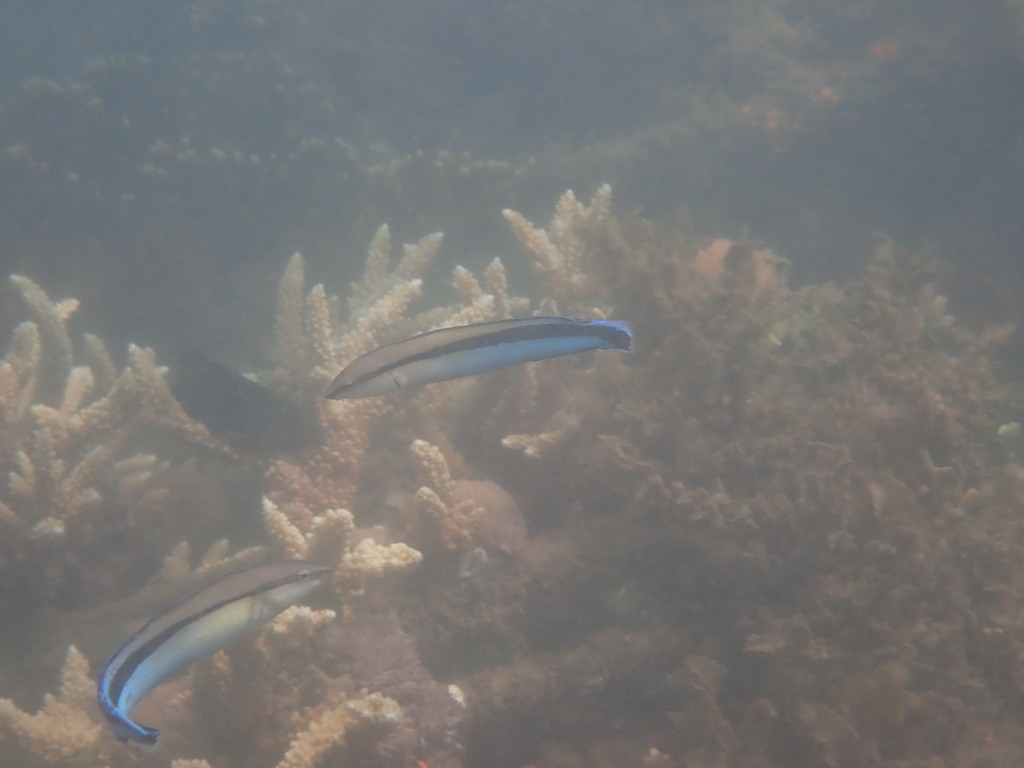 Mimic blenny
Aspidontus taeniatus
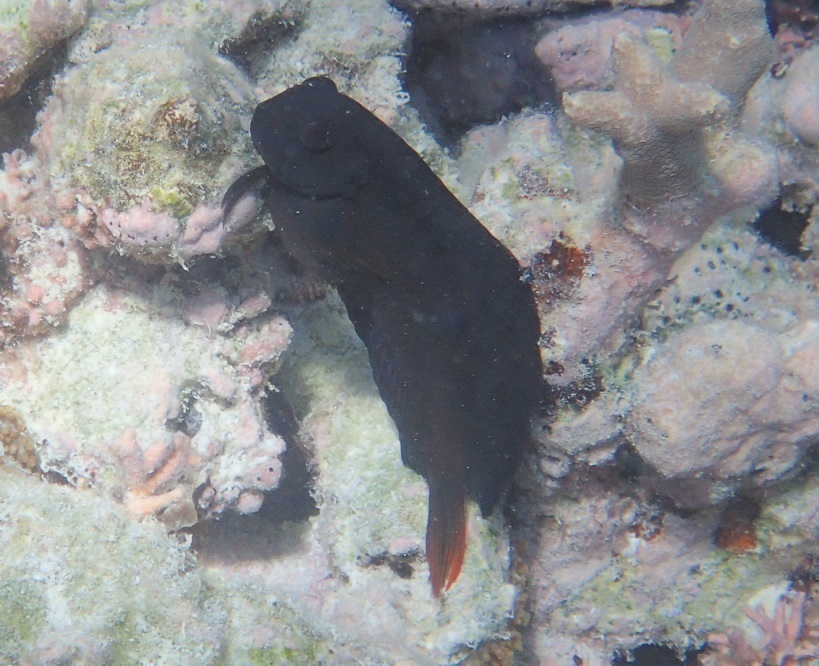 Black Blenny
Atrosalarias holomelas
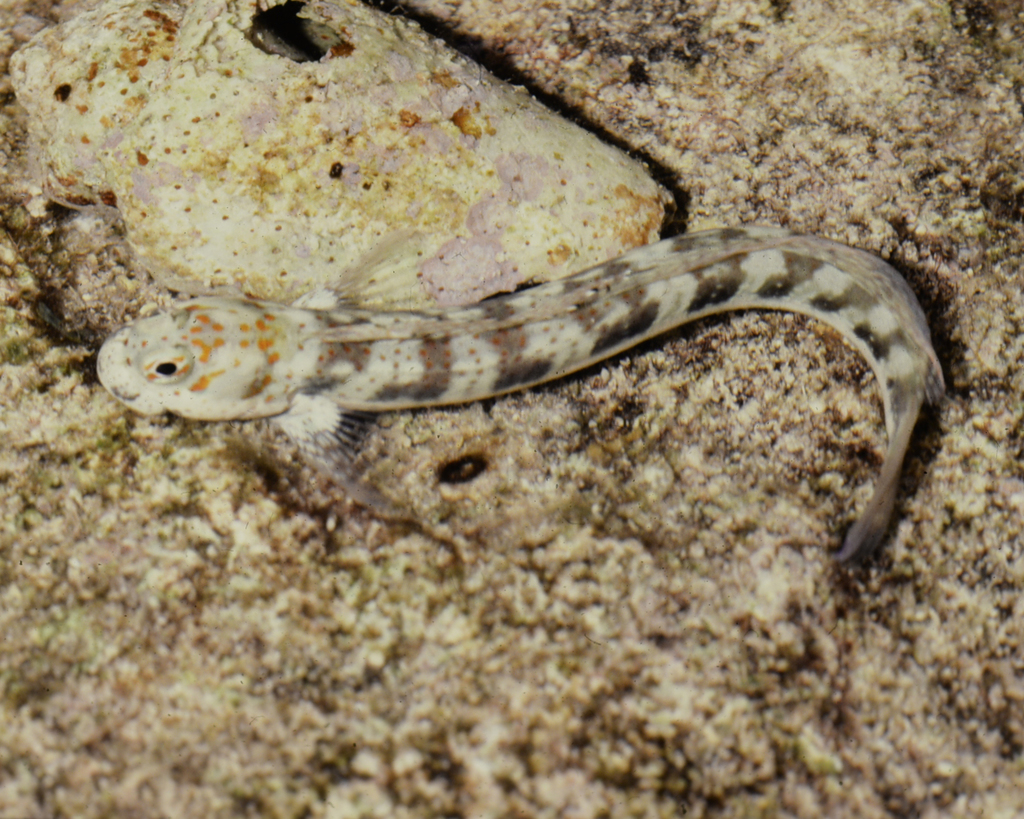 Bluespotted Blenny
Blenniella chrysospilos
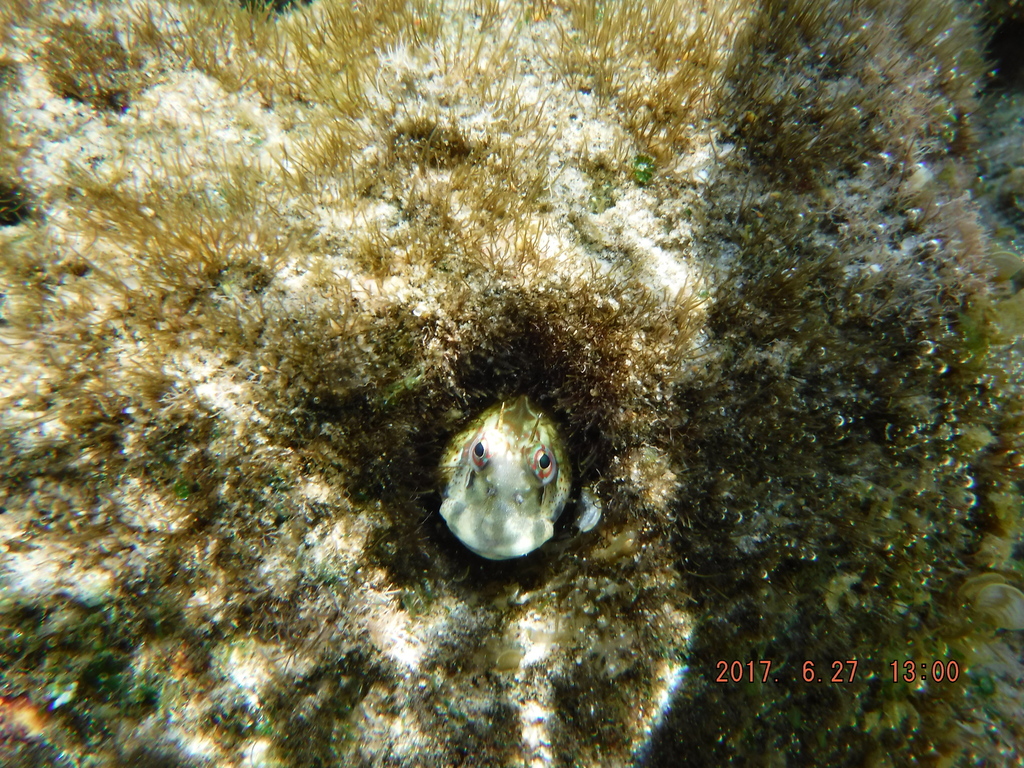 Blue-dashed rockskipper
Blenniella periophthalmus
Sources and credits
Names and taxonomy: WoRMS (CC BY 4.0) and the GBIF Backbone (CC BY 4.0). Photos: iNaturalist observers, each under the licence shown (CC0, CC BY or CC BY-SA).
- Depth, temperature, months and maps: records from OBIS and GBIF under CC0 or CC BY.
- Descriptions: Wikipedia, licensed CC BY-SA, each linked to its article.
- Conservation status as published by GBIF (IUCN Red List).
- 4,200 open-data records from 1857 to 2023.
Log what you see on your next dive
The free DiveHive diver app keeps your logbook with every sighting and shows what lives at the site you dive next.