

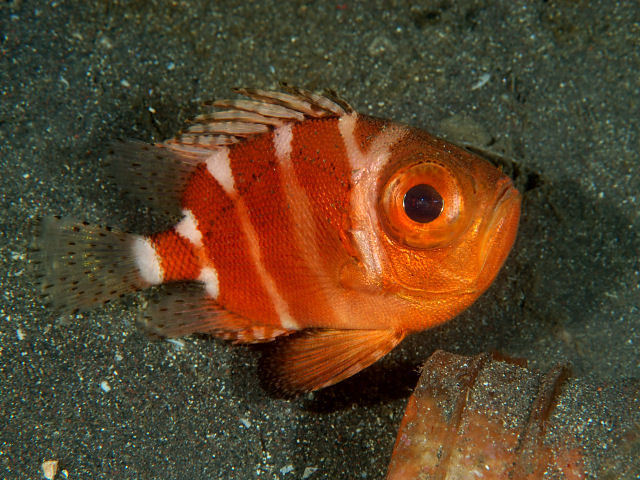
Arrow bulleye
Priacanthus sagittarius
- Usual depth13–687 m
- Water temperature-1–30 °C
- Best monthsJanuary, October, and December
- How commonRare
Photo credit: (c) Pauline Walsh Jacobson, some rights reserved (CC BY) · CC BY · iNaturalist
About this species
Priacanthus sagittarius, The arrow bulleye, is a species of marine ray finned fish, a bigeye in the family Priacanthidae. It is native to the Indian and Pacific Oceans. It is also observed since 2009, in rare occasions, in the eastern Mediterranean Sea, which it most likely entered via the Suez Canal.
Text from the Wikipedia article “Priacanthus sagittarius”, licensed CC BY-SA 4.0. Read the article
Where and when
Where it has been recorded
Worldwide
Loading the map
Best months
Worldwide (open data)
- January: 5 records
- February: 3 records
- March: 4 records
- April: 5 records
- May: 3 records
- June: 2 records
- July: 5 records
- August: 2 records
- September: 5 records
- October: 6 records
- November: 5 records
- December: 6 records
Depth and water temperature
Depth
Mostly recorded at 13–687 m · Deepest record: 687.2 m
Water temperature
Recorded in surface water of -1–30 °C
Names and classification
- English
- Arrow bulleye, Arrowfin Bigeye, Robust Bigeye
Names in 3 more languages
- Japanese
- Minamikintoki, ミナミキントキ
- Thai
- ปลาตาหวานครีบสูง
- Simplified Chinese
- 嚴公仔, 紅目鰱, 高背大眼鯛
Similar species
 Goggle-eye
Priacanthus hamrur
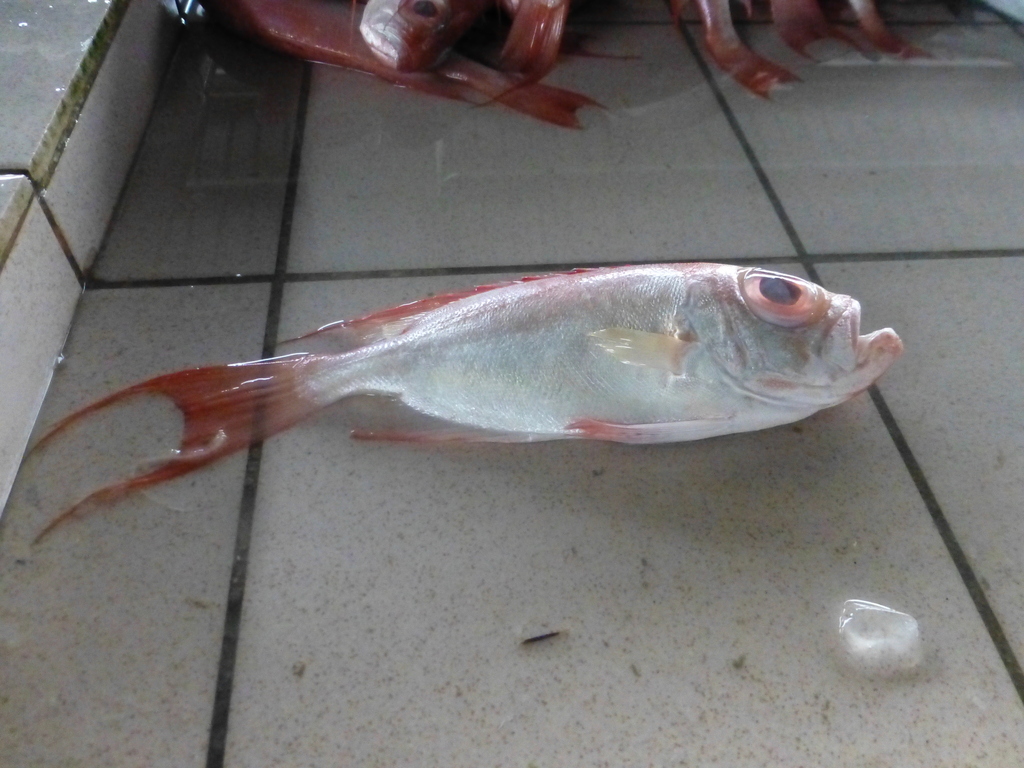 Purplespot Bigeye
Priacanthus tayenus
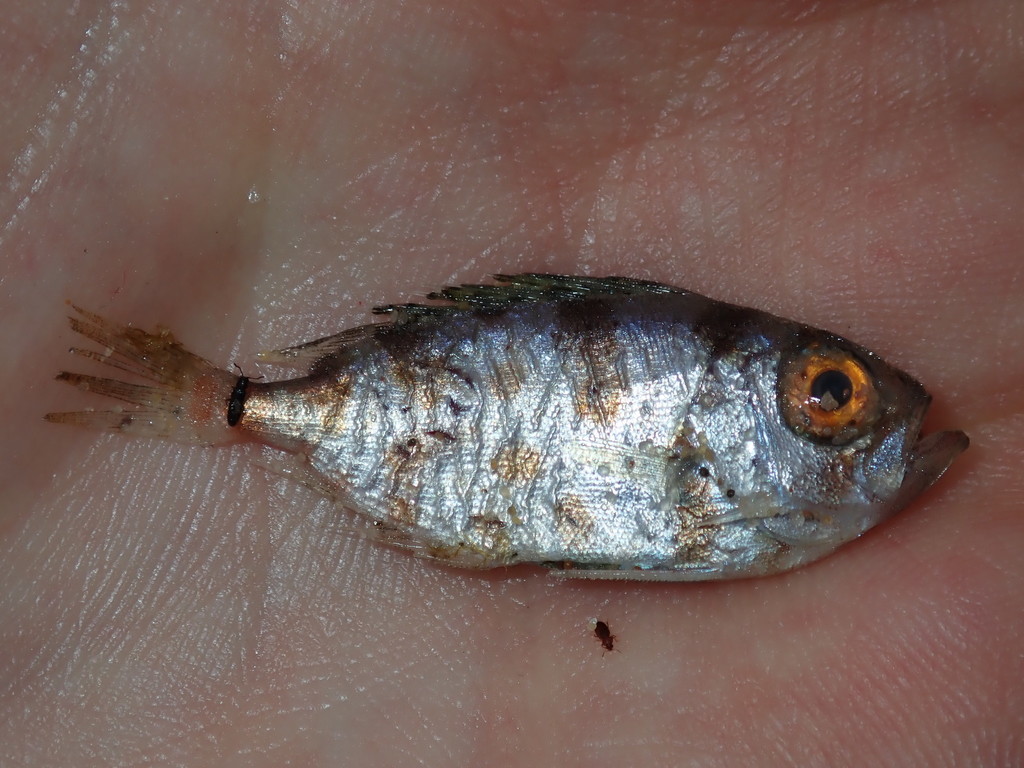 Red bigeye
Priacanthus macracanthus
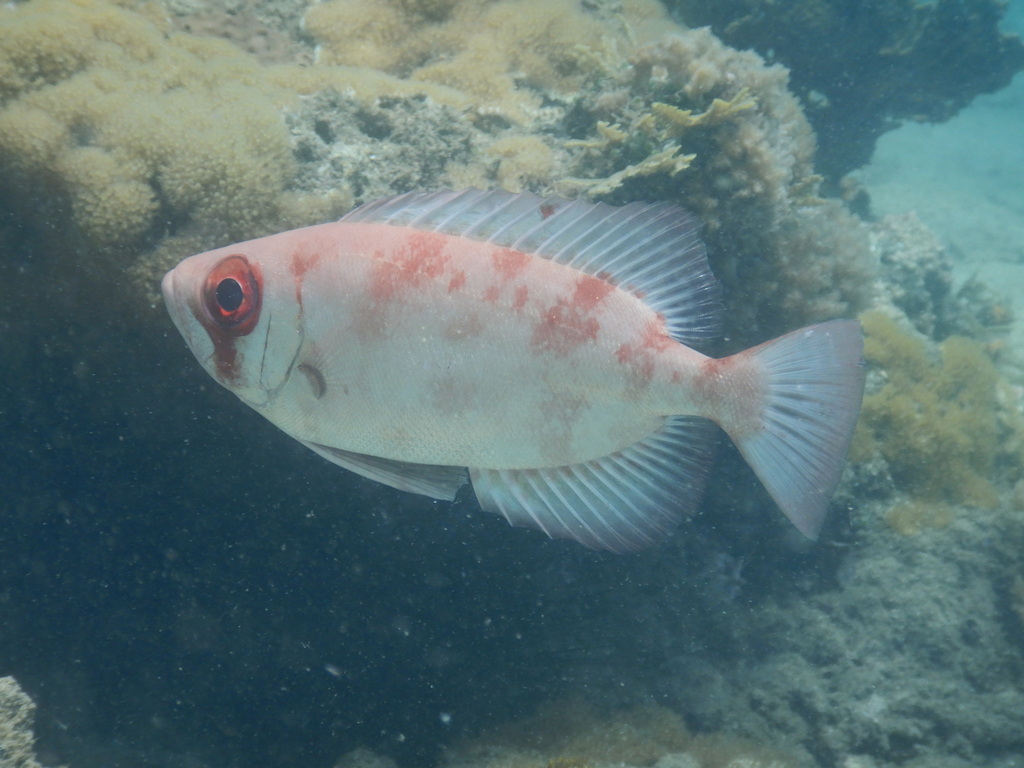 Silver big-eye
Priacanthus blochii
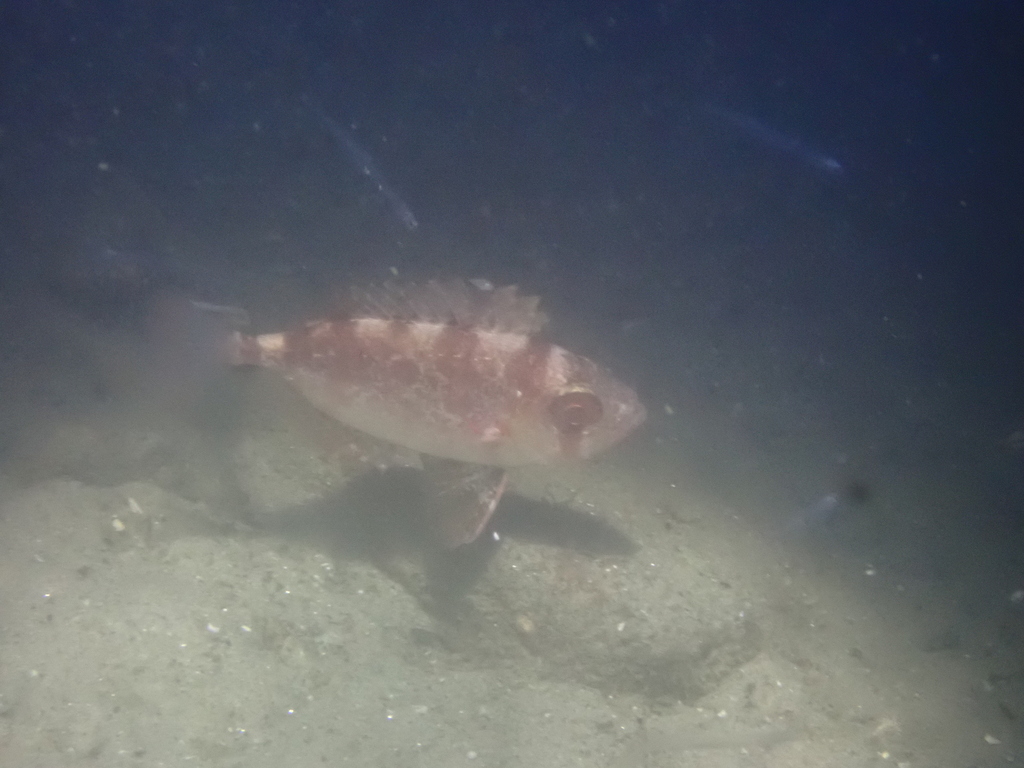 Glasseye
Heteropriacanthus cruentatus
 Japanese bigeye
Pristigenys niphonia
Sources and credits
Names and taxonomy: WoRMS (CC BY 4.0) and the GBIF Backbone (CC BY 4.0). Photos: iNaturalist observers, each under the licence shown (CC0, CC BY or CC BY-SA).
- Depth, temperature, months and maps: records from OBIS and GBIF under CC0 or CC BY.
- Descriptions: Wikipedia, licensed CC BY-SA, each linked to its article.
- Conservation status as published by GBIF (IUCN Red List).
- 134 open-data records from 1947 to 2022.
- Species data updated October 30, 2026.
Log what you see on your next dive
The free DiveHive diver app keeps your logbook with every sighting and shows what lives at the site you dive next.