
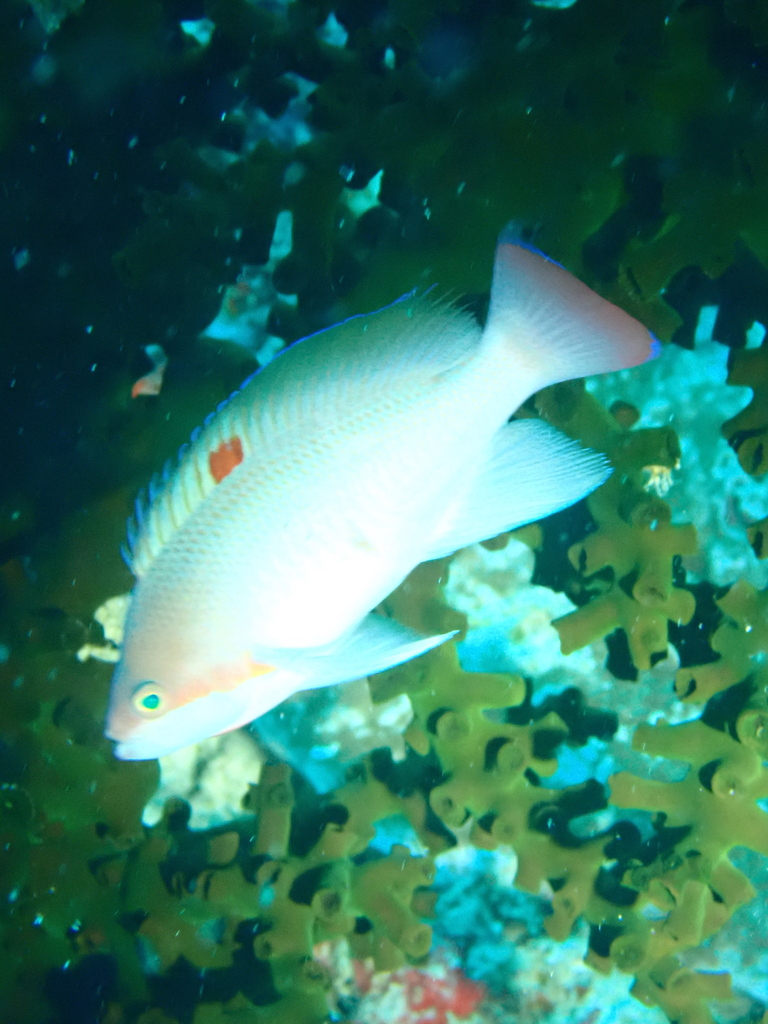
Pink basslet
Pseudanthias hypselosoma
- Usual depth6–27 m
- Water temperature20–29 °C
- Best monthsApril, May, and June
- How commonRare
Photo credit: (c) Debra Baker, some rights reserved (CC BY) · CC BY · iNaturalist
About this species
Pseudanthias hypselosoma is a species of marine ray-finned fish, a member of the genus Pseudanthias which is part of the subfamily Anthiinae, which in turn is part of the family Serranidae, the groupers and sea basses. It is an Indo-Pacific species which is found from the Maldives to Samoa, north to the Ryukyu Islands and south to the Great Barrier Reef. It occasionally makes its way into the aquarium trade. It grows to a size of 19 cm (7.5 in) in length.
Text from the Wikipedia article “Pseudanthias hypselosoma”, licensed CC BY-SA 4.0. Read the article
Where and when
Where it has been recorded
Worldwide
Loading the map
Best months
Worldwide (open data)
- January: 27 records
- February: 20 records
- March: 29 records
- April: 34 records
- May: 39 records
- June: 40 records
- July: 16 records
- August: 9 records
- September: 22 records
- October: 31 records
- November: 32 records
- December: 21 records
Depth and water temperature
Depth
Mostly recorded at 6–27 m · Deepest record: 39.6 m
Water temperature
Recorded in surface water of 20–29 °C
Photos
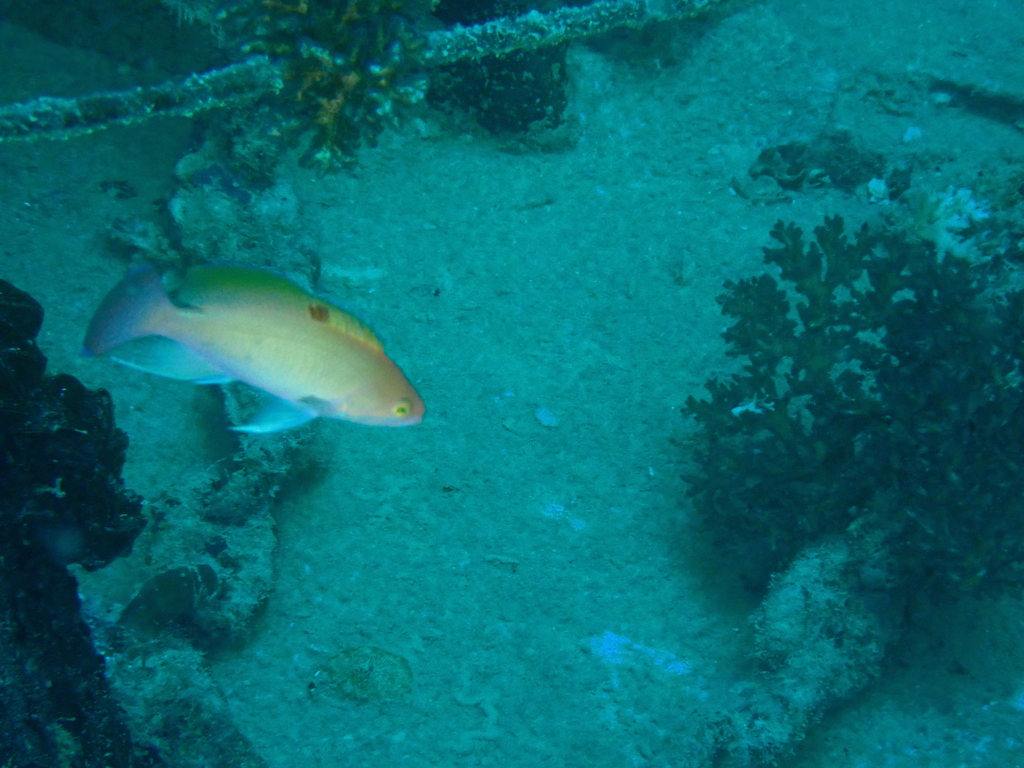
(c) Debra Baker, some rights reserved (CC BY) · CC BY · iNaturalist 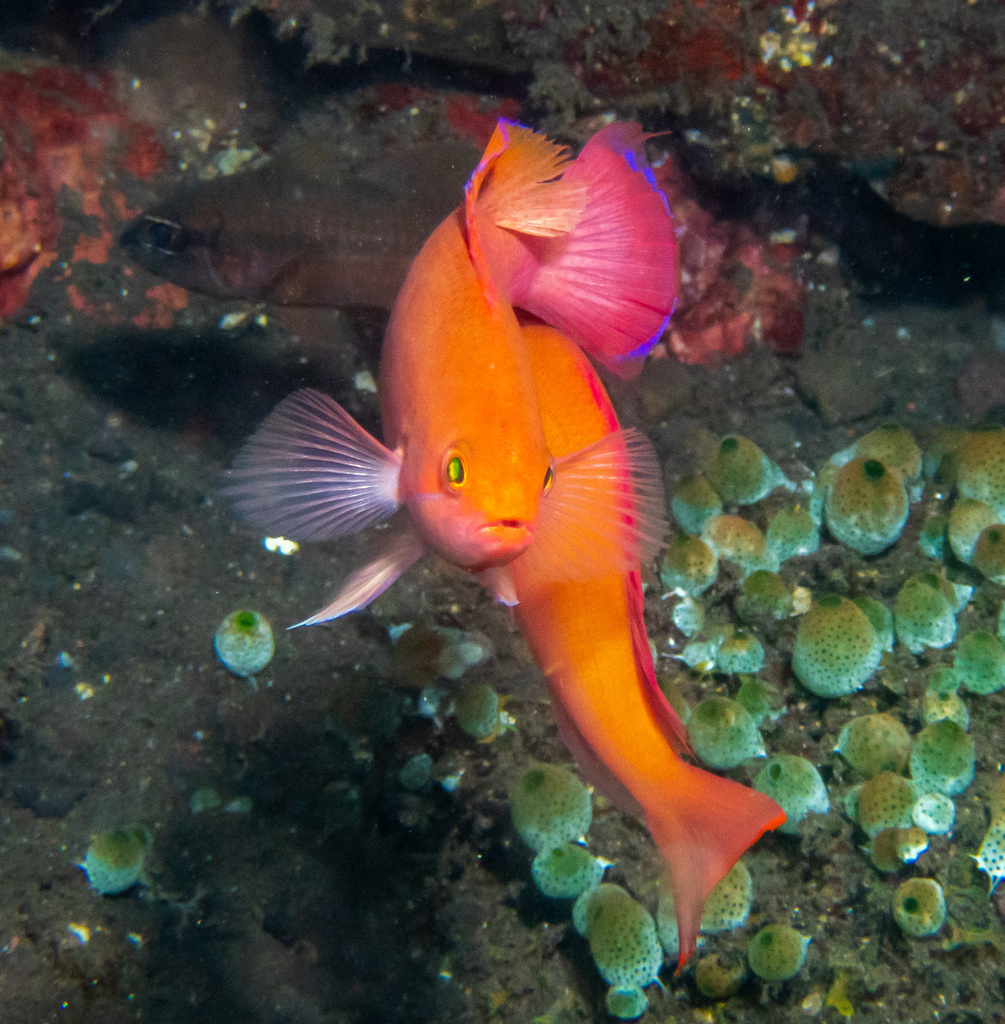
(c) portioid, some rights reserved (CC BY) · CC BY · iNaturalist 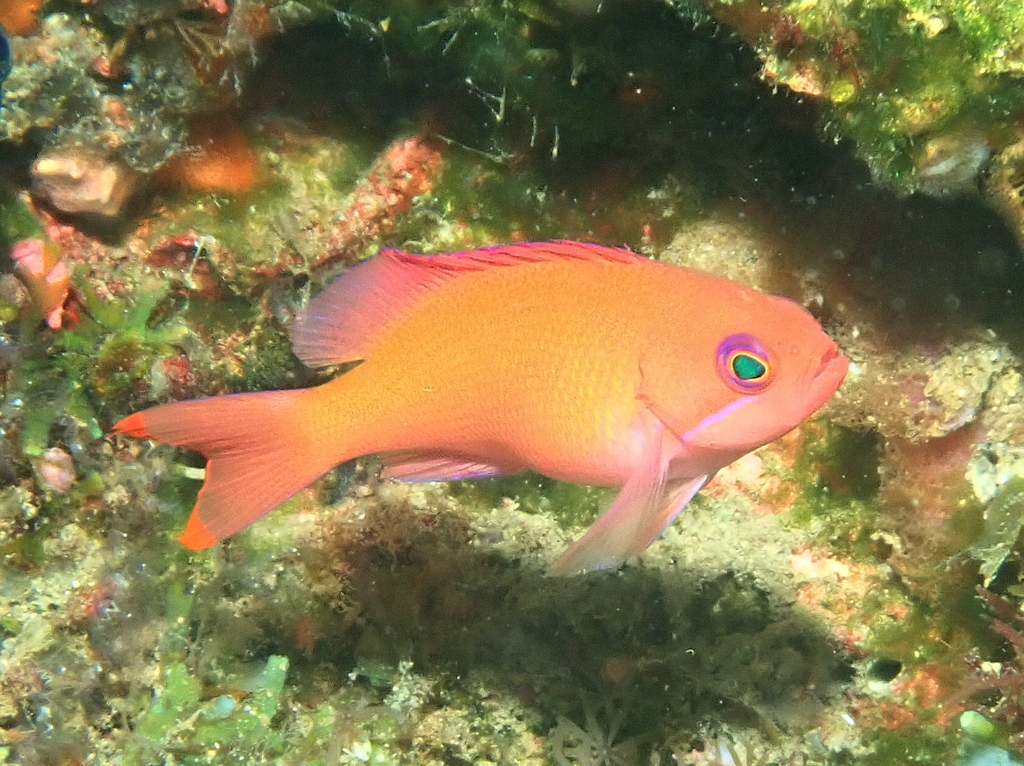
(c) desertnaturalist, some rights reserved (CC BY) · CC BY · iNaturalist 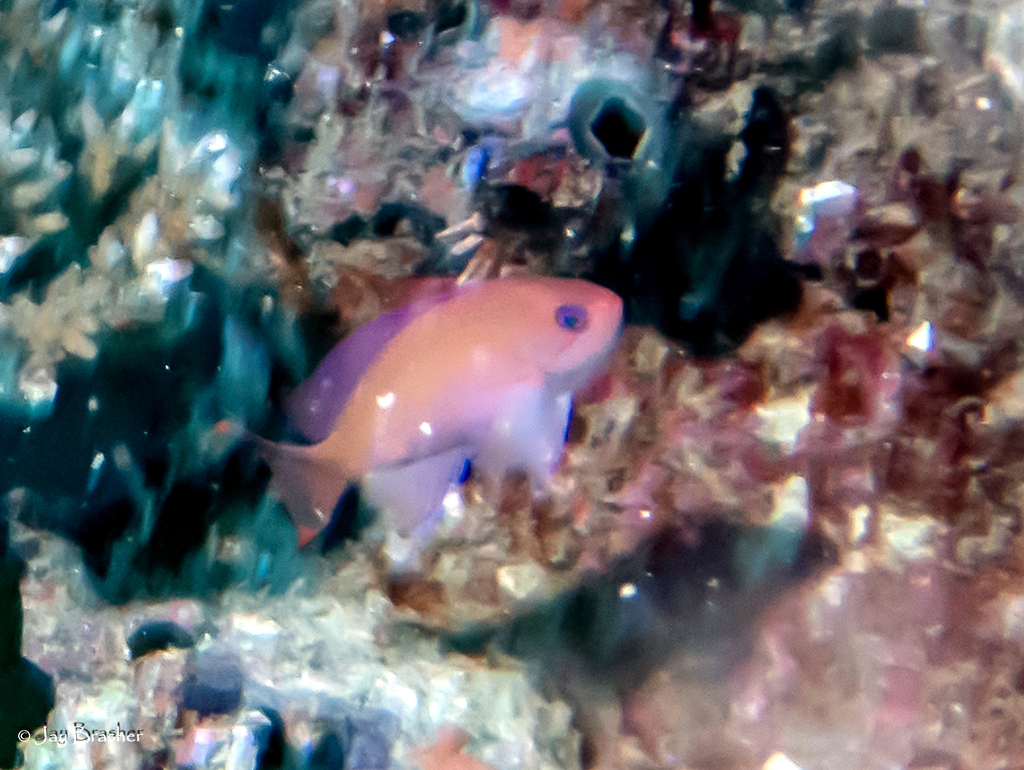
(c) Jay Brasher, some rights reserved (CC BY) · CC BY · iNaturalist 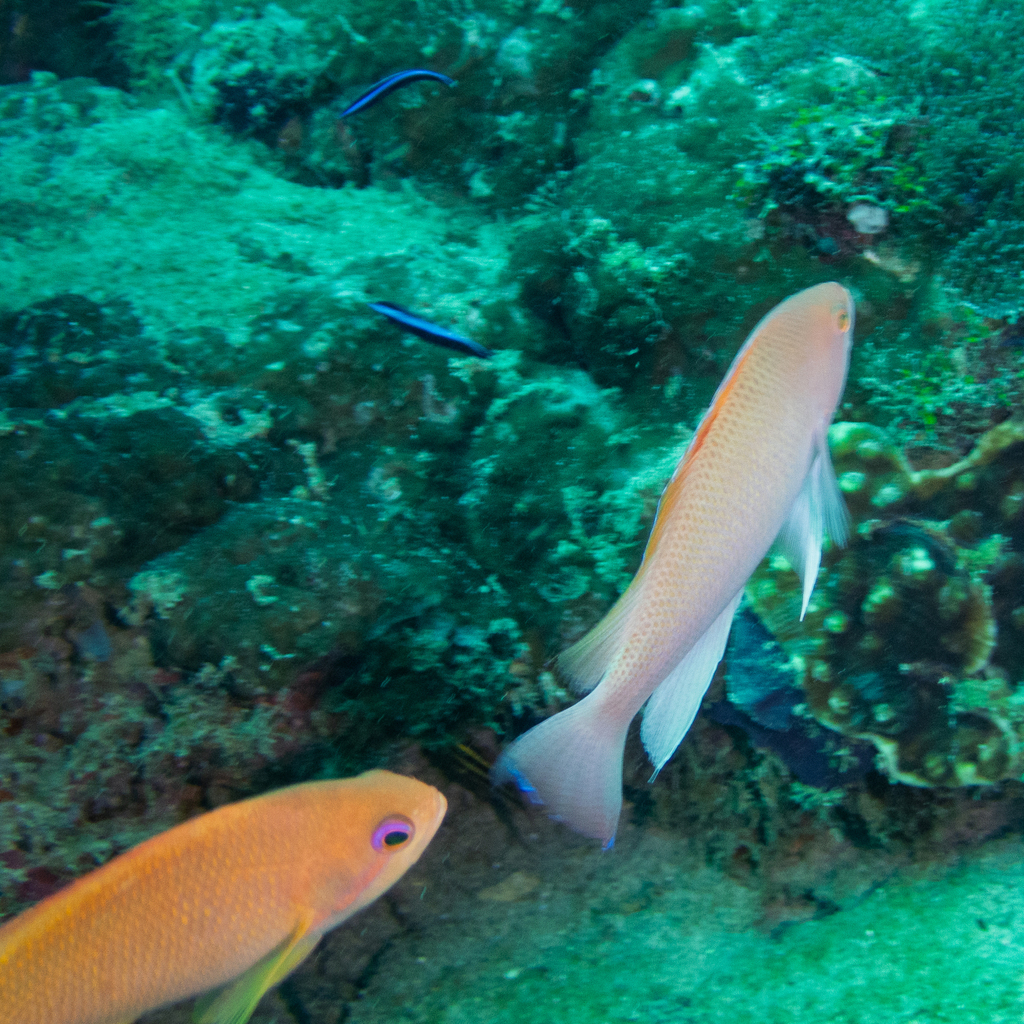
(c) Pierre Pericard, some rights reserved (CC BY) · CC BY · iNaturalist 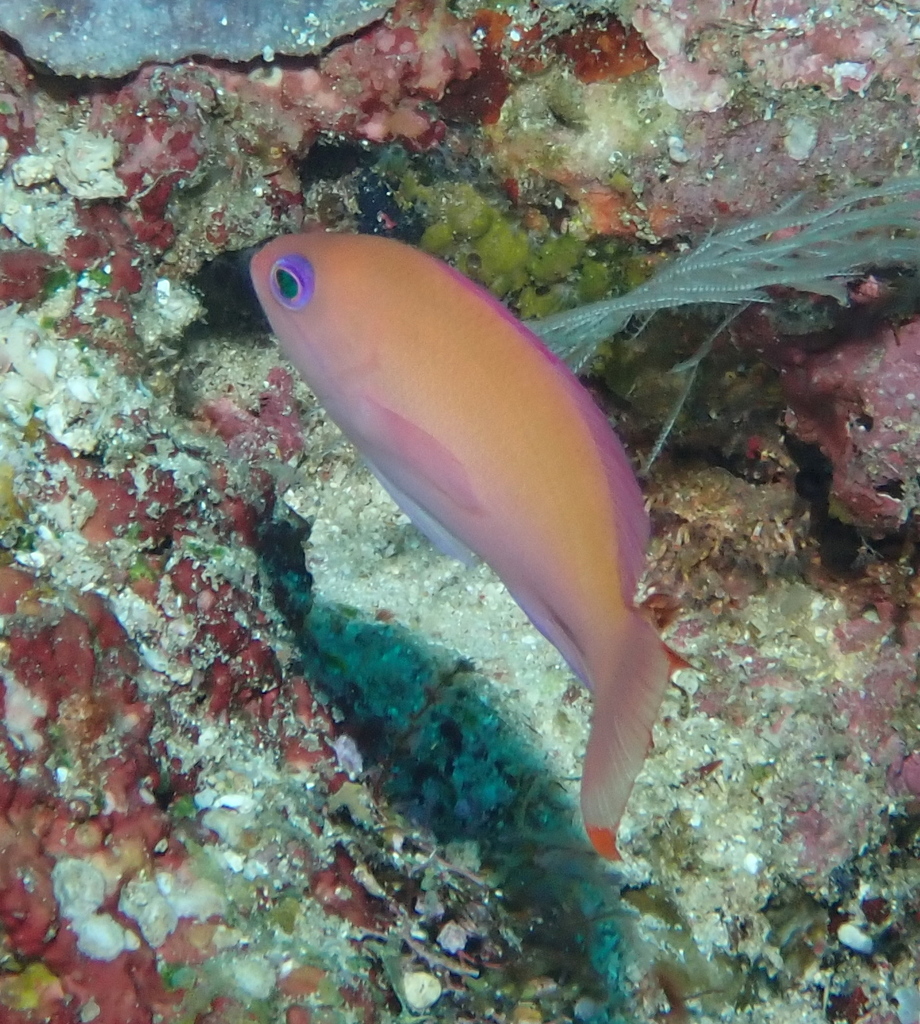
(c) desertnaturalist, some rights reserved (CC BY) · CC BY · iNaturalist 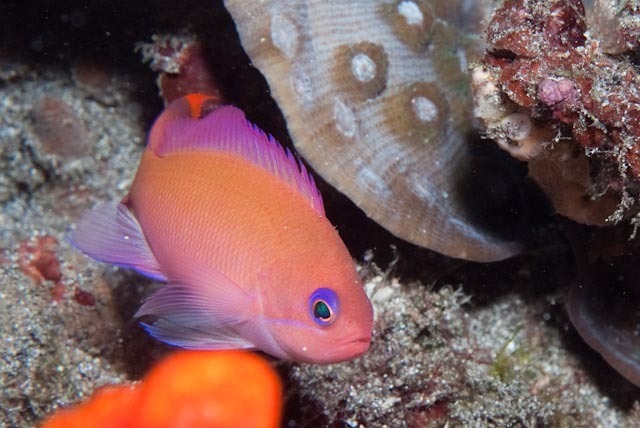
(c) Georgina Jones, some rights reserved (CC BY-SA) · CC BY-SA · iNaturalist
Names and classification
- English
- Pink basslet, Pink seaperch, Pink Sea-perch, Stocky Anthias
Names in 3 more languages
- French
- Anthias trapu
- Japanese
- Keramahanadai, ケラマハナダイ
- Simplified Chinese
- 截尾擬花鮨, 海金魚, 紅魚, 花鱸, 高體擬花鮨, 高體擬花鱸
Other scientific names: Anthias hypselosoma, Anthias truncatus, Pseudanthias hypeelosoma, Pseudanthias truncatus
Similar species
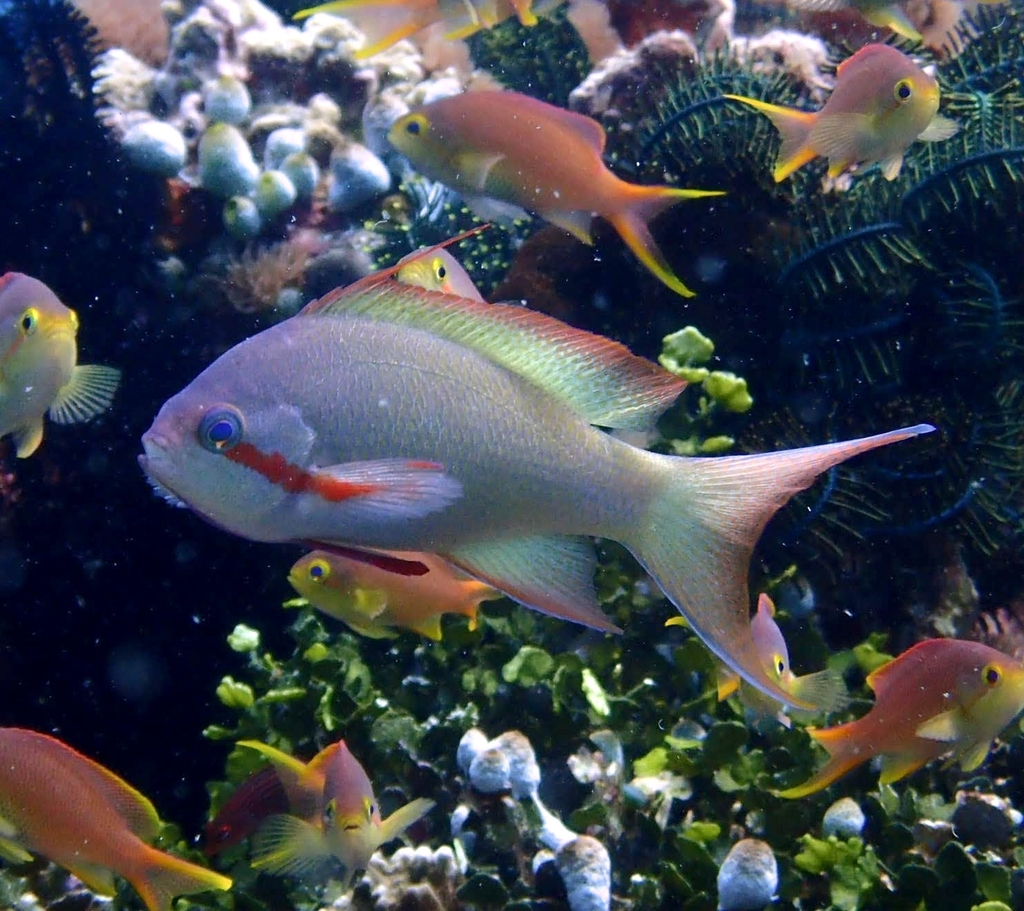 Hucht's fairy basslet
Pseudanthias huchtii
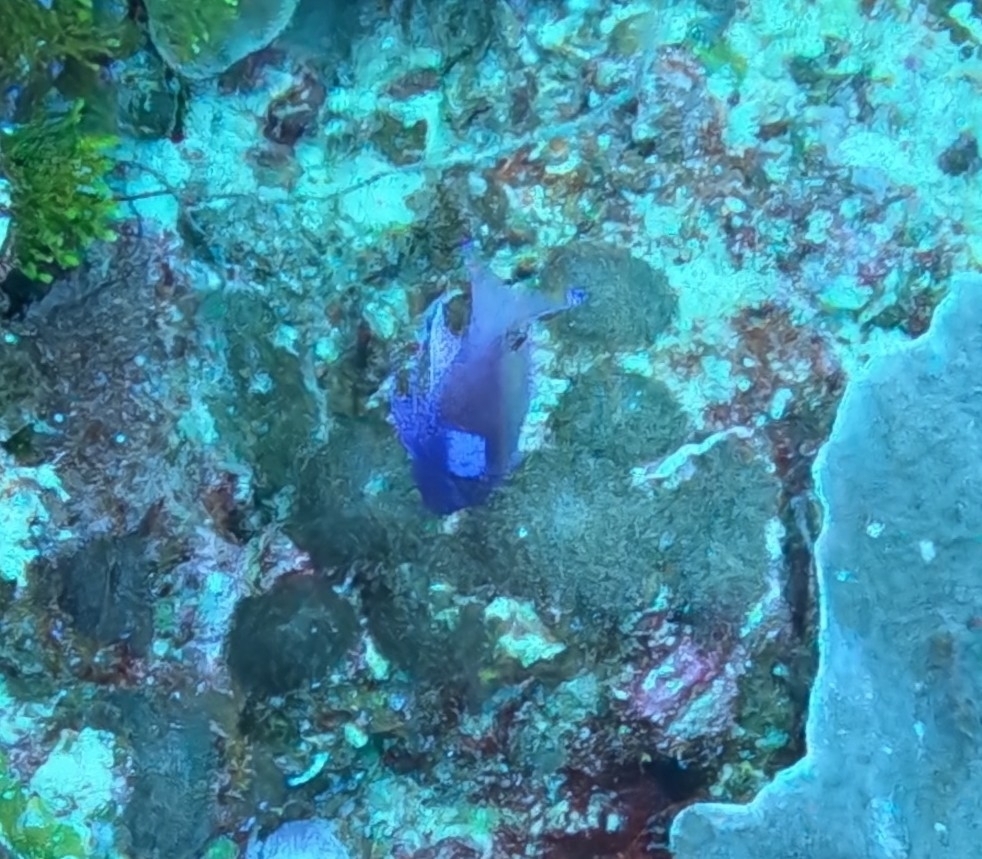 Blotched Fairy Basslet
Pseudanthias pleurotaenia
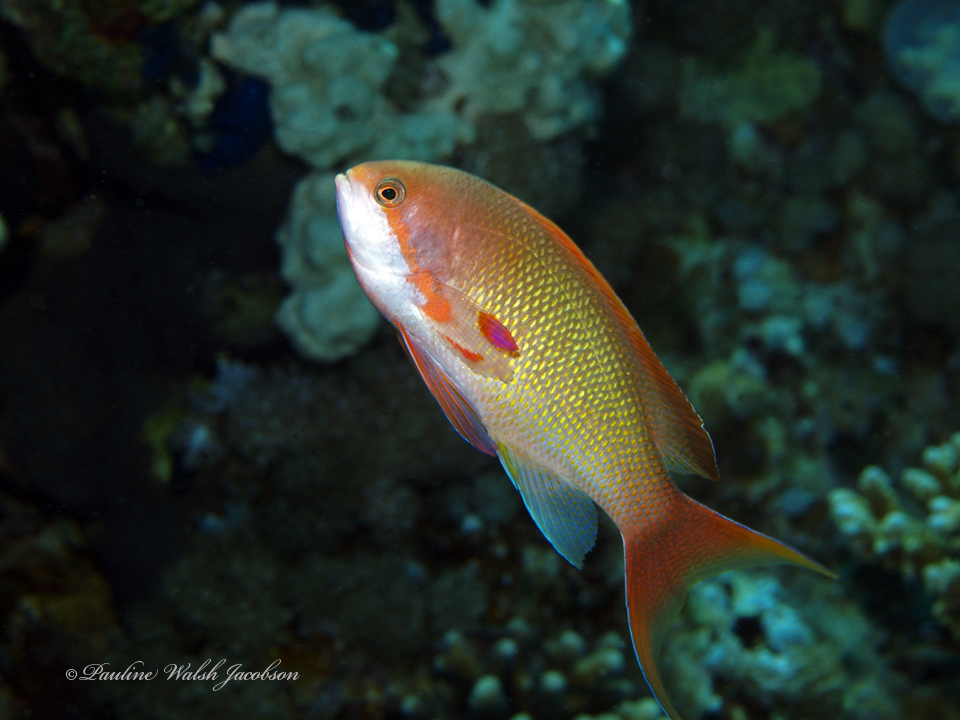 Sea goldie
Pseudanthias squamipinnis
 Luzon anthias
Pseudanthias luzonensis
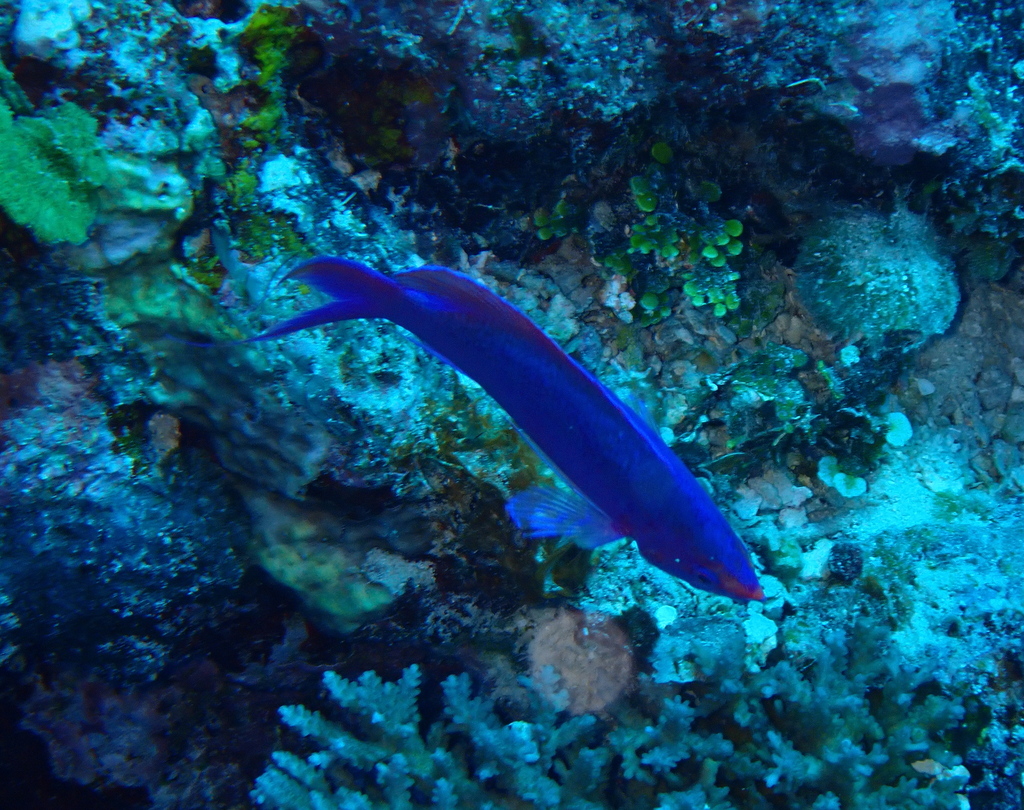 Amethyst Anthias
Mirolabrichthys pascalus
 Purple Anthias
Mirolabrichthys tuka
Sources and credits
Names and taxonomy: WoRMS (CC BY 4.0) and the GBIF Backbone (CC BY 4.0). Photos: iNaturalist observers, each under the licence shown (CC0, CC BY or CC BY-SA).
- Depth, temperature, months and maps: records from OBIS and GBIF under CC0 or CC BY.
- Descriptions: Wikipedia, licensed CC BY-SA, each linked to its article.
- Conservation status as published by GBIF (IUCN Red List).
- 177 open-data records from 1934 to 2023.
- Species data updated October 26, 2026.
Log what you see on your next dive
The free DiveHive diver app keeps your logbook with every sighting and shows what lives at the site you dive next.