
Dwarf Scorpionfish
Sebastapistes fowleri
- Usual depth4–26 m
- Water temperature22–30 °C
- Best monthsApril and May
- How commonRare
About this species
Sebastapistes fowleri is a species of marine fish in the family Scorpaenidae. Sebastapistes fowleri is one of the smallest species in the family Scorpaenidae. It is found throughout the tropical Indo-Pacific region.
Text from the Wikipedia article “Sebastapistes fowleri”, licensed CC BY-SA 4.0. Read the article
Where and when
Where it has been recorded
Worldwide
Loading the map
Best months
Worldwide (open data)
- January: 3 records
- February: 3 records
- March: 4 records
- April: 23 records
- May: 26 records
- June: 4 records
- July: 2 records
- August: 6 records
- September: 9 records
- October: 5 records
- November: 7 records
- December: 4 records
Depth and water temperature
Depth
Mostly recorded at 4–26 m · Deepest record: 65.5 m
Water temperature
Recorded in surface water of 22–30 °C
Names and classification
- English
- Dwarf Scorpionfish, Pigmy Scorpionfish, Pygmy Scorpionfish
Names in 2 more languages
- Japanese
- Puchifusakasago, プチフサカサゴ
- Simplified Chinese
- 石狗公, 石頭魚, 福氏鱗頭鮋
Other scientific names: Scorpaena fowleri, Scorpaenodes fowleri, Scorpaenopsis fowleri, Sebastapistes badiorufus, Sebastapistes hassi
Similar species
- Bicolor Rosefish
Sebastapistes cyanostigma
- Barchin scorpionfish
Sebastapistes strongia
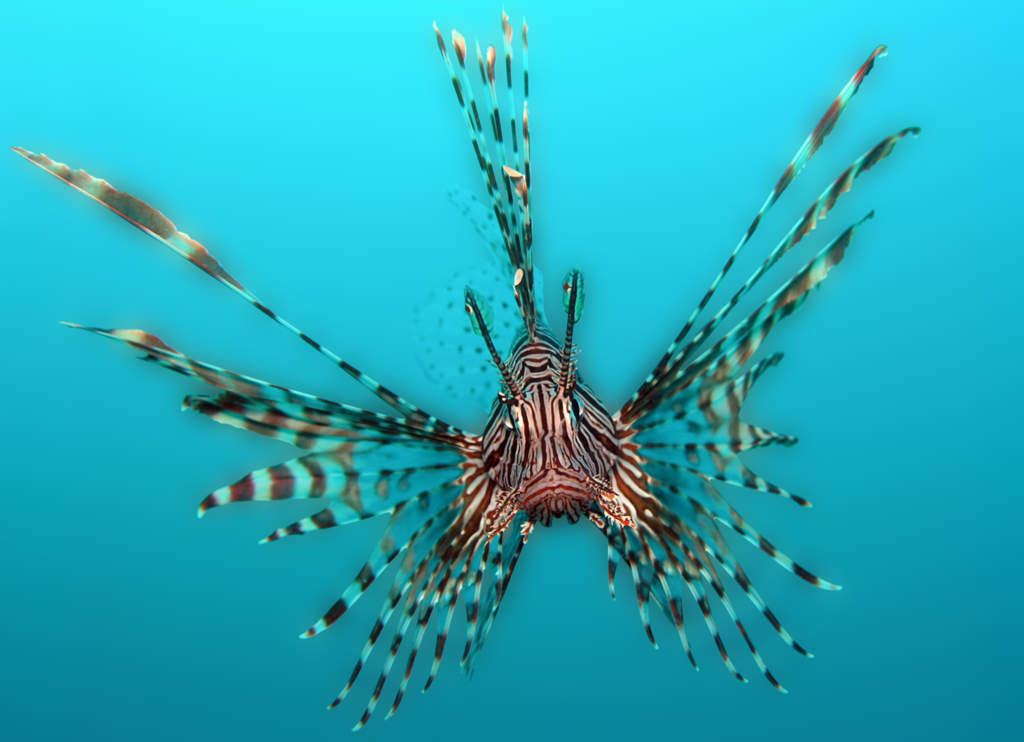 Lionfish
Pterois volitans
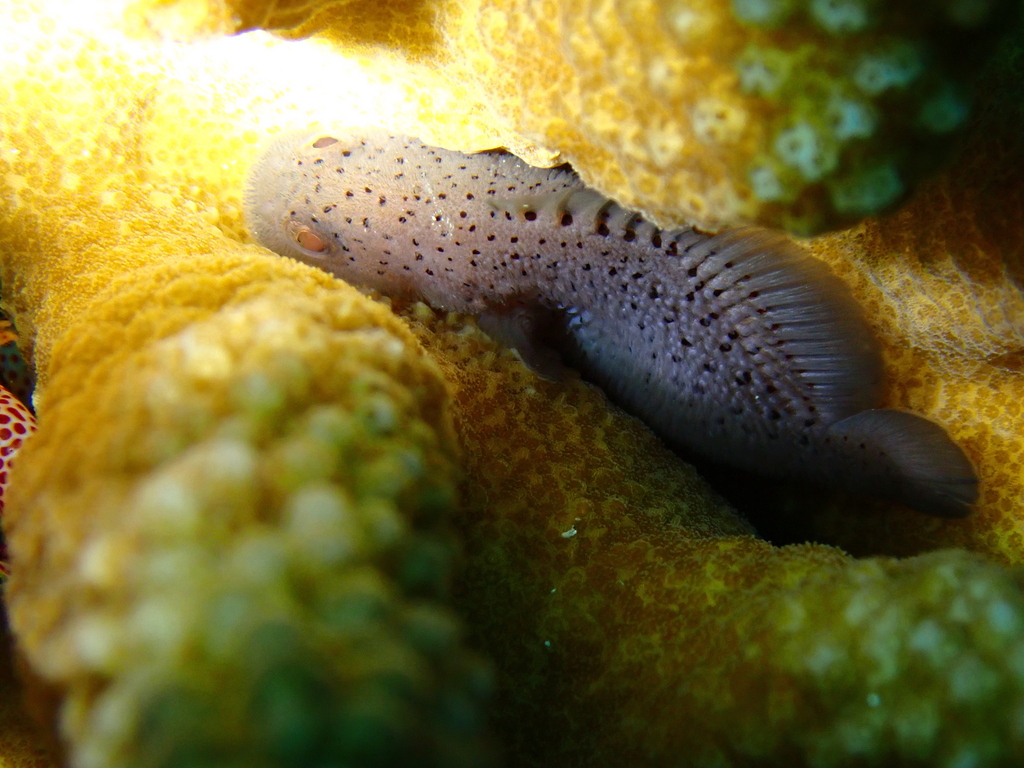 Spotted coral croucher
Caracanthus maculatus
 Pygmy coral croucher
Caracanthus unipinna
 Zebra turkeyfish
Dendrochirus zebra
Sources and credits
Names and taxonomy: WoRMS (CC BY 4.0) and the GBIF Backbone (CC BY 4.0). Photos: iNaturalist observers, each under the licence shown (CC0, CC BY or CC BY-SA).
- Depth, temperature, months and maps: records from OBIS and GBIF under CC0 or CC BY.
- Descriptions: Wikipedia, licensed CC BY-SA, each linked to its article.
- Conservation status as published by GBIF (IUCN Red List).
- 317 open-data records from 1951 to 2023.
Log what you see on your next dive
The free DiveHive diver app keeps your logbook with every sighting and shows what lives at the site you dive next.