
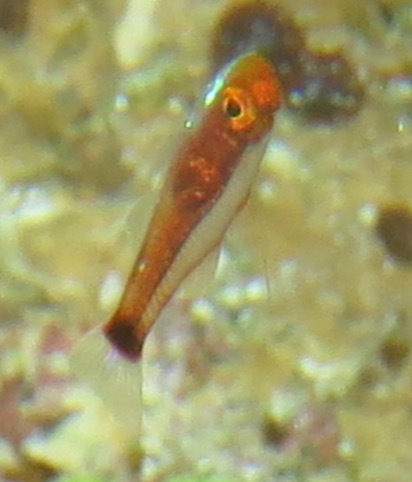
Nasal-bar Pygmygoby
Trimma nasa
- Usual depth8–40 m
- Water temperature27–30 °C
- Best monthsApril, June, and September
- How commonRare
Photo credit: (c) jeyre, some rights reserved (CC BY) · CC BY · iNaturalist
About this species
Trimma nasa, commonly called the nasal dwarfgoby or nasal pygmy goby, is a species of goby from the Western Pacific. They are small fish, averaging at around 2 cm (0.79 in) in length. They are bright orange and transparent yellow in life, with a white stripe running down from between the eyes to the upper lip and a dark brown spot at the base of the tail fin. They are usually found in large schools in the sloping or vertical drop-offs at coral reef edges.
Text from the Wikipedia article “Trimma nasa”, licensed CC BY-SA 4.0. Read the article
Where and when
Where it has been recorded
Worldwide
Loading the map
Best months
Worldwide (open data)
- January: 9 records
- February: 7 records
- March: 9 records
- April: 14 records
- May: 10 records
- June: 15 records
- July: 9 records
- August: 4 records
- September: 13 records
- October: 10 records
- November: 12 records
- December: 6 records
Depth and water temperature
Depth
Mostly recorded at 8–40 m · Deepest record: 46 m
Water temperature
Recorded in surface water of 27–30 °C
Photos
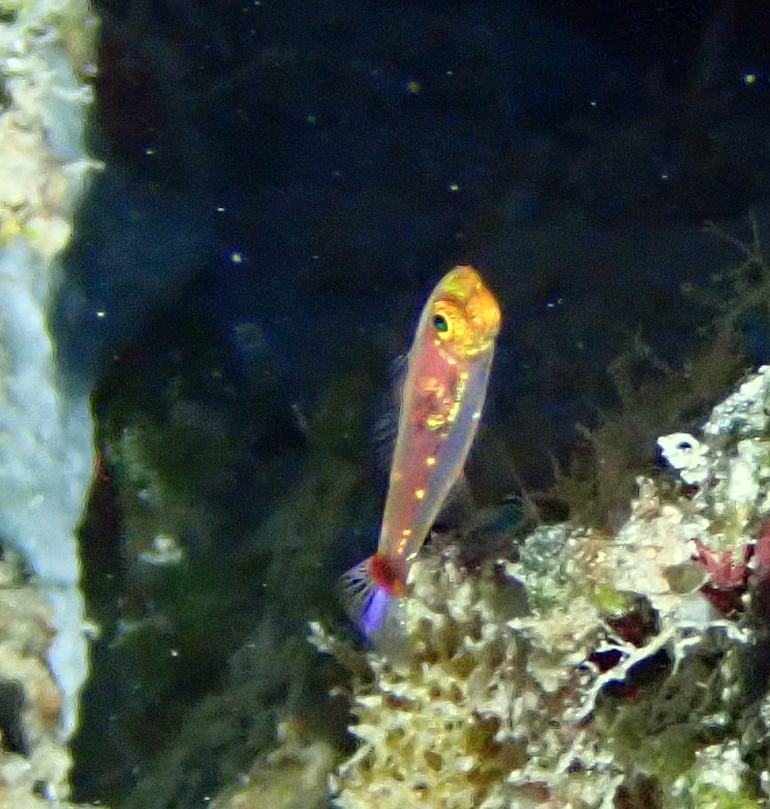
(c) Debra Baker, some rights reserved (CC BY) · CC BY · iNaturalist
Names and classification
- English
- Nasal-bar Pygmygoby, Nasal Dwarfgoby, Nasal Pygmy Goby
Similar species
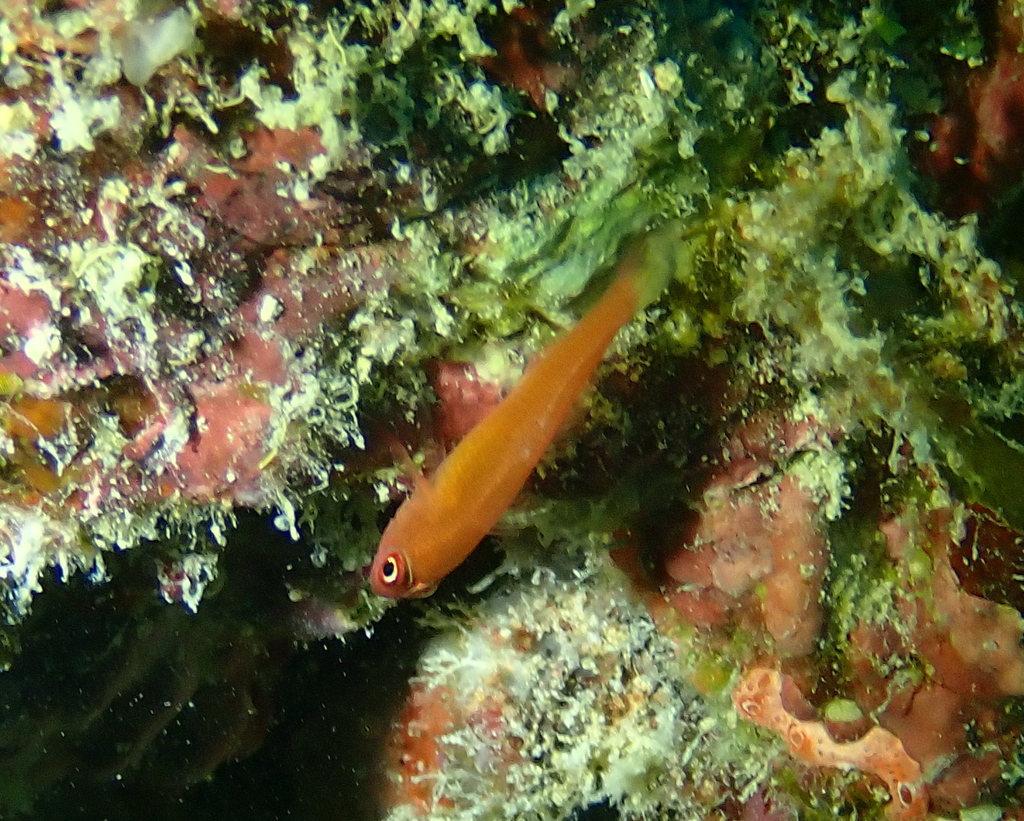 Red Dwarfgoby
Trimma benjamini
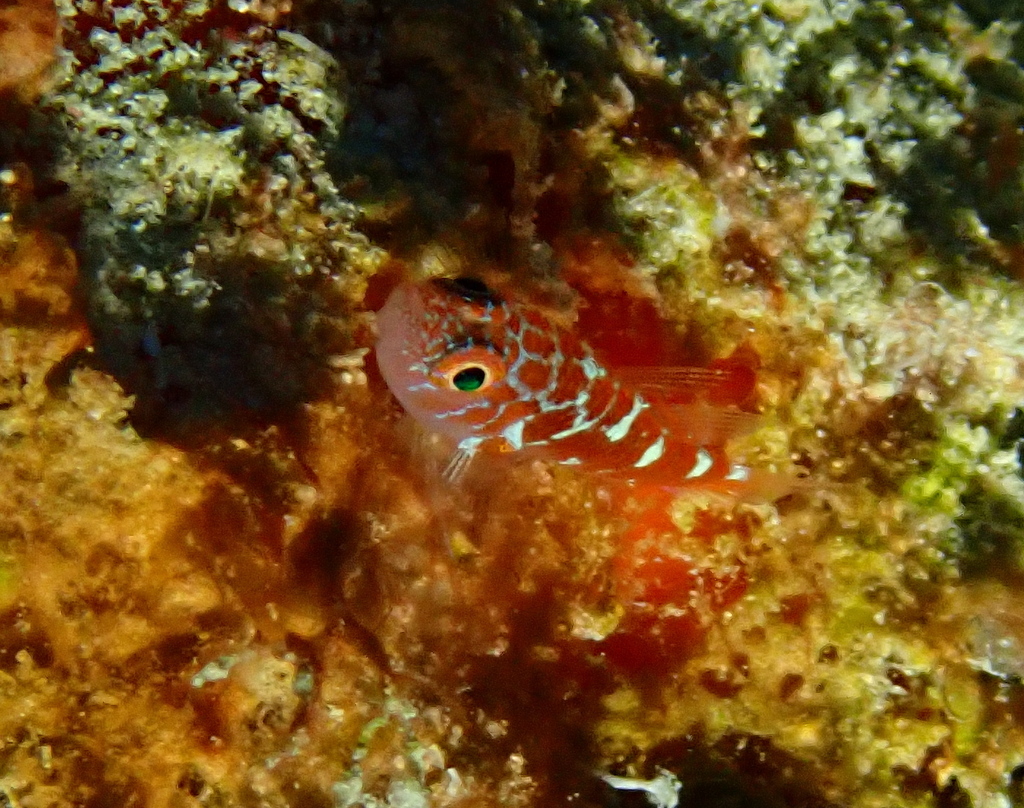 Caesiura Dwarfgoby
Trimma caesiura
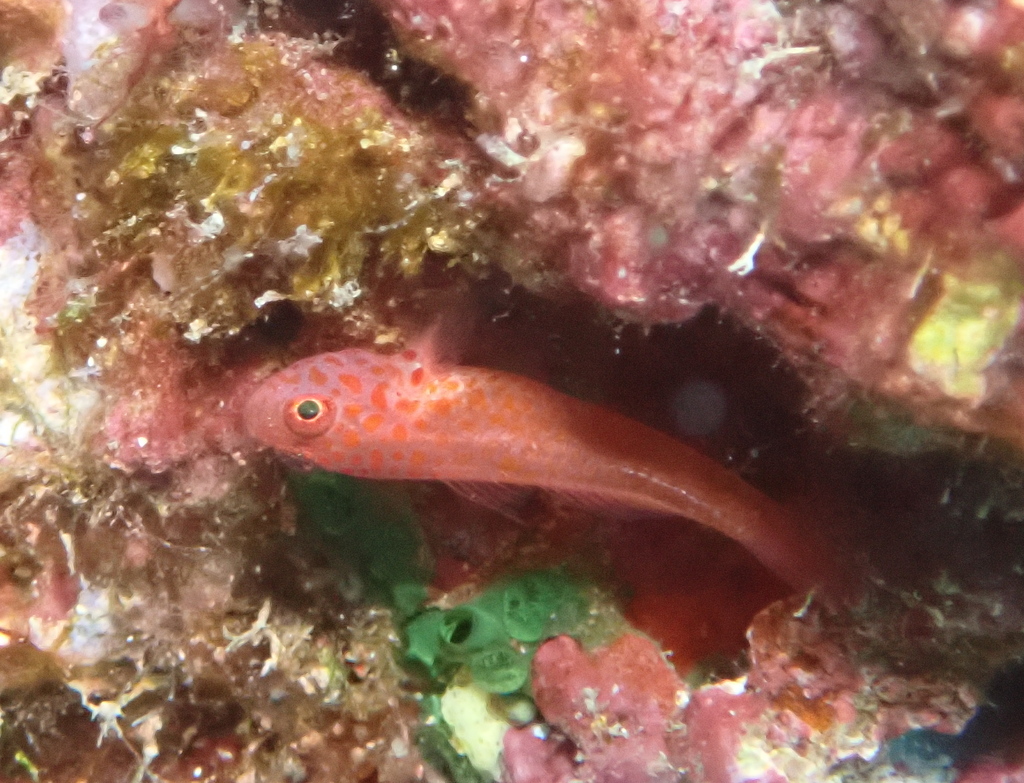 Flame Goby
Trimma macrophthalmus
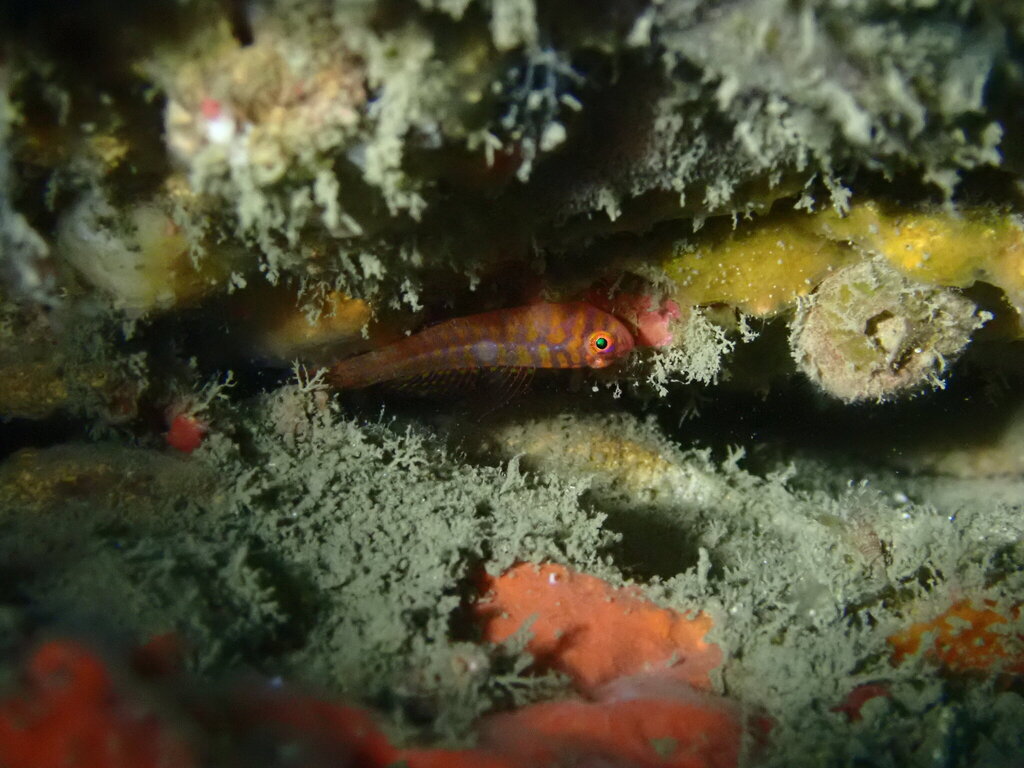 Okinawa Dwarfgoby
Trimma okinawae
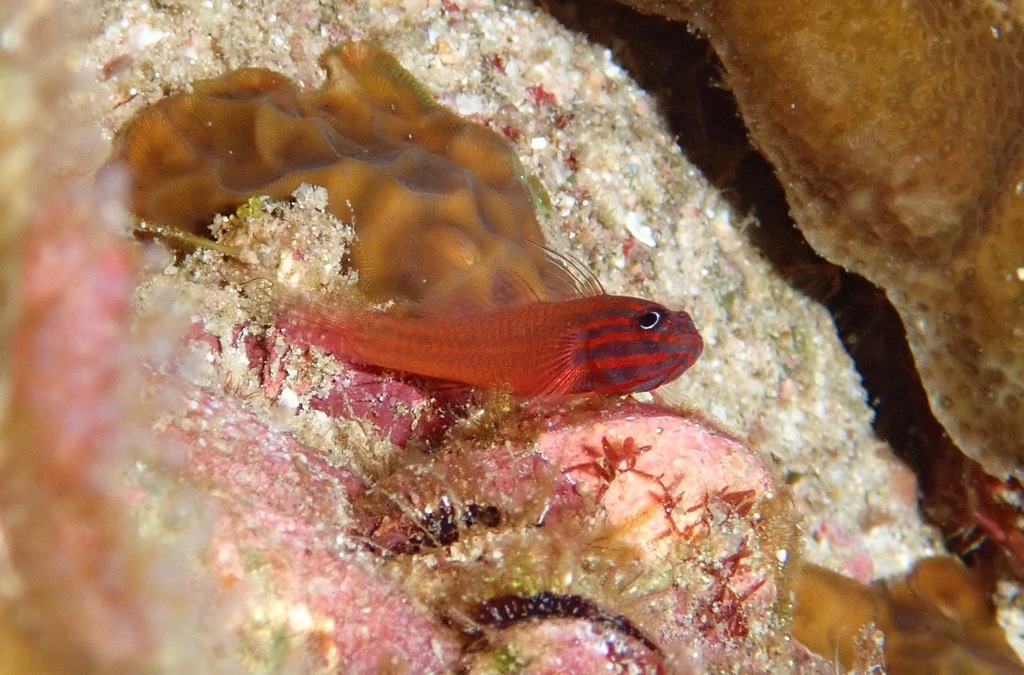 Red-lined Pygmy-goby
Trimma striatum
- Stobb's Dwarfgoby
Trimma stobbsi
Sources and credits
Names and taxonomy: WoRMS (CC BY 4.0) and the GBIF Backbone (CC BY 4.0). Photos: iNaturalist observers, each under the licence shown (CC0, CC BY or CC BY-SA).
- Depth, temperature, months and maps: records from OBIS and GBIF under CC0 or CC BY.
- Descriptions: Wikipedia, licensed CC BY-SA, each linked to its article.
- Conservation status as published by GBIF (IUCN Red List).
- 179 open-data records from 1957 to 2012.
- Species data updated October 31, 2026.
Log what you see on your next dive
The free DiveHive diver app keeps your logbook with every sighting and shows what lives at the site you dive next.