
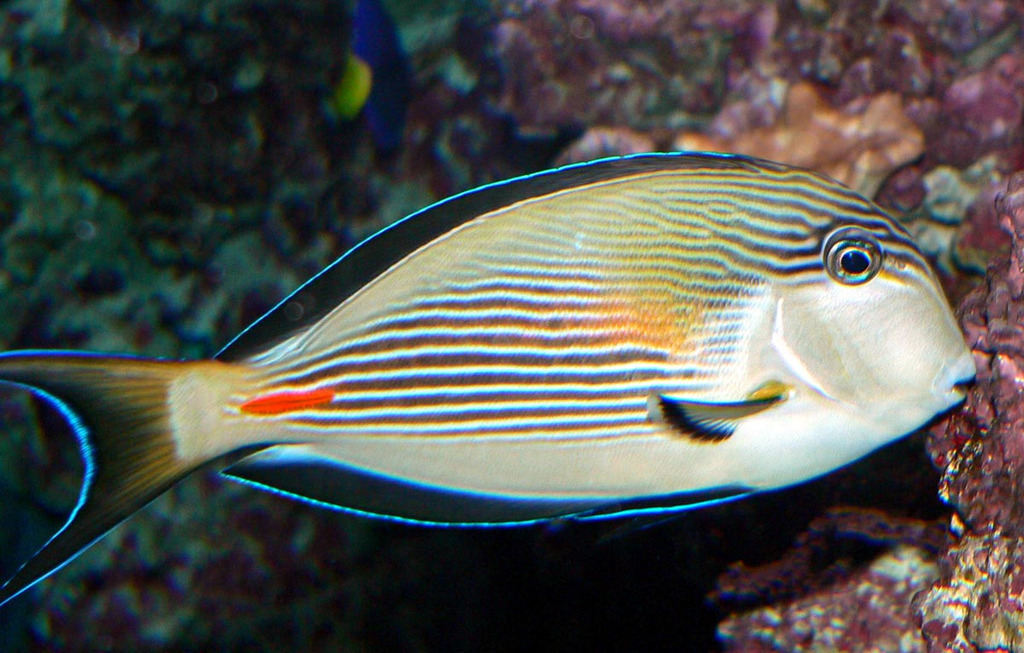
Red Sea surgeonfish
Acanthurus sohal
- Usual depth2–12 m
- Water temperature26–30 °C
- Best monthsJuly, October, and November
- How commonOccasional
Photo credit: (c) Stan Shebs, some rights reserved (CC BY-SA) · CC BY-SA · iNaturalist
About this species
The sohal surgeonfish or sohal tang, is a species of marine ray-finned fish belonging to the family Acanthuridae, which includes the surgeonfishes, unicornfishes, and tangs. This fish is found in the northwestern Indian Ocean.
Text from the Wikipedia article “Sohal surgeonfish”, licensed CC BY-SA 4.0. Read the article
Where and when
Where it has been recorded
Worldwide
Loading the map
Best months
Worldwide (open data)
- January: 113 records
- February: 123 records
- March: 144 records
- April: 148 records
- May: 106 records
- June: 74 records
- July: 158 records
- August: 140 records
- September: 144 records
- October: 199 records
- November: 207 records
- December: 81 records
Depth and water temperature
Depth
Mostly recorded at 2–12 m · Deepest record: 12 m
Water temperature
Recorded in surface water of 26–30 °C
Photos

(c) Hannes Grobe/AWI, some rights reserved (CC BY) · CC BY · iNaturalist 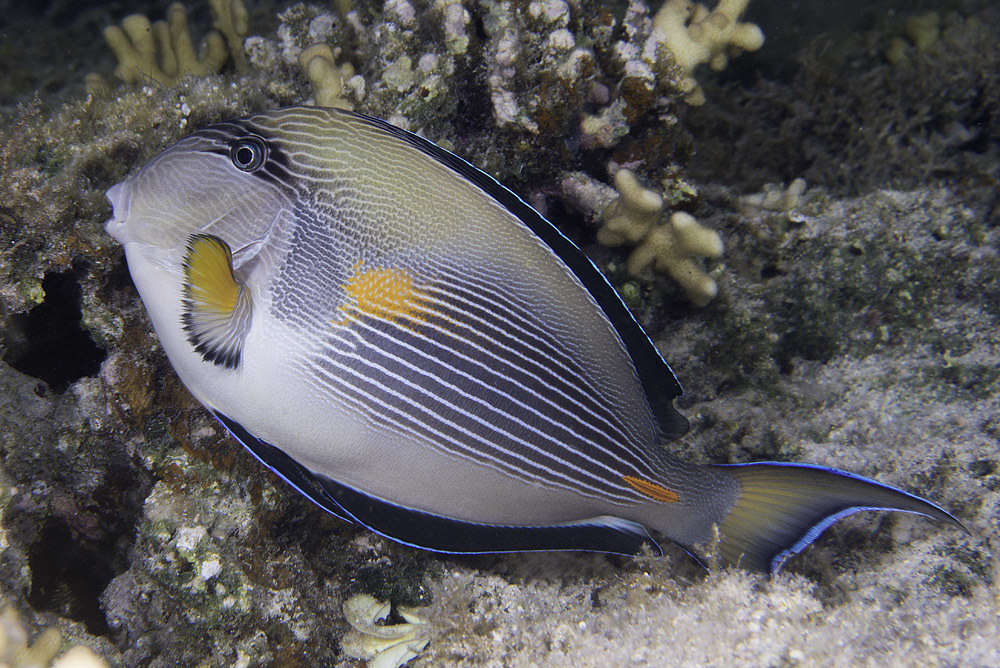
(c) zsispeo, some rights reserved (CC BY-SA) · CC BY-SA · iNaturalist 
(c) Bart, some rights reserved (CC BY), uploaded by Bart · CC BY · iNaturalist 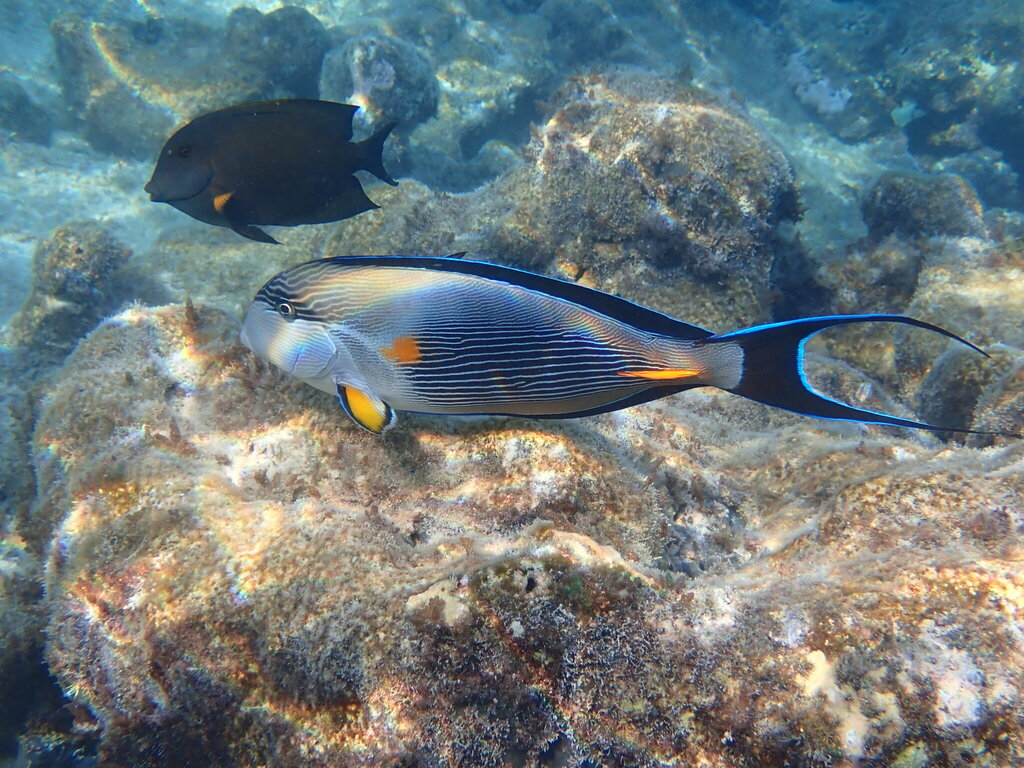
no rights reserved · CC0 1.0 · iNaturalist 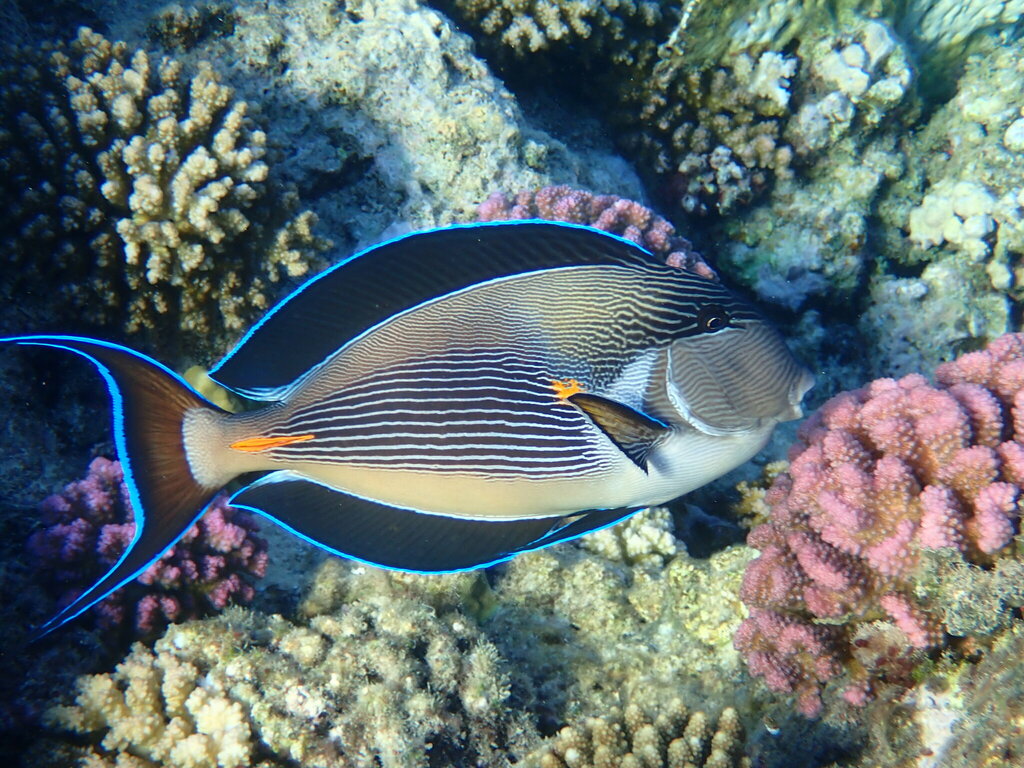
no rights reserved · CC0 1.0 · iNaturalist 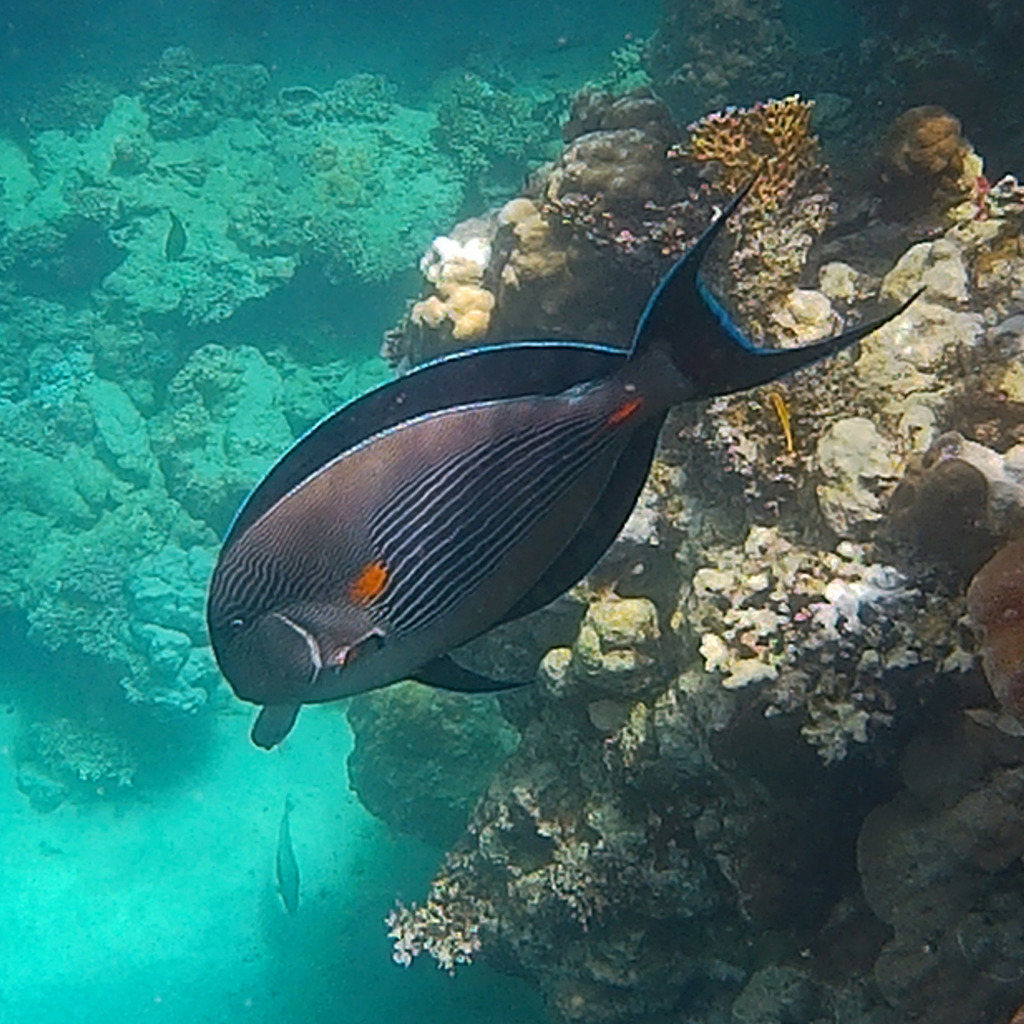
(c) nbasargin, some rights reserved (CC BY) · CC BY · iNaturalist 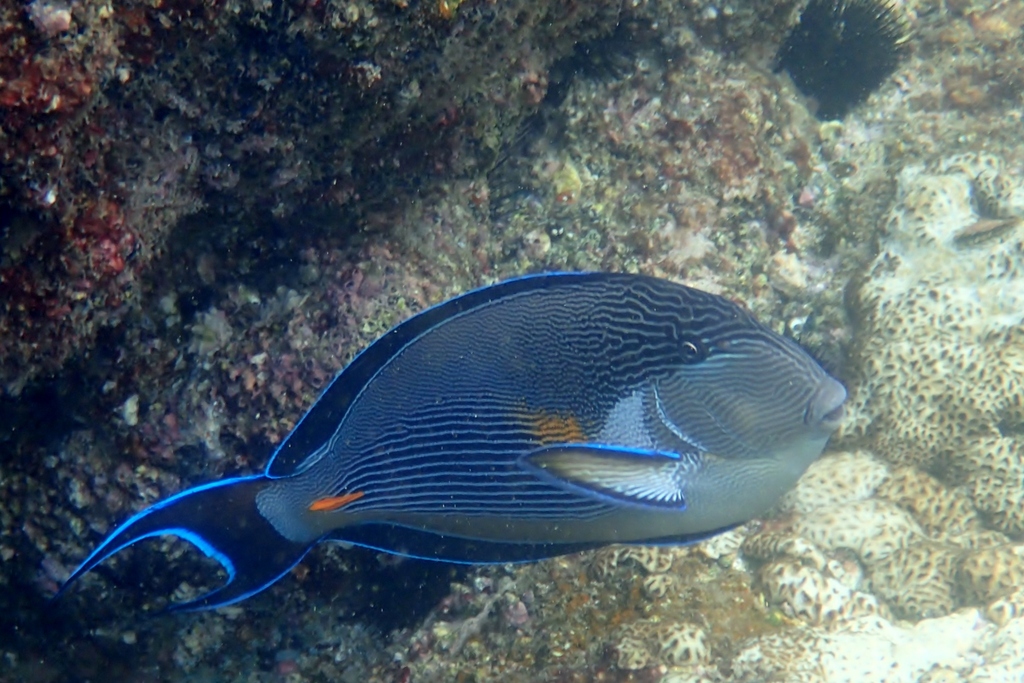
(c) Nicola Crockford, some rights reserved (CC BY) · CC BY · iNaturalist
Names and classification
- English
- Red Sea surgeonfish, Sohal, Red Sea Clown Surgeon, Sohal Surgeonfish, Sohal tang
Names in 3 more languages
- German
- Arabischer Doktorfisch
- Spanish
- Pez Cirujano del Mar Rojo
- French
- Chirurgien zébré
Other scientific names: Acanthurus carinatus, Aspisurus sohar, Chaetodon sohal, Chaetodon sohar, Choetodon sohab, Ctenodon ruppelii
Similar species
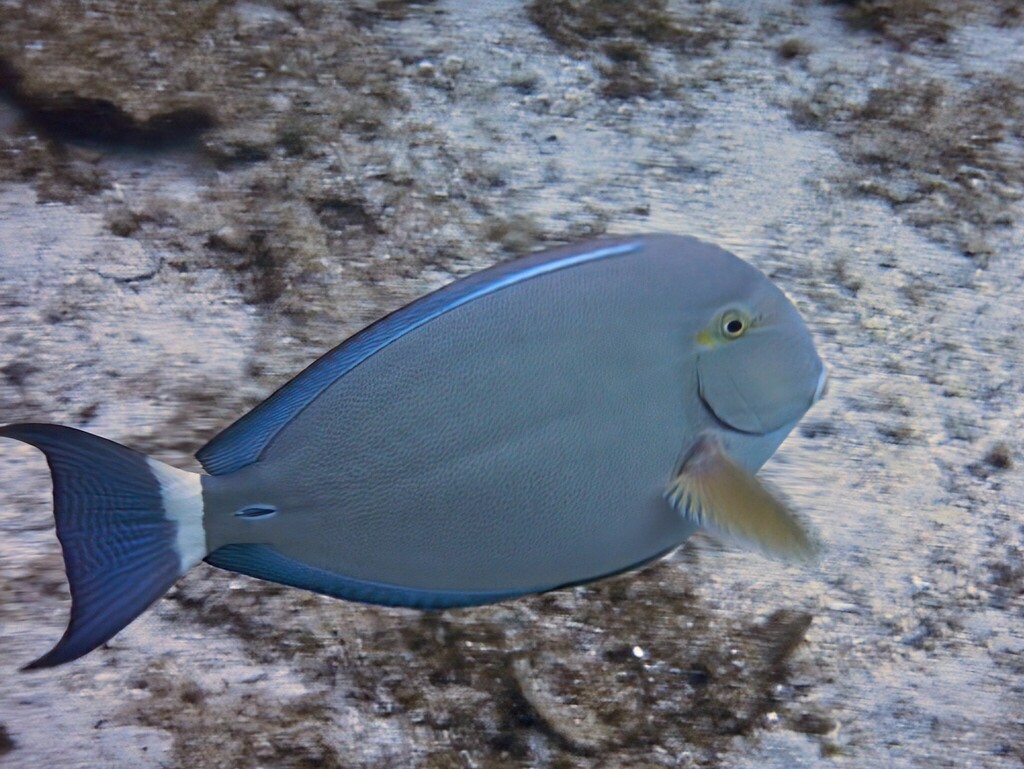 Ringtail surgeonfish
Acanthurus blochii
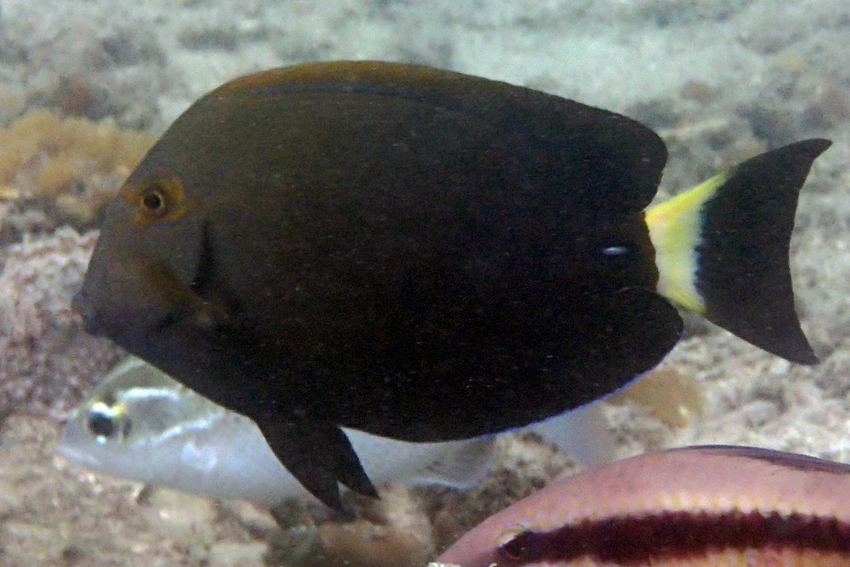 Eyestripe surgeonfish
Acanthurus dussumieri
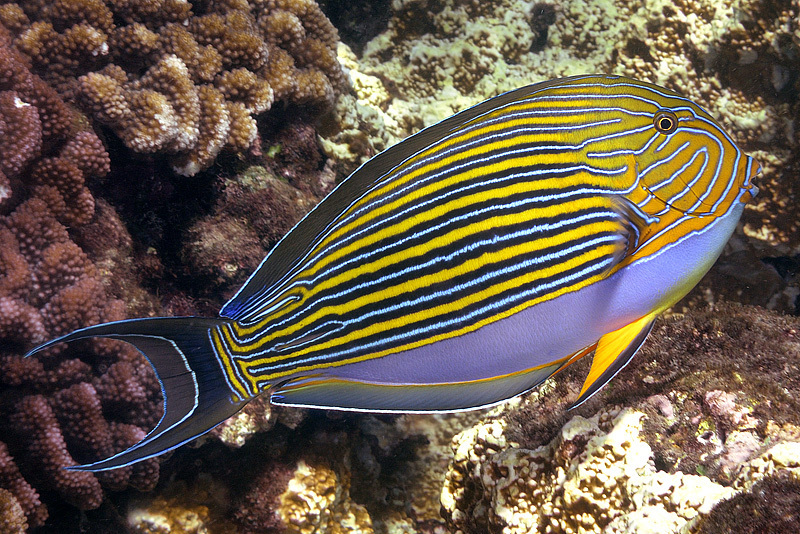 Lined surgeonfish
Acanthurus lineatus
 Backsurgeonfish
Acanthurus nigricans
 Brown surgeonfish
Acanthurus nigrofuscus
 Bluelined surgeonfish
Acanthurus nigroris
Sources and credits
Names and taxonomy: WoRMS (CC BY 4.0) and the GBIF Backbone (CC BY 4.0). Photos: iNaturalist observers, each under the licence shown (CC0, CC BY or CC BY-SA).
- Depth, temperature, months and maps: records from OBIS and GBIF under CC0 or CC BY.
- Descriptions: Wikipedia, licensed CC BY-SA, each linked to its article.
- Conservation status as published by GBIF (IUCN Red List).
- 414 open-data records from 1775 to 2023.
- Species data updated October 31, 2026.
Log what you see on your next dive
The free DiveHive diver app keeps your logbook with every sighting and shows what lives at the site you dive next.