
DiscoverSpeciesCorals and anemones
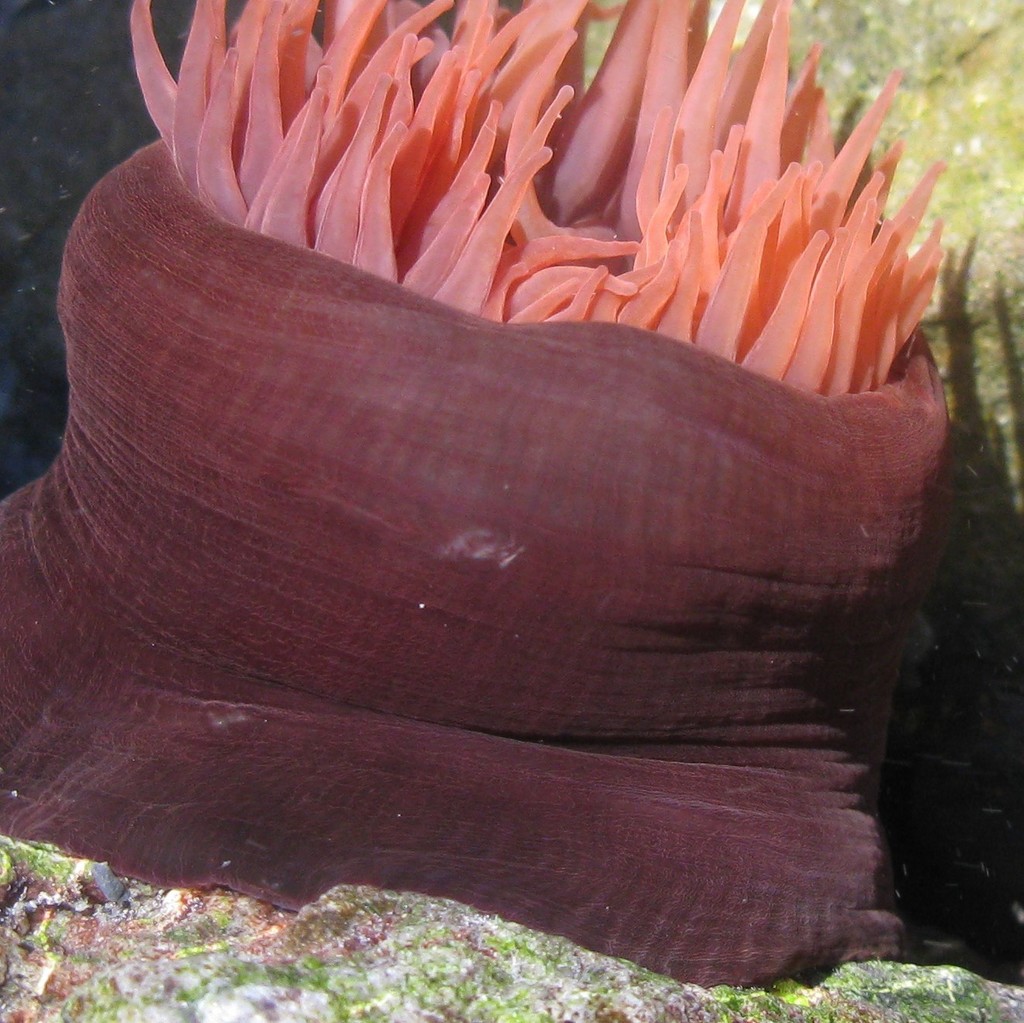
Red Waratah Anemone
Actinia tenebrosa
- Usual depth0–15 m
- Water temperature12–21 °C
- Best monthsJanuary, April, and December
- How commonOccasional
Photo credit: (c) wild_wind, some rights reserved (CC BY), uploaded by wild_wind · CC BY · iNaturalist
About this species
Actinia tenebrosa, commonly known as the waratah anemone, is the most common species of sea anemone found in the waters of eastern Australia and New Zealand. It is found relatively high on the seashore, in rock pools, and various cracks and shaded surfaces such as under rock overhangs in the intertidal zone.
Text from the Wikipedia article “Actinia tenebrosa”, licensed CC BY-SA 4.0. Read the article
Where and when
Where it has been recorded
Worldwide
Loading the map
Best months
Worldwide (open data)
- January: 663 records
- February: 490 records
- March: 450 records
- April: 568 records
- May: 401 records
- June: 315 records
- July: 328 records
- August: 404 records
- September: 480 records
- October: 564 records
- November: 455 records
- December: 583 records
Depth and water temperature
Depth
Mostly recorded at 0–15 m · Deepest record: 265 m
Water temperature
Recorded in surface water of 12–21 °C
Photos
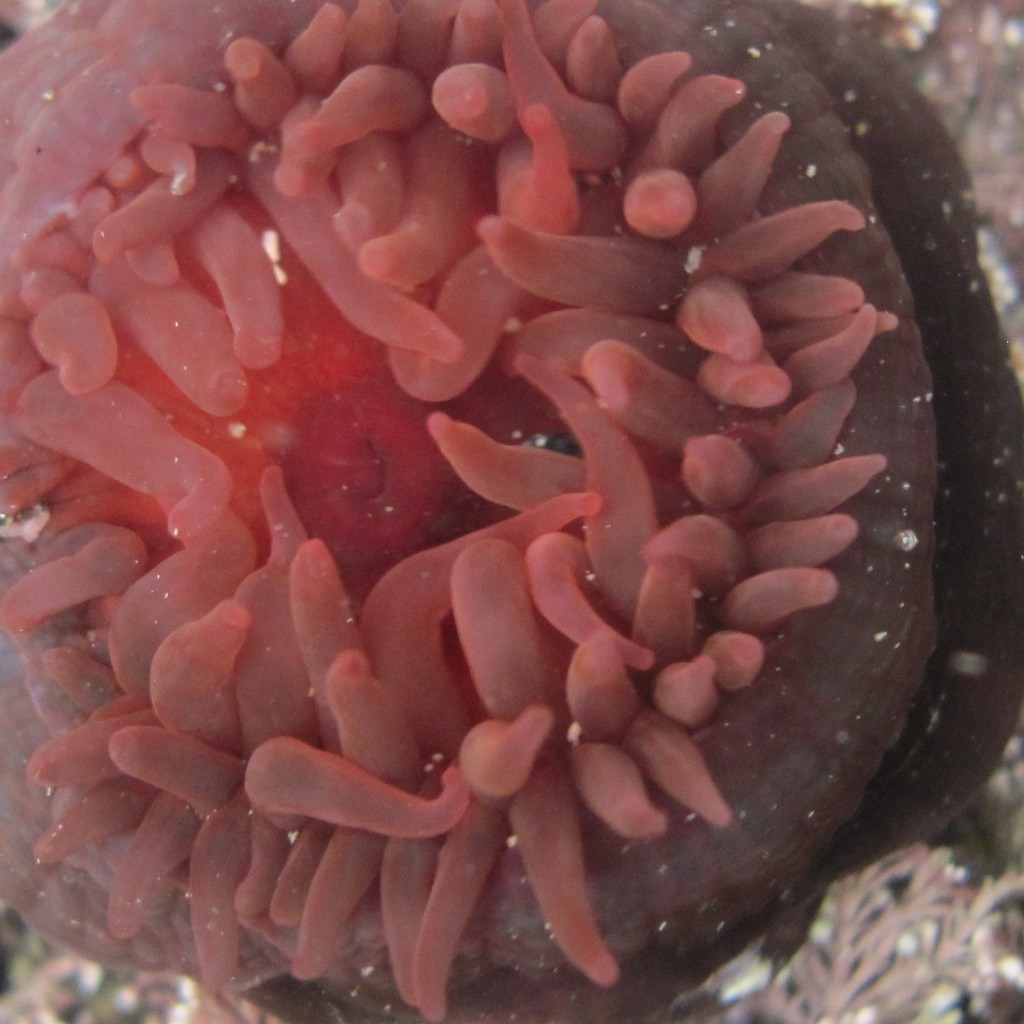
(c) wild_wind, some rights reserved (CC BY), uploaded by wild_wind · CC BY · iNaturalist 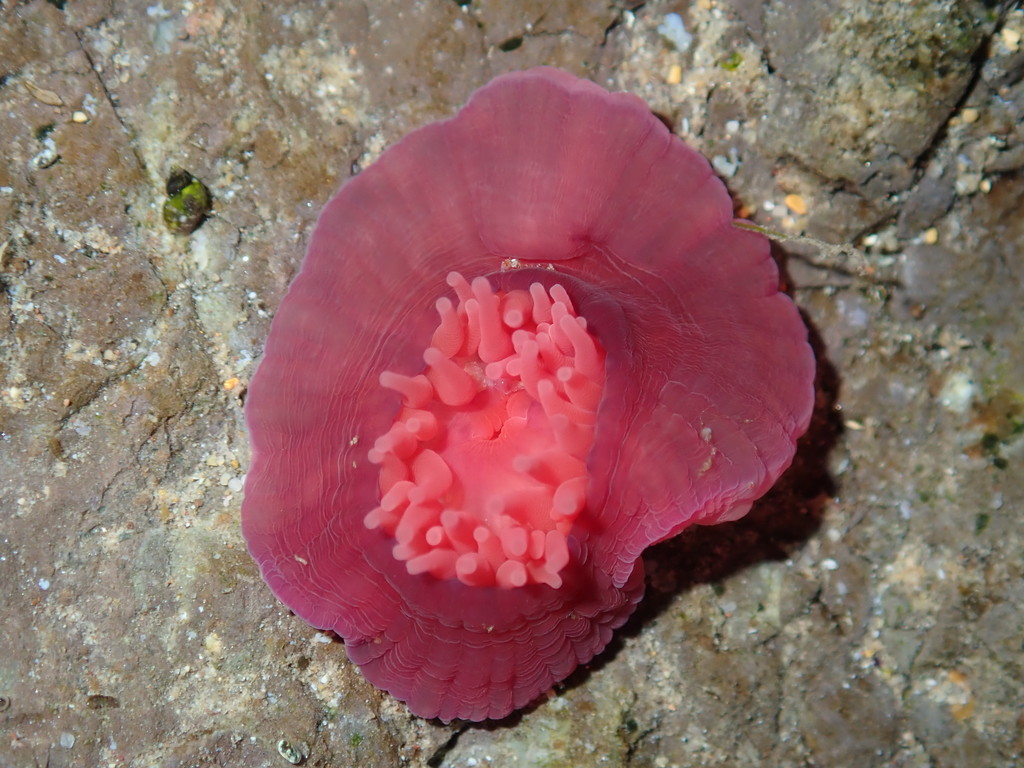
(c) Thomas Mesaglio, some rights reserved (CC BY) · CC BY · iNaturalist 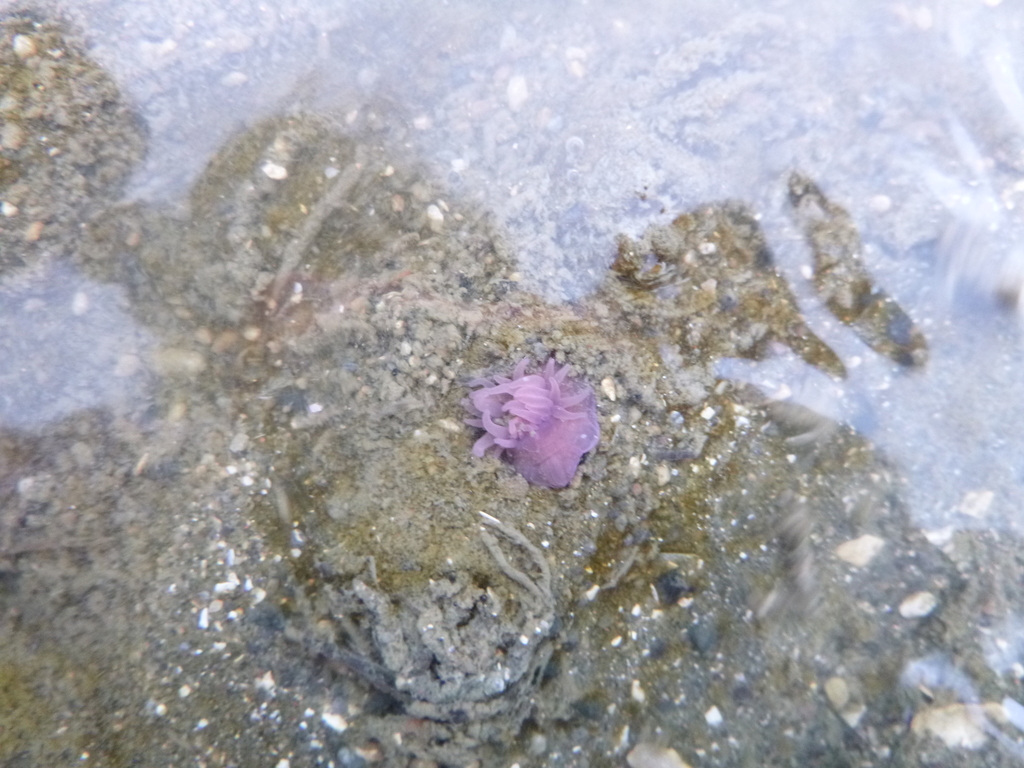
(c) Javier, some rights reserved (CC BY) · CC BY · iNaturalist 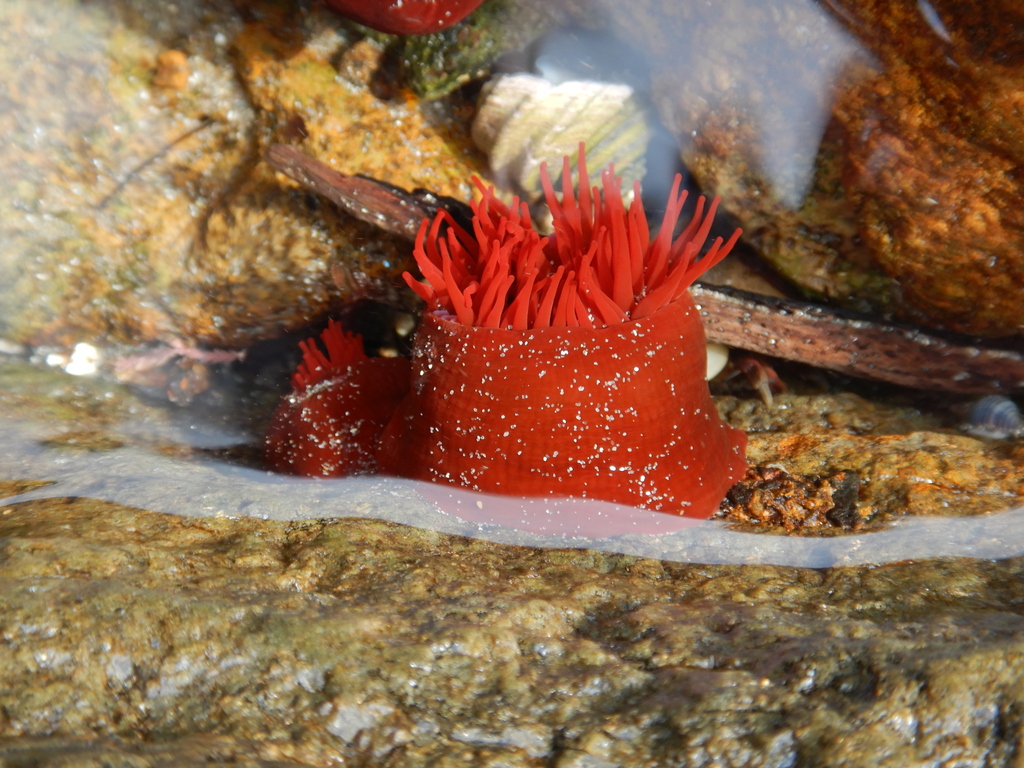
(c) Paul Morris, some rights reserved (CC BY-SA) · CC BY-SA · iNaturalist 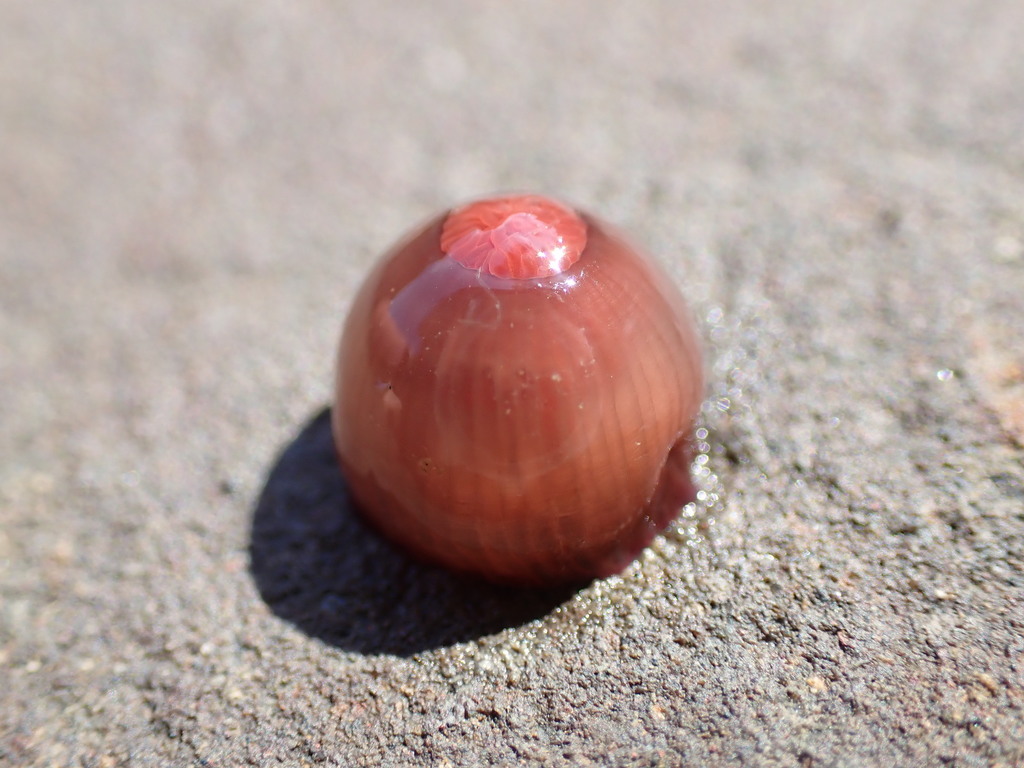
(c) Saryu Mae 前 朝琉, some rights reserved (CC BY) · CC BY · iNaturalist 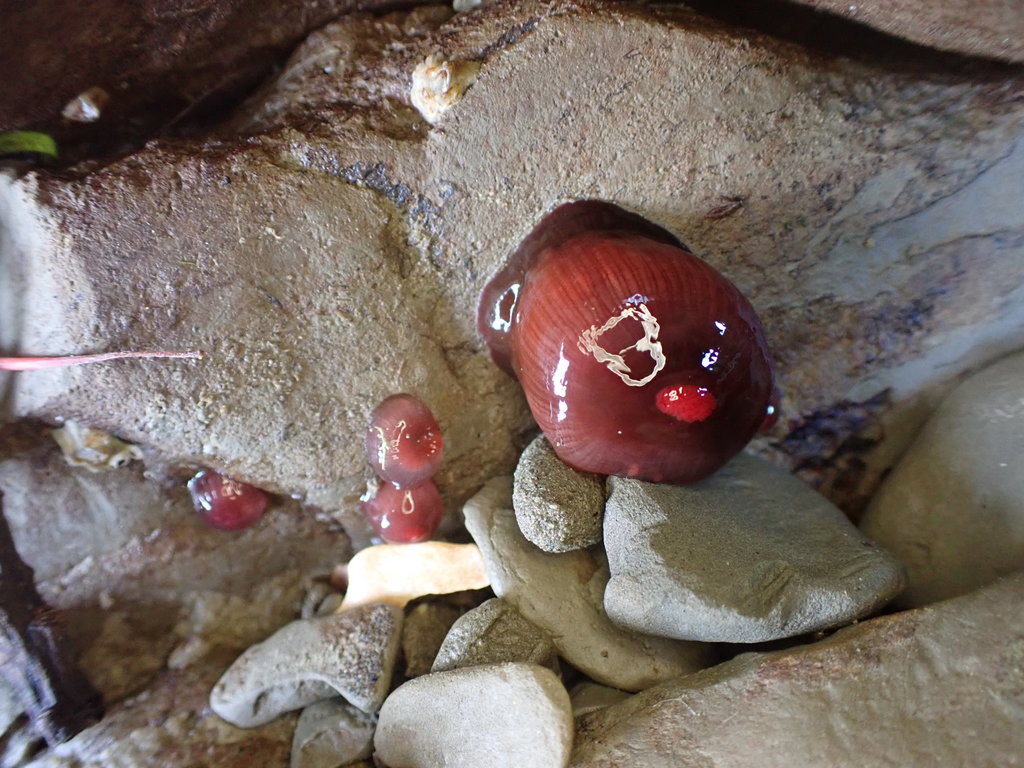
(c) Saryu Mae 前 朝琉, some rights reserved (CC BY) · CC BY · iNaturalist
Names and classification
- English
- Red Waratah Anemone, Waratah anemone, Cherry Anemone, Maori red anemone, Red sea anemone
Other scientific names: Actinia teneblosa
Similar species
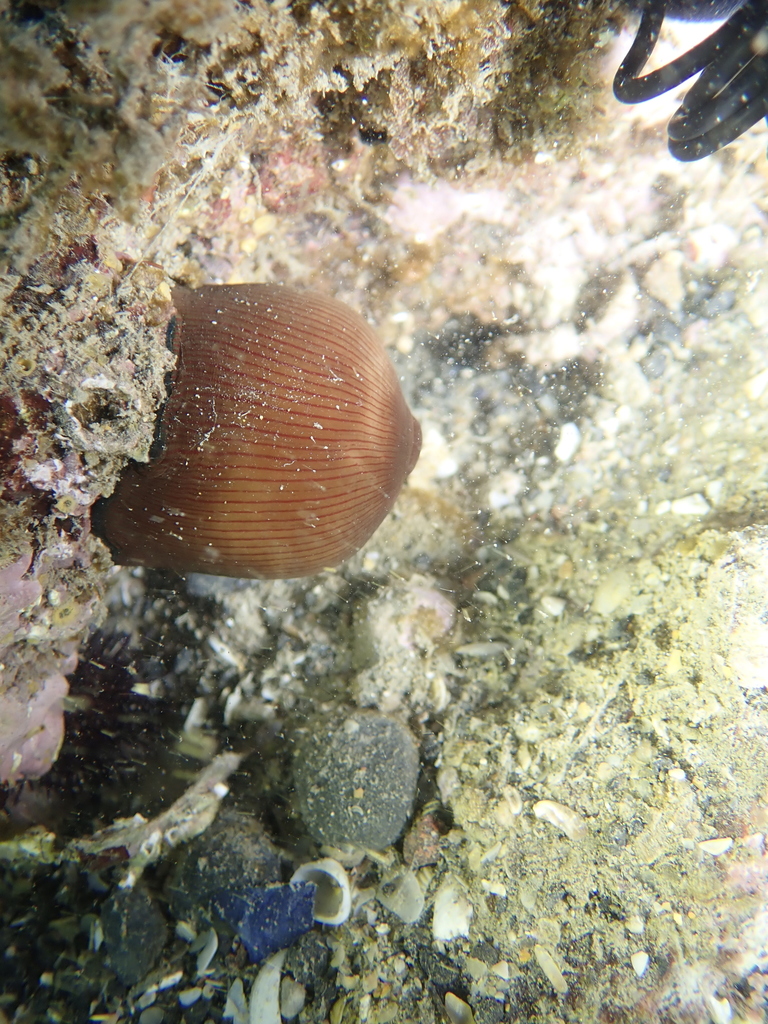
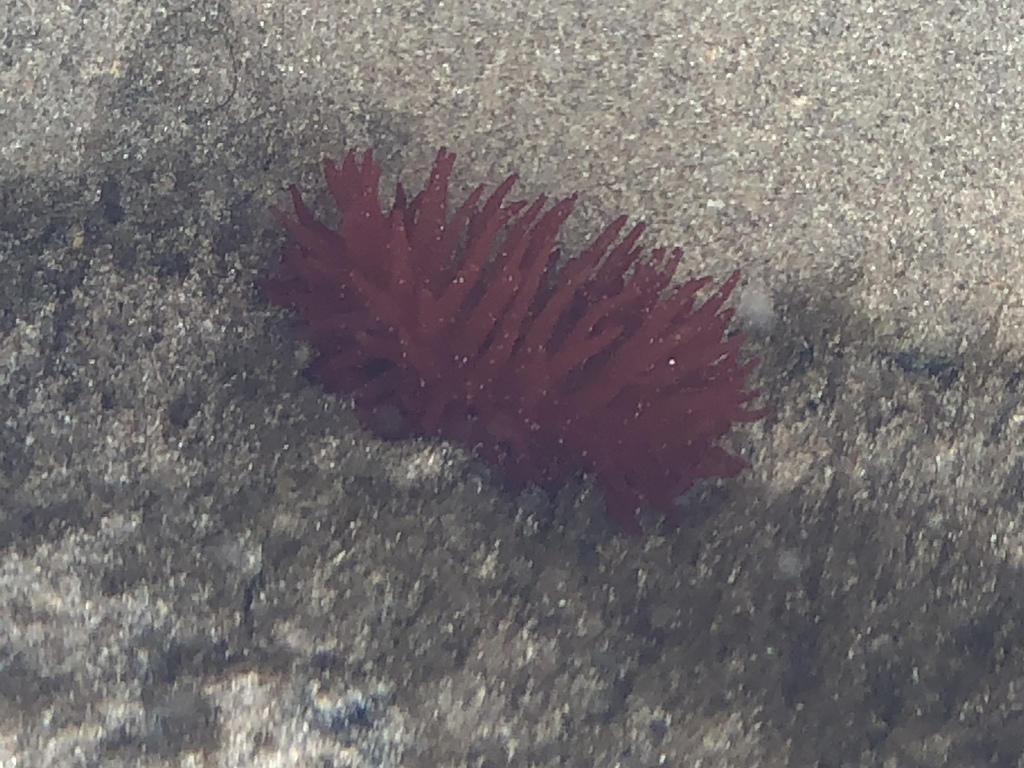 Beadlet anemone
Actinia equina
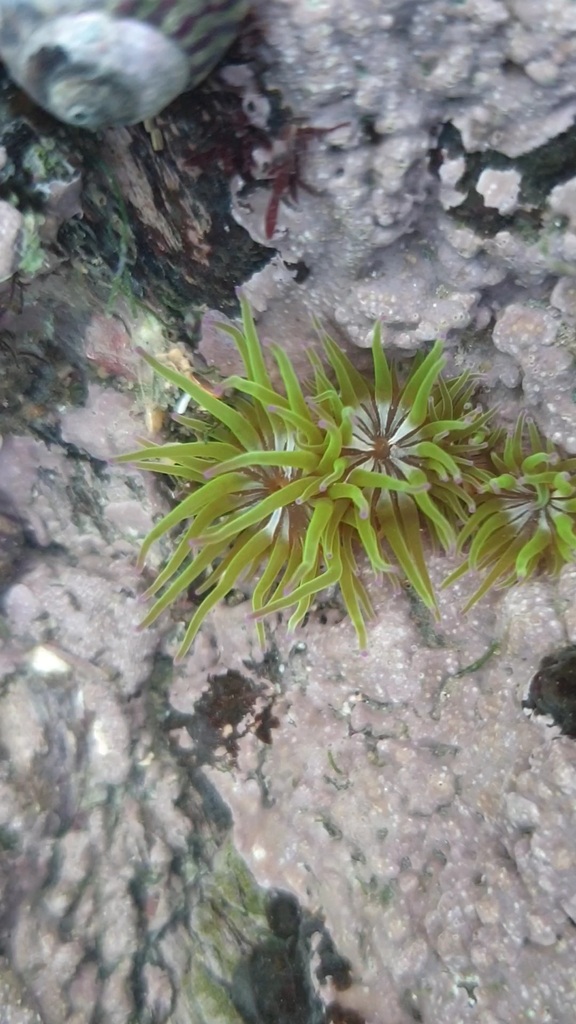 Opelet anemone
Anemonia viridis
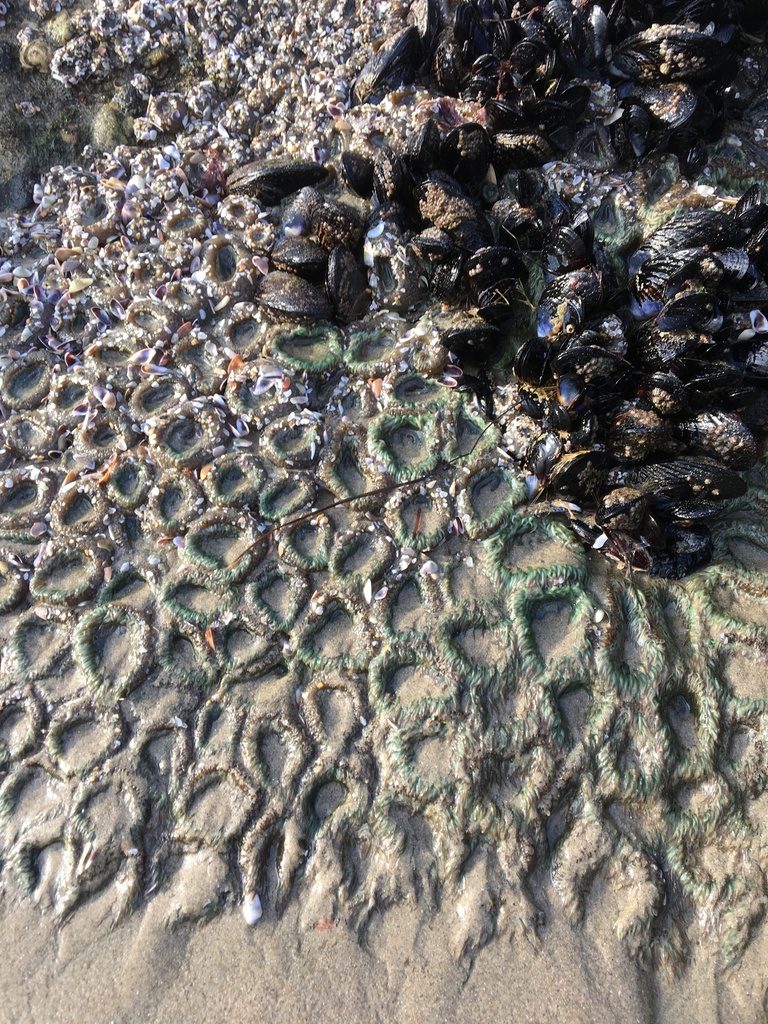 Aggregating anemone
Anthopleura elegantissima
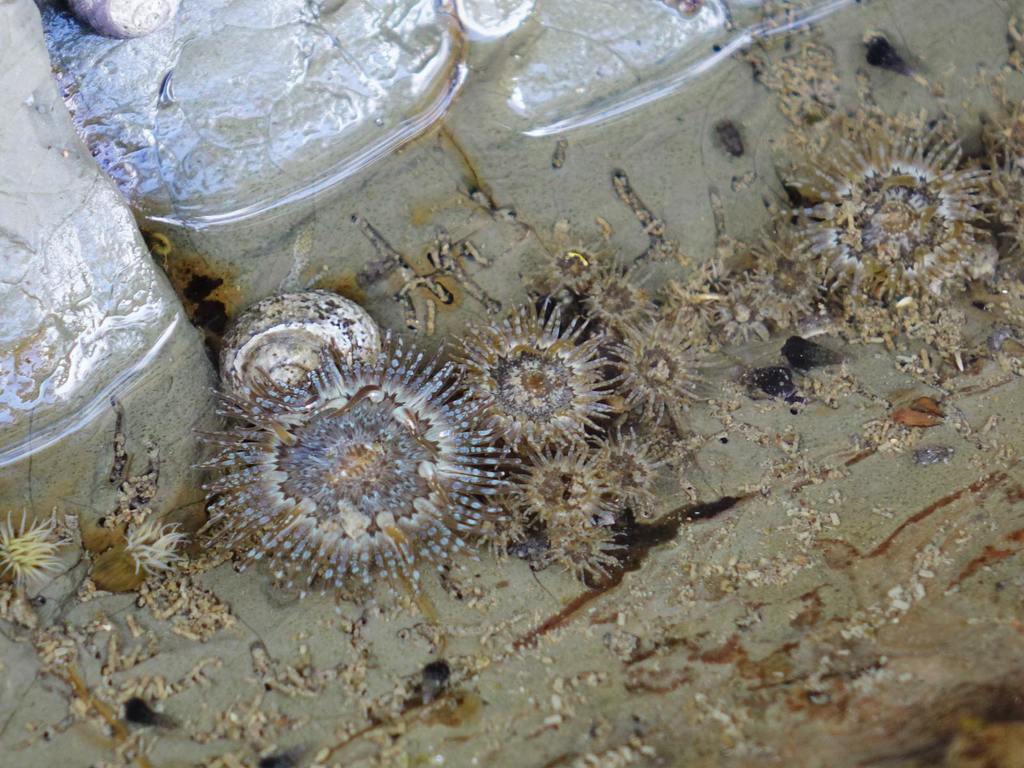 Small Brown Sea Anemone
Anthopleura hermaphroditica
Sources and credits
Names and taxonomy: WoRMS (CC BY 4.0) and the GBIF Backbone (CC BY 4.0). Photos: iNaturalist observers, each under the licence shown (CC0, CC BY or CC BY-SA).
- Depth, temperature, months and maps: records from OBIS and GBIF under CC0 or CC BY.
- Descriptions: Wikipedia, licensed CC BY-SA, each linked to its article.
- Conservation status as published by GBIF (IUCN Red List).
- 1,326 open-data records from 1924 to 2024.
- Species data updated October 31, 2026.
Log what you see on your next dive
The free DiveHive diver app keeps your logbook with every sighting and shows what lives at the site you dive next.