
Giant box crab
Calappa calappa
- Usual depth1–80 m
- Water temperature25–30 °C
- Best monthsJune and December
- How commonRare
About this species
Calappa calappa, also known as the smooth box crab or red-spotted box crab, is a tropical marine species of crab with an Indo-Pacific distribution, and showing great variability in its patterning and colouration. First described as Cancer calappa by Linnaeus in 1758 from a specimen originating from Ambon Island, and later in 1781 as Cancer fornicatus by Fabricius, it was finally placed in the genus Calappa by Lancelot Alexander Borradaile in 1903. The name calappa is associated with kelapa, the Malay word for 'coconut'.
Text from the Wikipedia article “Calappa calappa”, licensed CC BY-SA 4.0. Read the article
Where and when
Where it has been recorded
Worldwide
Loading the map
Best months
Worldwide (open data)
- January: 0 records
- February: 1 records
- March: 1 records
- April: 0 records
- May: 0 records
- June: 3 records
- July: 0 records
- August: 0 records
- September: 0 records
- October: 0 records
- November: 1 records
- December: 2 records
Depth and water temperature
Depth
Mostly recorded at 1–80 m · Deepest record: 80 m
Water temperature
Recorded in surface water of 25–30 °C
Names and classification
- English
- Giant box crab, Smooth box crab, giant box crab, smooth box crab
Names in 3 more languages
- French
- Crabe honteux géant, Crabe ouvre-boîte (Le)
- Japanese
- マルソデカラッパ
- Simplified Chinese
- 包蟳, 饅頭蟳, 饅頭蟹
Other scientific names: Calappa fornicata, Calappe fornicata, Cancer calappa, Cancer cerratonis
Similar species
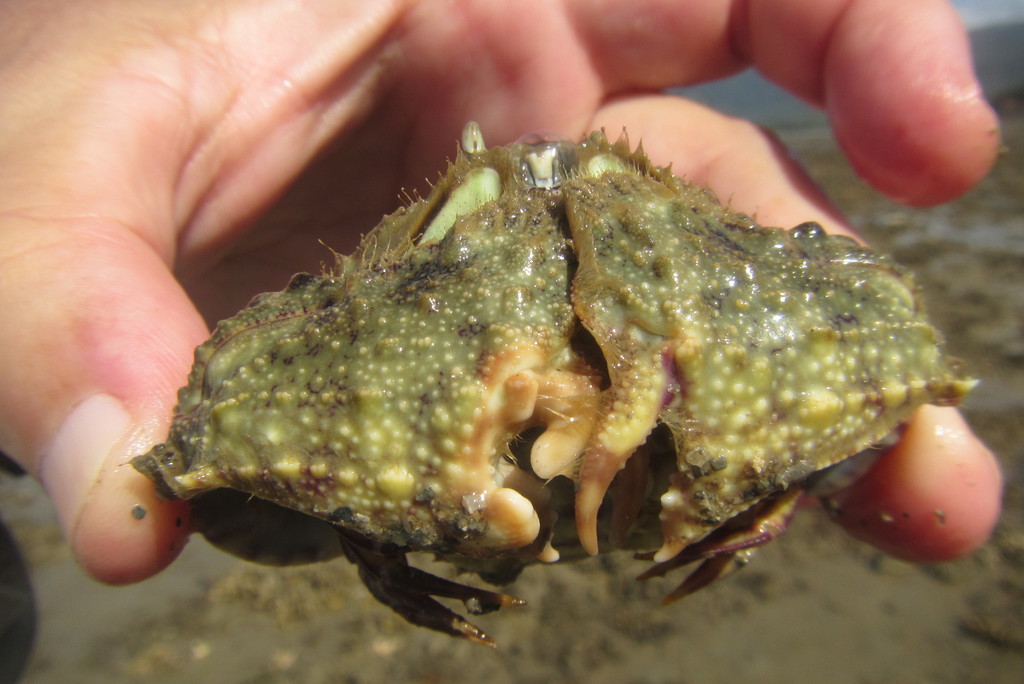 Smooth box crab
Calappa hepatica
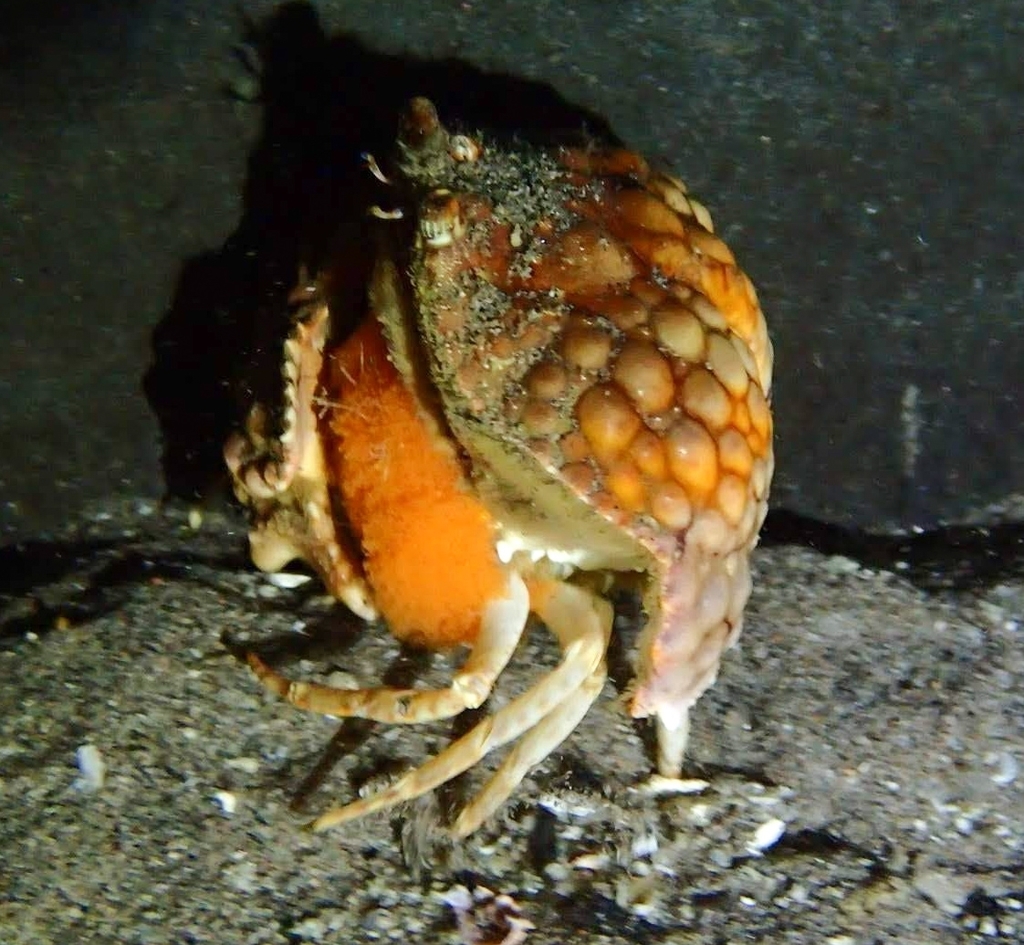
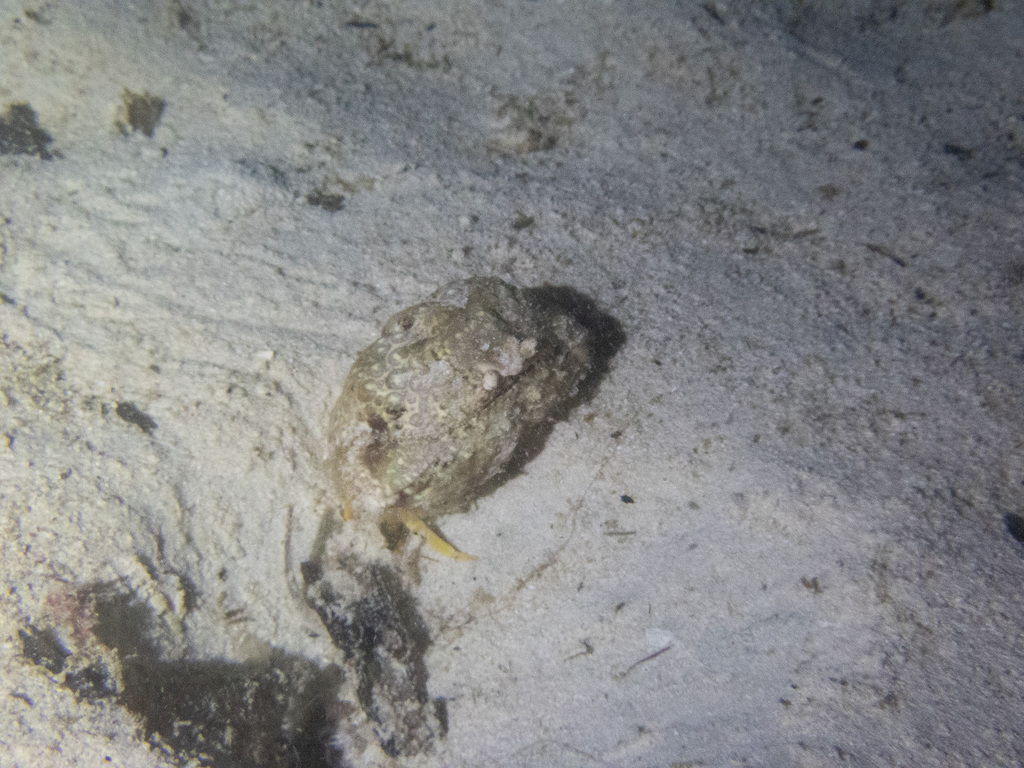 Rough box crab
Calappa gallus
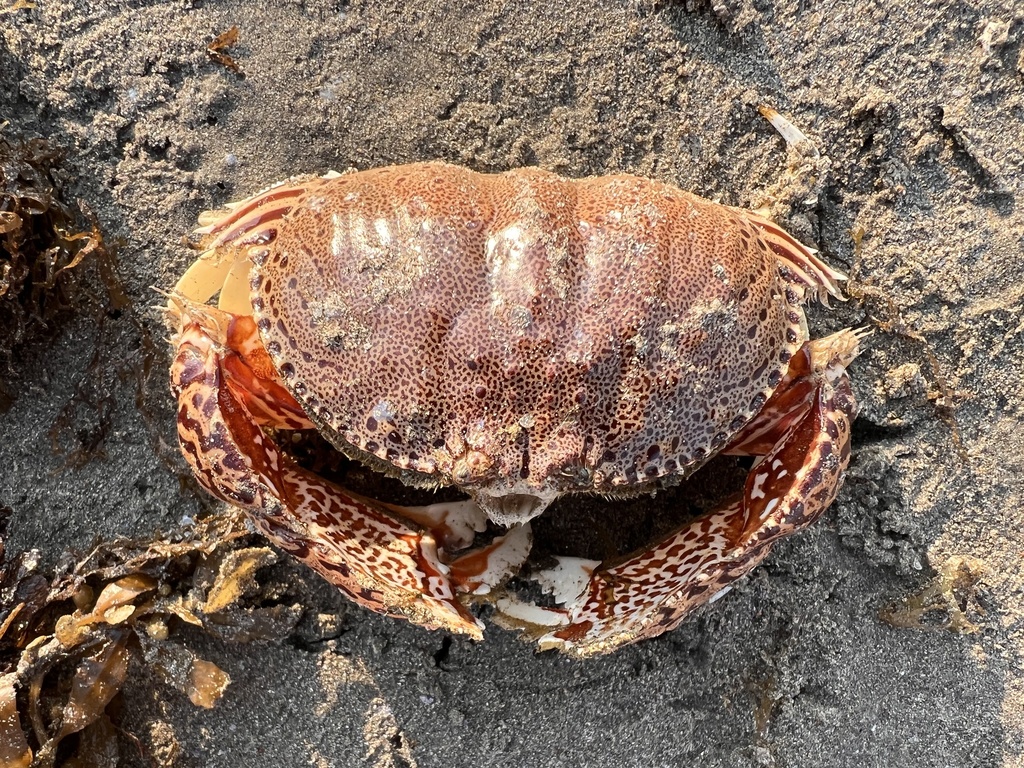
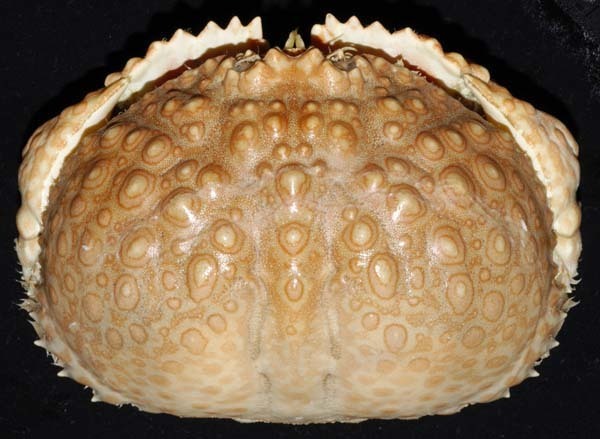 Japanese Box Crab
Calappa japonica
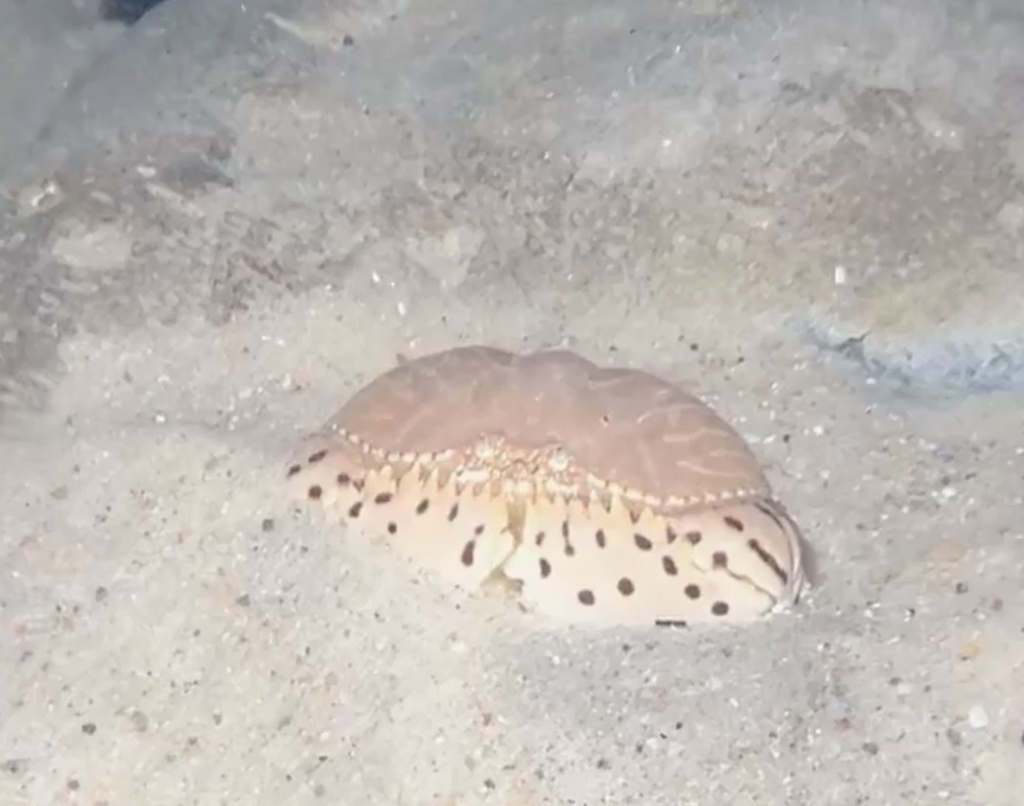 Common Box Crab
Calappa lophos
Sources and credits
Names and taxonomy: WoRMS (CC BY 4.0) and the GBIF Backbone (CC BY 4.0). Photos: iNaturalist observers, each under the licence shown (CC0, CC BY or CC BY-SA).
- Depth, temperature, months and maps: records from OBIS and GBIF under CC0 or CC BY.
- Descriptions: Wikipedia, licensed CC BY-SA, each linked to its article.
- Conservation status as published by GBIF (IUCN Red List).
- 79 open-data records from 1758 to 2014.
- Species data updated November 1, 2026.
Log what you see on your next dive
The free DiveHive diver app keeps your logbook with every sighting and shows what lives at the site you dive next.