
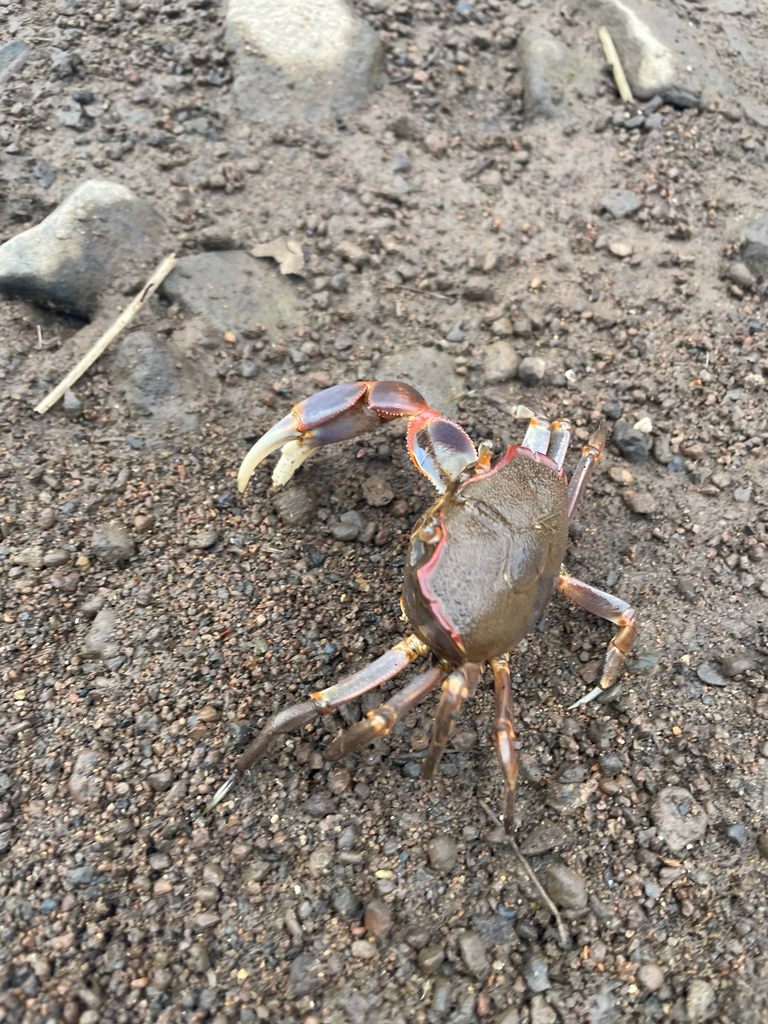
Chasmagnathus convexus
- Water temperature20–22 °C
- Best monthsMay, June, and July
- How commonRare
Photo credit: (c) 大澤風季 ohsawa_Fuki, some rights reserved (CC BY) · CC BY · iNaturalist
About this species
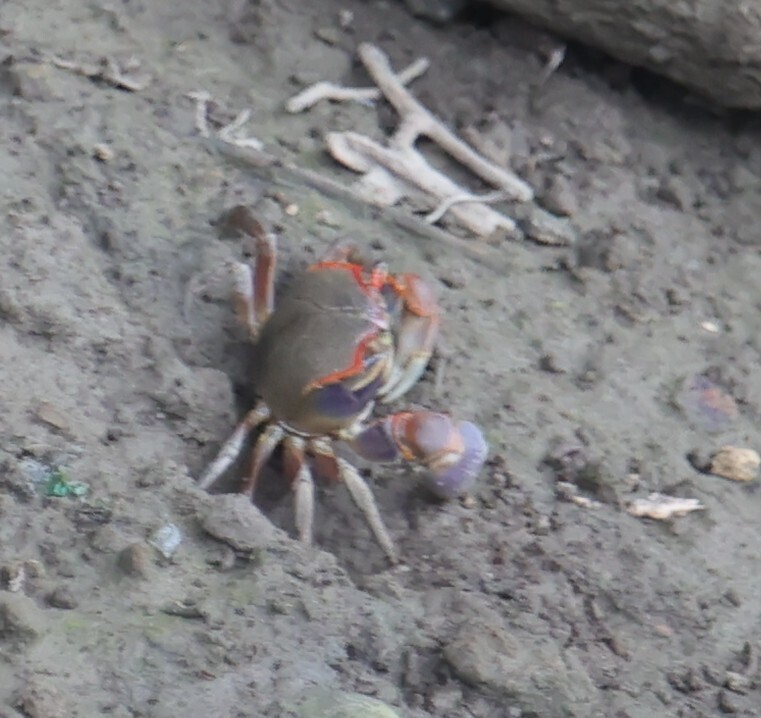
Chasmagnathus convexus is a common mud-flat crab of the family Varunidae, which is endemic to East Asia. In Japan, this crab is commonly called hamagani. This crab has two forms that differ in color; one is olive green and the other is purple. Differences in diet are believed to be responsible for the color variation between the two forms. C. convexus is large, relative to related crabs, and can reach 4.5 to 5 centimetres wide across its carapace. It is predominantly nocturnal.
Text from the Wikipedia article “Chasmagnathus”, licensed CC BY-SA 4.0. Read the article
Where and when
Where it has been recorded
Worldwide
Loading the map
Best months
Worldwide (open data)
- January: 13 records
- February: 10 records
- March: 17 records
- April: 46 records
- May: 68 records
- June: 66 records
- July: 68 records
- August: 57 records
- September: 38 records
- October: 52 records
- November: 54 records
- December: 24 records
Depth and water temperature
Water temperature
Recorded in surface water of 20–22 °C
Photos
(c) 胡正恆(Jackson Hu), some rights reserved (CC BY) · CC BY · iNaturalist 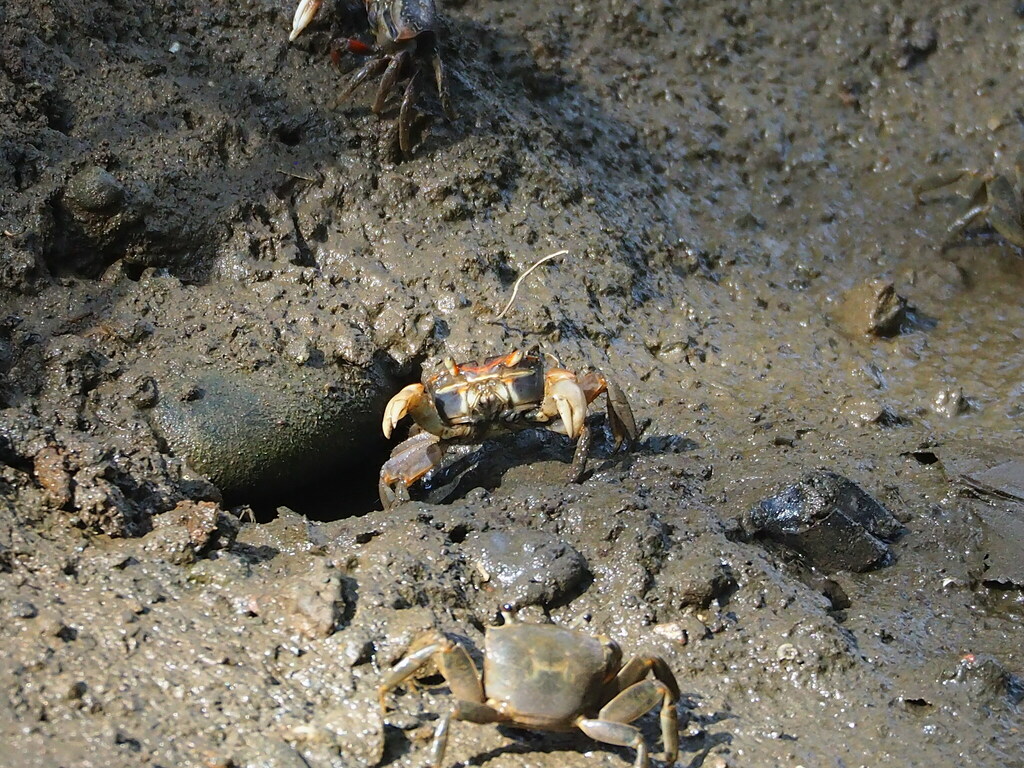
no rights reserved · CC0 1.0 · iNaturalist 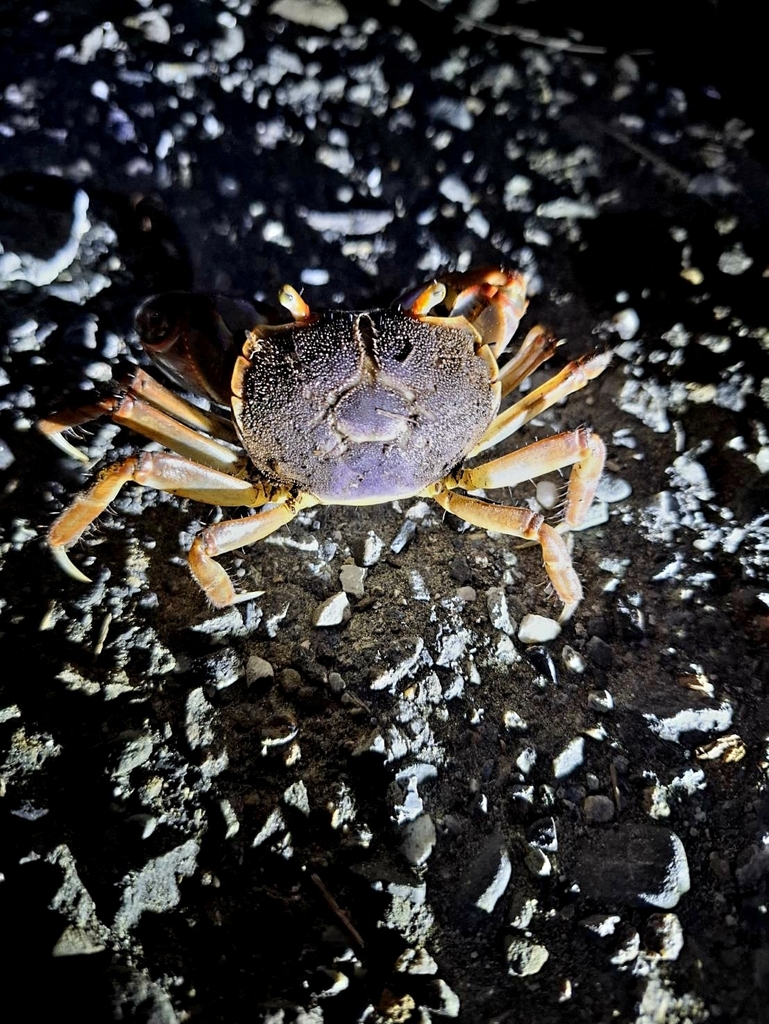
(c) Emily Chang, some rights reserved (CC BY) · CC BY · iNaturalist 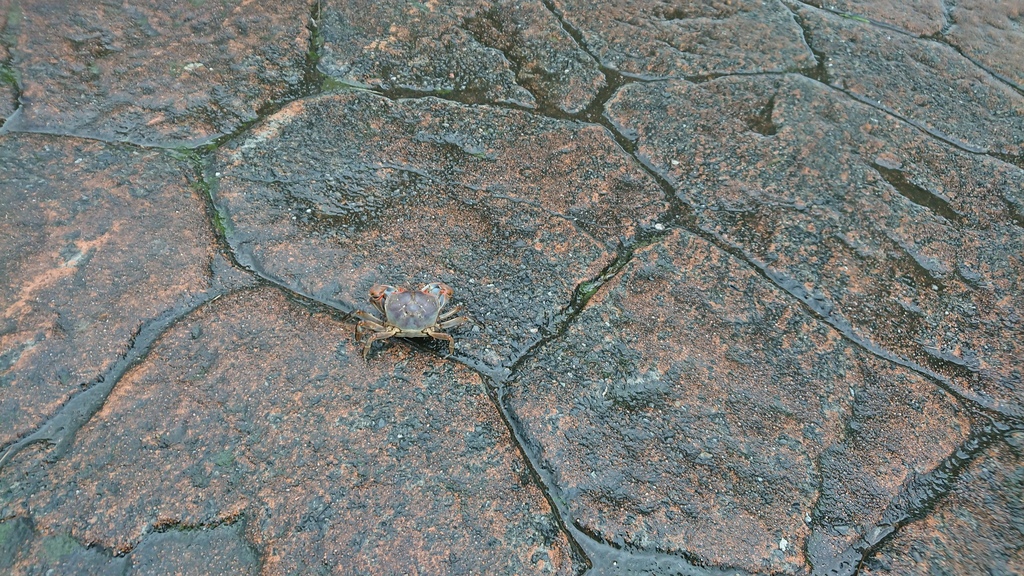
(c) 高山田鼠, some rights reserved (CC BY) · CC BY · iNaturalist 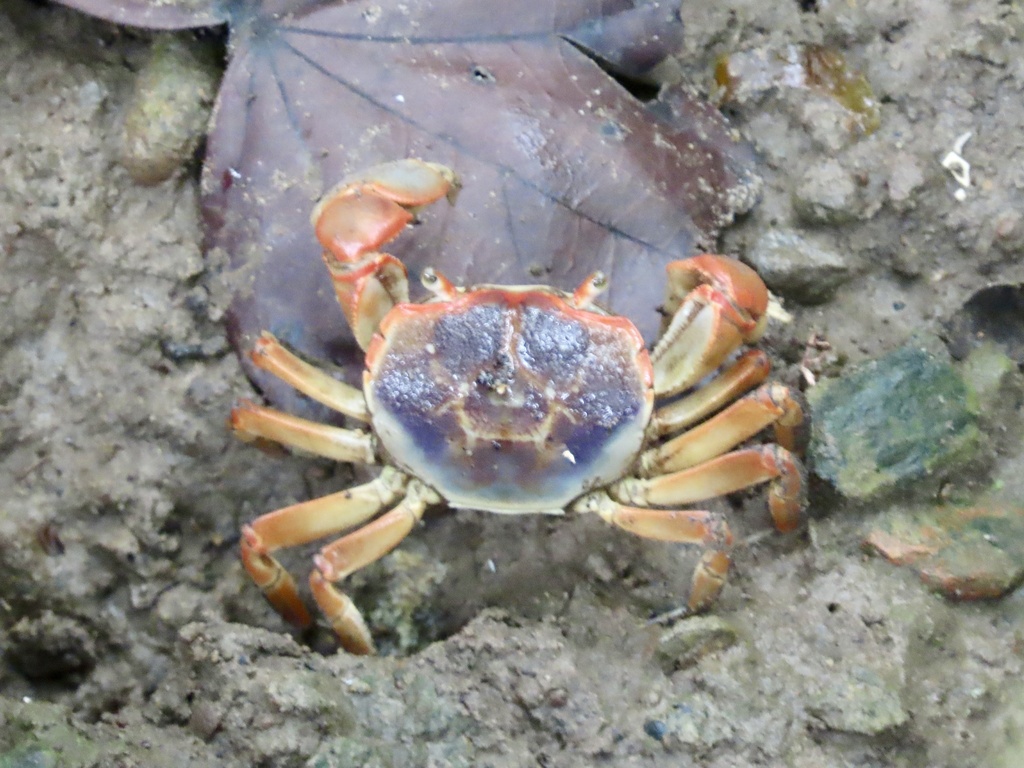
(c) Toby Y, some rights reserved (CC BY) · CC BY · iNaturalist 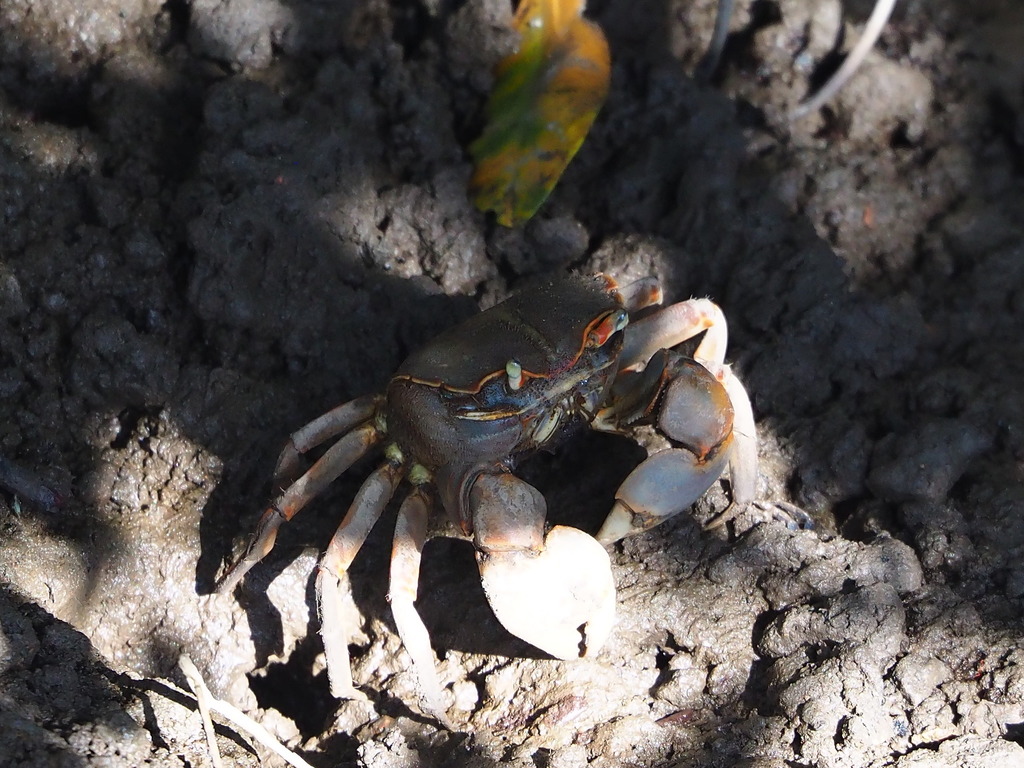
no rights reserved · CC0 1.0 · iNaturalist 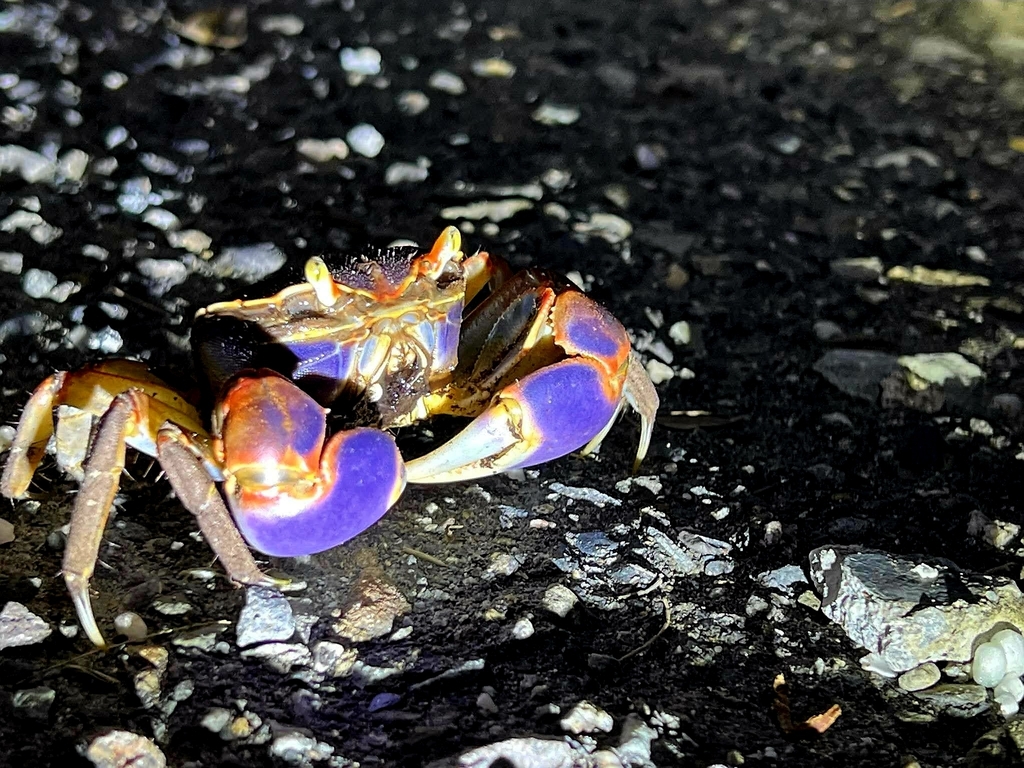
(c) Emily Chang, some rights reserved (CC BY) · CC BY · iNaturalist
Names and classification
Names in 2 more languages
- Japanese
- ハマガニ
- Simplified Chinese
- 隆背張口蟹
Other scientific names: Helice spinicarpa, Ocypode (Chasmagnathus) convexus
Similar species
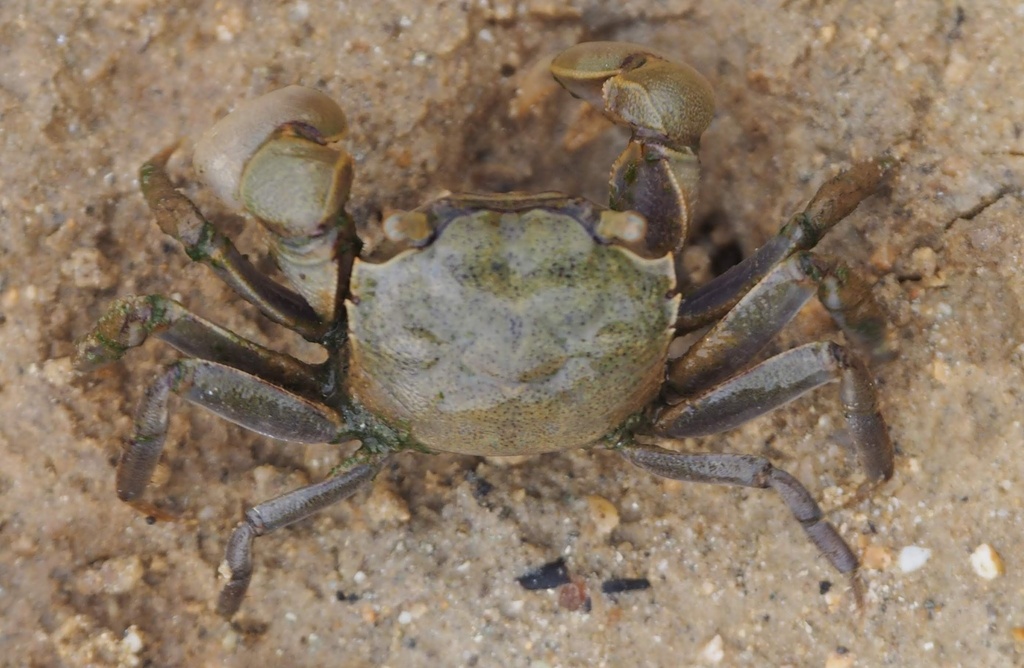 Tunneling Mud Crab
Austrohelice crassa
 Smooth Shore Crab
Cyclograpsus lavauxi
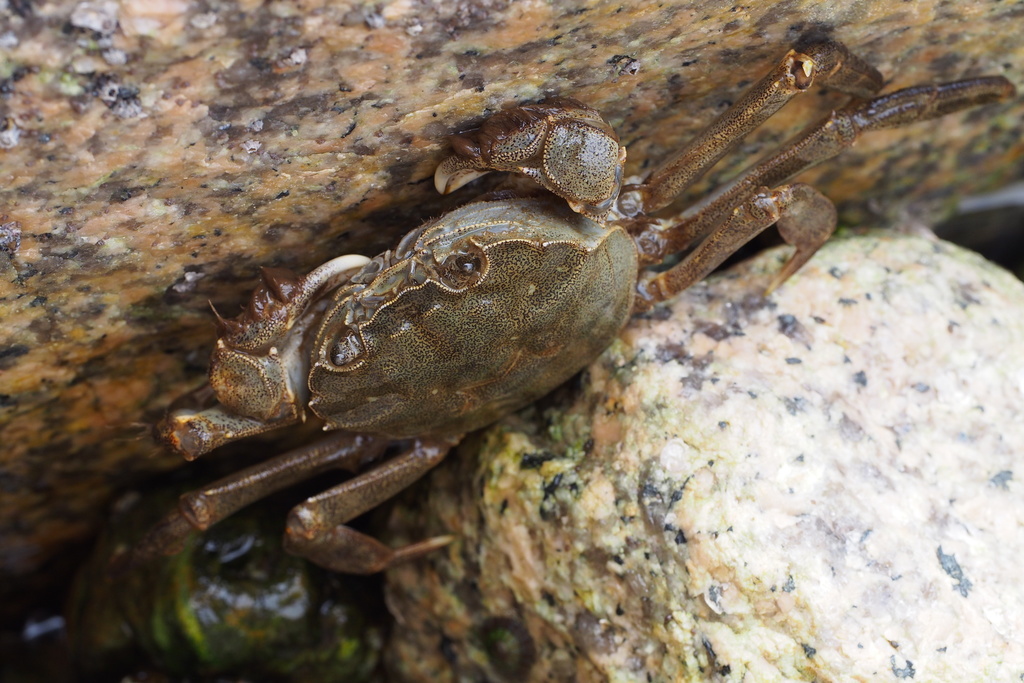 Japanese mitten crab
Eriocheir japonica
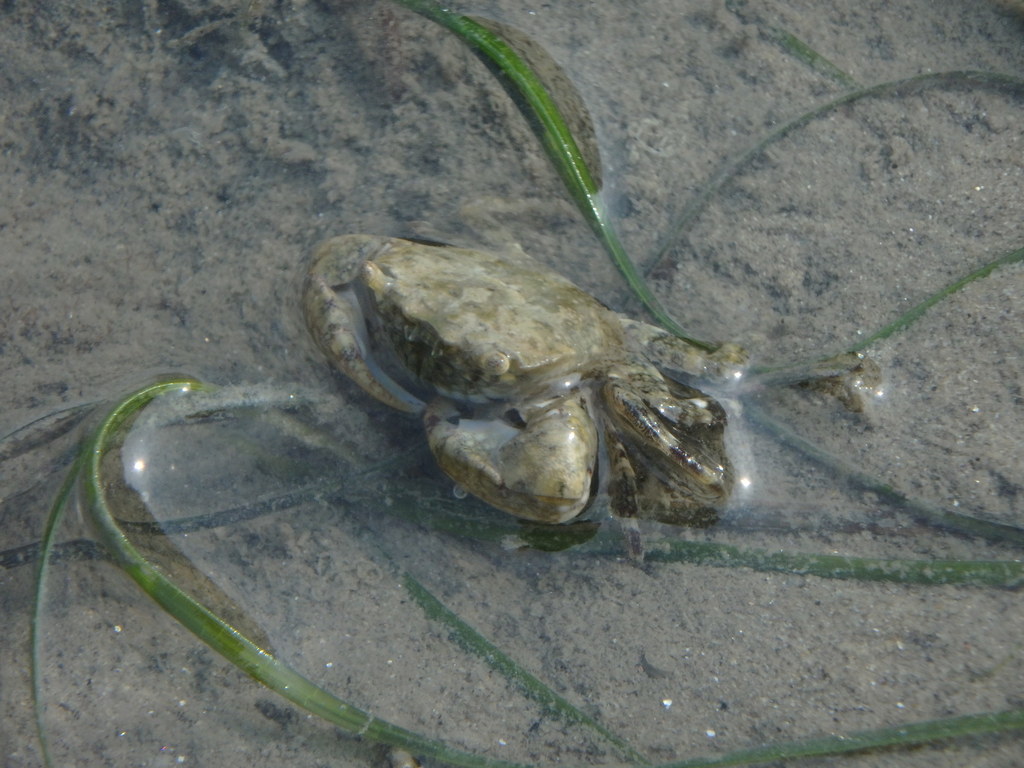
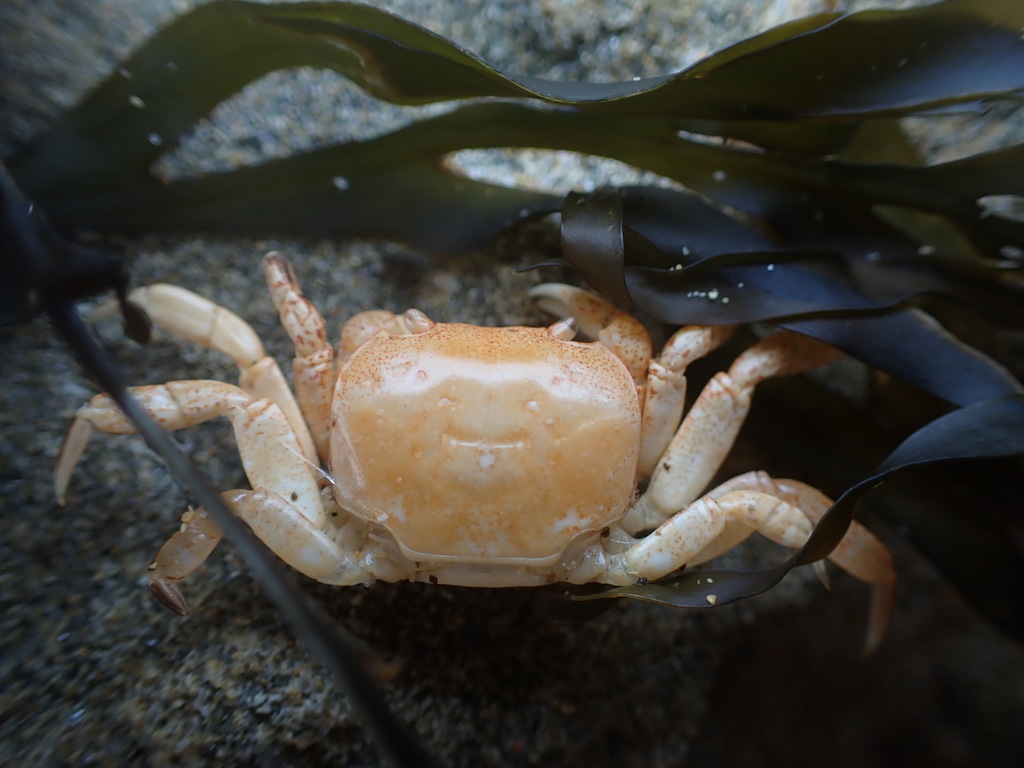 Smooth Shore Crab
Cyclograpsus audouinii
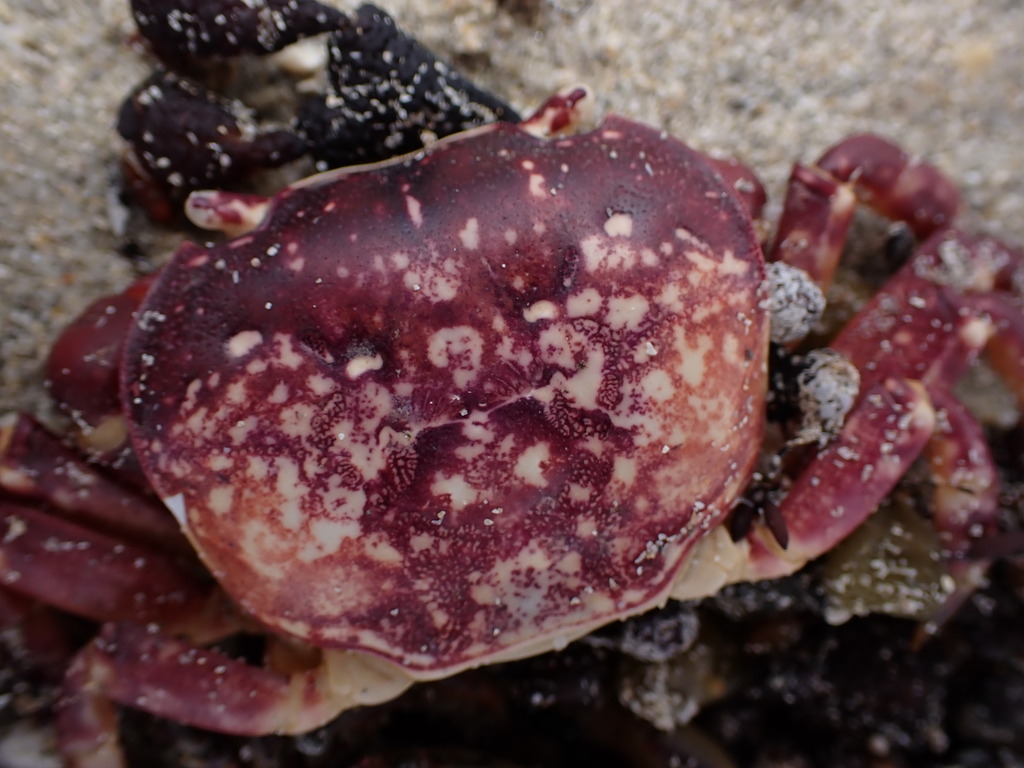 Purple Mottled Shore Crab
Cyclograpsus granulosus
Sources and credits
Names and taxonomy: WoRMS (CC BY 4.0) and the GBIF Backbone (CC BY 4.0). Photos: iNaturalist observers, each under the licence shown (CC0, CC BY or CC BY-SA).
- Depth, temperature, months and maps: records from OBIS and GBIF under CC0 or CC BY.
- Descriptions: Wikipedia, licensed CC BY-SA, each linked to its article.
- Conservation status as published by GBIF (IUCN Red List).
- 94 open-data records from 2008 to 2014.
- Species data updated November 1, 2026.
Log what you see on your next dive
The free DiveHive diver app keeps your logbook with every sighting and shows what lives at the site you dive next.