
DiscoverSpeciesOther invertebrates
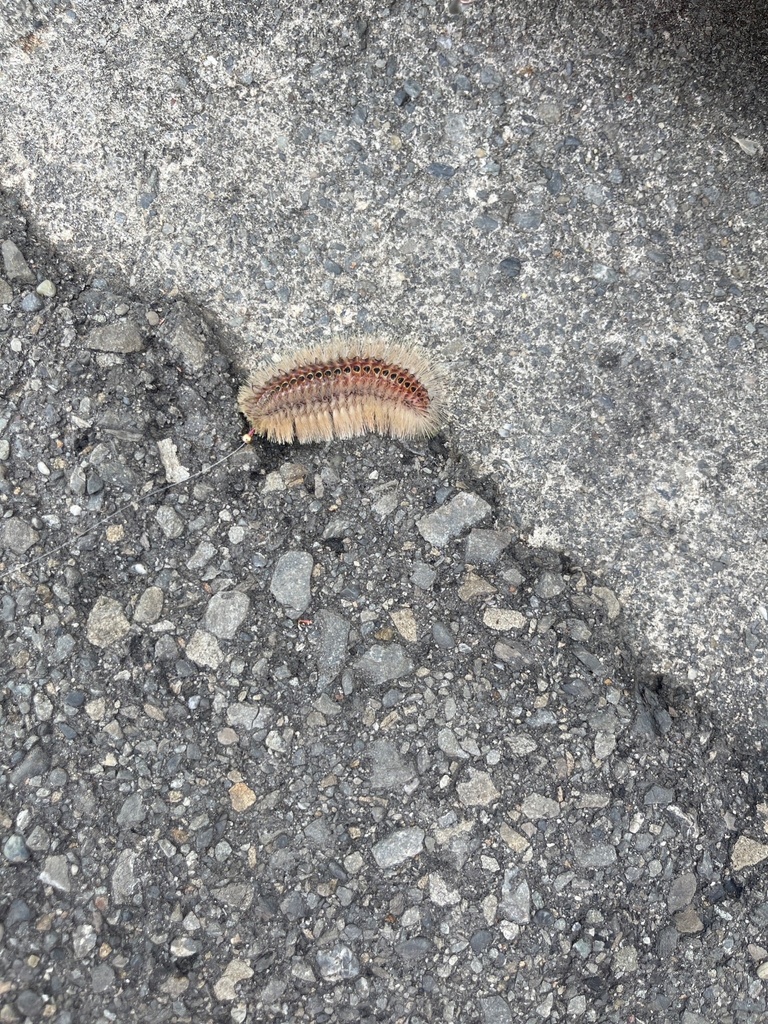
Chloeia flava
- Usual depth11–240 m
- Water temperature20–29 °C
- Best monthsJuly, August, and October
- How commonRare
Photo credit: (c) 岸本年郎, some rights reserved (CC BY) · CC BY · iNaturalist
About this species
Chloeia flava, also known as the golden fireworm, is a segmented bristleworm belonging to the family Amphinomidae.
Text from the Wikipedia article “Chloeia flava”, licensed CC BY-SA 4.0. Read the article
Where and when
Where it has been recorded
Worldwide
Loading the map
Best months
Worldwide (open data)
- January: 14 records
- February: 11 records
- March: 19 records
- April: 21 records
- May: 20 records
- June: 26 records
- July: 34 records
- August: 27 records
- September: 22 records
- October: 30 records
- November: 11 records
- December: 16 records
Depth and water temperature
Depth
Mostly recorded at 11–240 m · Deepest record: 240 m
Water temperature
Recorded in surface water of 20–29 °C
Photos
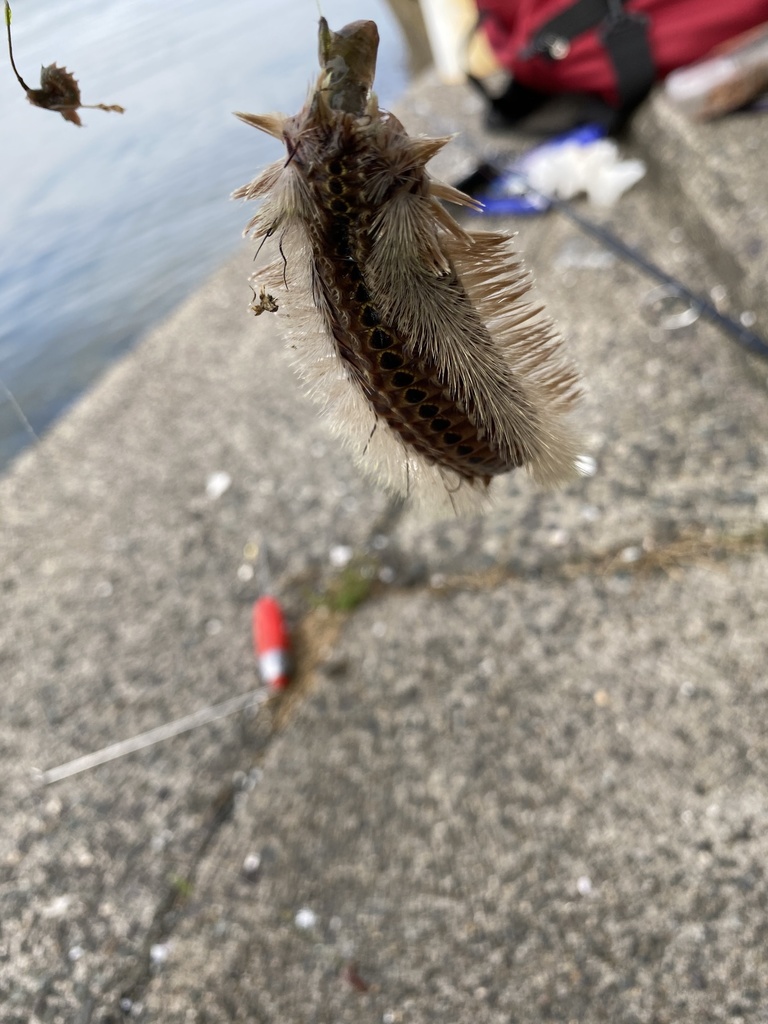
(c) りなべる, some rights reserved (CC BY) · CC BY · iNaturalist 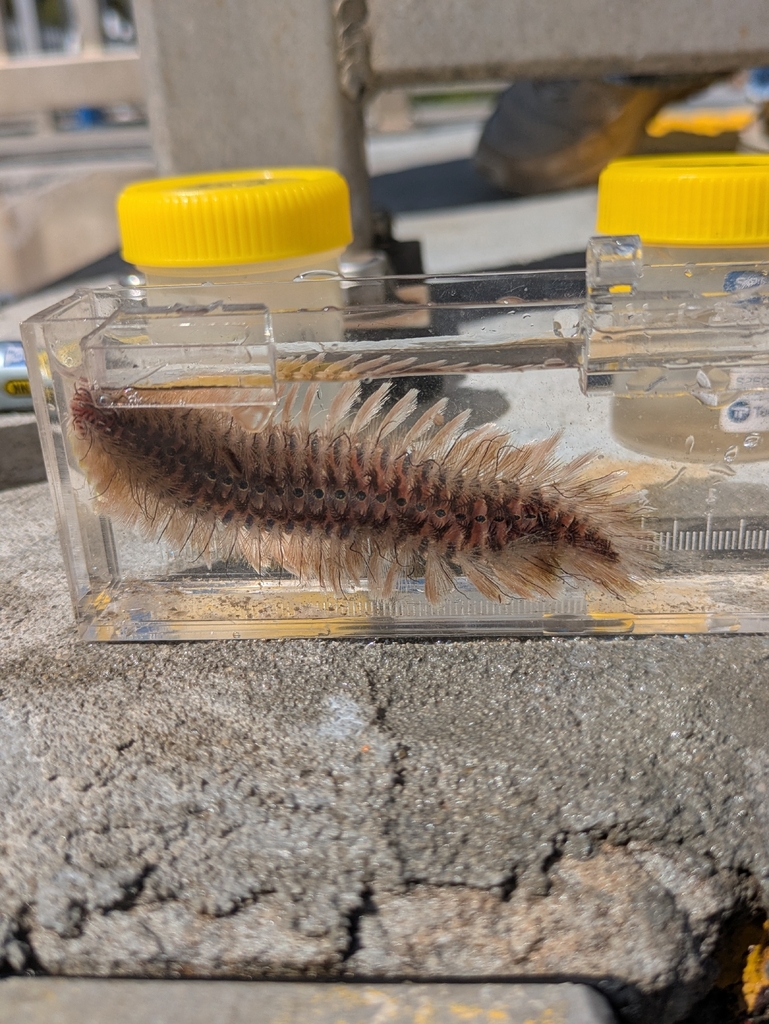
(c) Patrick Connolly, some rights reserved (CC BY) · CC BY · iNaturalist 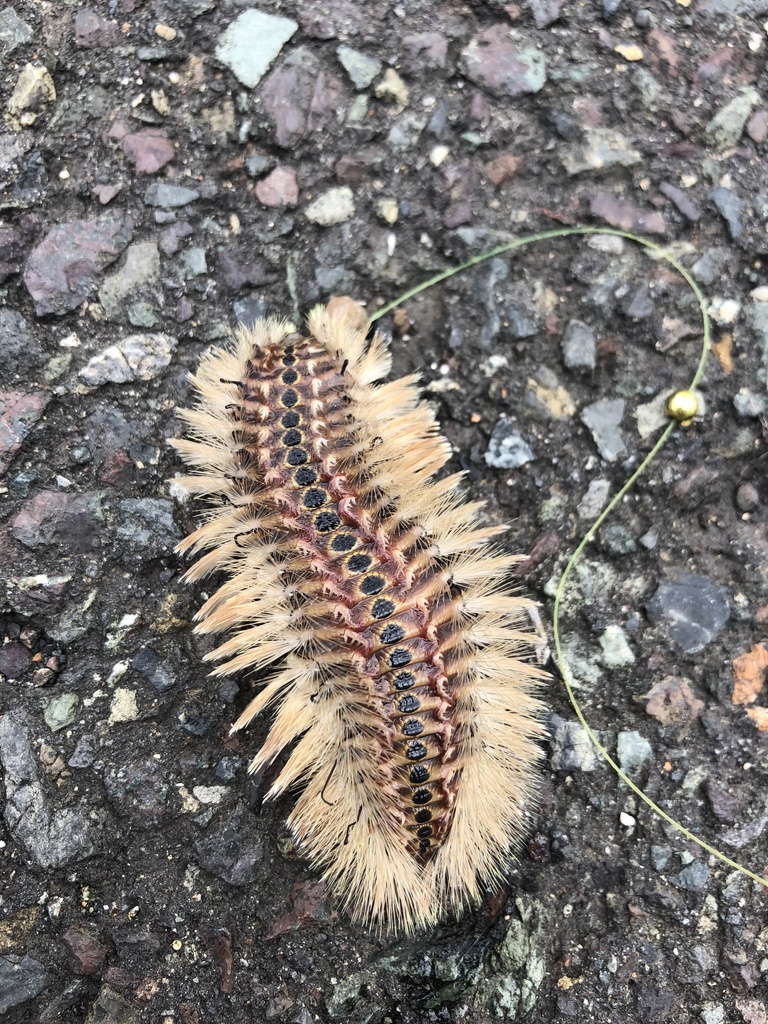
(c) りなべる, some rights reserved (CC BY) · CC BY · iNaturalist 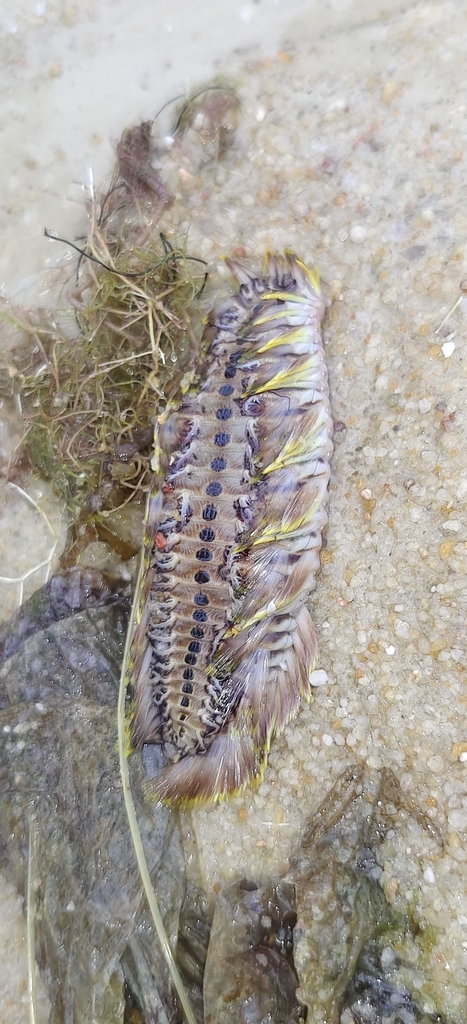
(c) Doreen, some rights reserved (CC BY) · CC BY · iNaturalist 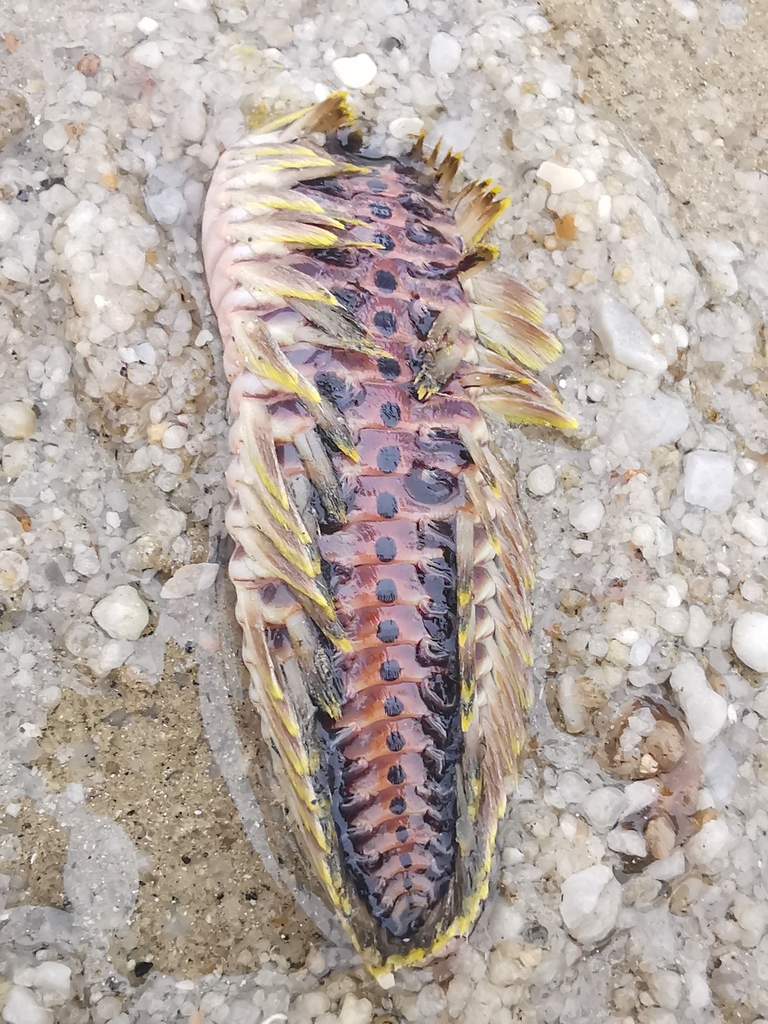
(c) Doreen, some rights reserved (CC BY) · CC BY · iNaturalist 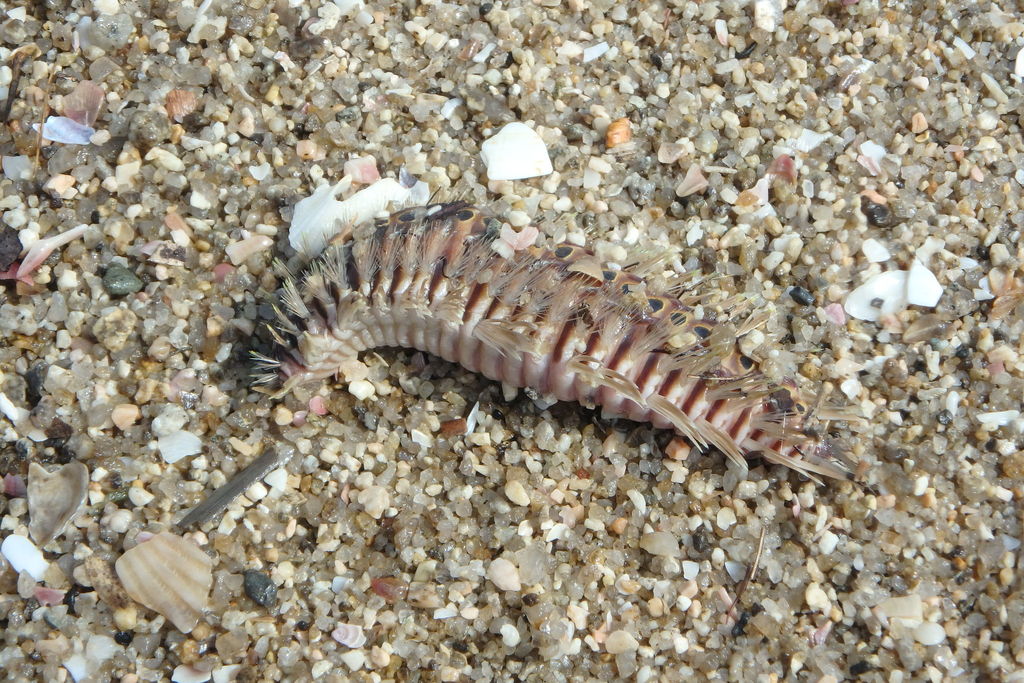
(c) harum.koh, some rights reserved (CC BY-SA) · CC BY-SA · iNaturalist
Names and classification
Names in 3 more languages
- Japanese
- ウミケムシ
- Korean
- 노란풀양목갯지렁이
- Simplified Chinese
- 黃斑海毛蟲
Other scientific names: Amphinome capillata, Aphrodita flava, Chloeia capillata, Chloeia ceylonica, Chloeia natalensis, Chloeia zeylonica, Thesmia flava
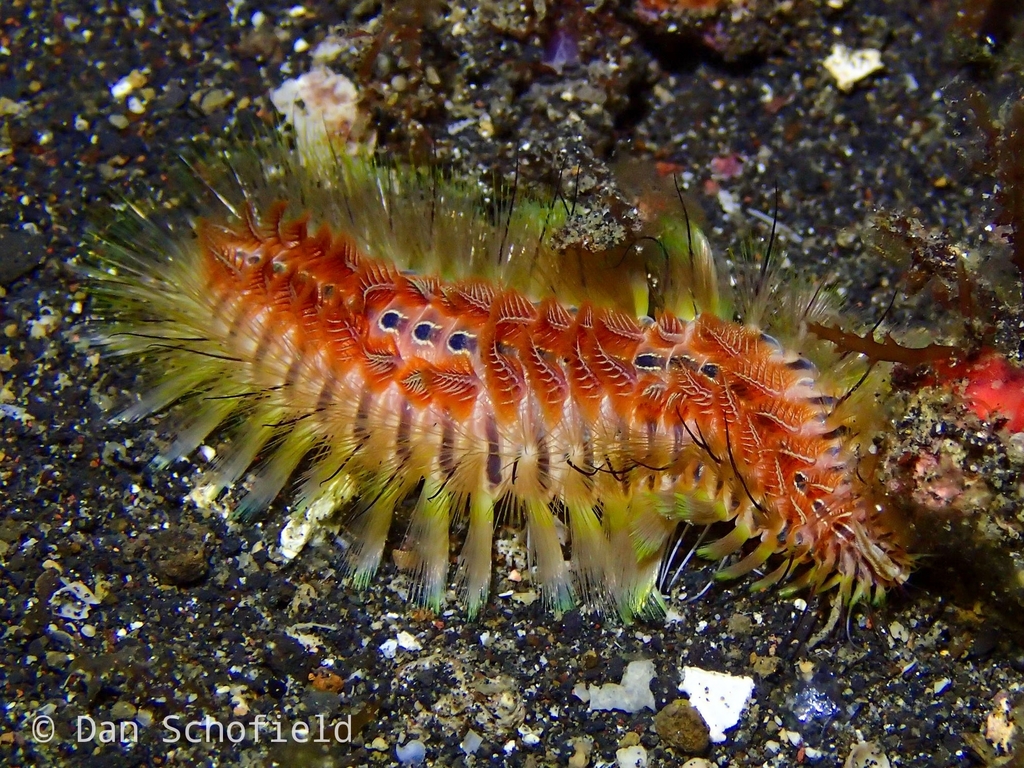
Similar species
Sources and credits
Names and taxonomy: WoRMS (CC BY 4.0) and the GBIF Backbone (CC BY 4.0). Photos: iNaturalist observers, each under the licence shown (CC0, CC BY or CC BY-SA).
- Depth, temperature, months and maps: records from OBIS and GBIF under CC0 or CC BY.
- Descriptions: Wikipedia, licensed CC BY-SA, each linked to its article.
- Conservation status as published by GBIF (IUCN Red List).
- 203 open-data records from 1766 to 2023.
- Species data updated October 26, 2026.
Log what you see on your next dive
The free DiveHive diver app keeps your logbook with every sighting and shows what lives at the site you dive next.