

Dageraad
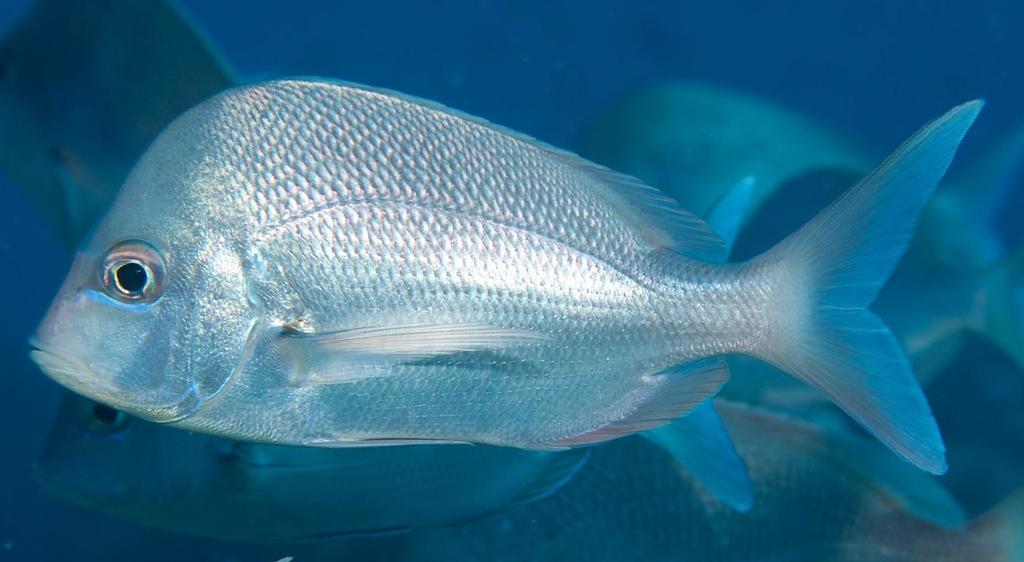
Chrysoblephus cristiceps
- Usual depth18–50 m
- Water temperature17–24 °C
- Best monthsJanuary, August, and December
- How commonCommon
Photo credit: (c) Georgina Jones, some rights reserved (CC BY-SA), uploaded by Georgina Jones · CC BY-SA · iNaturalist
About this species
Chrysoblephus cristiceps, the daggerhead seabream or dageraad, is a species of marine ray-finned fish belonging to the family Sparidae, the seabreams and porgies. This fish is endemic to the southwestern Indian Ocean and southeastern Atlantic Ocean off South Africa. This species is assessed as being Critically Endangered bt the International Union for Conservation of Nature.
Text from the Wikipedia article “Chrysoblephus cristiceps”, licensed CC BY-SA 4.0. Read the article
Where and when
Where it has been recorded
Worldwide
Loading the map
Best months
Worldwide (open data)
- January: 2,523 records
- February: 1,750 records
- March: 1,704 records
- April: 1,665 records
- May: 2,083 records
- June: 1,870 records
- July: 2,060 records
- August: 2,086 records
- September: 1,652 records
- October: 1,518 records
- November: 1,186 records
- December: 2,348 records
Depth and water temperature
Depth
Mostly recorded at 18–50 m · Deepest record: 50 m
Water temperature
Recorded in surface water of 17–24 °C
Photos

(c) Peter Southwood, some rights reserved (CC BY-SA) · CC BY-SA · iNaturalist 
(c) Georgina Jones, some rights reserved (CC BY-SA) · CC BY-SA · iNaturalist 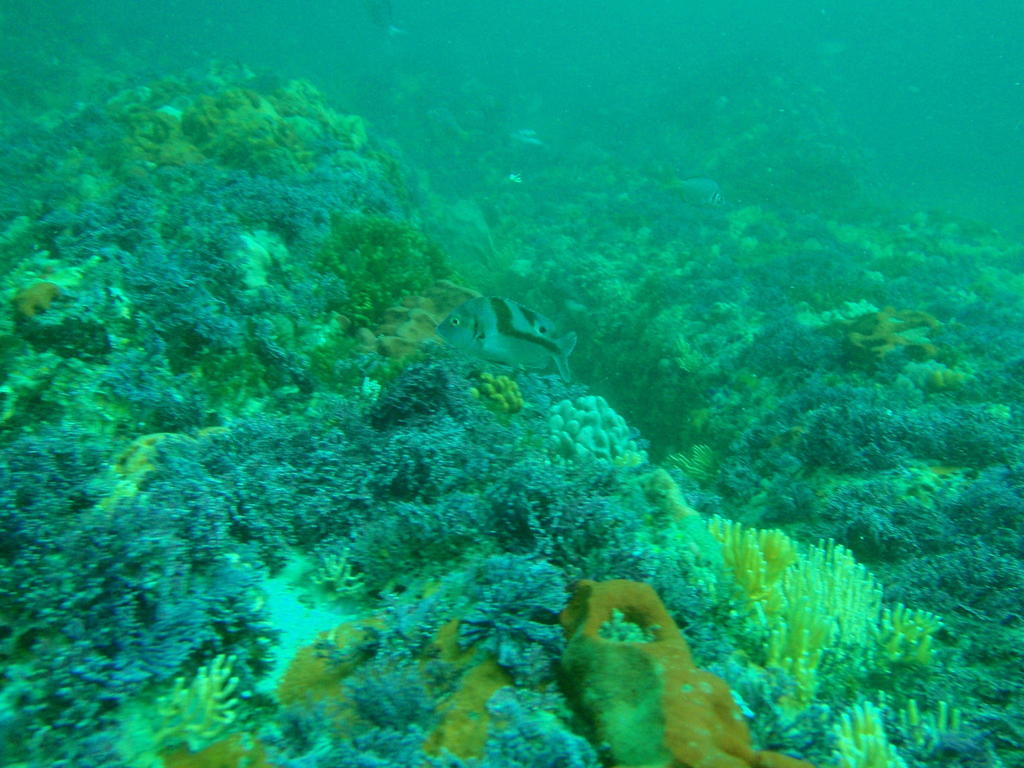
(c) Peter Southwood, some rights reserved (CC BY-SA) · CC BY-SA · iNaturalist
Names and classification
- English
- Dageraad, Daggerhead, Daggerhead Seabream
Names in 3 more languages
- Spanish
- Sargo Puñal
- French
- Spare Poignard
- Simplified Chinese
- 紅鰭麗眼鯛
Other scientific names: Chrysophrys cristiceps
Similar species
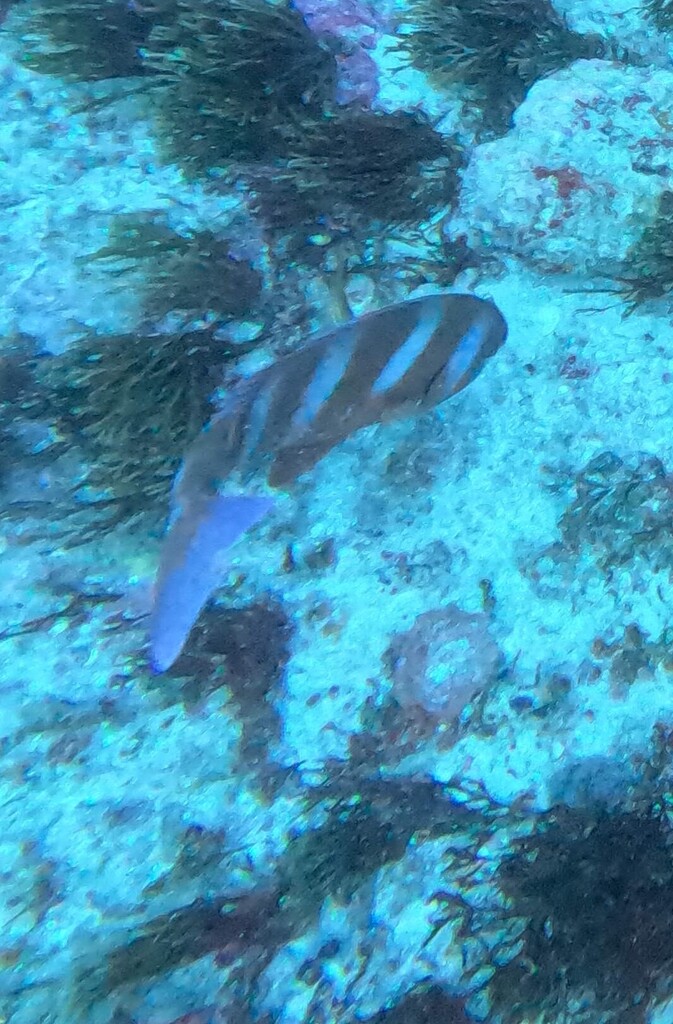 Englishman seabream
Chrysoblephus anglicus
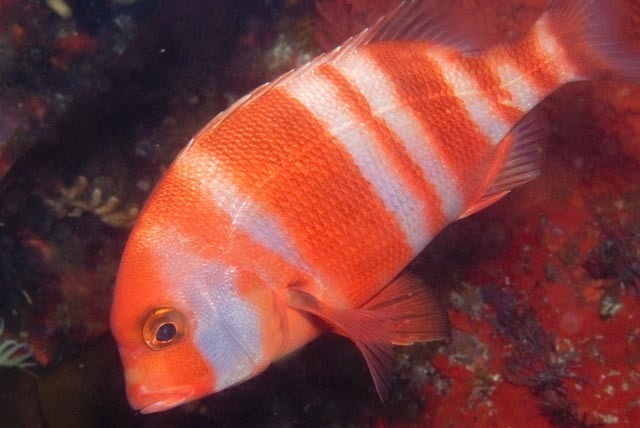 Miss Lucy
Chrysoblephus gibbiceps
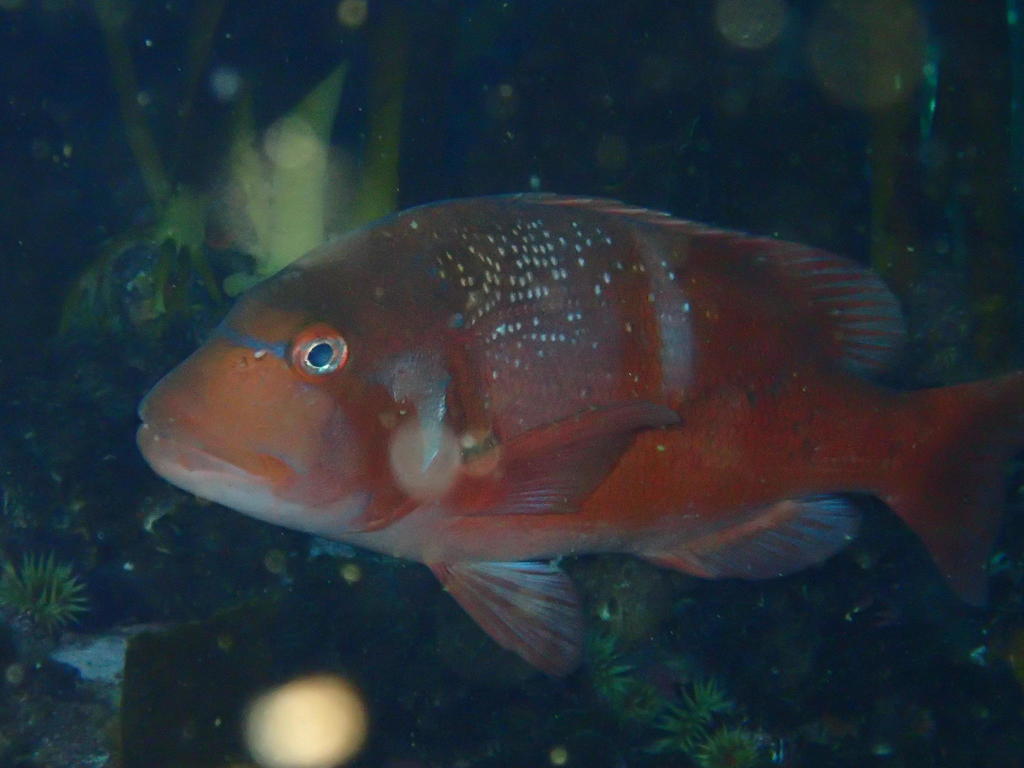 Roman seabream
Chrysoblephus laticeps
 Slinger seabream
Chrysoblephus puniceus
- False Englishman
Chrysoblephus lophus
 Australian Seabream
Acanthopagrus australis
Sources and credits
Names and taxonomy: WoRMS (CC BY 4.0) and the GBIF Backbone (CC BY 4.0). Photos: iNaturalist observers, each under the licence shown (CC0, CC BY or CC BY-SA).
- Depth, temperature, months and maps: records from OBIS and GBIF under CC0 or CC BY.
- Descriptions: Wikipedia, licensed CC BY-SA, each linked to its article.
- Conservation status as published by GBIF (IUCN Red List).
- 22,448 open-data records from 1949 to 2015.
- Species data updated November 1, 2026.
Log what you see on your next dive
The free DiveHive diver app keeps your logbook with every sighting and shows what lives at the site you dive next.