
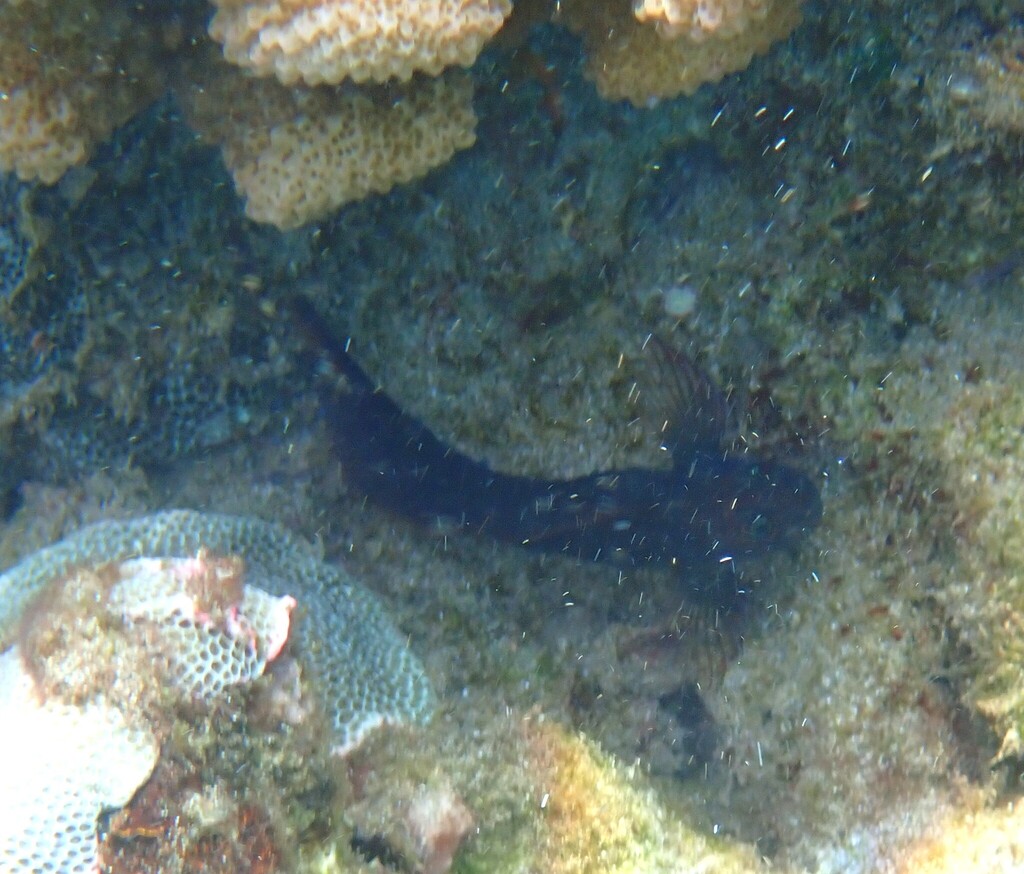
Red-head Blenny
Cirripectes vanderbilti
- Usual depth4–15 m
- Water temperature24–29 °C
- Best monthsAugust, September, and October
- How commonOccasional
Photo credit: no rights reserved · CC0 1.0 · iNaturalist
About this species
Cirripectes vanderbilti, also known as the scarface blenny, is a species of combtooth blenny found in coral reefs in the Hawaiian and Johnston Atoll in the eastern central Pacific ocean. This species reaches a length of 10 cm (3.9 in) SL. It is commonly confused with Cirripectes variolosus.
Text from the Wikipedia article “Cirripectes vanderbilti”, licensed CC BY-SA 4.0. Read the article
Where and when
Where it has been recorded
Worldwide
Loading the map
Best months
Worldwide (open data)
- January: 20 records
- February: 10 records
- March: 11 records
- April: 22 records
- May: 24 records
- June: 28 records
- July: 111 records
- August: 365 records
- September: 504 records
- October: 400 records
- November: 55 records
- December: 14 records
Depth and water temperature
Depth
Mostly recorded at 4–15 m · Deepest record: 26 m
Water temperature
Recorded in surface water of 24–29 °C
Photos
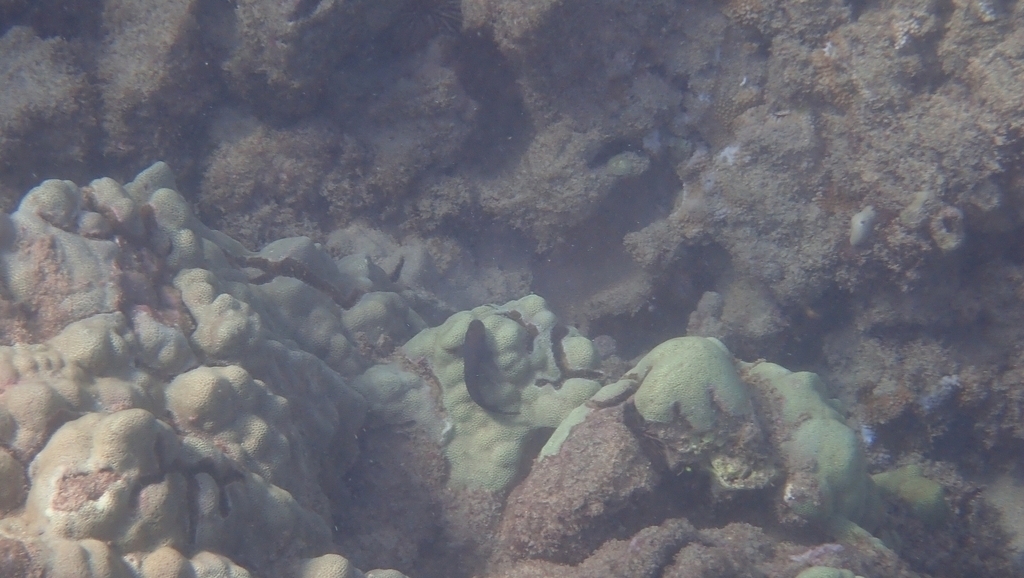
(c) My-Lan Le, some rights reserved (CC BY) · CC BY · iNaturalist 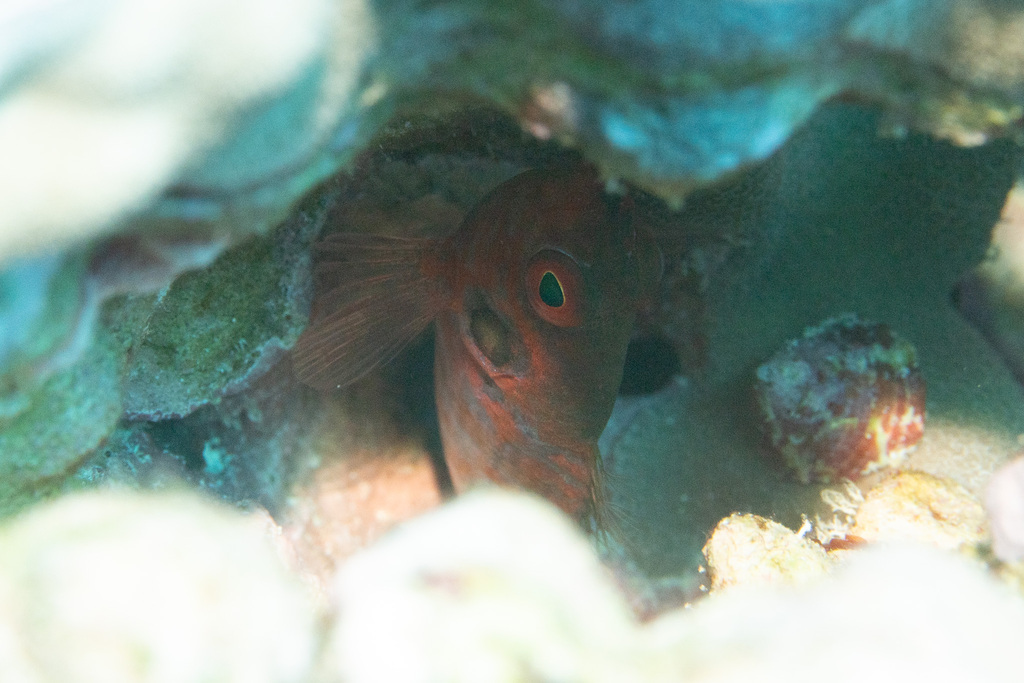
(c) cello caruso-turiello, some rights reserved (CC BY) · CC BY · iNaturalist 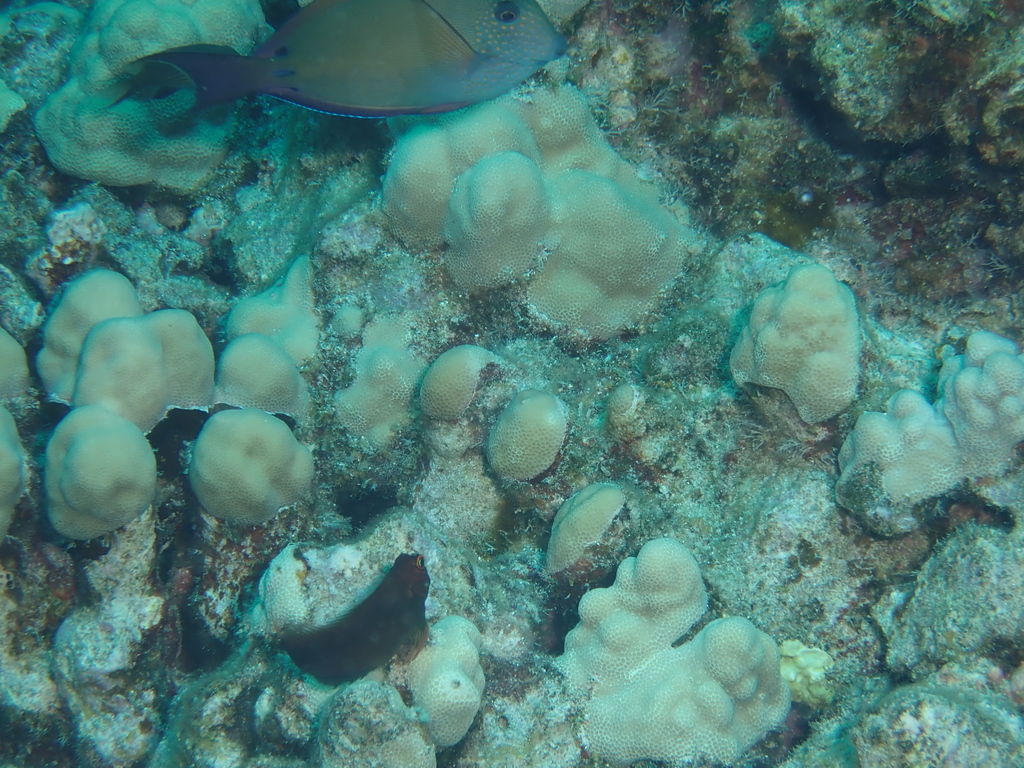
(c) jeyre, some rights reserved (CC BY) · CC BY · iNaturalist 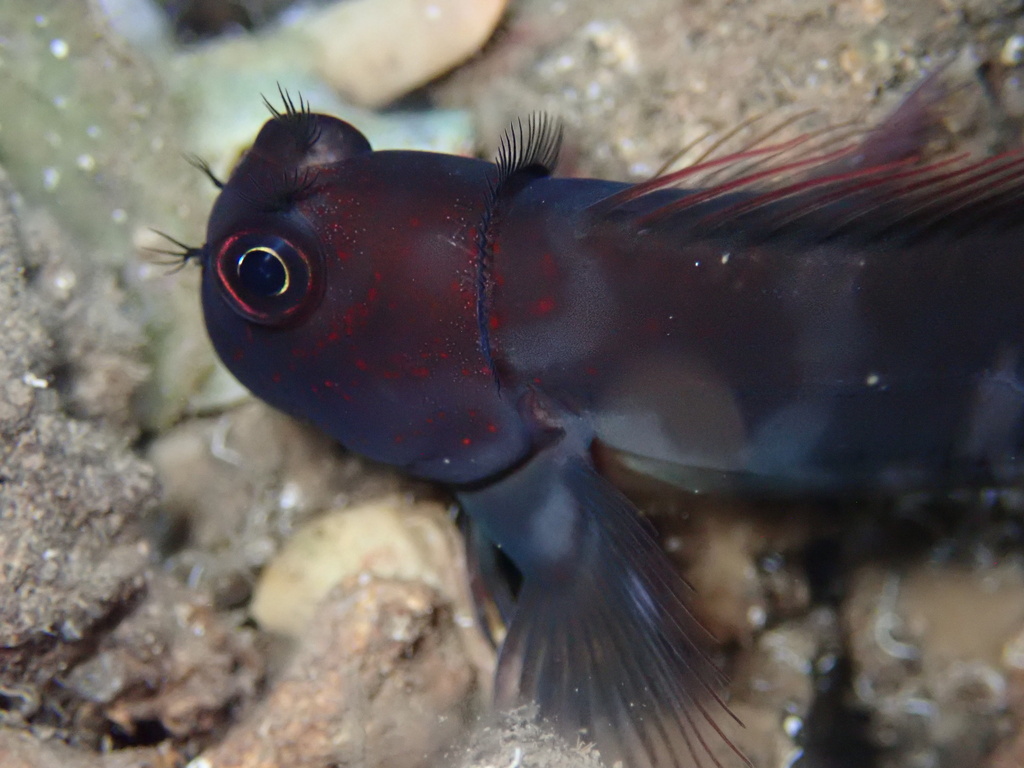
(c) Cricket Raspet, some rights reserved (CC BY) · CC BY · iNaturalist 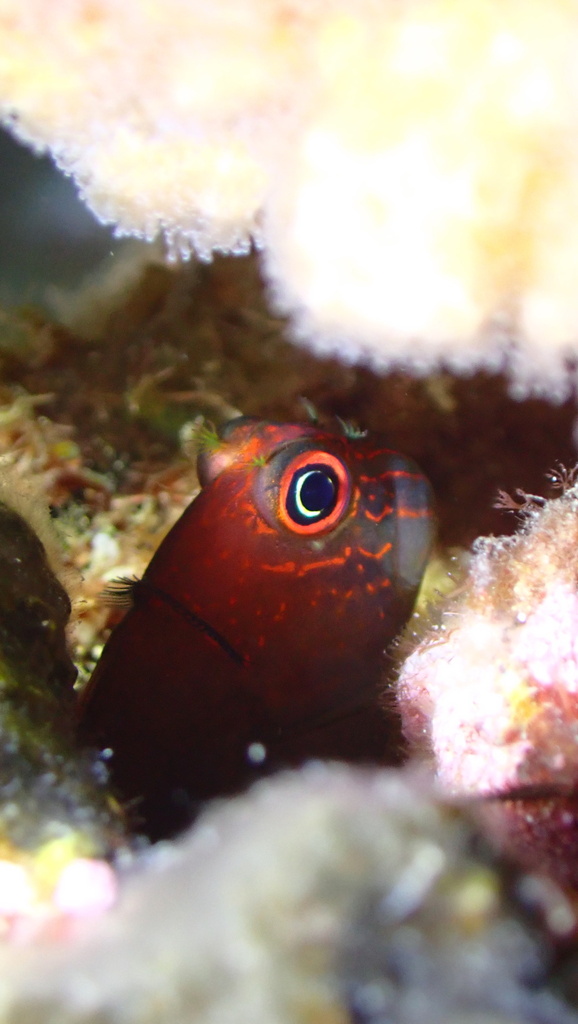
(c) Robin White, some rights reserved (CC BY) · CC BY · iNaturalist 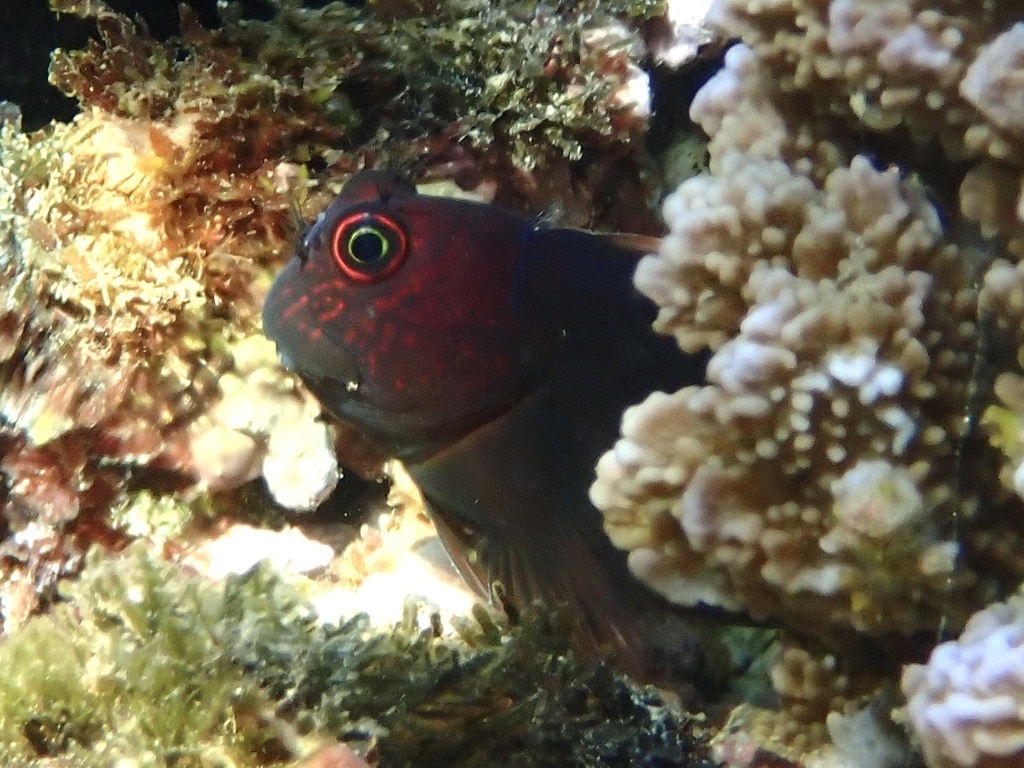
(c) Cricket Raspet, some rights reserved (CC BY) · CC BY · iNaturalist 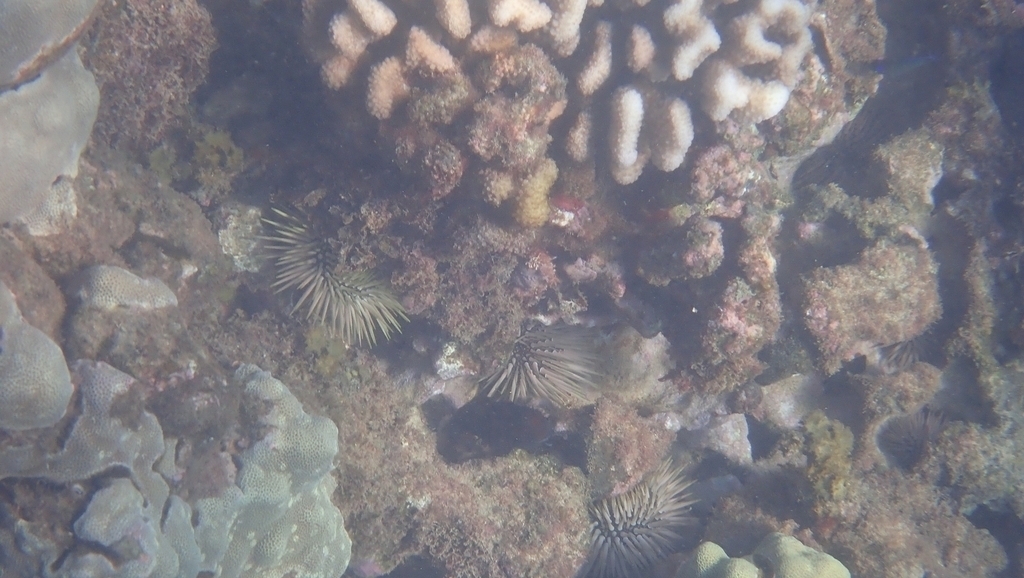
(c) My-Lan Le, some rights reserved (CC BY) · CC BY · iNaturalist
Names and classification
- English
- Red-head Blenny, Scarface Blenny
Other scientific names: Ophioblennius capillus, Ophioblennius vanderbilti
Similar species
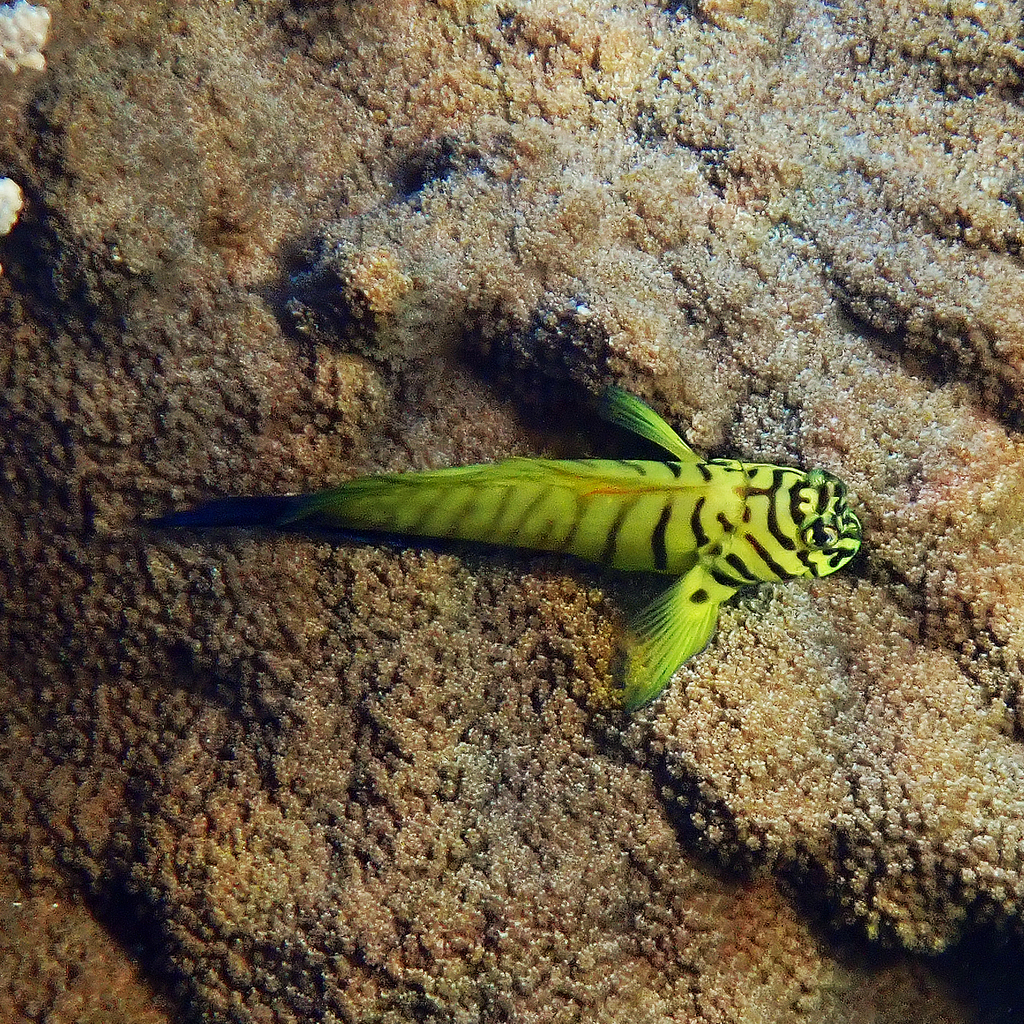 Chestnut blenny
Cirripectes castaneus
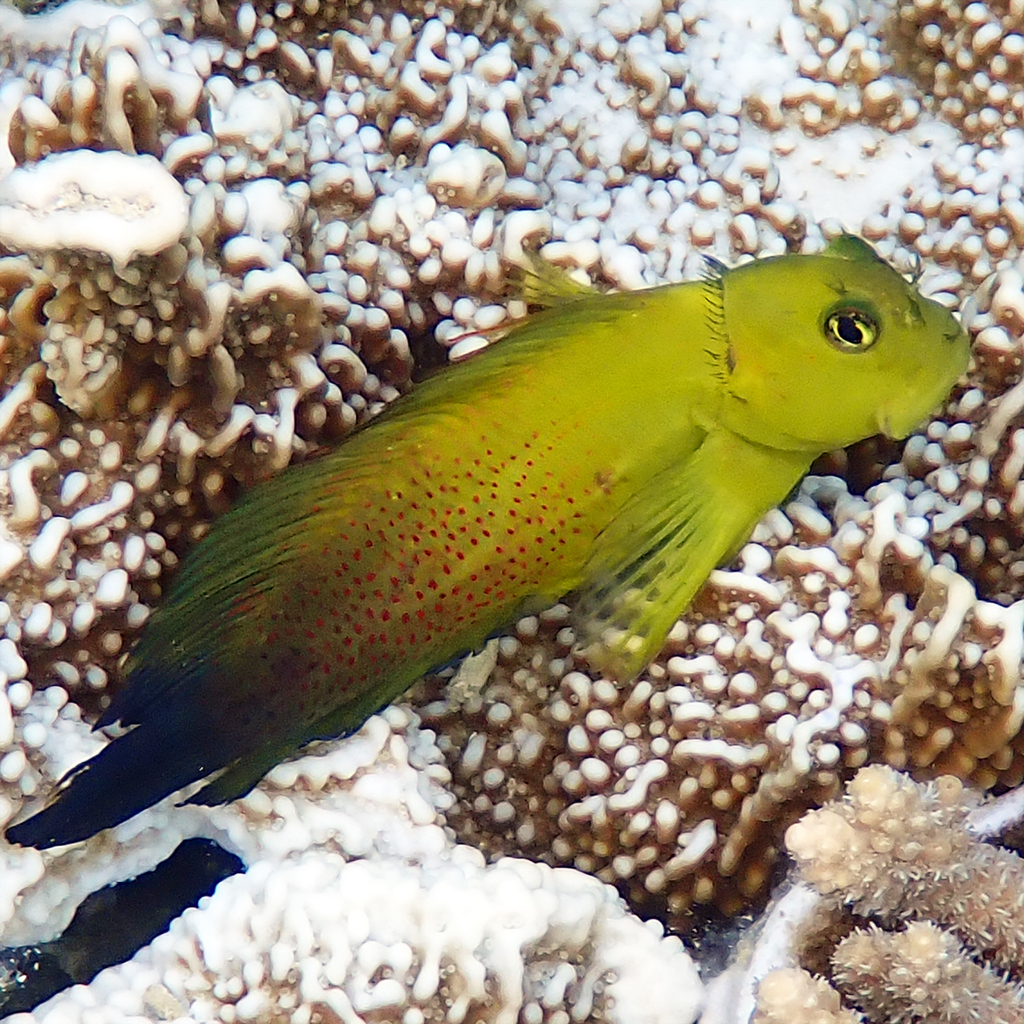 Lady Musgrave Blenny
Cirripectes chelomatus
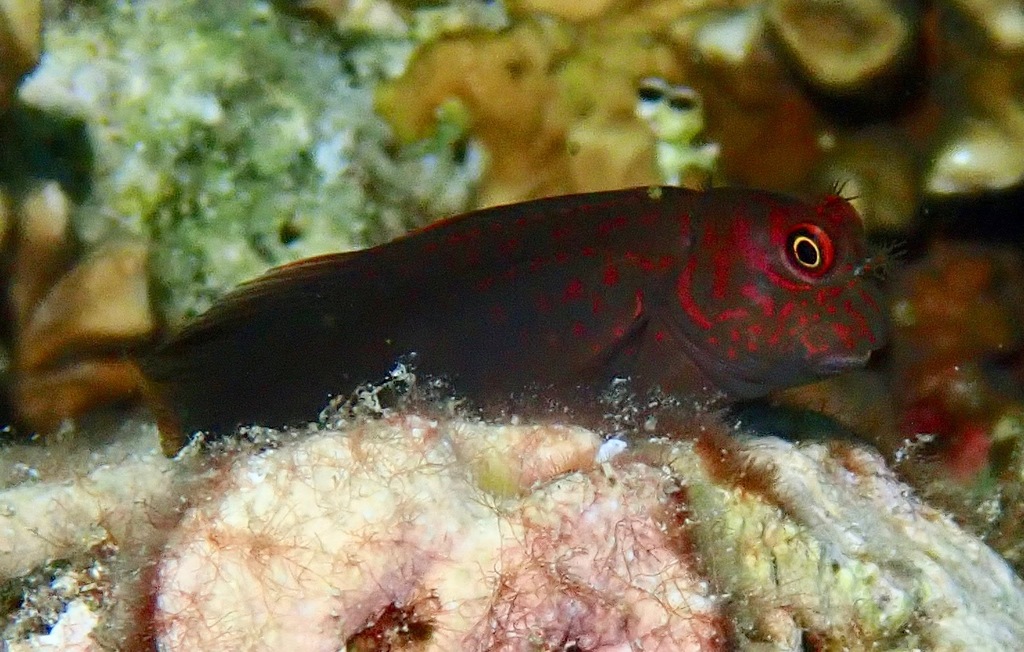 Filamentous blenny
Cirripectes filamentosus
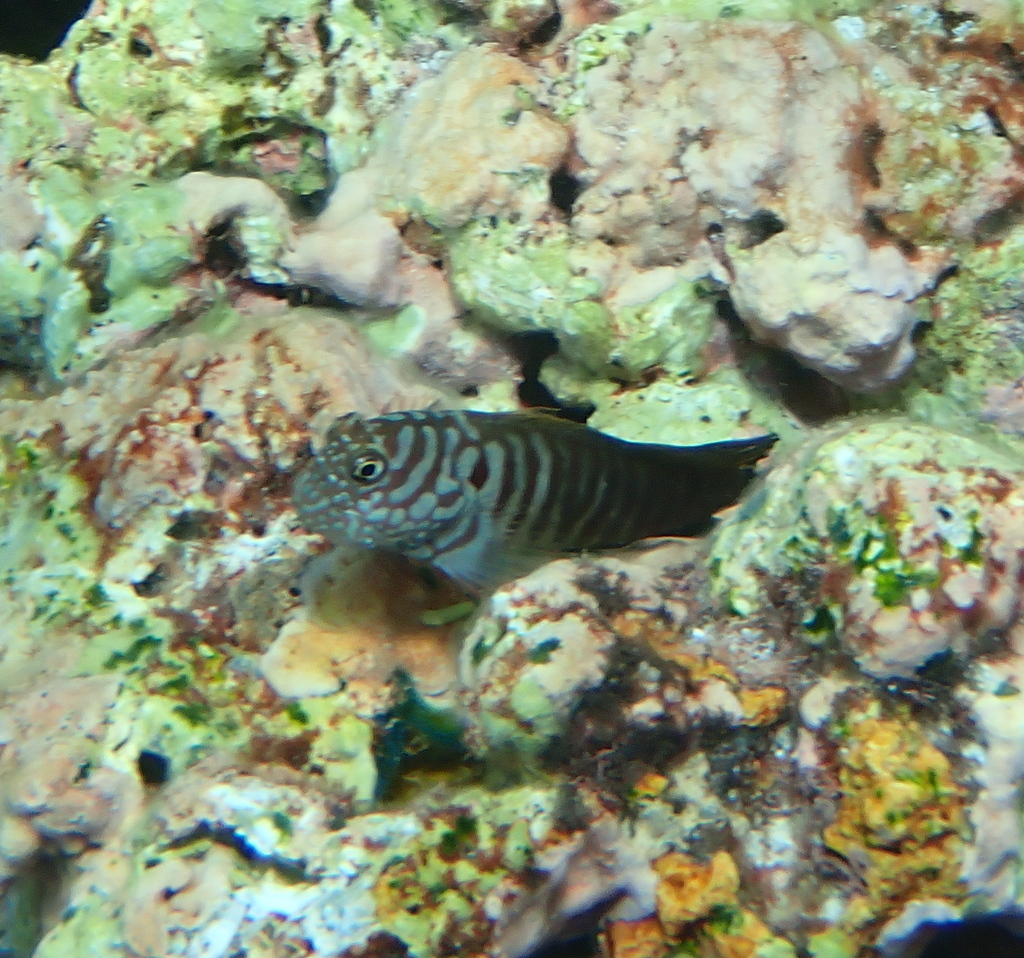 Barred blenny
Cirripectes polyzona
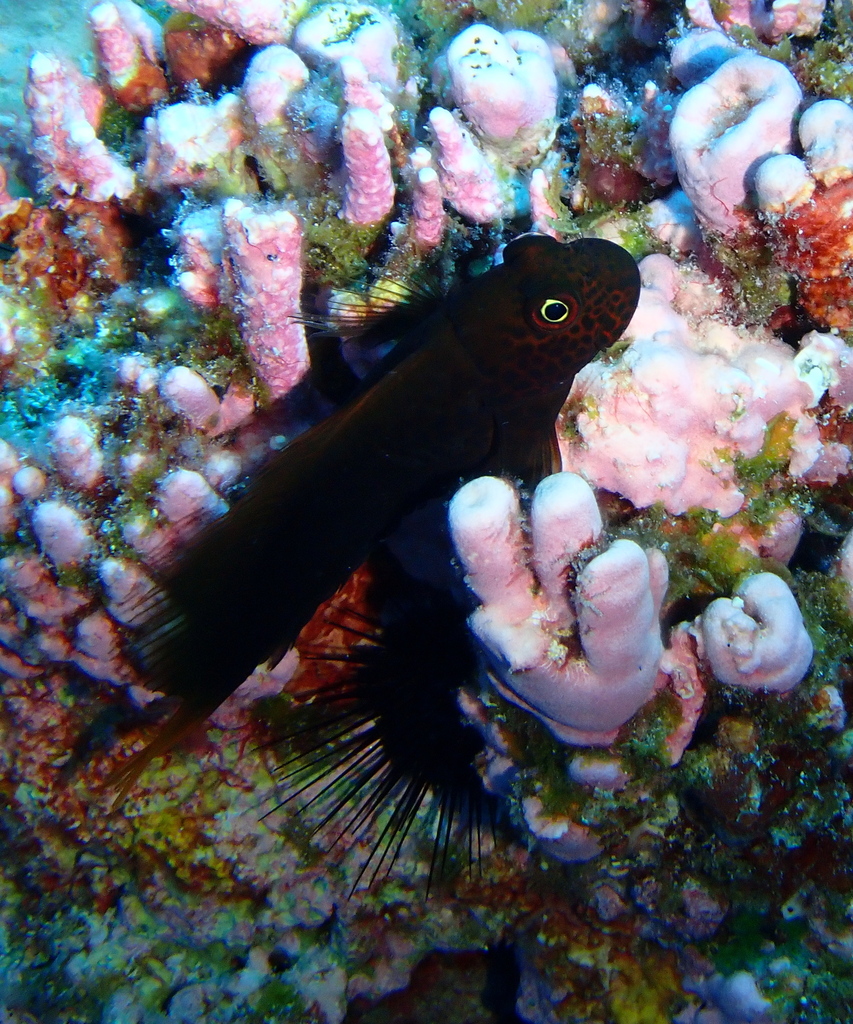 Red-streaked blenny
Cirripectes stigmaticus
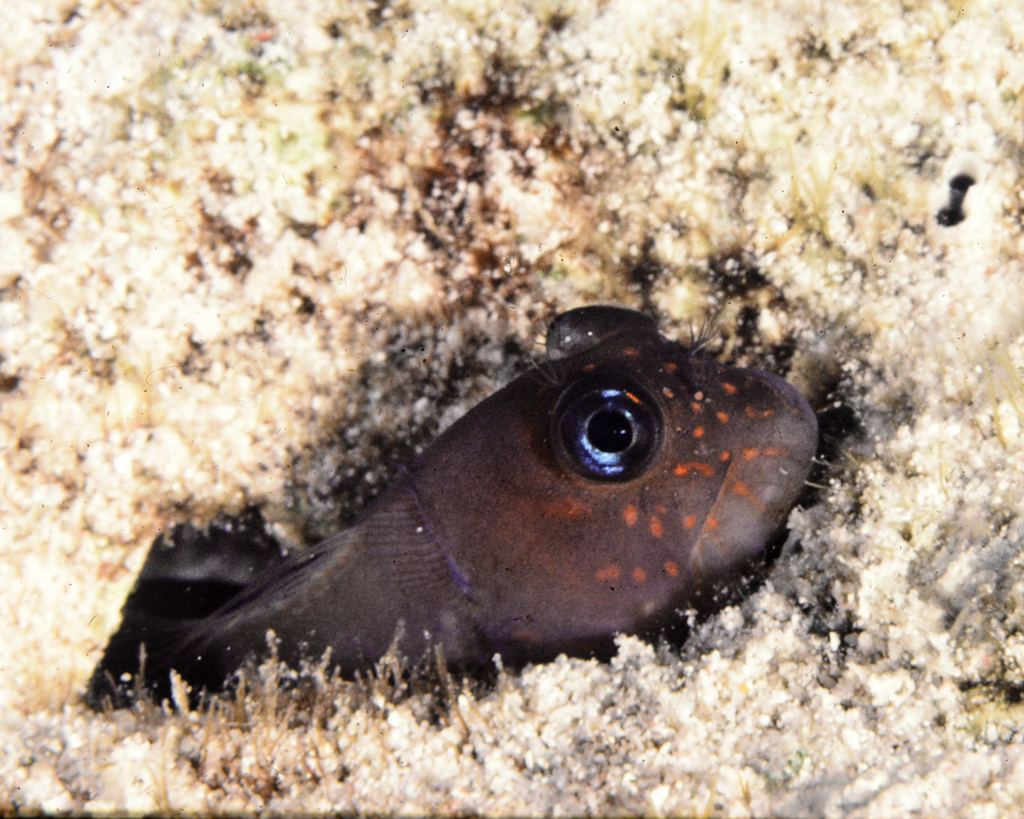 Red-speckled blenny
Cirripectes variolosus
Sources and credits
Names and taxonomy: WoRMS (CC BY 4.0) and the GBIF Backbone (CC BY 4.0). Photos: iNaturalist observers, each under the licence shown (CC0, CC BY or CC BY-SA).
- Depth, temperature, months and maps: records from OBIS and GBIF under CC0 or CC BY.
- Descriptions: Wikipedia, licensed CC BY-SA, each linked to its article.
- Conservation status as published by GBIF (IUCN Red List).
- 1,435 open-data records from 1889 to 2019.
- Species data updated November 1, 2026.
Log what you see on your next dive
The free DiveHive diver app keeps your logbook with every sighting and shows what lives at the site you dive next.