
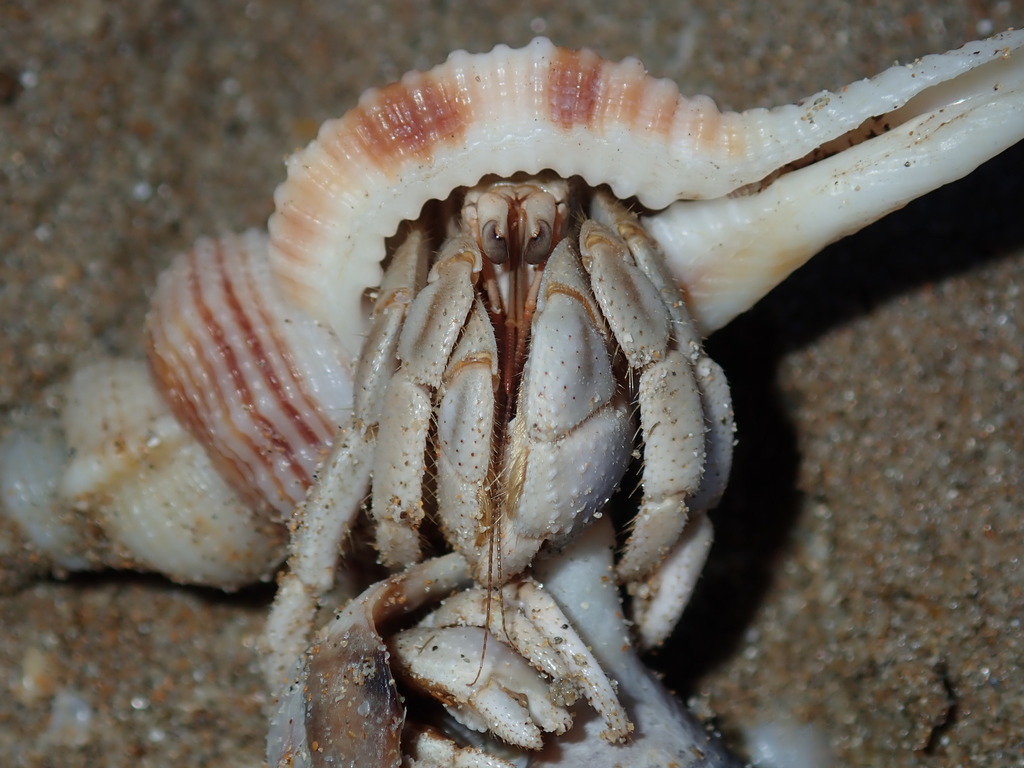
Aussie hermit crab
Coenobita variabilis
- Usual depth9–24 m
- Water temperature10–28 °C
- Best monthsMay, August, and September
- How commonRare
Photo credit: (c) Thomas Mesaglio, some rights reserved (CC BY) · CC BY · iNaturalist
About this species
The Australian land hermit crab is a terrestrial hermit crab species, native to Australia. It is a nocturnal, omnivorous crustacean. They are gregarious and thrive in tropical areas near water.
Text from the Wikipedia article “Australian land hermit crab”, licensed CC BY-SA 4.0. Read the article
Where and when
Where it has been recorded
Worldwide
Loading the map
Best months
Worldwide (open data)
- January: 28 records
- February: 15 records
- March: 38 records
- April: 38 records
- May: 88 records
- June: 51 records
- July: 47 records
- August: 100 records
- September: 87 records
- October: 67 records
- November: 18 records
- December: 36 records
Depth and water temperature
Depth
Mostly recorded at 9–24 m · Deepest record: 25 m
Water temperature
Recorded in surface water of 10–28 °C
Photos
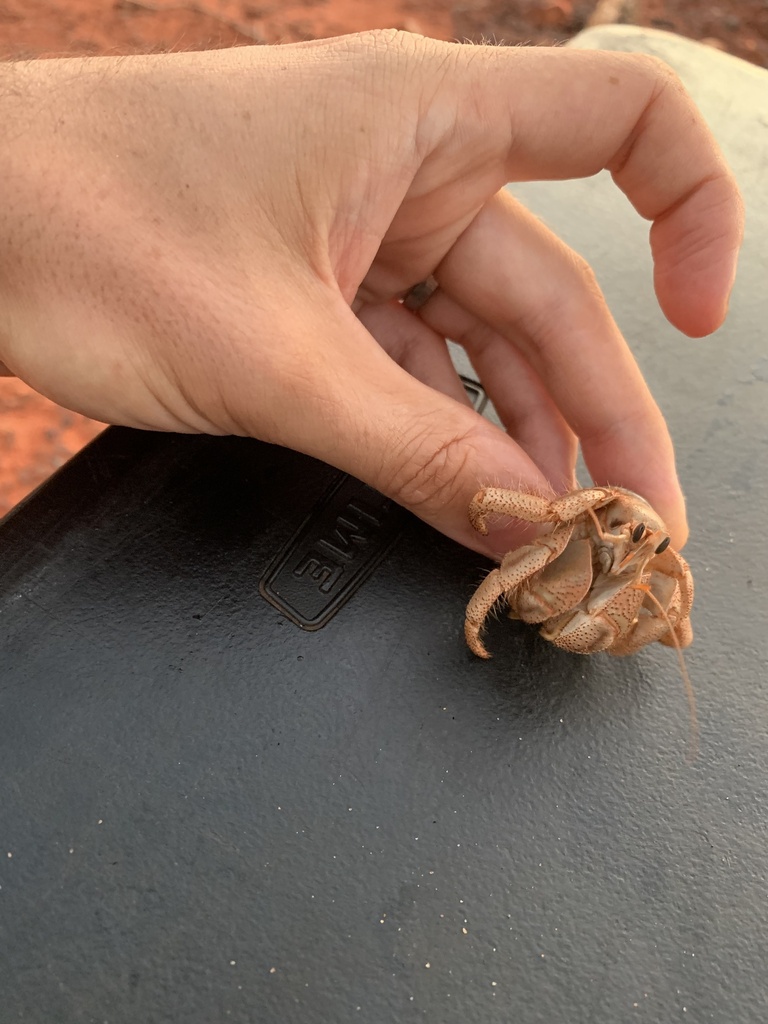
(c) Romain Boisseau, some rights reserved (CC BY-SA) · CC BY-SA · iNaturalist 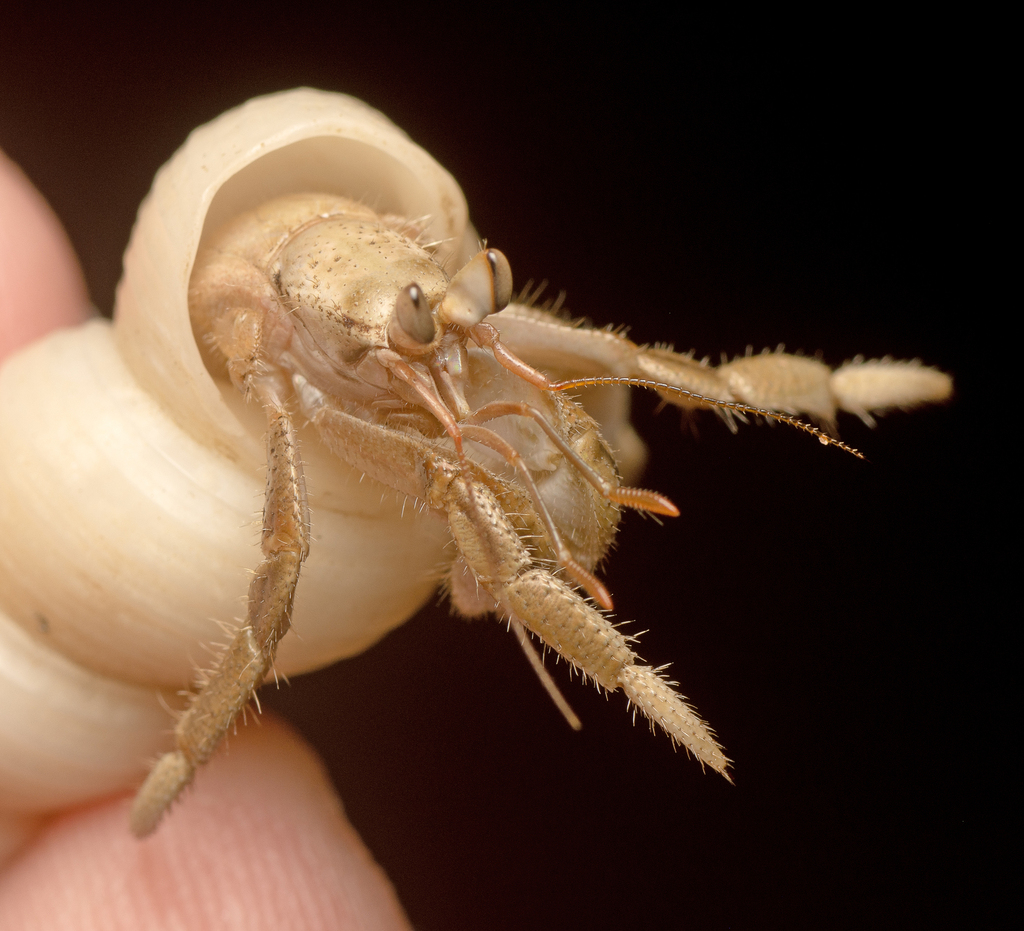
(c) Tony Eales, some rights reserved (CC BY-SA) · CC BY-SA · iNaturalist 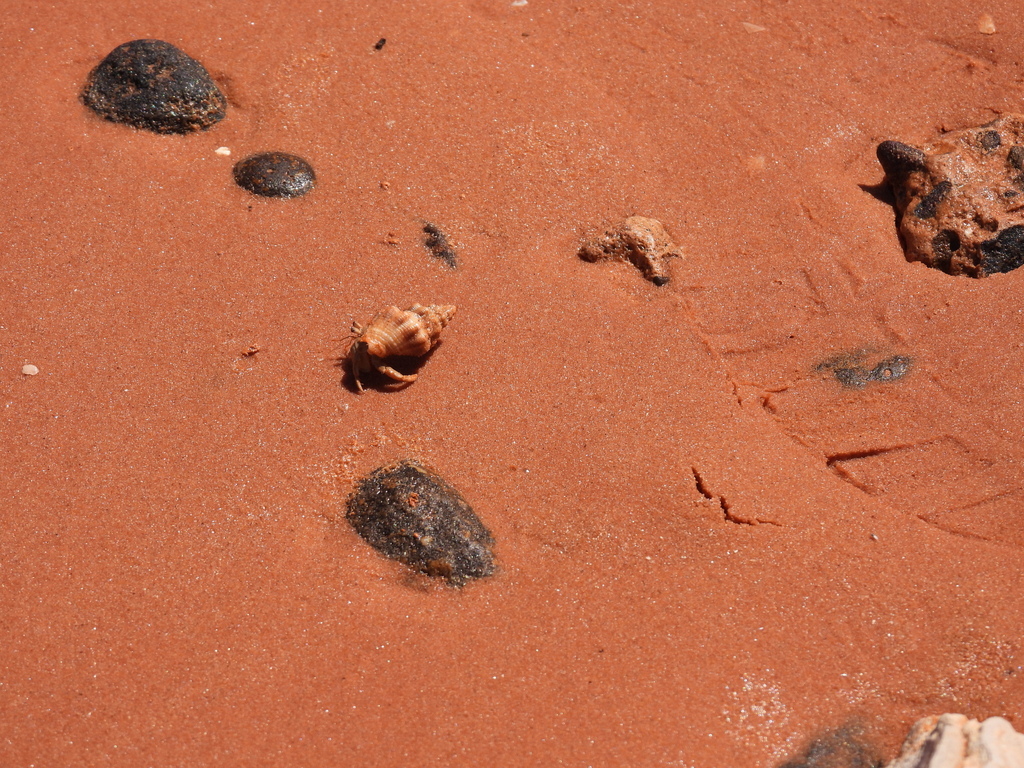
(c) Mark Clarke, some rights reserved (CC BY) · CC BY · iNaturalist 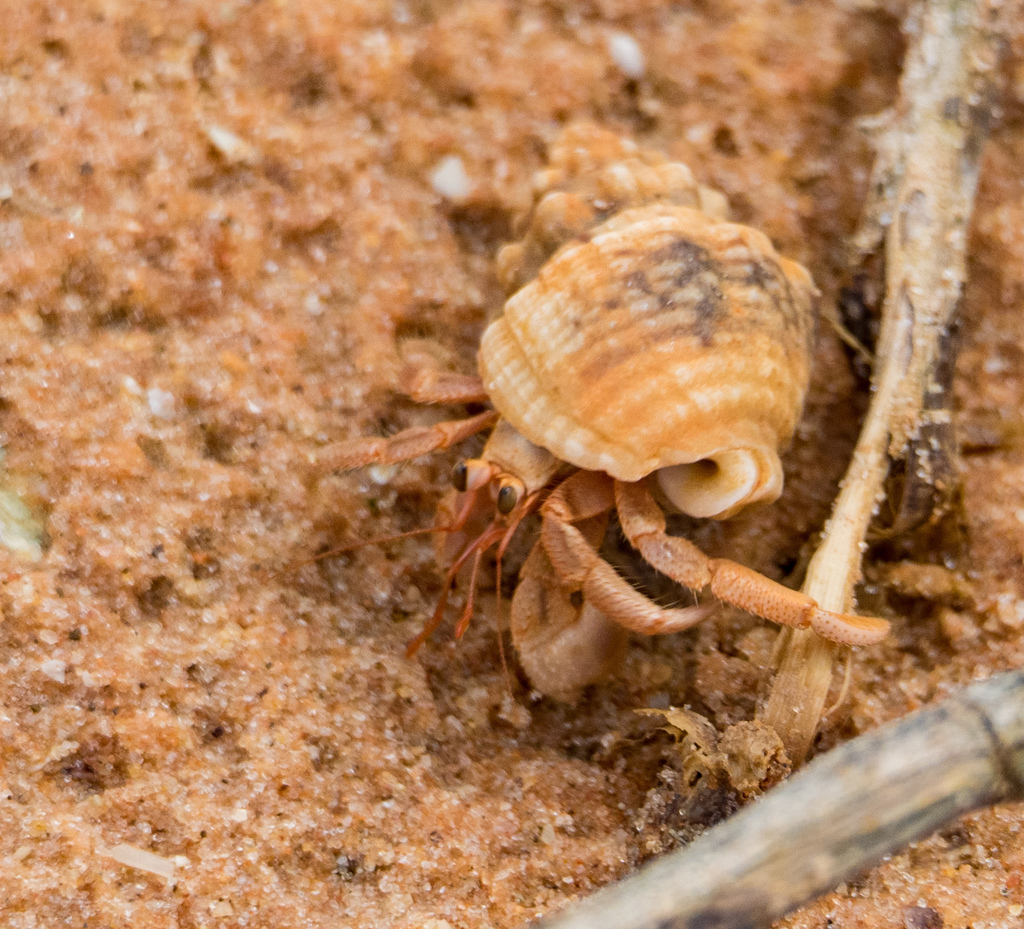
(c) Kerri-Lee Harris, some rights reserved (CC BY) · CC BY · iNaturalist 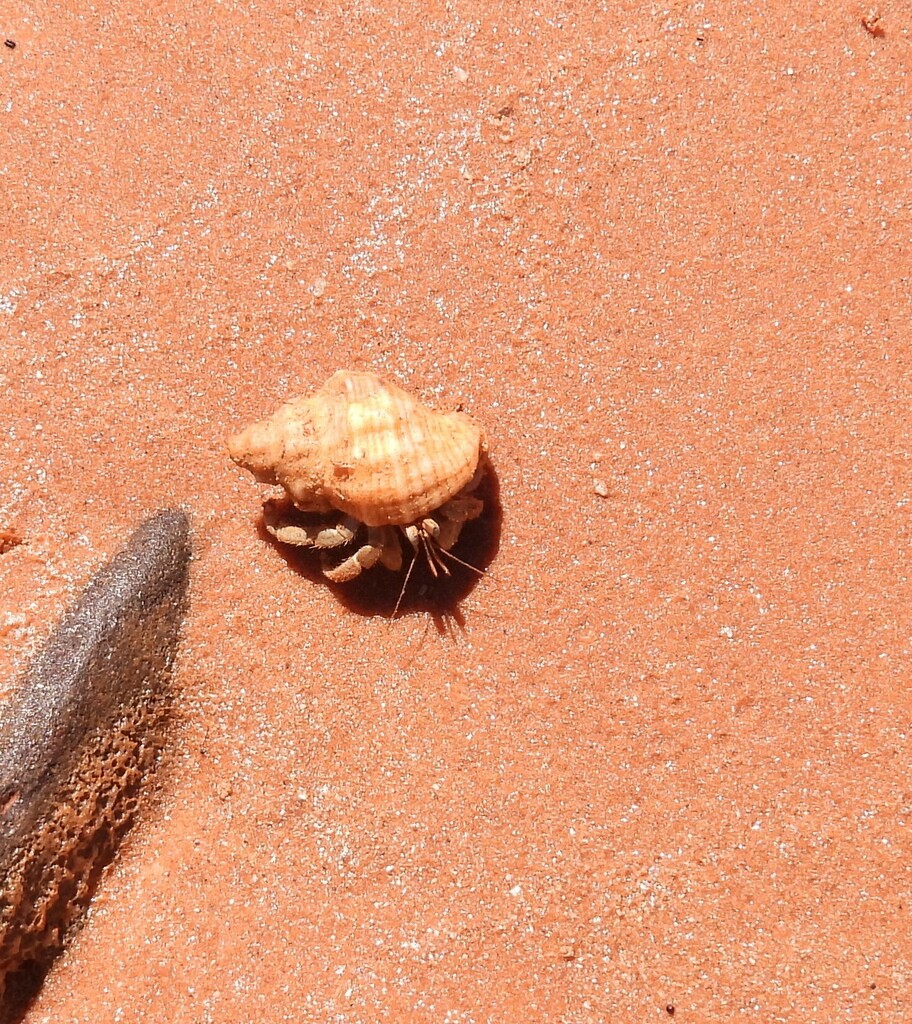
(c) Mark Clarke, some rights reserved (CC BY) · CC BY · iNaturalist 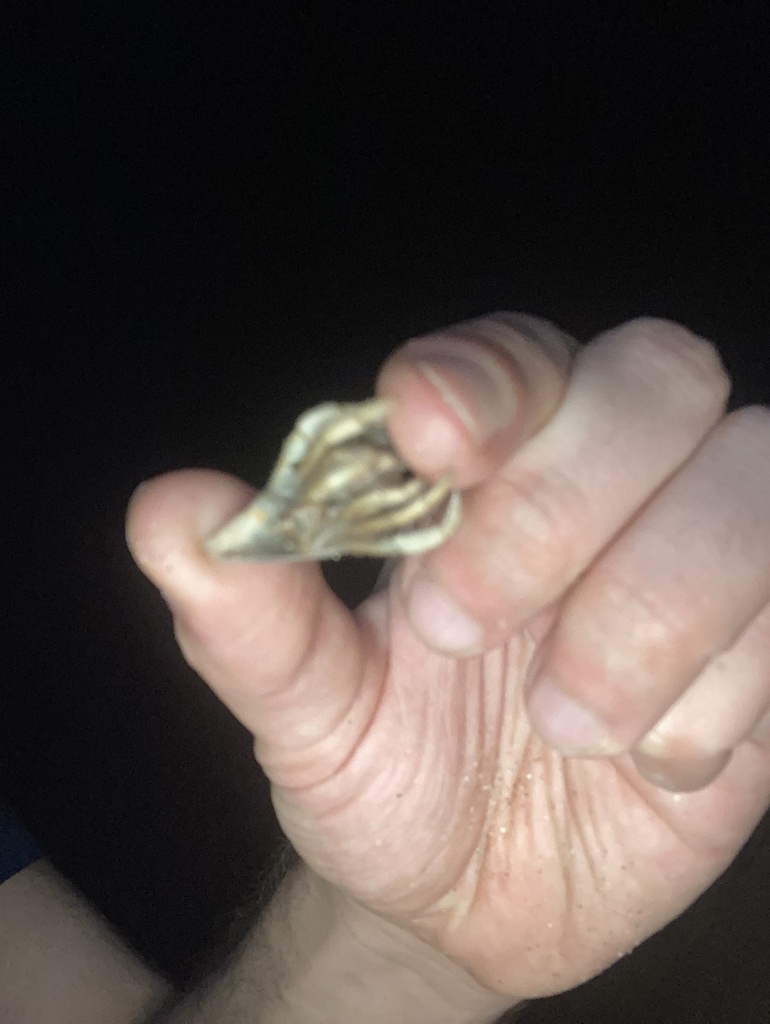
(c) porkytama, some rights reserved (CC BY) · CC BY · iNaturalist 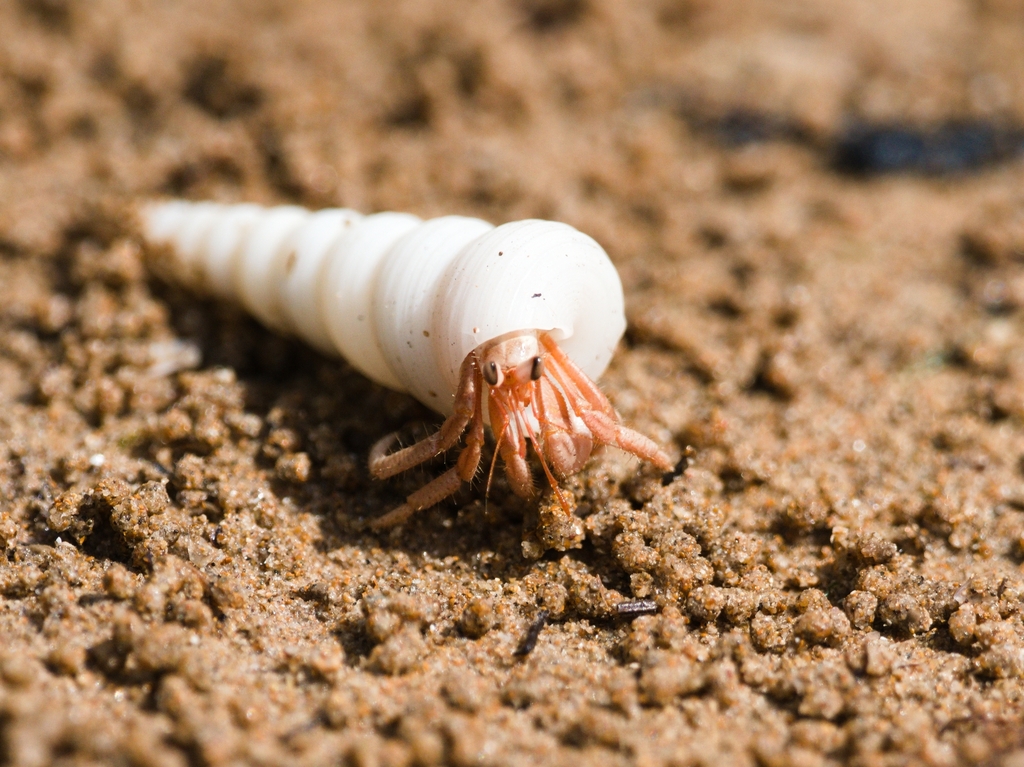
(c) James Cunningham, some rights reserved (CC BY) · CC BY · iNaturalist
Names and classification
- English
- Aussie hermit crab, Australian land hermit crab, Australian terrestrial hermit crab
Names in 2 more languages
- German
- Australischer Landeinsiedlerkrebs
- Japanese
- レンガオカヤドカリ
Similar species
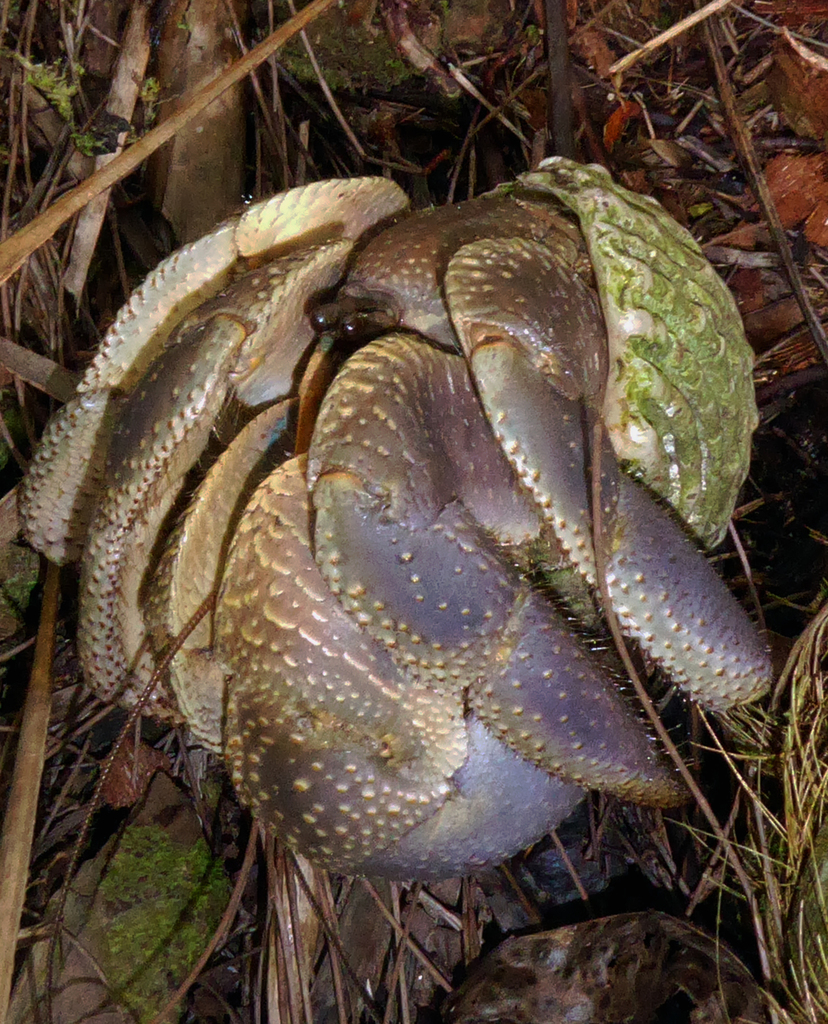 Indo hermit crab
Coenobita brevimanus
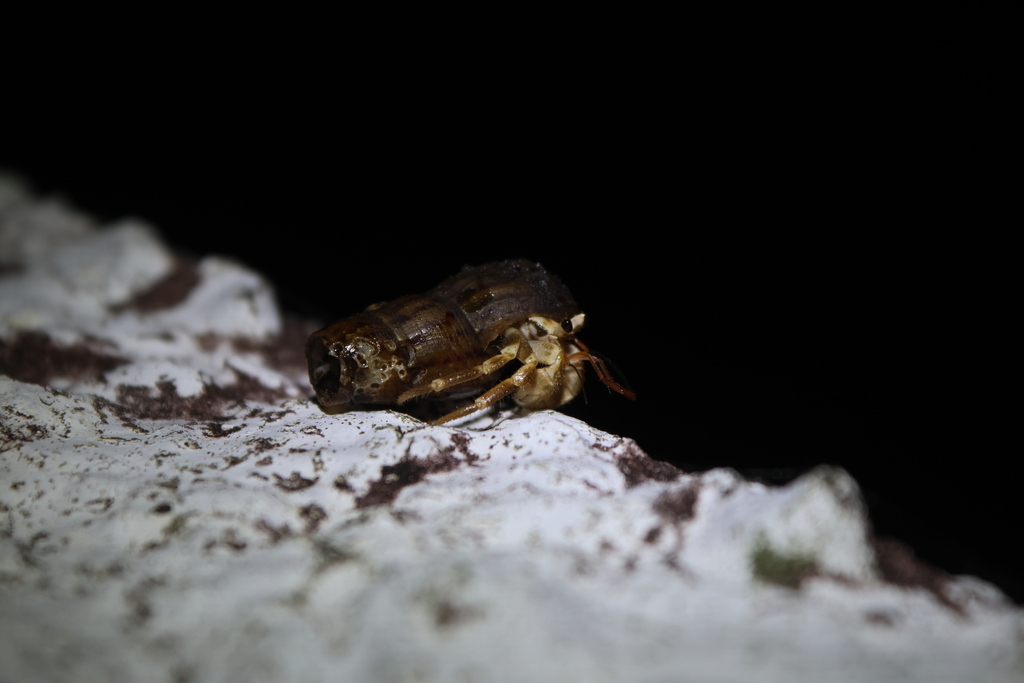
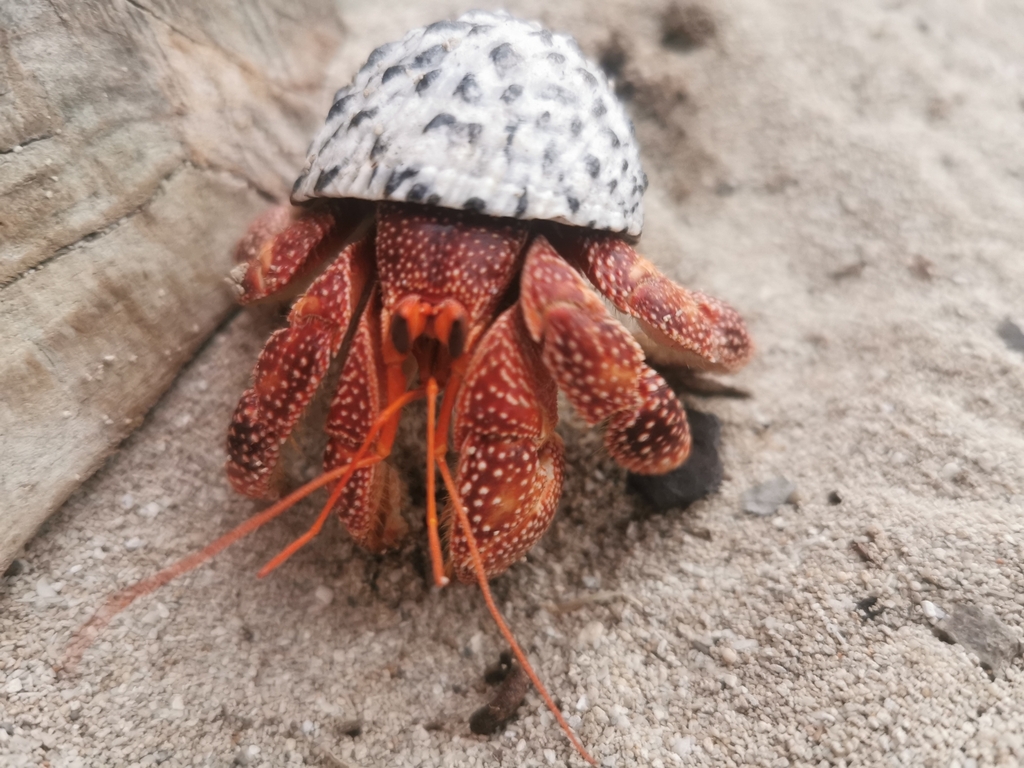 Purple land hermit crab
Coenobita perlatus
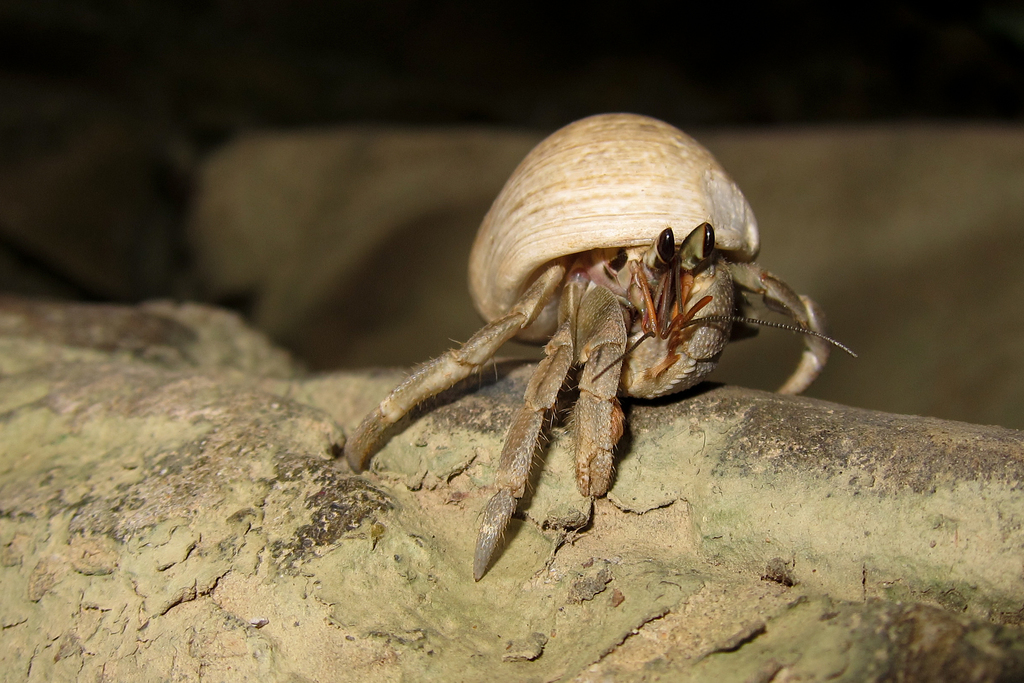 Ruggie hermit crab
Coenobita rugosus
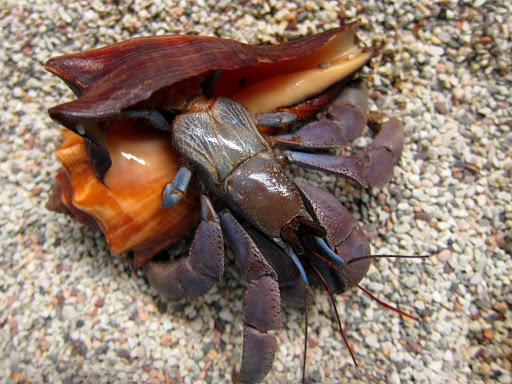 Purple Indonesian Hermit Crab
Coenobita violascens
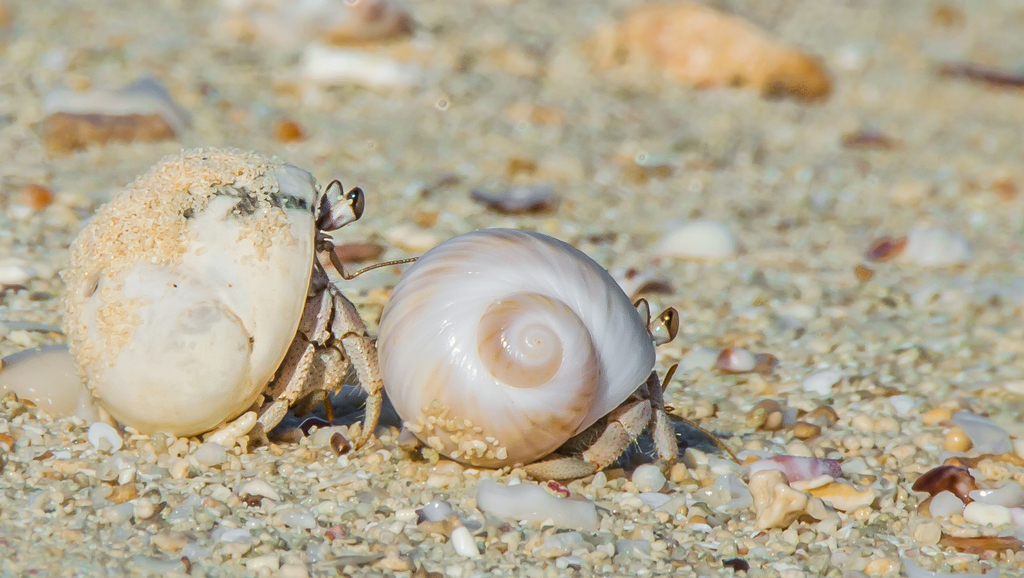 Red Sea Land Hermit Crab
Coenobita scaevola
Sources and credits
Names and taxonomy: WoRMS (CC BY 4.0) and the GBIF Backbone (CC BY 4.0). Photos: iNaturalist observers, each under the licence shown (CC0, CC BY or CC BY-SA).
- Depth, temperature, months and maps: records from OBIS and GBIF under CC0 or CC BY.
- Descriptions: Wikipedia, licensed CC BY-SA, each linked to its article.
- Conservation status as published by GBIF (IUCN Red List).
- 128 open-data records from 2018 to 2020.
- Species data updated November 1, 2026.
Log what you see on your next dive
The free DiveHive diver app keeps your logbook with every sighting and shows what lives at the site you dive next.