
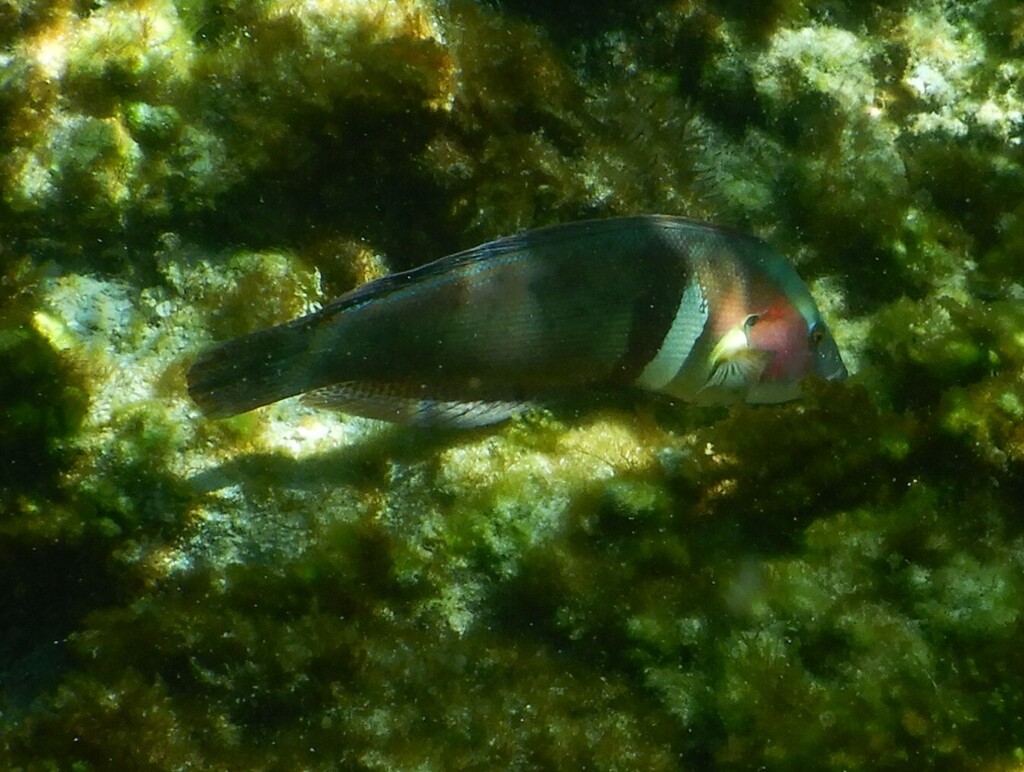
Blushing Wrasse
Coris auricularis
- Usual depth2–72 m
- Water temperature17–22 °C
- Best monthsJanuary, March, and December
- How commonCommon
Photo credit: (c) Belinda Forbes, some rights reserved (CC BY) · CC BY · iNaturalist
About this species
Coris auricularis, the western king wrasse, is a species of ray-finned fish in the genus Coris. The scientific name of the species was first validly published in 1839 by Valenciennes.
Text from the Wikipedia article “Coris auricularis”, licensed CC BY-SA 4.0. Read the article
Where and when
Where it has been recorded
Worldwide
Loading the map
Best months
Worldwide (open data)
- January: 175 records
- February: 98 records
- March: 139 records
- April: 81 records
- May: 30 records
- June: 22 records
- July: 26 records
- August: 32 records
- September: 21 records
- October: 39 records
- November: 64 records
- December: 155 records
Depth and water temperature
Depth
Mostly recorded at 2–72 m · Deepest record: 120 m
Water temperature
Recorded in surface water of 17–22 °C
Photos
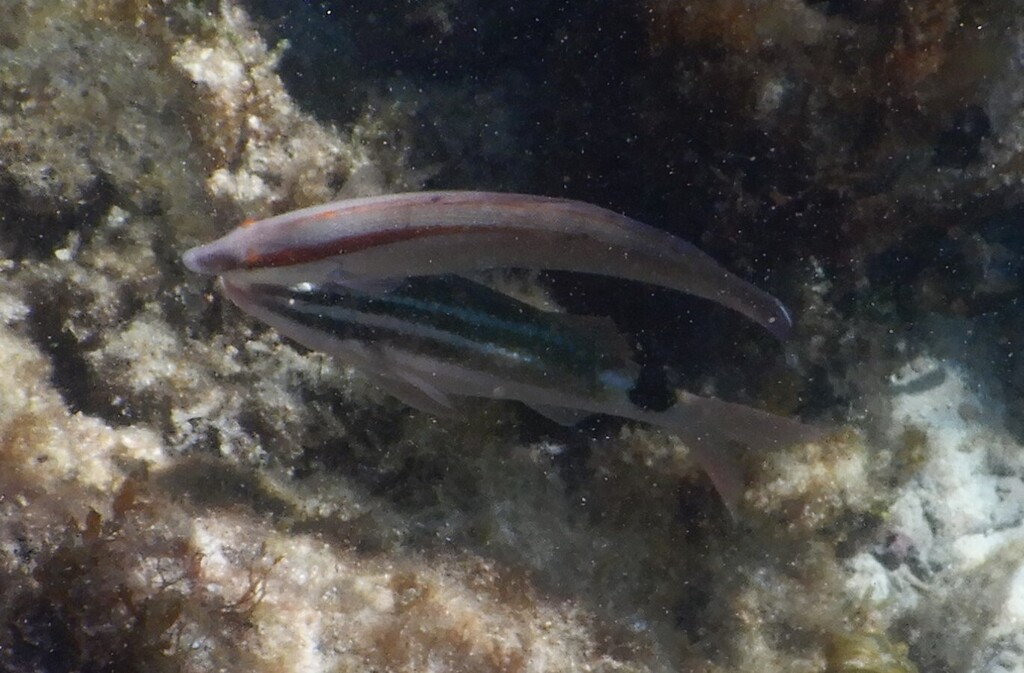
(c) Belinda Forbes, some rights reserved (CC BY) · CC BY · iNaturalist 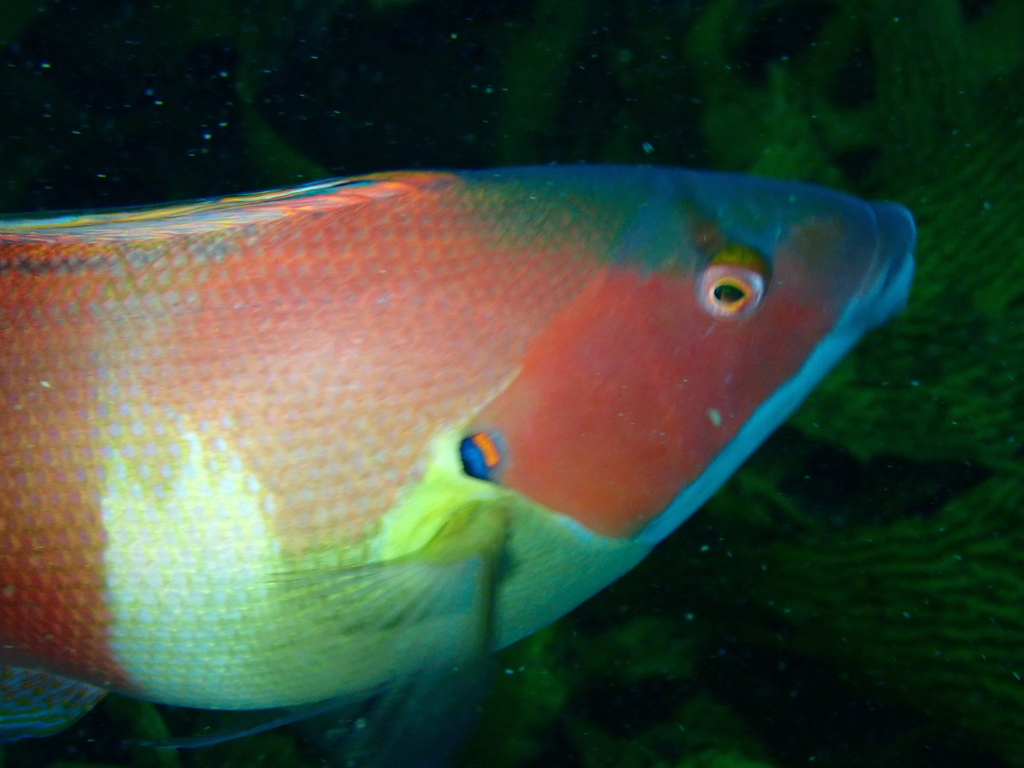
(c) Debra Baker, some rights reserved (CC BY) · CC BY · iNaturalist 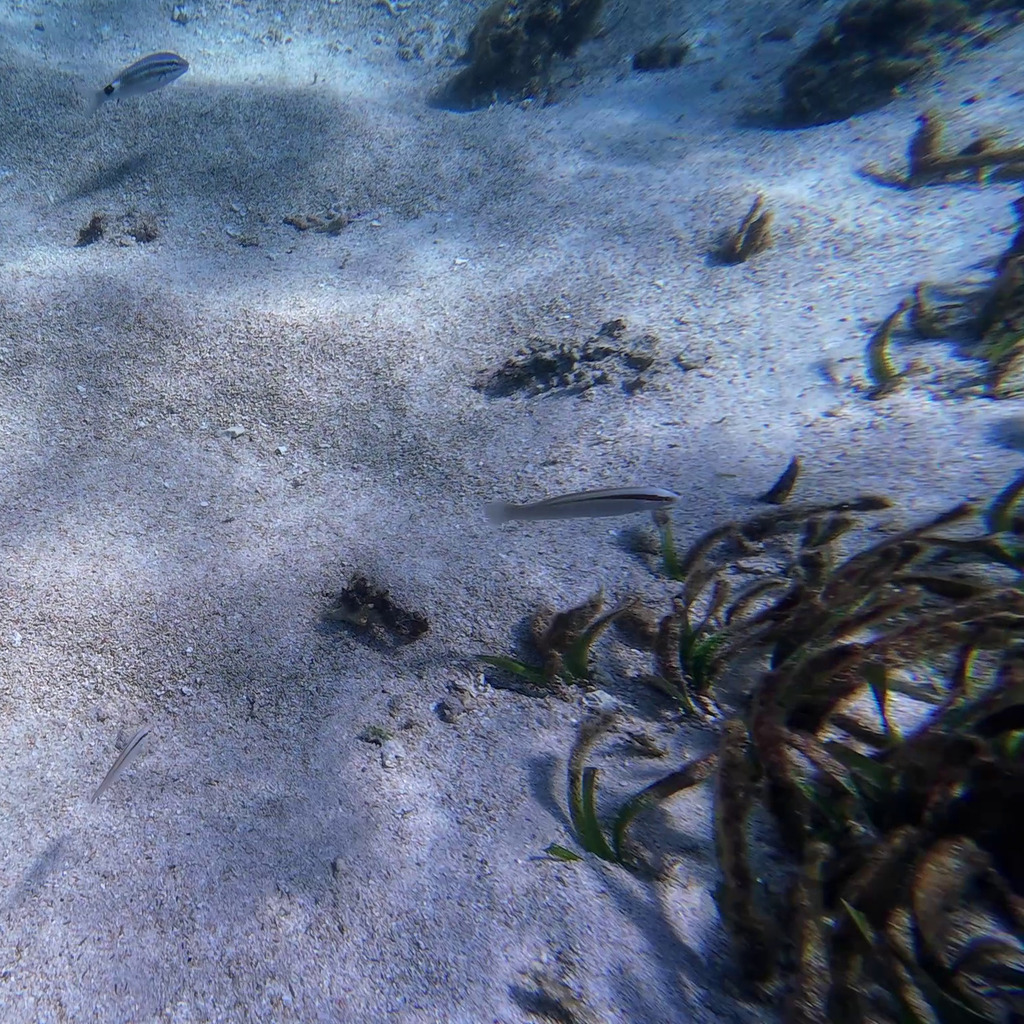
no rights reserved · CC0 1.0 · iNaturalist 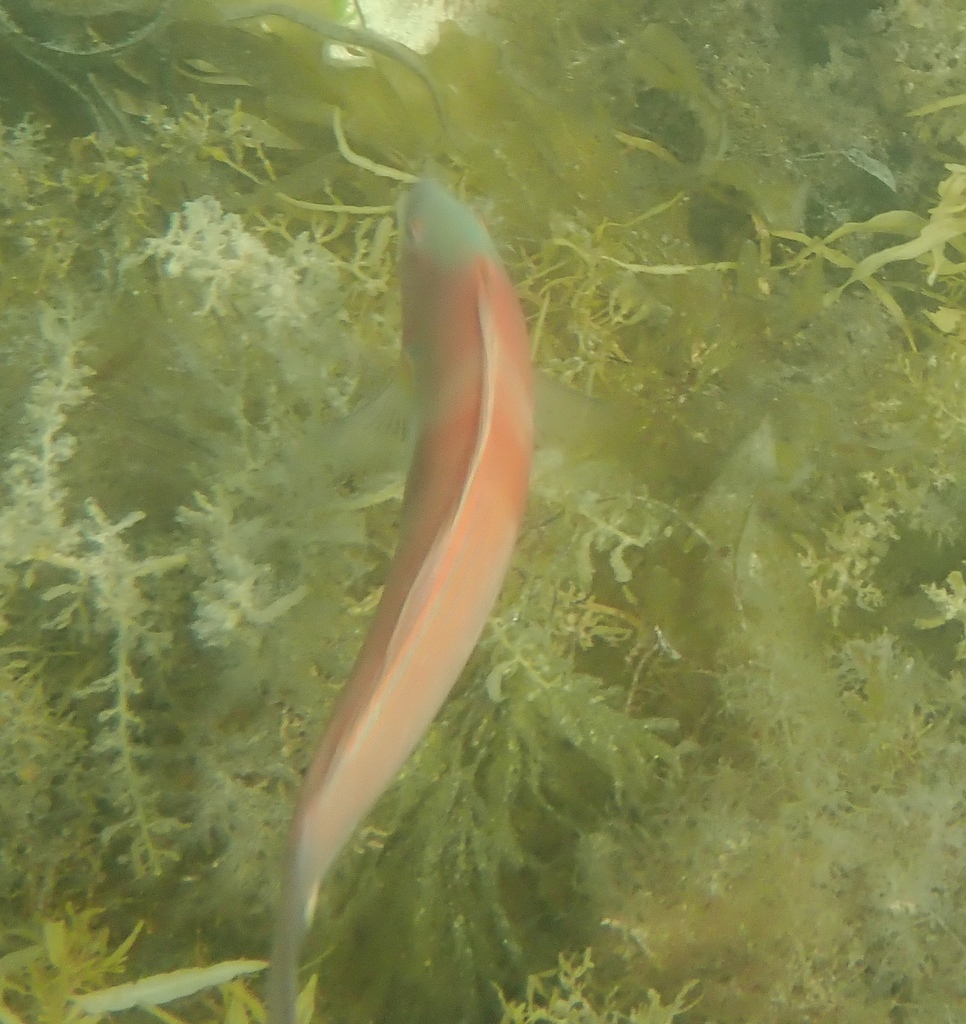
(c) Robert Webster, some rights reserved (CC BY-SA) · CC BY-SA · iNaturalist 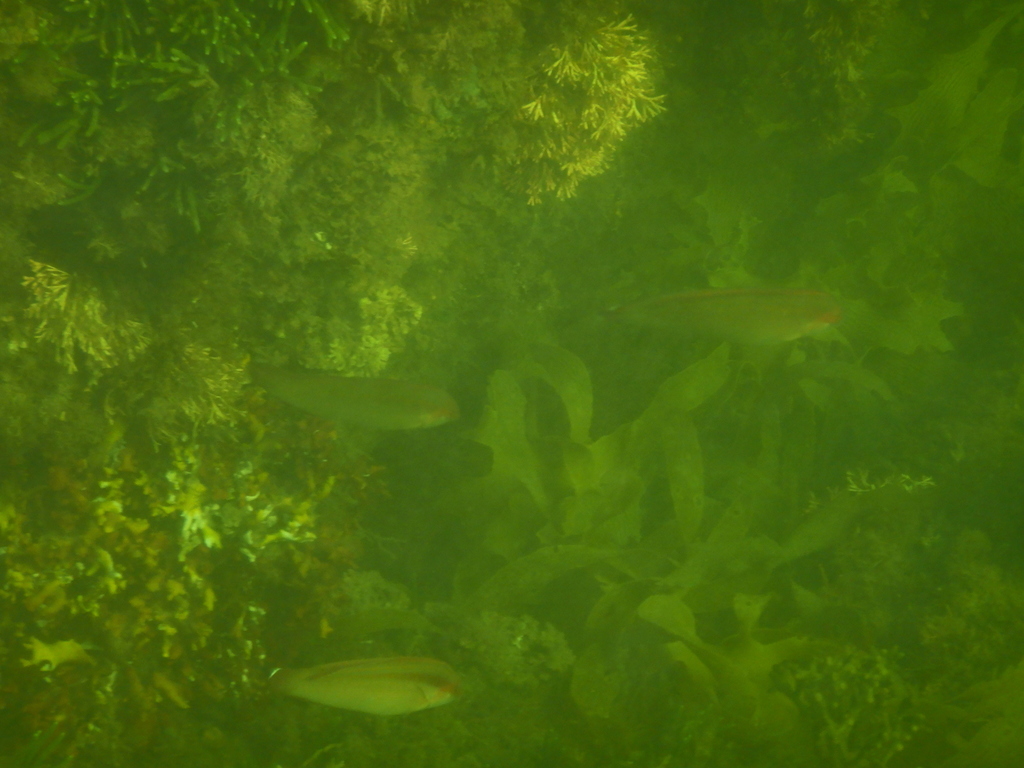
(c) Valentin Moser, some rights reserved (CC BY) · CC BY · iNaturalist 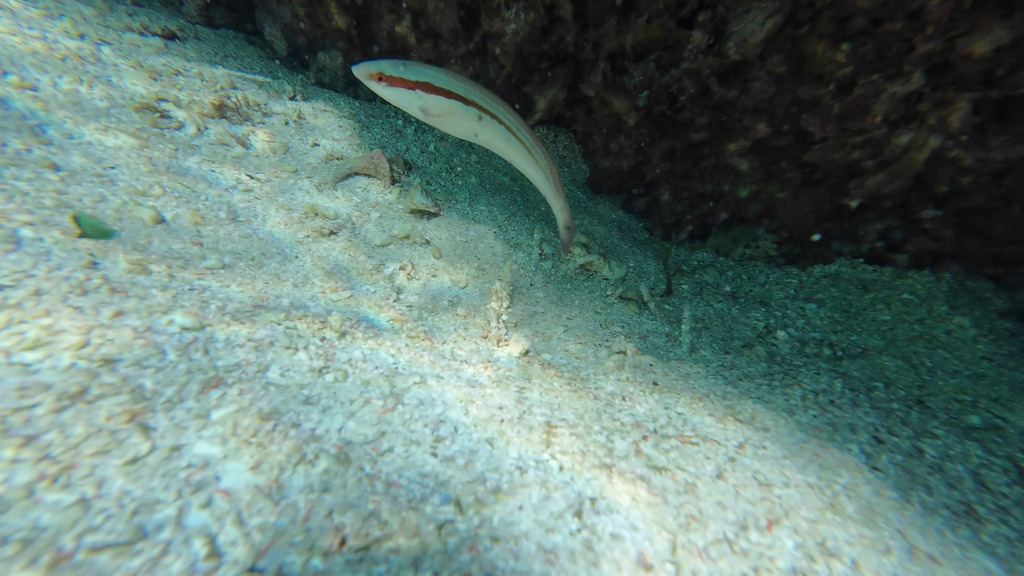
no rights reserved · CC0 1.0 · iNaturalist 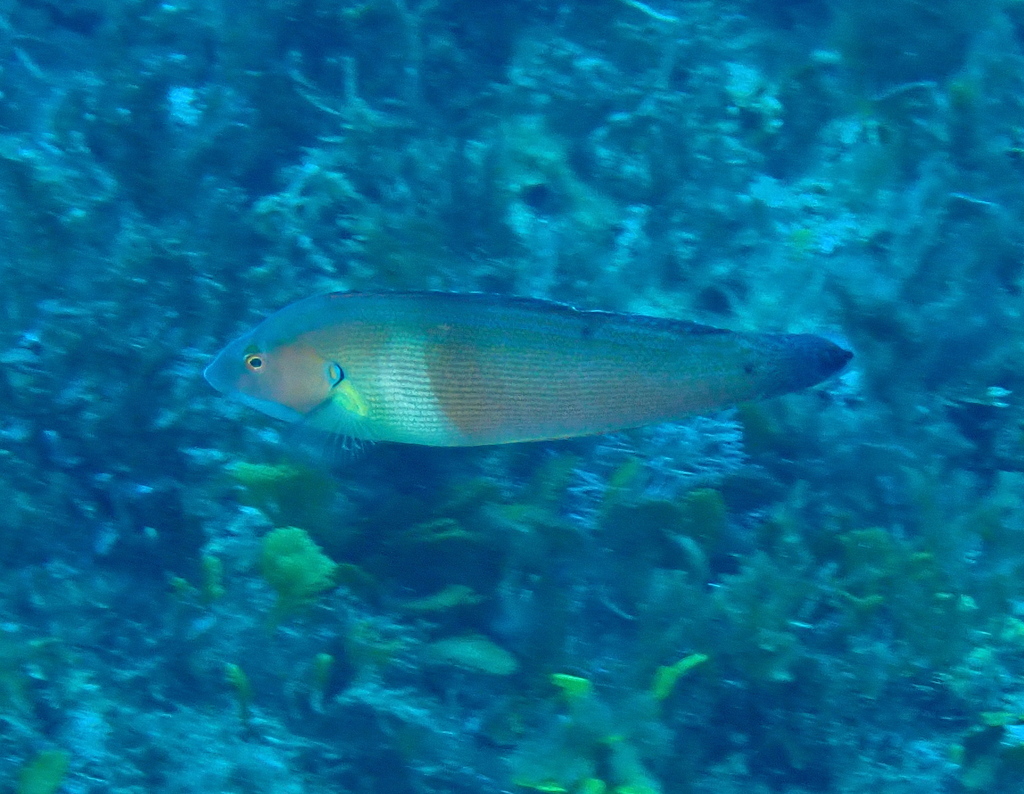
(c) Debra Baker, some rights reserved (CC BY) · CC BY · iNaturalist
Names and classification
- English
- Blushing Wrasse, King Wrasse, Western King Wrasse
Names in 1 more languages
- Spanish
- Coris Real del Oeste
Other scientific names: Julis auricularis
Similar species
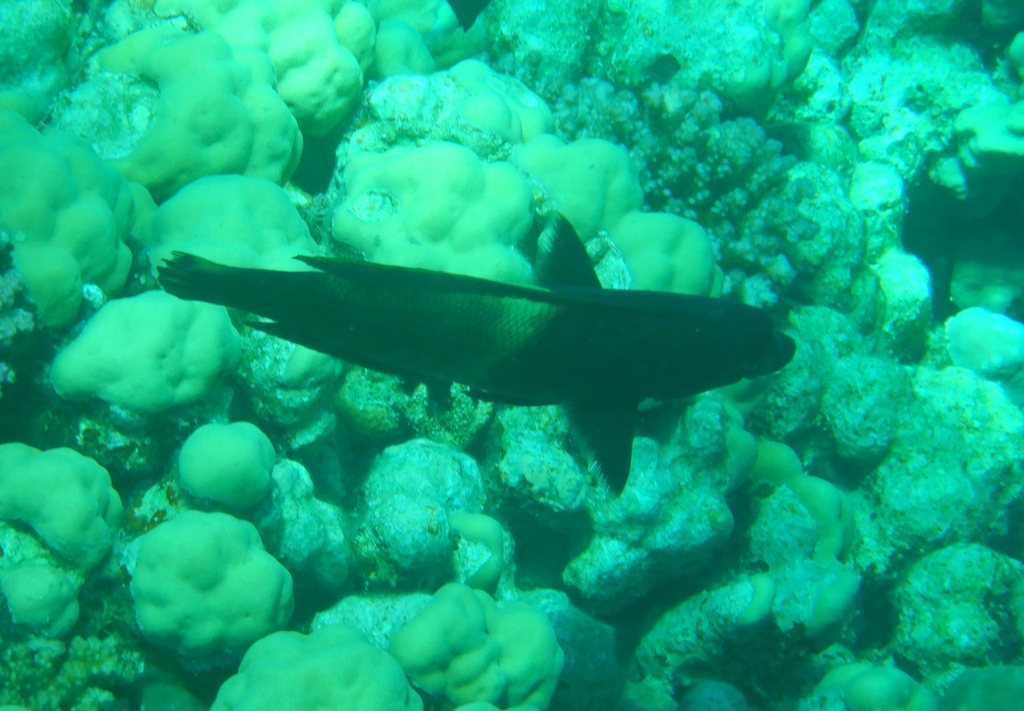 Clown wrasse
Coris aygula
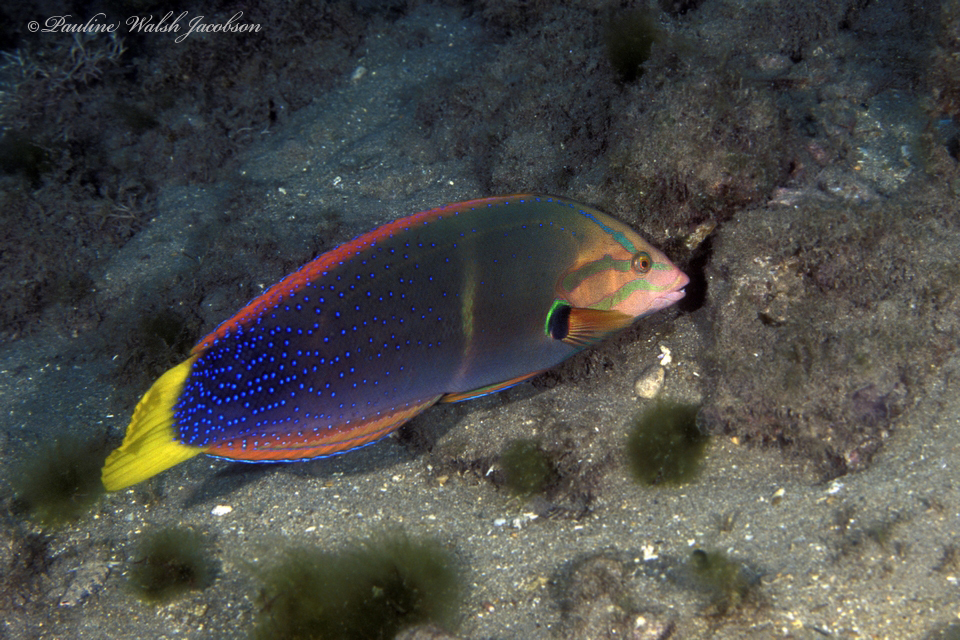 African Clown Wrasse
Coris gaimard
 Elegant Coris
Coris venusta
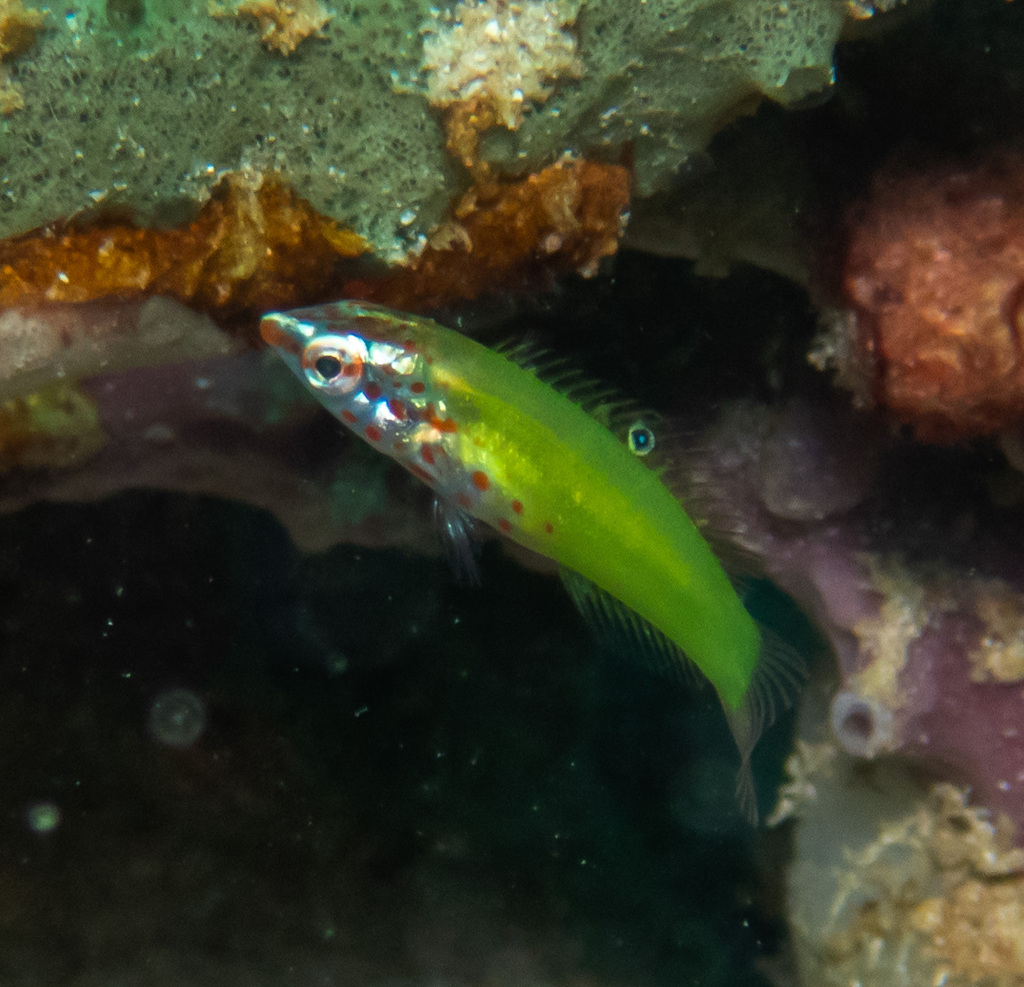 Batu Coris
Coris batuensis
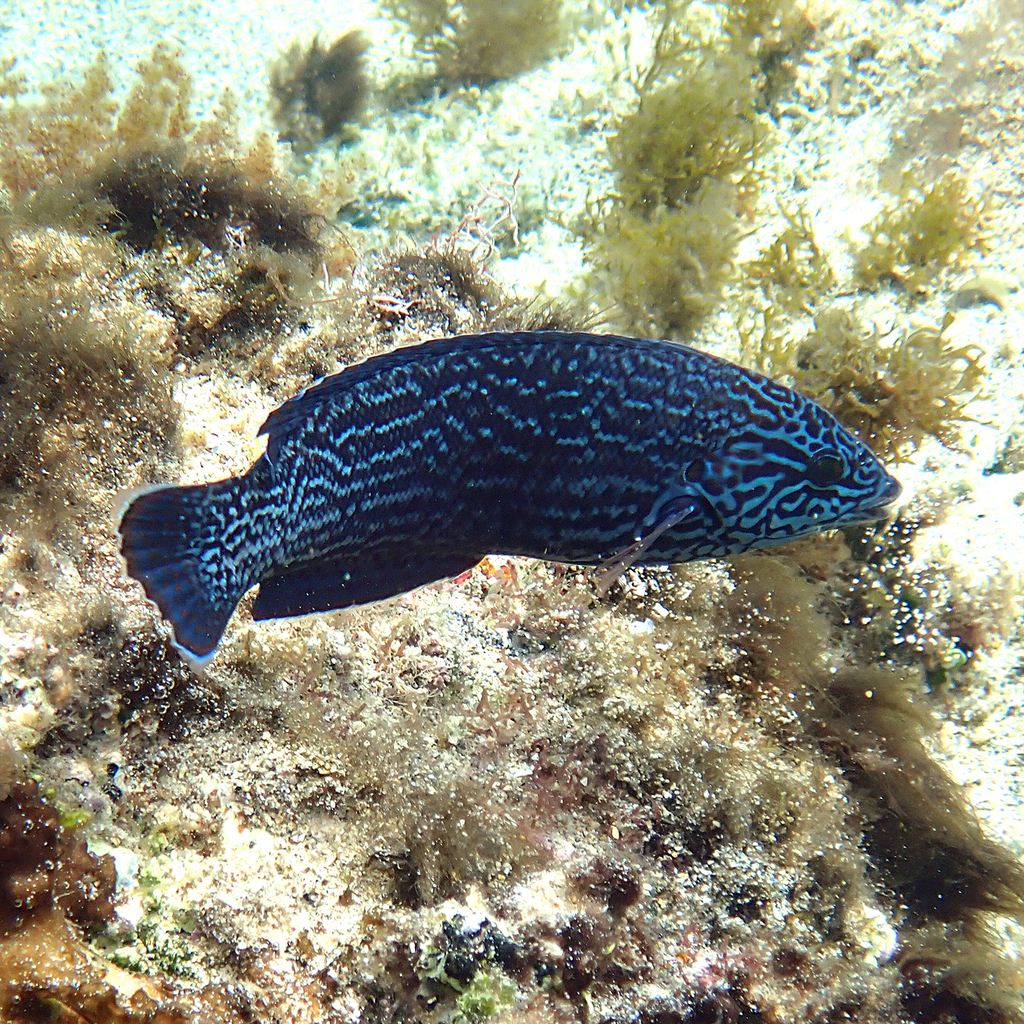 Doubleheader
Coris bulbifrons
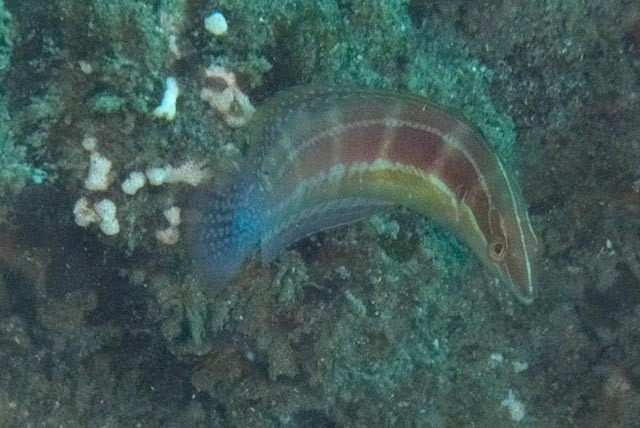 Spottail coris
Coris caudimacula
Sources and credits
Names and taxonomy: WoRMS (CC BY 4.0) and the GBIF Backbone (CC BY 4.0). Photos: iNaturalist observers, each under the licence shown (CC0, CC BY or CC BY-SA).
- Depth, temperature, months and maps: records from OBIS and GBIF under CC0 or CC BY.
- Descriptions: Wikipedia, licensed CC BY-SA, each linked to its article.
- Conservation status as published by GBIF (IUCN Red List).
- 1,247 open-data records from 1826 to 2023.
- Species data updated November 1, 2026.
Log what you see on your next dive
The free DiveHive diver app keeps your logbook with every sighting and shows what lives at the site you dive next.