
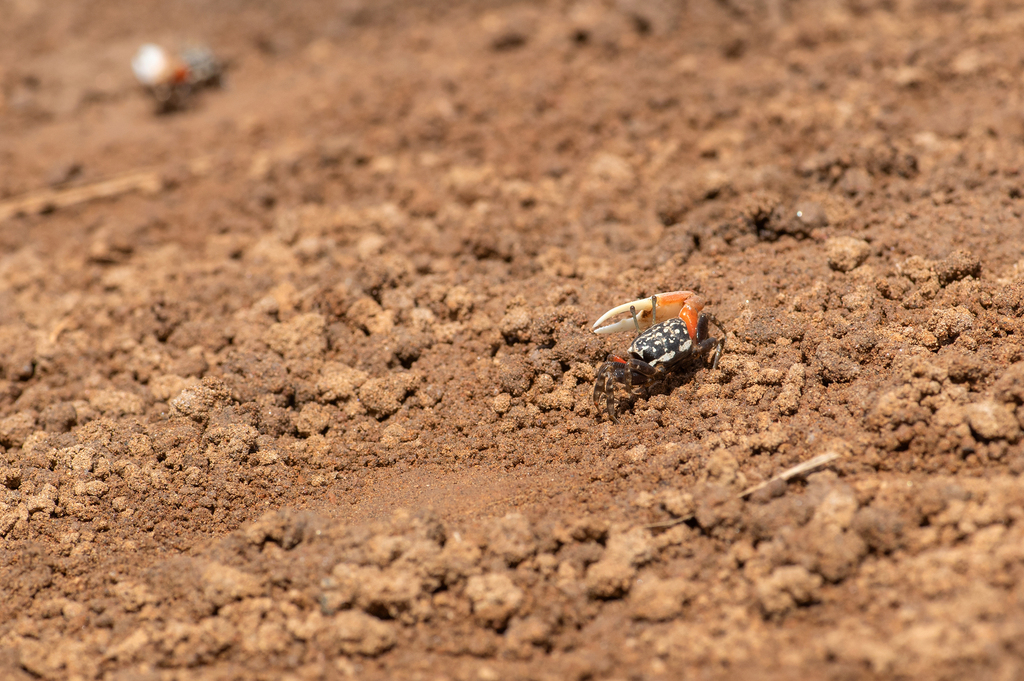
Inversed Fiddler Crab
Cranuca inversa
- Water temperature26–29 °C
- Best monthsJanuary, March, and October
- How commonRare
Photo credit: (c) Morten Ross, some rights reserved (CC BY) · CC BY · iNaturalist
Where and when
Where it has been recorded
Worldwide
Loading the map
Best months
Worldwide (open data)
- January: 11 records
- February: 6 records
- March: 9 records
- April: 1 records
- May: 5 records
- June: 5 records
- July: 6 records
- August: 5 records
- September: 4 records
- October: 9 records
- November: 8 records
- December: 8 records
Depth and water temperature
Water temperature
Recorded in surface water of 26–29 °C
Photos
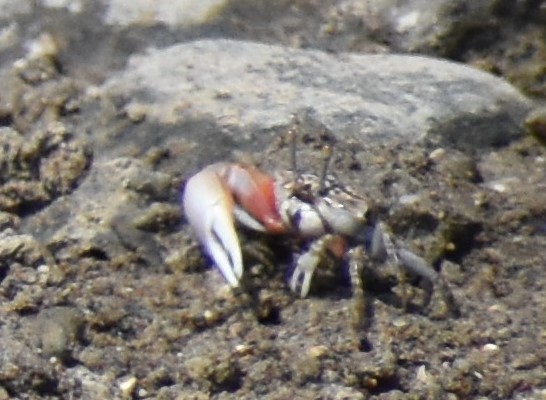
(c) Sameer Shaik, some rights reserved (CC BY) · CC BY · iNaturalist 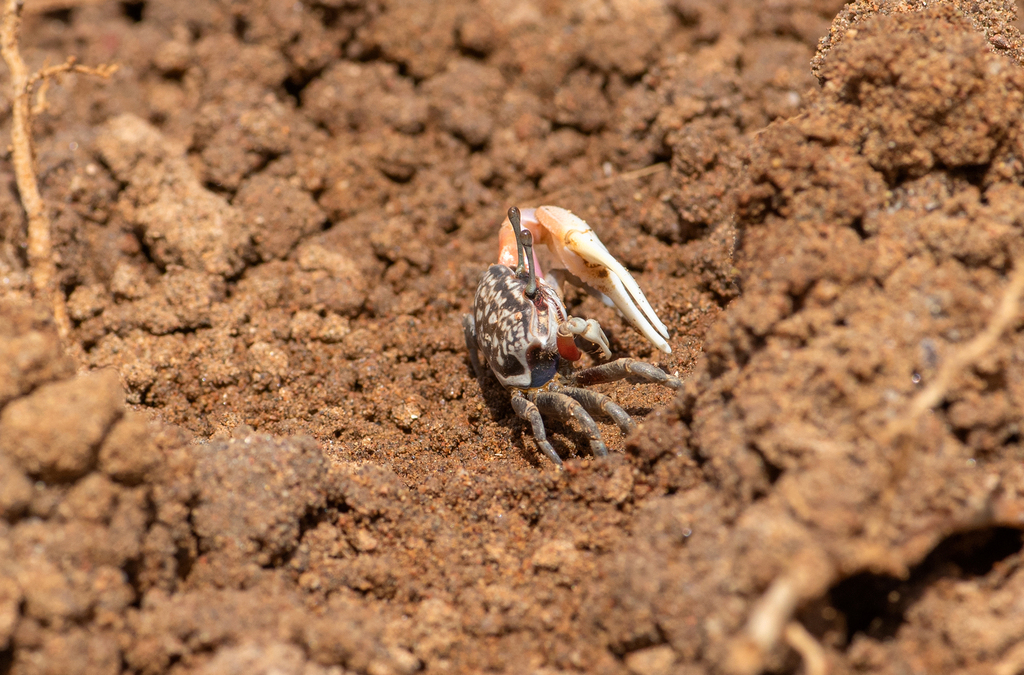
(c) Morten Ross, some rights reserved (CC BY) · CC BY · iNaturalist 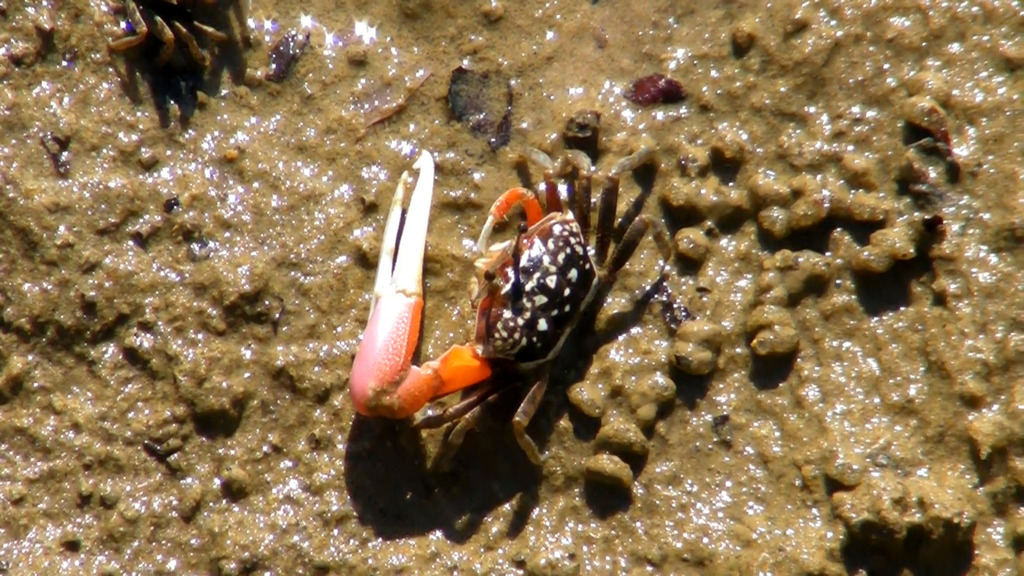
(c) Borja Fierro-Leva, some rights reserved (CC BY) · CC BY · iNaturalist 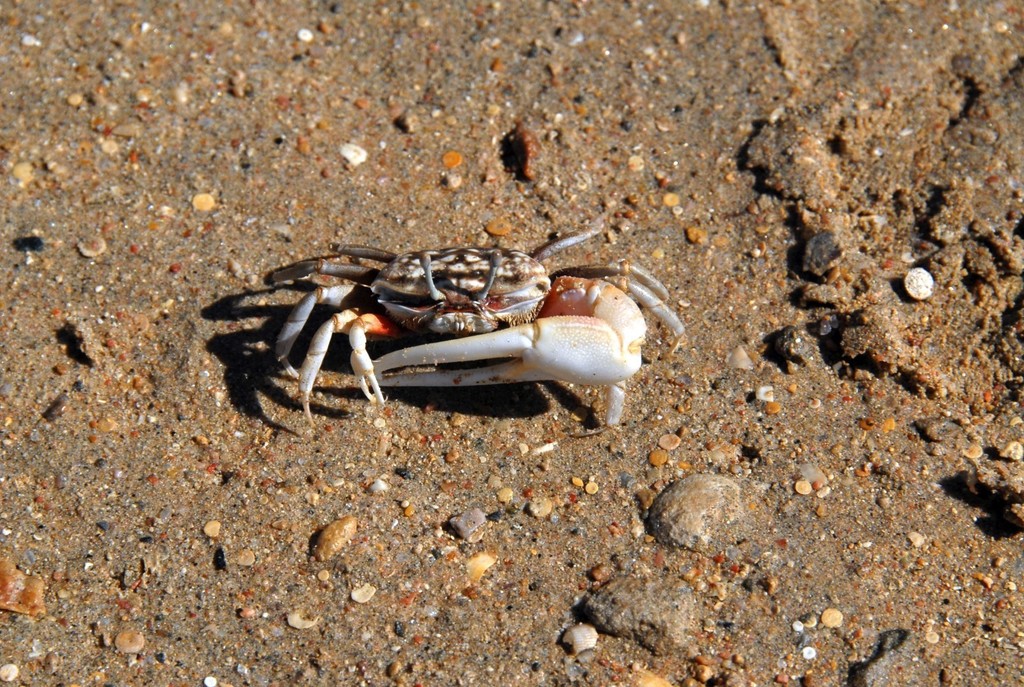
(c) Micha Baum, some rights reserved (CC BY-SA) · CC BY-SA · iNaturalist 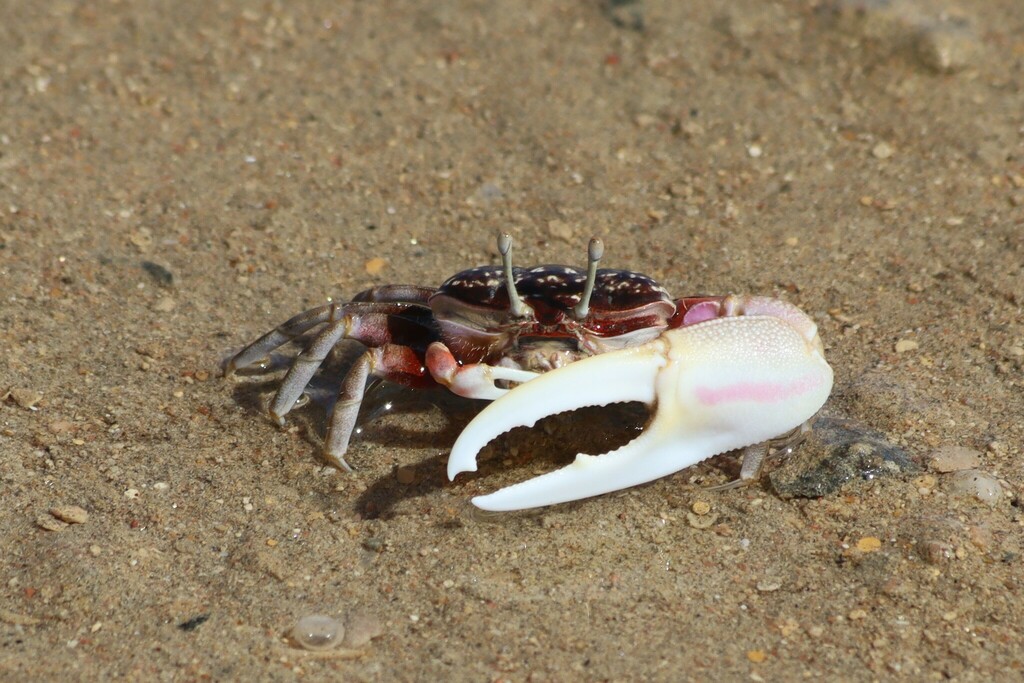
(c) Edmundas Greimas, some rights reserved (CC BY) · CC BY · iNaturalist 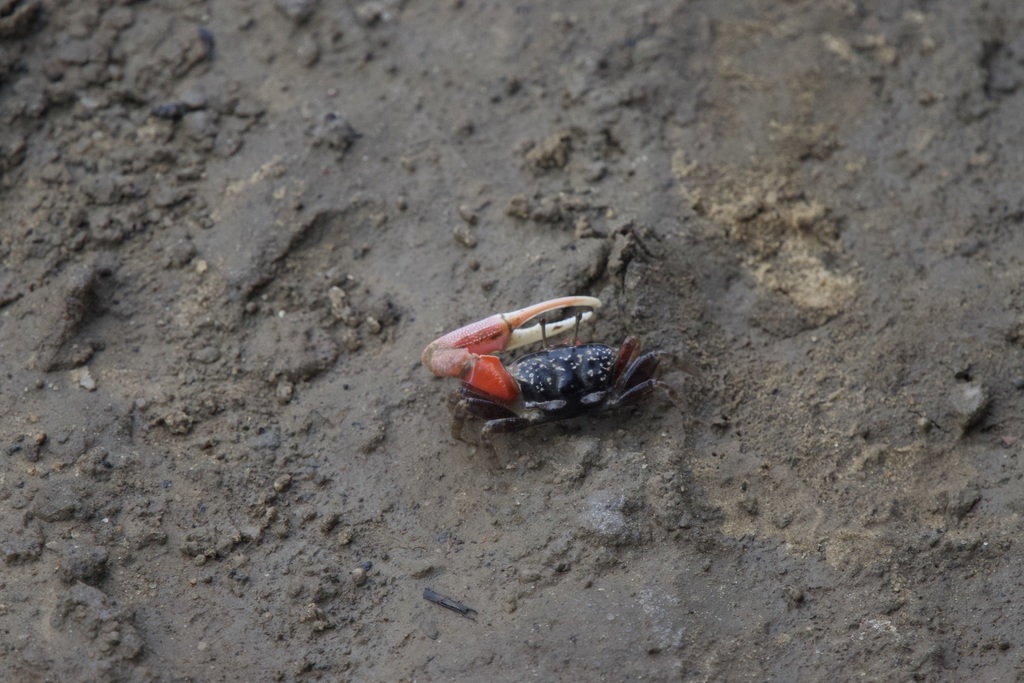
(c) Jiro Iguchi, some rights reserved (CC BY) · CC BY · iNaturalist 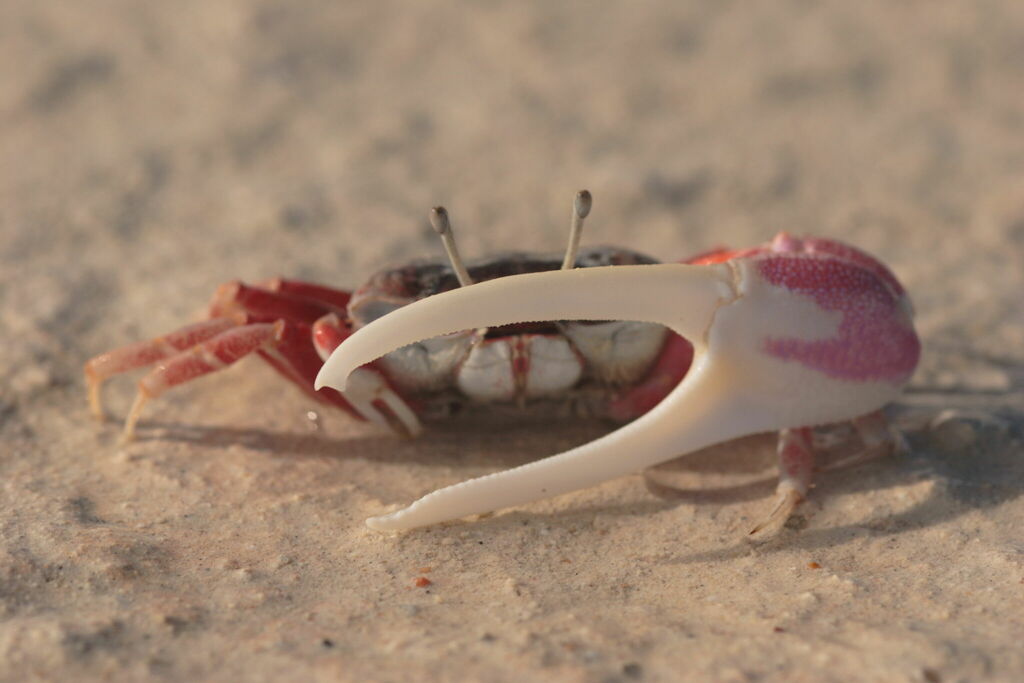
(c) Bart, some rights reserved (CC BY) · CC BY · iNaturalist
Names and classification
- English
- Inversed Fiddler Crab
Names in 1 more languages
- Simplified Chinese
- 倒螯克氏招潮
Other scientific names: Gelasimus inversus, Gelasimus smithii, Uca (Cranuca) inversa, Uca inversa
Similar species
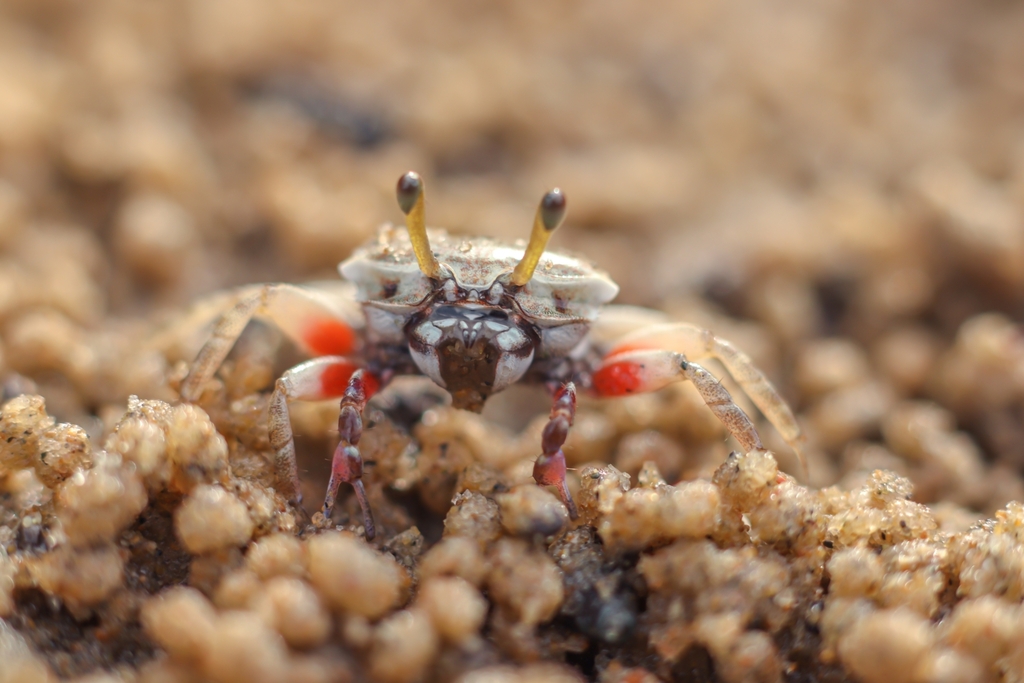 Pink-clawed Fiddler Crab
Austruca annulipes
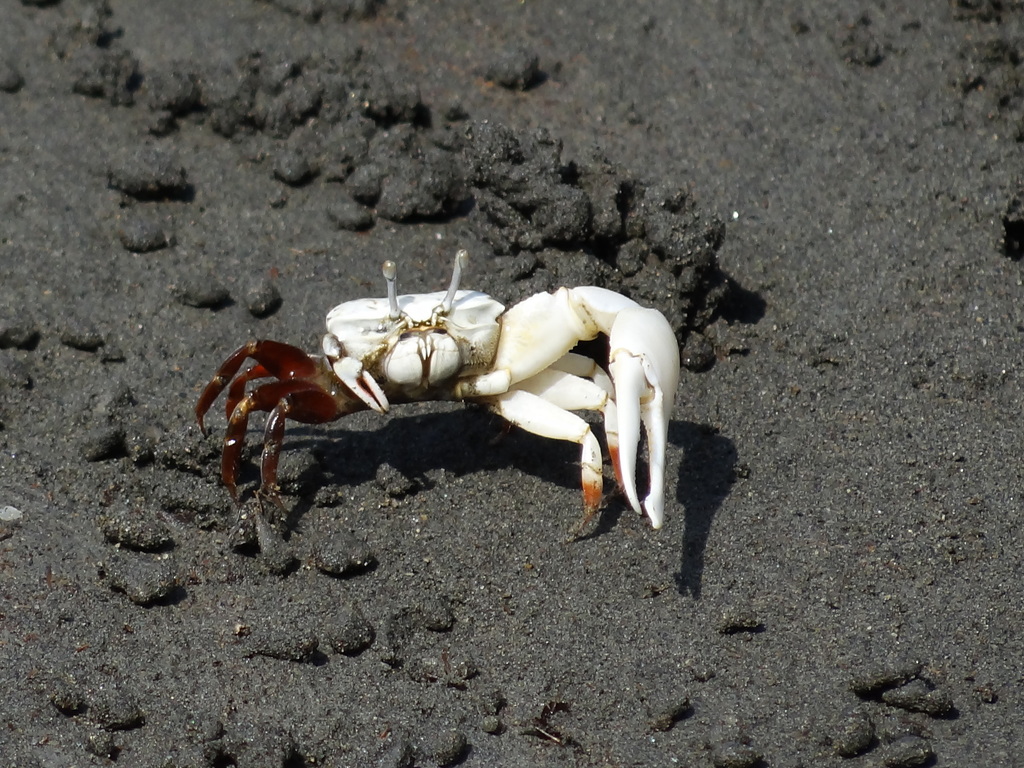 Milky Fiddler Crab
Austruca lactea
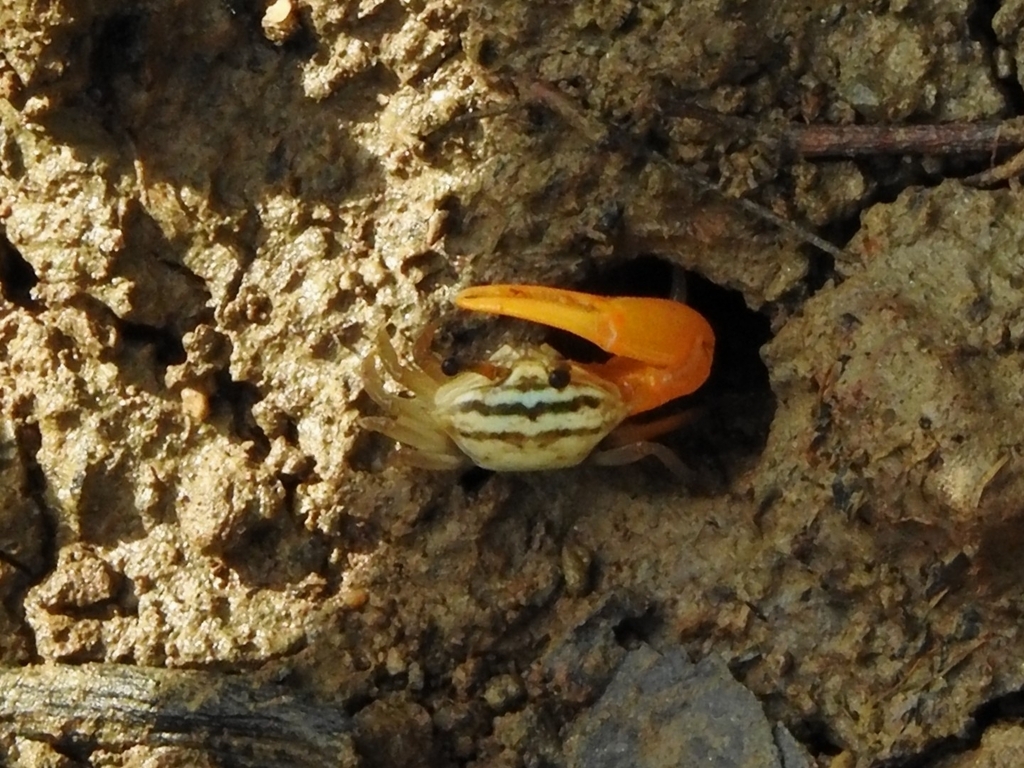 Bengal Fiddler Crab
Austruca bengali
 Citrus Fiddler Crab
Austruca citrus
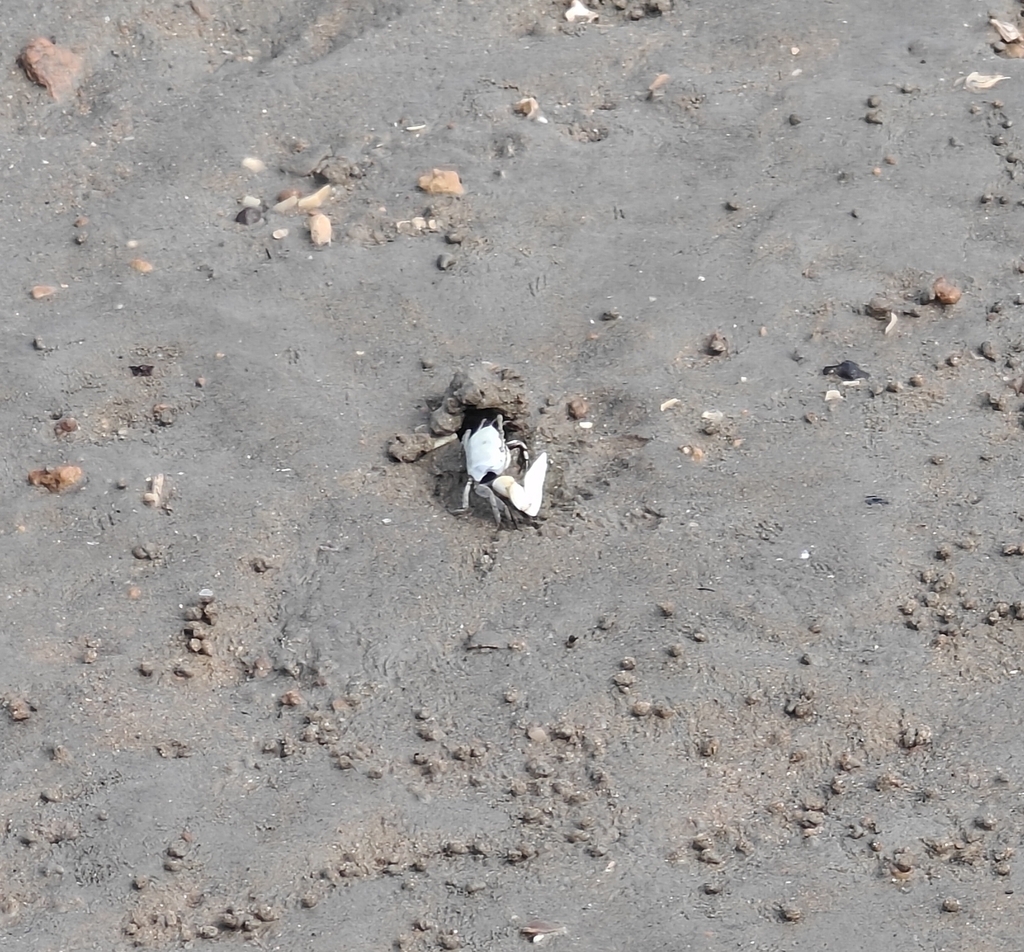 Iranian Fiddler Crab
Austruca iranica
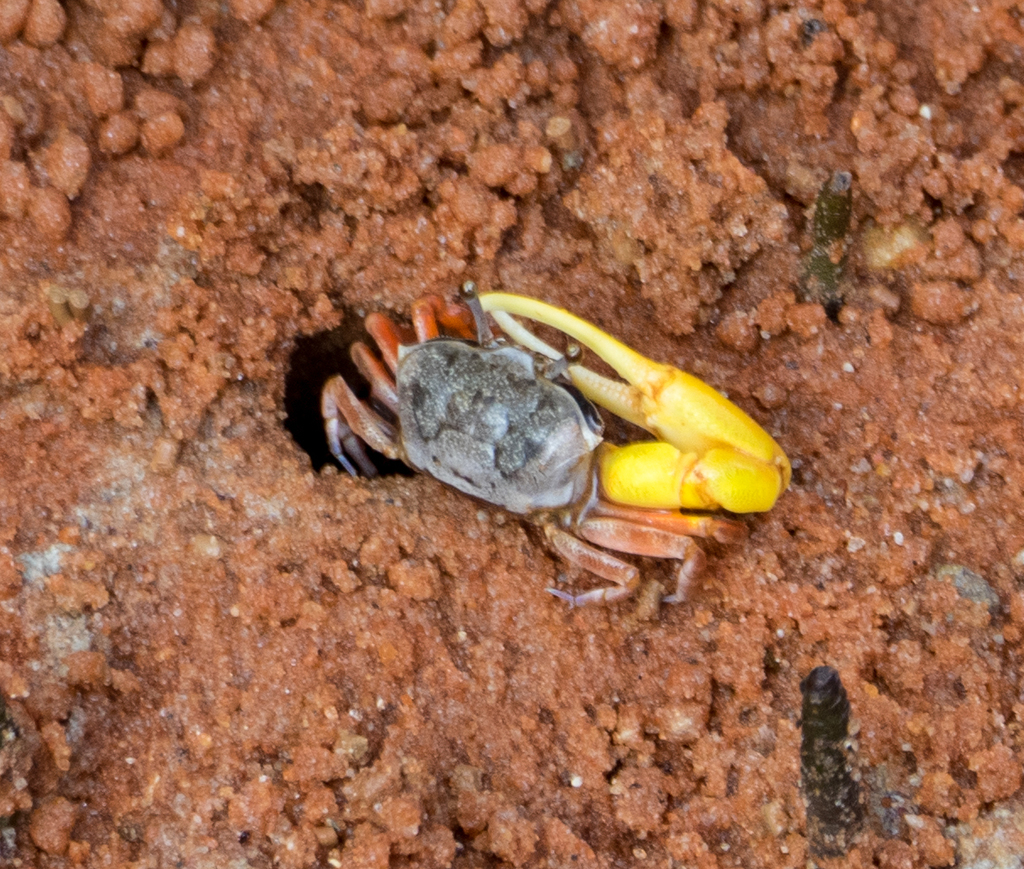 Banana Fiddler Crab
Austruca mjobergi
Sources and credits
Names and taxonomy: WoRMS (CC BY 4.0) and the GBIF Backbone (CC BY 4.0). Photos: iNaturalist observers, each under the licence shown (CC0, CC BY or CC BY-SA).
- Depth, temperature, months and maps: records from OBIS and GBIF under CC0 or CC BY.
- Conservation status as published by GBIF (IUCN Red List).
- 114 open-data records from 1874 to 2017.
- Species data updated November 1, 2026.
Log what you see on your next dive
The free DiveHive diver app keeps your logbook with every sighting and shows what lives at the site you dive next.