
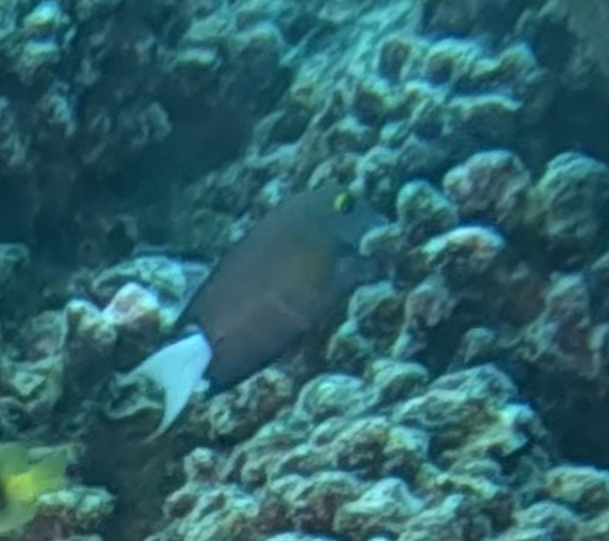
Pale-tailed Bristletooth
Ctenochaetus flavicauda
- Usual depth6–23 m
- Water temperature24–29 °C
- Best monthsMarch
- How commonOccasional
Photo credit: (c) Rachel Crane, some rights reserved (CC BY) · CC BY · iNaturalist
About this species
Ctenochaetus flavicauda, the whitetail bristletooth or redspotted tang, is a species of marine ray-finned fish belonging to the family Acanthuridae which includes the surgeonfishes, unicornfishes and tangs. It is found in the western central Pacific Ocean.
Text from the Wikipedia article “Ctenochaetus flavicauda”, licensed CC BY-SA 4.0. Read the article
Where and when
Where it has been recorded
Worldwide
Loading the map
Best months
Worldwide (open data)
- January: 59 records
- February: 234 records
- March: 407 records
- April: 168 records
- May: 157 records
- June: 130 records
- July: 105 records
- August: 32 records
- September: 18 records
- October: 6 records
- November: 8 records
- December: 5 records
Depth and water temperature
Depth
Mostly recorded at 6–23 m · Deepest record: 29.4 m
Water temperature
Recorded in surface water of 24–29 °C
Photos
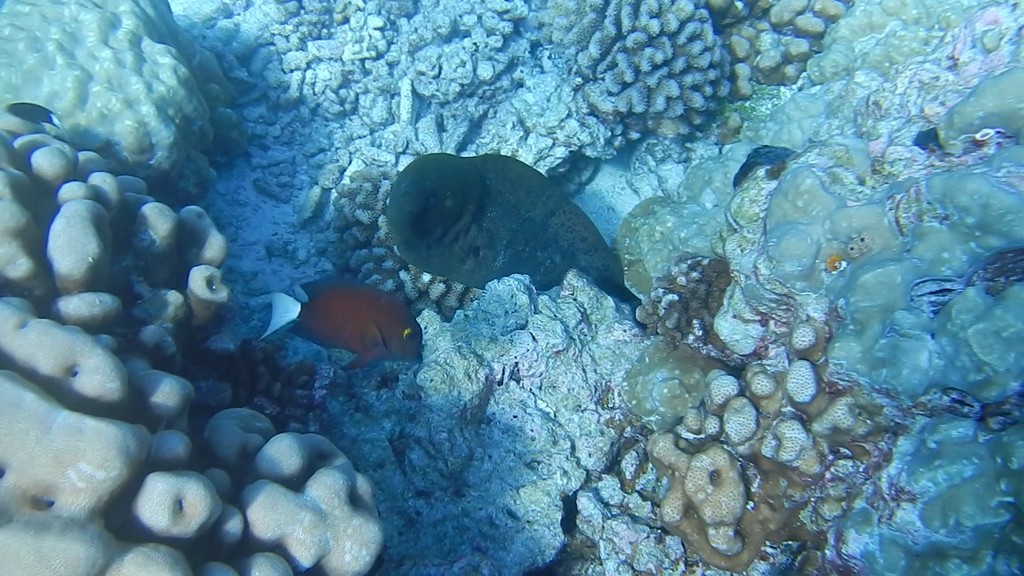
(c) Peter Boyer, some rights reserved (CC BY) · CC BY · iNaturalist 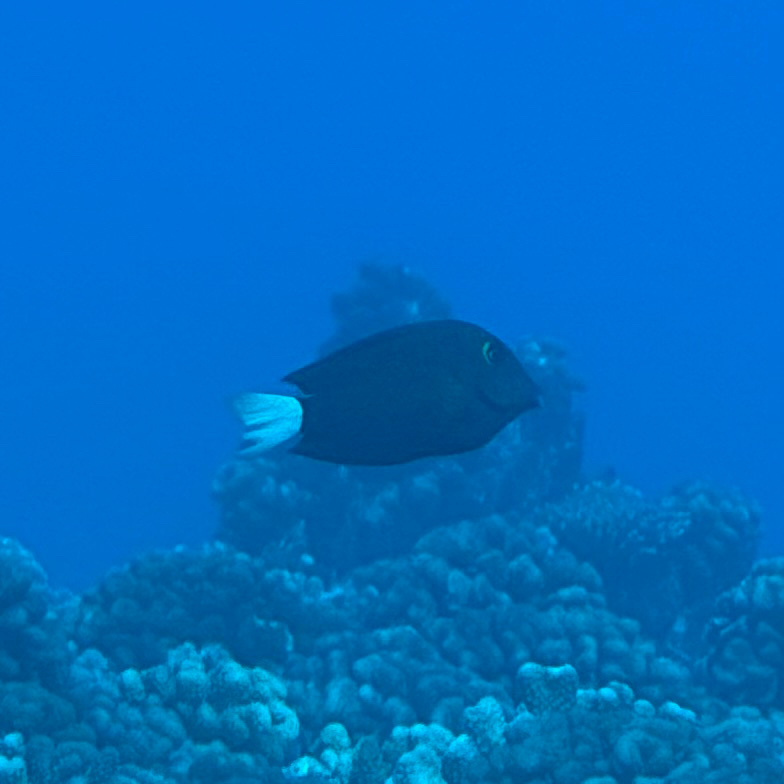
(c) Hugh Chan, some rights reserved (CC BY) · CC BY · iNaturalist 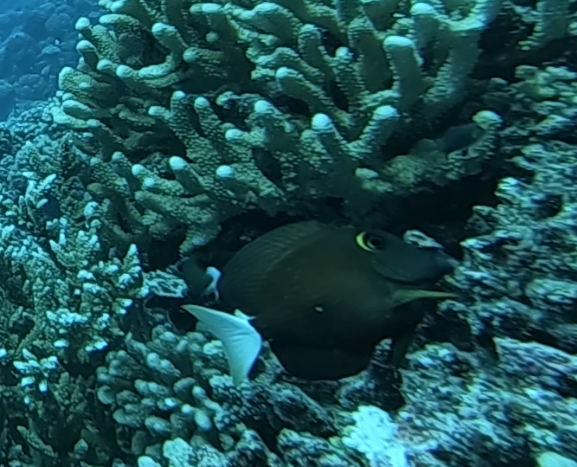
(c) Rachel Crane, some rights reserved (CC BY) · CC BY · iNaturalist 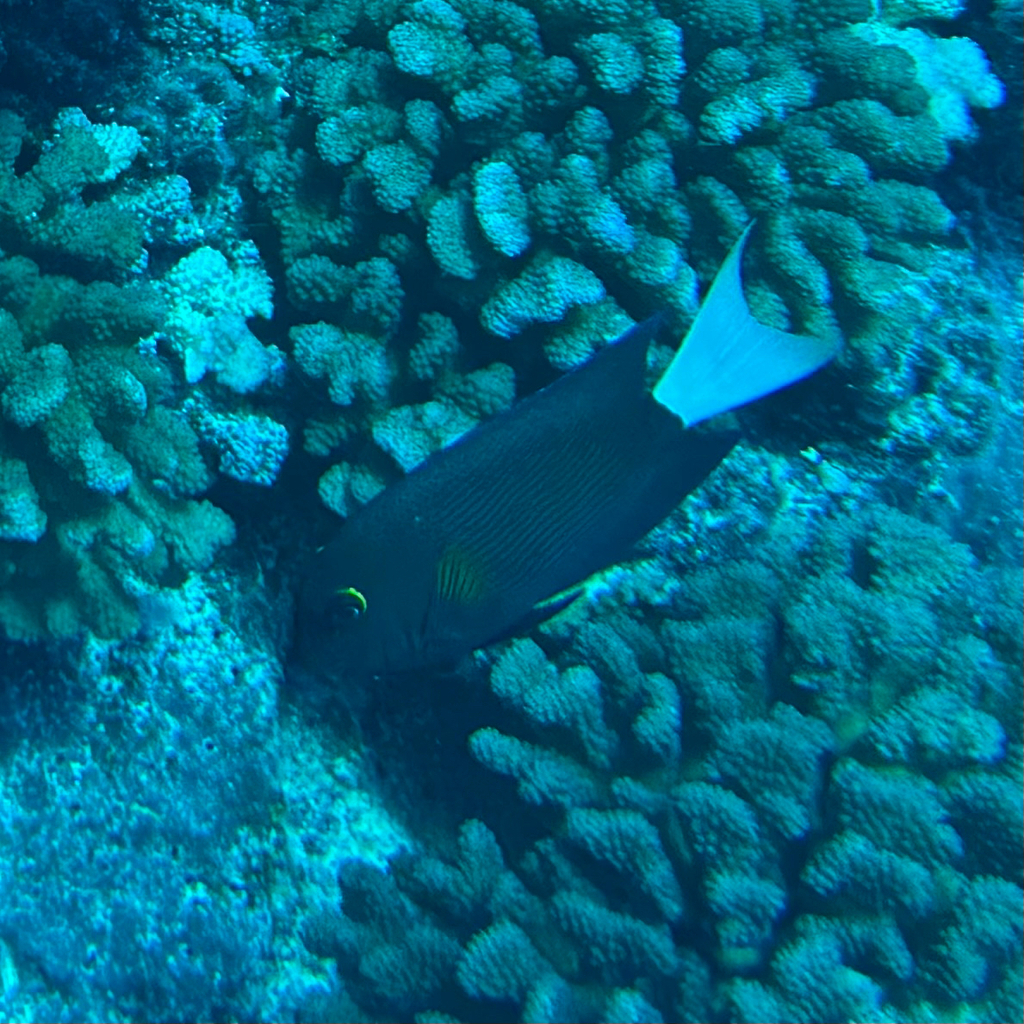
(c) Hugh Chan, some rights reserved (CC BY) · CC BY · iNaturalist 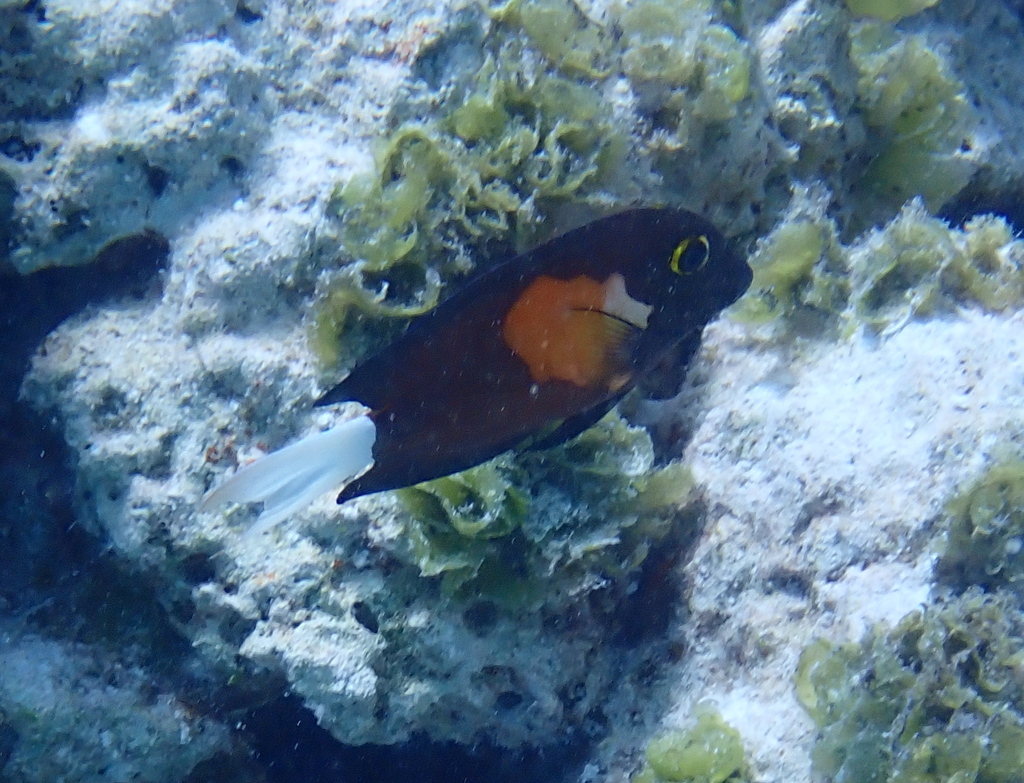
(c) Debra Baker, some rights reserved (CC BY) · CC BY · iNaturalist 
(c) Mike Burnett, some rights reserved (CC BY) · CC BY · iNaturalist 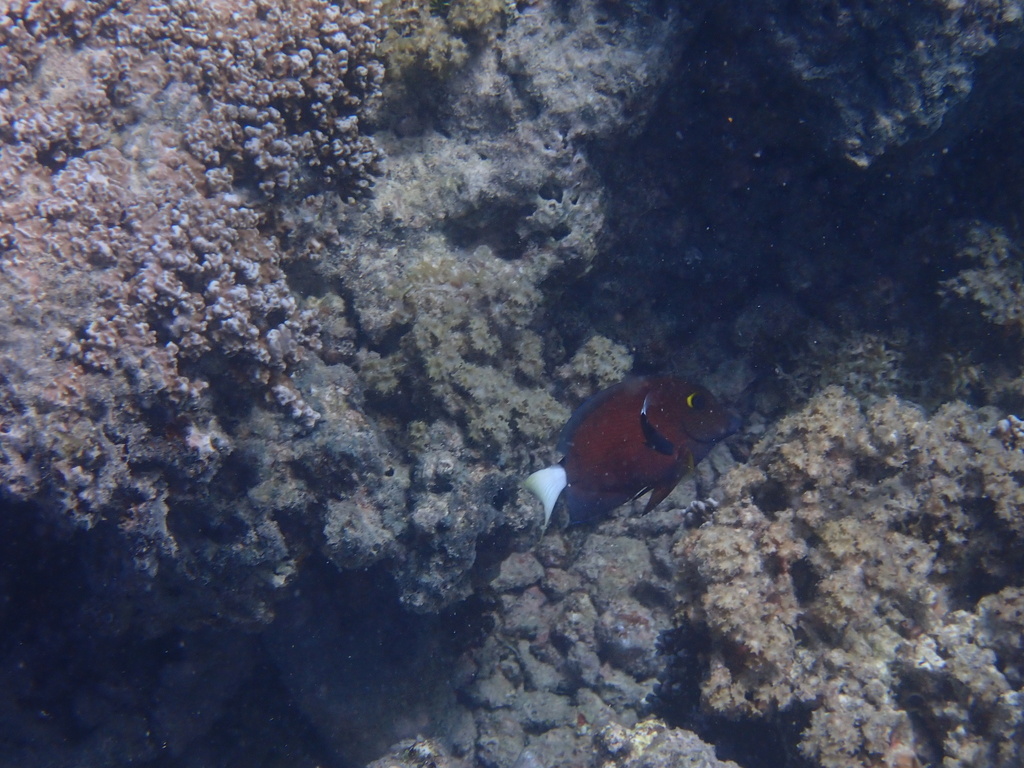
(c) Antoine MARNAT, some rights reserved (CC BY) · CC BY · iNaturalist
Names and classification
- English
- Pale-tailed Bristletooth, Whitetail Bristletooth, Whitetailed Surgeonfish
Names in 2 more languages
- Spanish
- Pez Cirujano de Cola Blanca y Dientes de Peine
- French
- Chirurgien à queue blanche
Similar species
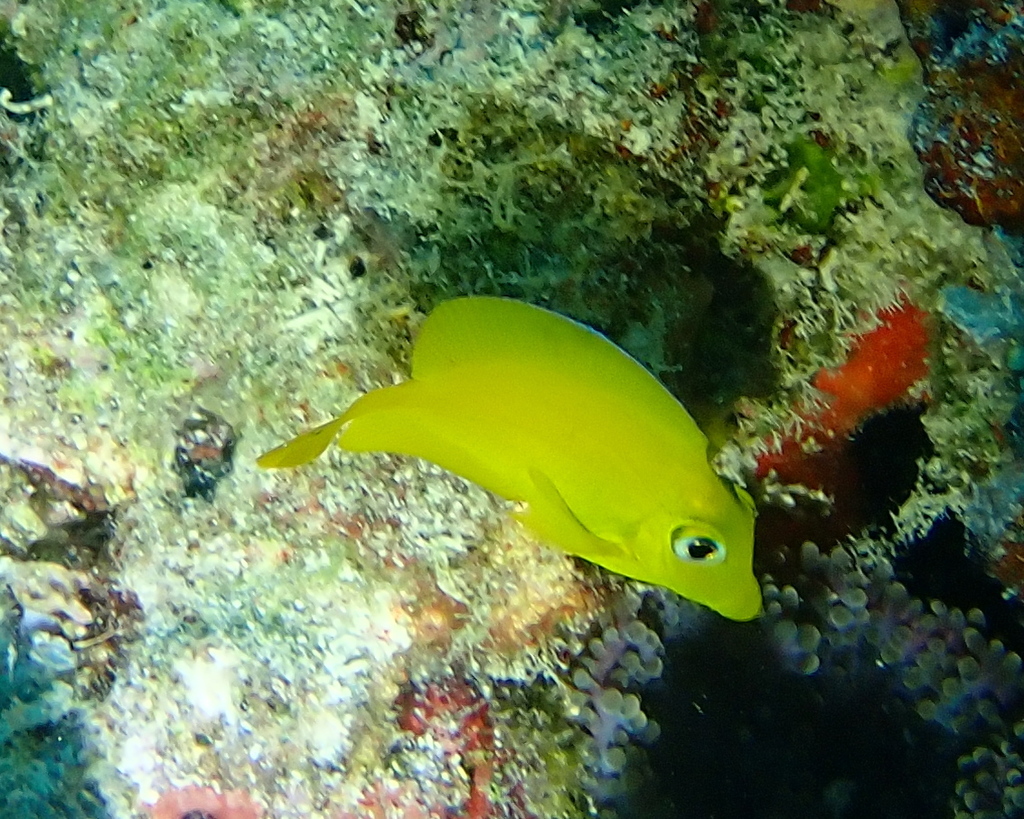 Bluelip Bristletooth
Ctenochaetus cyanocheilus
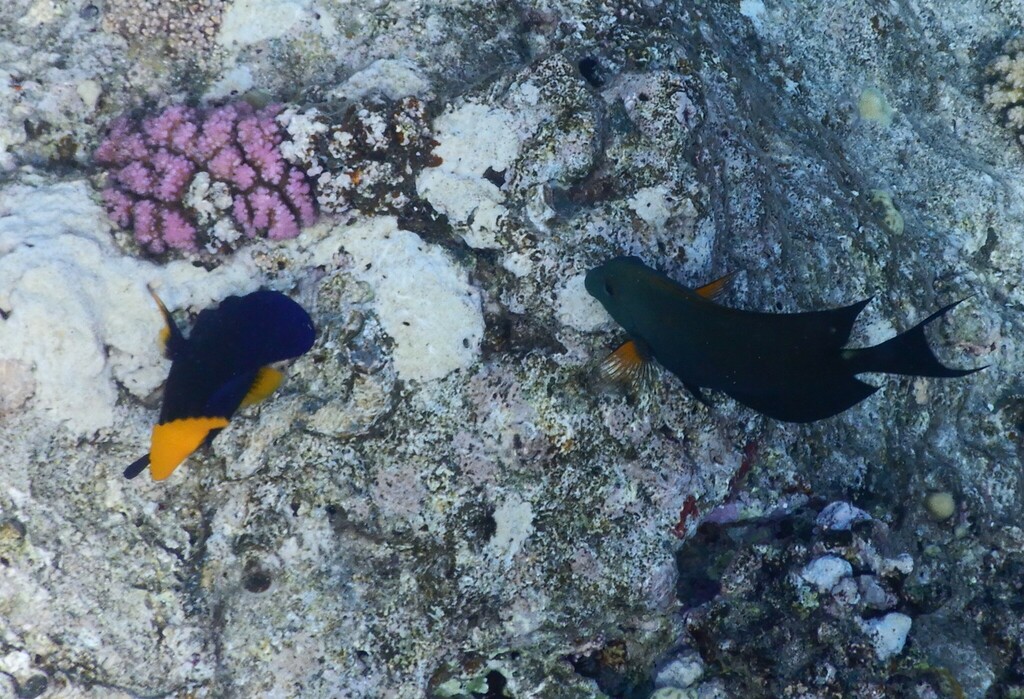 Lined bristletooth
Ctenochaetus striatus
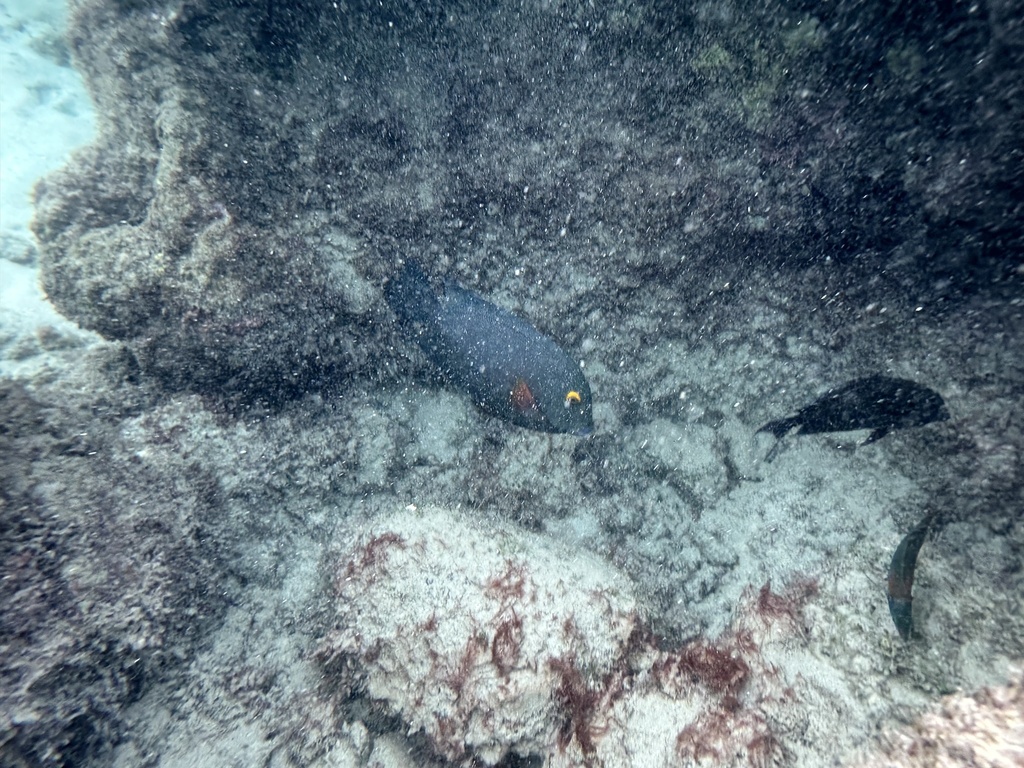 Spotted surgeonfish
Ctenochaetus strigosus
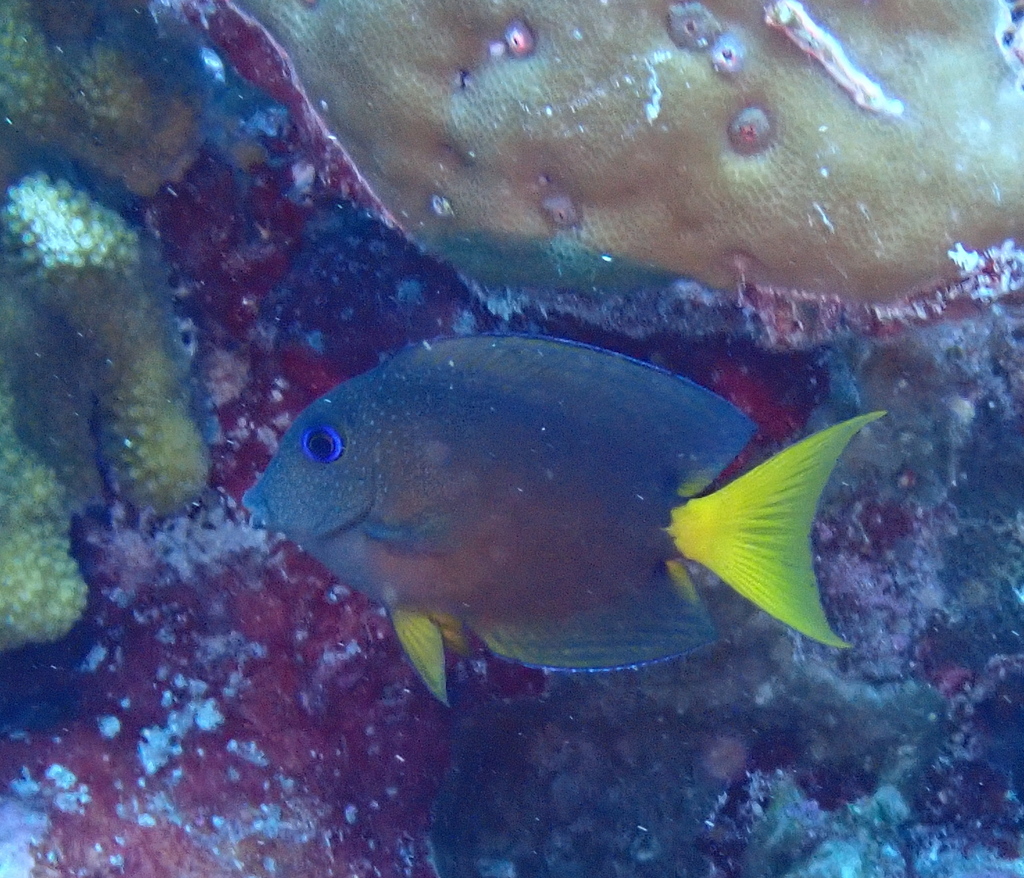 Twospot surgeonfish
Ctenochaetus binotatus
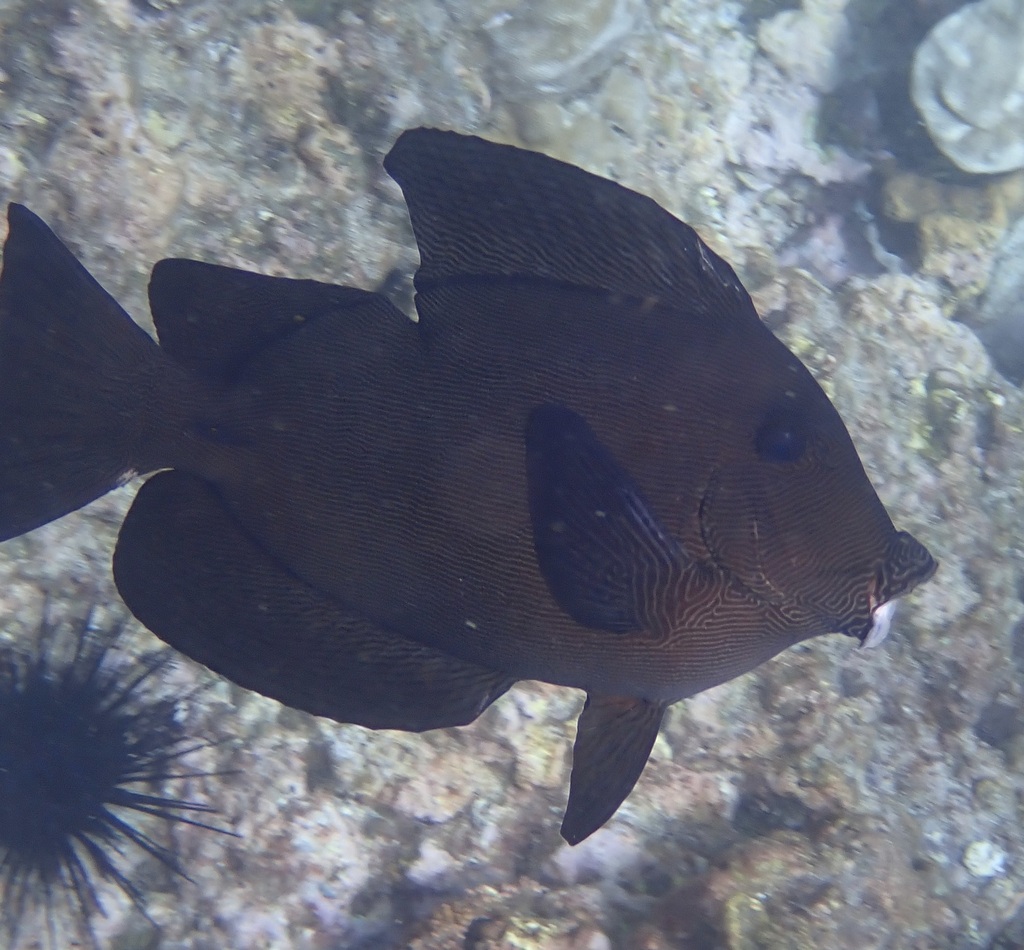 Black Surgeonfish
Ctenochaetus hawaiiensis
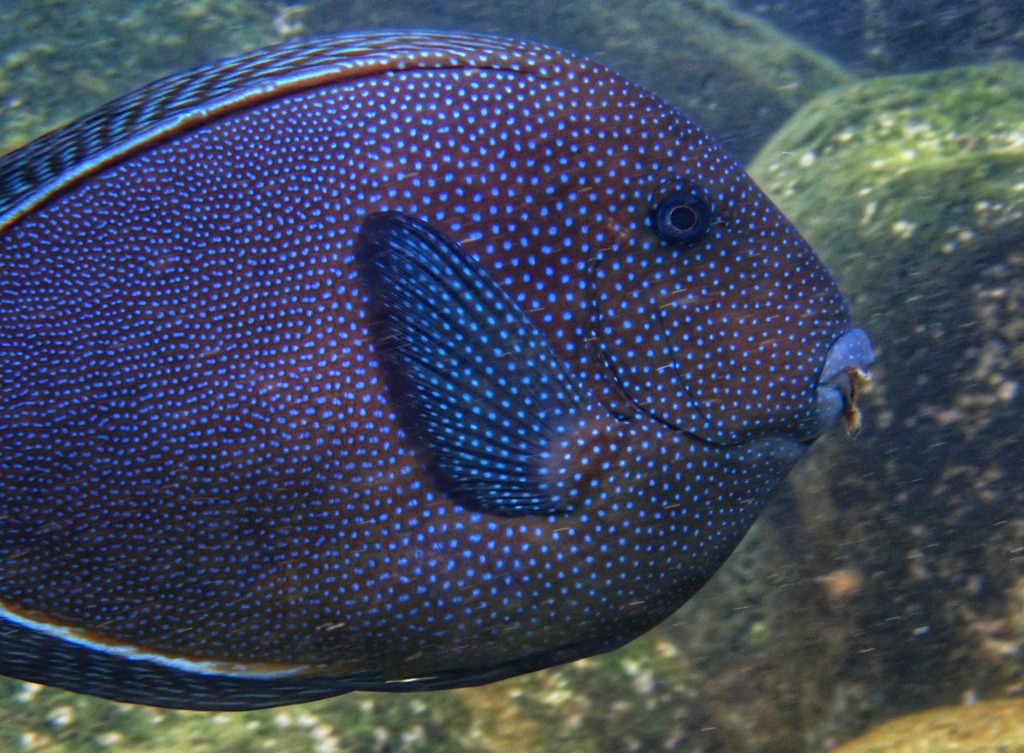 Blue-spotted Bristletooth
Ctenochaetus marginatus
Sources and credits
Names and taxonomy: WoRMS (CC BY 4.0) and the GBIF Backbone (CC BY 4.0). Photos: iNaturalist observers, each under the licence shown (CC0, CC BY or CC BY-SA).
- Depth, temperature, months and maps: records from OBIS and GBIF under CC0 or CC BY.
- Descriptions: Wikipedia, licensed CC BY-SA, each linked to its article.
- Conservation status as published by GBIF (IUCN Red List).
- 1,618 open-data records from 2002 to 2018.
- Species data updated November 1, 2026.
Log what you see on your next dive
The free DiveHive diver app keeps your logbook with every sighting and shows what lives at the site you dive next.