
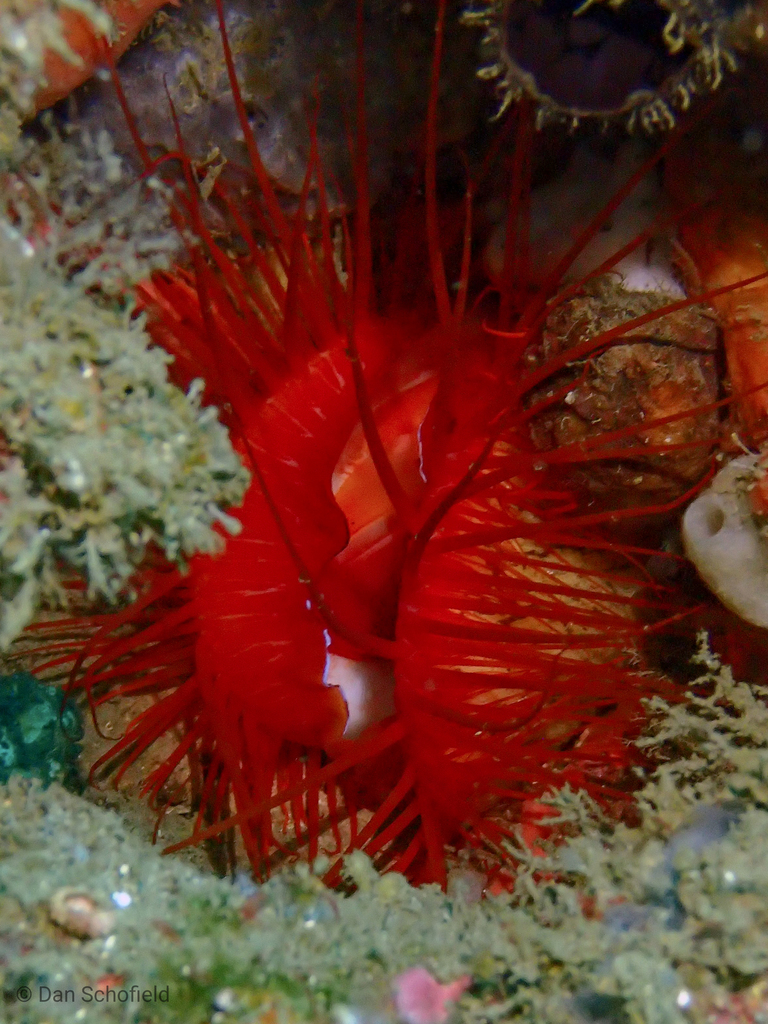
Photo credit: (c) Dan Schofield, some rights reserved (CC BY), uploaded by Dan Schofield · CC BY · iNaturalist
About this species
Ctenoides ales is a species of saltwater clam, a marine bivalve mollusk in the family Limidae, the file clams. It is known by the names electric flame scallop, disco scallop, electric clam and disco clam. The clam has been given these nicknames because its soft tissues flash light like a disco ball. Along with Ctenoides scaber, they are among the only bivalves known to have light displays.
Text from the Wikipedia article “Ctenoides ales”, licensed CC BY-SA 4.0. Read the article
Where and when
Where it has been recorded
Worldwide
Loading the map
Best months
Worldwide (open data)
- January: 38 records
- February: 30 records
- March: 31 records
- April: 29 records
- May: 39 records
- June: 32 records
- July: 41 records
- August: 30 records
- September: 36 records
- October: 29 records
- November: 38 records
- December: 35 records
Depth and water temperature
Depth
Mostly recorded at 17–39 m · Deepest record: 39 m
Water temperature
Recorded in surface water of 25–30 °C
Photos
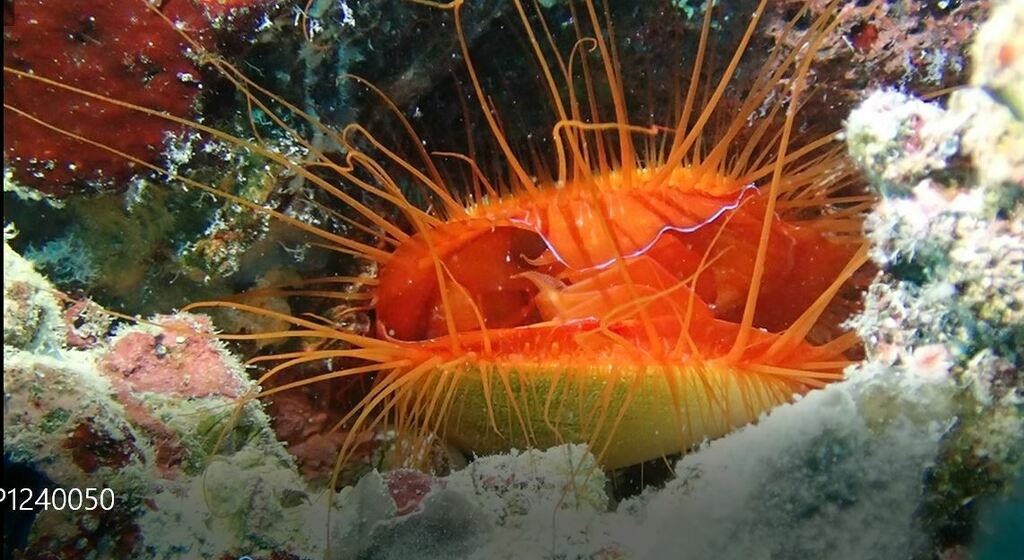
(c) Debra Baker, some rights reserved (CC BY) · CC BY · iNaturalist 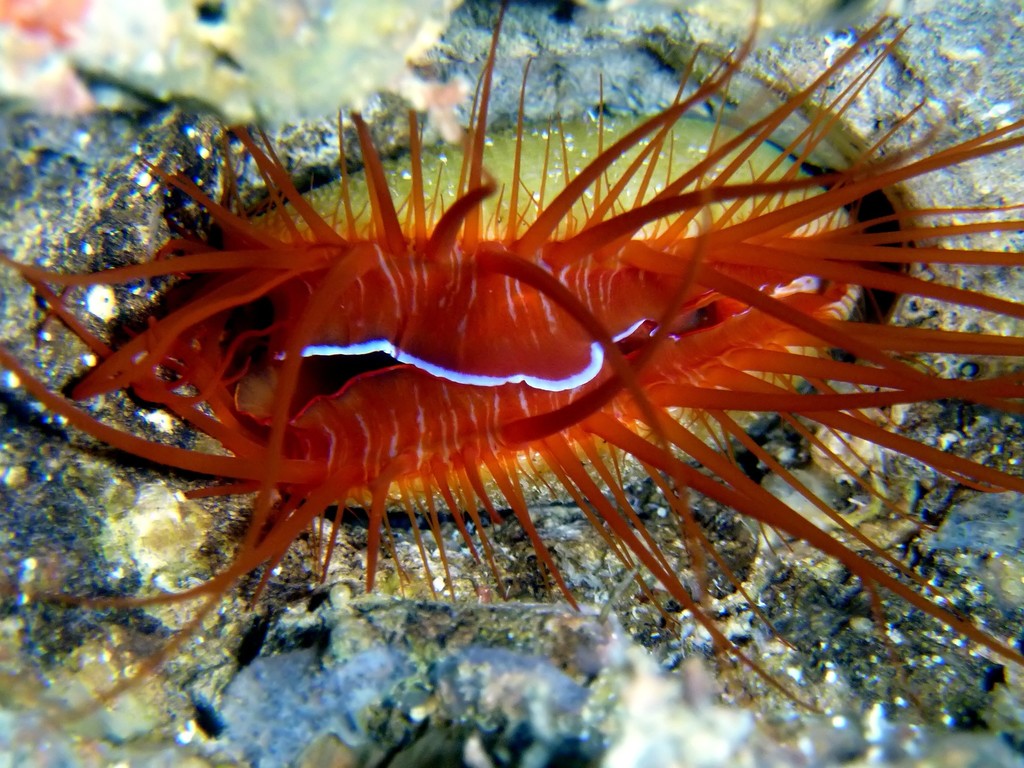
(c) Kai Squires, some rights reserved (CC BY) · CC BY · iNaturalist 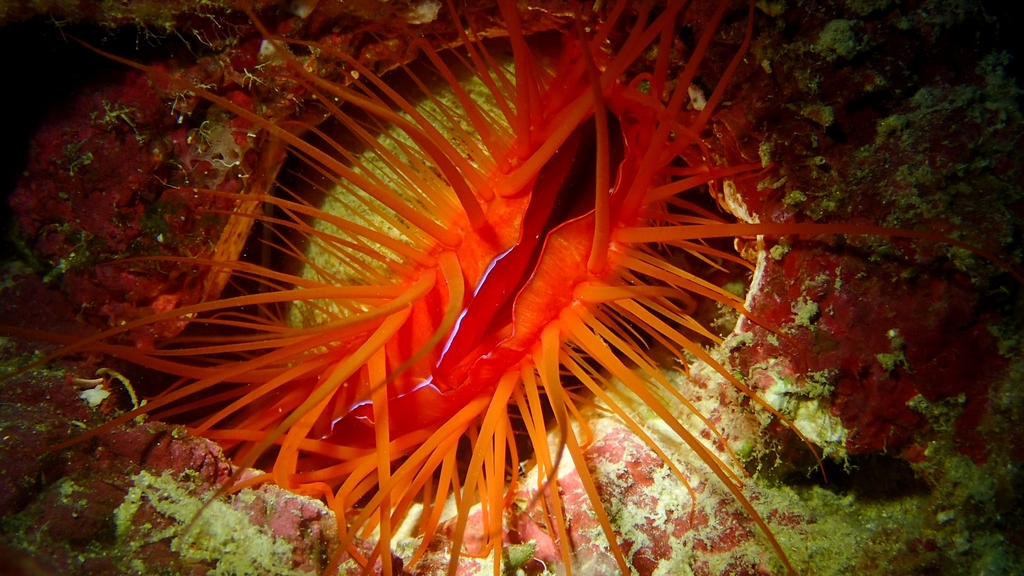
(c) Dan Schofield, some rights reserved (CC BY) · CC BY · iNaturalist 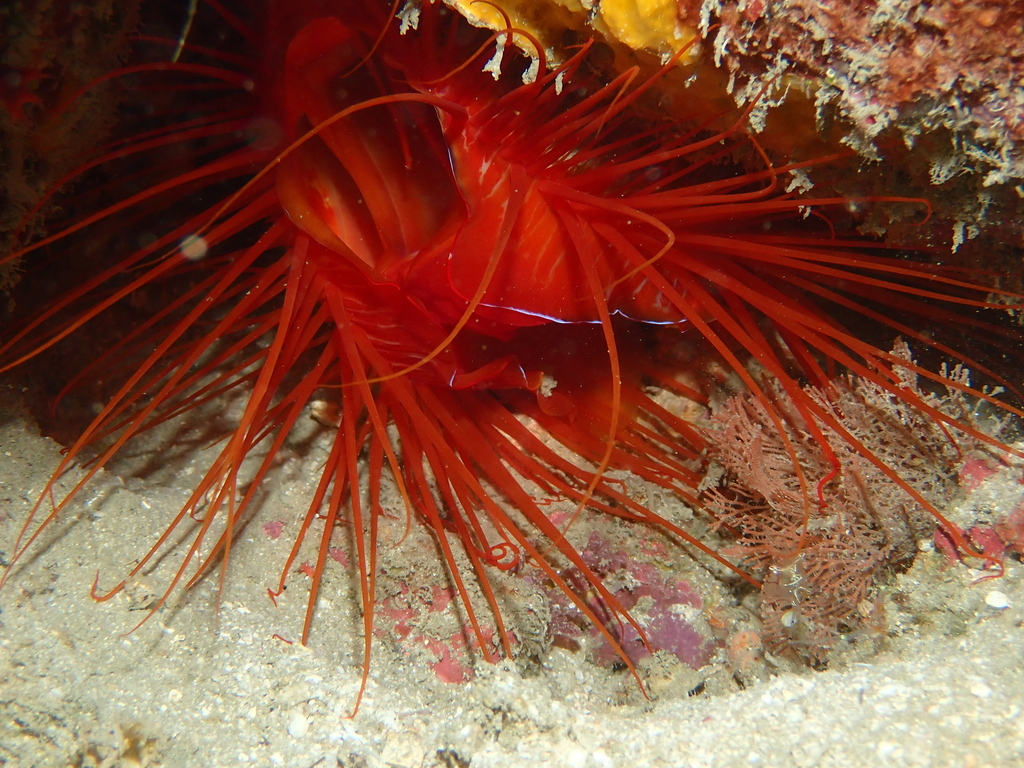
(c) 呂一起(Lyu yi-chi), some rights reserved (CC BY) · CC BY · iNaturalist 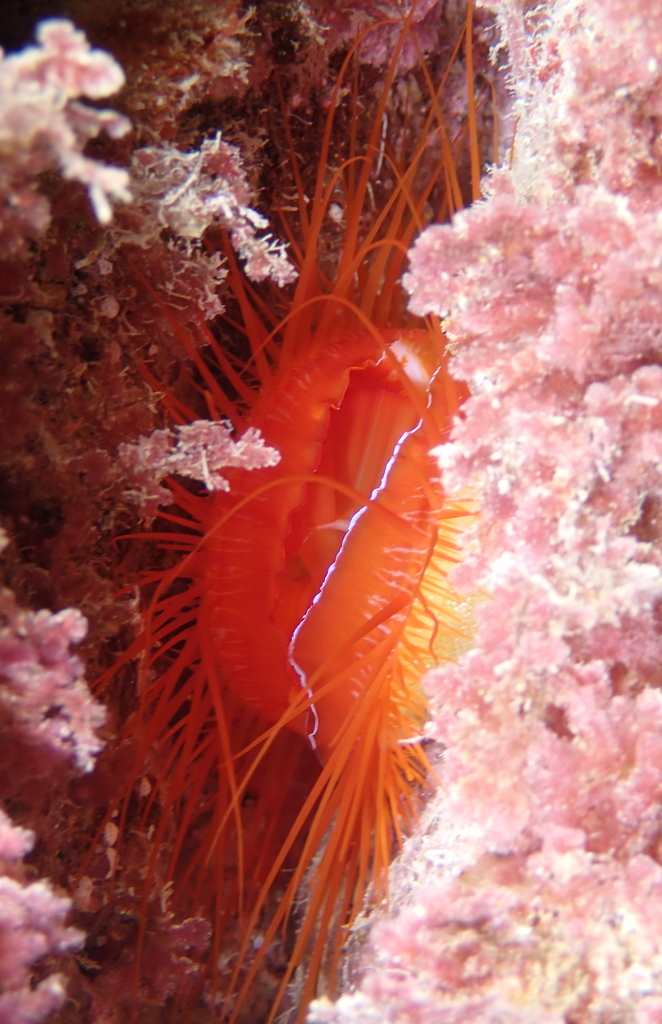
(c) Debra Baker, some rights reserved (CC BY) · CC BY · iNaturalist
Names and classification
- English
- Disco Clam, Electric File Clam, Electric Flame Scallop
Names in 3 more languages
- French
- Lime électrique
- Japanese
- ウコ, ウコンハネガイ
- Simplified Chinese
- 圓櫛銼蛤
Other scientific names: Lima alata, Lima ales
Similar species
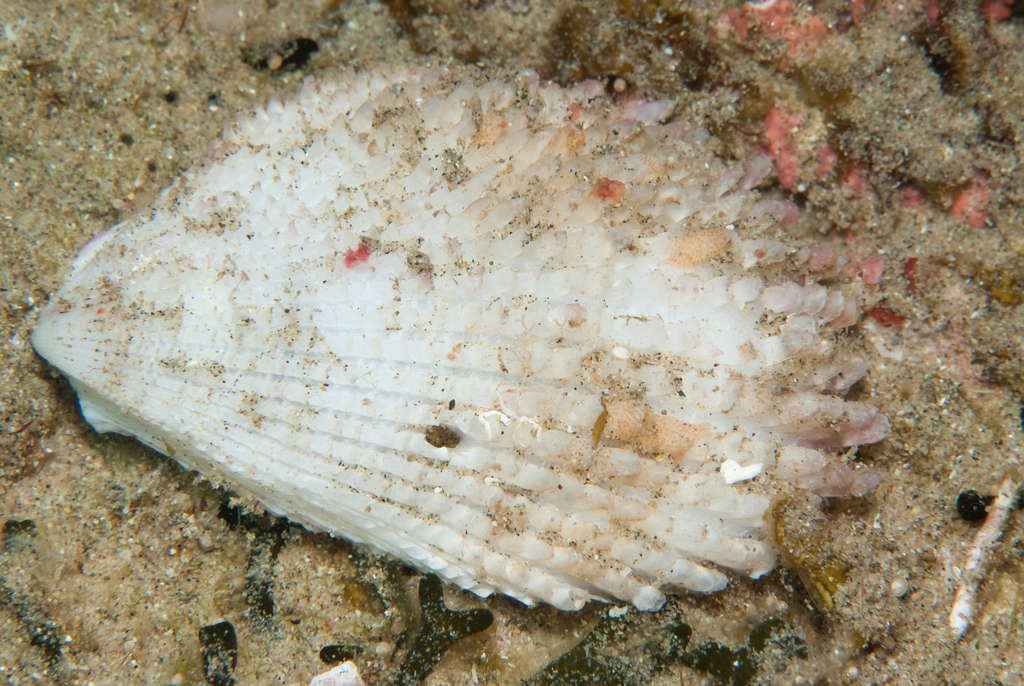 Pacific fileclam
Lima vulgaris
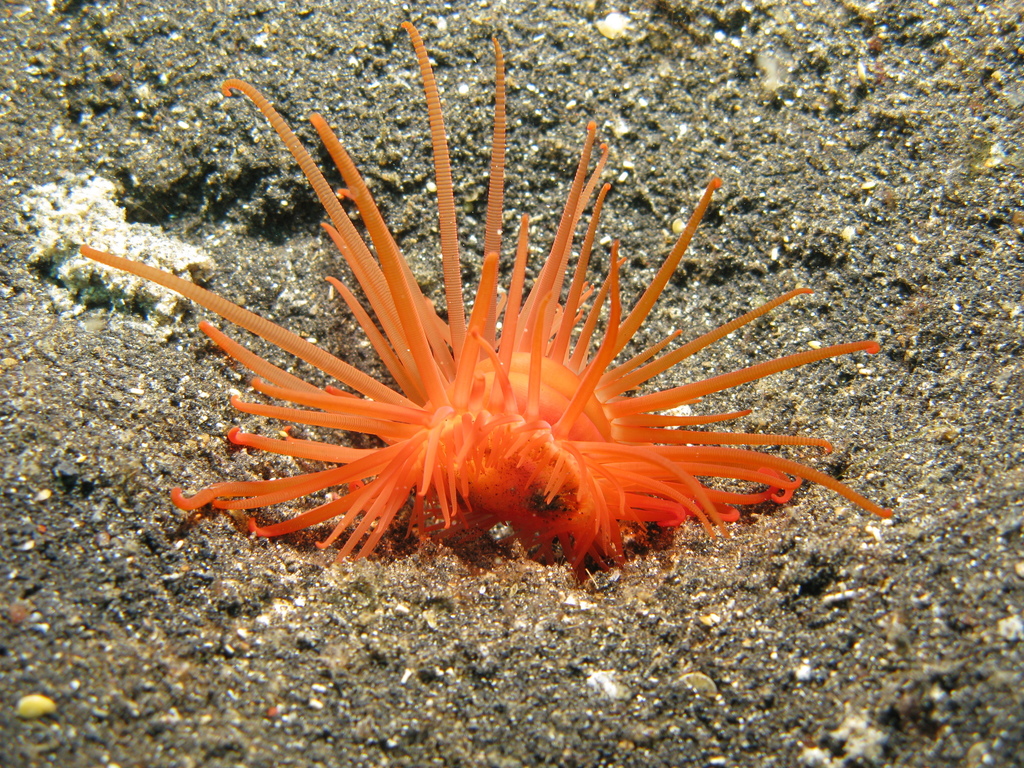 Fragile File Shell
Limaria fragilis
Sources and credits
Names and taxonomy: WoRMS (CC BY 4.0) and the GBIF Backbone (CC BY 4.0). Photos: iNaturalist observers, each under the licence shown (CC0, CC BY or CC BY-SA).
- Depth, temperature, months and maps: records from OBIS and GBIF under CC0 or CC BY.
- Descriptions: Wikipedia, licensed CC BY-SA, each linked to its article.
- Conservation status as published by GBIF (IUCN Red List).
- 126 open-data records from 1963 to 2012.
- Species data updated November 1, 2026.
Log what you see on your next dive
The free DiveHive diver app keeps your logbook with every sighting and shows what lives at the site you dive next.