
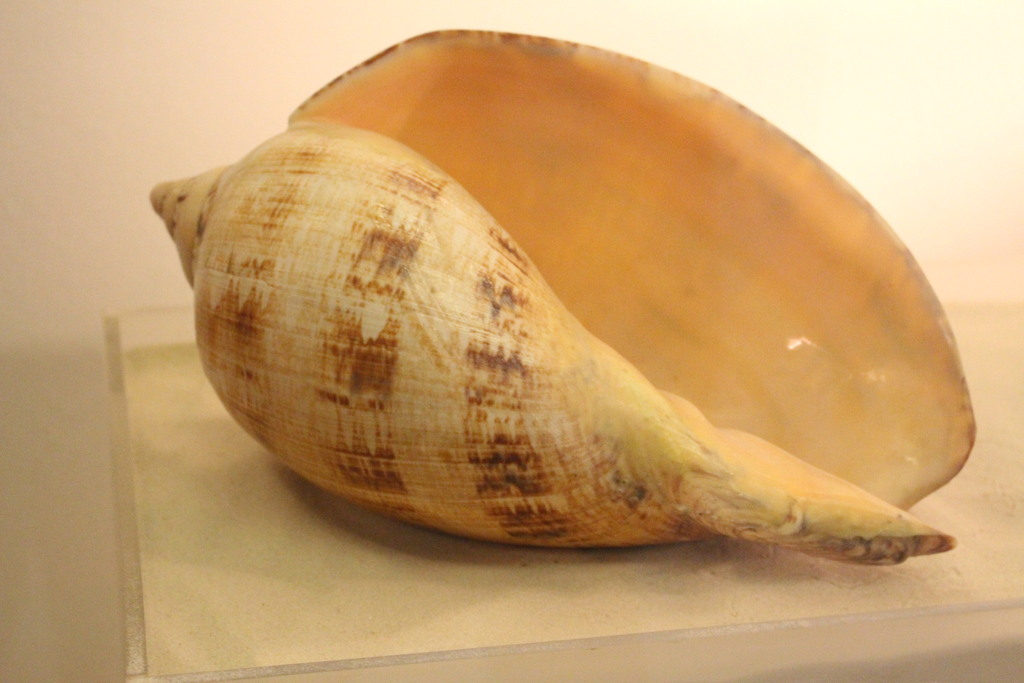
Magnificent volute
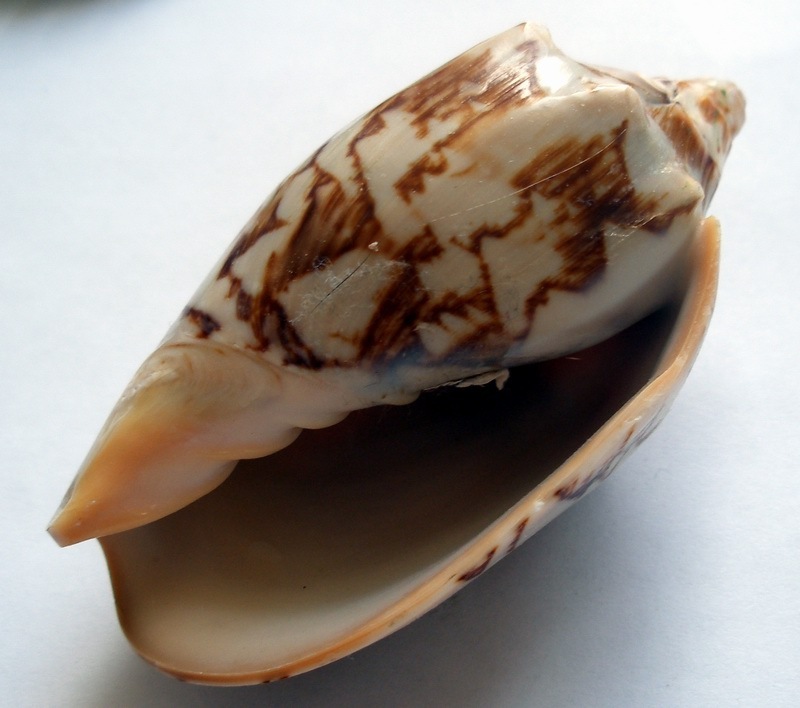
Cymbiola magnifica
- Usual depth133.5 m
- Water temperature16–26 °C
- Best monthsJanuary, March, and October
- How commonOccasional
Photo credit: (c) Emőke Dénes, some rights reserved (CC BY-SA) · CC BY-SA · iNaturalist
About this species
Cymbiola magnifica, common name the magnificent volute, is a species of large sea snail, a marine gastropod mollusk in the family Volutidae, the volutes. It is one of the most striking and largest species of volute snails in the ocean.SubspeciesCymbiola magnifica altispira (Mayblom, 1951) Cymbiola magnifica evansi Bondarev, 1996 Cymbiola magnifica magnifica (Gebauer, 1802)
Text from the Wikipedia article “Cymbiola magnifica”, licensed CC BY-SA 4.0. Read the article
Where and when
Where it has been recorded
Worldwide
Loading the map
Best months
Worldwide (open data)
- January: 71 records
- February: 53 records
- March: 80 records
- April: 57 records
- May: 65 records
- June: 51 records
- July: 55 records
- August: 51 records
- September: 48 records
- October: 86 records
- November: 47 records
- December: 50 records
Depth and water temperature
Depth
Mostly recorded at 133.5 m · Deepest record: 133.5 m
Water temperature
Recorded in surface water of 16–26 °C
Photos
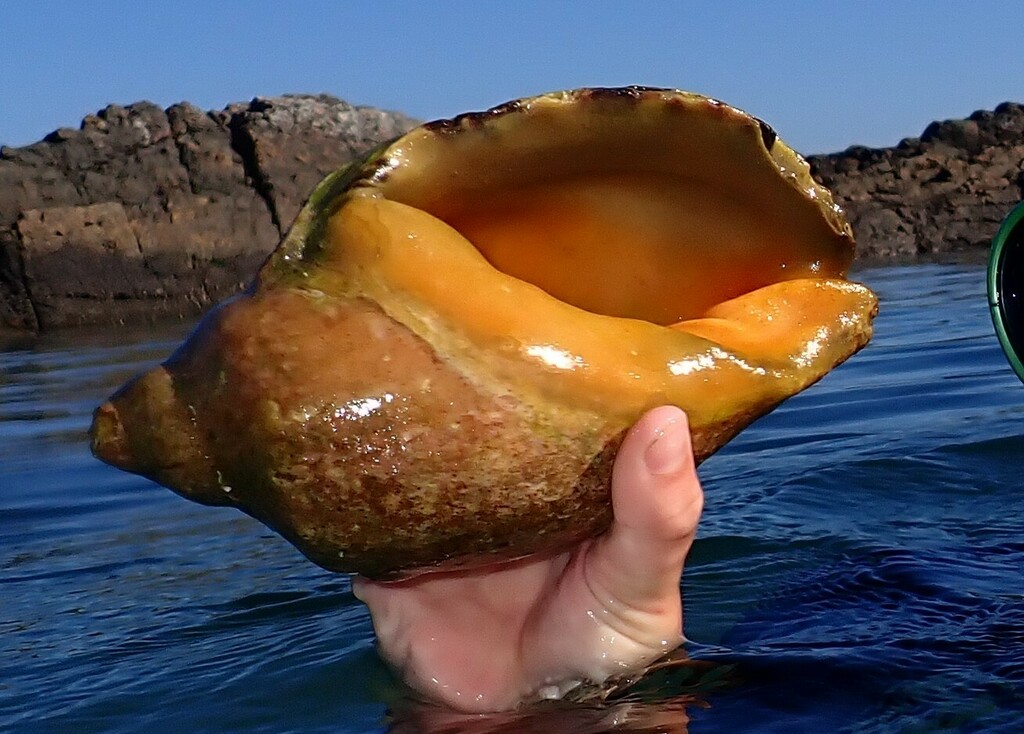
(c) Peter Crowcroft, some rights reserved (CC BY) · CC BY · iNaturalist 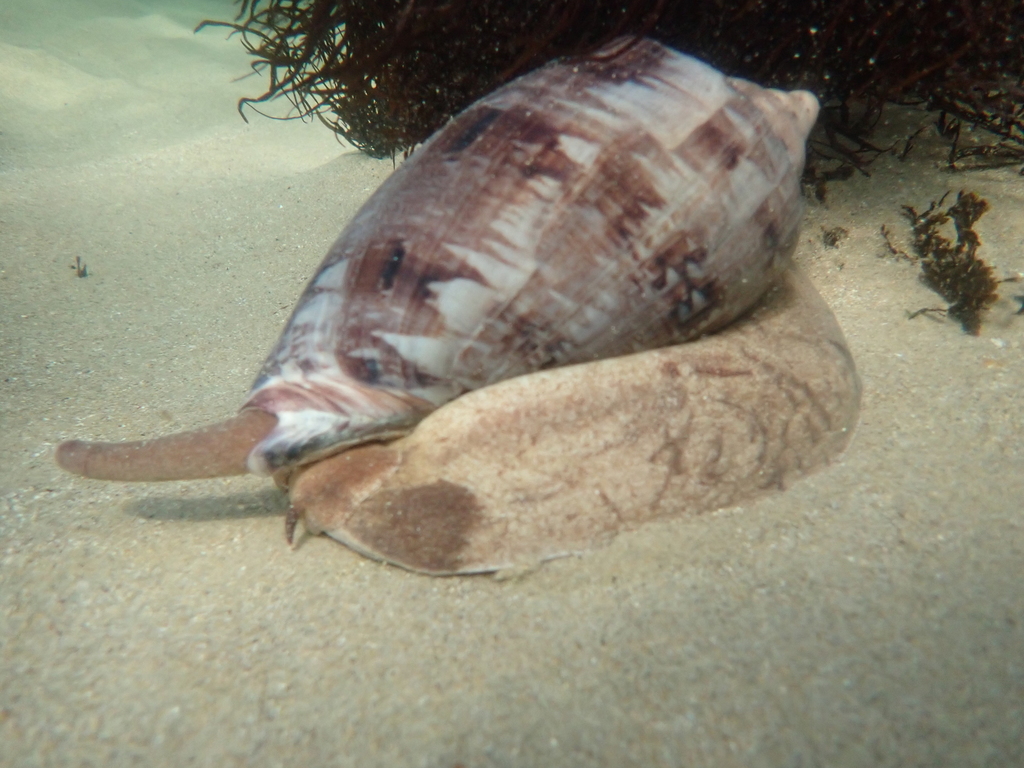
no rights reserved · CC0 1.0 · iNaturalist 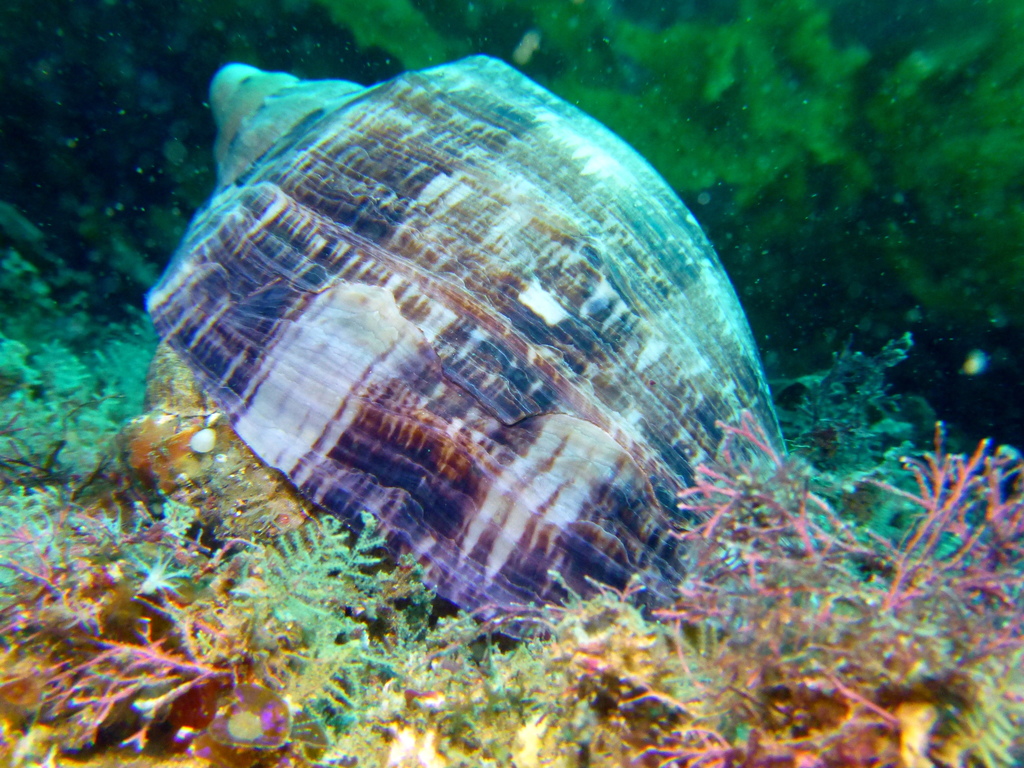
(c) Kai Squires, some rights reserved (CC BY) · CC BY · iNaturalist 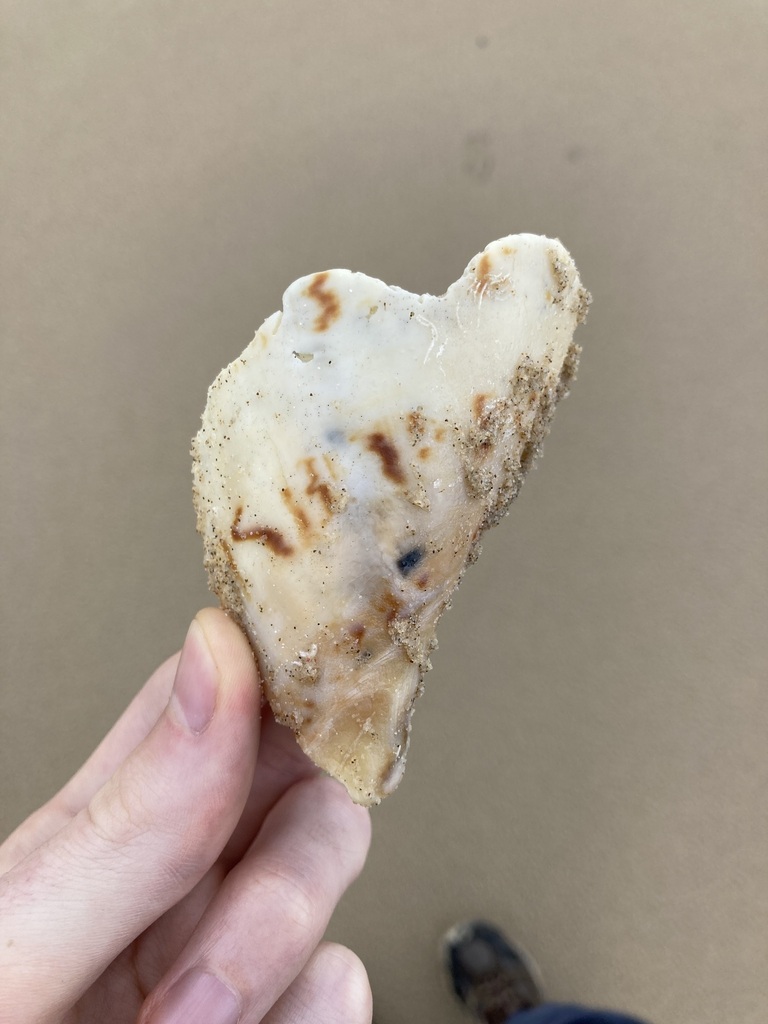
(c) Thomas Mesaglio, some rights reserved (CC BY) · CC BY · iNaturalist 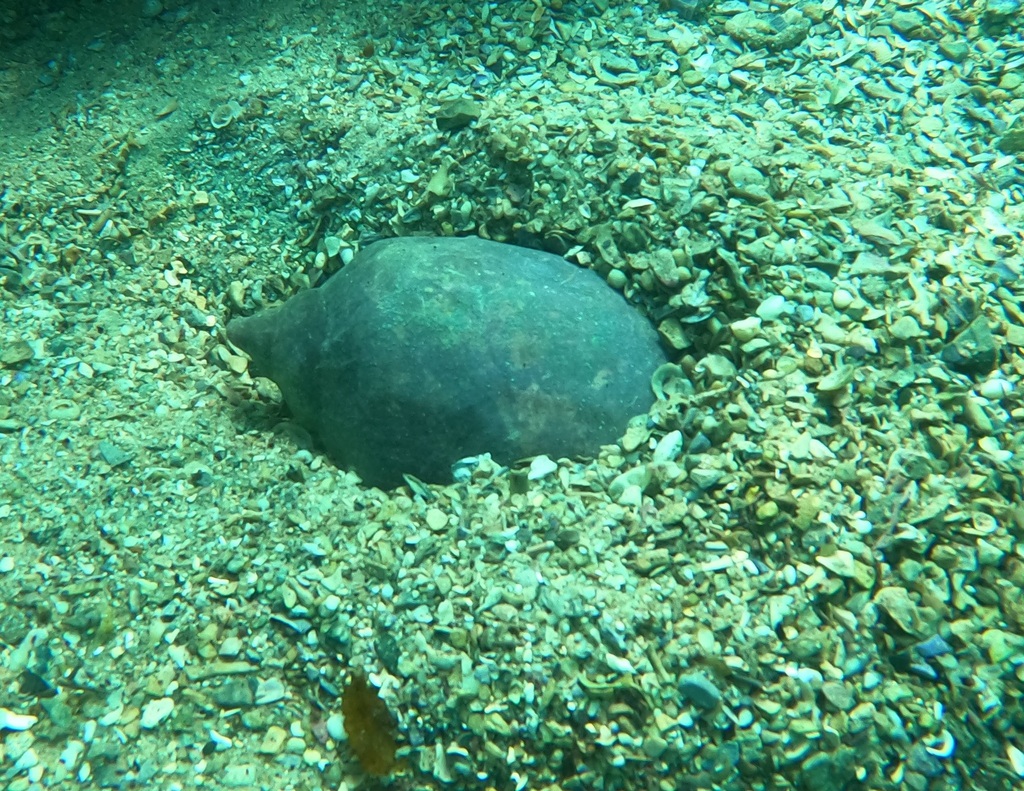
(c) Tim, some rights reserved (CC BY) · CC BY · iNaturalist 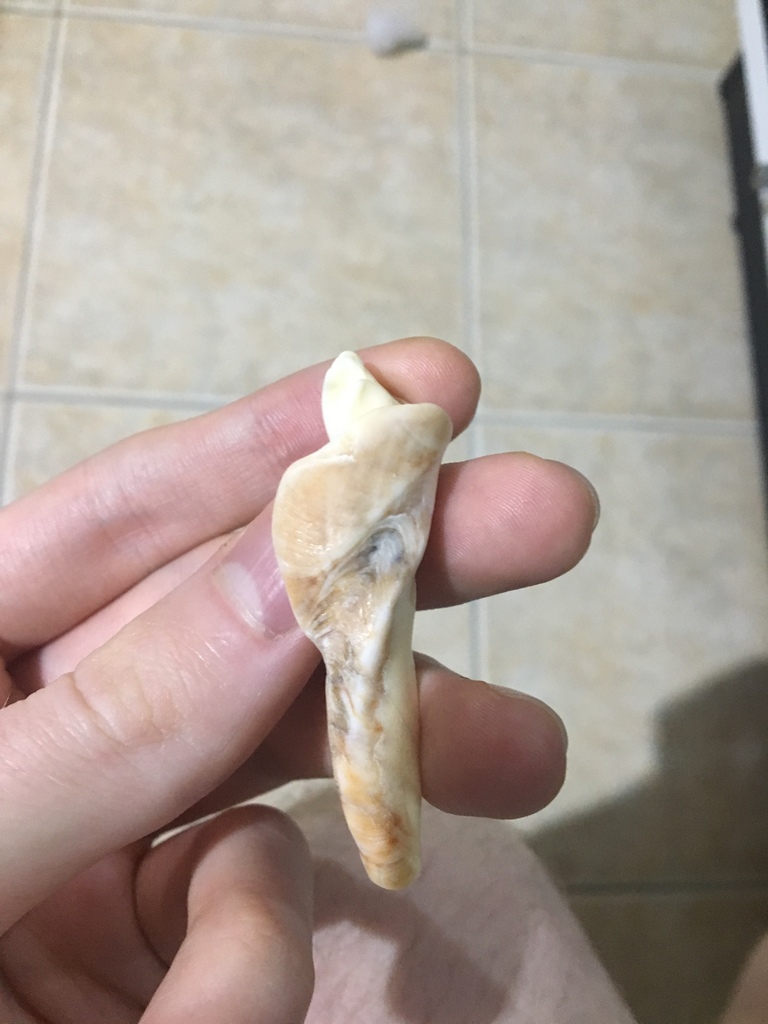
(c) Thomas Mesaglio, some rights reserved (CC BY) · CC BY · iNaturalist 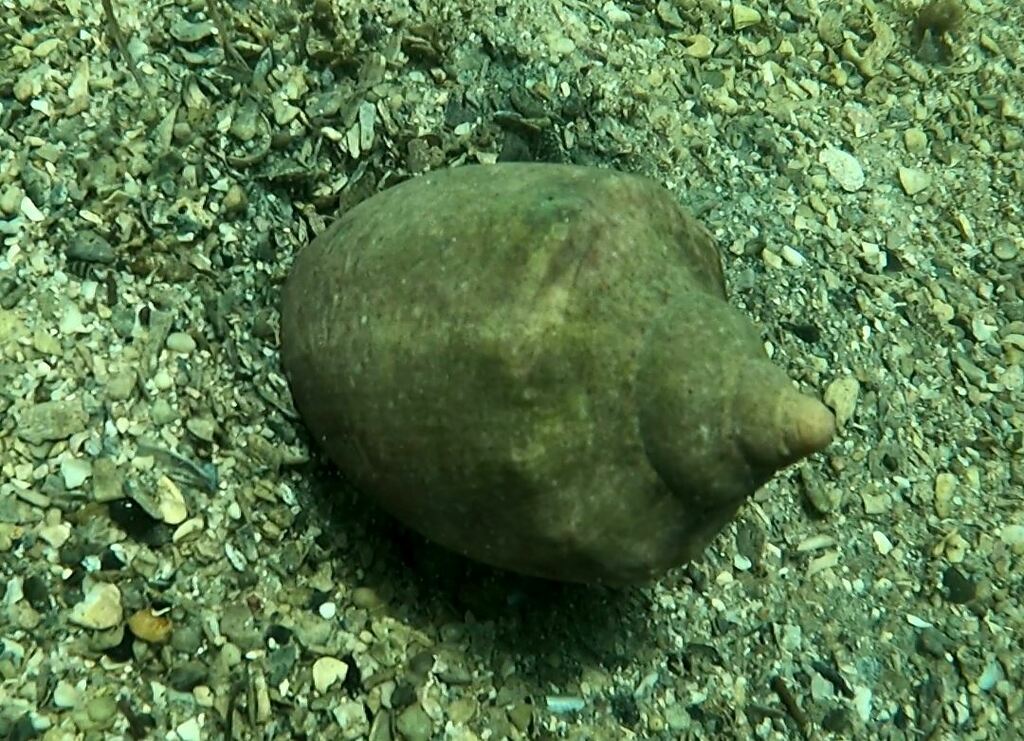
(c) Tim, some rights reserved (CC BY) · CC BY · iNaturalist
Names and classification
- English
- Magnificent volute, magnificent volute
Names in 1 more languages
- German
- Prächtige Walzenschnecke
Other scientific names: Cymbiola (Cymbiola) magnifica, Cymbiolena magnifica, Voluta magnifica
Similar species
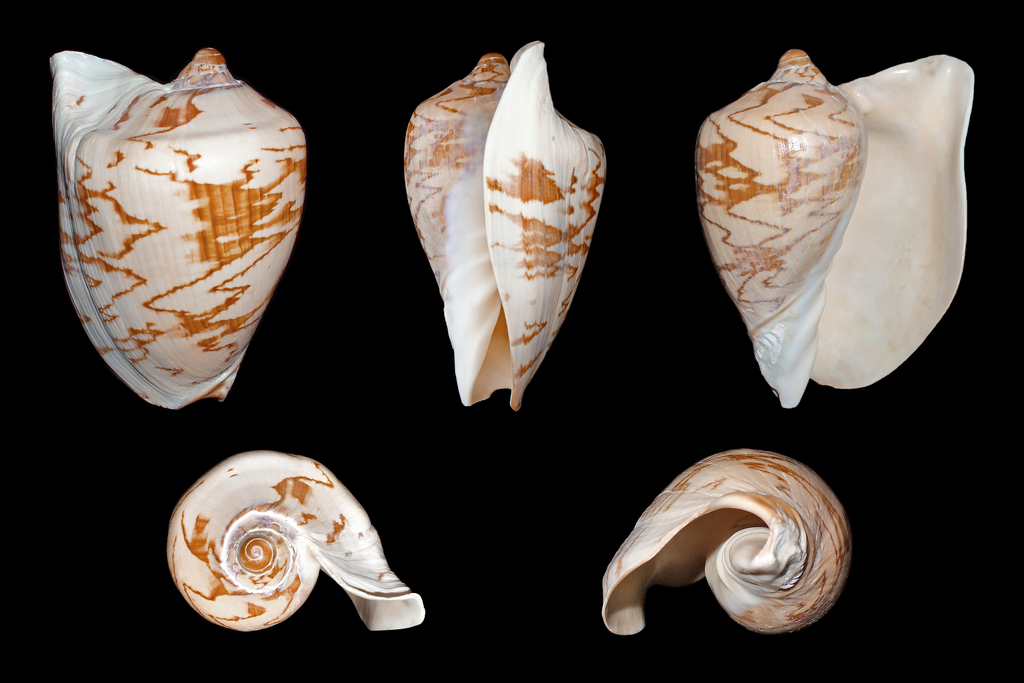 Noble volute
Cymbiola nobilis
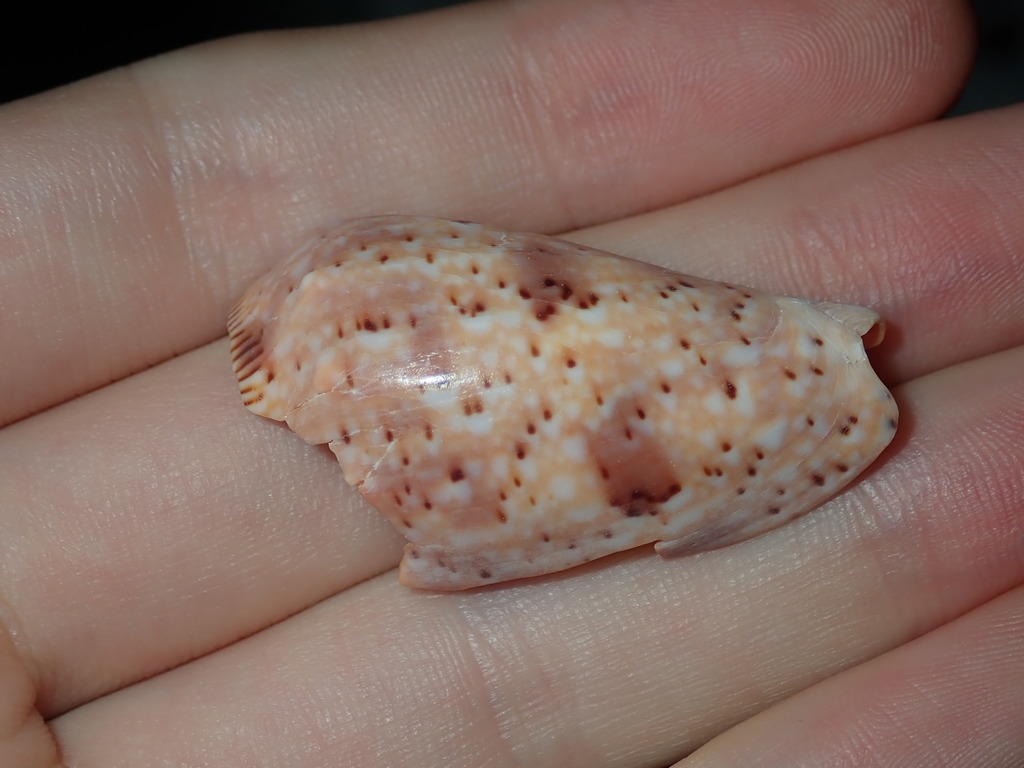
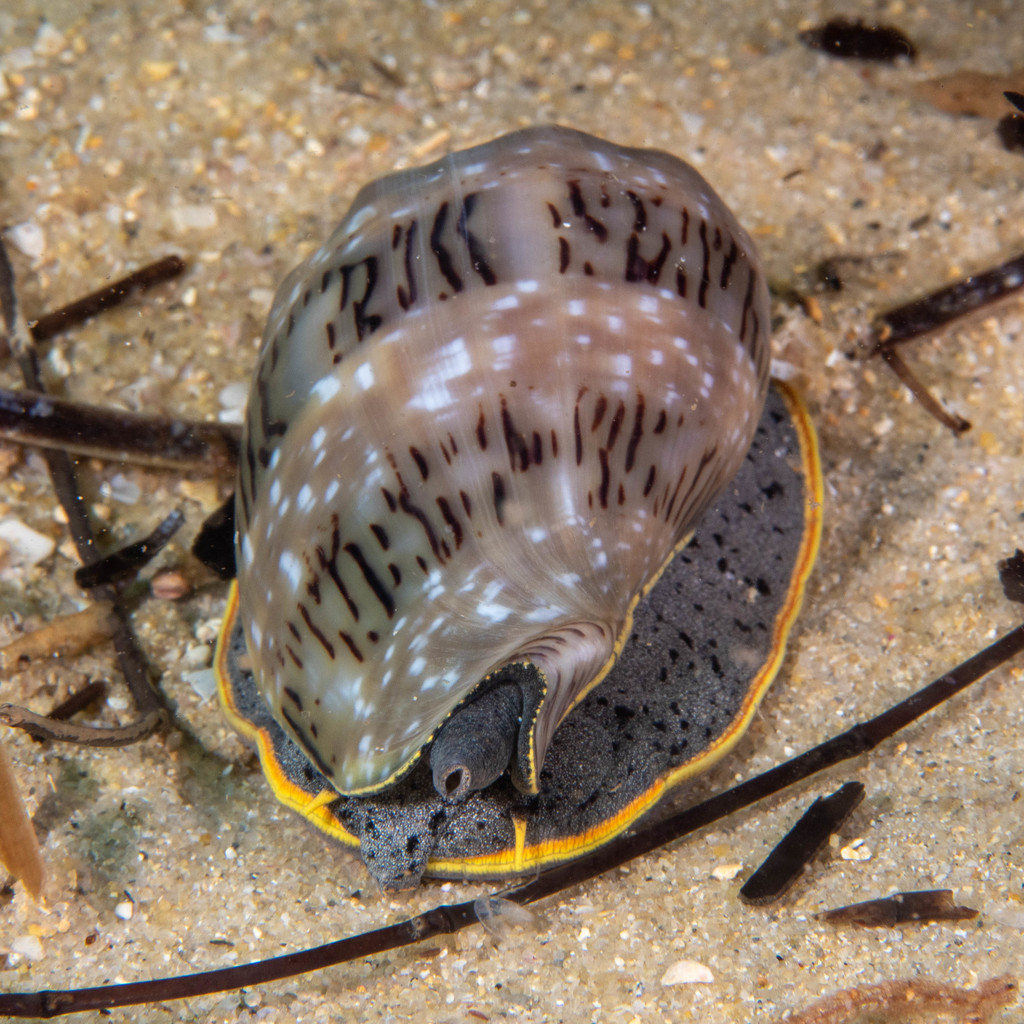 Snowy volute
Cymbiola nivosa
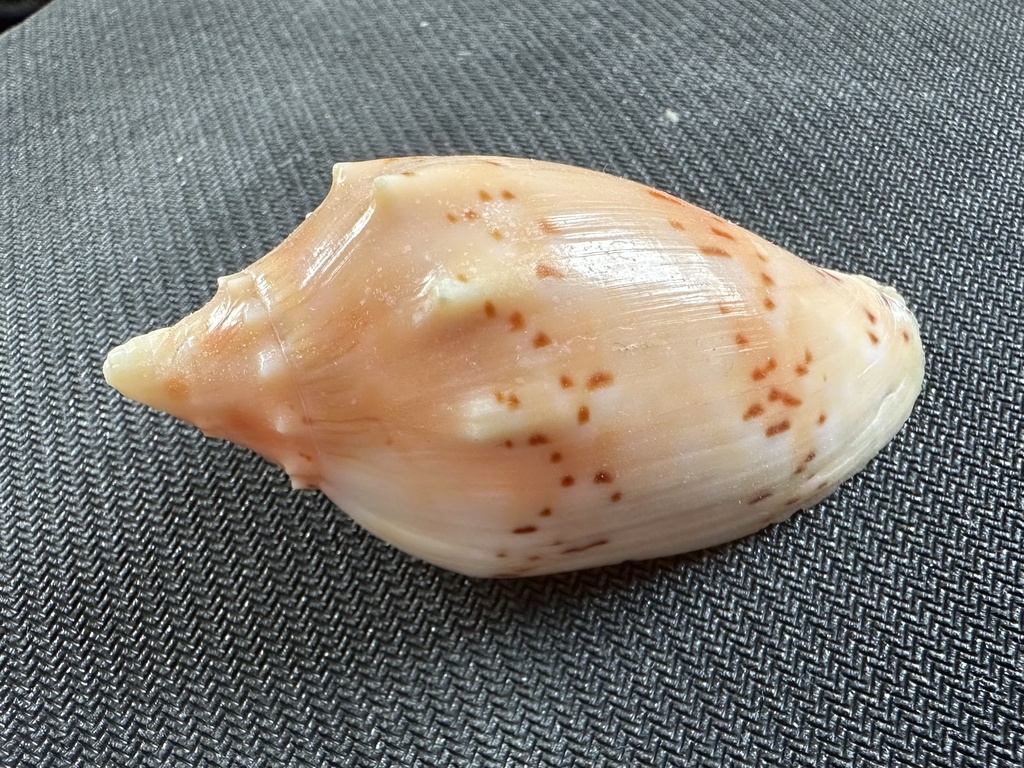
 Bat volute
Cymbiola vespertilio
- Aulica volute
Cymbiola aulica
Sources and credits
Names and taxonomy: WoRMS (CC BY 4.0) and the GBIF Backbone (CC BY 4.0). Photos: iNaturalist observers, each under the licence shown (CC0, CC BY or CC BY-SA).
- Depth, temperature, months and maps: records from OBIS and GBIF under CC0 or CC BY.
- Descriptions: Wikipedia, licensed CC BY-SA, each linked to its article.
- Conservation status as published by GBIF (IUCN Red List).
- 169 open-data records from 1886 to 2014.
- Species data updated November 2, 2026.
Log what you see on your next dive
The free DiveHive diver app keeps your logbook with every sighting and shows what lives at the site you dive next.