
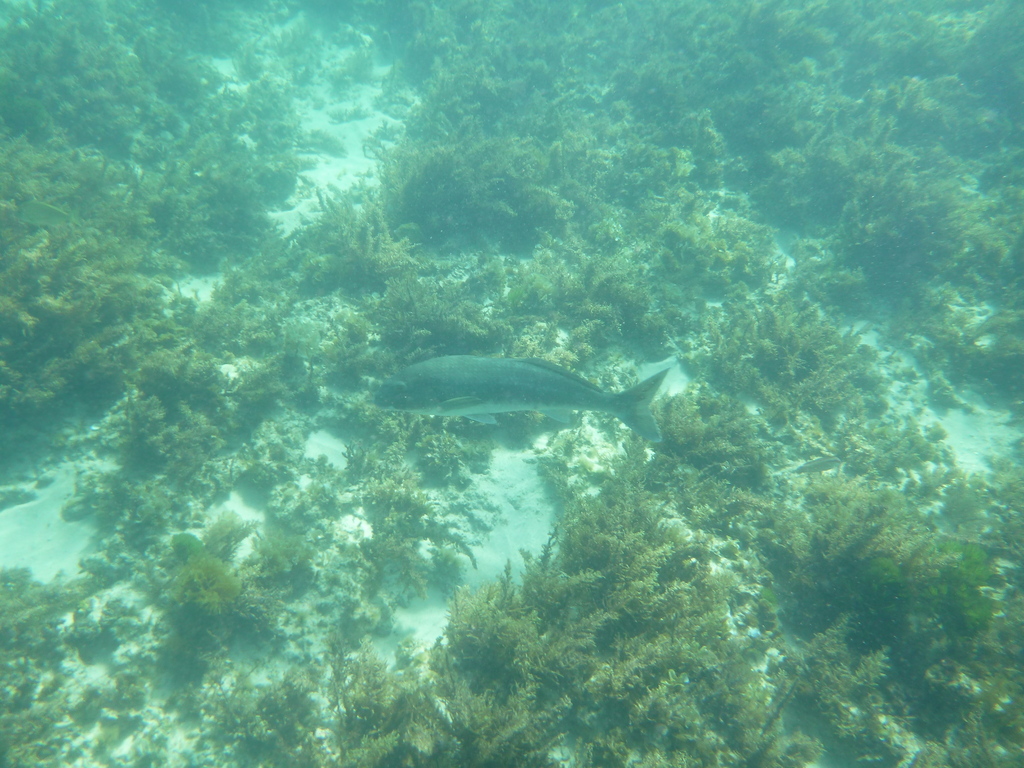
Black Butterfish
Dactylophora nigricans
- Usual depth1–18 m
- Water temperature14–21 °C
- Best monthsJanuary, March, and August
- How commonOccasional
Photo credit: (c) Belinda Forbes, some rights reserved (CC BY) · CC BY · iNaturalist
About this species
The dusky morwong is a species of marine ray-finned fish, traditionally regarded as belonging to the family Cheilodactylidae, the members of which are commonly known as morwongs. It is native to the western and southern coastal reefs of Australia. This species is the only known member of its genus.
Text from the Wikipedia article “Dusky morwong”, licensed CC BY-SA 4.0. Read the article
Where and when
Where it has been recorded
Worldwide
Loading the map
Best months
Worldwide (open data)
- January: 335 records
- February: 243 records
- March: 273 records
- April: 177 records
- May: 164 records
- June: 71 records
- July: 189 records
- August: 336 records
- September: 136 records
- October: 120 records
- November: 171 records
- December: 246 records
Depth and water temperature
Depth
Mostly recorded at 1–18 m · Deepest record: 36.5 m
Water temperature
Recorded in surface water of 14–21 °C
Photos
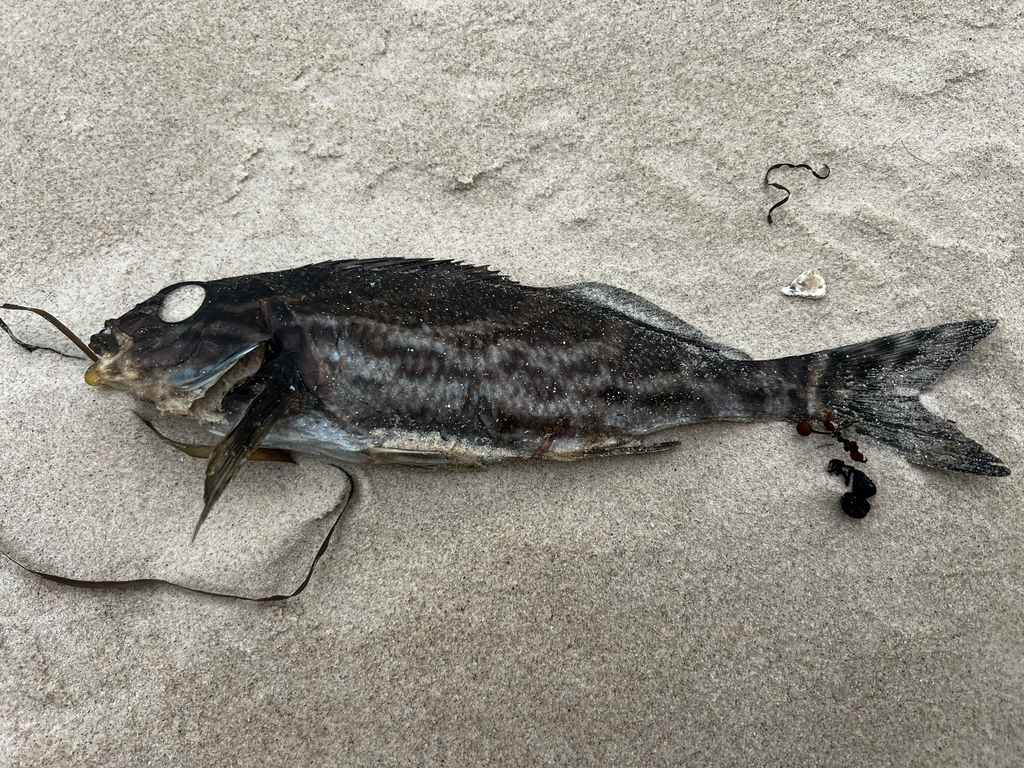
(c) Alex Stuart, some rights reserved (CC BY) · CC BY · iNaturalist 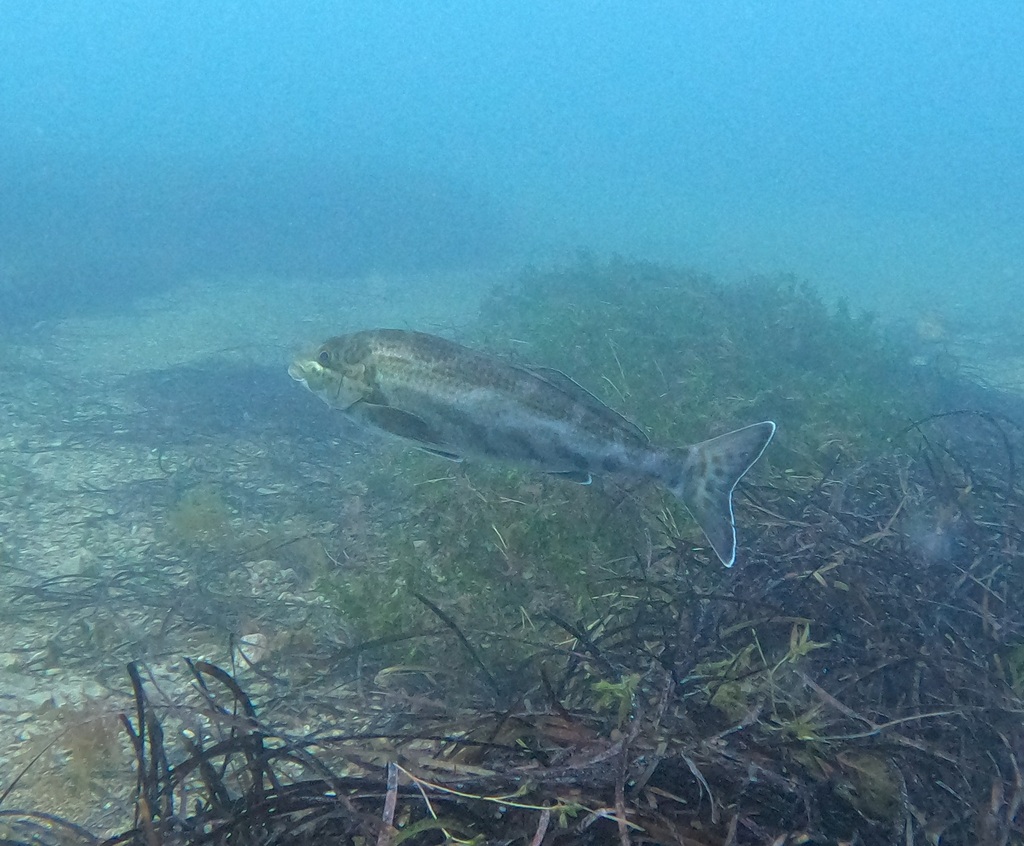
(c) Tim, some rights reserved (CC BY) · CC BY · iNaturalist 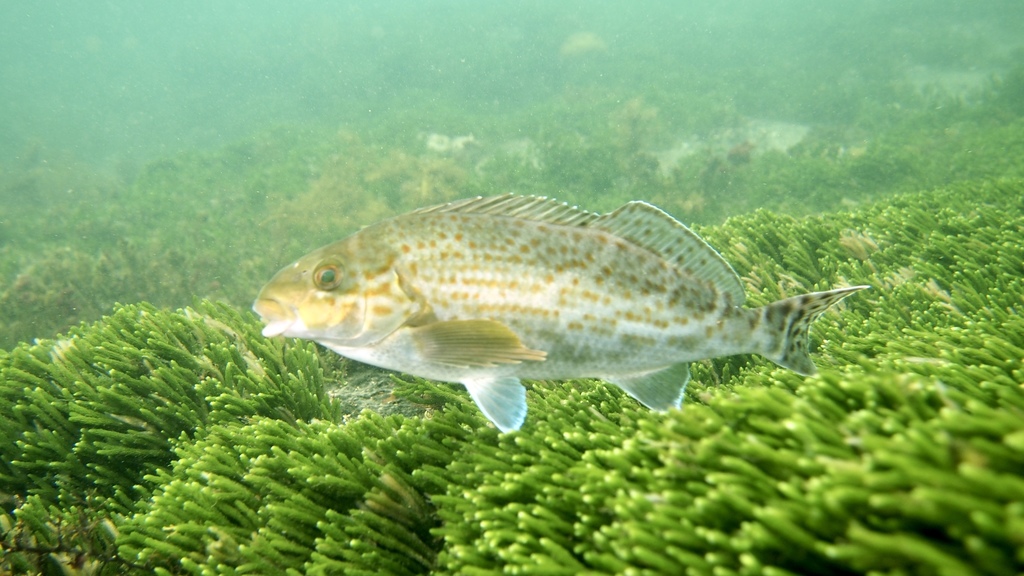
(c) Christopher Mark, some rights reserved (CC BY) · CC BY · iNaturalist 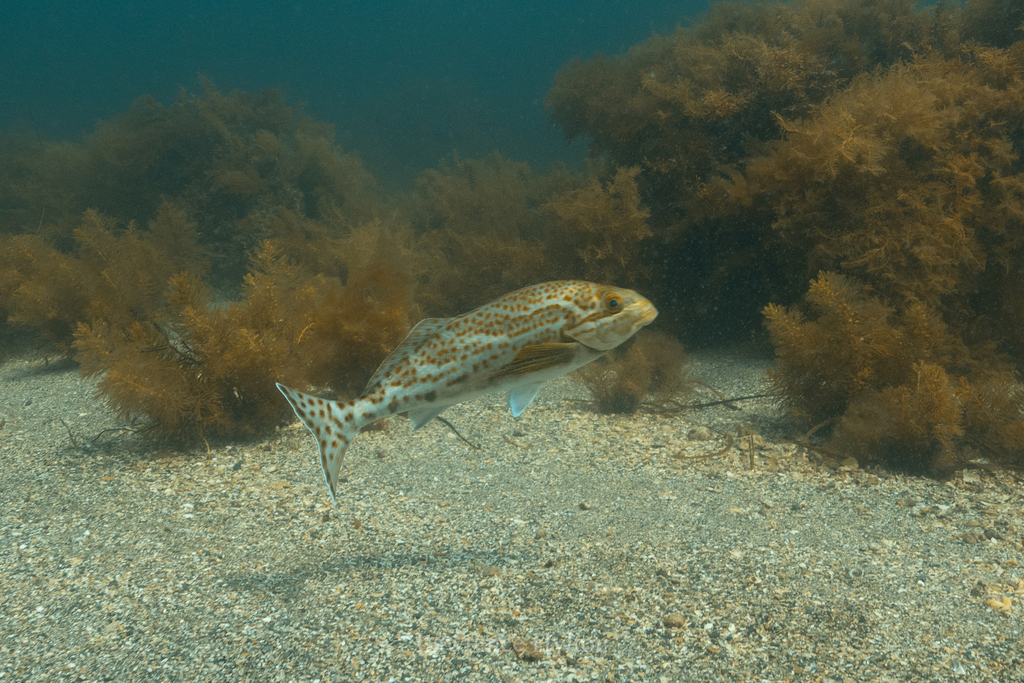
(c) Lawrence Hylton, some rights reserved (CC BY) · CC BY · iNaturalist 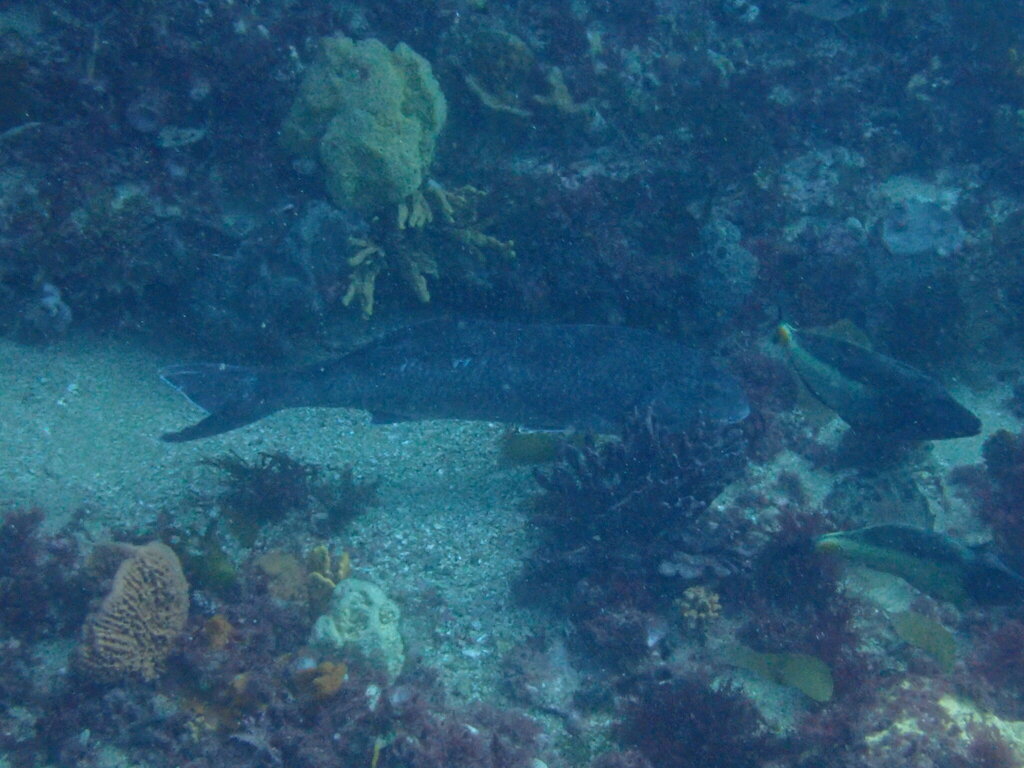
(c) ttsquid, some rights reserved (CC BY) · CC BY · iNaturalist 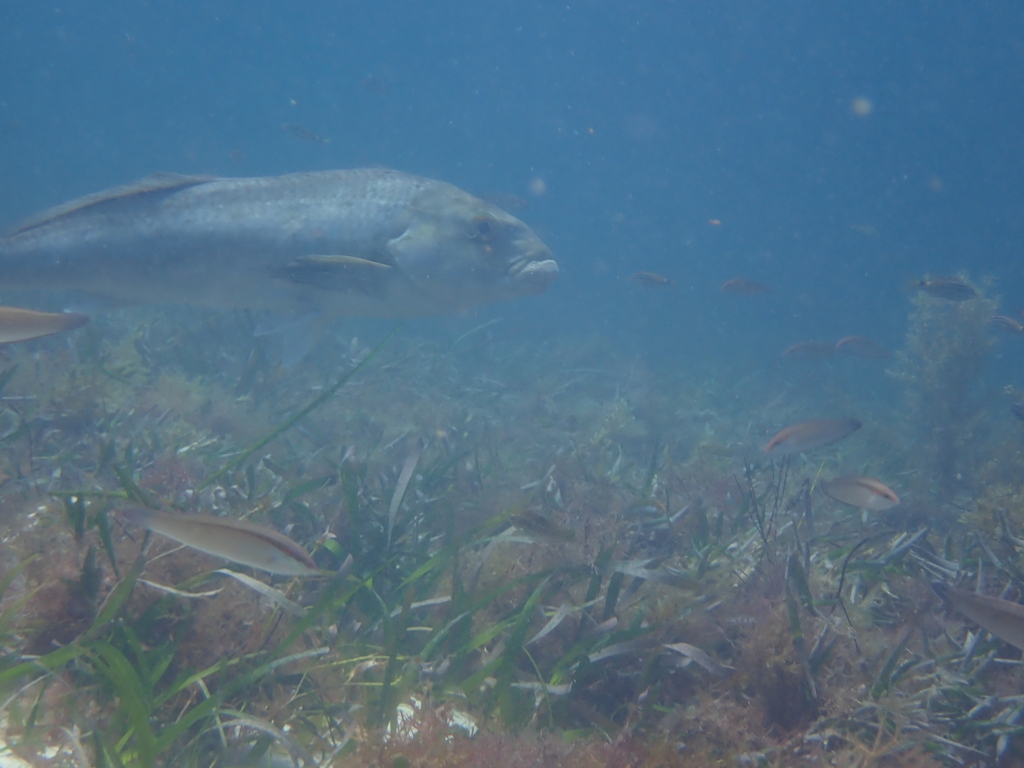
(c) Grady Duffy, some rights reserved (CC BY) · CC BY · iNaturalist 
(c) Belinda Forbes, some rights reserved (CC BY) · CC BY · iNaturalist
Names and classification
- English
- Black Butterfish, Butterfish, Butter Perch, Dusky Morwong, Nunckla, Nunda, Shitfish, Strongfish, Tillywurti
Other scientific names: Cheilodactylus nigricans, Psilocranium nigricans
Similar species
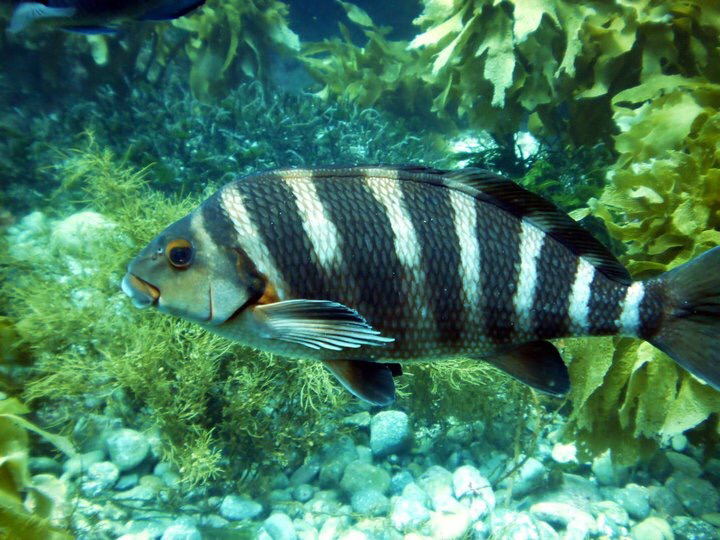 Banded Morwong
Chirodactylus spectabilis
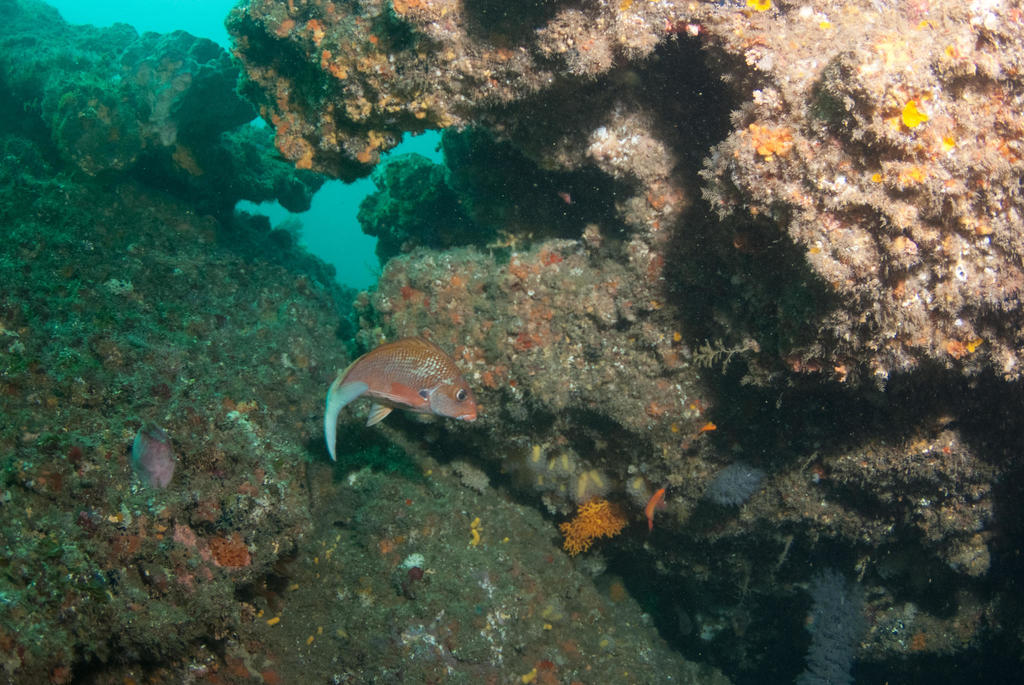 Natal Fingerfin
Chirodactylus jessicalenorum
Sources and credits
Names and taxonomy: WoRMS (CC BY 4.0) and the GBIF Backbone (CC BY 4.0). Photos: iNaturalist observers, each under the licence shown (CC0, CC BY or CC BY-SA).
- Depth, temperature, months and maps: records from OBIS and GBIF under CC0 or CC BY.
- Descriptions: Wikipedia, licensed CC BY-SA, each linked to its article.
- Conservation status as published by GBIF (IUCN Red List).
- 801 open-data records from 1873 to 2023.
- Species data updated November 2, 2026.
Log what you see on your next dive
The free DiveHive diver app keeps your logbook with every sighting and shows what lives at the site you dive next.